

Olympic National Park photography rewards people who plan around light, tides and weather. The park itself points photographers to its forests, glacier carved lakes, subalpine views and coastal sunsets. This guide covers where to go, when the light is kindest, how to work with rain and tides, and the rules on wildlife, drones and permits.
Quick answer
Where and when should you take photos in Olympic National Park?
Shoot the coast at sunset, the rain forests and waterfalls on grey or drizzly days, and Hurricane Ridge at sunrise or sunset on a clear day. The park says sunrise and sunset often bring the best light. Check tide charts before beach trips, stay 150 feet from wildlife, and leave the drone at home.
- Sunrise and sunset often have the best light
- Stay at least 150 feet from wildlife
- Drones need the superintendent’s written approval
- Groups of eight or fewer usually need no filming permit
Olympic National Park photography spots by light and season
The park advises researching locations, travel time and the best time of day before you go. This table is our short list.
Where to shoot, compared
| Location | Best light | Season |
|---|---|---|
| Rialto, Ruby and Second Beach | Sunset over sea stacks | All year; check tides |
| Kalaloch | Sunset over open beach | All year |
| Hoh and Quinault rain forests | Overcast or light rain | Spring for new green; wet months |
| Waterfalls | Grey, even light | After rain, in the wet months |
| Hurricane Ridge | Sunrise and sunset on clear days | Summer meadows; winter weekends |
The coast at sunset
The wilderness coast faces west, so the sun drops straight into the Pacific behind the sea stacks. The park tips say to shoot at “inconvenient times,” because sunrise and sunset often have the best light. Bring a headlamp for the walk back to the car.

Our guides to Rialto Beach and Hole in the Wall, Ruby Beach and Second and Third Beach near La Push cover trails and viewpoints. On a still evening, wet sand left by a falling tide mirrors the sky.
Working with tides and surf
The park’s safety tips for photographers are blunt: check tide charts before you visit a beach and stay away from logs in the surf. Before a sunset session, look up the evening’s tide on NOAA Tides and Currents and know your way back before the water rises.

Summer brings the lowest low tides of the year, which is also the season for tide pools in Olympic National Park. Our Olympic Coast tides safety guide explains headlands and tide tables.
Rain forests in soft, overcast light
Bright sun under a tall canopy throws patches of glare and deep shadow across the moss. A grey or drizzly day evens out the light, so the greens and textures come through.
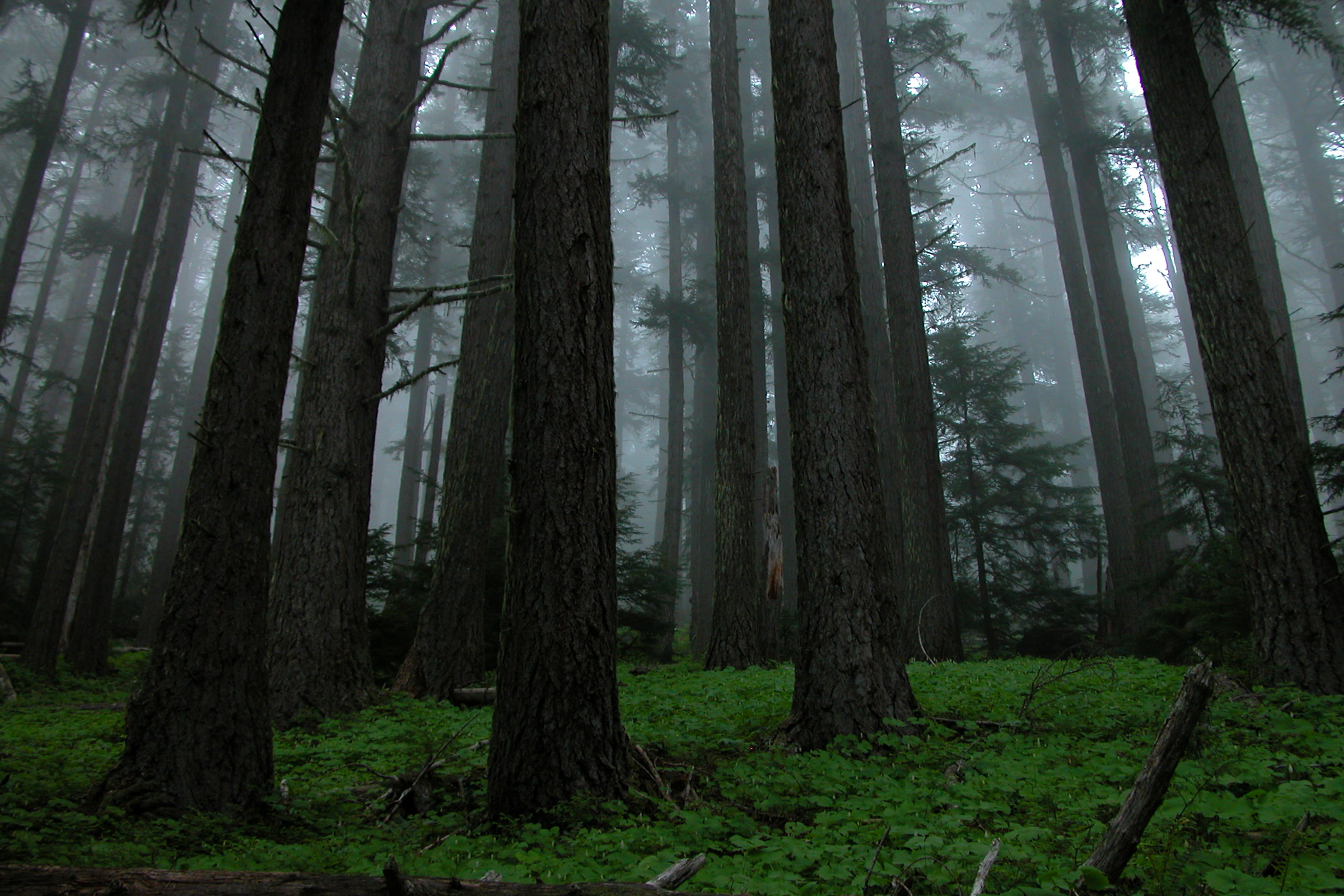
The light is dim under the trees, so the park suggests a tripod for low light. Keep it on the trail and out of the moss. Our guides to temperate rainforests in Olympic National Park and the Hoh River Trail suggest where to walk.
Working with the rain
Most precipitation falls from November through April, and the coast and west facing valleys get 100 to 170 inches a year. Come prepared:
- Carry a rain cover or a dry bag for the camera, plus a soft cloth for the lens.
- Pack a fresh battery and memory card, as the park advises.
Waterfalls on grey days
Waterfalls follow the same rule as the forest: grey skies keep the white water from glaring. Rain fed falls also run fullest in the wet months. A tripod and slow shutter turn moving water silky.

Our guide to Olympic National Park waterfalls and our Sol Duc Falls guide cover trails and access. Stay behind railings; rocks near falling water are slick with spray and moss.
Hurricane Ridge at sunrise and sunset
Hurricane Ridge sits 17 miles south of Port Angeles. The park says that on a clear day, sunrise and sunset there give magnificent panoramic views. In summer the subalpine meadows bloom; our Hurricane Ridge wildflower season guide covers the timing.

As of October 2026, the park says Hurricane Ridge Road is open through the summer. In winter it is scheduled to open Friday through Sunday and holiday Mondays, weather permitting, with tire chains required. Check the NPS Hurricane Ridge page or call 360-565-3131 before you go. See also Hurricane Ridge in winter and our stargazing guide.
Wildlife photography: distance and ethics
The park asks visitors to stay at least 150 feet from wildlife and use binoculars or a telephoto lens. Its simple test: if you cause an animal to move, you are too close. Feeding, approaching or harassing wildlife is illegal, and that includes birds and small mammals such as chipmunks.
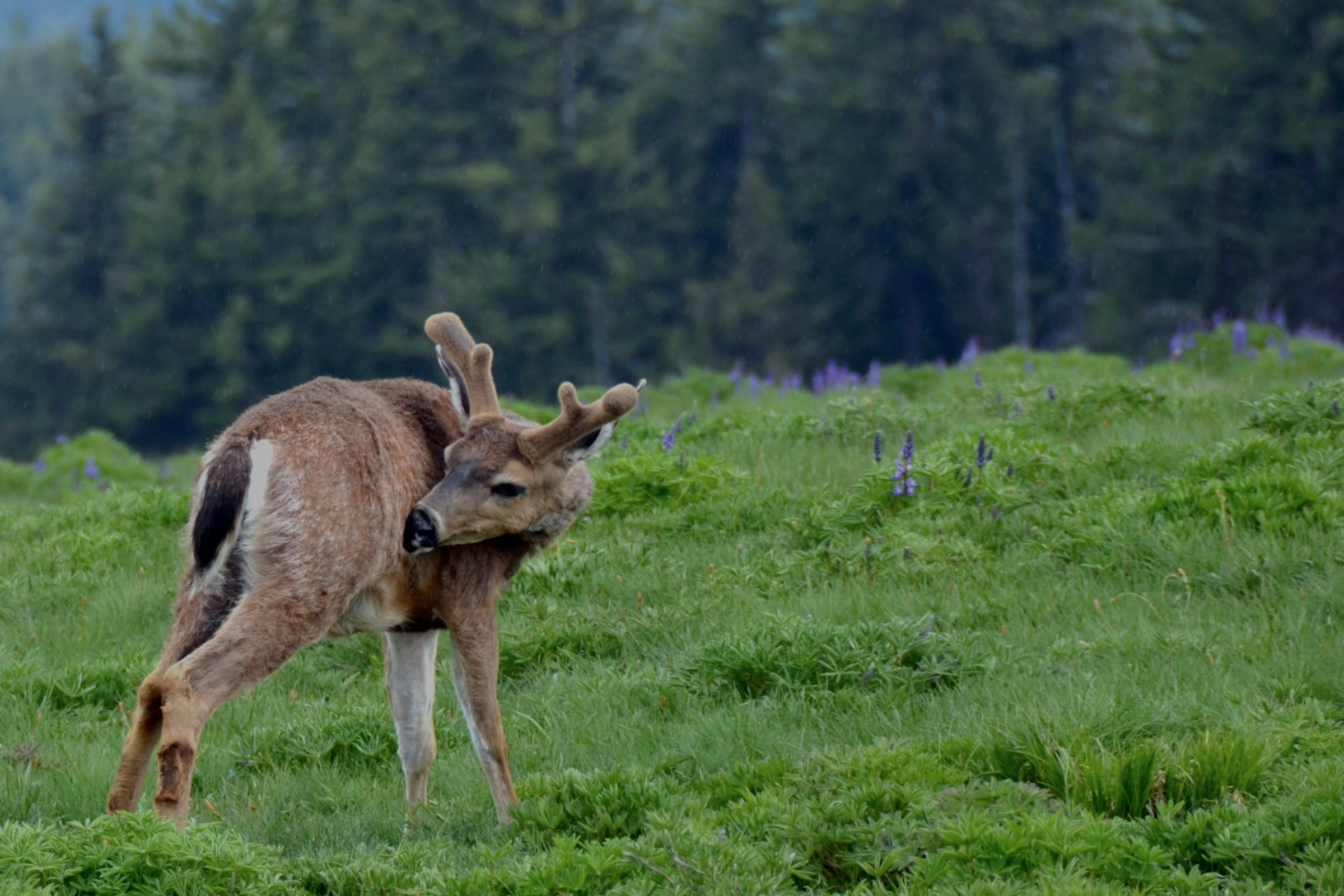
- Marmots: trails near Hurricane Ridge in summer; see our Olympic marmot guide.
- Elk: lower valleys and rain forests, mostly at dawn or dusk.
- Whales: from the beaches during migration, including Kalaloch, Rialto and Shi Shi.
Our wildlife viewing guide goes further on safe watching. Never bait an animal or call it closer for a shot.
Drones and commercial filming permits
As of October 2026, the park’s laws and policies page says launching, landing or operating an unmanned aircraft is prohibited except as approved in writing by the superintendent. The park cites safety, wildlife and wilderness character; about 95 percent of the park is designated Wilderness.
For cameras on the ground, the park says that in most cases no permit or fee is needed for filming, still photography or audio recording by eight or fewer people. That applies only when the work:
- takes place in areas open to the public;
- uses hand-carried equipment only;
- needs no exclusive use of a site;
- does not harm park resources, values or other visitors; and
- is not likely to add administrative costs for the park.
The park treats commercial, noncommercial, content creation, student and media work the same way. When a permit is needed, there is a non-refundable application fee, plus location fees and cost recovery, and liability insurance from a United States company. A photography workshop run as a business may need a commercial use authorization. Rules changed under the EXPLORE Act of January 2025, so read the park’s special use and commercial permits page before you go, and email olym_permits@nps.gov with questions.
How Friends of Olympic National Park helps
We are Friends of Olympic National Park (FONP), a volunteer led friends group based in Port Angeles. Our guided wildflower walks help you learn what you are photographing, and our crews join beach cleanups in Olympic National Park. Pack out everything, follow our Leave No Trace tips for the coast, and if the park gives you a picture you love, please become a member.
Frequently asked questions
Can I fly a drone in Olympic National Park?
No, not without permission. As of October 2026, launching, landing or operating an unmanned aircraft in the park is prohibited except as approved in writing by the superintendent.
Do I need a permit to take photos in Olympic National Park?
Usually not. The park says groups of eight or fewer using hand-carried equipment in public areas, with no exclusive use of a site and no harm to resources, generally need no permit or fee.
What is the best time of day to photograph Olympic National Park?
The park says sunrise and sunset often have the best light. Rain forests and waterfalls also photograph well on overcast days, when the light is soft and even.
Where can I photograph sunset in Olympic National Park?
The west facing coast is the classic choice: Rialto Beach, Ruby Beach, Second Beach and Kalaloch. On clear days Hurricane Ridge also has wide sunset views over the mountains.
How close can I get to wildlife for photos?
Stay at least 150 feet away and use binoculars or a telephoto lens. If an animal moves because of you, you are too close.
Leave a Reply