
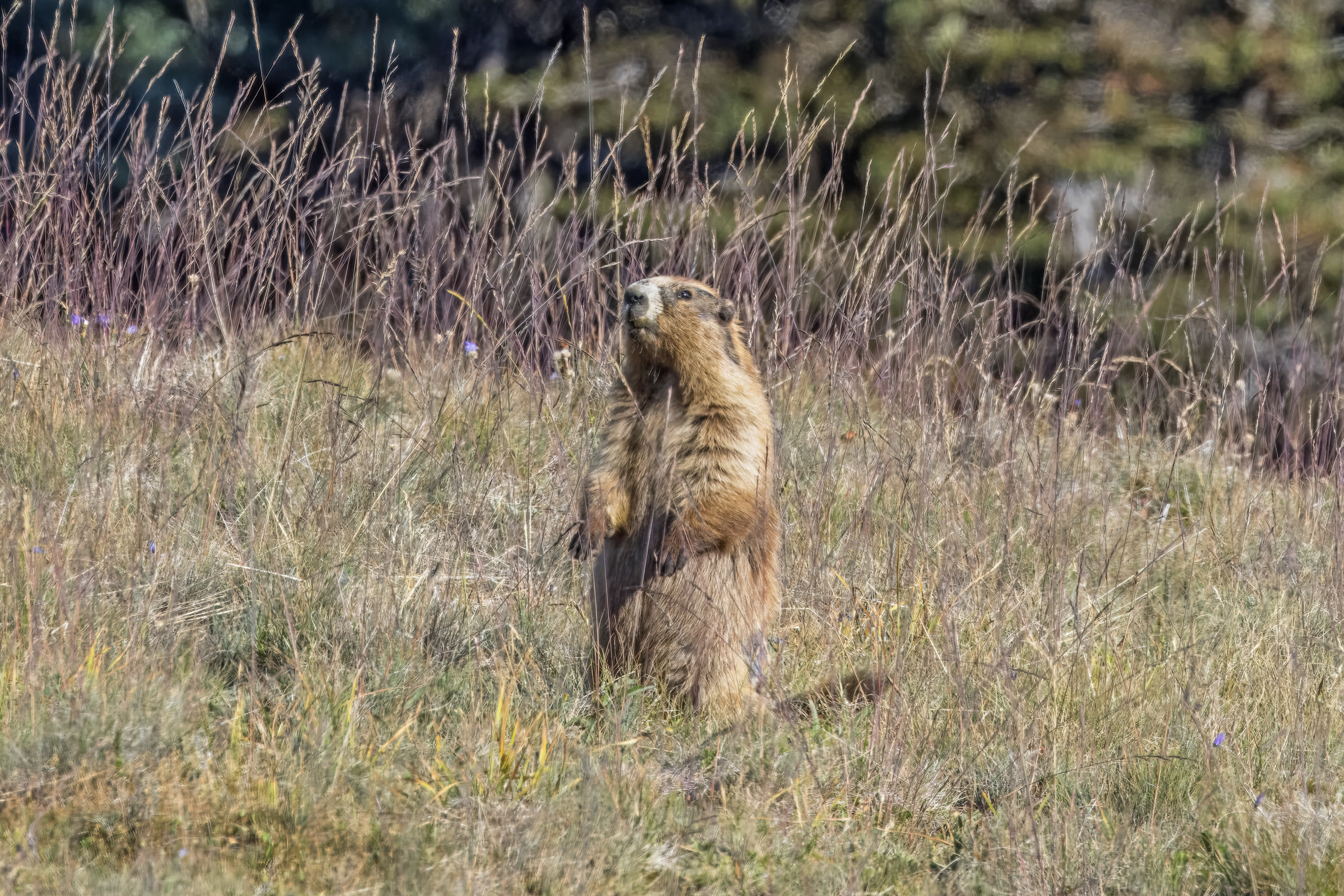
The Olympic marmot is a chubby, whistling ground squirrel that lives in the high meadows of the Olympic Mountains and nowhere else on Earth. Summer visitors to Hurricane Ridge often meet one beside the trail, sunning on a rock or chewing a mouthful of lupine. Here is what we have learned about our mountain neighbour, and how to watch it well.
Quick answer
What is the Olympic marmot, and where can you see one?
The Olympic marmot is a housecat-sized ground squirrel found only in the Olympic Mountains of Washington. It lives in family colonies in meadows above about 4,000 feet and hibernates for seven to eight months. In summer, the trails near Hurricane Ridge, including Hurricane Hill, are a good place to watch one.
- Found only in the Olympic Mountains
- Washington’s official endemic mammal since 2009
- Hibernates from about September or October for seven to eight months
- About 90 percent of its habitat lies inside Olympic National Park
Why the Olympic marmot is found nowhere else
The Olympic marmot (Marmota olympus) is endemic, which means its whole range is one small place. According to the park’s Olympic marmot page, it lives in mountain meadows above about 4,000 feet across the Olympic Mountains, though it is rare in the wetter southwest. About 90 percent of that habitat is protected inside Olympic National Park.
In 2009 the Washington State Legislature named it the state’s official endemic mammal. The state wildlife department adds that the species lives in subalpine and alpine meadows and talus slopes near timberline.
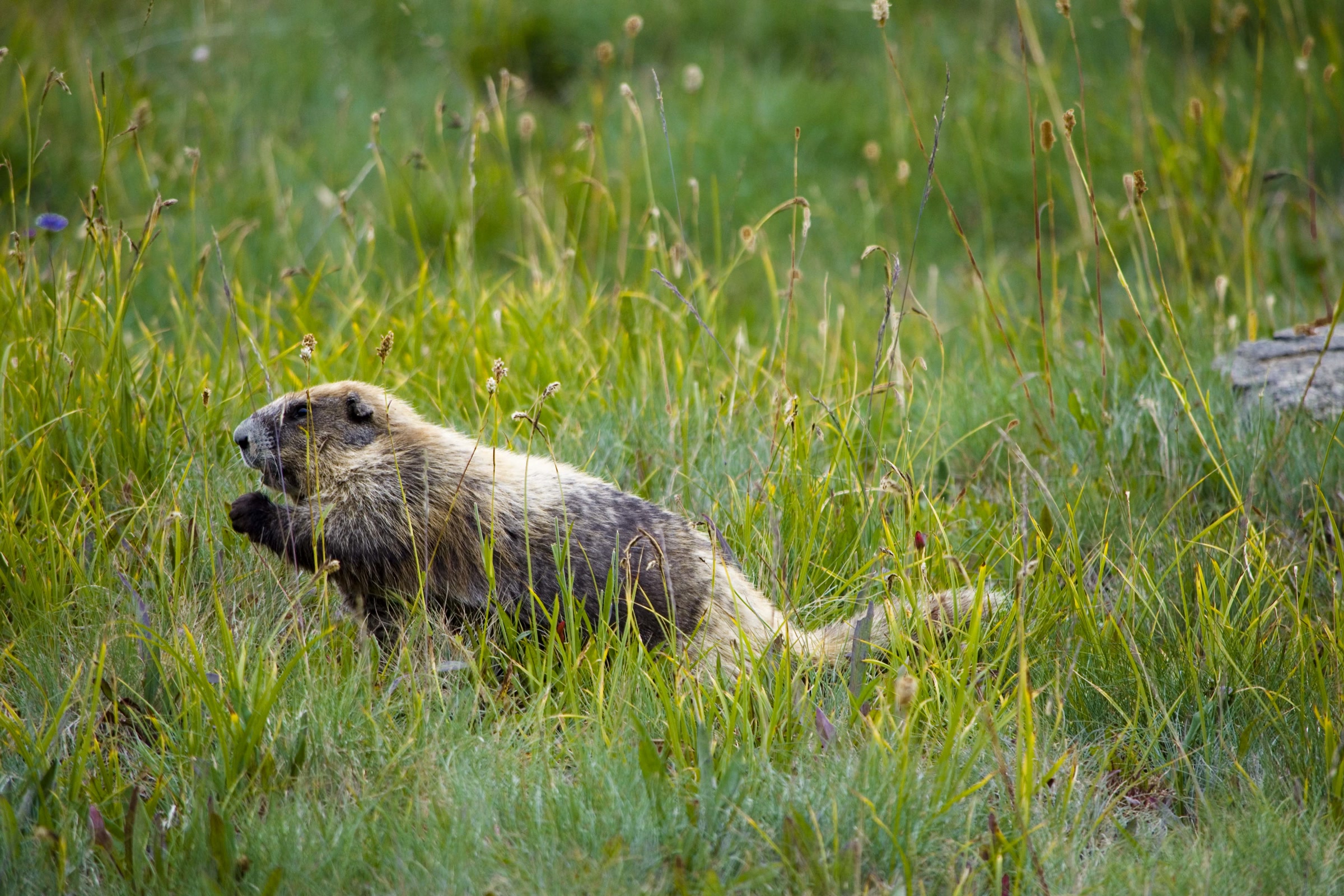
Olympic marmot facts: life in a colony
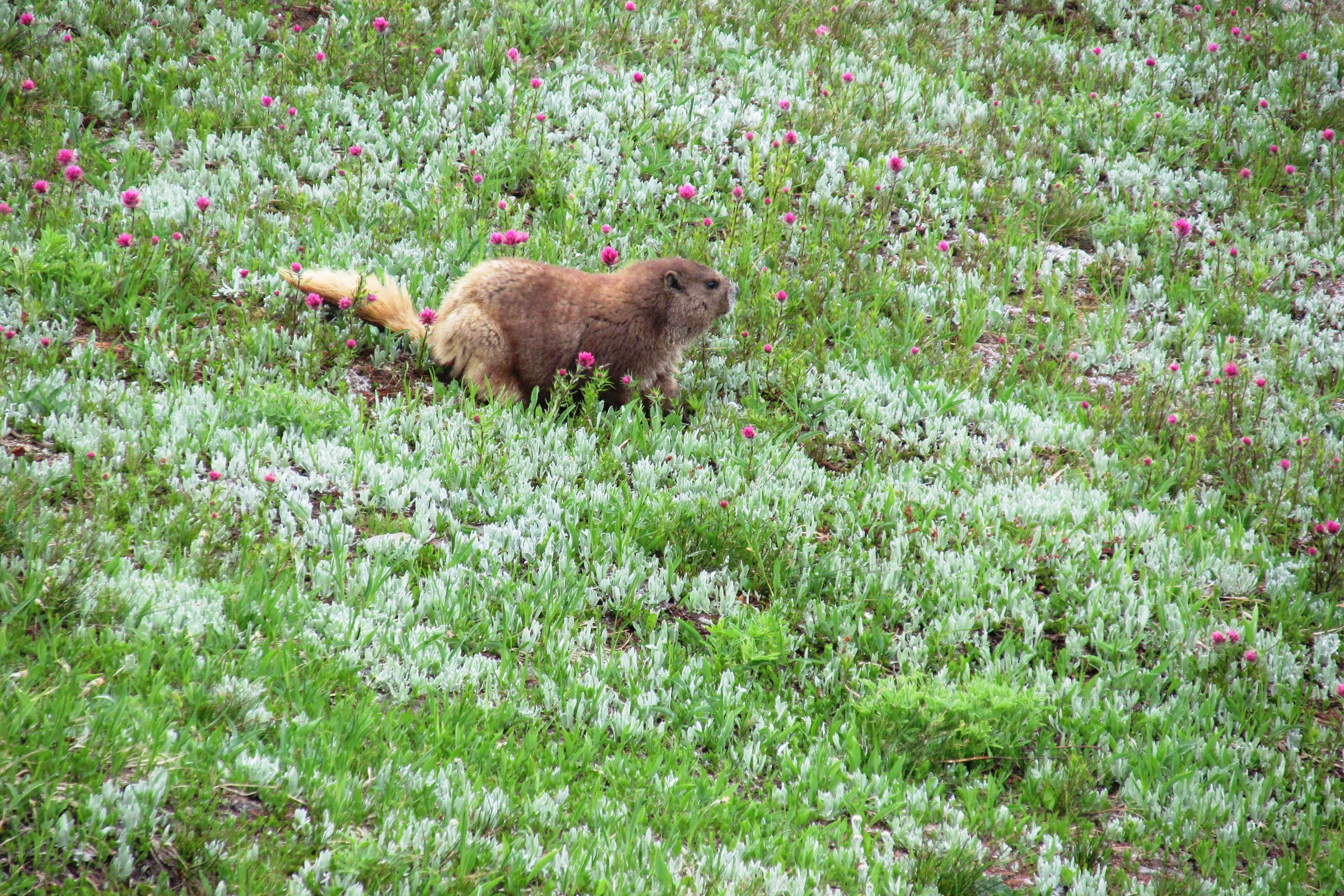
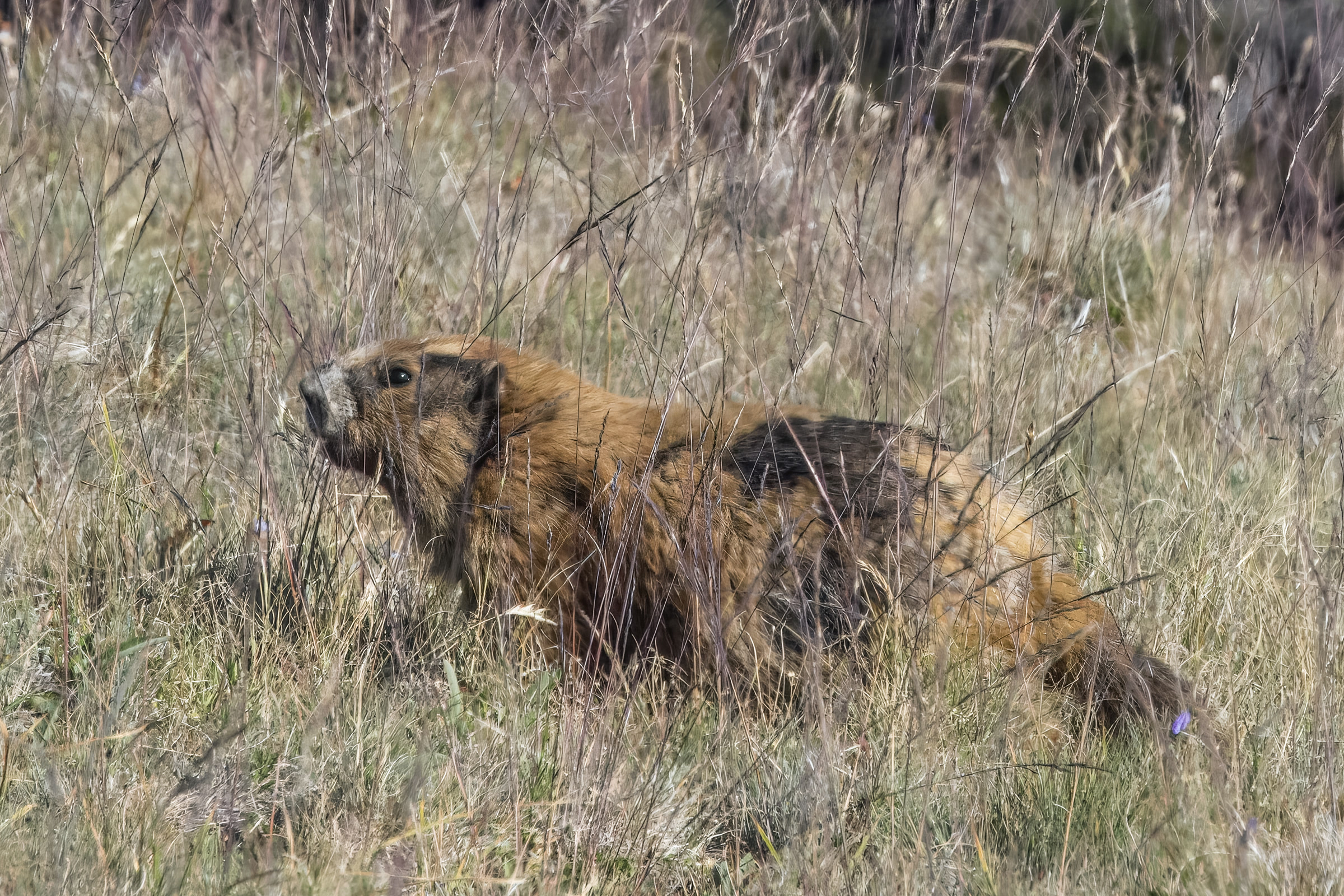
An adult is about the size of a housecat, with a long bushy tail and brownish fur mixed with white. Marmots live in family groups: one adult male, one or more adult females, and young from several years. A colony shares a home range of half an acre to five acres, dotted with burrows.
That loud, piercing whistle you hear on the trail is an alarm. It warns the colony of a predator or intruder, and it tells hikers they have walked into marmot country.
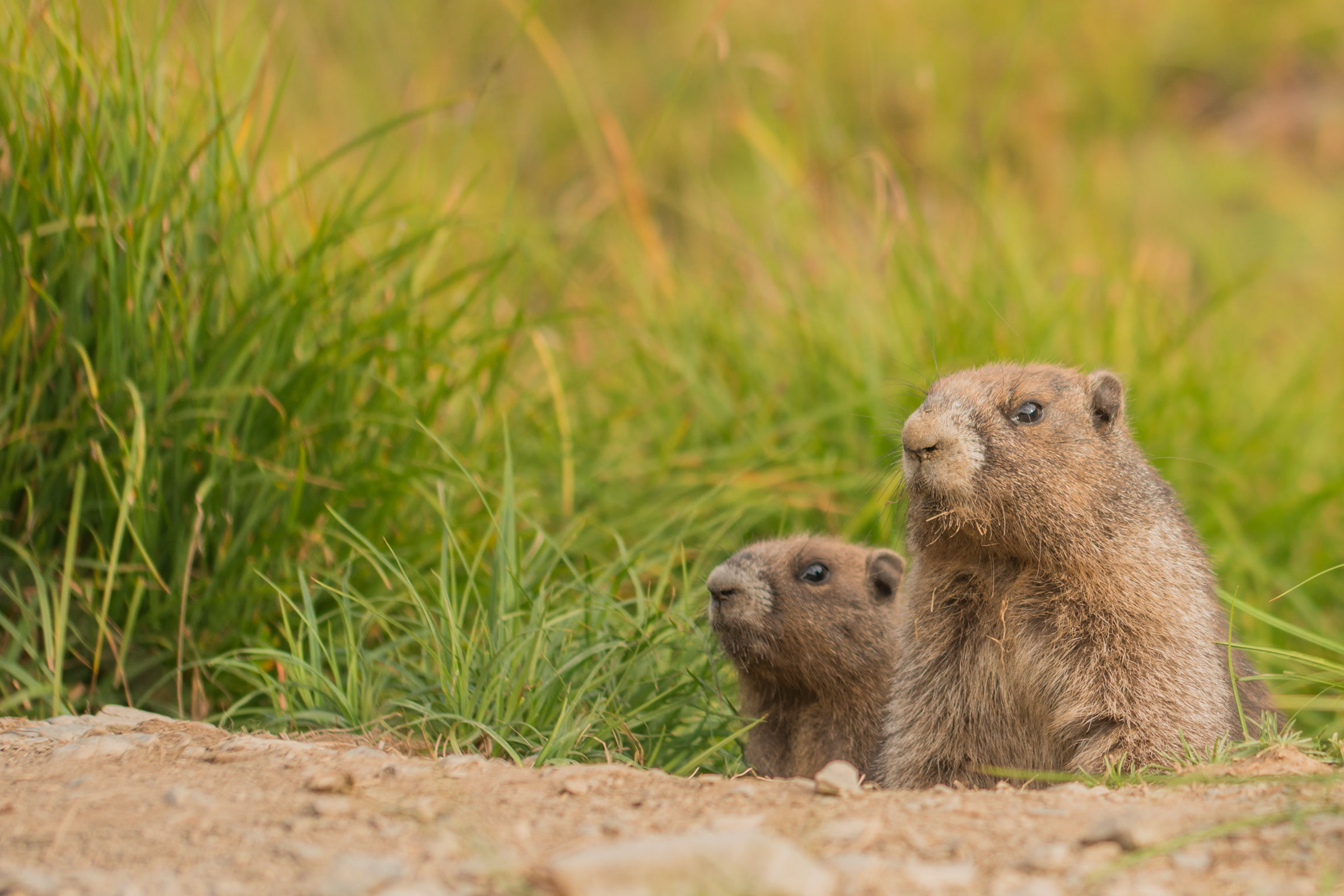
An Olympic marmot’s year compared
| Season | What marmots are doing |
|---|---|
| May and June | Waking up hungry; eating roots and even gnawing on trees |
| Summer | Feasting on fresh flowers such as lupine and glacier lilies |
| Late summer | Fattening up; they can double their body weight |
| September or early October | Entering hibernation for seven to eight months |
Hibernation: the long sleep
By the time they head underground, adults can weigh 15 pounds or more. During hibernation a marmot’s body temperature drops below 40 degrees Fahrenheit, and its heart can slow to three beats a minute. It neither eats nor drinks, waking briefly about every ten days before sinking back into torpor.
That leaves only a short snow-free season to eat, raise young and store fat. In a given year only about 30 percent of adult females produce a litter, of one to six pups, and about half of the young die by the next spring.
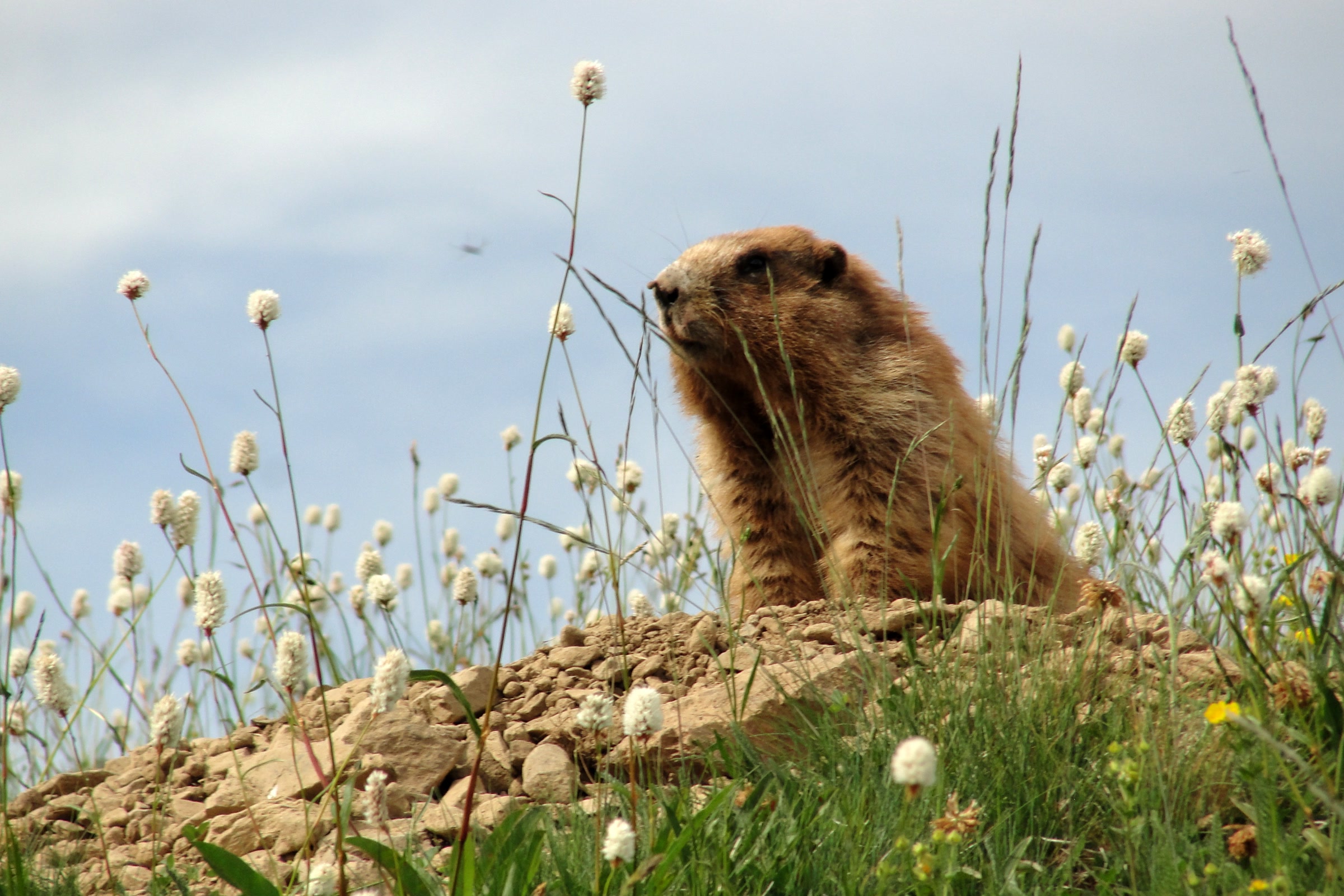
Population concerns and research
Olympic marmot numbers fell in the 1990s and early 2000s. The park links the decline at least partly to coyotes, which are not native to the Olympic Peninsula. The Washington Department of Fish and Wildlife reports that coyote predation was the most common cause of death for adult females from 2002 to 2006, and that numbers have possibly stabilized since 2007.
Climate is the bigger long-term worry. WDFW lists reduced snowpack and trees creeping into open meadows among the threats, and the state treats the marmot as a candidate species of greatest conservation need. Marmots have already vanished from some of the driest meadows in the northeast Olympics.
Where to see marmots at Hurricane Ridge
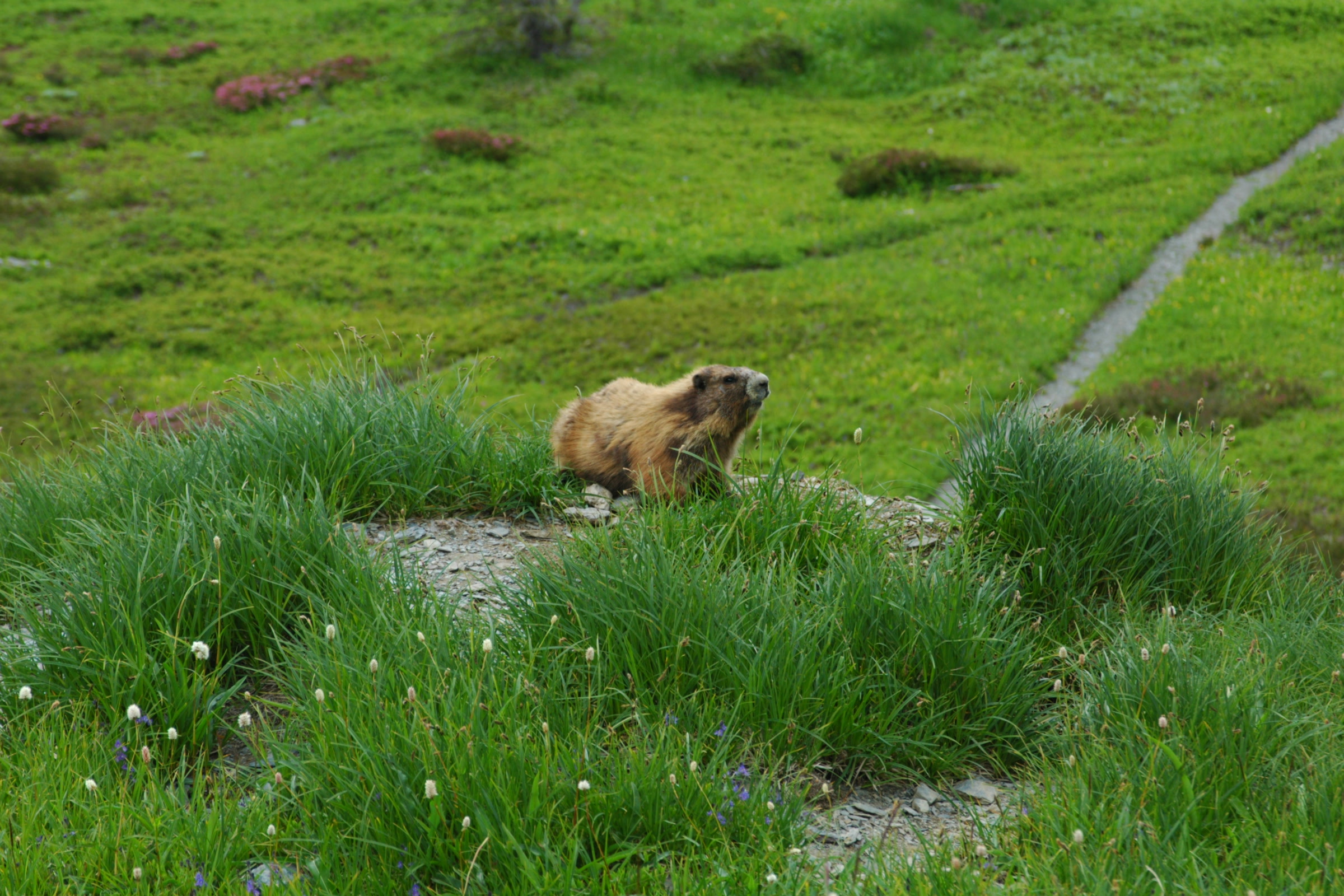
The park’s wildlife viewing advice points to trails near Hurricane Ridge and other alpine trails in summer. Because marmots hibernate, you will not see them in winter. The paved Hurricane Hill trail, 1.6 miles one way, is a favourite, and hikers often spot marmots grazing near its edges among the Hurricane Ridge wildflowers.
- Look on open, grassy slopes with scattered rocks and burrow mounds.
- Listen for the alarm whistle, then scan the slope below it.
- Bring binoculars so you can watch from the trail without stepping closer.
Watching marmots the right way
It is illegal to feed, approach or harass wildlife in the park, small mammals included. The park asks visitors to stay at least 150 feet from wildlife and offers a simple rule: if you cause an animal to move, you are too close. Feeding leads to unnatural behaviour, dependence on people and poor nutrition.
Stay on the trail, too. Marmot meadows are fragile, and every shortcut tramples the plants these animals depend on. WDFW also asks people never to feed coyotes, since that can increase predation on marmots.
The Olympic Marmot Monitoring volunteer program
Since 2010 the park has run a citizen science survey whose volunteers are known as Marmoteers. Teams hike to remote meadows and record whether marmots are present in each habitat patch. Trends come from the share of patches that are occupied, and marmots are detected about 90 percent of the time when they are there.
- Who: groups of two to six; teens aged 13 to 17 can join with a responsible adult.
- When: trips of 5 or 8 days in July or August, after a training day that includes practice on Hurricane Hill.
- Effort: access hikes of 5 to 20 miles, plus off-trail travel on steep, loose ground.
- Applying: the 2026 season filled early; the park expects the next window to open around Groundhog Day.
How Friends of Olympic National Park helps
We are Friends of Olympic National Park (FONP), a volunteer-led friends group in Port Angeles. Our guided wildflower and nature walks help visitors enjoy meadow wildlife without disturbing it. Our guide to volunteering in Olympic National Park explains how to register for park programs on Volunteer.gov, and teens can start with our teen volunteer opportunities.
Frequently asked questions
Are Olympic marmots only found in Olympic National Park?
They are found only in the Olympic Mountains. About 90 percent of their habitat lies inside Olympic National Park, so the park protects nearly all of them.
When can you see marmots at Hurricane Ridge?
In summer. Marmots hibernate for seven to eight months, starting in September or early October, so they are out only during the short snow-free season.
Why do Olympic marmots whistle?
The sharp whistle is an alarm call. It warns other marmots of a predator or intruder, and it lets hikers know they are in marmot territory.
Can I feed an Olympic marmot?
No. It is illegal to feed, approach or harass wildlife in Olympic National Park. Watch from the trail and stay at least 150 feet away.
Can teenagers join the marmot monitoring program?
Yes. The park says volunteers aged 13 to 17 can take part when a responsible adult goes with them. Groups need two to six people.
Want to give back to the meadows you love? See our volunteer opportunities at Olympic National Park.
Leave a Reply