News
Updates and impact from Friends of Olympic National Park.
-
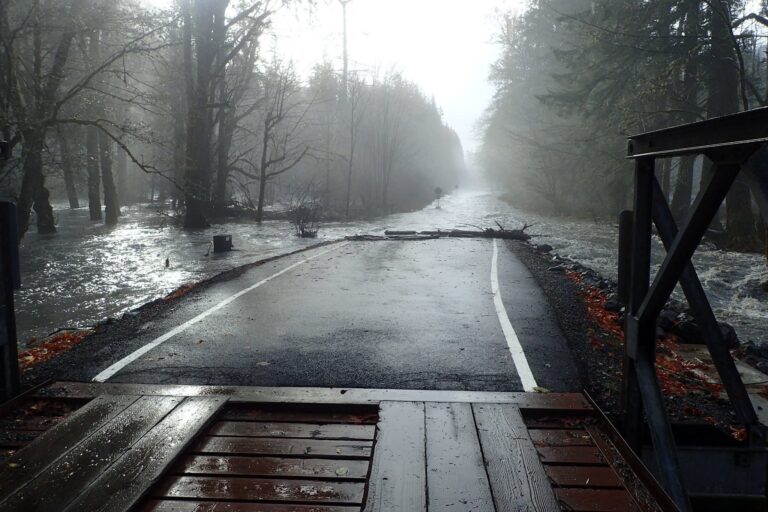
Atmospheric Rivers on the Olympic Peninsula
Atmospheric rivers on the Olympic Peninsula bring the biggest rains and floods. What NOAA and USGS say they are, and what past storms did to the park.
-
Dosewallips River Trail: Past the Washout to Dose Meadows
The Dosewallips River Trail climbs to Dose Meadows and Hayden Pass after a 6.5 mile walk past the Dosewallips Road washout. Camps, mileage and rules.
-
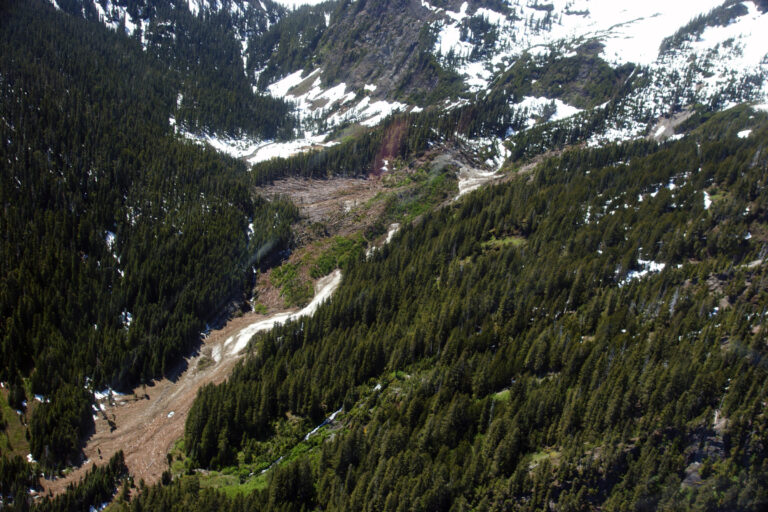
Upper Lena Lake Trail: Forest Trailhead to Park Lake
The Upper Lena Lake Trail climbs past Lena Lake into Olympic National Park. Distances, passes, permits and the camping rules at the upper lake, explained.
-
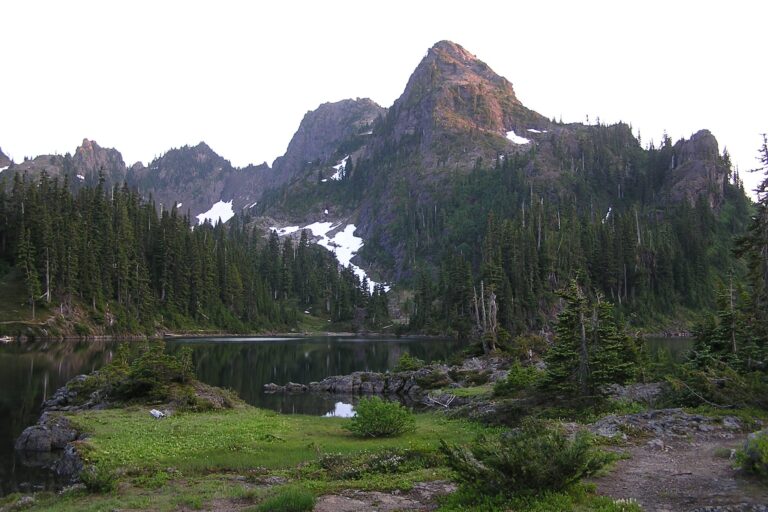
Flapjack Lakes Trail from Staircase: Status and Guide
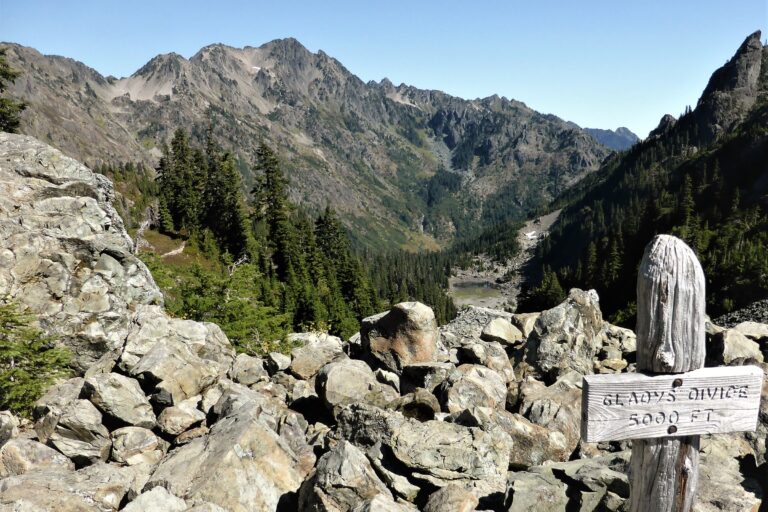
The Flapjack Lakes Trail climbs from Staircase to twin lakes below the Sawtooth Range. Its fire closure, the route, Gladys Divide and permit rules explained.
-
Beargrass in Olympic National Park: A Field Guide
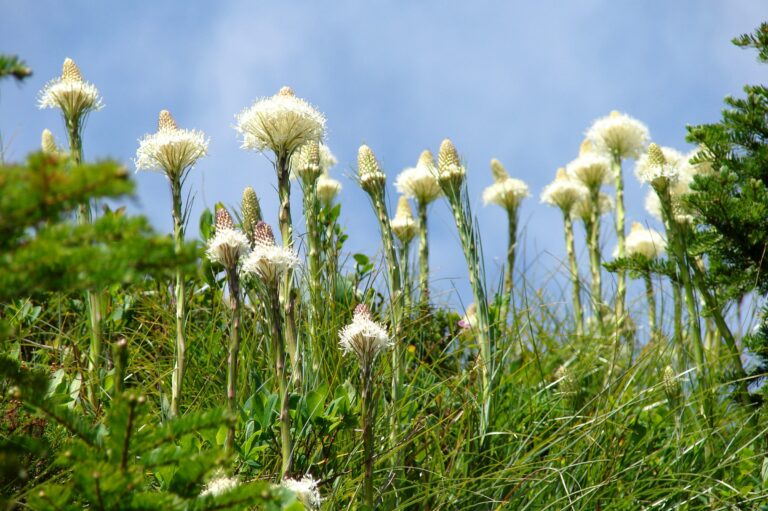
Beargrass in Olympic National Park: where this tall subalpine wildflower grows, why the beargrass bloom varies by year, and its place in Tribal basketry.
-
Trilliums in Olympic National Park: A Spring Guide
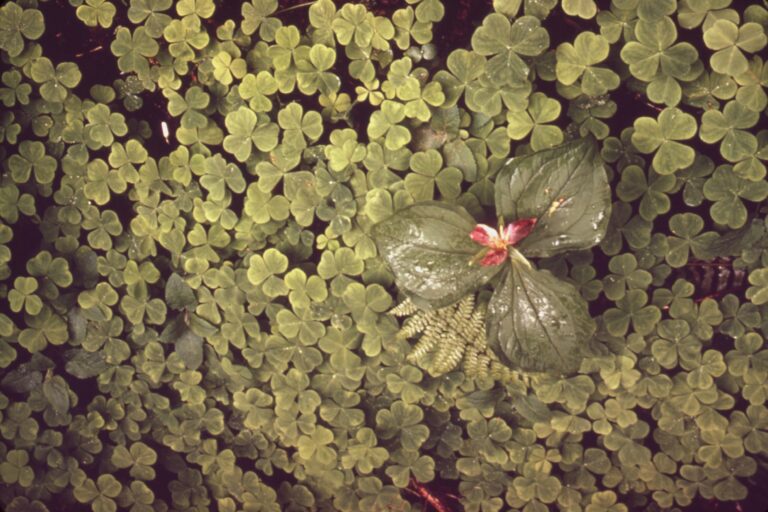
Trilliums in Olympic National Park: how to know the western trillium, where it grows in the lowland forests, when it blooms, and why it turns pink with age.
-
Barnacles on the Olympic Coast: A Tide Pool Guide
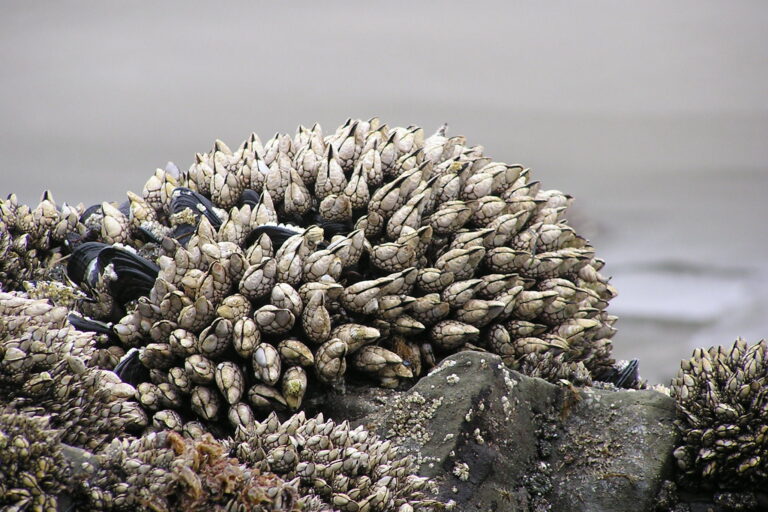
Barnacles on the Olympic Coast: how to tell gooseneck from acorn barnacles, where each lives in the intertidal zones, what eats them, and the rules.
-
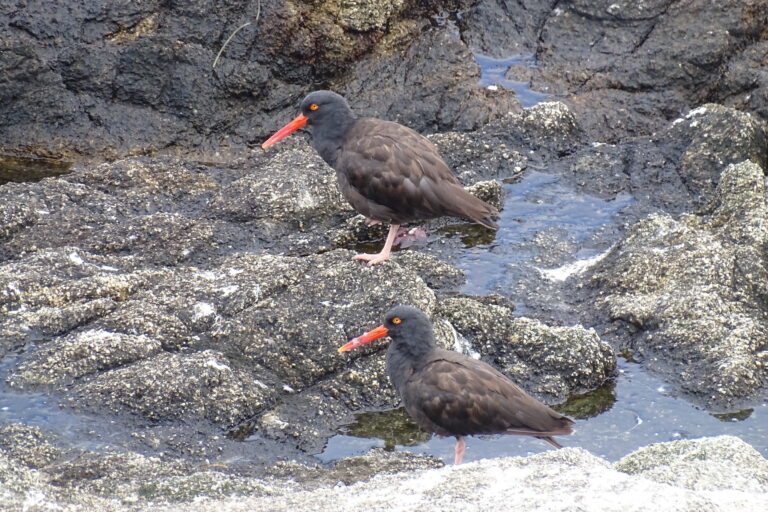
Shorebirds of the Olympic Coast: What to Look For
Shorebirds of the Olympic Coast, from black oystercatchers on the rocks to sanderlings at the surf line: when they pass through and how to give them room.
-
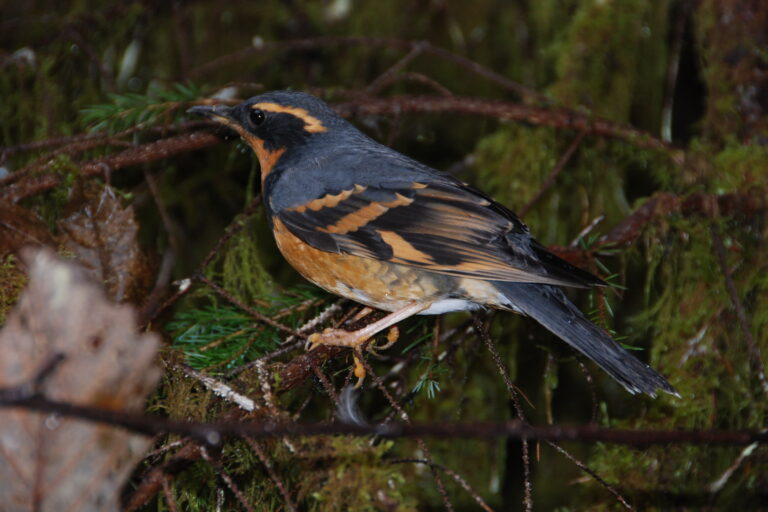
Varied Thrush in Olympic National Park
The varied thrush in Olympic National Park: how to know its long whistled song, where it lives through the seasons, and why old forest matters to it.
-
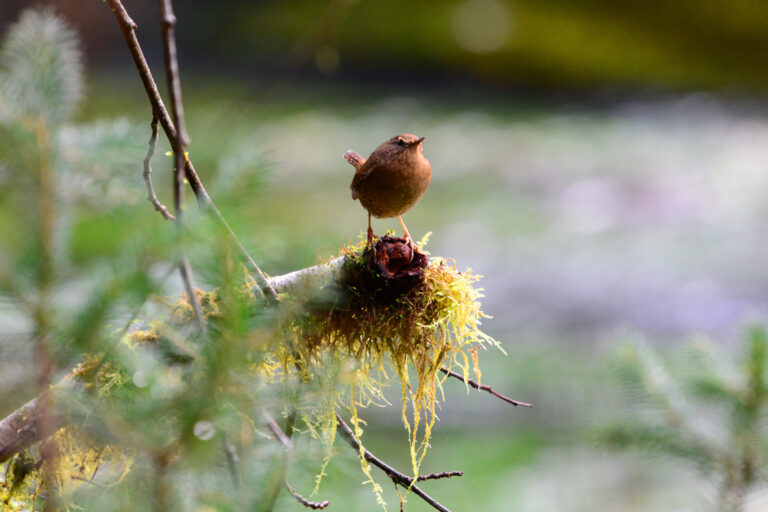
Pacific Wrens in Olympic National Park
Pacific wrens in Olympic National Park are tiny brown birds with a huge song. How to hear one, where they nest, and why they were called winter wrens.