
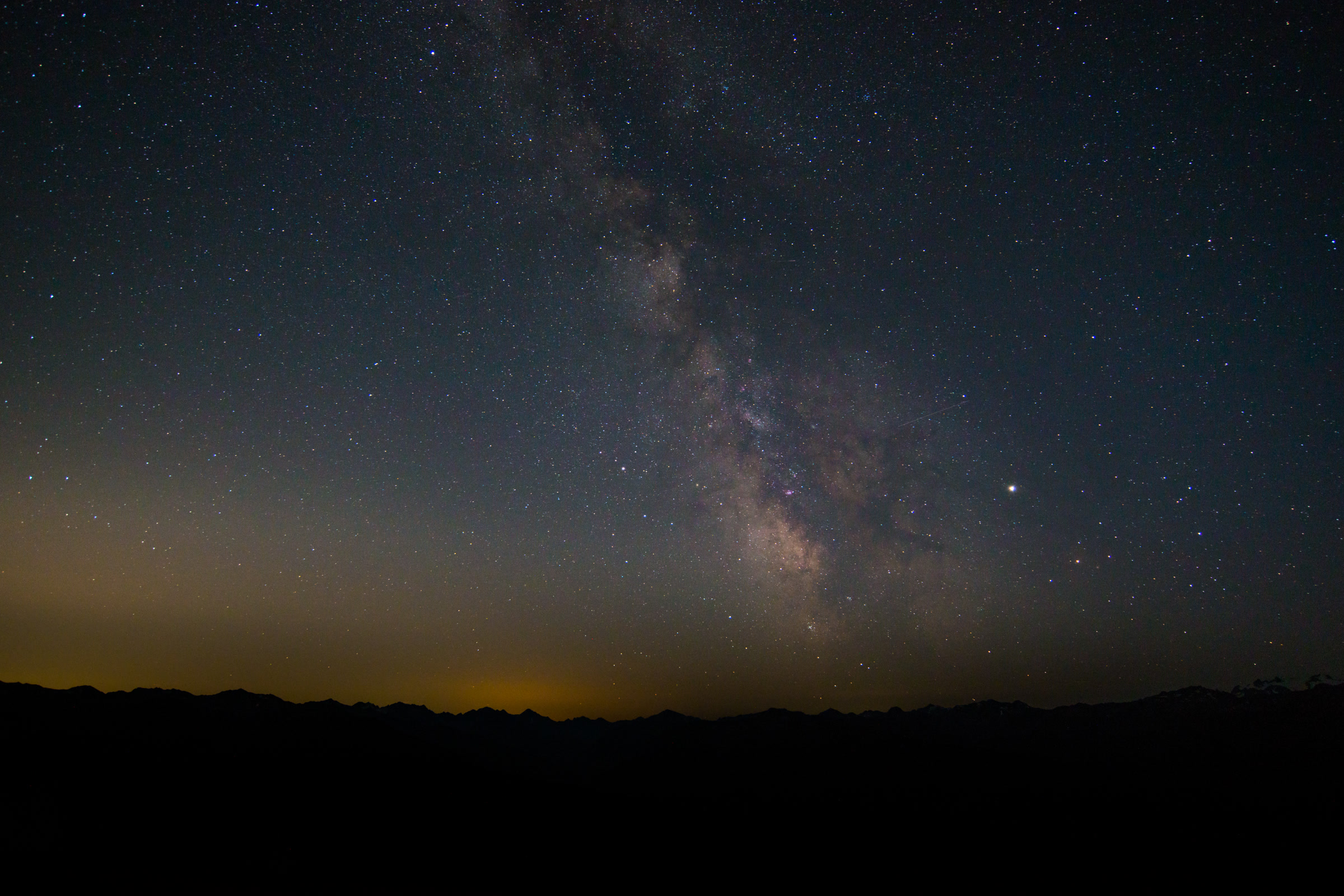
Stargazing in Olympic National Park can be unforgettable when the clouds part. Most of the park is wilderness with no city lights, so on a clear summer night the sky fills with stars from the mountains to the sea. This guide covers where to go, when to try, and how the Peninsula’s weather shapes your chances.
Quick answer
Where is the best stargazing in Olympic National Park?
The National Park Service suggests a mountain peak, the coast or your campsite. Hurricane Ridge, at 5,242 feet, hosts a free summer astronomy program with telescopes, weather permitting. Summer brings drier weather and spectacular night skies, while winter rules require vehicles to leave the ridge by 5 pm.
- About 95 percent of the park is designated wilderness
- Free Hurricane Ridge astronomy program in summer
- Deer Park Campground sits at 5,400 feet
- Perseid meteor shower peaks in mid August
Why the night sky is so dark here
The park’s own night sky page explains it simply. With 95 percent of Olympic designated as wilderness and an absence of human-caused light, the park is a place to experience natural darkness. Across the country, the National Park Service treats dark skies as a resource to protect, noting that ecosystems rely on natural cycles of light and dark.
Many visitors have never seen a truly starry sky, and the first look can stop you in your tracks.
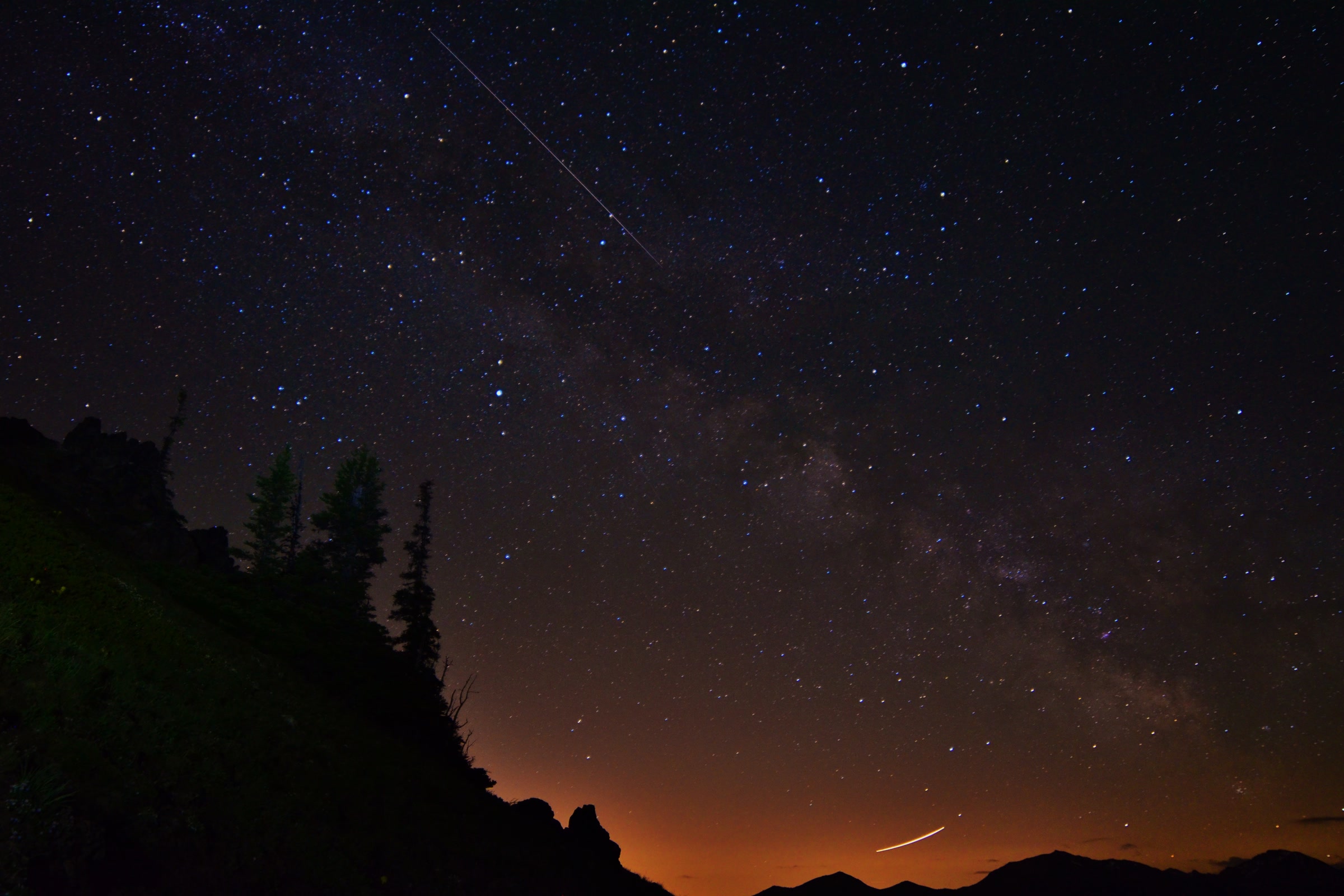
Hurricane Ridge stargazing
Hurricane Ridge is the park’s most easily reached mountain area, 17 miles south of Port Angeles at the end of Hurricane Ridge Road. At 5,242 feet, its open meadows and ridgetop views make it the obvious high place to look up. Our Hurricane Hill trail guide covers the daytime walks nearby.
The Hurricane Ridge Astronomy Program
The park lists a free evening program where a Master Observer leads astronomy and stargazing at Hurricane Ridge. Telescopes give close views of stars, galaxies, constellations, nebulae and planets. It runs during prime viewing times in summer, weather permitting, and the park says to dress warmly.
Dates and times are posted in the park calendar and the summer Bugler newspaper. Details are as of October 2026, so check the NPS night sky programs page before you go. Remember the entrance fee too; our guide to Olympic National Park entrance fees lists the passes.
Winter nights at the ridge
Winter is a different story. During the winter season, generally late November through March, the park says the road is typically open to uphill traffic from 9 am to 4 pm, Friday through Sunday. All vehicles must be below the Heart O’ the Hills entrance station by 5 pm, so night viewing at the ridge is off the table. See our Hurricane Ridge in winter guide for daytime plans.
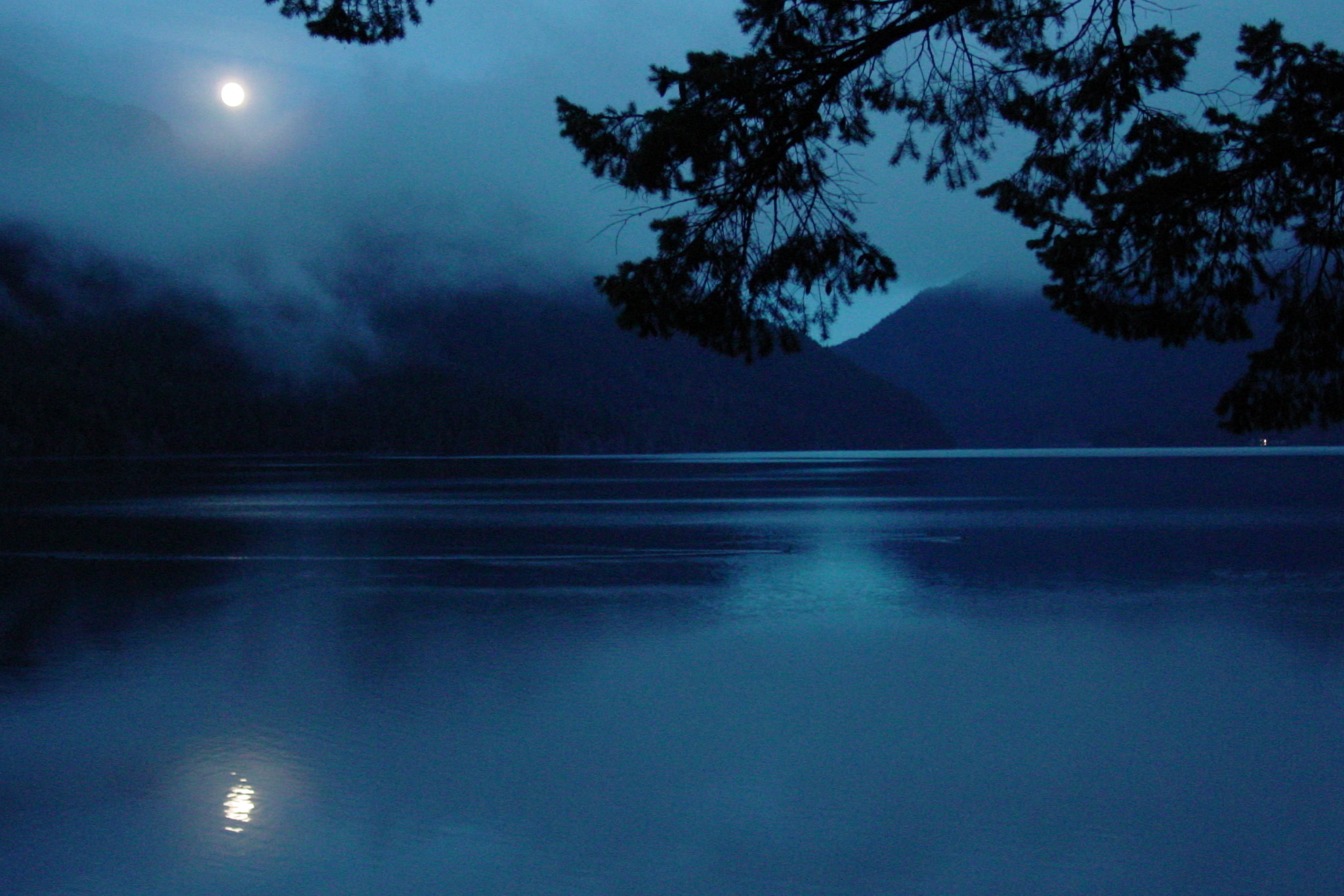
Deer Park and other campsites
The park describes Deer Park Campground, at 5,400 feet, as a place with mountain views and starry skies. It has 14 tent sites, is open from June to mid October depending on snow, and its steep gravel road is not suitable for RVs. Our Deer Park and Obstruction Point guide covers the drive.
Any campsite can work on a clear night. Find a gap in the trees, let your eyes adjust, and look up. Our guide to Olympic National Park campgrounds compares the options.
Stars over the coast
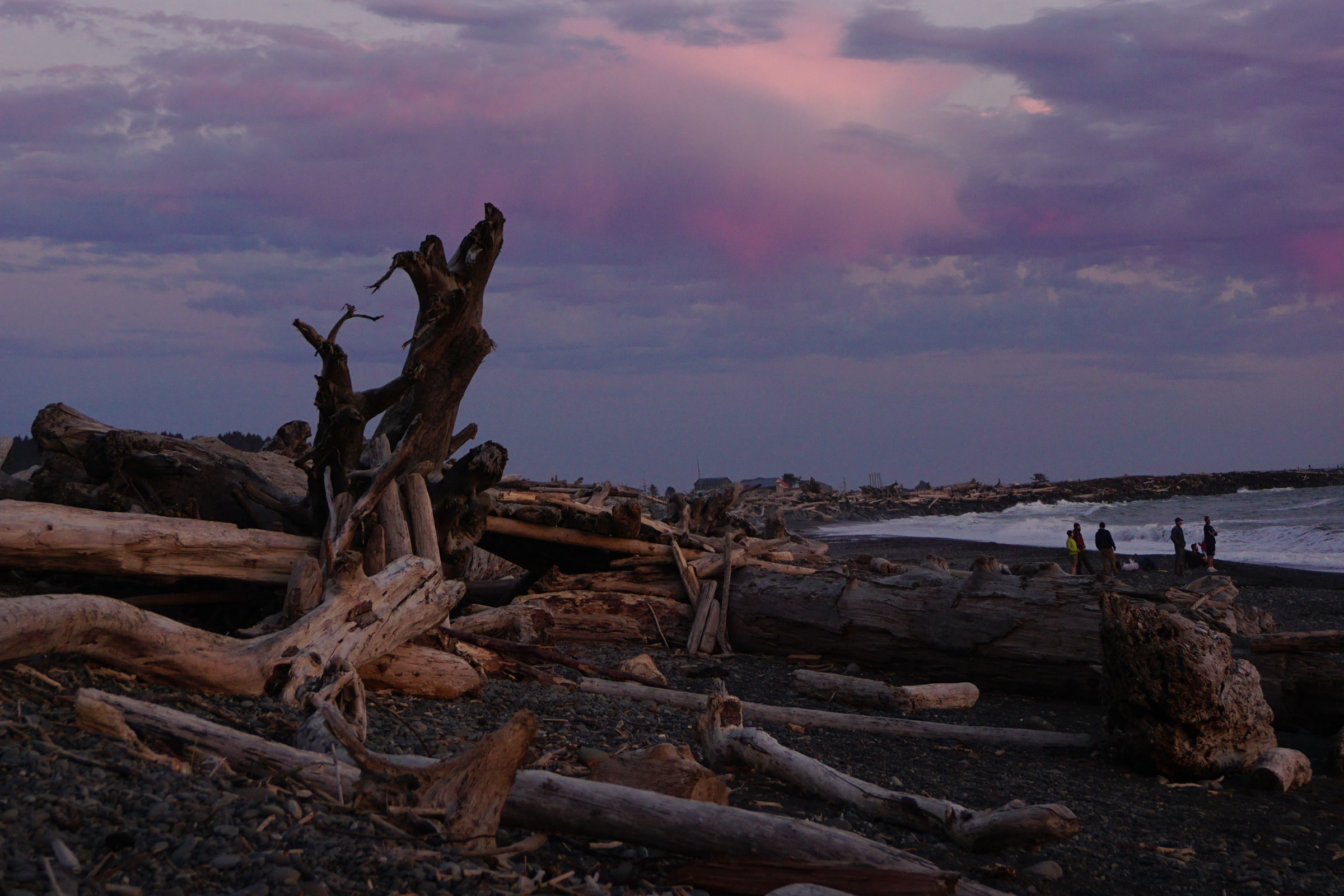
The coast faces open ocean to the west, which gives a low, wide horizon. The park’s night sky page features a starry photo over Ruby Beach. Our Ruby Beach guide helps with parking and the walk down.
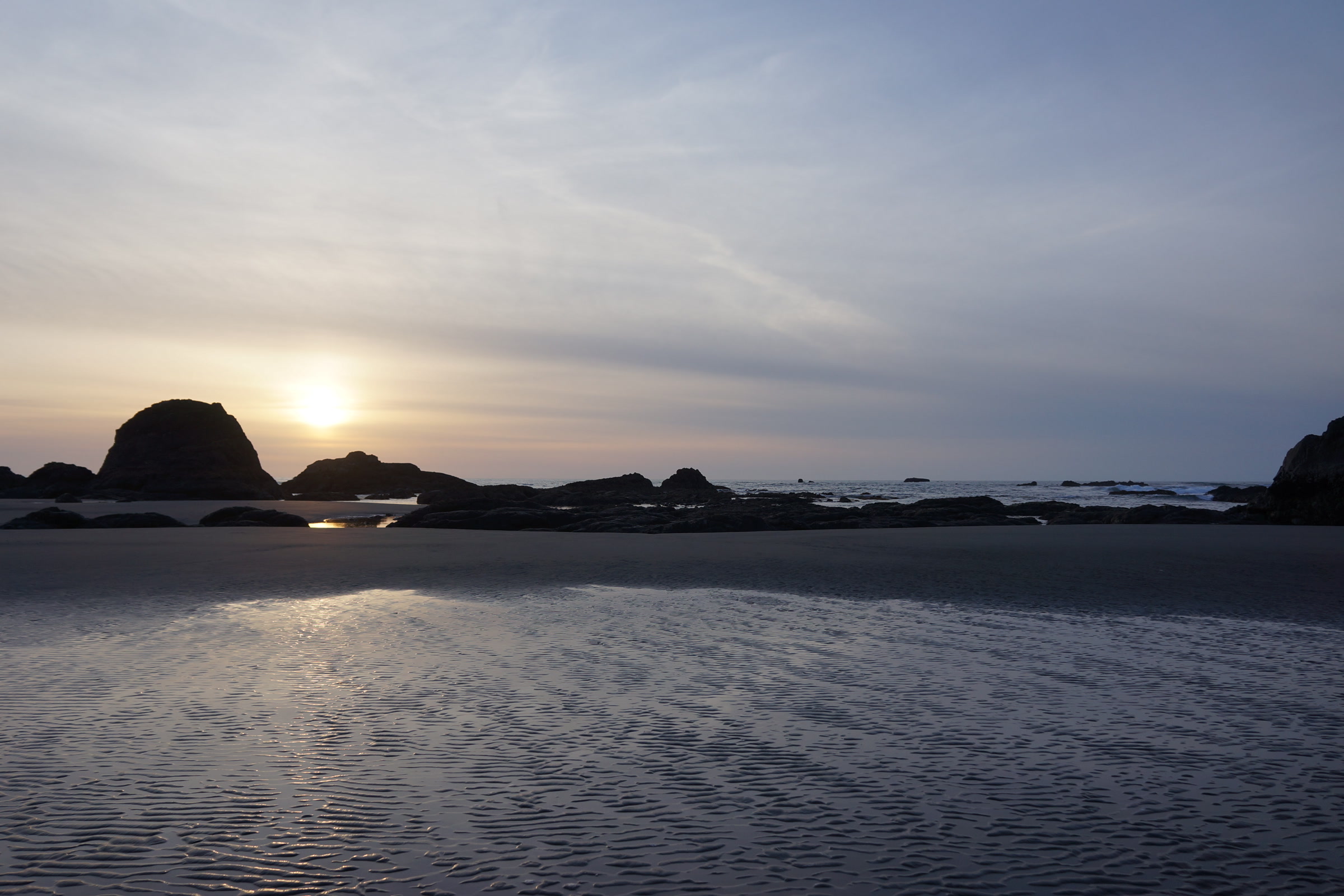
Beaches after dark need extra care. Tides can cut off headlands, so read our Olympic coast tides and hiking safety guide and carry a tide table. Road work and storms can also change access, so check the park’s current road conditions before a night drive to the coast.
Stargazing spots compared
| Place | Why go | Know before you go |
|---|---|---|
| Hurricane Ridge | 5,242 feet, open meadows, NPS summer astronomy program | Road can close for weather; no winter night access |
| Deer Park Campground | 5,400 feet; the park describes starry skies | Tents only, gravel road, June to mid October |
| Ruby Beach and the coast | Low ocean horizon to the west | Summer fog; check tides before walking |
| Your campsite | No late drive home | Trees can block the view |
Weather, seasons and the Moon
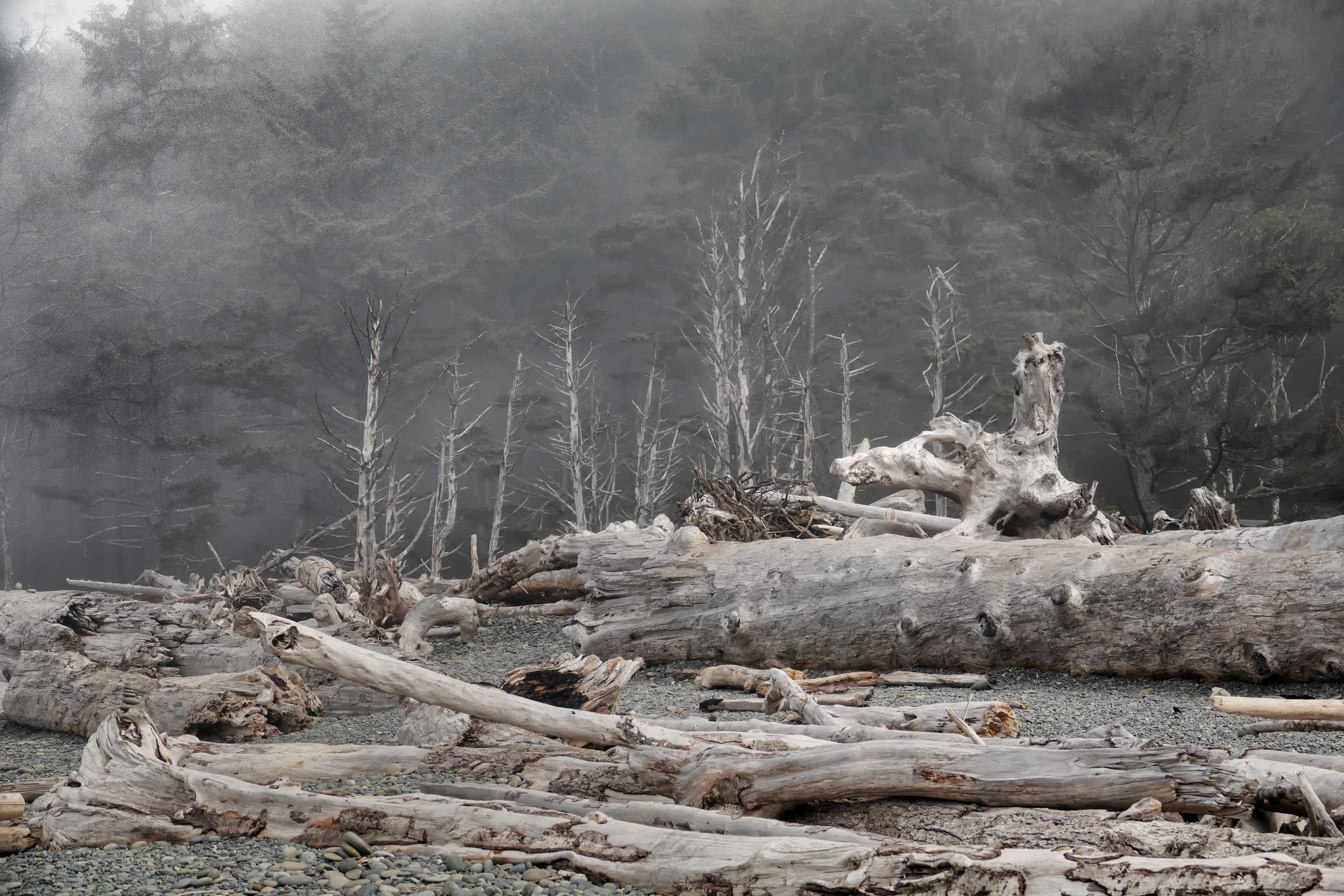
Weather decides everything here. The park says the warm summer months bring drier weather and spectacular night skies, and July and August are its busiest months. Even then, rain is possible, thunderstorms build at higher elevations, and fog can linger along the coastal strip.
- Spring: snow and heavy rain can continue into June at higher elevations.
- Summer: the driest season and the time of the Hurricane Ridge program.
- Fall: precipitation rises, and snow can reach the high country as early as late September.
- Winter: most precipitation falls from November to April, and the ridge closes before dark.
The Moon matters too. A National Park Service stargazing guide notes that a gibbous Moon, fuller than a crescent, can outshine faint stars and galaxies. Plan around the new Moon, check the forecast, and call the park’s road and weather line at 360-565-3131. Our post on the Olympic rain shadow explains why the northeast side gets less rain than the coast.
Meteor showers
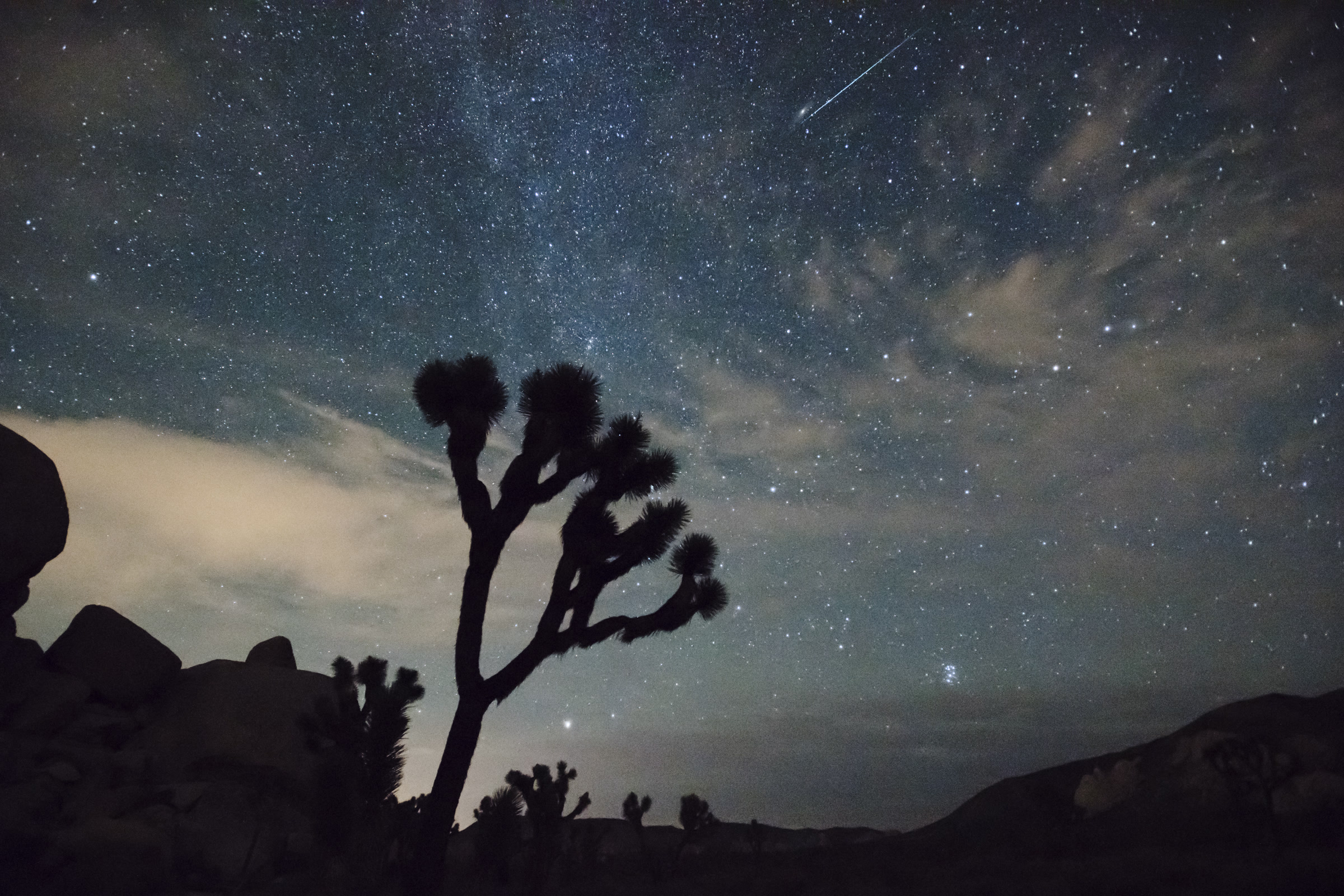
Summer’s clearer nights line up with the Perseids. NASA’s Perseids page says the shower peaks in mid August. Under dark skies, NASA counts about 25 meteors per hour, and the best viewing in the Northern Hemisphere is in the hours before dawn.
Simple tips for a better night sky
- Give your eyes about 30 minutes to adjust. The Park Service notes that a bright screen or light starts the process over.
- Use a red light, or the red mode in a stargazing app.
- Bring warm layers, a hat and something to sit on, even in August.
- Binoculars help, but your eyes are enough to start.
Our Olympic National Park packing list covers the layers, and our photography guide helps if you want to take the night home with you.
How Friends of Olympic National Park helps
We are Friends of Olympic National Park (FONP), a volunteer led friends group based in Port Angeles. We don’t run the park’s astronomy nights, but our members help care for the places you visit by day, from beach cleanups in Olympic National Park to the Visitor Center grounds. If dark, wild skies matter to you, please become a member and help us keep the park special.
Frequently asked questions
Can you see the Milky Way in Olympic National Park?
Yes, on clear nights away from lights. About 95 percent of the park is designated wilderness with no human-caused light, and summer brings the driest weather.
Is Hurricane Ridge open at night?
In summer the road is open, and the park hosts a free astronomy program there, weather permitting. In the winter season, all vehicles must be below the Heart O’ the Hills entrance station by 5 pm.
Does Olympic National Park have astronomy programs?
Yes. As of October 2026, the park lists a free Hurricane Ridge Astronomy Program led by a Master Observer during prime summer viewing times. Dates are in the park calendar and summer Bugler.
When is the best time for stargazing in Olympic National Park?
Summer, when the park says drier weather brings spectacular night skies. Pick a night near the new Moon and check the forecast, since rain and coastal fog are still possible.
When can I see the Perseid meteor shower?
NASA says the Perseids peak in mid August, and the best viewing is in the hours before dawn.
Leave a Reply