
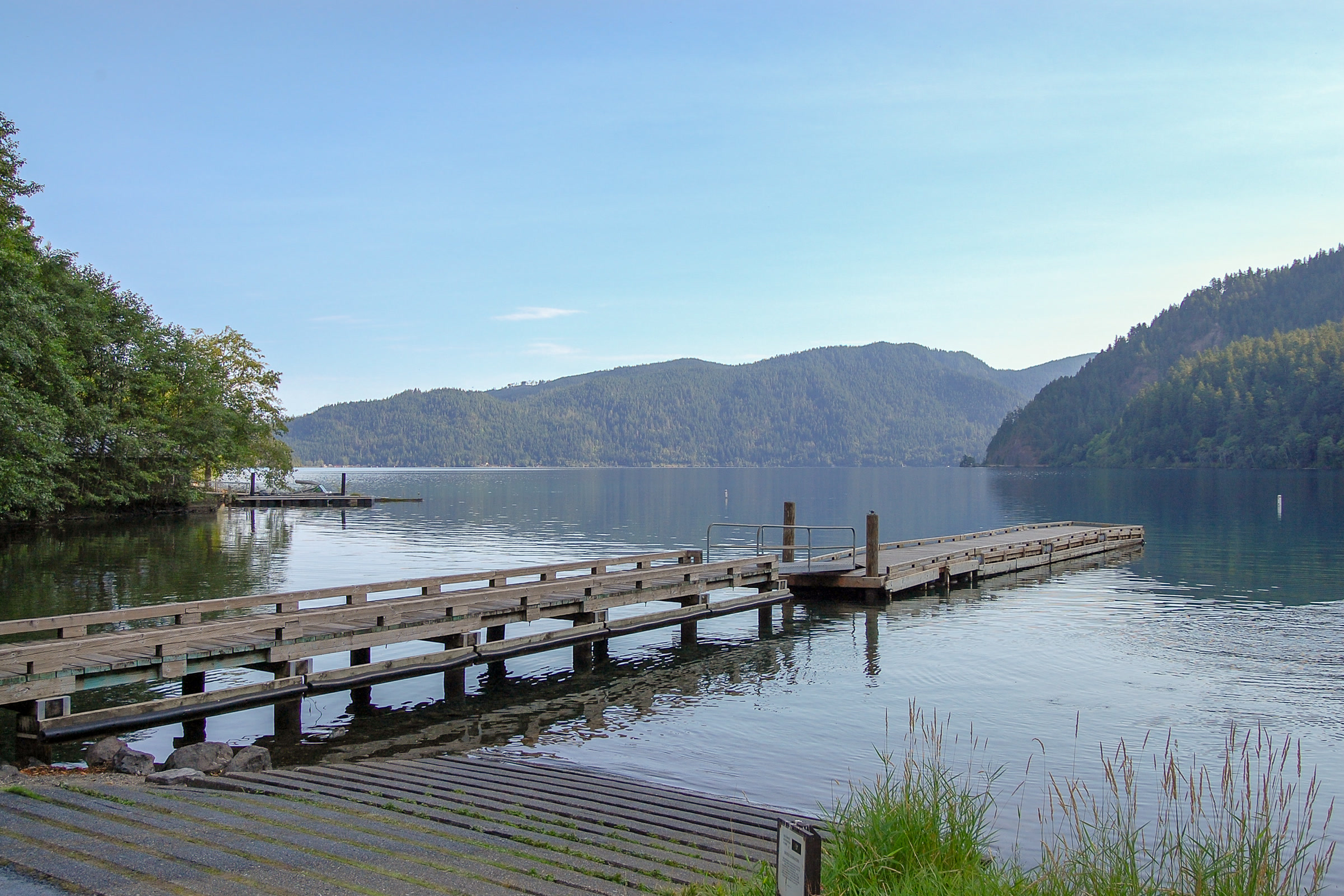
Kayaking in Olympic National Park means clear, deep lakes ringed by forest and mountains. The park names Lake Crescent, Lake Ozette and Lake Quinault as its most popular and accessible places to paddle a kayak, canoe or paddleboard. Here is where to launch, where the park says you can rent a boat, and the rules and cold water risks to know first.
Quick answer
Where can you go kayaking in Olympic National Park?
The most popular places for kayaking in Olympic National Park are Lake Crescent, Lake Ozette and Lake Quinault. Lake Crescent has launches at Storm King and Fairholme and rentals at Log Cabin Resort and Lake Crescent Lodge. Wear a life jacket, dress for water below 50 degrees, and paddle early before afternoon winds.
- Life jackets are required by law
- Free boat cleaning stations at three Lake Crescent sites
- Personal watercraft such as Jet Skis are not allowed
- Wilderness permit needed to camp by boat
The three big paddling lakes compared
Here is how they compare. This summary comes from the park’s boating page as of October 2026; check it before you go, because launches and rentals can change.
| Lake | Launches | Rentals the park lists | Watch for |
|---|---|---|---|
| Lake Crescent | Storm King Ranger Station, Fairholme; Log Cabin Resort dock for a fee | Log Cabin Resort, Lake Crescent Lodge | Afternoon winds and waves of a foot or more |
| Lake Ozette | Ozette Ranger Station, Ozette Campground (Swan Bay is also listed) | None listed | Sudden strong winds and waves |
| Lake Quinault | Falls Creek and Willaby, run by the U.S. Forest Service | Lake Quinault Lodge | Afternoon winds |
Lake Crescent kayaking
The park describes Lake Crescent as big, deep and blue, and says paddling is best in the early morning, when winds are most likely to be calm. Winds often come up in the afternoon and can quickly build waves of a foot or more, so plan your paddle for the morning.
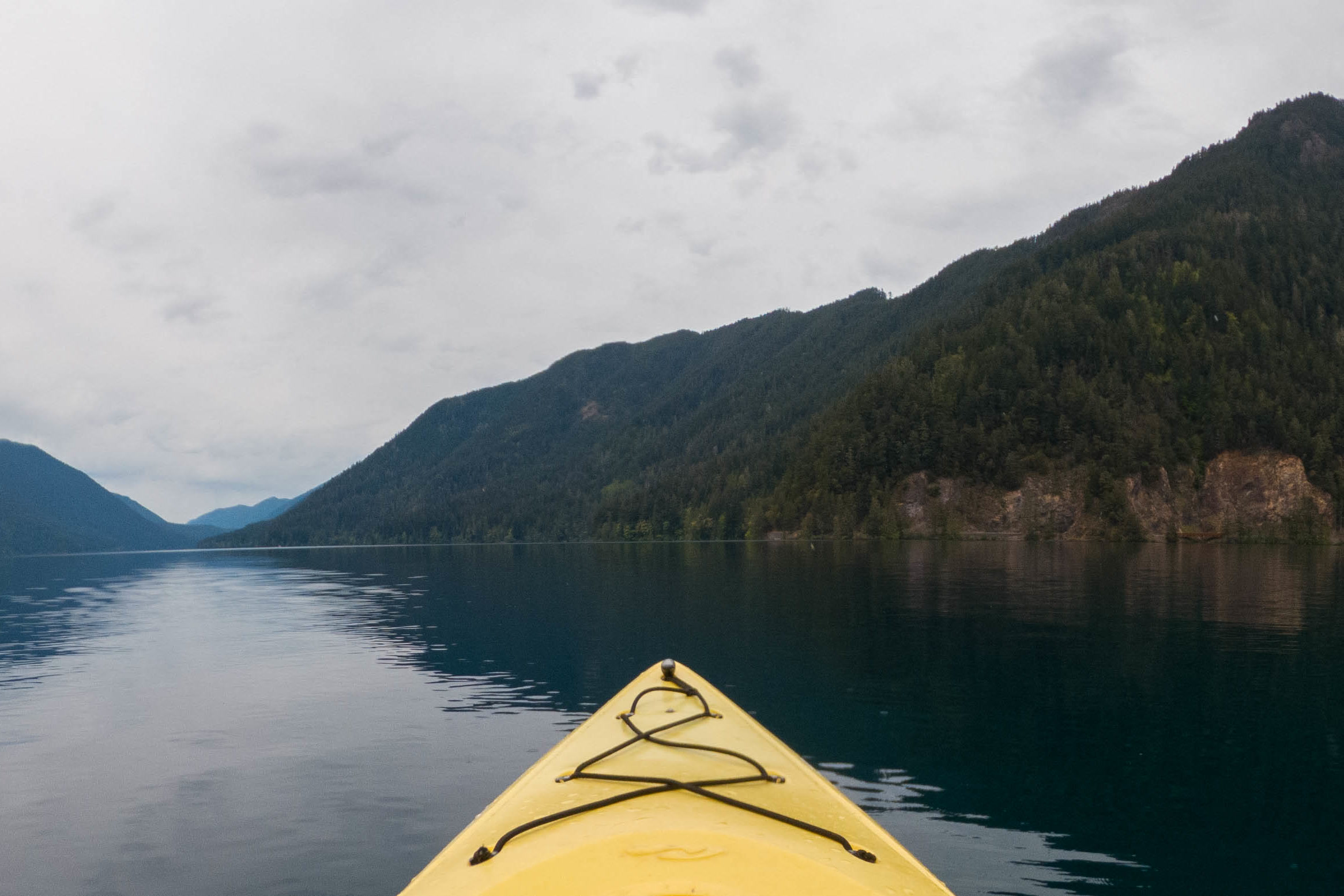
Boats launch at Storm King Ranger Station and Fairholme, and for a fee from the dock at Log Cabin Resort. The park lists kayak and canoe rentals at two concession operated lodges, Log Cabin Resort and Lake Crescent Lodge. At Log Cabin Resort you pay inside the main lodge building, then head to the rental building.
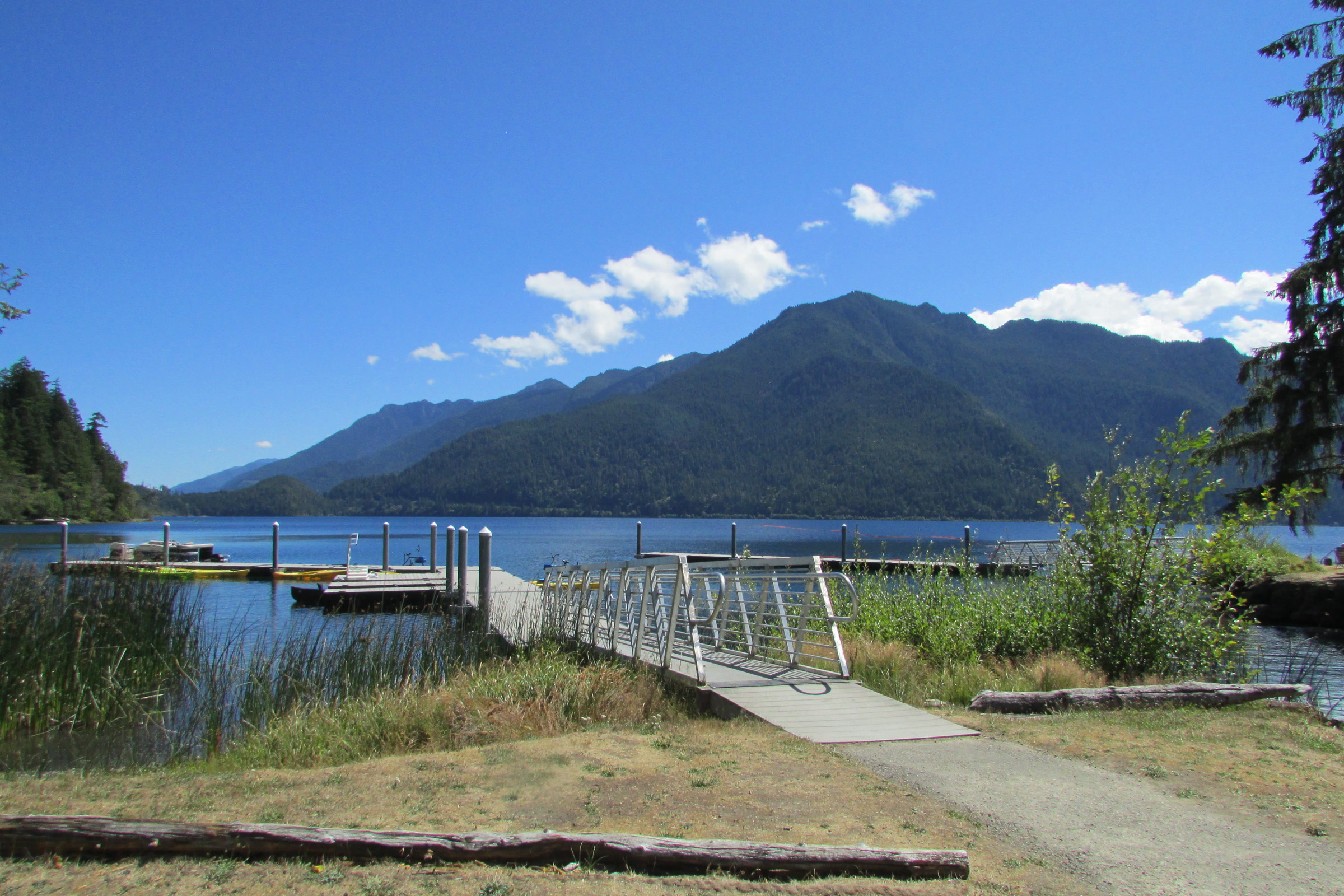
Motorboats share the lake, but they may not exceed 5 mph or make a wake within 300 feet of any shoreline. Our Lake Crescent guide covers the lake’s history and trails, and the Mount Storm King trail gives a view straight down onto the water.
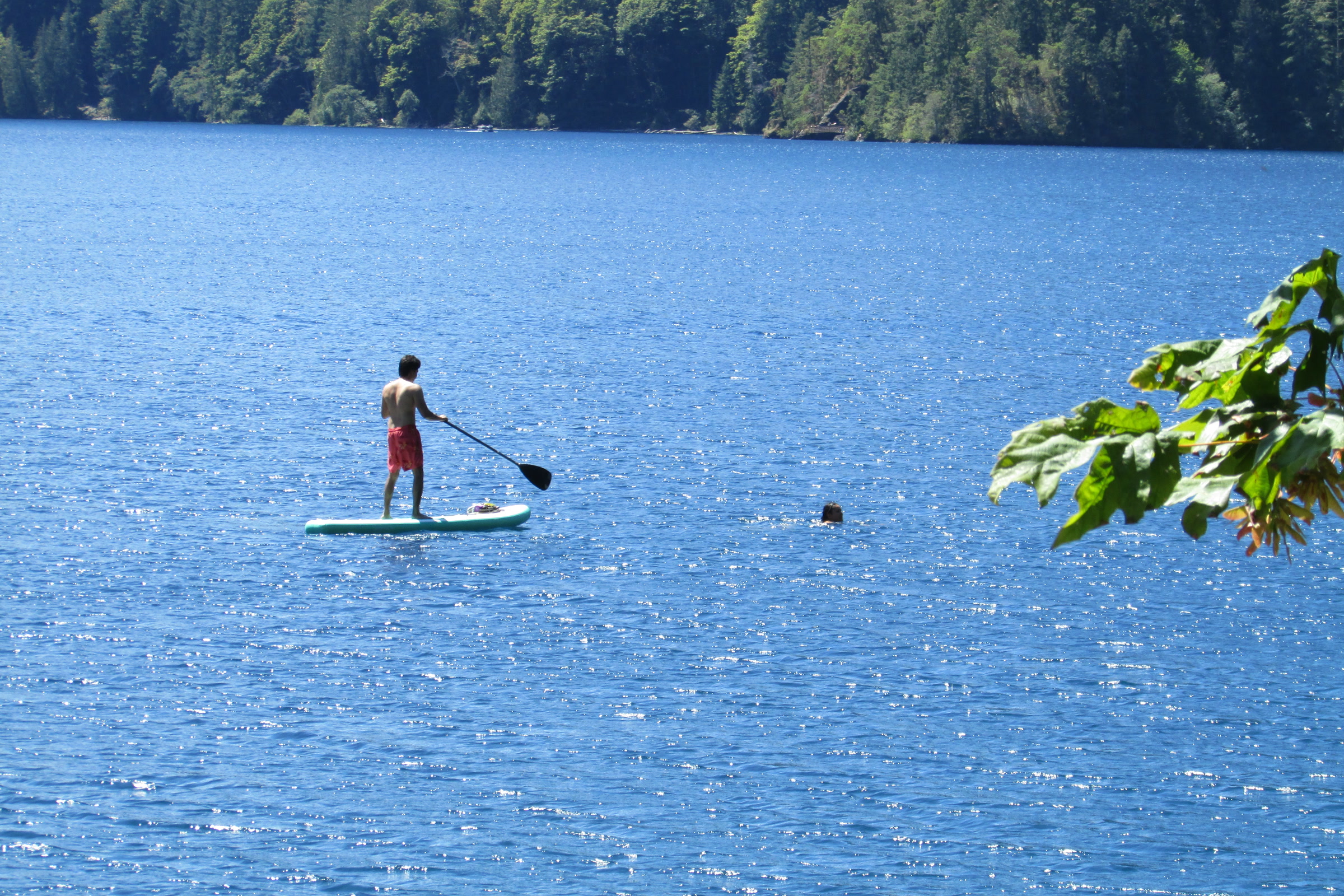
Lake Ozette paddling
Near the coast and filled with water lilies in summer, Lake Ozette is the third largest lake in Washington, according to the park. Its “Lake Ozette by Water” page lists launch sites at the Ozette Ranger Station and Swan Bay, rates the paddling easy to difficult depending on wind, and names July through October as the best season, with the least wind and the warmest water.
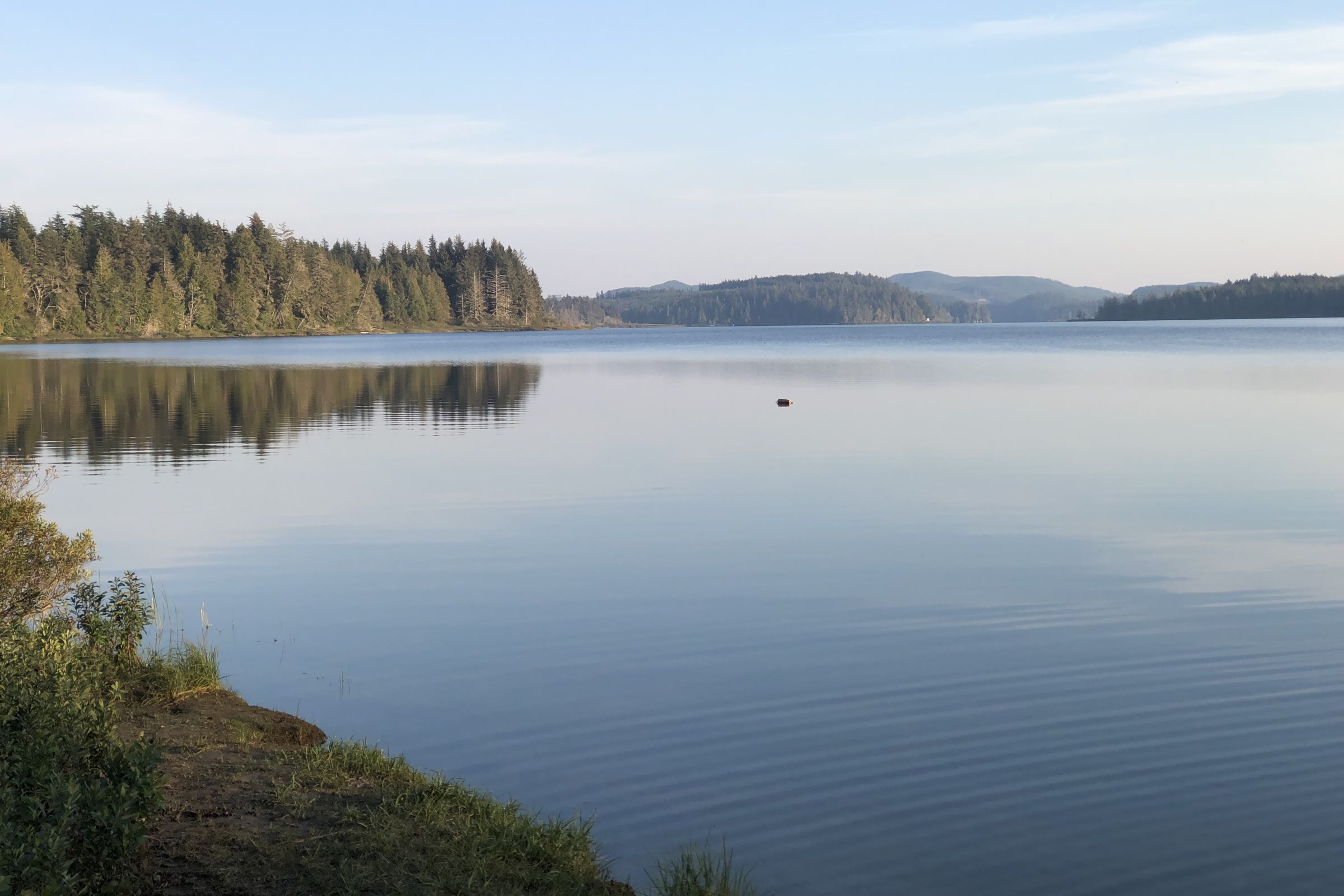
Don’t let a calm morning fool you. The park warns that high winds and waves of 1 to 2 feet are common, that the lake can turn very windy quickly, and that there have been a number of cold water drownings here. Wear your life jacket at all times. Our Ozette Triangle and Cape Alava guide covers the coastal trails that start nearby.
Camping by boat at Ozette
Ericson’s Bay camp, about 4 miles by water, is the main boat in destination, with a few small sites along the shore and on islands. You need a wilderness permit, all food and scented items must go in a bear canister, and groups are limited to 12. Pets are not allowed at boat in lake camps. Our guide to Olympic National Park wilderness permits explains how to book.
Lake Quinault
Set in a rain forest valley, Lake Quinault has mountain views and old growth forest on its shores. The park lists two launches at the U.S. Forest Service’s Falls Creek and Willaby campgrounds, boat rentals at Lake Quinault Lodge, and warns that afternoon winds are common.
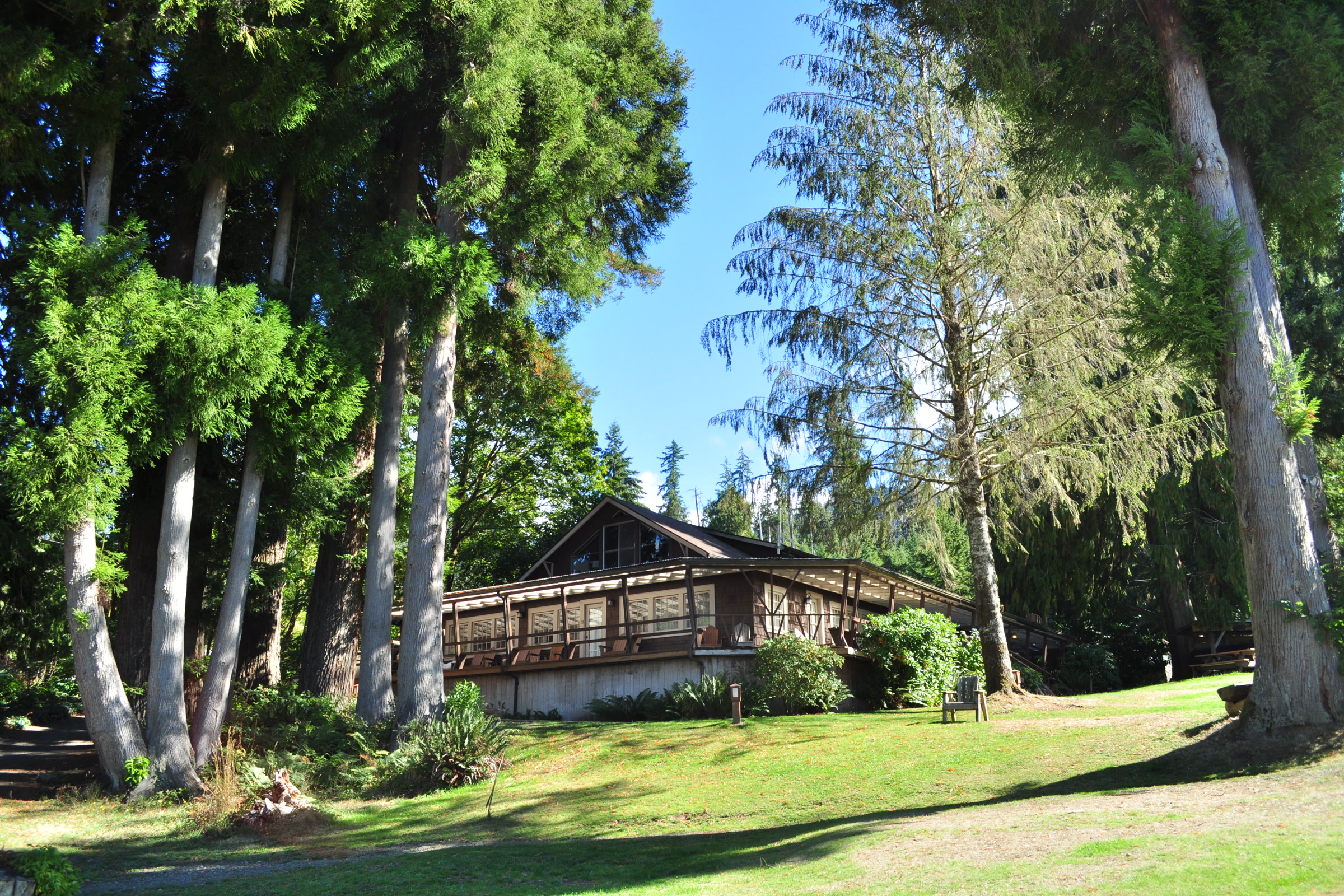
The lake itself is not park water. The U.S. Forest Service says Lake Quinault is owned and managed by the Quinault Indian Nation, and that a permit from the Nation is required to access the lake. Please check the Nation’s current rules before you put a boat in, and respect its authority on the water.
Rivers and the former Lake Mills
The park also lists river runs on the Elwha, Hoh, Queets, Quinault and Sol Duc, rated from Class II to Class V. It says to check river flows, scout for log jams, and stop at a ranger station to ask about closures. Lake Mills is gone: after the Glines Canyon Dam was removed, the reservoir drained back to river. Because of the Elwha River Restoration, the park says boating is closed from the Smokey Hill Trail (formerly the Upper Lake Mills Trail) downstream to the former Altair Campground.
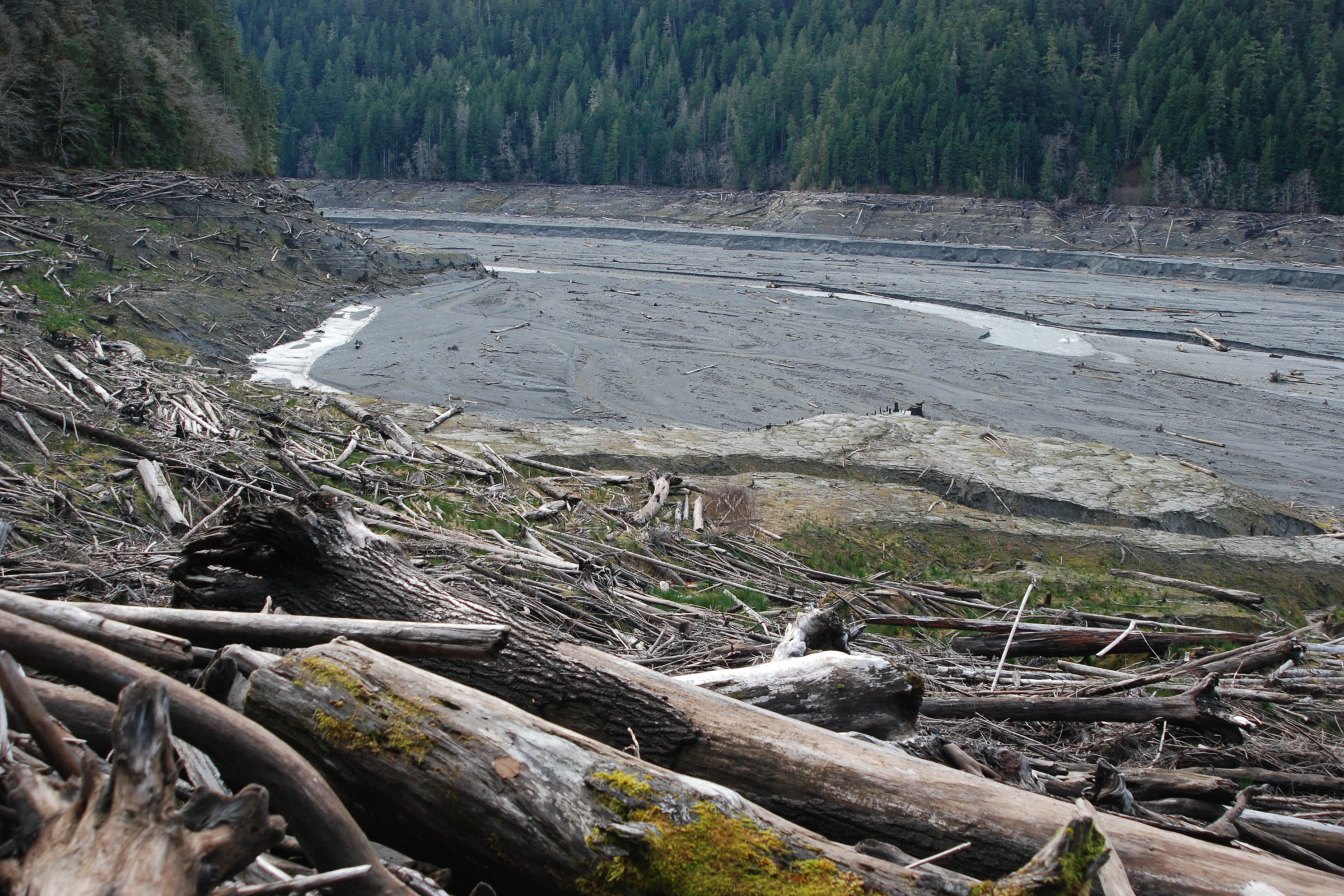
The park also urges boaters to stay away from the former Elwha Dam site outside the park, where rebar and metal from the old foundation sit close to the surface. As of October 2026, the Elwha road is closed to vehicles beyond Madison Falls, so check road status first. Our story of Elwha River dam removal explains what happened.
Rules and safety, as of October 2026
- Life jackets. A personal flotation device and proper safety equipment are required by law.
- Cold water. The park says water temperatures are consistently below 50 degrees and hypothermia is a risk, and recommends wet suits or dry suits for kayaking and canoeing.
- Clean, drain, dry. Use the free cleaning stations at Fairholme, Storm King and Log Cabin Resort before and after you paddle, to keep invasive species such as zebra mussels out.
- Motor rules. Personal watercraft are banned, and Washington requires motorized boat operators to hold a boating education card.
Bringing a boat from out of state? The Washington Department of Fish and Wildlife requires an aquatic invasive species prevention permit for watercraft not registered in Washington, but exempts small craft that need no registration, such as canoes and kayaks. Rules change, so check the NPS boating page before you go.
How Friends of Olympic National Park helps
We are Friends of Olympic National Park (FONP), a volunteer led friends group in Port Angeles. Clean water and healthy shores matter to us, and our volunteers pull invasive plants on the Olympic Peninsula and join cleanups each year. If you love paddling these lakes, see our volunteer opportunities.
Frequently asked questions
Can you rent kayaks at Lake Crescent?
Yes. As of October 2026 the park lists kayak and canoe rentals at the concession operated Log Cabin Resort and Lake Crescent Lodge. Check with the lodges for seasons and prices.
Can you paddleboard on Lake Crescent?
Yes. The park welcomes paddleboards at its free cleaning stations, and the park’s page for the Log Cabin Resort rental invites visitors to explore the lake by boat, kayak or paddleboard. Wear a life jacket and paddle early, before the afternoon wind.
How cold is the water in Olympic National Park lakes?
The park says water temperatures are consistently below 50 degrees and hypothermia is a risk, so it recommends wet suits or dry suits for kayaking and canoeing.
Can you camp by kayak on Lake Ozette?
Yes, with a wilderness permit. Ericson’s Bay camp, about 4 miles by water, is the main destination, and food must be stored in a bear canister.
Are Jet Skis allowed in Olympic National Park?
No. Personal watercraft such as Jet Skis are not allowed anywhere in the park.
Leave a Reply