
Volunteer · Invasive Plants · Port Angeles
Invasive plant removal on the Olympic Peninsula starts with knowing a handful of troublemakers: Scotch broom, English ivy, herb Robert, Japanese knotweed, Himalayan blackberry, English holly and Canada thistle. These are the plants Olympic National Park names as its worst invaders. Pulling them early, and stopping their seeds from travelling, protects the native plants that wildlife depend on.
This guide explains why these plants matter, how to tell them apart, the basics of safe hand removal, and how volunteers with Friends of Olympic National Park (FONP) help clear them near Port Angeles.
Why invasive plants are a problem in Olympic National Park
Invasive plants are species people brought here that now spread on their own and push out native ones. The park’s page on invasive exotic plants in Olympic National Park calls them a serious threat to wild lands and notes that controlling them costs the National Park Service millions of dollars every year. English ivy, for example, smothers other plants by blocking their sunlight.
The same page makes a hopeful point: prevention and early detection are the best and cheapest ways to control invasive plants. The longer a weed is left, the harder and costlier it is to stop. That is why many small efforts by visitors, neighbours and volunteers add up.
Olympic’s worst invasive plants
- Scotch broom (the park spells it Scot’s broom)
- English ivy
- Herb Robert
- Japanese knotweed
- Himalayan blackberry
- English holly
- Canada thistle
How to identify invasive plants in Olympic National Park
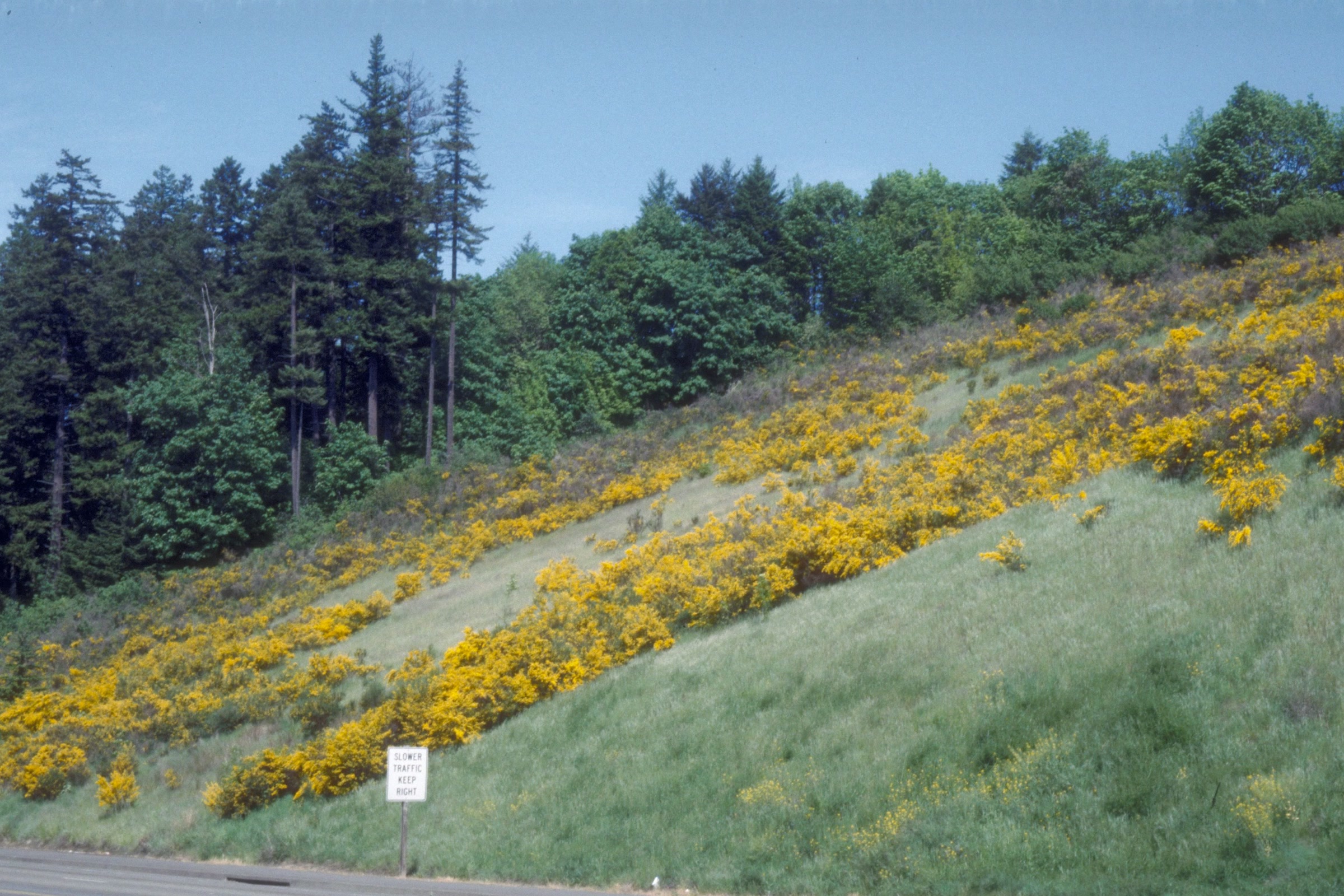
Scotch broom is the one most people notice first. It is a pea family shrub 3 to 10 feet tall with stiff green stems and bright yellow flowers in spring. In the park it forms large stands on the coast and along Highway 101 and other road corridors, and its seeds can stay alive in the soil for up to 70 years.
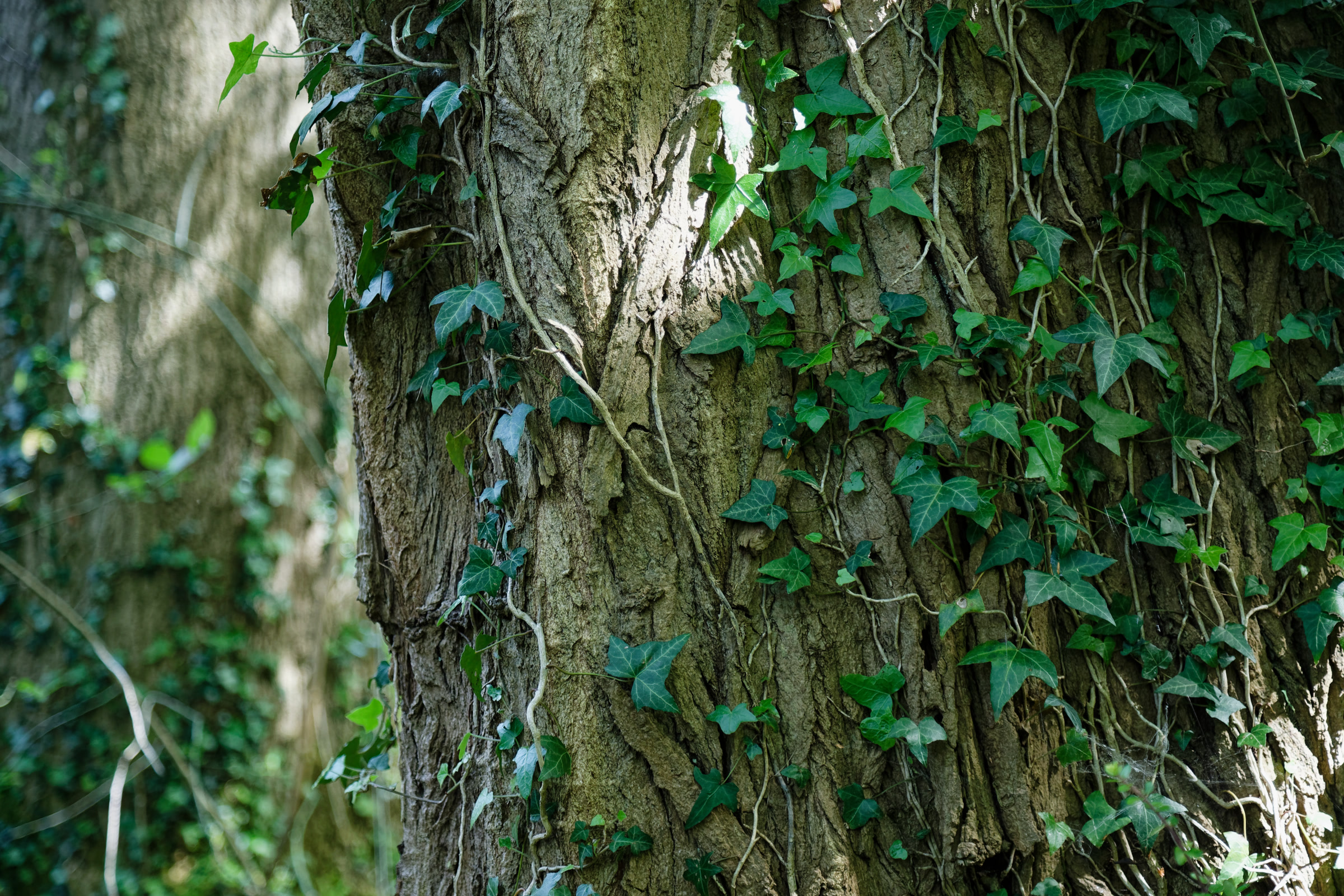
English ivy carpets the forest floor and then climbs. Young leaves have three to five lobes, while leaves on older flowering stems are unlobed. Once it reaches the canopy it shades out trees and adds weight that can bring them down in storms.
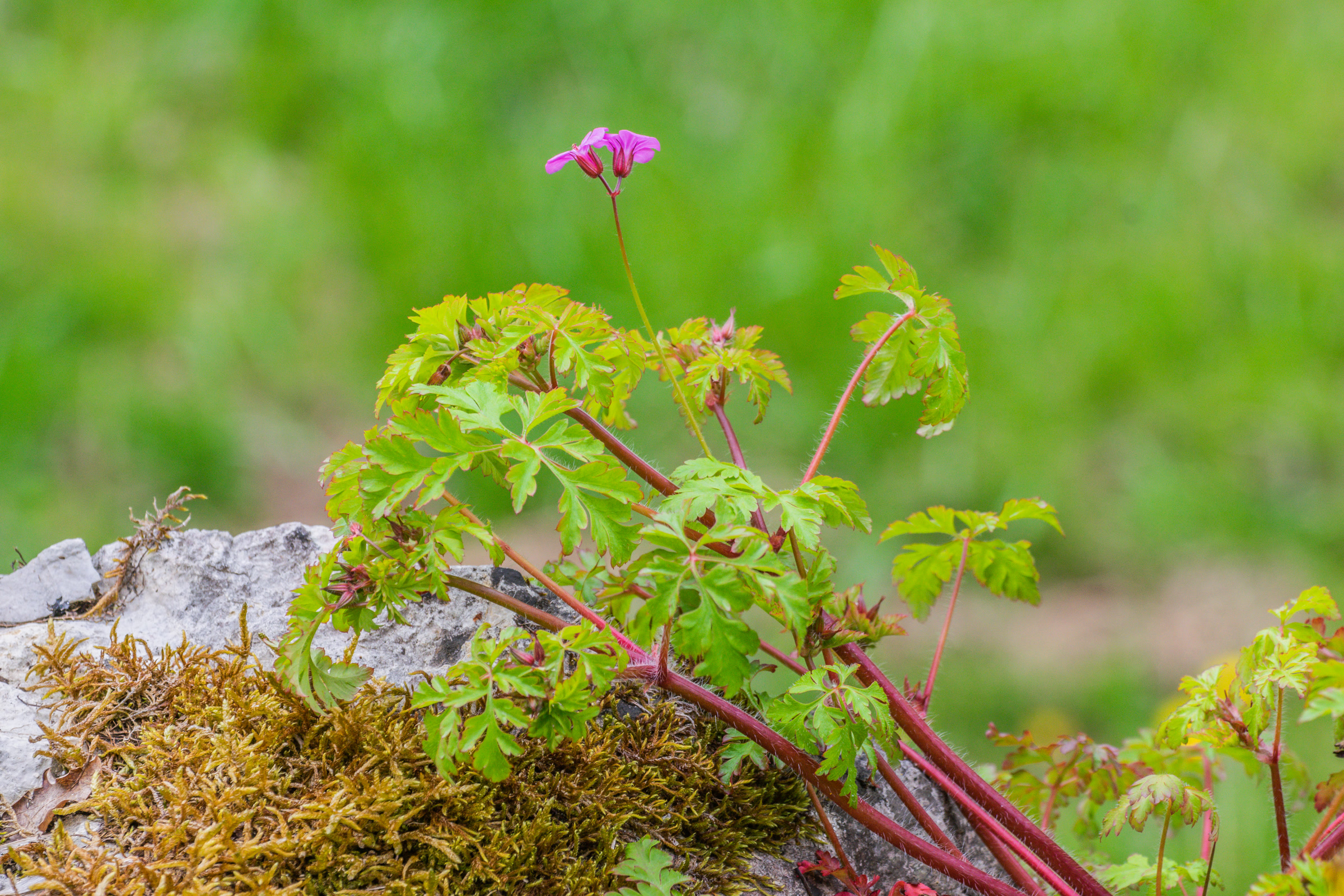
Herb Robert is a low, hairy geranium with lacy leaves, reddish stems and small five petalled pink flowers. Crush a leaf and it gives off a strong smell. It grows happily under a closed forest canopy, which is why it threatens the understory from sea level to mid elevations in the Olympics.
Invasive plants compared: how to spot them
| Plant | How to spot it | Where it grows | Removal notes |
|---|---|---|---|
| Scotch broom | Green stems, yellow pea flowers | Roadsides, coast, open ground | Pull small plants; weed wrench for big ones |
| English ivy | Glossy lobed leaves, climbing vines | Forest floor and tree trunks | Wear gloves; dry vines so they cannot root |
| Herb Robert | Lacy leaves, red stems, pink flowers, strong smell | Shady forest understory | Shallow roots; pull before it seeds |
| Japanese knotweed | Reddish stems, broad leaves, 4 to 8 feet | Streambanks, roadsides | Do not pull; tiny fragments regrow |
| Himalayan blackberry | Thorny arching canes, white flowers | Edges, clearings | Thick gloves; pack out berries |
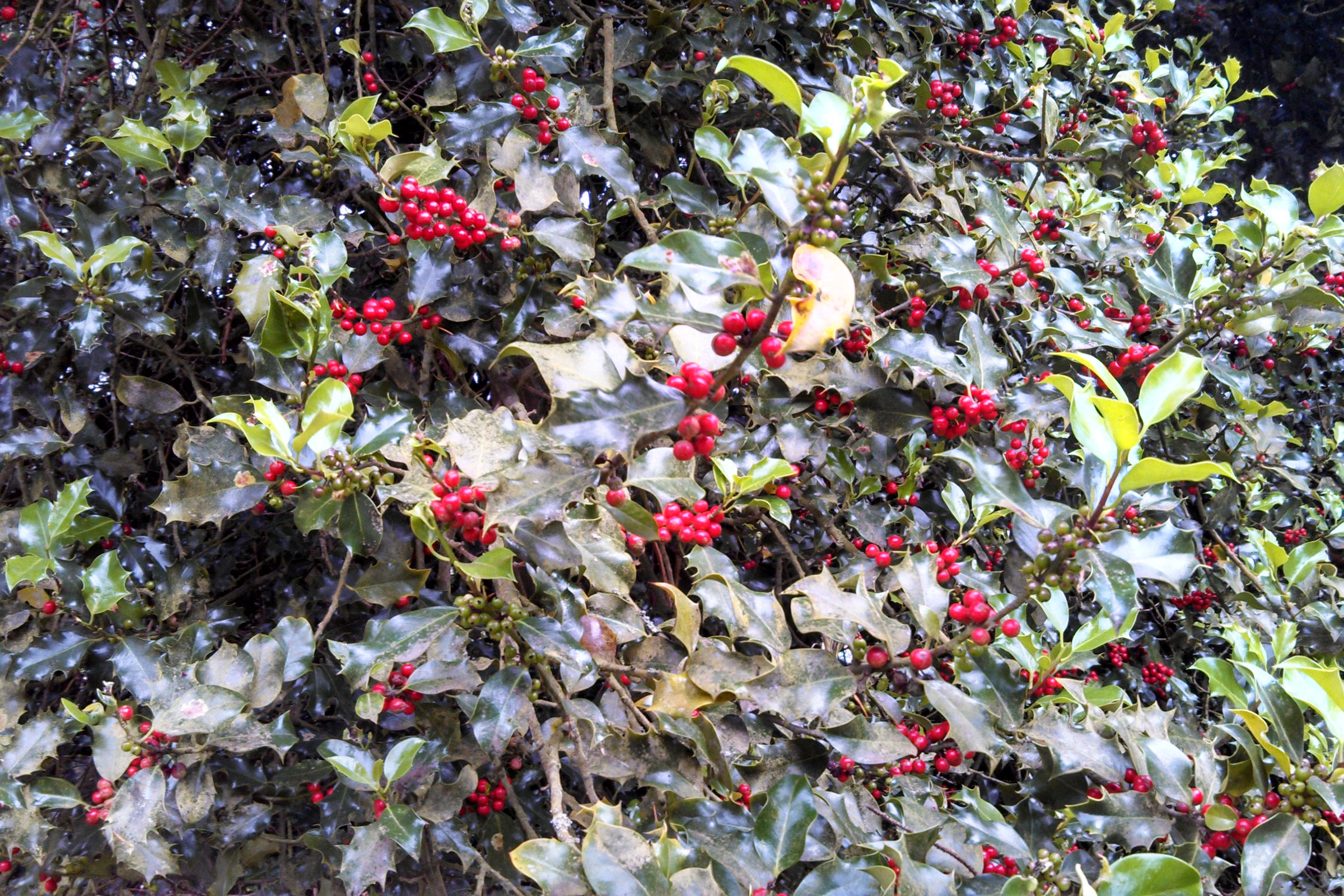
| English holly | Spiny glossy leaves, red berries | Forest understory | Ask the county weed board |
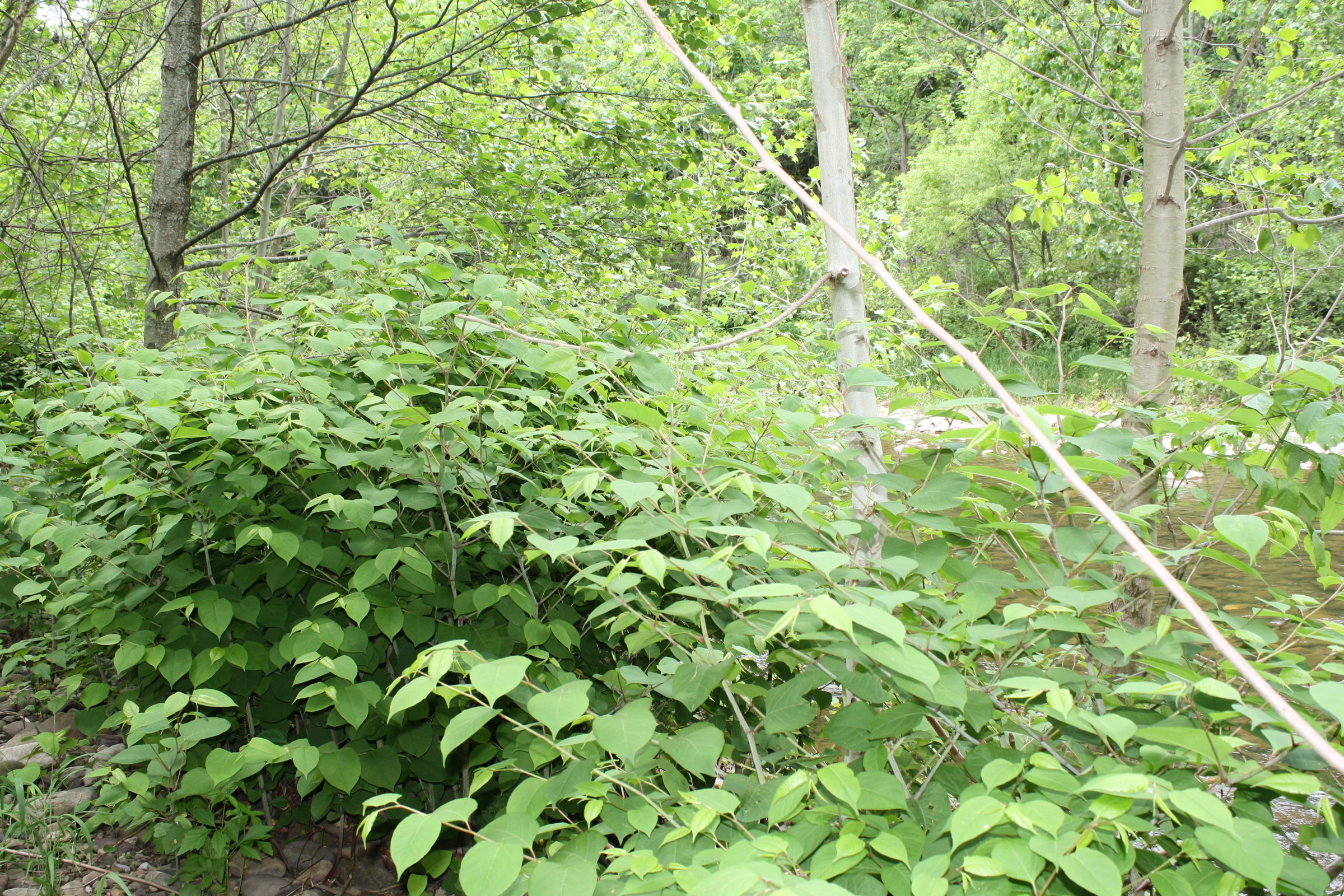
Japanese knotweed forms dense thickets along streams and roads. It deserves special care, because new plants can sprout from very small root or stem fragments. Report it rather than digging it yourself.
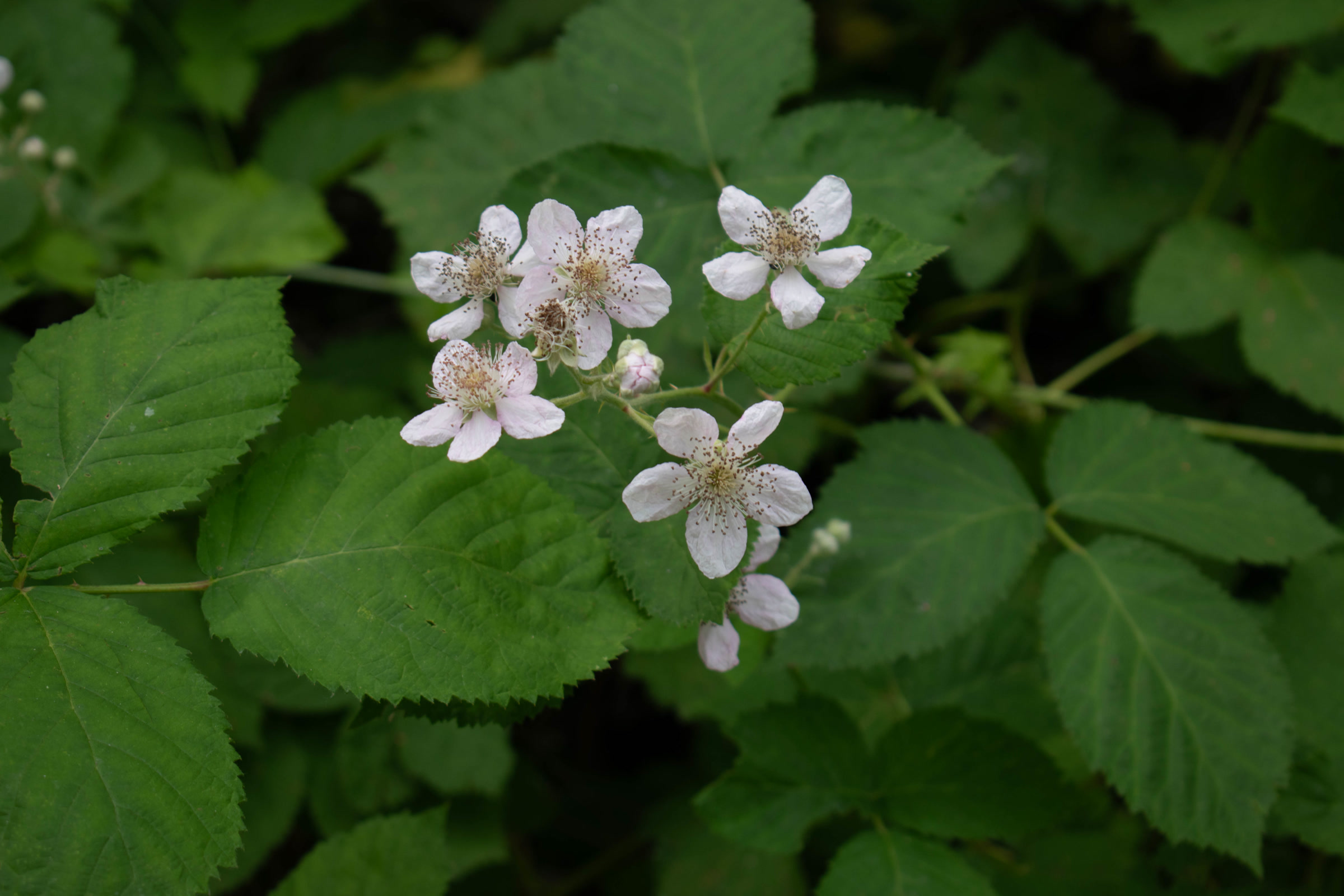
Himalayan blackberry spreads by seed in its berries, so a dropped handful can sprout and smother native shrubs such as huckleberry and salal. English holly, with its spiny leaves and red berries, escapes from gardens into the forest the same way.
Safe removal basics
Hand pulling is the friendliest tool for small patches. The Washington State Noxious Weed Control Board’s Scotch broom page and its other species pages are the best place to check the right method for each plant. A few habits apply almost everywhere:
- Wear gloves and long sleeves. Ivy sap can irritate skin and blackberry canes bite.
- Pull when the soil is moist and before plants set seed.
- Disturb the soil as little as you can. Bare, churned ground invites a new flush of broom seedlings.
- Bag or dry what you pull on a tarp or hard surface so it cannot reroot.
- Come back. Broom and ivy usually need repeat visits over several years.
We do not give herbicide advice. For anything beyond hand pulling, or for knotweed, contact the Clallam County Noxious Weed Control Program for identification help and current guidance before you start.
Stop the spread when you visit
Seeds hitch rides on boots, clothes, pets, tires and gear. Brush everything off before you enter the park and again when you leave a weedy area, and pack out all food scraps, including fruit seeds. If you see an invasive plant in the park, tell the nearest visitor center or ranger station when and where you saw it.
How volunteers help with invasive plant removal
On June 17, 2025, FONP volunteers, some from as far away as Kansas City and Seattle, gathered at the park’s Entrance Sign Garden to weed and remove non-native invasive plants. In the words of our volunteer page, it was fun for all.
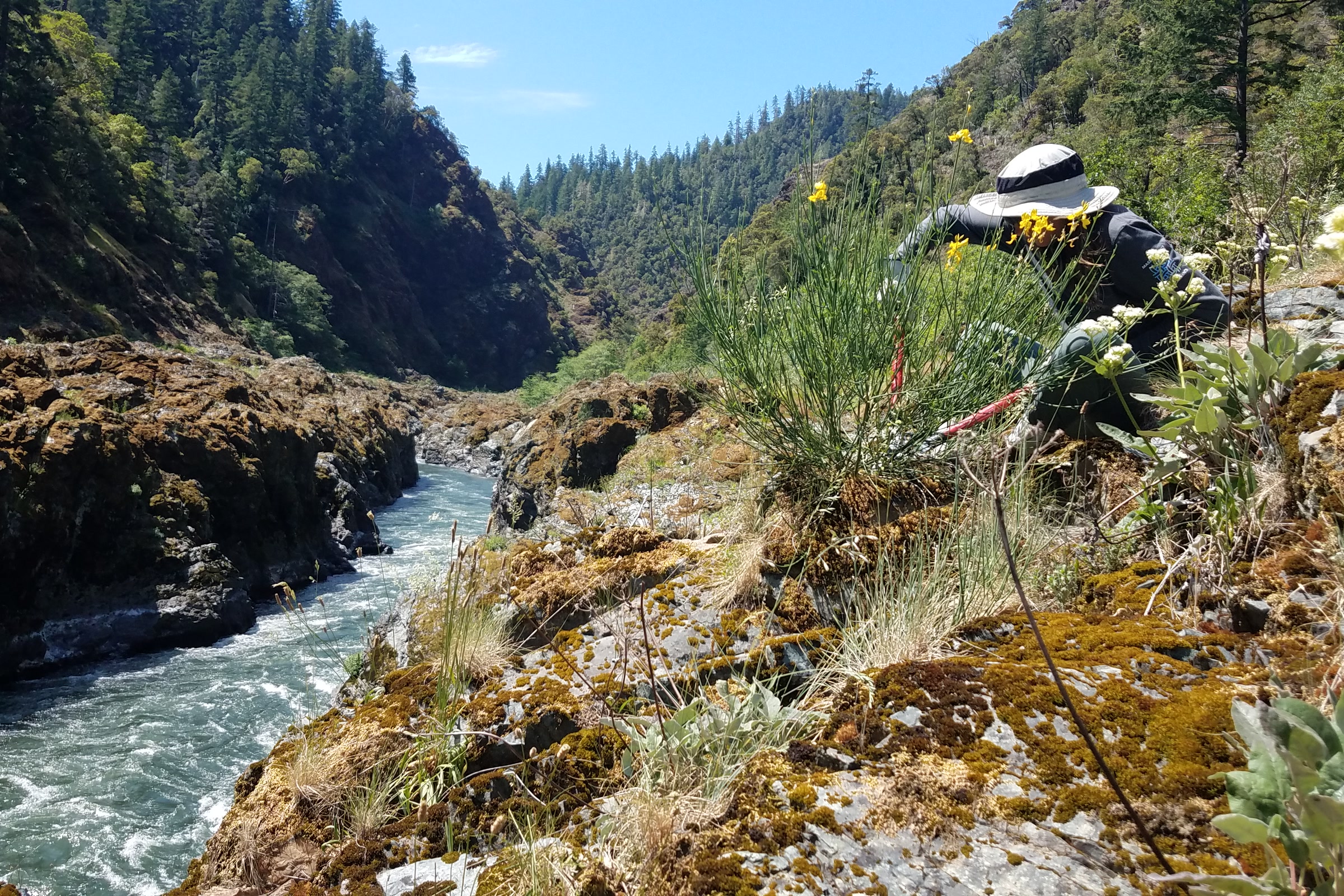
Weeding is also part of our Visitor Center work days. At our fall cleanup on September 27, 2025, volunteers weeded, deadheaded and mulched at the entrance sign and the Visitor Center from 9:00 AM to noon, with hand tools and water provided. The fall cleanup volunteer event page has the details, and our pollinator garden at the Visitor Center page explains the spring work.
Find a weed pull volunteer day in Port Angeles
- Check our upcoming events for the next Visitor Center or garden date.
- Register in advance through Volunteer.gov using the link on the event page. Spots can fill.
- Bring gloves, sunscreen and a hat, and wear clothes that can get dirty.
The park also lists its own weed pulling opportunities on the national volunteer website. Our step by step guide to volunteering at Olympic National Park walks you through signing up.
Help at home too
Many park invaders started as garden plants, so your yard matters. Swap ivy, holly and broom for natives, and use weed free soil and gravel. Our guide to native plants for pollinators on the Olympic Peninsula suggests what to plant instead.
Frequently asked questions
What are the worst invasive plants in Olympic National Park?
The park lists Scot’s broom, Canada thistle, Himalayan blackberry, English ivy, English holly, herb Robert and Japanese knotweed as its worst invasive plants.
How do you remove Scotch broom?
Pull small plants by hand when the soil is moist, and use a weed wrench for larger ones. Disturb the soil as little as possible and plan to return for several years, because broom seeds last a long time in the soil.
Is herb Robert invasive in Washington?
Yes. It is a Class B noxious weed in Washington. It has shallow roots, so it is easy to hand pull, ideally before it sets seed.
Should I pull Japanese knotweed myself?
It is best not to. New plants can grow from tiny fragments, so contact your county noxious weed control program for advice first.
How can I volunteer to pull weeds near Port Angeles?
Watch the Friends of Olympic National Park events page for Visitor Center and garden work days, then register through Volunteer.gov. The park also posts volunteer opportunities on the national volunteer website.
Pull a weed, protect the park
Every bag of broom or ivy that leaves the ground gives native plants room to come back. See our volunteer opportunities at Olympic National Park, or become a member to hear about the next work day first.
Leave a Reply