
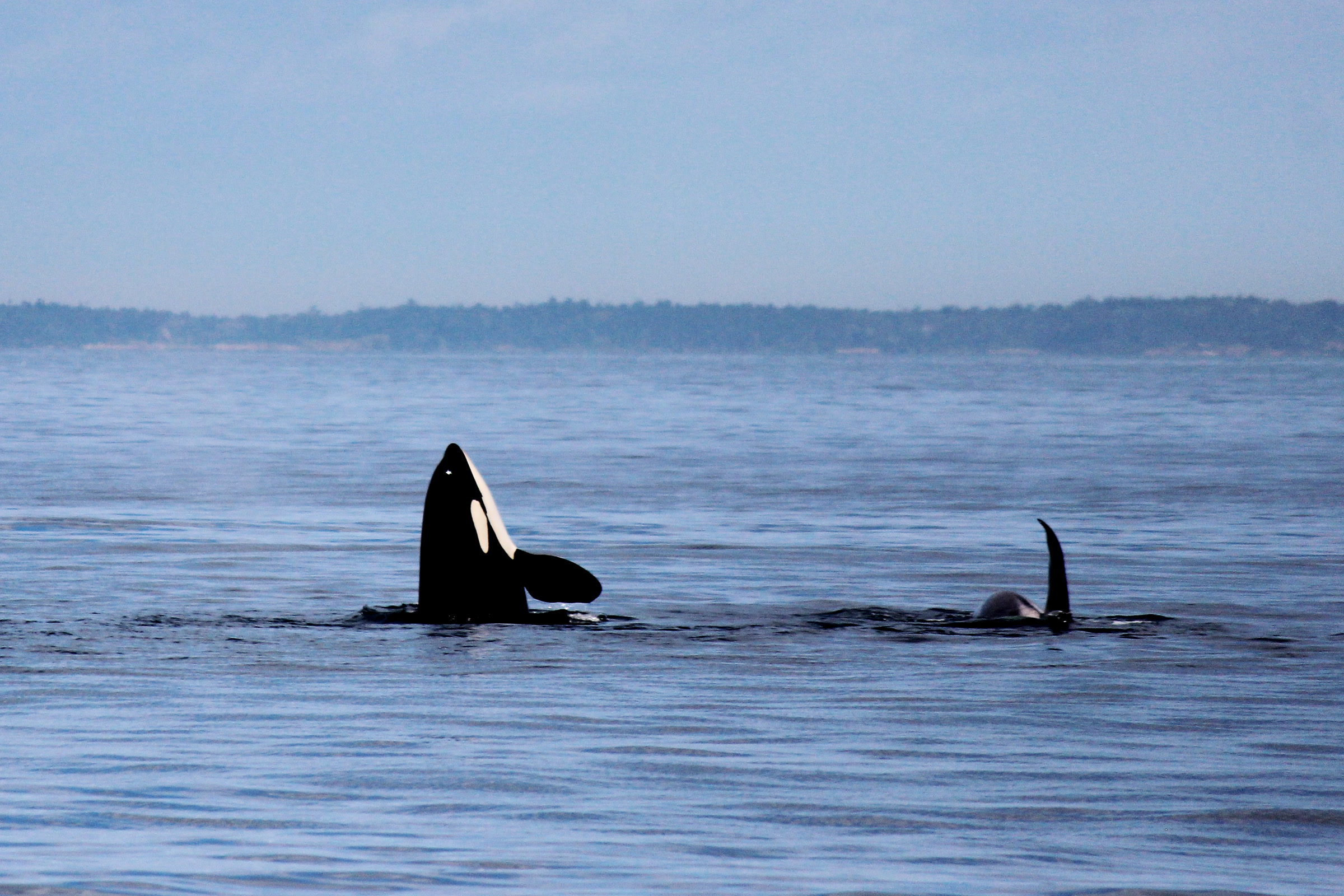
Olympic Coast marine mammals are some of the best reasons to linger on a headland with binoculars. Gray whales pass on their way north, sea otters float in the kelp, and harbor seals and sea lions rest on the rocks. This guide covers who lives here, when to look, and how to watch without disturbing them.
Quick answer
What marine mammals live on the Olympic Coast?
The Olympic Coast is home to or visited by 29 marine mammal species, NOAA says. Among them are gray whales, humpbacks, orcas, harbor seals, Steller and California sea lions, and sea otters. Watch from shore with binoculars and stay at least 100 yards from seals and sea lions.
- 29 marine mammal species in the national marine sanctuary
- Gray whales migrate north past the park from March into May
- Sea otters were reintroduced to Washington in 1969 and 1970
- Seal pup alone on the beach? Leave it and stay back
Olympic Coast marine mammals: who lives here
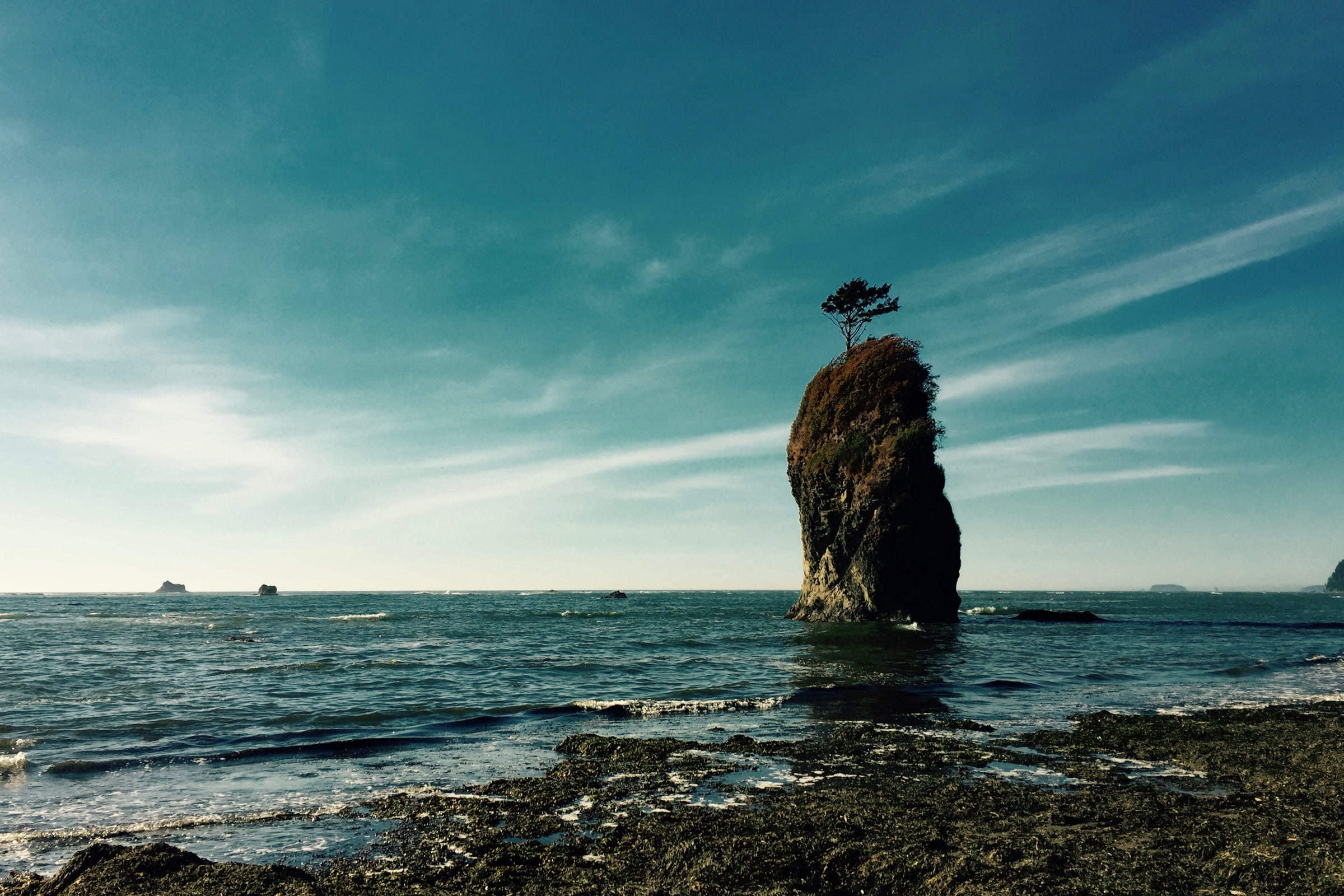
Offshore of the park’s wilderness beaches lies Olympic Coast National Marine Sanctuary, managed by NOAA. The sanctuary says 29 species of marine mammals live in or migrate through its waters. Closer in, the park notes that the Quillayute Needles National Wildlife Refuge, about 800 rocks, reefs and islands, gives seals and sea lions places to haul out in protected water.
Whales on the Olympic Coast
NOAA names the North Pacific gray whale and the humpback as the most common baleen whales here. The most common toothed whales are the harbor porpoise and the killer whale, or orca.
Gray whales
The park says gray whales migrate north past the coast from March into May, heading for summer feeding grounds in the Bering Sea. Look for their spouts or their mottled, barnacle covered backs. Some stay to feed in late spring and summer, including at the mouths of the Hoh and Quillayute rivers, where they scoop up bottom sediment and filter out small crustaceans.
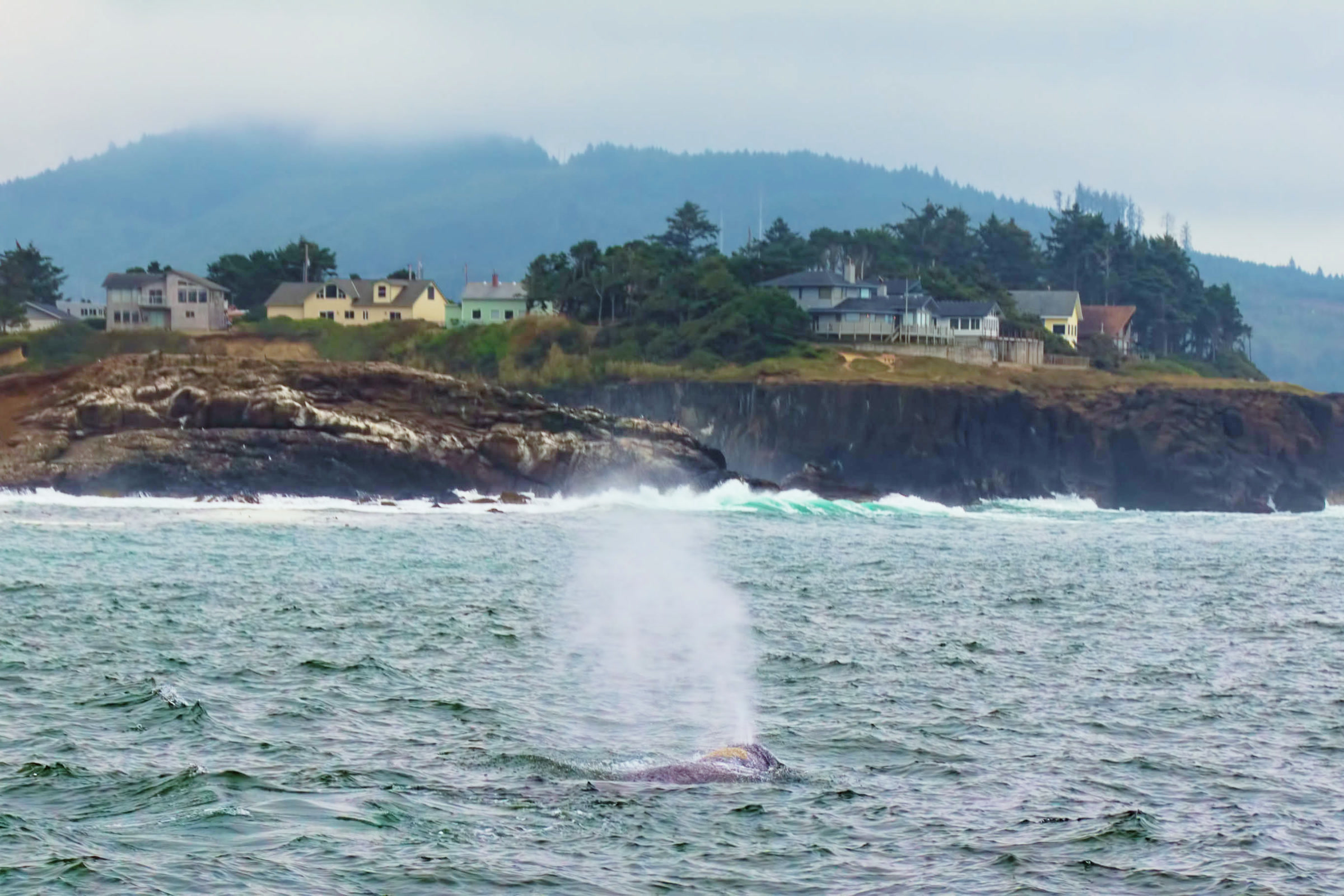
Gray whales are also a recovery story. Overhunting left them critically low, and the park notes they have recovered enough to be removed from Endangered Species Act protection.
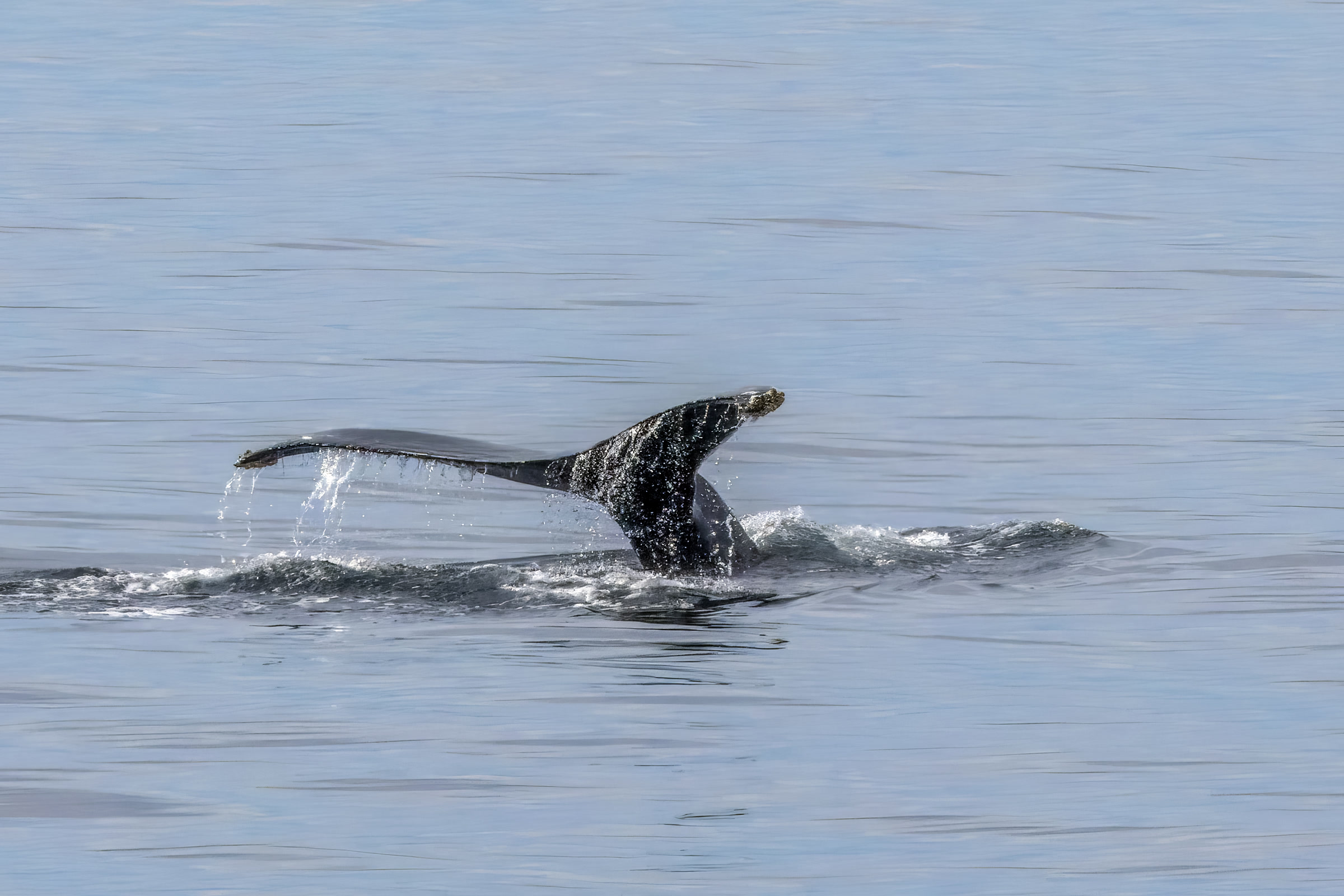
Humpbacks and orcas
NOAA describes the endangered Southern Resident orcas as living in tight family groups led by females, and as known for breaching, spyhopping and slapping the water with their tails or flippers. Sanctuary and NOAA Fisheries staff work together to understand them better.
Harbor seals and sea lions
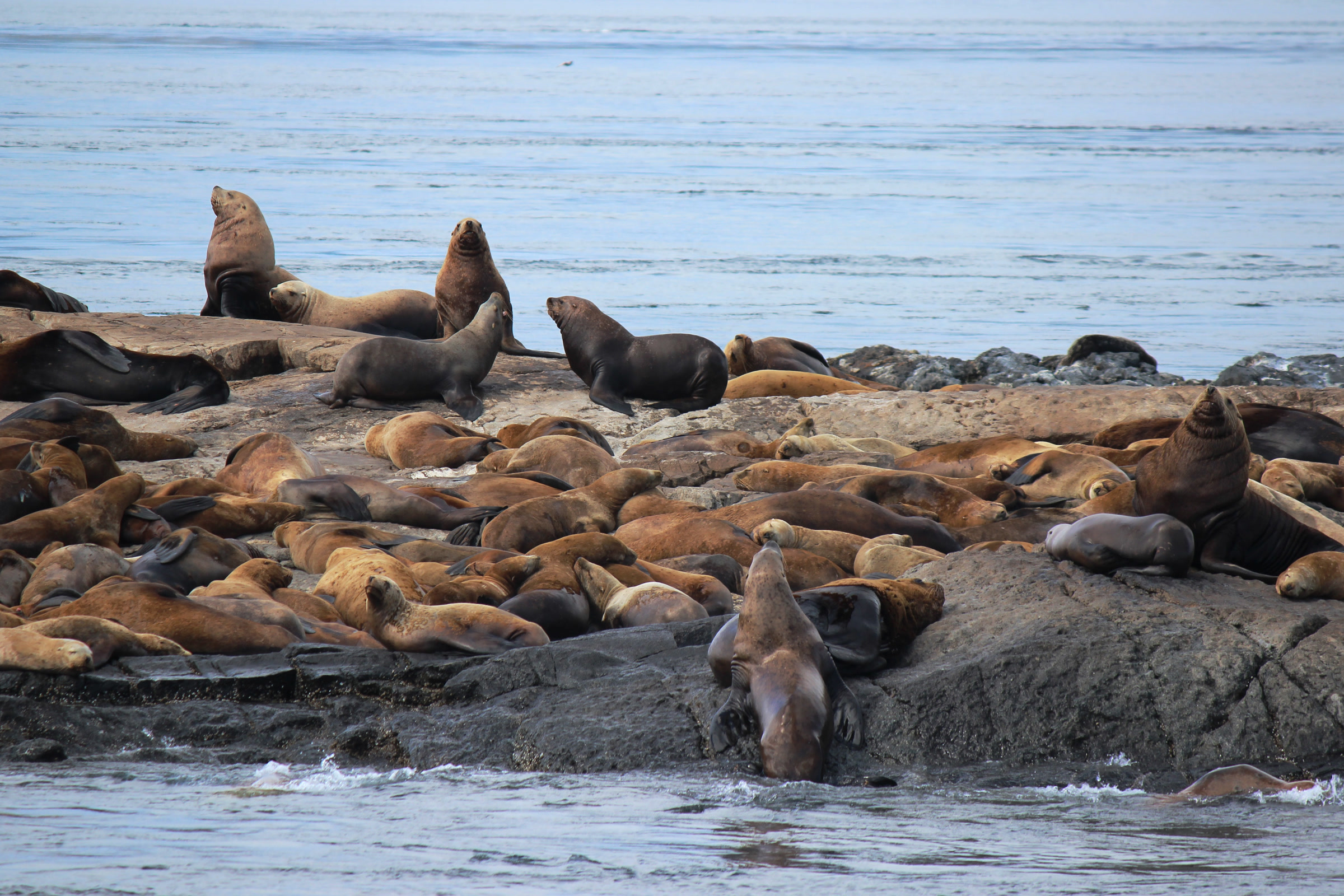
NOAA lists harbor seals and elephant seals as the earless seals of the Olympic Coast, and Steller and California sea lions as the eared ones. NPS says seals, sea lions and sea otters haul out on shore to rest, give birth or molt.
Molting happens in late spring to early summer, and the park warns it can make an animal look sick or even bloody. That is normal. Steller sea lions are another recovery story: their eastern population was taken off the threatened list in 2013.
Sea otters in Washington
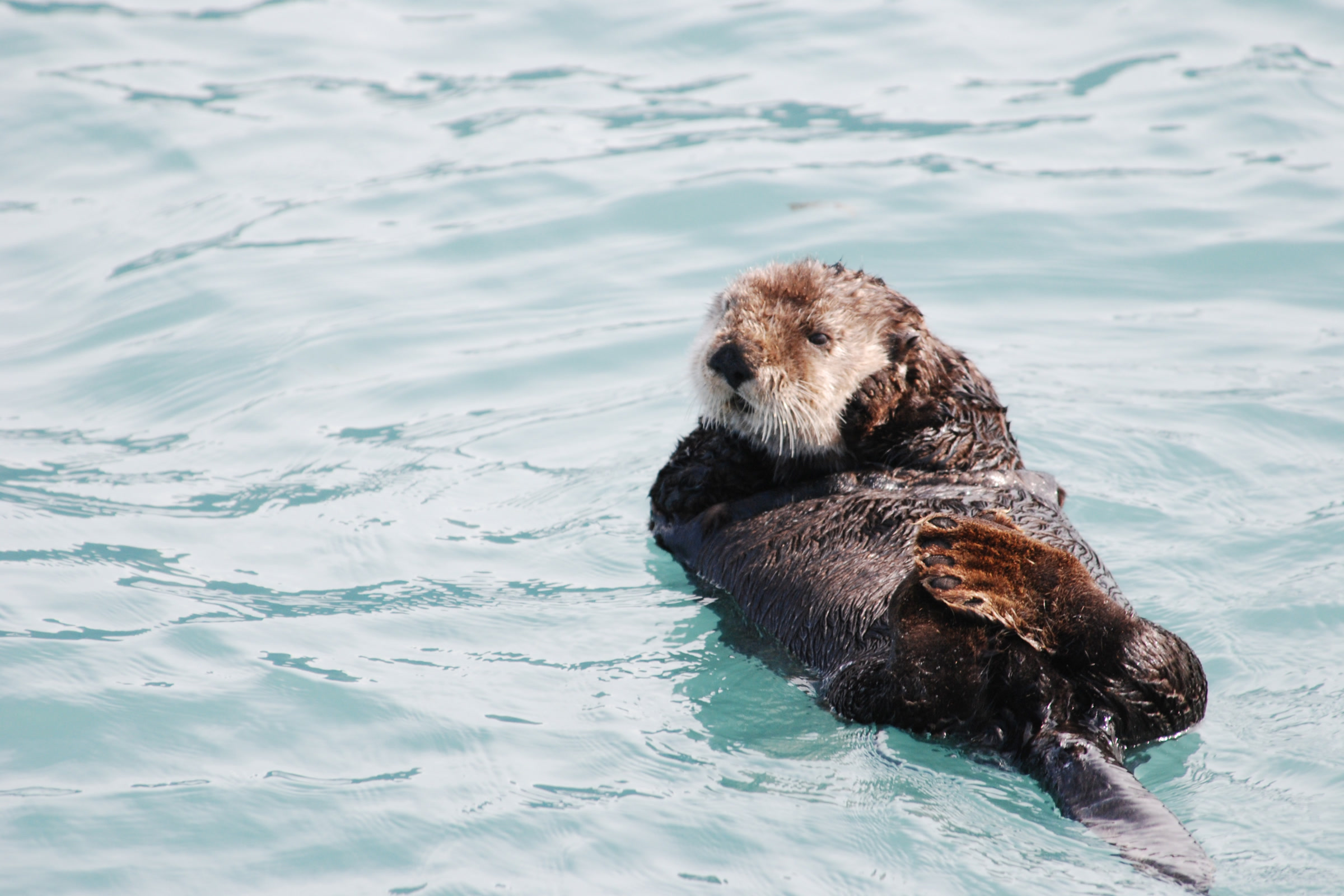
Sea otters were hunted out of Washington waters by the early 1900s. According to the Washington Department of Fish and Wildlife (WDFW), today’s population grew from 59 otters reintroduced in 1969 and 1970. The state still lists them as threatened.
WDFW says they live from south of Destruction Island north to Cape Flattery, and east into the Strait of Juan de Fuca to Pillar Point. Look in rocky areas and kelp beds within about a mile of shore, where they eat urchins, crabs, clams, mussels, snails and chitons.
How far to stay back
The park’s rule of thumb is simple: if an animal moves because of you, you are too close. Park regulations prohibit feeding, touching, teasing, frightening or intentionally disturbing wildlife, and federal law protects marine mammals from harassment.
Viewing distances by animal, as of October 2026
| Animal or activity | Distance | Source |
|---|---|---|
| Seals and sea lions | At least 100 yards, you and your pets | NOAA Fisheries |
| Whales | At least 100 yards | NOAA Fisheries |
| Bigg’s orcas, Puget Sound | 200 yards | NOAA Fisheries |
| Southern Resident orcas, Puget Sound | 1,000 yards | NOAA Fisheries |
| Aircraft over beaches, rocks and islands | 2,000 feet above | NOAA sanctuary |
Drones are not allowed in Olympic National Park without the superintendent’s written approval. Check the NPS marine mammals page before you go.
If you find a seal pup on the beach
A pup alone on the sand is usually not an orphan. NOAA Fisheries says it is normal for mothers to leave pups behind, and that pups may stay in one spot for days. The mother may not come back if people are too close.
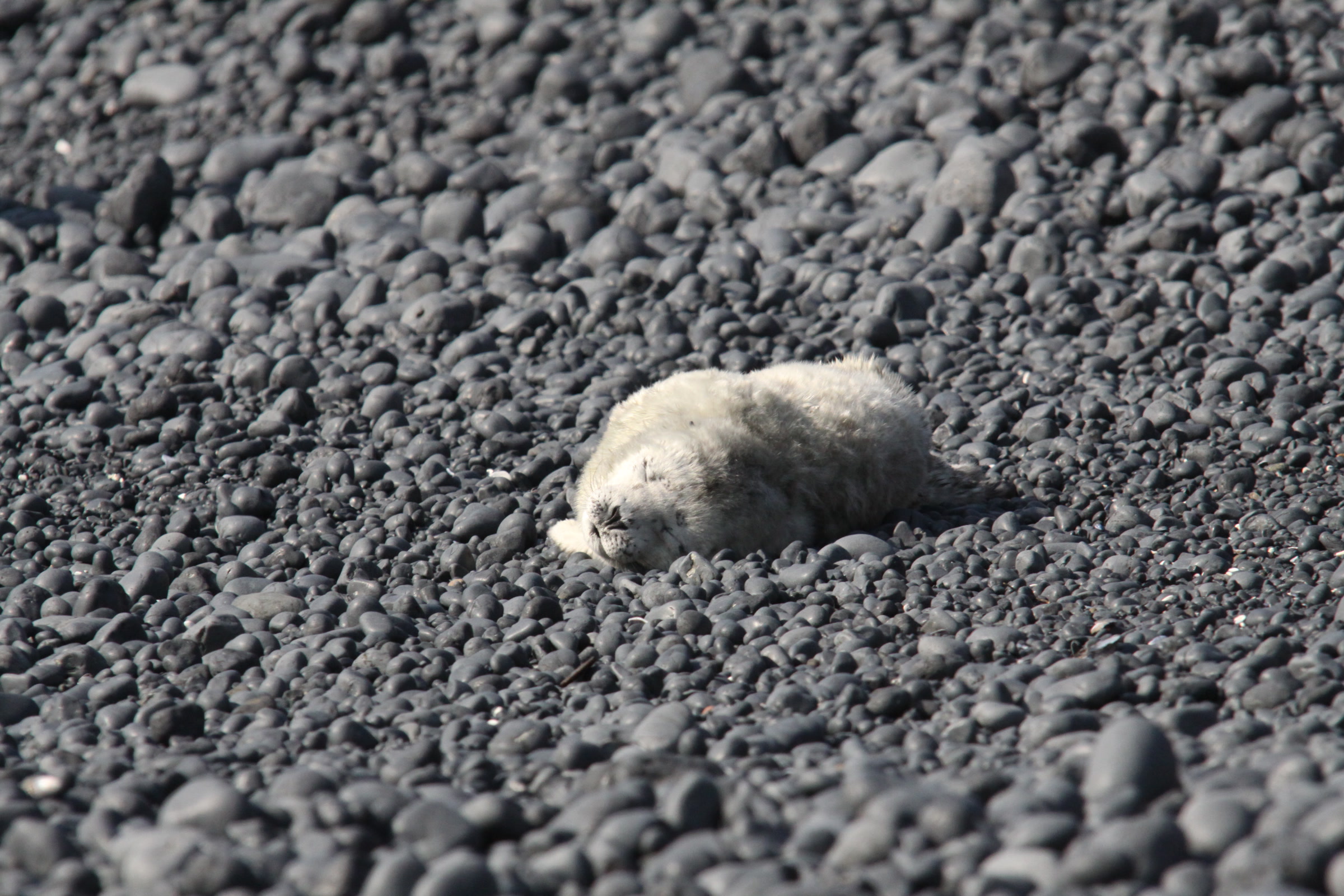
- Leave it where it is. Never touch, feed or move a pup; NOAA says moving animals lowers their odds of survival.
- Back away to at least 100 yards and keep other people back too.
- Keep dogs leashed and away; NOAA notes pets can separate mothers from pups.
- If it looks injured or in danger, call the West Coast Marine Mammal Stranding Network at 866-767-6114 or tell a ranger. Don’t try a rescue yourself.
- To report harassment, call the NOAA Fisheries enforcement hotline at 800-853-1964.
For an injured sea otter, the park lists a separate line, 877-326-8837. NOAA’s Share the Shore guidance has the full advice. Pets are not allowed on most park beaches; our post on dogs in Olympic National Park lists the exceptions.
Whale watching on the Olympic Coast: when and where
Spring is the best bet for gray whales, from March into May. Pick a high spot with a wide ocean view, bring binoculars, and scan for spouts on a calm day. In 2013 The Whale Trail dedicated a sign at Kalaloch Lodge, the first on Washington’s outer coast and the first inside the park.
For a shore walk with an ocean view, try Ruby Beach, Rialto Beach and Hole in the Wall, or a low tide visit from our tide pools guide. If you paddle, read our kayaking guide first and give animals room on the water too.
How Friends of Olympic National Park helps
We are Friends of Olympic National Park (FONP), a volunteer led friends group based in Port Angeles. Our volunteers join beach cleanups in Olympic National Park, removing marine debris from the coast these animals depend on. A gift helps keep that work going, so please consider a way to support Olympic National Park.
Frequently asked questions
When is the best time to see gray whales on the Olympic Coast?
The park says gray whales migrate north past the coast from March into May. Some stay to feed in late spring and summer, including at the mouths of the Hoh and Quillayute rivers.
Are there sea otters in Washington?
Yes. Sea otters were hunted out of Washington by the early 1900s and reintroduced in 1969 and 1970. WDFW says they live from south of Destruction Island north to Cape Flattery and east to Pillar Point.
What should I do if I find a seal pup on the beach?
Leave it alone and back away to at least 100 yards. Mothers often leave pups on shore. If the pup looks injured, call the West Coast Marine Mammal Stranding Network at 866-767-6114.
How close can you get to seals and sea lions?
NOAA Fisheries asks people to keep themselves and their pets at least 100 yards from seals and sea lions. If an animal reacts to you, you are too close.
Can you see orcas from shore on the Olympic Coast?
Sometimes. NOAA lists the orca among the most common toothed whales in Olympic Coast National Marine Sanctuary, and the park names orcas among the animals visitors may spot from coastal vantage points.
Leave a Reply