
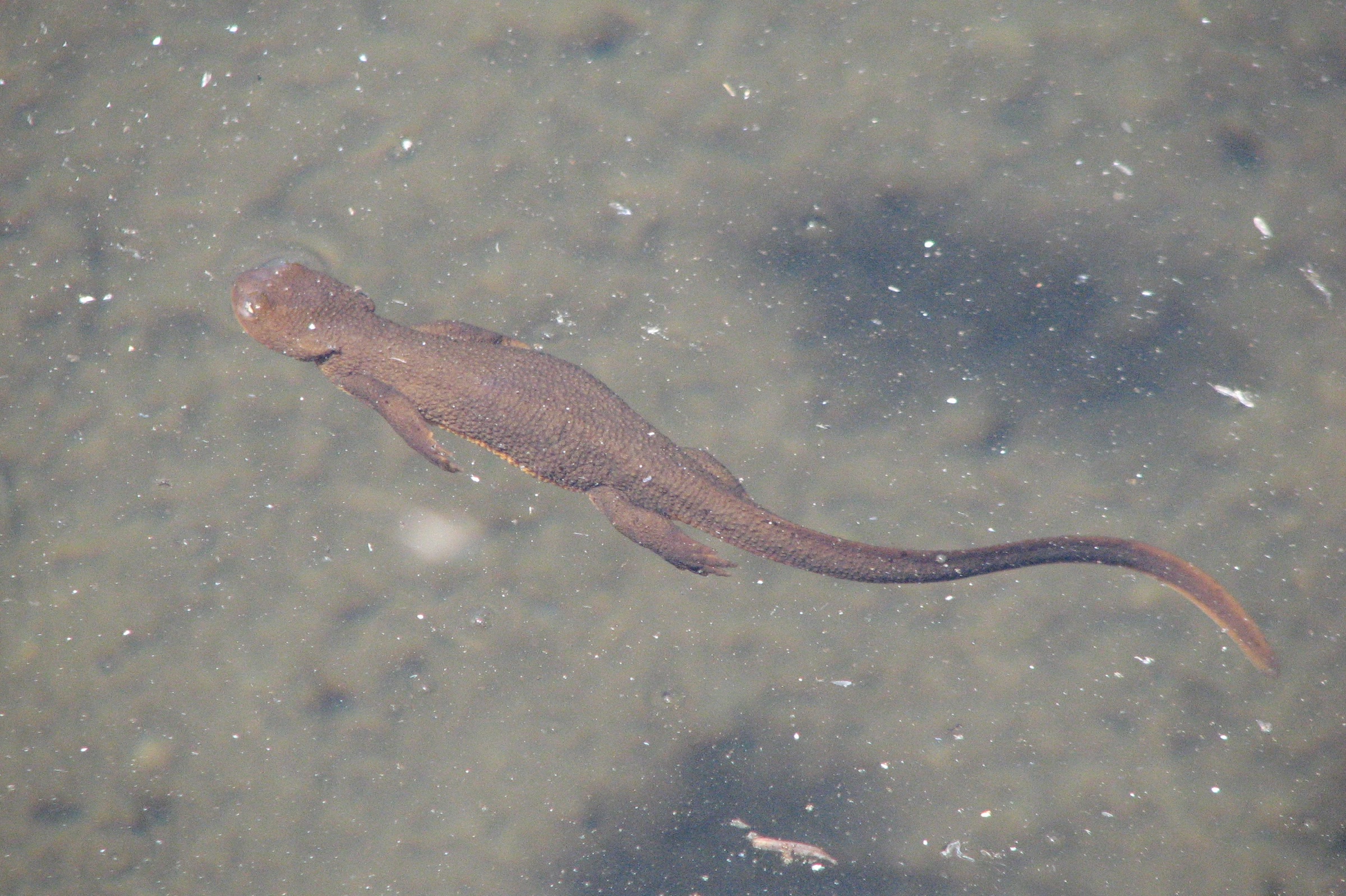
Olympic National Park is a wet place, and wet places suit amphibians. The park’s ponds, lakes, streams and mossy forests are home to frogs, toads, newts and salamanders, including one salamander found nowhere else. This guide covers the species the park lists, where to look, and how to enjoy them without causing harm.
Quick answer
What amphibians live in Olympic National Park?
The park’s species list names 13 amphibians seen in Olympic National Park: eight salamanders and newts, and five frogs and toads. They include the rough-skinned newt, tailed frog, Pacific tree frog and western toad. The Olympic torrent salamander is the one species the park lists as endemic, found only locally.
- 13 amphibian species on the park’s list
- Olympic torrent salamander is the park’s endemic amphibian
- Rough-skinned newts carry a toxin in their skin
- Touching or disturbing park wildlife is prohibited
The amphibians on the park’s list
The park keeps an online list of amphibians and reptiles that have been seen in the park, last updated in 2015. It names 13 amphibians. The park also points to a 2003 inventory report based on fieldwork from 1999 to 2001.
Salamanders and newts compared with frogs and toads
| Group | Species on the park list |
|---|---|
| Salamanders and newts | Northwestern salamander, long-toed salamander, Olympic torrent salamander, Cope’s giant salamander, rough-skinned newt, Oregon ensatina, western red-backed salamander, Van Dyke’s salamander |
| Frogs and toads | Western toad, tailed frog, red-legged frog, Pacific tree frog, Cascades frog |
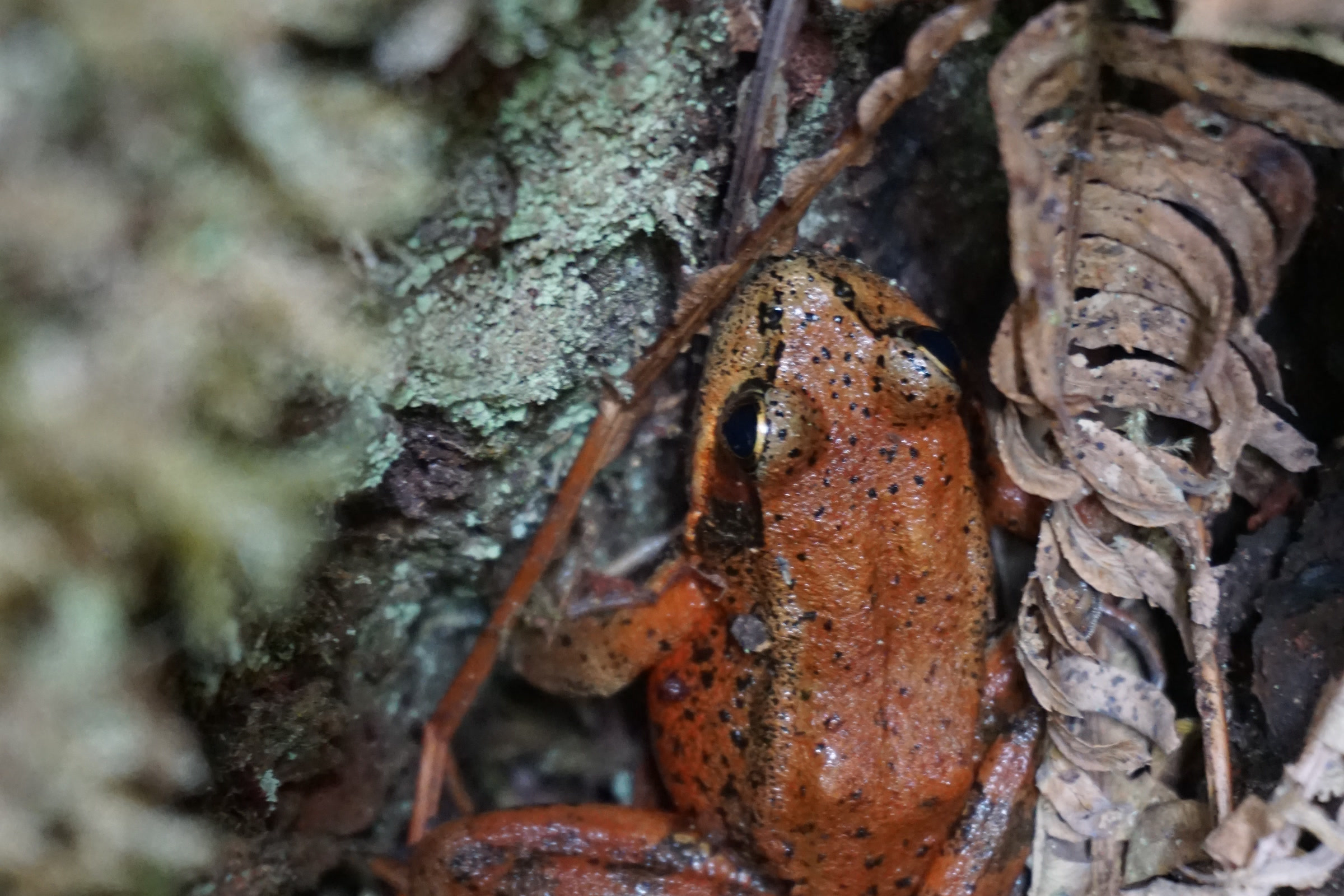
Rough-skinned newt
The rough-skinned newt is common and easy to recognize. The park describes it as common in the lowlands, with bumpy brown skin and a bright orange belly. Newts breed in ponds but usually live in the forest, so you may meet one well away from water.
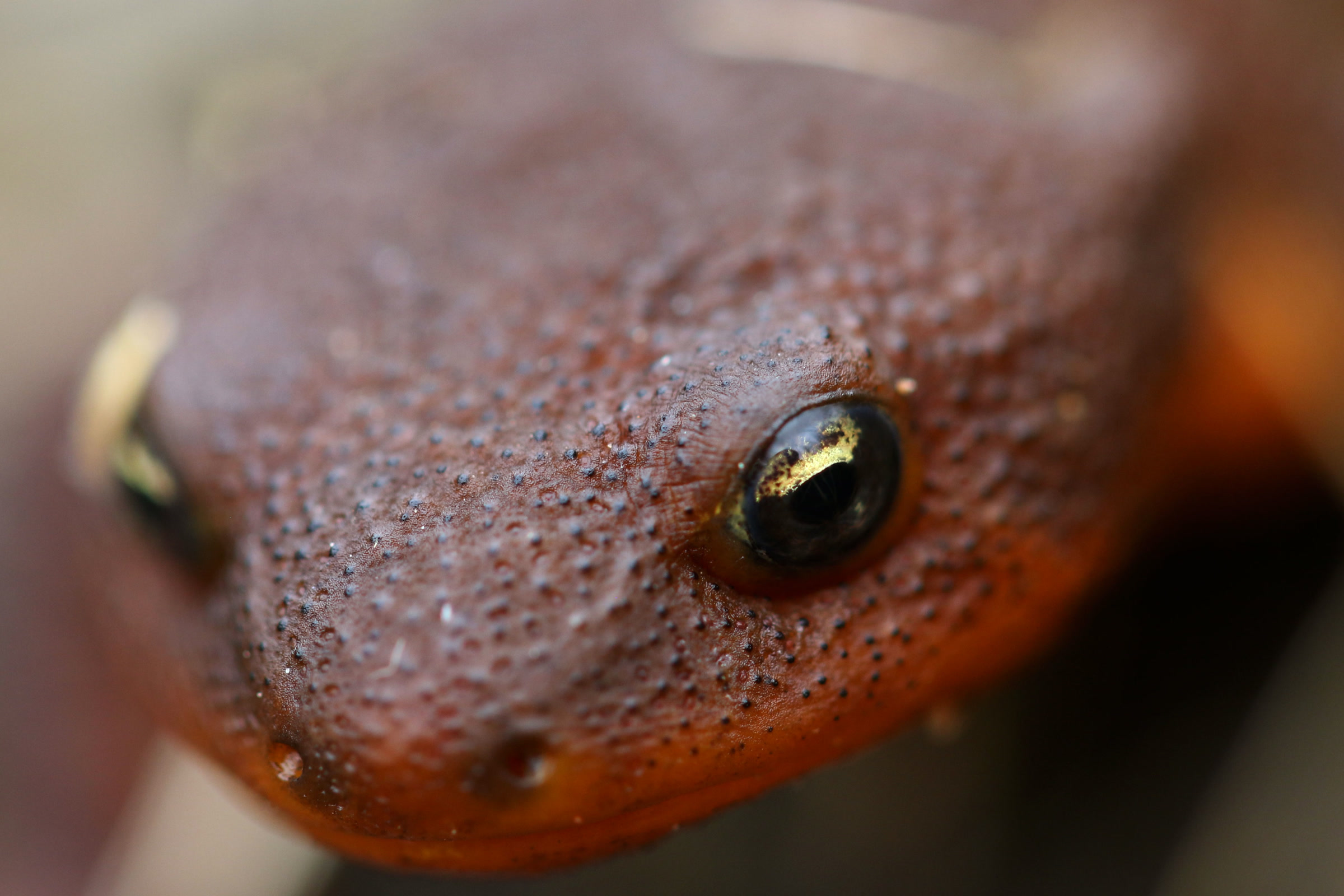
The newt’s toxin and handling
The park says newts protect themselves with their bright belly and a poison from their skin. The Washington Department of Fish and Wildlife identifies that toxin as tetrodotoxin. When threatened, a newt arches its head back toward its tail to flash its orange underside as a warning, and few predators survive eating one, the common garter snake being the notable exception.
WDFW says newts can be handled safely, but small children who put things in their mouths need watching. After touching any amphibian, wash your hands before touching your eyes, nose or mouth. Inside the park, though, the rule is simpler: leave them be, because touching or disturbing wildlife is prohibited.
At low elevations in western Washington, WDFW notes that newts are active all year, and courtship is most visible in March and April. At higher elevations they breed soon after the snow and ice melt.
Olympic torrent salamander
The Olympic torrent salamander is the park’s own. The park lists it as endemic, and WDFW says about 77 percent of its known occurrences are in Olympic National Park. It is small, under 2.4 inches from snout to vent, brown above and yellow to orange below, with large eyes.
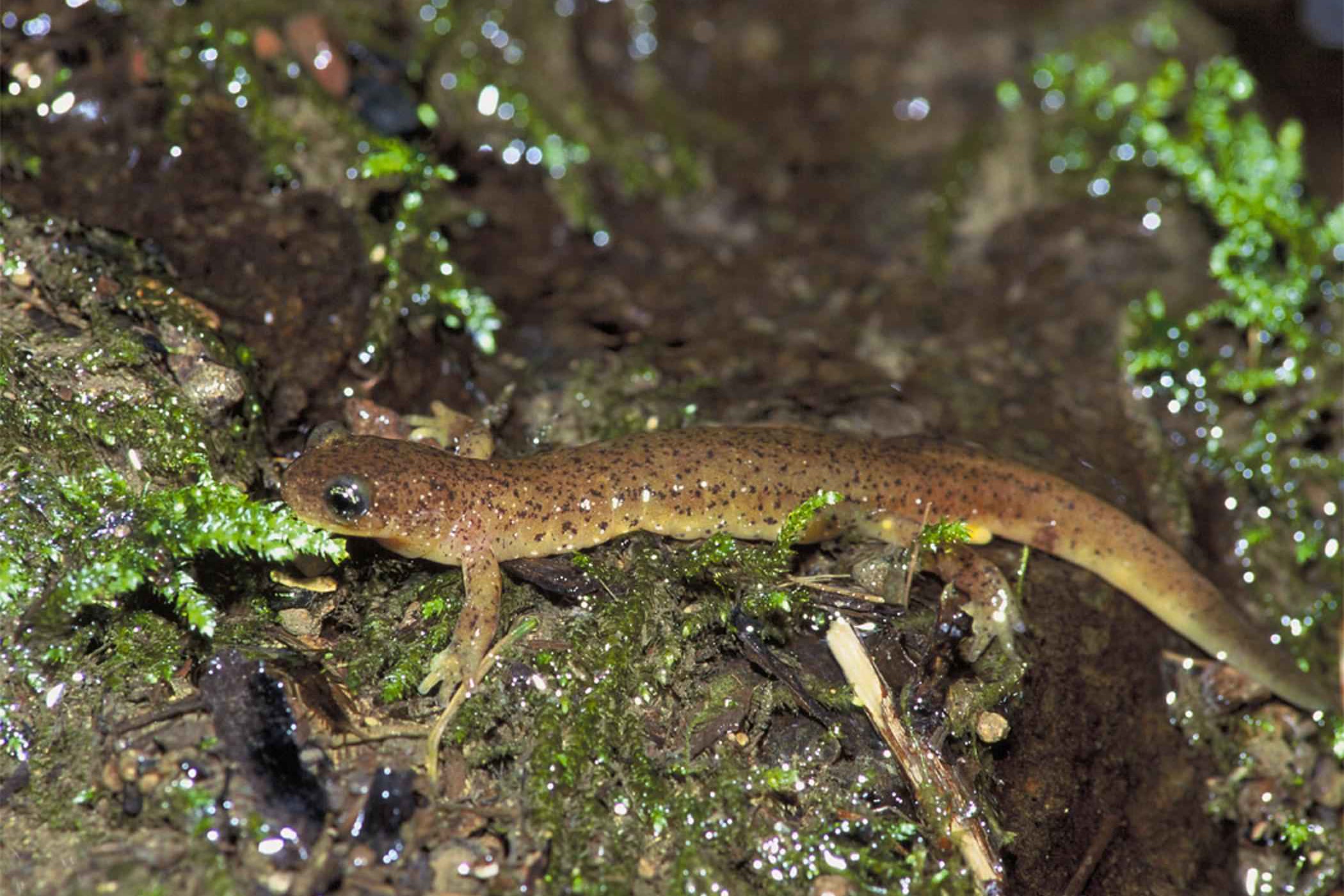
These salamanders need cold, permanent streams, seeps and waterfall splash zones in mature conifer forest. They move only a few meters in their lives, and WDFW notes their eggs have never been found in the wild. WDFW lists warming water and sediment among the threats, so shaded, healthy streams matter.
Tailed frog
The park says the tailed frog can live in cold, rushing mountain streams. WDFW describes it as a slender, rough-skinned frog of 1.5 to 2 inches with no documented calls. The male’s “tail” is used for internal fertilization, so sperm is not washed away in the current.
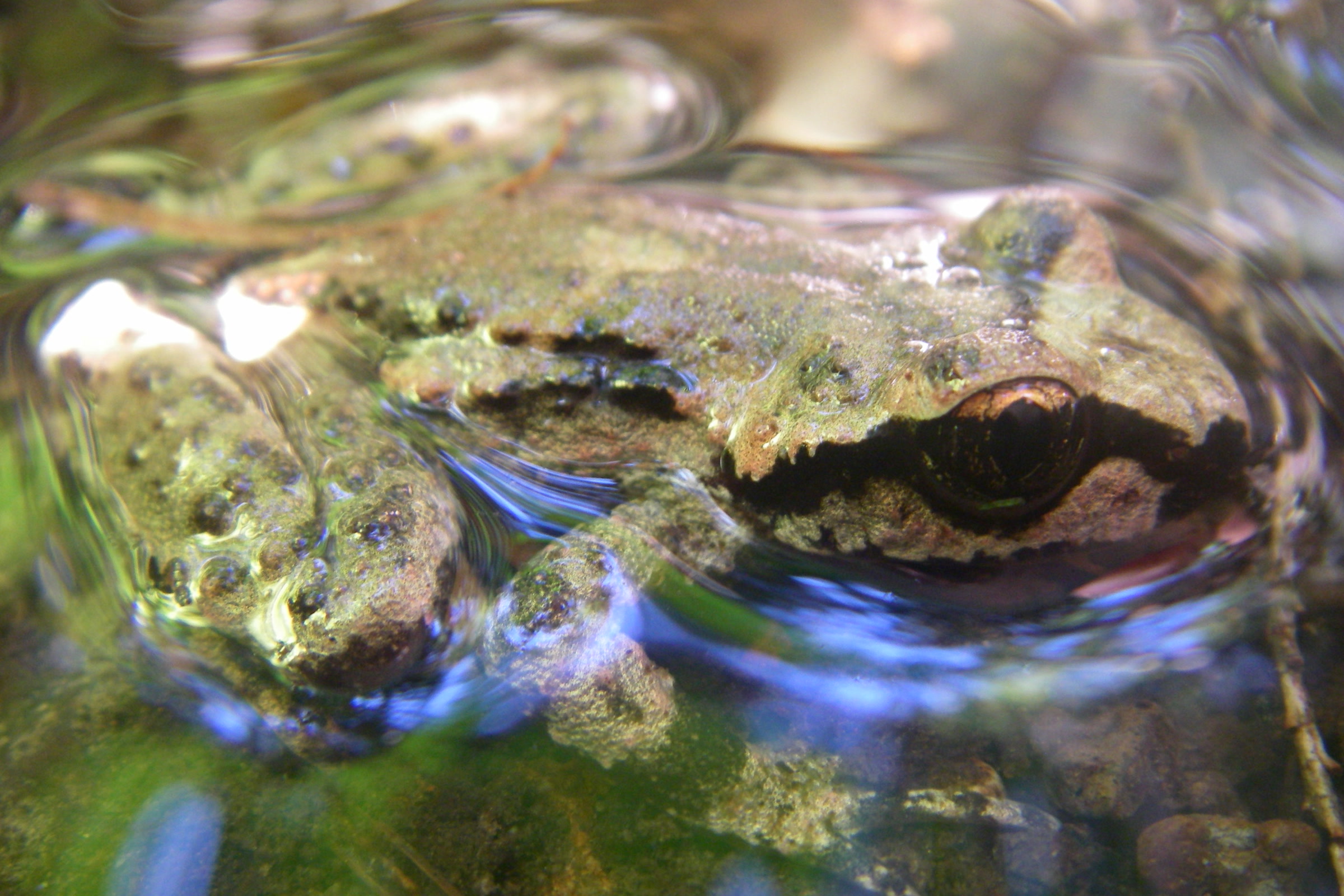
Its tadpoles are just as specialized. WDFW says they are the only tadpoles in Washington able to cling to rocks in fast water, using a large sucker-like mouth, and they stay tadpoles for two to five years.
Pacific tree frog
The Pacific tree frog, also called the Pacific chorus frog, is a small frog with a two-part “rib-it” call; WDFW notes that breeding choruses carry for great distances. WDFW notes it is usually under 2 inches long and the only Washington frog with round toe pads. It can be green, brown, grey, red or copper.
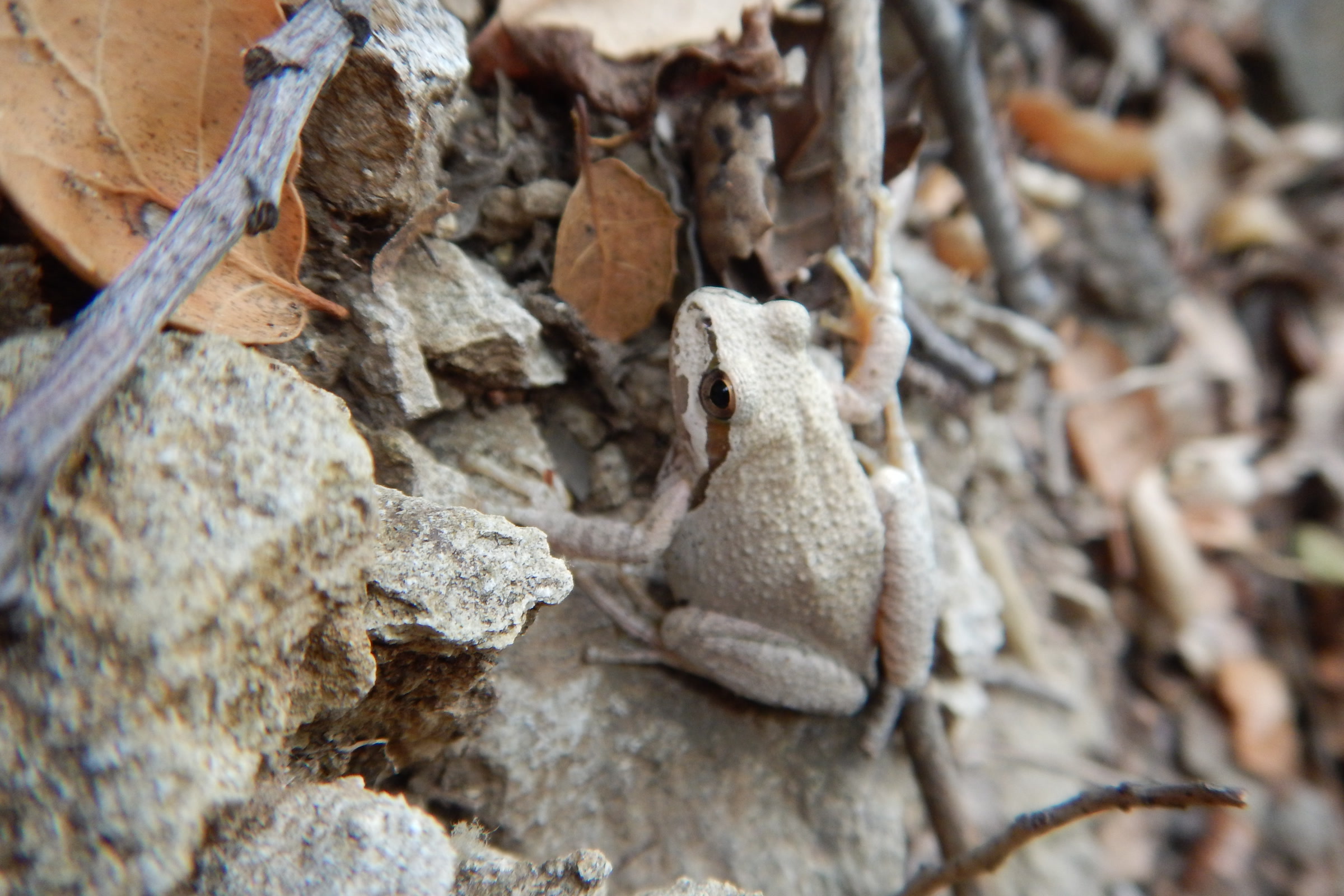
Tree frogs breed in still or slow water, from ponds and lakes to roadside ditches, laying small packets of eggs on plants. Outside the breeding season adults live on land in moist places, including forests.
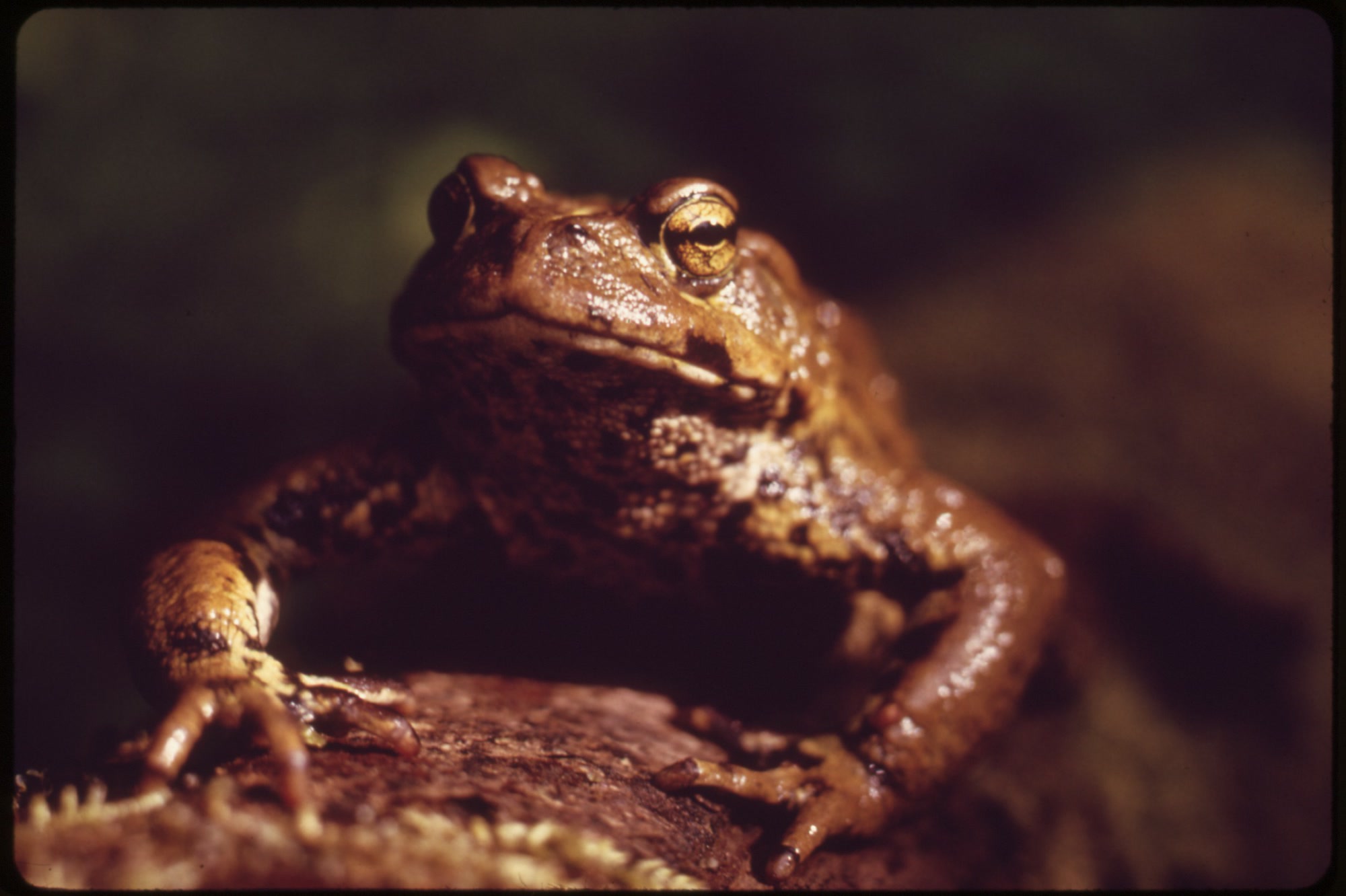
Western toad and other species to know
The western toad is the only toad on the park list, a warty animal of 2 to 5 inches. The park says populations of most amphibians appear fairly stable, but western toads could be declining. WDFW lists the toad as a state candidate species and names road deaths among its main threats.
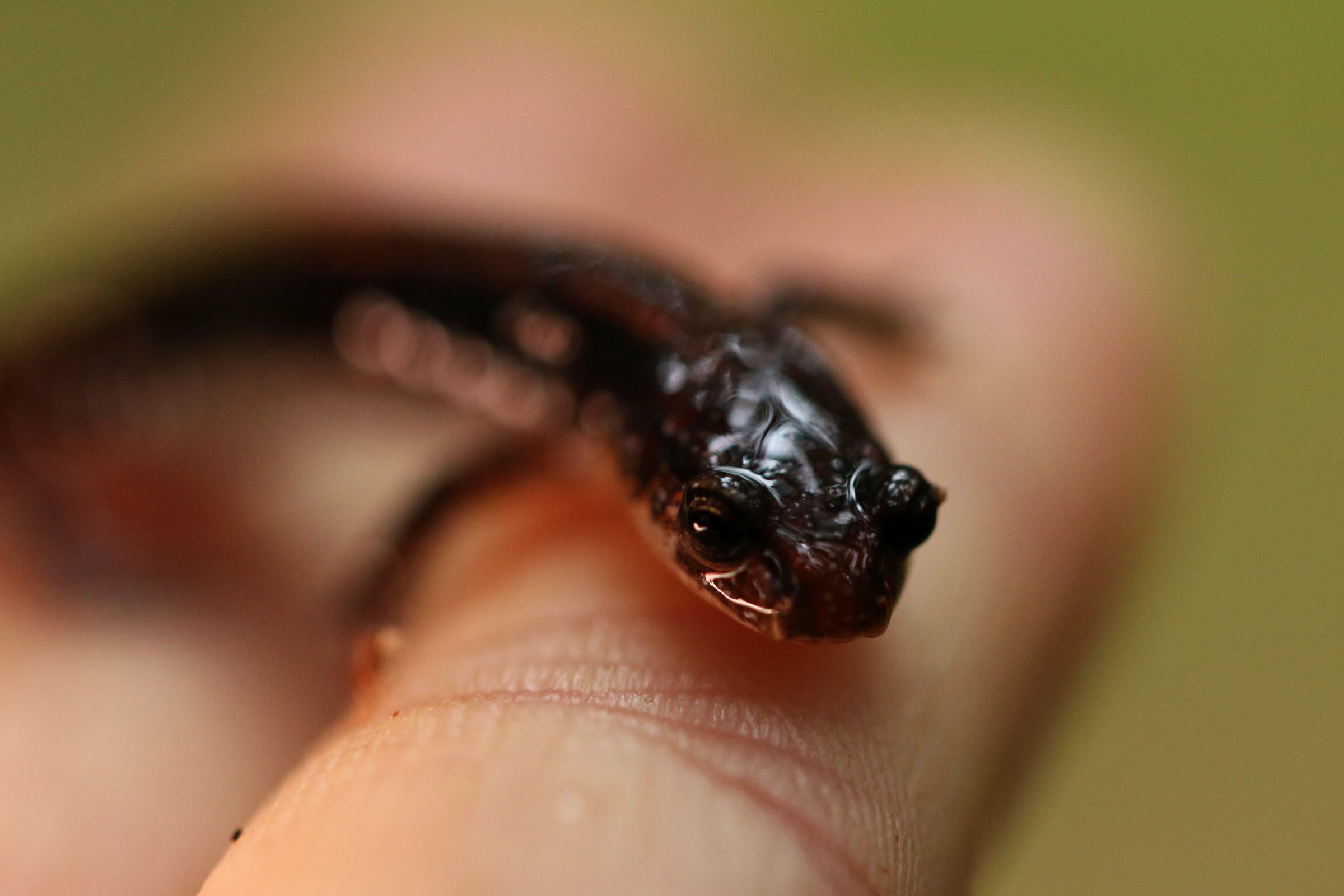
The list also includes forest salamanders such as the western red-backed salamander and Oregon ensatina. Our guide to temperate rainforests in Olympic National Park and our post on banana slugs explore more of the park’s damp forest life.
Threats and how to watch amphibians well
The park’s amphibians page names pollution and non-native predators, including bullfrogs and eastern brook trout, as threats. You can help in small ways that add up.
- Watch from a short distance and don’t pick animals up; touching or disturbing park wildlife is prohibited.
- Stay on trails near ponds and streams, and step around newts on the path.
- Never move fish, frogs or tadpoles between waters.
- Report injured or dead animals to a ranger rather than trying a rescue yourself.
How Friends of Olympic National Park helps
We are Friends of Olympic National Park (FONP), a volunteer led friends group in Port Angeles. Our guided nature walks and the Children’s Discovery Room help visitors of all ages notice the small lives of the forest. If you’d like to help that work continue, please support Olympic National Park with a gift.
Frequently asked questions
How many amphibians are in Olympic National Park?
The park’s species list, last updated in 2015, names 13 amphibians that have been seen in the park: eight salamanders and newts and five frogs and toads.
Is the rough-skinned newt poisonous to touch?
Its skin contains tetrodotoxin. WDFW says newts can be handled safely if you wash your hands before touching your eyes, nose or mouth, and that small children need supervision. In the park, touching wildlife is prohibited, so just watch.
Where does the Olympic torrent salamander live?
Only on the Olympic Peninsula. WDFW says about 77 percent of known occurrences are in Olympic National Park, in cold, permanent streams, seeps and waterfall splash zones in mature forest.
Why is it called a tailed frog?
The male has a tail-like organ used for internal fertilization, which keeps sperm from washing away in fast mountain streams.
Are there poisonous snakes in Olympic National Park?
No. The park says there are no venomous snakes on the Olympic Peninsula.
Leave a Reply