
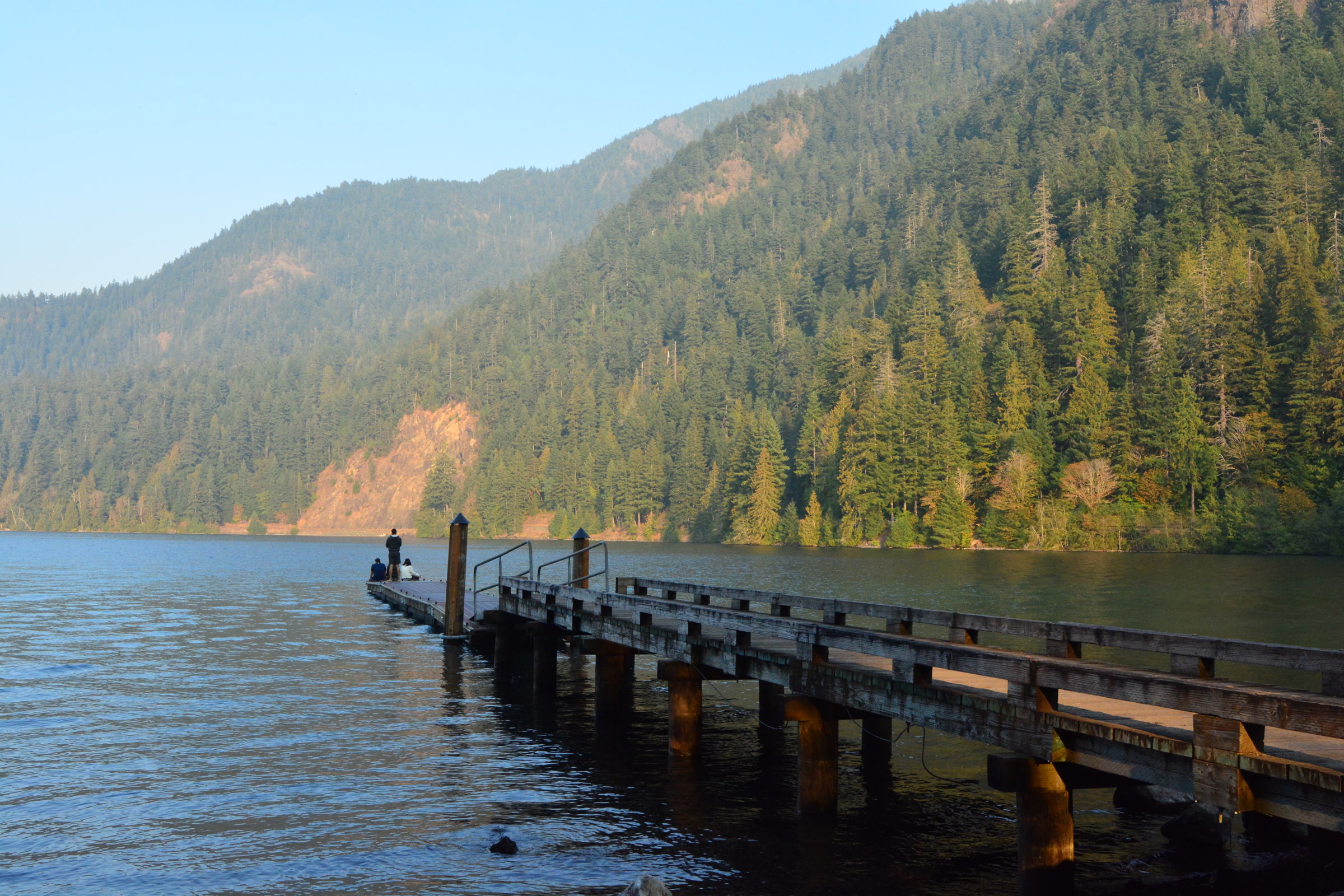
Lake Crescent sits in the northern foothills of the Olympic Mountains, about 18 miles west of Port Angeles inside Olympic National Park. Its deep, glacier carved basin holds some of the clearest, bluest water on the peninsula. Here is how the lake formed, what happened along its shores, and how to spend a good day there.
Quick answer
What is Lake Crescent, and what can you do there?
Lake Crescent is a deep, glacially carved lake in Olympic National Park, about 18 miles west of Port Angeles. The park gives its depth as 624 feet, and low nitrogen keeps the water clear. Visitors hike the Spruce Railroad Trail and Mount Storm King, paddle from launches at both ends, and stay at seasonal lodges or Fairholme Campground.
- About 18 miles west of Port Angeles on Highway 101
- Home to Beardslee and Crescenti trout, found nowhere else
- Spruce Railroad Trail: paved, 4.0 miles one way, two historic tunnels
- Lodges are generally open late spring to early fall
How Lake Crescent formed, and why it is so clear
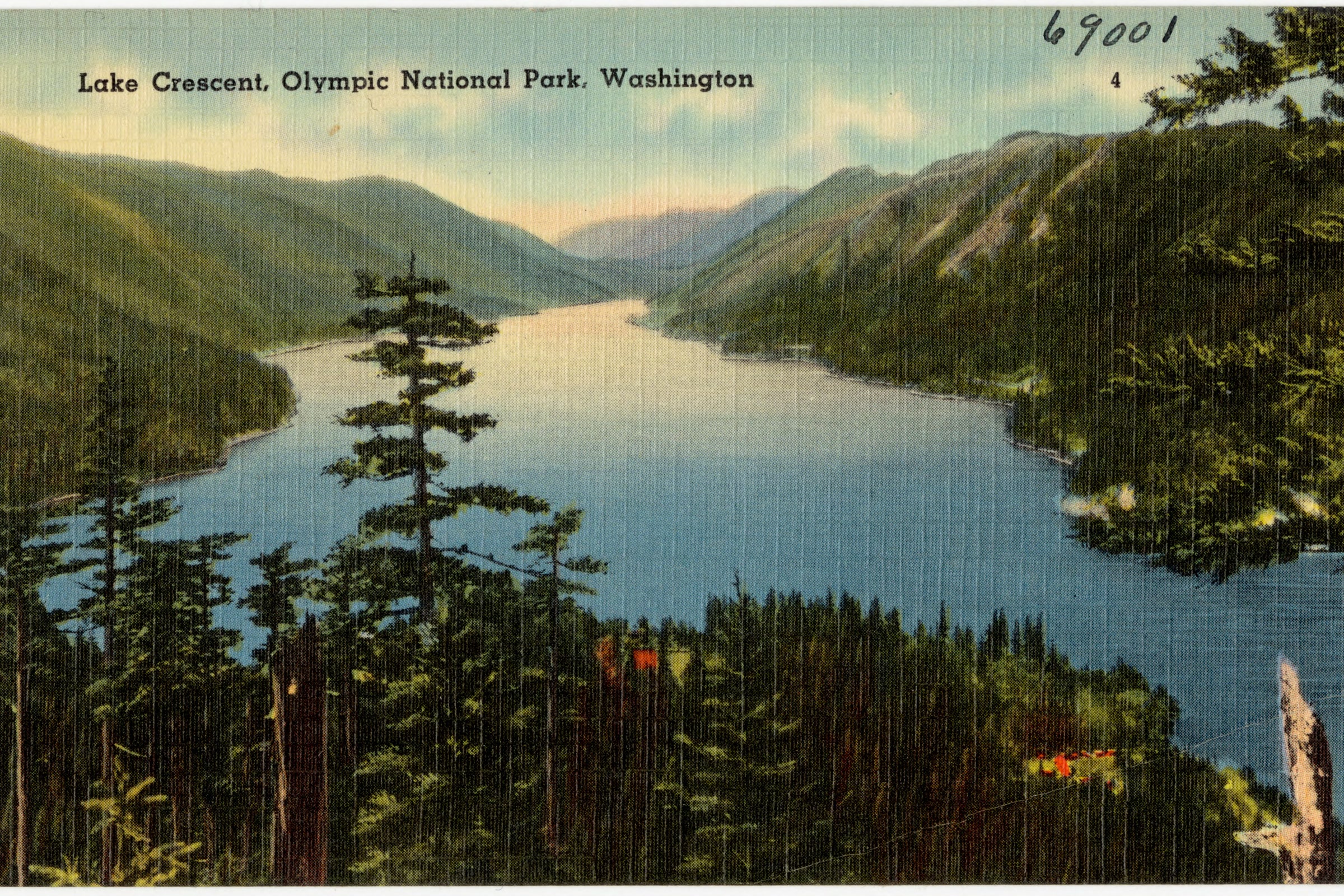
Ice sheets carved this steep valley thousands of years ago, and it filled with water as the ice pulled back. Later, landslides from the surrounding mountains split one larger lake in two. The park dates the slide that isolated Lake Crescent from neighbouring Lake Sutherland to roughly 7,000 years ago.
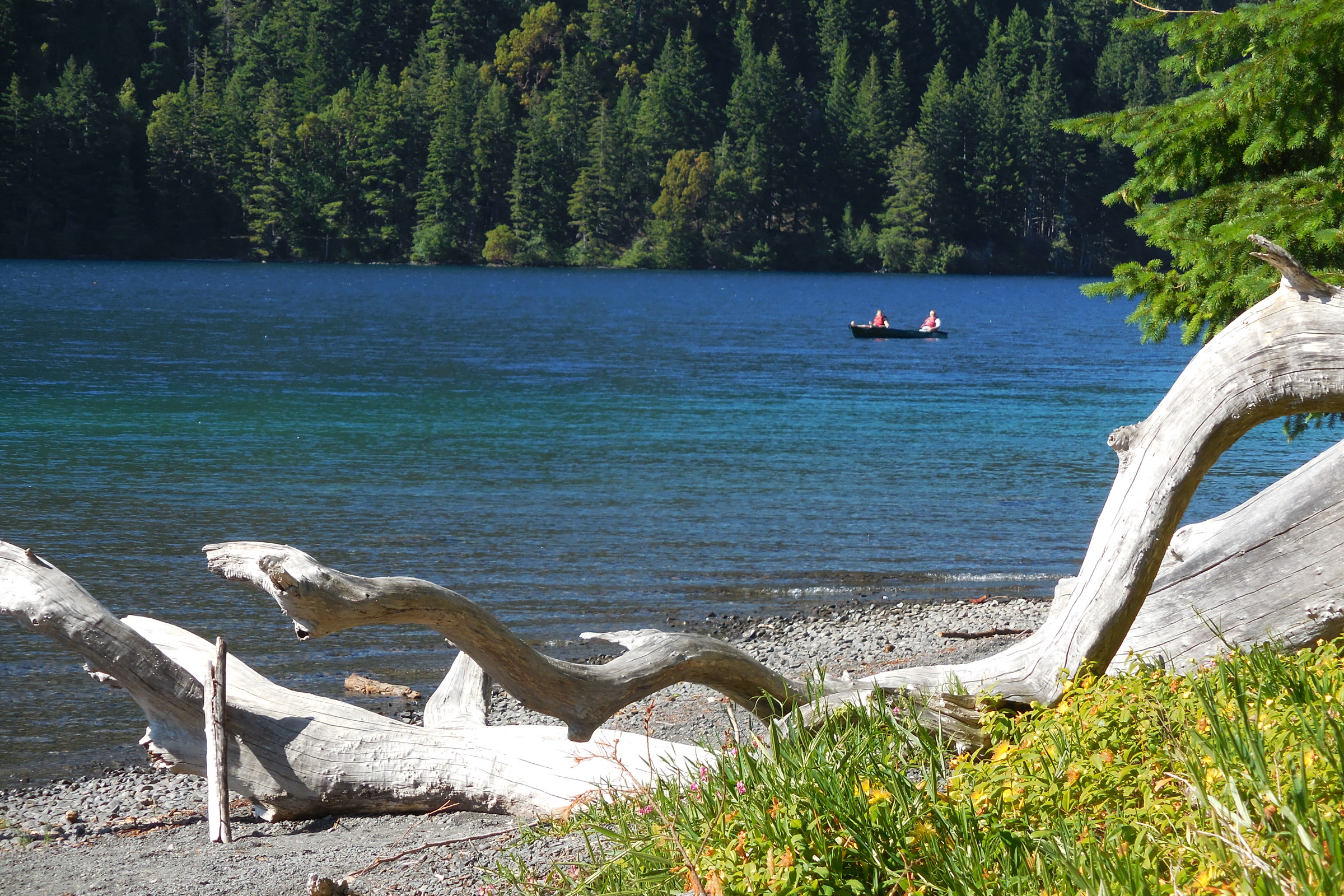
The famous colour has a simple cause. According to the park’s Lake Crescent area brochure, the water holds very little nitrogen, which limits the tiny floating plants that cloud most lakes. In some places you can see 60 feet down, and that clarity plus reflected light gives the lake its blue green glow.
Trout found nowhere else
Cut off for thousands of years, the lake’s fish went their own way. The Beardslee trout and the Crescenti trout live here and nowhere else in the world. The U.S. Geological Survey notes that because the lake is so low in nutrients, even small increases could trigger algal blooms, and that the Beardslee trout is at particular risk because its spawning habitat is limited.

Lake Crescent history: resorts, ferries and a wartime railroad
Lake Crescent history as a destination starts with fish. A historic structure report for the park records that Admiral Leslie Beardslee visited in 1895 and publicised the trout that now carries his name, which helped make the lake a sport fishing spot. Small resorts followed, from log cabins at East Beach in the 1890s to Ovington’s on the north shore in 1905 and Marymere on Barnes Point in 1906.
Getting there was half the adventure. A county road from Port Angeles reached the lake in 1911, and in 1914 the county commissioners authorised a ferry, the Marjory, to carry travellers across. A larger ferry, the Storm King, followed in 1915 and could carry thirty vehicles.
The best known survivor is Lake Crescent Lodge at Barnes Point. Its story, along with Rosemary Inn and Storm King Ranger Station, is told in our guide to historical structures in Olympic National Park, so we won’t repeat it here.
The Spruce Railroad
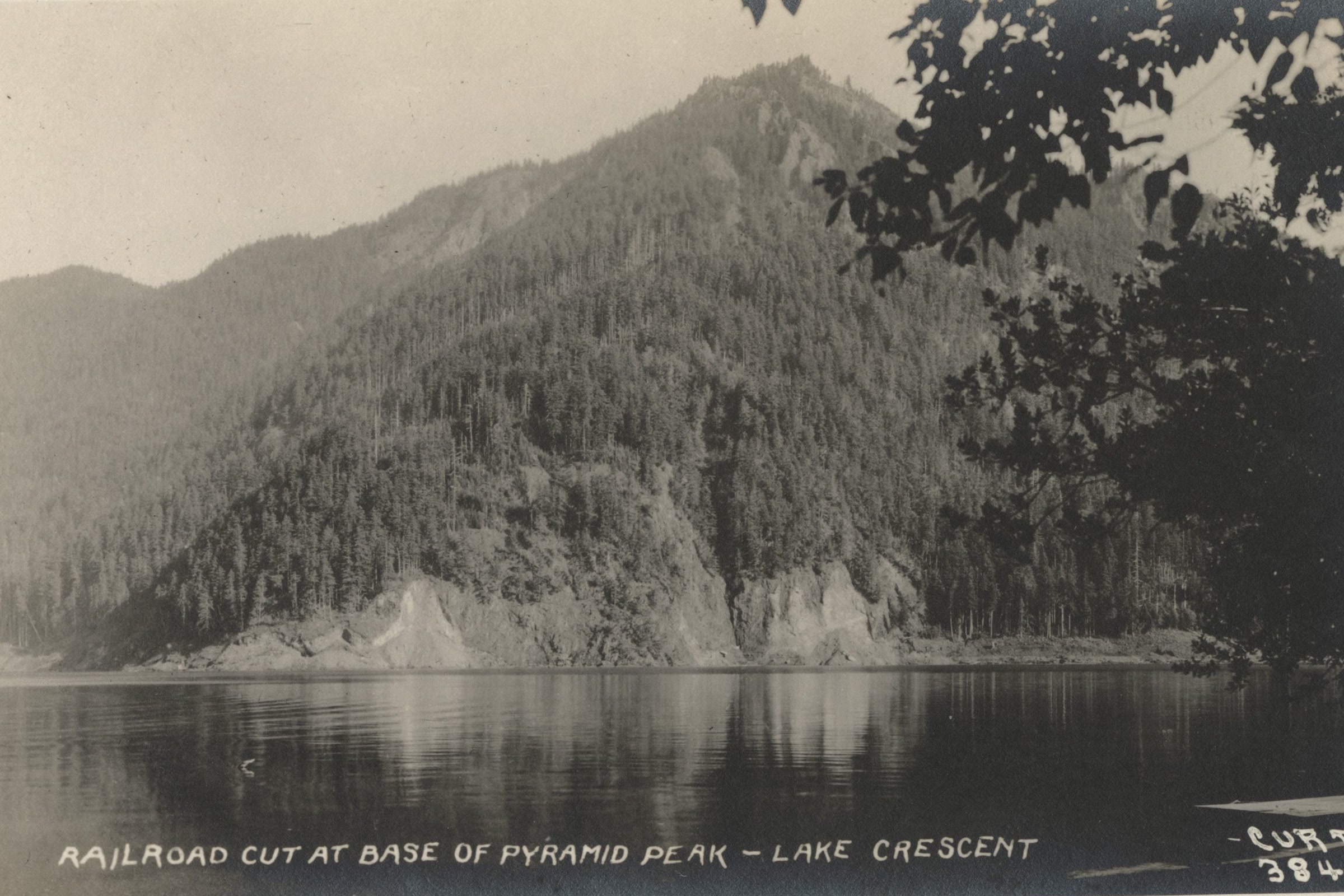
Along the north shore runs the grade of the Spruce Railroad, built in 1918 to haul Sitka spruce for World War I biplanes. The line was nearly finished that fall, but the war ended in November before any spruce was processed. It was sold and ran as a common carrier and logging railroad until it was abandoned in 1951.
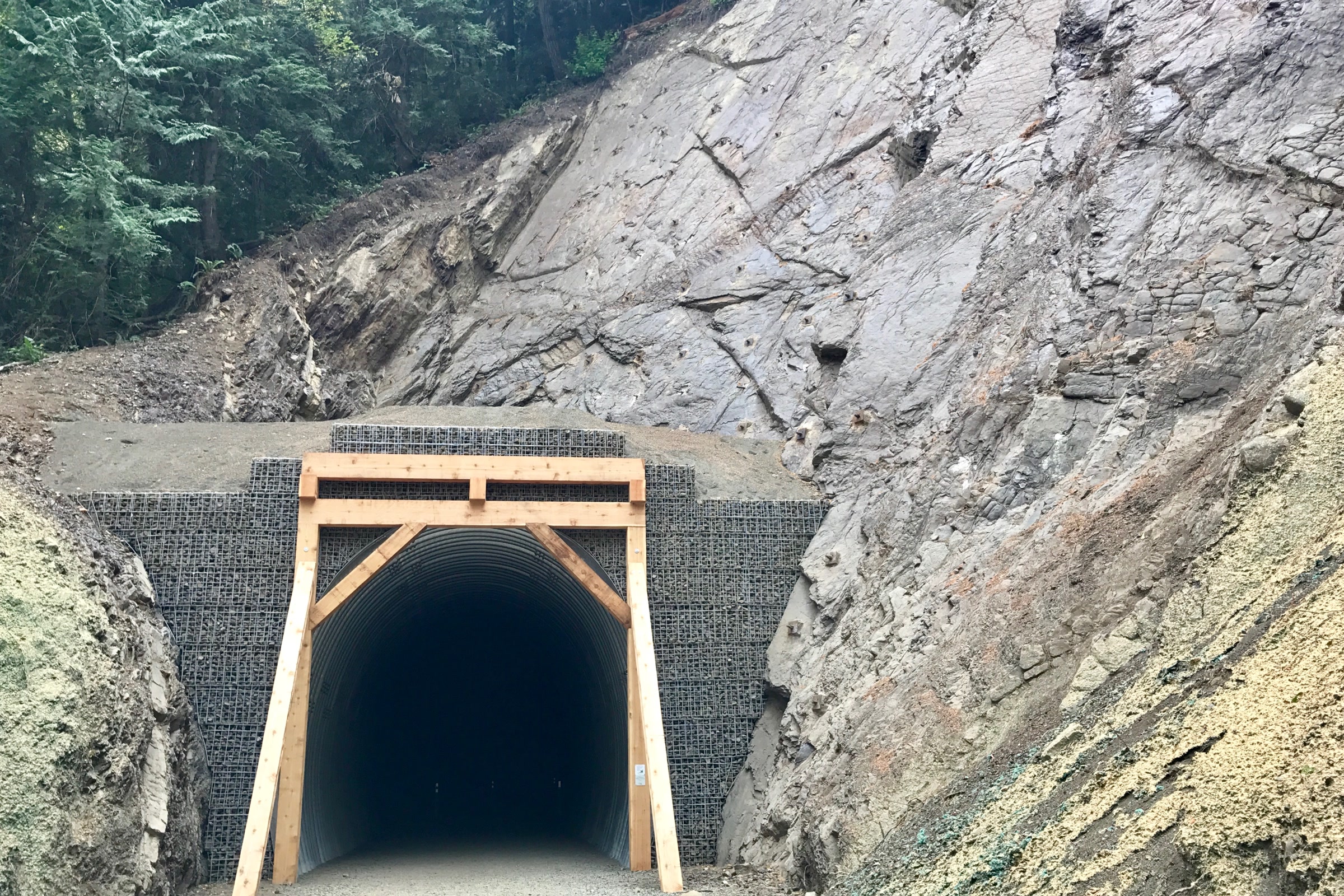
Today the grade is a paved, universally accessible trail. In 2020 the park and Clallam County finished restoring about 10 miles of the Olympic Discovery Trail along the north shore, including the 450 foot McFee Tunnel and the Daley Rankin Tunnel.
Things to do at Lake Crescent
There are plenty of things to do at Lake Crescent, from flat strolls to stiff climbs. Distances below come from the park’s area brochure and are one way unless noted.
Lake Crescent day hikes compared
| Trail | Distance and gain | What to expect |
|---|---|---|
| Moments in Time | 0.6 mile loop, flat | Self guided old growth walk |
| Marymere Falls | 0.9 mile, 400 feet | Old growth forest to a 90 foot waterfall |
| Spruce Railroad Trail | 4.0 miles, about 100 feet | Paved shoreline path with two tunnels; bikes and leashed pets allowed |
| Mount Storm King | 2.2 miles, 2,000 feet | Steep switchbacks to big lake views |
| Pyramid Peak | 3.5 miles, 2,600 feet | Climbs to a World War II spotting tower |
The Spruce Railroad Trail is the only trail in the area open to bikes and leashed pets; elsewhere both stay off the trails. Marymere Falls is a favourite short walk, and our roundup of waterfalls in Olympic National Park covers it with other falls. Pyramid Peak has a steep section across a landslide, so check conditions first.

On the water
Boat launches sit at both the east and west ends of the lake, and rentals are offered at Lake Crescent Lodge, Log Cabin Resort and, in summer, the Fairholme Store. The lake is very cold and very deep, so wear a life jacket every time you go out. Alcohol and glass aren’t allowed on public beaches such as East Beach and Bovee’s Meadow.
Please clean, drain and dry every kayak, canoe, paddleboard and boat. New Zealand mudsnails and Asian clams have already turned up in the lake, and in 2024 the park added free cleaning stations at the Fairholme, Storm King and Log Cabin Resort launches. It is the same idea behind our work on invasive plant removal on the Olympic Peninsula: stop the spread before it starts.
Where to stay: Lake Crescent Lodge, Log Cabin Resort and Fairholme
Two park concessions offer rooms and cabins by reservation: Lake Crescent Lodge at Barnes Point, off Highway 101, and Log Cabin Resort on East Beach Road. Both are generally open from late spring to early fall and closed in winter. Opening dates change from year to year, so check the NPS page and the lodges’ own websites before you go.
Campers can head to Fairholme Campground at the west end, with 87 sites (one accessible), potable water and animal proof food lockers, open late spring to early fall. Storm King Ranger Station opens in summer when staffing allows. You will need a park pass, and our guide to Olympic National Park entrance fees explains the options. The Sol Duc valley, covered in our Sol Duc Falls and valley guide, is less than a 30 minute drive away.
How Friends of Olympic National Park helps
We are Friends of Olympic National Park (FONP), a volunteer led friends group based in Port Angeles. Our volunteers run cleanups, guided walks and programs for young visitors, and our members help fund that work. If Lake Crescent is one of your favourite places, become a member or browse our volunteer opportunities.
Frequently asked questions
How deep is Lake Crescent?
The park’s Lake Crescent brochure says the water plummets to 624 feet. It is a deep, glacially carved lake, and the park asks everyone on the water to wear a life jacket.
Why is Lake Crescent so blue and clear?
The lake has very little nitrogen, which limits the phytoplankton that cloud most lakes. In some places you can see 60 feet down, and clarity plus reflected light gives the blue green colour.
Is Lake Crescent Lodge open all year?
No. Lake Crescent Lodge and Log Cabin Resort are generally open from late spring to early fall and close in winter. Check the NPS page and the lodge website for this year’s dates.
Do I need to clean my kayak before paddling Lake Crescent?
Yes, please. New Zealand mudsnails and Asian clams have been found in the lake. Clean, drain and dry every boat and paddleboard, and use the free cleaning stations at the Fairholme, Storm King and Log Cabin Resort launches.
Leave a Reply