
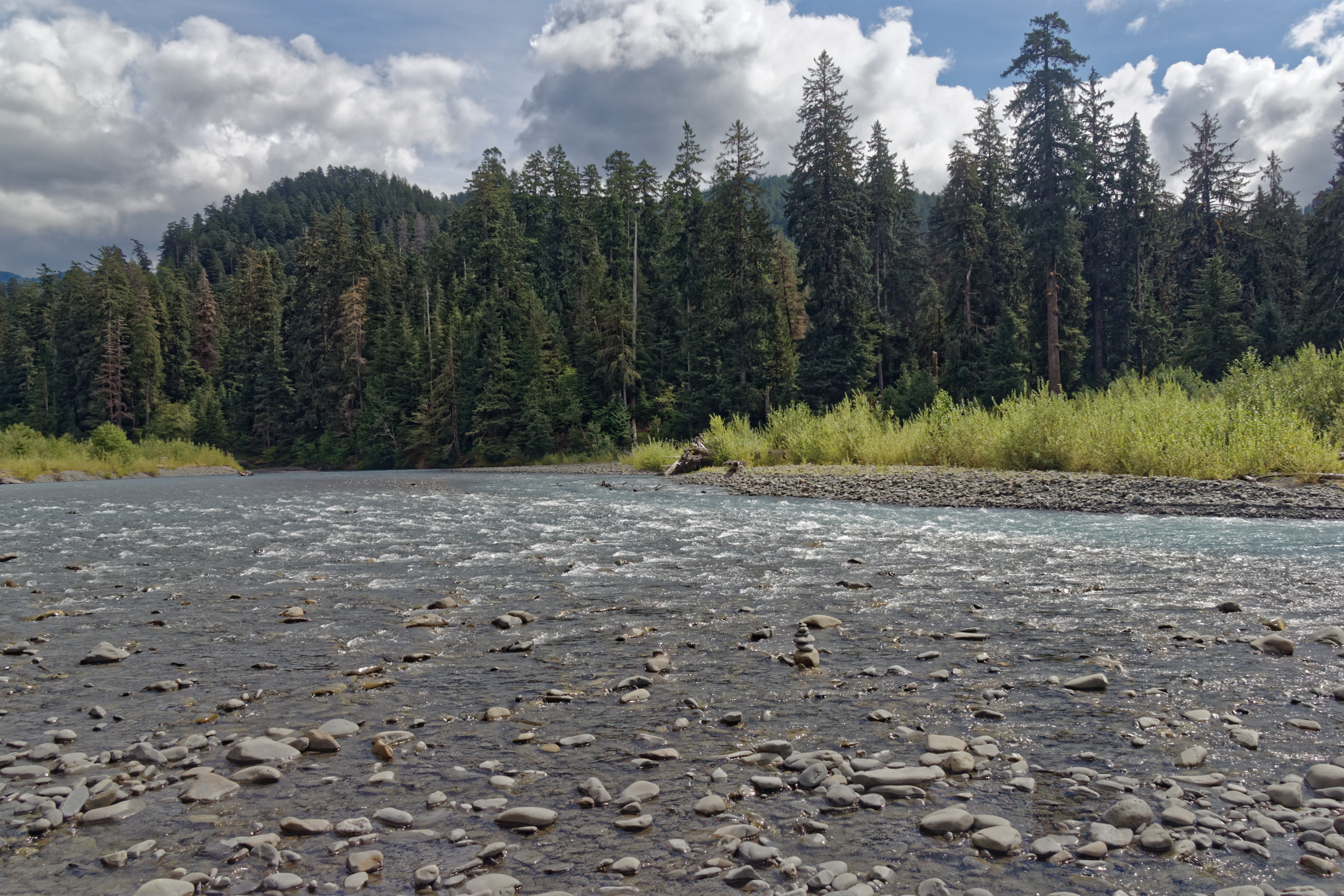
Olympic National Park trees include some of the largest conifers in the country, and you don’t need to be a botanist to tell the main ones apart. A handful of species, led by Sitka spruce, western hemlock, western red cedar and Douglas fir, make up most of the forest you’ll walk through. Here is how to recognise them, where each grows and where to find the record giants.
Quick answer
What trees grow in Olympic National Park?
The main trees in Olympic National Park are Douglas fir, western hemlock, western red cedar and Sitka spruce in the lowlands, with bigleaf maple and red alder among them. Pacific silver fir joins higher up, and subalpine fir and mountain hemlock grow near treeline, which lies between 5,000 and 6,000 feet.
- Some park trees are up to 1,000 years old
- Sitka spruce grows mainly in the west side rain forests
- Western hemlock is Washington’s state tree
- Several national champion trees grow in the Quinault area
A forest of giants
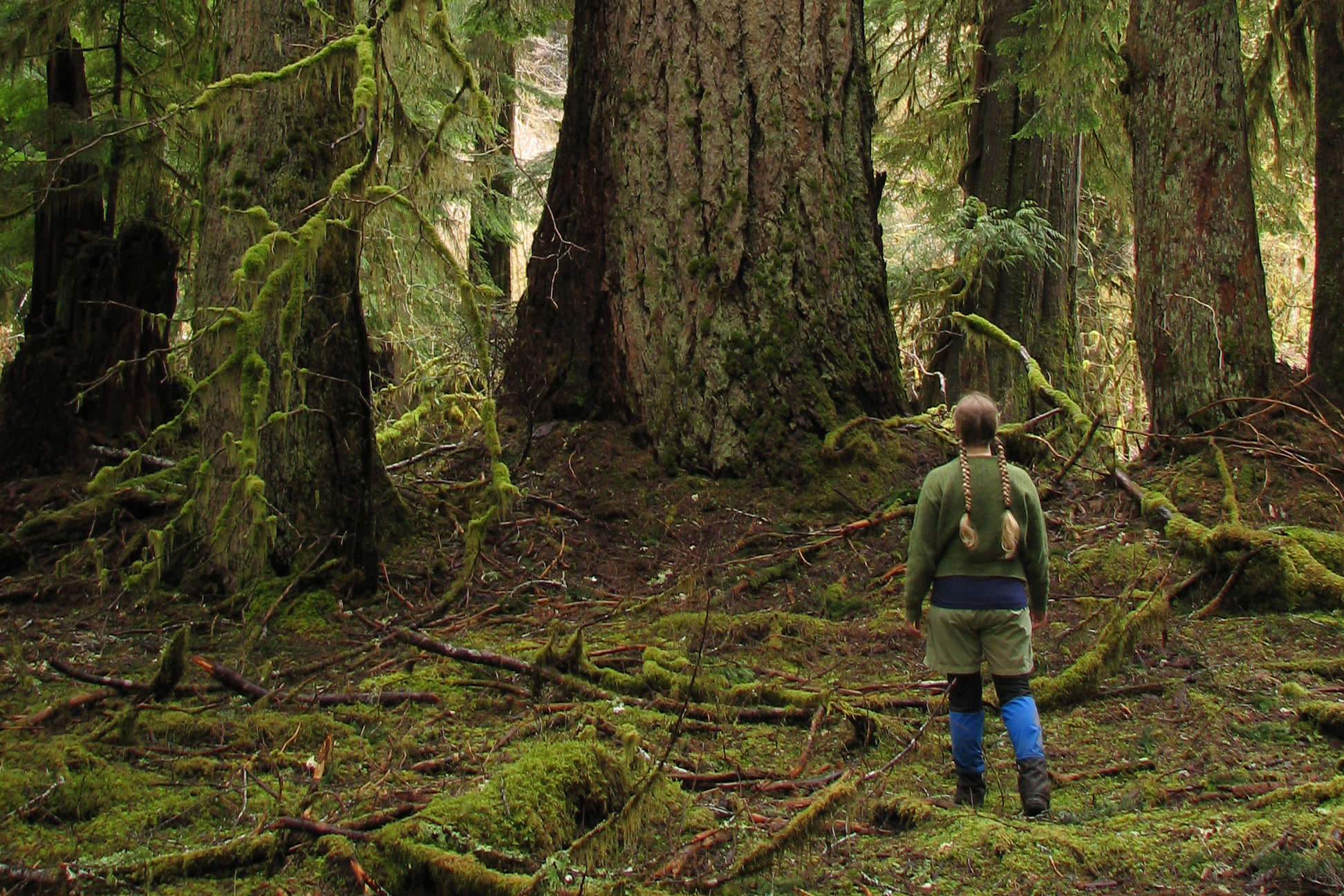
The park was set up in 1938 partly to protect what its founders called the “finest sample of primeval forests”. The National Park Service says some of its trees are up to 1,000 years old, and the biggest stand 30 stories tall and wider than two parking spaces.
Mild weather, deep soils and heavy rain in the low valleys grow record sized trees. “Old growth” usually means Douglas fir and western hemlock forest with trees older than about 200 years, fallen logs, snags and a layered canopy. For the moss, nurse logs and rain forest valleys, see our guide to the Olympic National Park rainforest; this guide sticks to the trees themselves.
The main conifers, and how to tell them apart
Sitka spruce
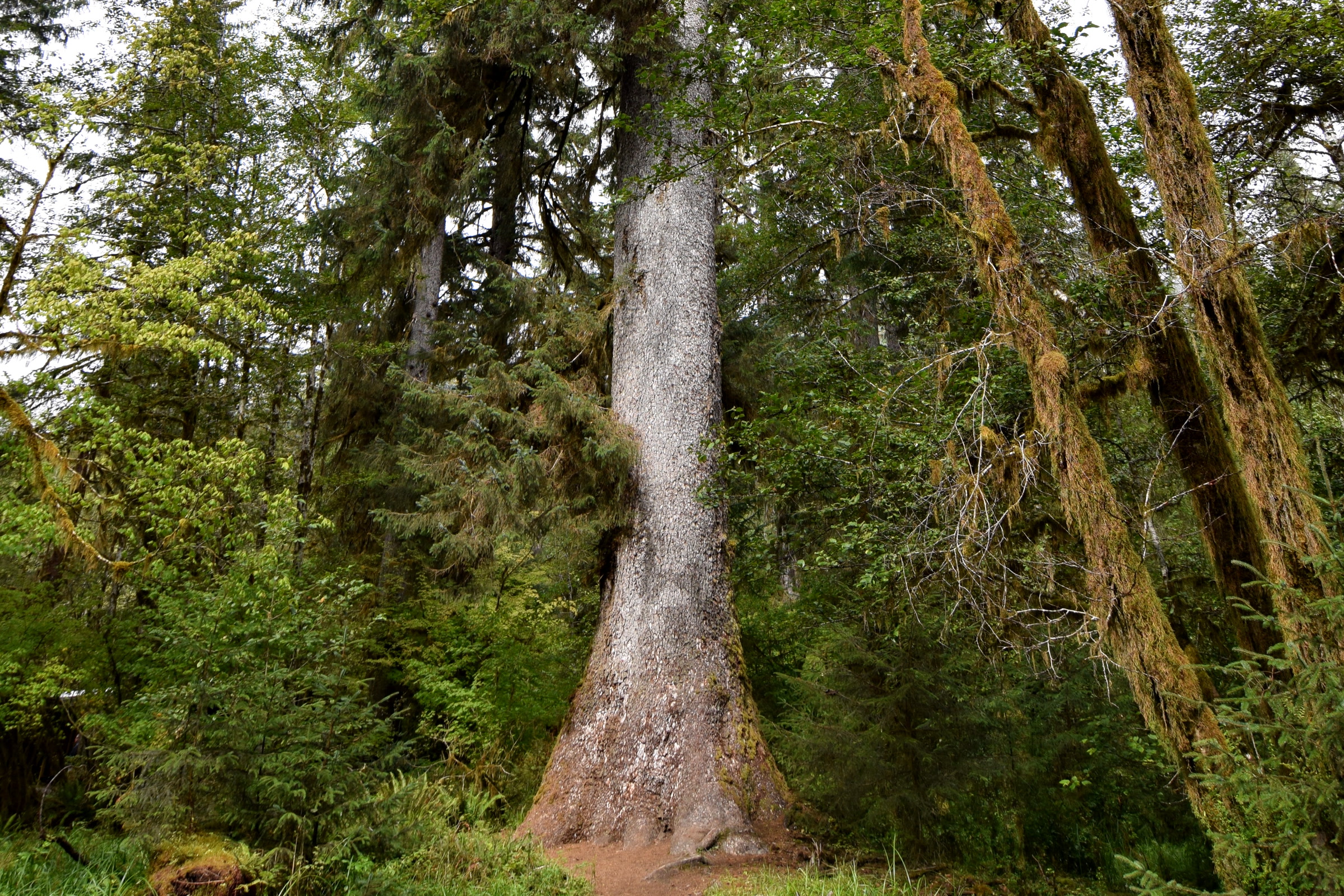
Sitka spruce grows along the coast from Alaska to California, and in the park it is common mainly in the west side rain forests. Grab a twig gently and you’ll know it: the needles are stiff, very sharp and stick out from all sides. The bark breaks into thin, silvery to purplish grey scales.
Western hemlock
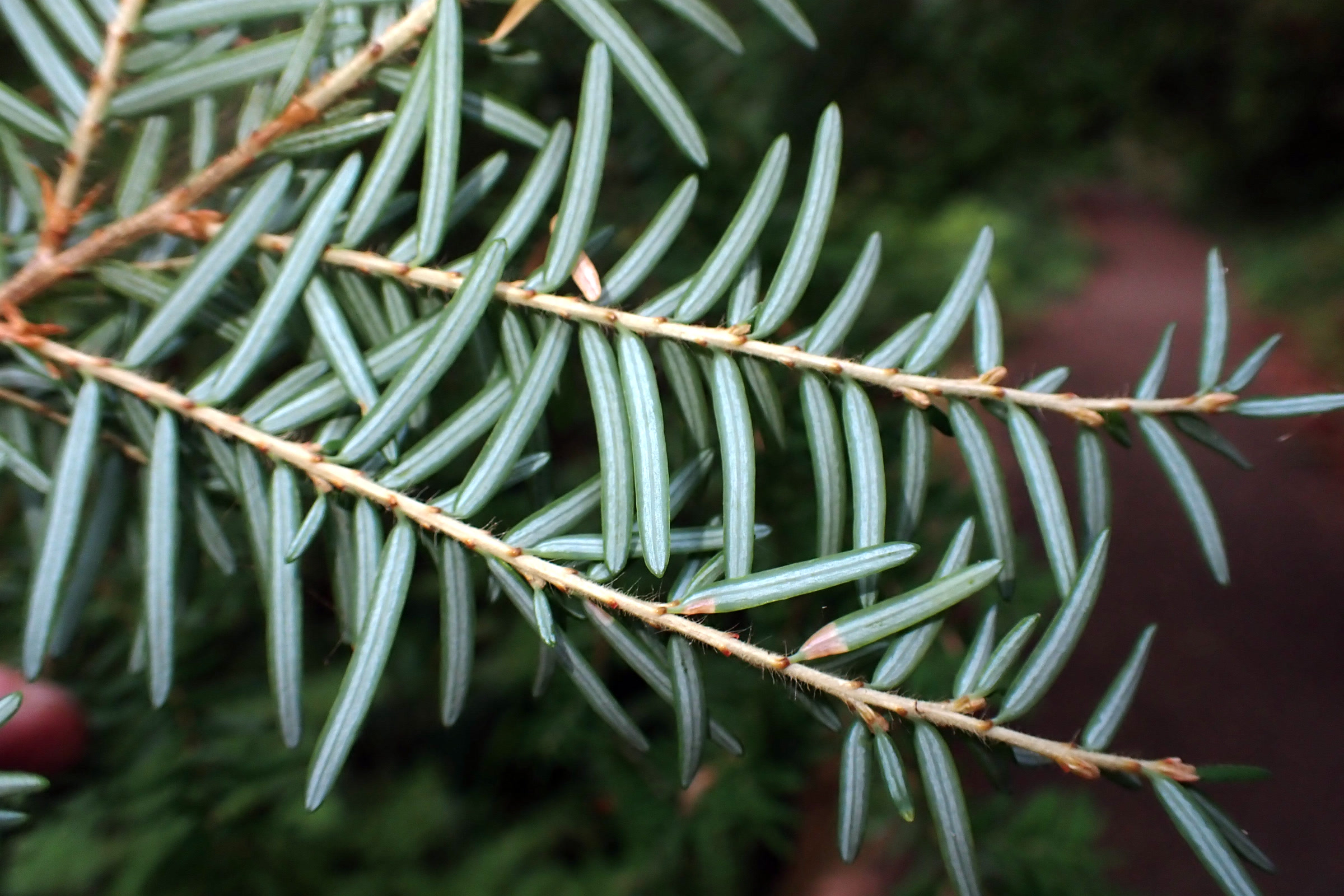
Western hemlock is common in the park’s forests up to about 3,000 feet. Its needles are short, soft and round tipped, which gives the foliage a lacy look. The best clue is the very top of the tree, which arches over instead of pointing straight up. In 1947 the Legislature made it Washington’s state tree.
Western red cedar
Western red cedar likes low valley bottoms and wet ground. Its trunk swells and often flutes at the base, then tapers quickly. The bark is thin and stringy, and instead of needles it has tiny overlapping scales, carried in drooping, lacy sprays.

Douglas fir
Douglas fir is the most abundant and widespread tree on the peninsula, growing from sea level to about 5,000 feet. Old trees have thick, reddish brown bark with deep furrows and trunks mostly free of limbs for about 100 feet. Look on the ground for its cones, 2.5 to 3 inches long, with three pointed bracts poking out between the scales.
Broadleaf trees: bigleaf maple and red alder
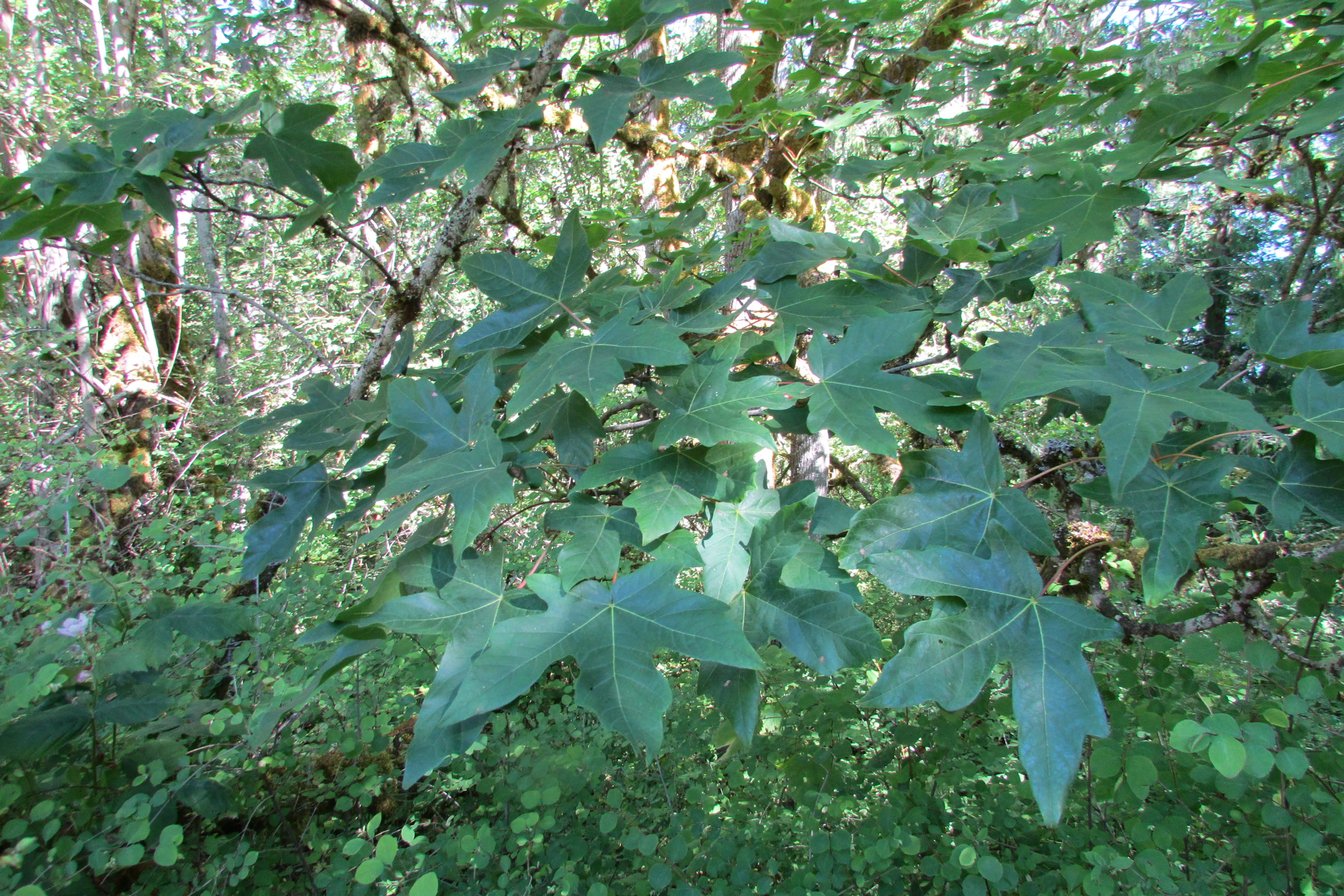
Bigleaf maples soften the rain forest with limbs draped in mosses, ferns and spikemoss. You can meet one on the Living Forest Nature Trail beside the park visitor center in Port Angeles.
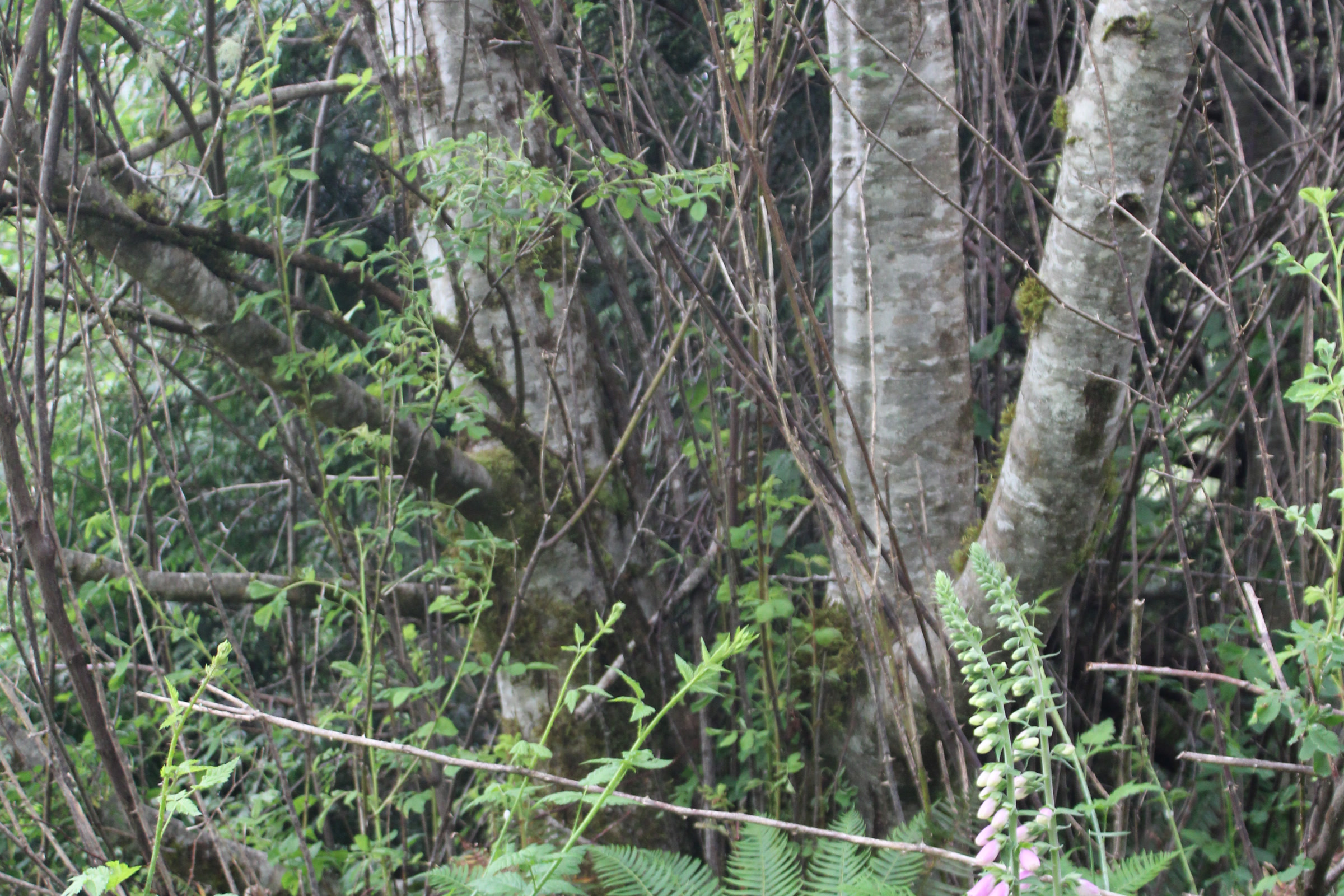
Red alder, with its smooth, pale bark, is the most common hardwood in the Pacific Northwest, according to the USDA Forest Service. It is a fast growing, fairly short lived pioneer that needs full sun, tends to spread after logging or fire, and can take nitrogen from the air. Look for it along rivers and streams and on disturbed ground.
Higher up: silver fir and subalpine fir
Montane forest starts around 1,500 to 2,000 feet. Pacific silver fir, with smooth ashy grey bark, chalky patches and resin blisters, grows with western hemlock on the wet west side but only on cool, north facing slopes in the drier east. Hurricane Ridge Road and Deer Park Road both climb through this zone.
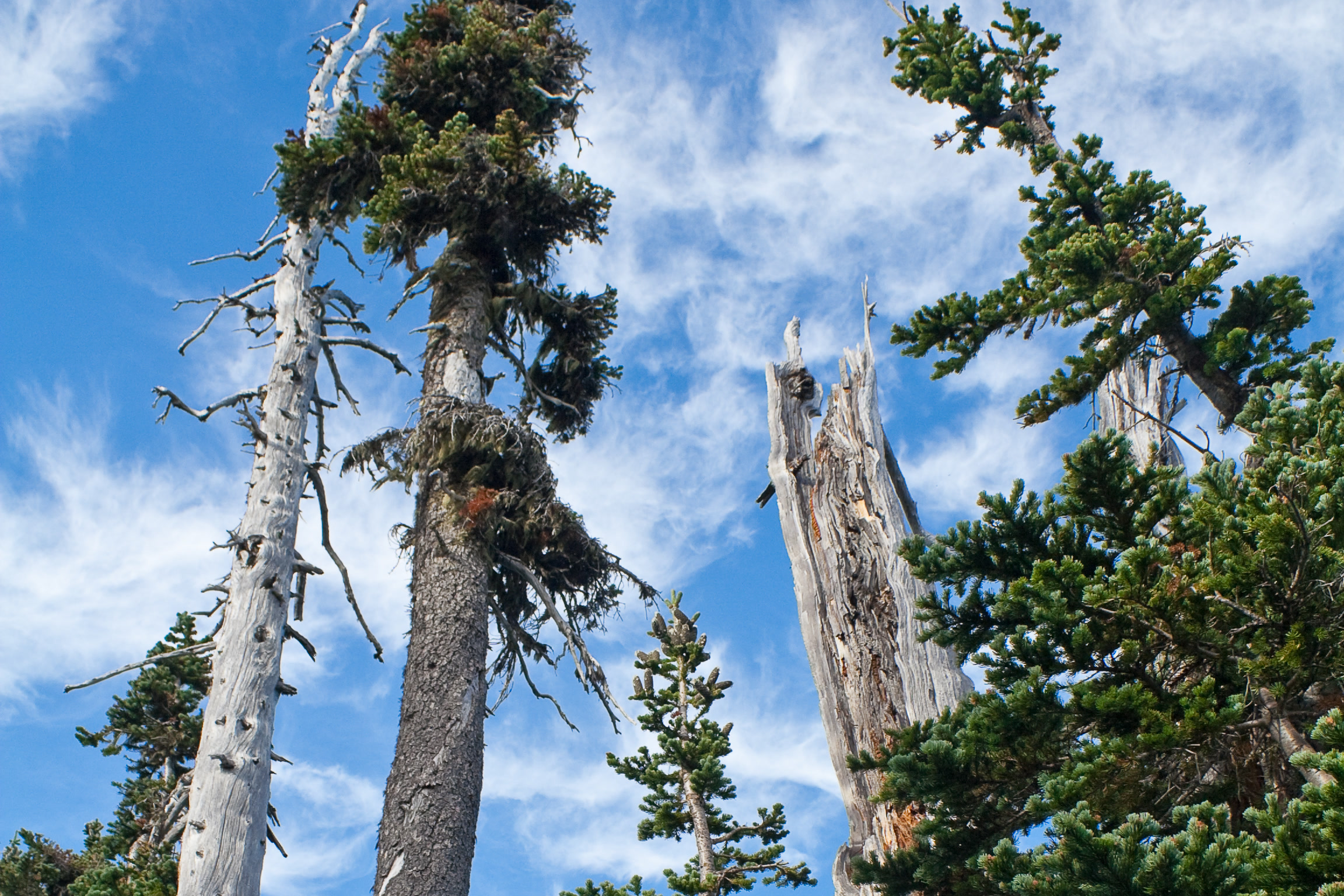
Above about 4,000 feet comes subalpine forest of subalpine fir, mountain hemlock and Alaska yellow cedar. Subalpine firs are narrow spires that shed snow, with upright purple cones. The photo below shows them at Hurricane Ridge, and our Hurricane Hill Trail guide covers a hike up there.
Olympic National Park trees compared
| Tree | Where in the park | Quick clue |
|---|---|---|
| Sitka spruce | West side rain forests | Stiff, sharp needles; scaly grey bark |
| Western hemlock | Common up to about 3,000 feet | Drooping top; short, soft needles |
| Western red cedar | Wet valley bottoms | Stringy bark; flat, scaly sprays |
| Douglas fir | Sea level to about 5,000 feet | Deeply furrowed bark; cones with three pointed bracts |
| Bigleaf maple | Lowland and rain forest valleys | Broad, lobed leaves; mossy limbs |
| Red alder | Rivers and disturbed ground | Smooth, pale bark |
| Subalpine fir | Near treeline | Narrow spire; upright purple cones |
Where to see big trees
The park points to lowland old growth in the Sol Duc and Elwha valleys, along the trails around Lake Crescent and near Staircase in the southeast corner. On the coast, our post on the Kalaloch Tree of Life covers one famous, clinging Sitka spruce. Close to Port Angeles, our adopt-a-trail crew cares for the Heart O’ the Forest Trail, a gentle walk through big trees.
Record trees on the park’s list
The figures below come from the park’s Record Trees handout (revised October 2012), based on American Forests measurements; each year is the latest measurement listed. Titles change as trees are remeasured or fall.
| Tree (status, year) | Size | Location given |
|---|---|---|
| Western red cedar (national champion, 1999) | 761 in around, 159 ft tall | Quinault Big Cedar Trail |
| Sitka spruce (national champion, 2007) | 668 in around, 191 ft tall | Quinault, Olympic National Forest |
| Douglas fir (co-champion, 1999) | 505 in around, 281 ft tall | Quinault, Olympic National Forest |
| Western hemlock (national champion, 2007) | 273 in around, 237 ft tall | Olympic National Park |
| Pacific silver fir (national champion, 2011) | 216 in around, 220 ft tall | Bogachiel valley |
Two of these stand on national forest land beside the park, not inside it. A 2016 report in The Daily World said the Quinault Big Cedar had died and its trail had closed. Status can change, so as of October 2026 check the park website or ask at a ranger station before you go.
Be kind to the giants
The park calls its big trees living museums and asks visitors not to damage the bark or trample the soil at their base. Admire them from the trail.
How Friends of Olympic National Park helps
We are Friends of Olympic National Park (FONP), a volunteer led friends group in Port Angeles. Our guided nature walks help people meet the forest up close. To keep that work going, please support Olympic National Park with a gift, or see our volunteer opportunities.
Frequently asked questions
What is the most common tree in Olympic National Park?
The National Park Service calls Douglas fir the most abundant and widespread tree on the Olympic Peninsula. It grows from sea level to about 5,000 feet.
How old are the trees in Olympic National Park?
The park says some of its trees are up to 1,000 years old. Old growth forests are usually defined by trees older than about 200 years.
How can I tell a Sitka spruce from a western hemlock?
Sitka spruce needles are stiff and very sharp and stick out all round the twig. Western hemlock needles are short, soft and round tipped, and the tip of the tree droops over.
Where is the largest Sitka spruce near the park?
The park record trees handout lists a national champion Sitka spruce, measured in 2007 at 191 feet tall, in the Quinault area on Olympic National Forest land beside the park.
Leave a Reply