
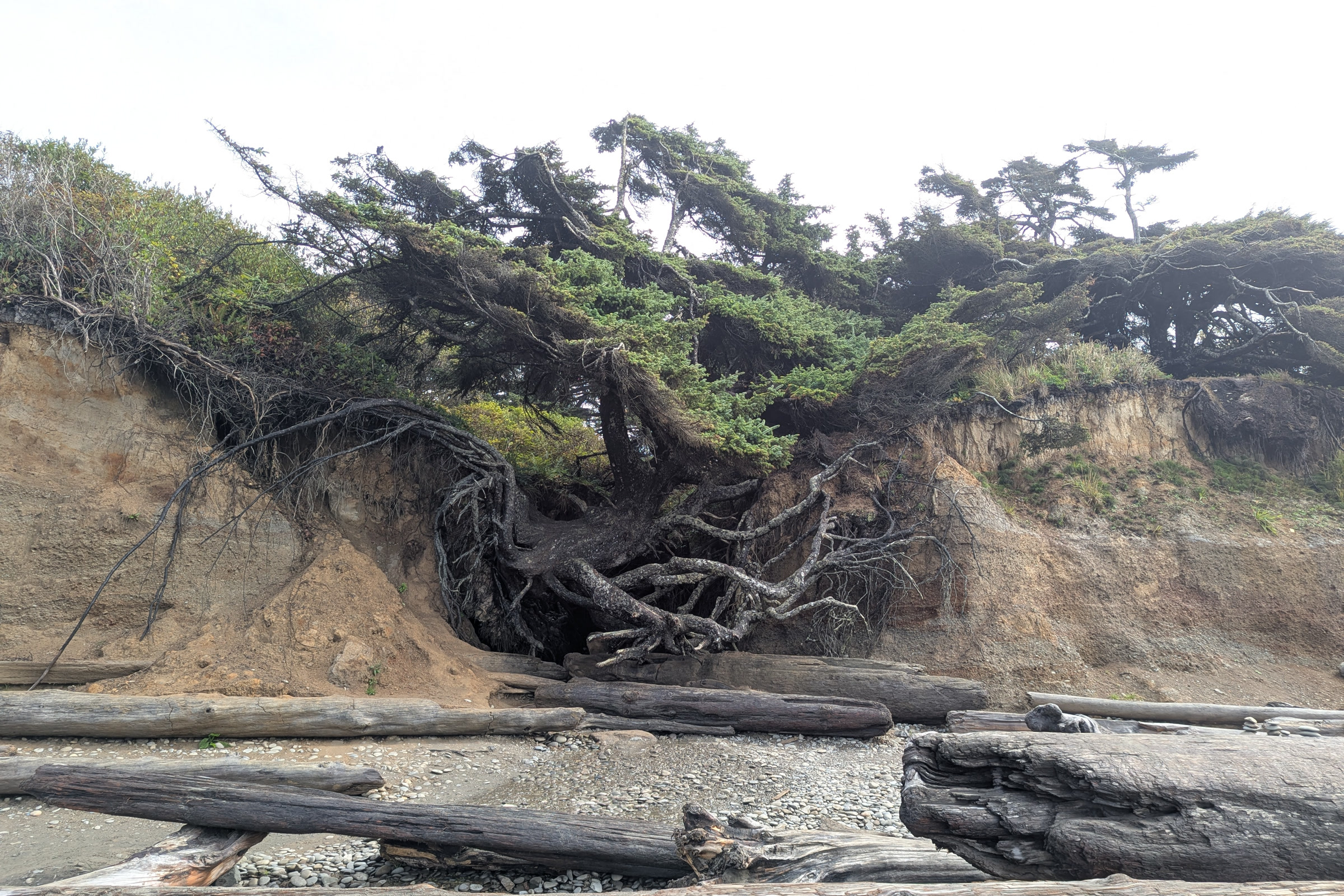
The Kalaloch Tree of Life is a Sitka spruce that hangs on the edge of an eroding bluff above Kalaloch Beach, on the southern coast of Olympic National Park. A small creek has washed the ground out from under it, so its roots span an open hollow that many visitors call the tree root cave. Here is what is holding it up, how it has changed since recent storms, and how to see it with care.
Quick answer
What is the Kalaloch Tree of Life?
The Kalaloch Tree of Life is a Sitka spruce on an eroding bluff at Kalaloch Beach in Olympic National Park, north of Kalaloch Lodge near the campground. A creek has carved the soil from beneath it, leaving roots spanning a hollow. Winter storms in 2024-25 dropped it about five feet, but recent reports say it still clings on.
- A Sitka spruce, about 40 feet tall, with no official name
- Near a staircase from Kalaloch Campground to the beach
- Dropped about five feet in storms around January 2025
- The park does not plan to prop it up or fence it off
Where to find the Tree of Life on Kalaloch Beach
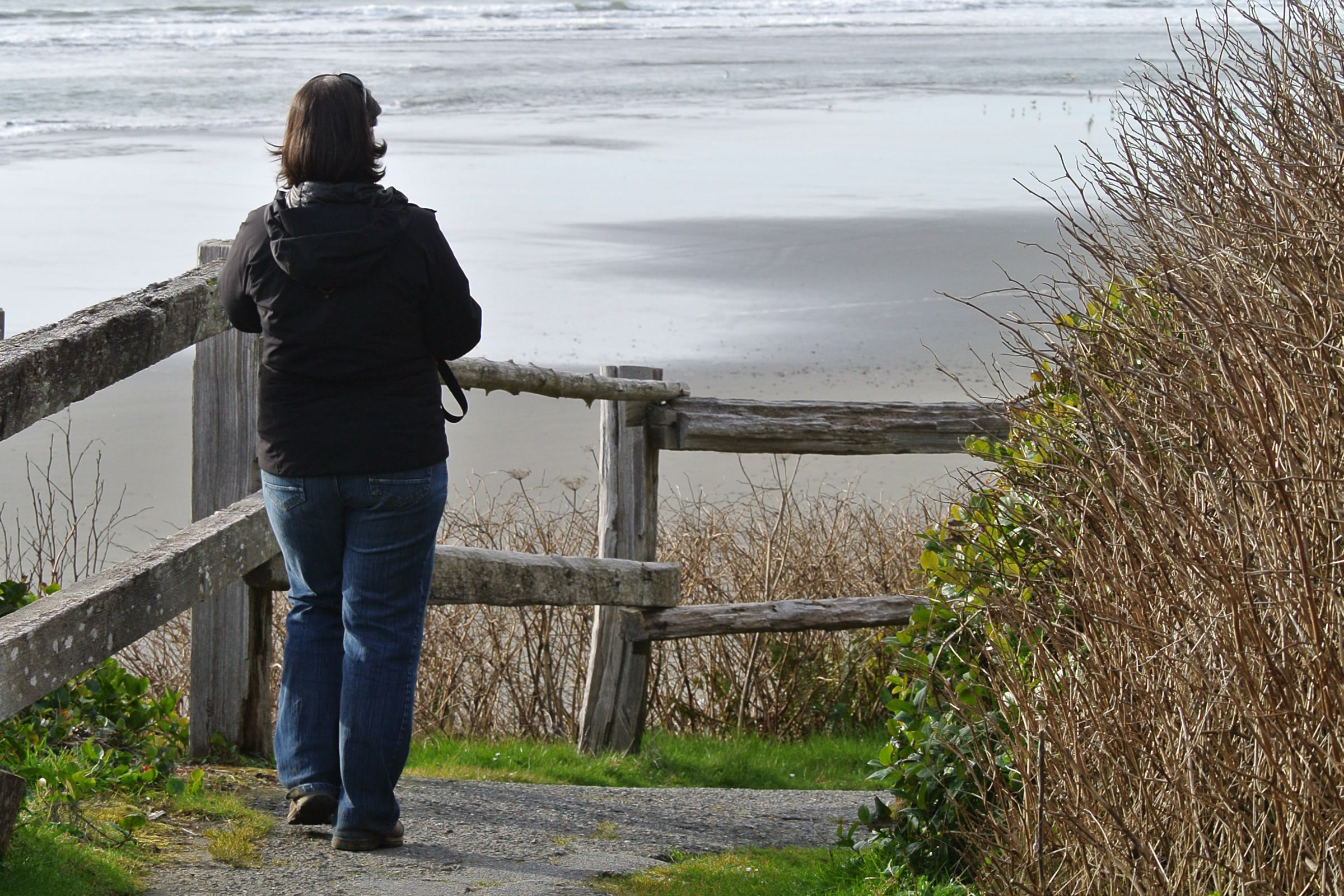
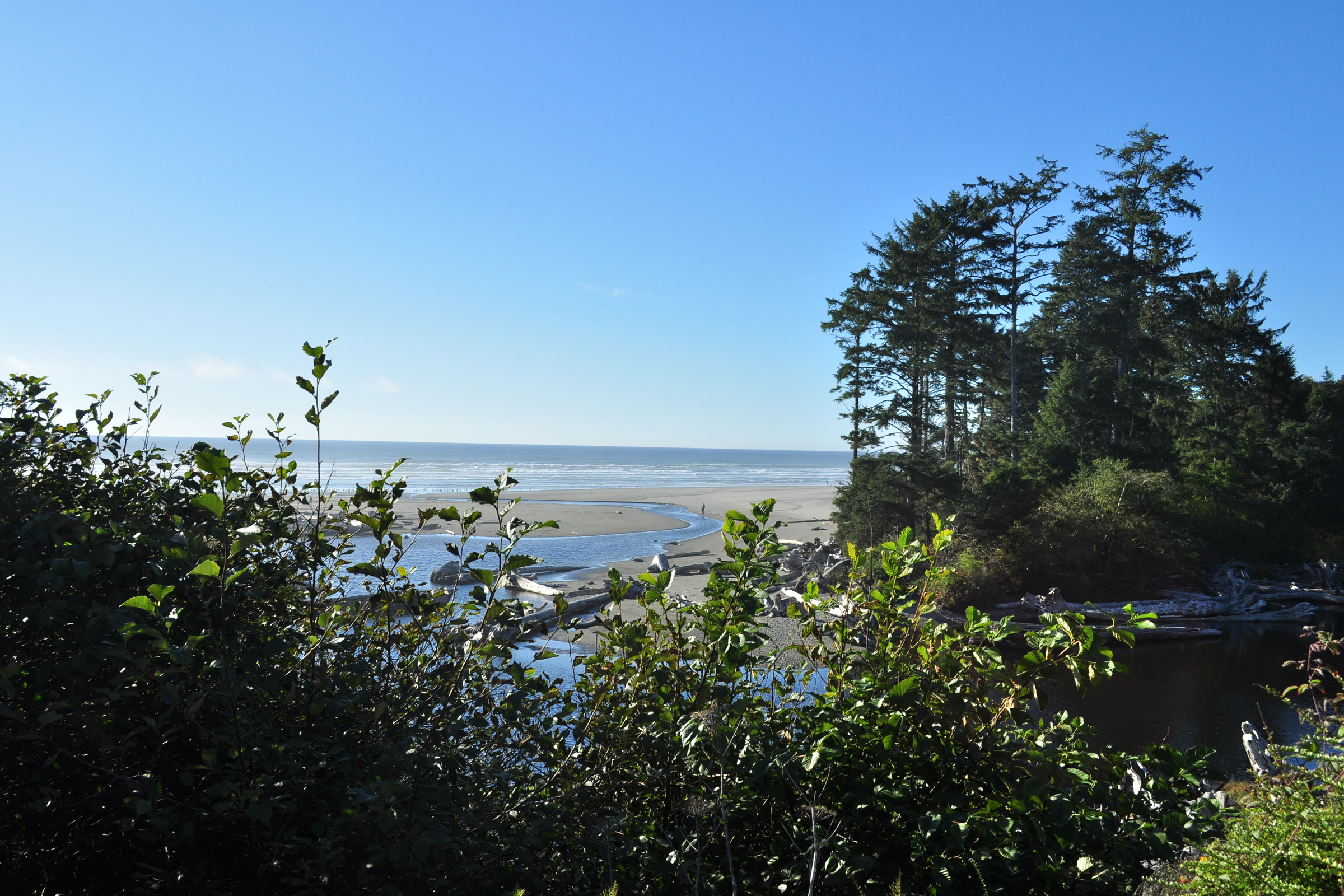
Kalaloch sits right off Highway 101 on the park’s southwest coast. The tree grows just north of Kalaloch Lodge, near Kalaloch Campground, and a 2023 Seattle Met feature placed it about 50 yards from a staircase that runs from the campground down to Kalaloch Beach. You won’t find it on any park map or brochure, and it has no official name.
Kalaloch Campground is open all year, and sites fill quickly in summer; our guide to Olympic National Park campgrounds compares it with the others. Our Ruby Beach visitor guide covers the next stop north on Highway 101.
Coming from Forks? As of October 2026, the US 101 Hoh River Bridge south of Forks is down to one alternating lane, with overnight full closures scheduled for repairs. When it is closed you cannot drive south from Forks to Kalaloch, so check the WSDOT Hoh River Bridge project page before you set out.
How the tree root cave formed
The tree stands above a small creek that drains the bluff onto the sand. Seattle Met reported that a culvert built in the 1960s to move water through the campground sent that flow toward the beach, where it carved a little canyon beneath the spruce. Over time the soil washed away, and the roots were left reaching across the gap.
The ocean works on it too. Janet Coles, then the park’s vegetation branch chief, told the magazine that structures built along the bluffs to slow erosion tend to increase it where they end, which is at the tree. In her words, it has been “taking it from both sides”: creek water from behind and waves from the front.
Why the Kalaloch Tree of Life still stands
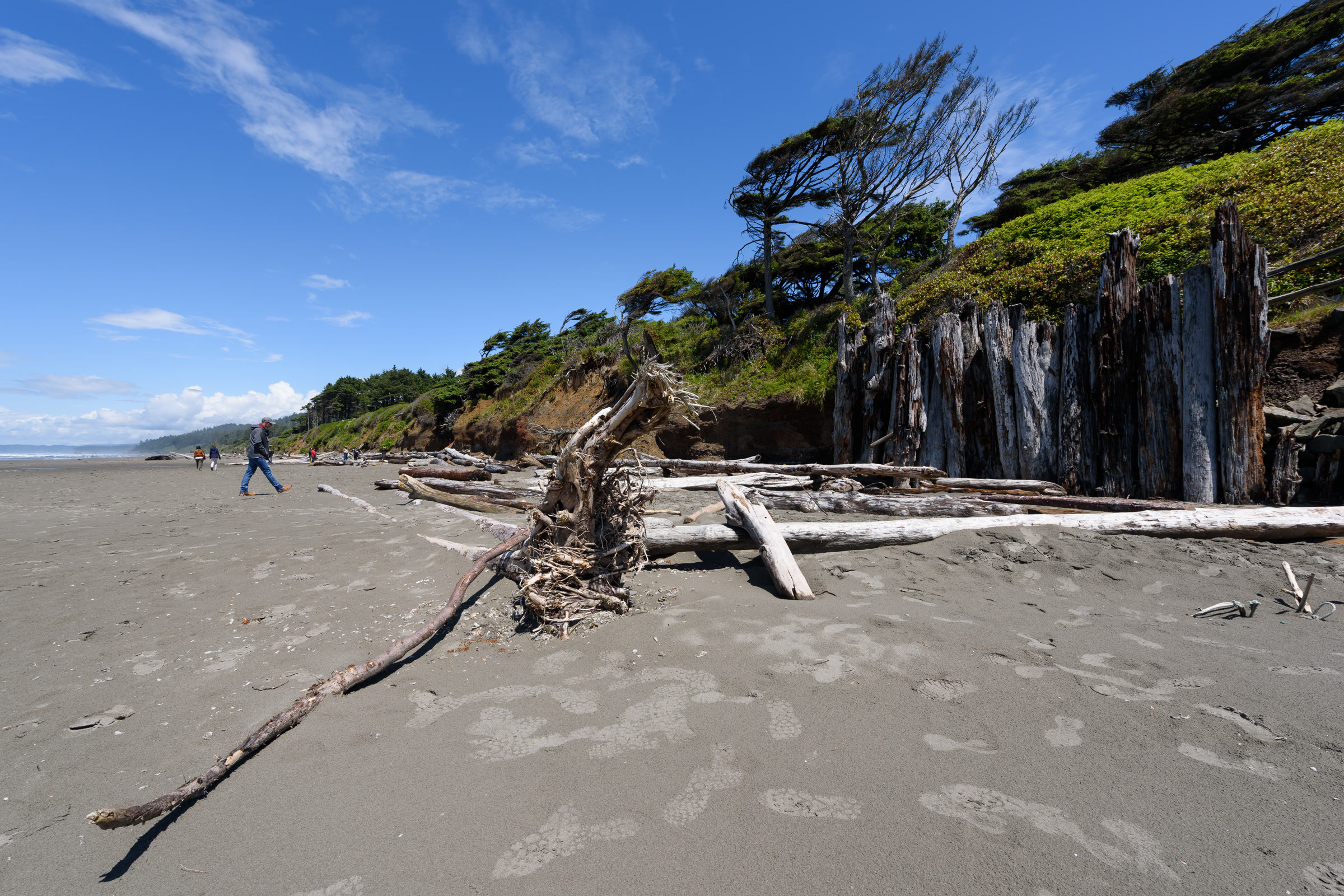
Part of the answer is simple: not all of it is hanging in the air. In 2023, Coles estimated that about a third of the root system still gripped the earth on the inland side. The News Tribune described the spruce itself as thick and squat, its limbs bent by decades of storms and wind.
Then came the winter of 2024-25. The News Tribune reported in January 2025 that waves and creek water had greatly enlarged the cavity and that the tree had dropped about five feet into the gully, with its roots now resting on drift logs. By March 2025, SFGate reported that visitors could no longer stand directly beneath it.
Today the Kalaloch Lodge website says the ground beneath the tree continues to erode and its branches show signs of decline. False rumours of its fall have spread online before, so trust recent photos over social media posts.
How the tree and bluff have changed
| When | What happened | Reported by |
|---|---|---|
| 1960s | Campground culvert sends water toward the tree | Seattle Met |
| 2023 | About a third of the roots still grip the bluff | Seattle Met, quoting the park |
| Dec 2023 to Jan 2024 | Over four meters of bluff collapse in places | National Park Service |
| March 2024 | Ten lodge cabins near the edge removed | National Park Service |
| January 2025 | Tree drops about five feet into the gully | The News Tribune |
| March 2025 | No longer possible to stand beneath it | SFGate |
A bluff on the move at Kalaloch
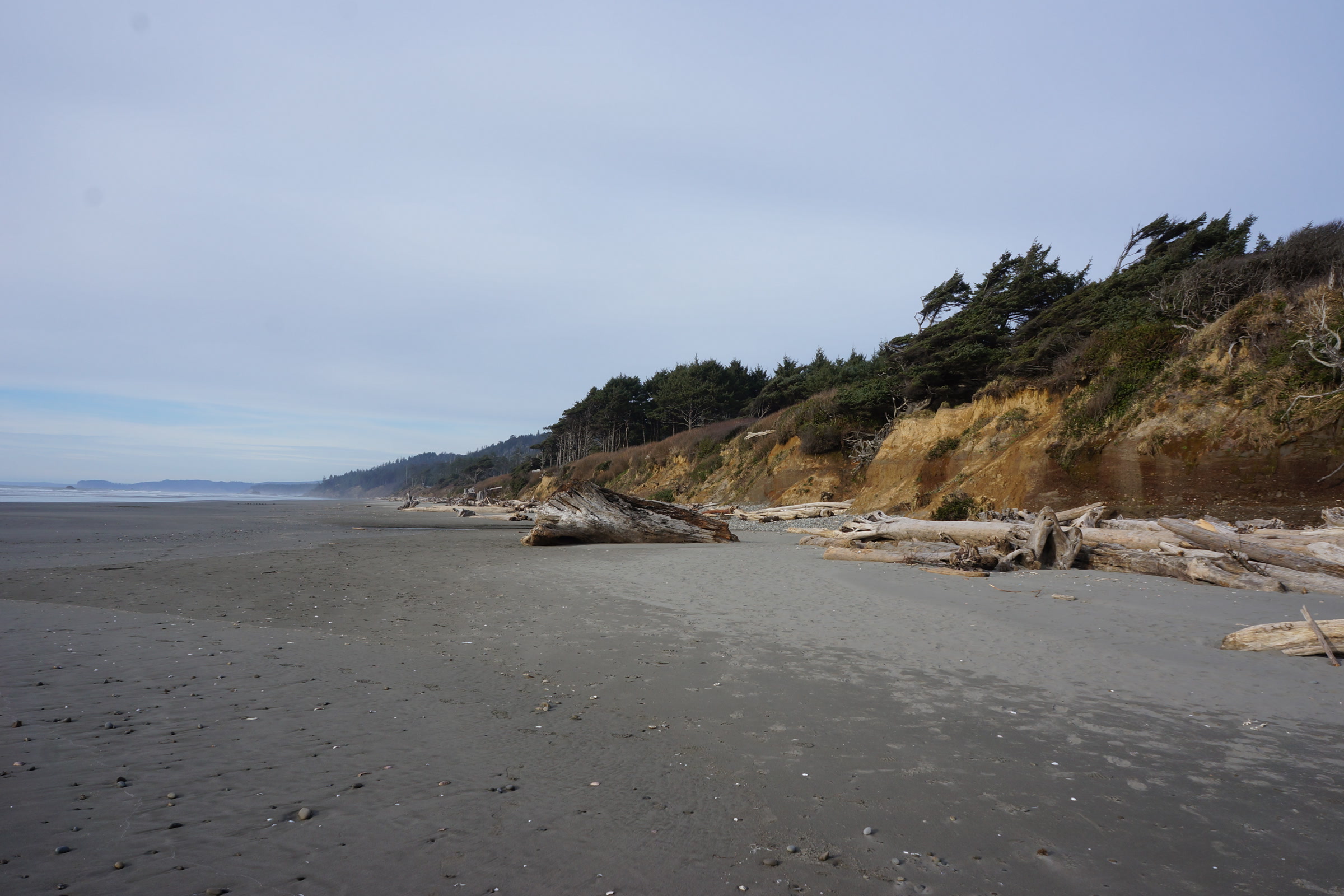
In March 2024 the park announced it was removing ten Kalaloch cabins that sat within five meters of the bluff edge, after over four meters of bluff collapsed in some areas that winter. The park’s news release blamed higher than usual tides, winter storms and freeze thaw cycles working on loose sand, gravel and stone, and said this natural erosion has sped up over the past decade.
Ian Miller, a coastal hazards specialist with Washington Sea Grant, told SFGate in 2025 that bluffs south of Kalaloch Creek, nearer the lodge, have retreated as much as 3.5 feet a year. Once a bluff is gone, he said, it can’t be repaired.
The park has chosen not to prop the tree up, add earth beneath it or rope it off. “We’ll let what passes for nature take its course,” Coles said in 2023.
How to visit the Tree of Life safely
Photos online show people climbing the roots and even hanging hammocks beneath them. Please don’t: every footstep loosens the soil the tree depends on.
- Look, don’t climb. Stay off the roots and out of the hollow. Coles said she personally would not stand beneath the tree.
- Check the tides. The park says to always check the tides before walking the coast; tide charts are posted at the Kalaloch Information Station.
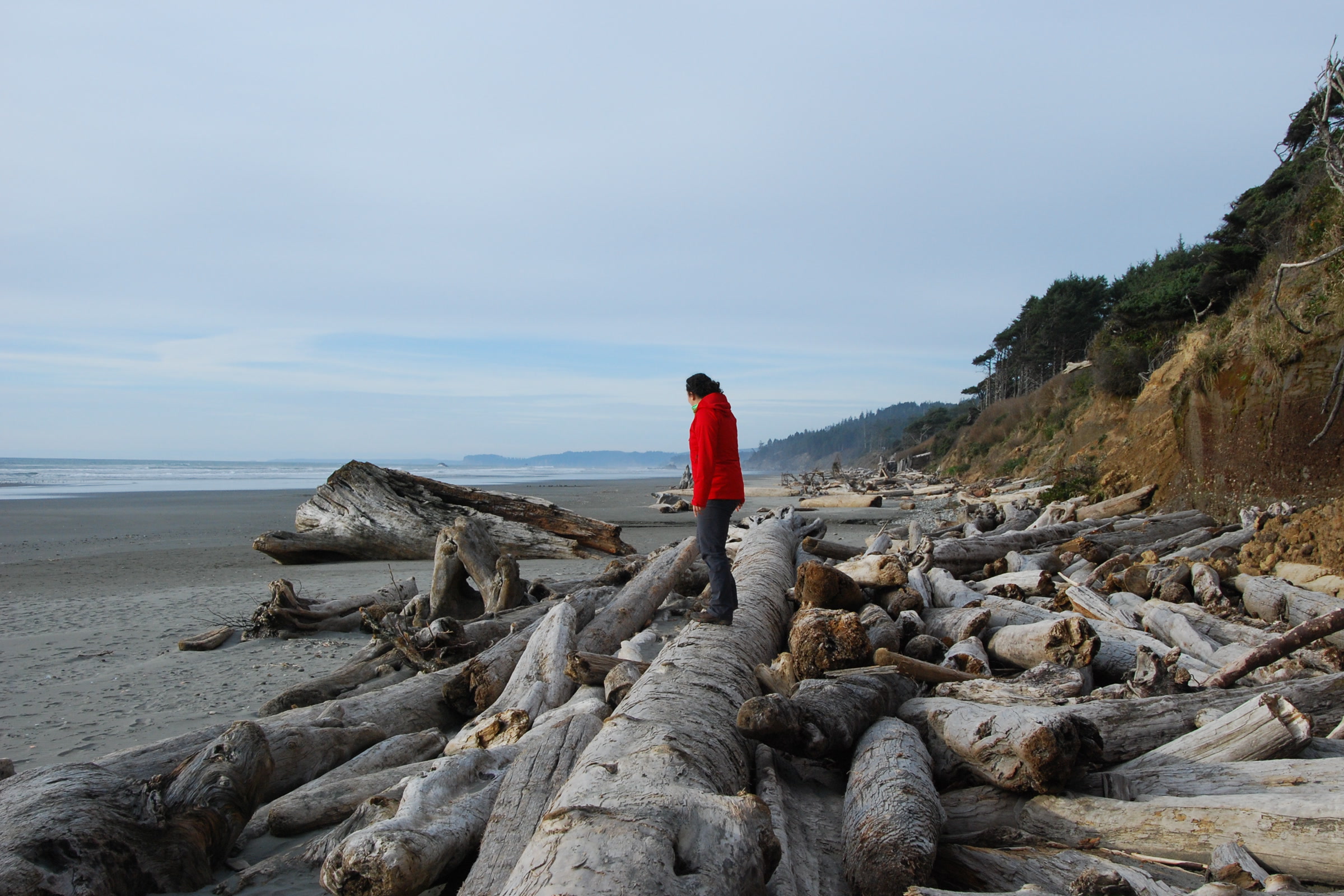
- Stay off beach logs. The NPS warns that powerful waves can roll and tumble driftwood logs, especially at high tide.
- Keep back from the bluff edge, above and below. Loose sand and gravel can give way without warning.
Our Leave No Trace guide for Olympic coast beaches covers the rest, from packing out trash to camping rules. Low tide is also a good time to explore nearby, and our tide pools guide explains how to do it gently.
How Friends of Olympic National Park helps
We are Friends of Olympic National Park (FONP), a volunteer led friends group based in Port Angeles. Kalaloch is close to our hearts: in April 2026 our volunteers held a Kalaloch beach cleanup, part of our ongoing beach cleanups in Olympic National Park. If places like this matter to you, become a member and help us keep caring for the coast.
Frequently asked questions
Is the Kalaloch Tree of Life still standing?
Recent reports say yes, but barely. Storms dropped it about five feet in early 2025, and the Kalaloch Lodge website says the ground beneath it keeps eroding. False rumours of its fall have spread before, so check recent photos or ask park staff.
Where is the Tree of Life at Kalaloch?
It is on Kalaloch Beach in Olympic National Park, just north of Kalaloch Lodge near Kalaloch Campground, about 50 yards from a staircase that runs from the campground to the beach. It is not marked on park maps.
Why is it called the tree root cave?
A small creek drains the bluff beneath the tree. Its water, plus winter waves, has carved away the soil, leaving the spruce roots spanning an open hollow that looks like a cave.
Can you climb on the Tree of Life?
Please don’t. Climbing loosens the soil the roots still grip, and the undercut bluff is unstable. The park does not fence the tree off, so its survival depends on visitors looking without touching.
Leave a Reply