
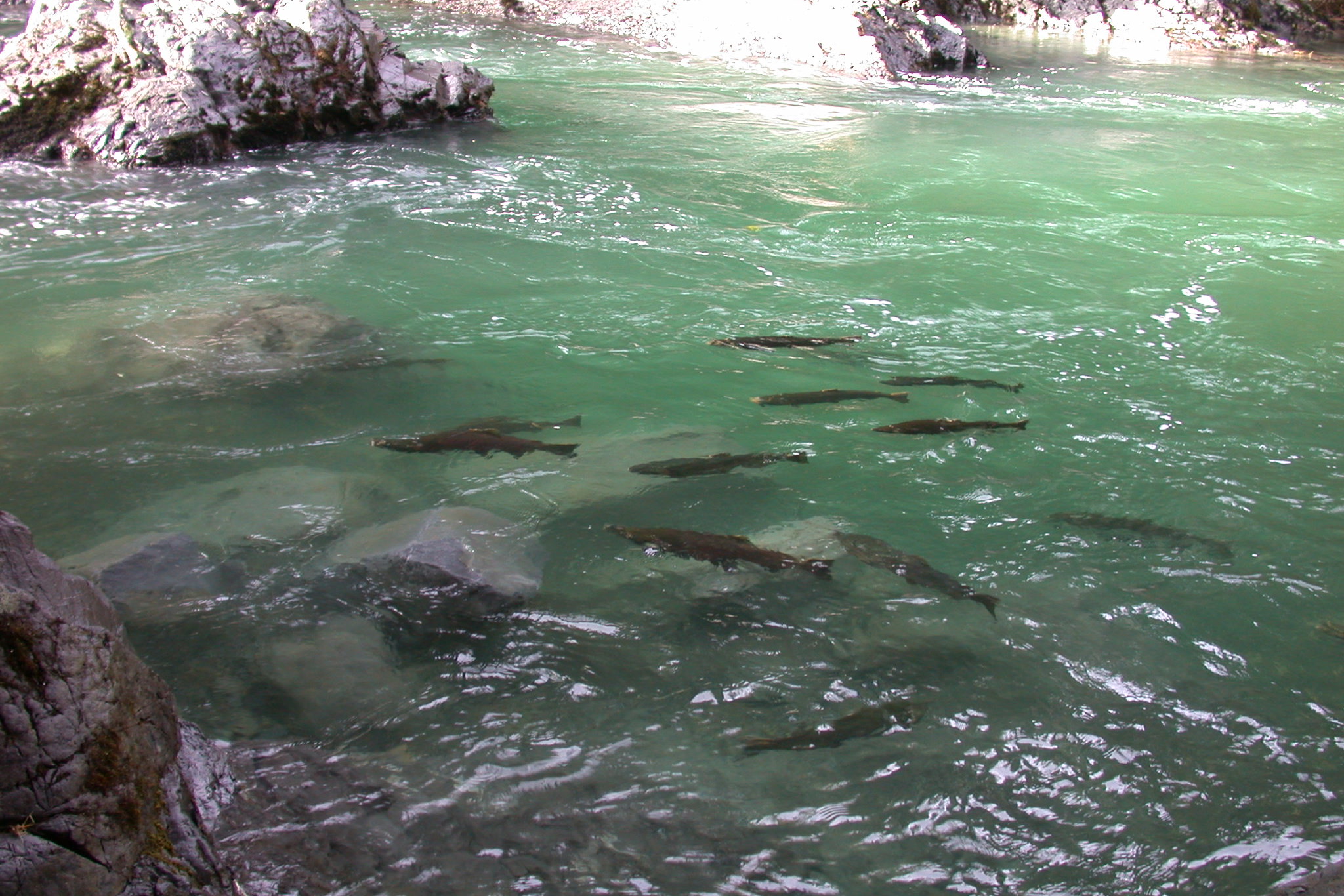
You can see salmon in Olympic National Park almost any month, if you know which river to visit. Coho leap the Sol Duc in early autumn, Chinook spawn in the Elwha in September, and sockeye turn bright red in the Quinault Valley in early winter. Here is which fish runs where and when, and how to watch them without doing harm.
Quick answer
Where can you see salmon in Olympic National Park?
The easiest place is Salmon Cascades on the Sol Duc River, where coho leap the falls in September and October. Coho also spawn in a small Hoh stream in November and December, Chinook spawn in the Elwha in September, and sockeye spawn in the Quinault Valley in November and December. Watch from the bank and stay out of the water.
- Salmon Cascades has a short, accessible path to a viewing platform
- Coho at the Sol Duc: September and October
- Sockeye in the Quinault Valley: November and December
- Pink salmon return mostly in odd numbered years
Why the park is such a good place for salmon
The park has 10 major rivers and supports some of the most extensive runs of wild salmon, trout and char left in the Pacific Northwest. Five Pacific salmon species use these waters, along with steelhead and bull trout, all hatching in fresh water, growing at sea and coming home to spawn.
Their return feeds the valley: bears, otters and eagles eat the carcasses, carrying ocean nutrients into the forest. Our guide to black bears in Olympic National Park shows how bears follow the runs.

Which salmon run where, and when
Each species keeps its own calendar. These are the places and seasons the park names on its species pages.
Salmon and steelhead viewing calendar
| Fish | Where to look | When |
|---|---|---|
| Coho | Salmon Cascades, Sol Duc River; a small Hoh stream by the visitor center | September to October (Sol Duc); November to December (Hoh) |
| Chinook | The park’s coastal rivers; the Elwha between the former dam sites | Mostly fall; September on the Elwha |
| Sockeye | Big Creek in the Quinault Valley; Lake Ozette | November to December (Quinault); winter spawning (Ozette) |
| Pink | Gray Wolf River near the trailhead | July to September, mostly odd numbered years |
| Chum | Lower Queets and Quillayute rivers | Summer or late fall |
| Steelhead | Salmon Cascades; near Hoh, Sol Duc and Queets campgrounds | Late March to May (Cascades); nests in May and June |
Salmon Cascades on the Sol Duc
Salmon Cascades is the classic spot. It sits about 5 miles up Sol Duc Road, where a 190 foot path of compacted gravel leads to a platform above the falls, with accessible parking and a toilet nearby. The park says coho are best seen in September and October, and steelhead from late March through May.
These coho swim more than 50 miles up the Quillayute and Sol Duc to get here. Our Sol Duc Falls and valley guide covers the rest of the valley.
Coho in the Hoh Rain Forest
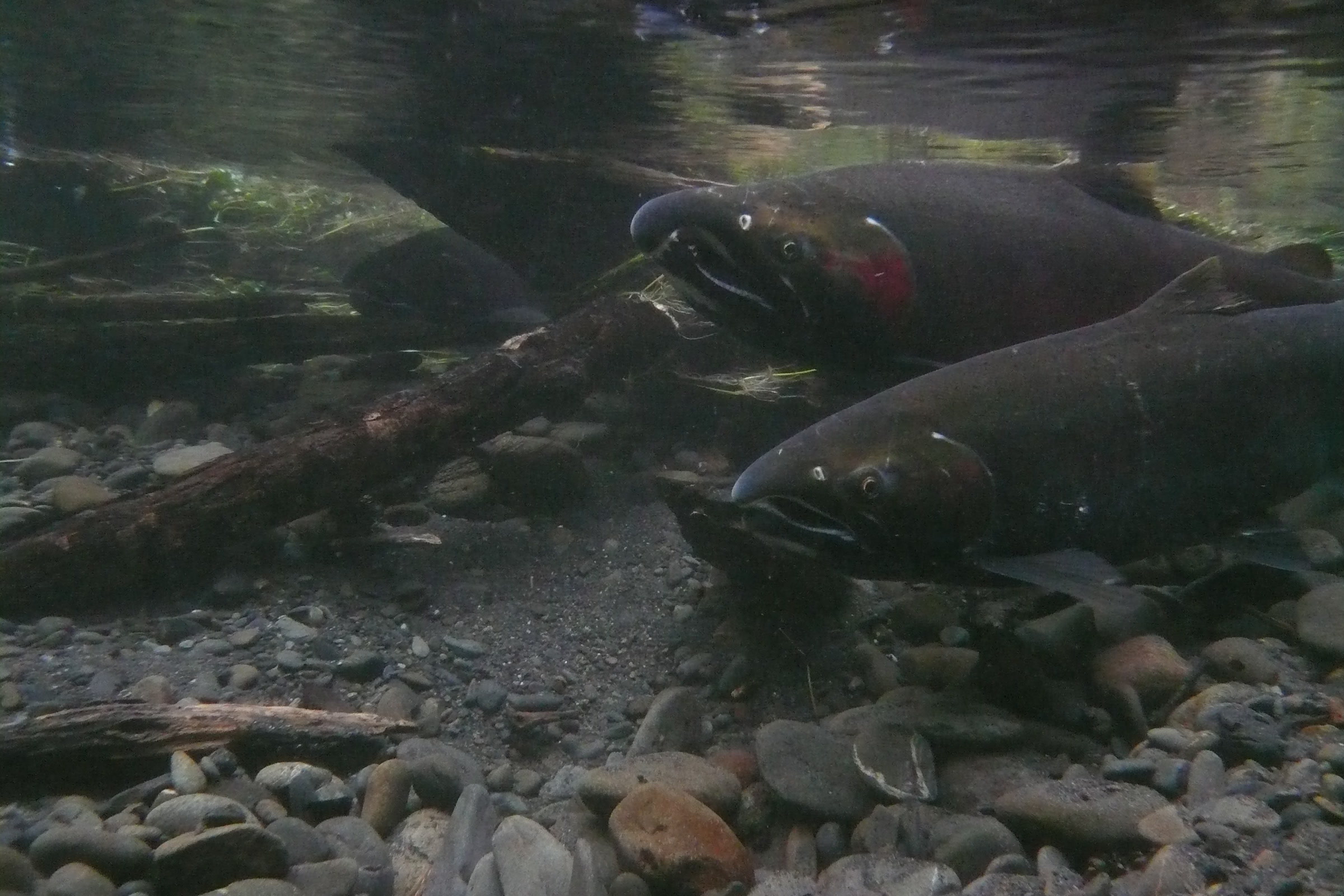
Coho spawn almost everywhere here, from small creeks to main channels. For a quieter late season sighting, the park points to a small tributary of the Hoh River, reached by the nature trail at the Hoh Visitor Center, in November and December.
Our guide to the temperate rainforests of Olympic National Park helps you plan the rest of a Hoh visit.
Chinook and the Elwha River salmon
Chinook, or king salmon, are the largest Pacific salmon. Most spawn in the fall in all of the park’s coastal rivers, with small spring and summer runs in the Hoh, Queets, Quinault and Quillayute. Their nests, called redds, can be 10 feet across.

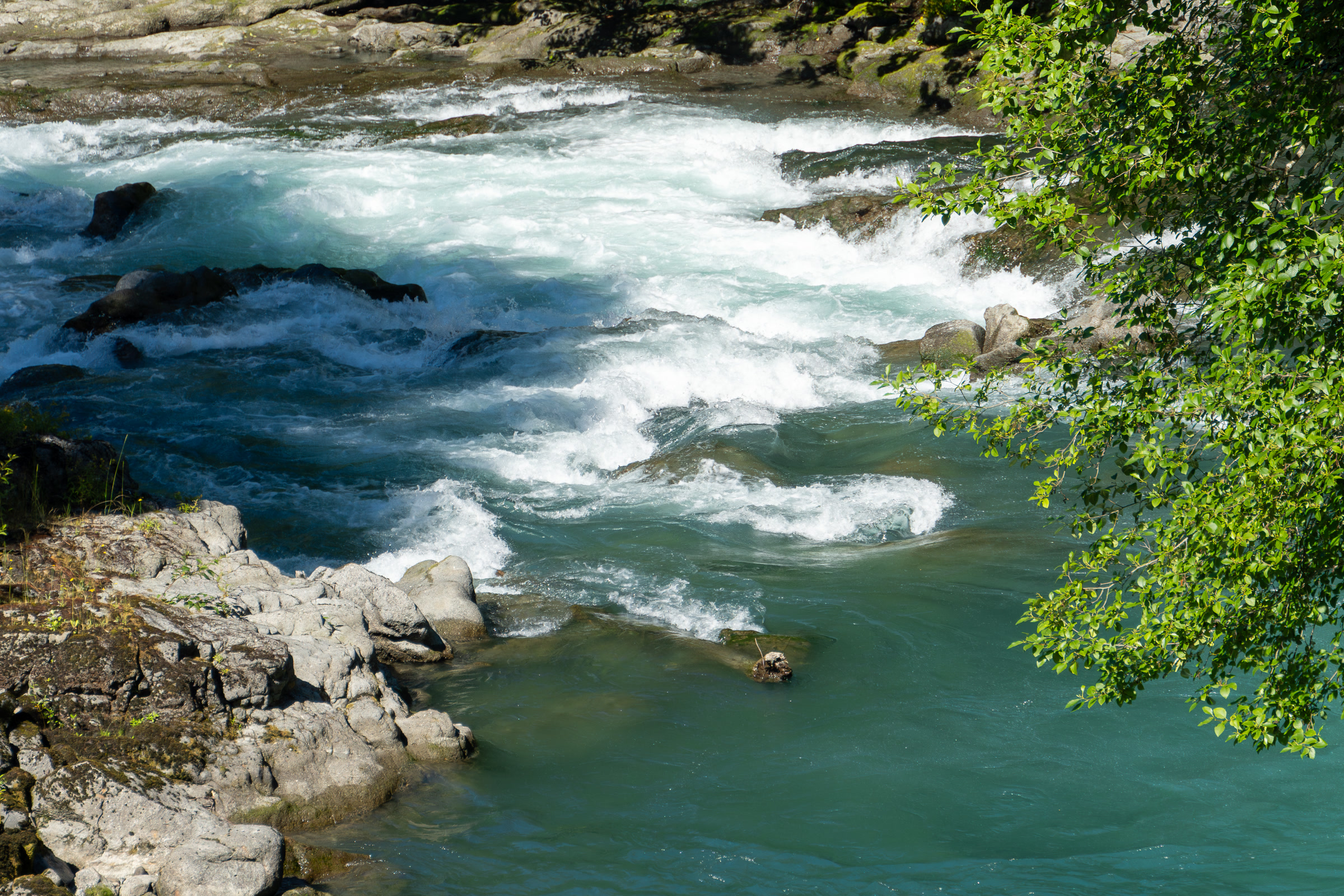
Since the Elwha dams came down, Chinook have spread above both former dam sites, with redds recorded near Godkin Creek, about 36 miles upriver. In September you can watch Chinook spawn in easily reached stretches between the Elwha and Glines Canyon dam sites. The full story is in our guide to Elwha River restoration.
As of October 2026, the park’s alerts page says vehicles must stop at Madison Falls because of a washout on Olympic Hot Springs Road, which stays open to walkers and bicycles. Check the NPS alerts page before you go.
Sockeye in the Quinault Valley and Lake Ozette
Sockeye need a lake in their river system, and the park has two main runs. In the Quinault they spawn in November and December, and the park names Big Creek as a great place to watch. As of October 2026 the park lists North Fork Road as open but narrow gravel, not recommended for RVs; check the NPS alerts page first.

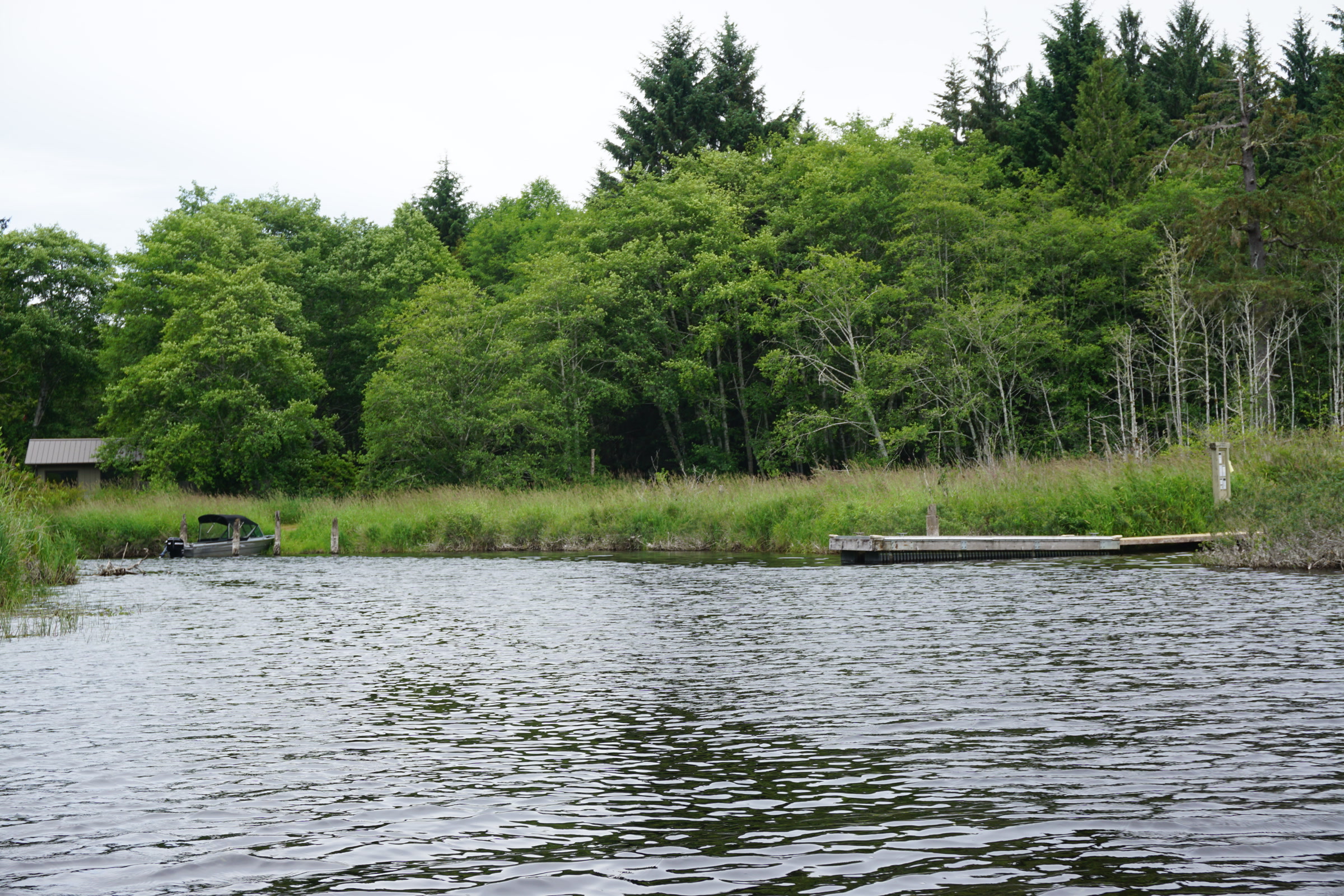
A smaller run enters Lake Ozette in summer and spawns along the lake’s edges and tributaries in winter. NOAA Fisheries listed Lake Ozette sockeye as threatened under the Endangered Species Act in 1999, so these fish deserve extra room. Our Ozette Triangle and Cape Alava guide covers the trails from the lake.
Pink, chum and steelhead
- Pink salmon are the scarcest salmon in park rivers. Most return in odd numbered years, July to September; try the Gray Wolf River near the trailhead.
- Chum are uncommon, but the lower Queets and Quillayute still have runs in summer or late fall.
- Steelhead are sea run rainbow trout that can spawn more than once. Look for redds near the Hoh, Sol Duc and Queets campgrounds in May and June.
Salmon viewing etiquette
A careless step can wreck a nest. These tips come from the Washington Department of Fish and Wildlife salmon viewing page and the park:
- Approach slowly and stand quietly at the edge. Don’t wade in: walking in a stream can crush the eggs in a redd.
- Avoid quick movements, which make salmon think you are a predator.
- Leave dead and dying salmon where they lie; they feed the river.
- Keep pets under control so they can’t chase or catch fish. Our guide to dogs in Olympic National Park lists where pets may go.
- Wear polarized sunglasses, and if you see nothing, try again after rain.
Salmon runs draw bears and other wildlife too. Park rules require you to stay at least 50 yards from all wildlife.
Thinking of fishing? Check the rules first
Fishing rules inside the park differ from the rest of Washington and change every year; park biologists set them with the state and eight treaty tribes. Read the current rules on the park’s Olympic National Park fishing page before you cast, and check WDFW for waters outside the park.
How Friends of Olympic National Park helps
We are Friends of Olympic National Park (FONP), a volunteer led friends group based in Port Angeles. We don’t do fisheries work, but we care for the places visitors enjoy through cleanups, trail care and guided nature walks. You can volunteer at Olympic National Park with us, or support Olympic National Park.
Frequently asked questions
When is the best time to see salmon jump at Salmon Cascades?
The park says coho are best seen at Salmon Cascades in September and October. Steelhead can be seen there from late March through May.
Can you see salmon in the Elwha River?
Yes. In September Chinook spawn between the former Elwha and Glines Canyon dam sites. As of October 2026 the road is closed to vehicles at Madison Falls, so check the NPS alerts page first.
Where can you see sockeye salmon on the Olympic Peninsula?
In the Quinault Valley in November and December; the park names Big Creek as a place to watch. A small threatened run also spawns at Lake Ozette in winter.
Is the Salmon Cascades trail accessible?
Yes. The 190 foot compacted gravel path is mostly gentle, with a brief steeper climb to the platform, and accessible parking and a toilet are nearby.
Leave a Reply