

The best time to visit Olympic National Park for most people is July through September, when the high country is open and the weather is at its kindest. But this park has glaciers, rain forest and 73 miles of wild coast, so every season has something to offer. Here is how we, as locals in Port Angeles, think about each one.
Quick answer
When is the best time to visit Olympic National Park?
For mountain trails and the fullest range of services, summer and early fall are best, though June, July and August are also the three busiest months. Spring brings rain and quiet trails, fall brings color and elk season, and winter suits rain forest walks, coastal storms and weekend snow play at Hurricane Ridge.
- The park is open 24 hours a day, year-round
- Most precipitation falls from November through April
- June, July and August are the busiest months
- Hurricane Ridge Road opens Friday to Sunday in winter, weather permitting
Olympic National Park weather by month and season
Weather here depends as much on where you stand as on the calendar. The park’s weather page says the coast and west-facing valleys get 100 to 170 inches of precipitation a year, while Port Angeles, in the rain shadow, averages 25 to 30 inches. Hurricane Ridge traditionally records 30 to 35 feet of snow a year.
The park does not publish month by month averages, so think in seasons. Conditions can also differ wildly across the park on the same day.
Olympic seasons compared
| Months | What to expect | Best for |
|---|---|---|
| March to May | Cool to mild; snow and heavy rain can last into June up high | Rain forest, quiet trails |
| June to August | Mild to warm; coastal fog, mountain thunderstorms possible | High country, full services |
| September to October | Cooling; high country snow possible from late September | Color, elk, fewer people |
| November to April | Wettest stretch; heavy snow at elevation | Storm watching, snow play |
Spring: green, wet and quiet
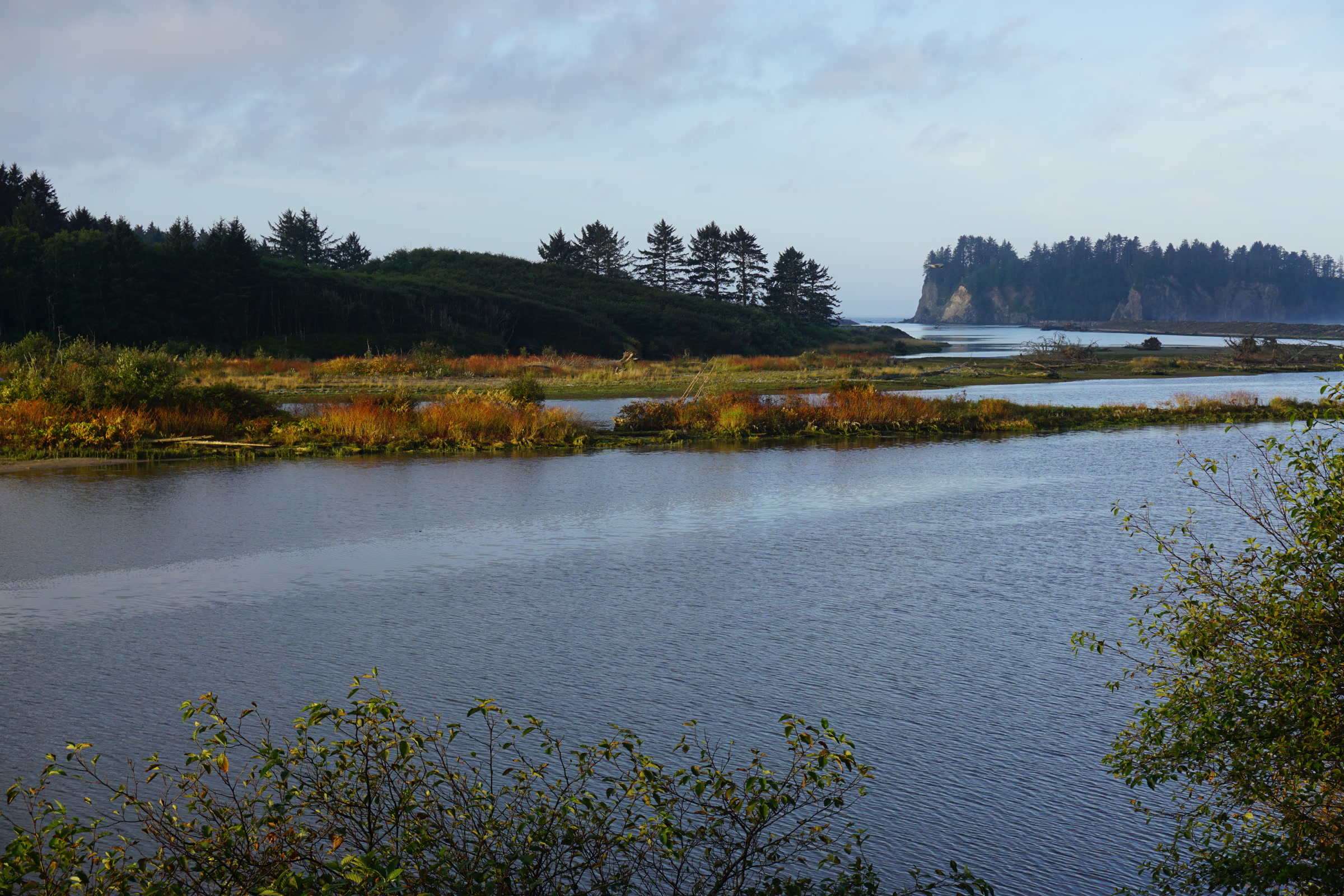
Spring is the park’s second most popular season, and it is easy to see why. The rain forests of the Hoh and Quinault glow with new moss and fern, and the rivers run full with snowmelt. Seasonal campgrounds begin to open as the weeks go by.
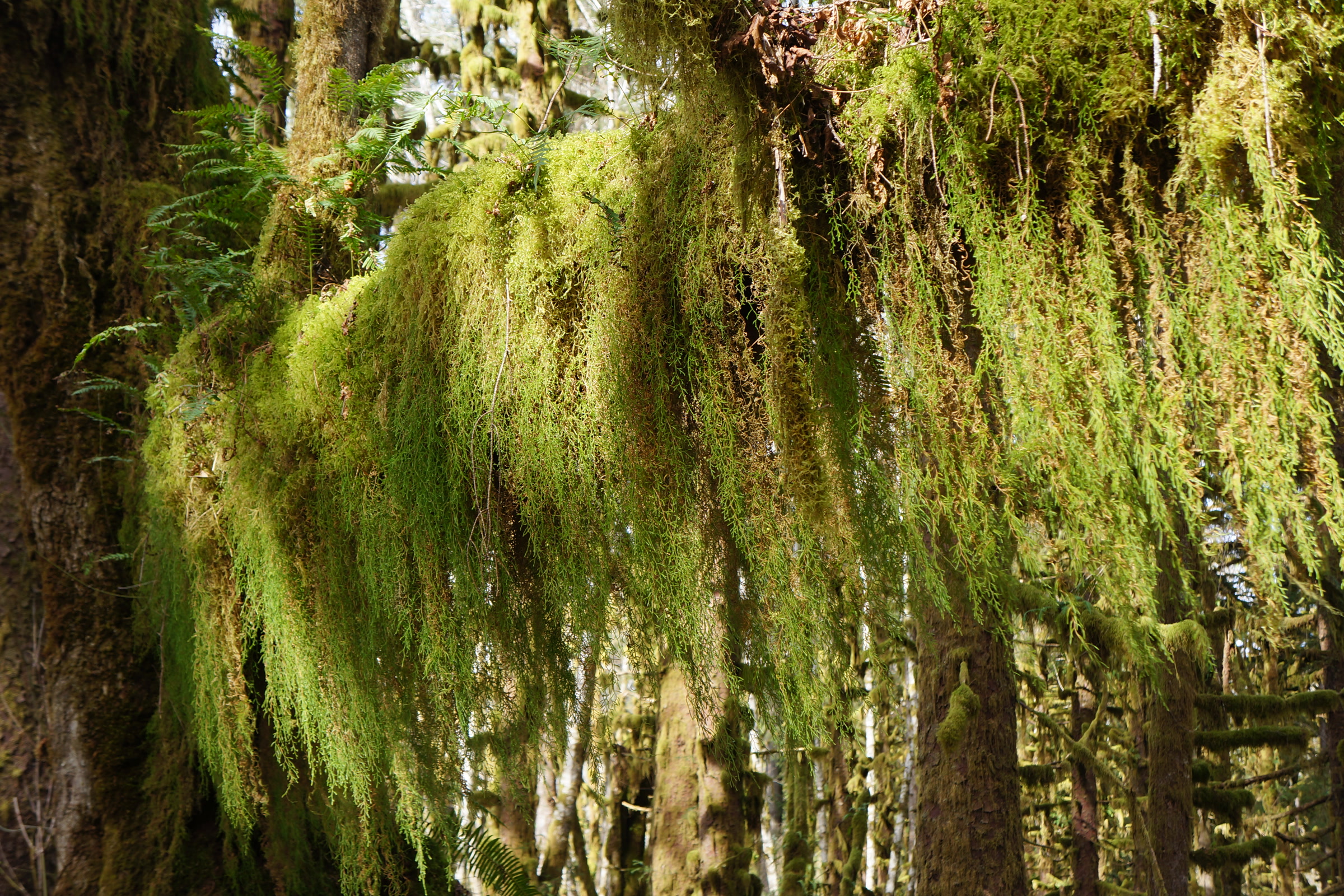
Pack for rain, though. Up high, snow and heavy rain can continue into June, and many high-elevation trails may be impassable until it melts. Our guide to the temperate rain forests of Olympic National Park suggests low trails that are lovely in any spring weather.
Summer: the high country opens
Summer is mild to warm, though temperatures can vary by at least 10 degrees with elevation and location. It is the season for subalpine meadows, long ridge hikes and beach camping. The high meadows bloom as the snow melts; see our Hurricane Ridge wildflower season guide for how the timing shifts from year to year.
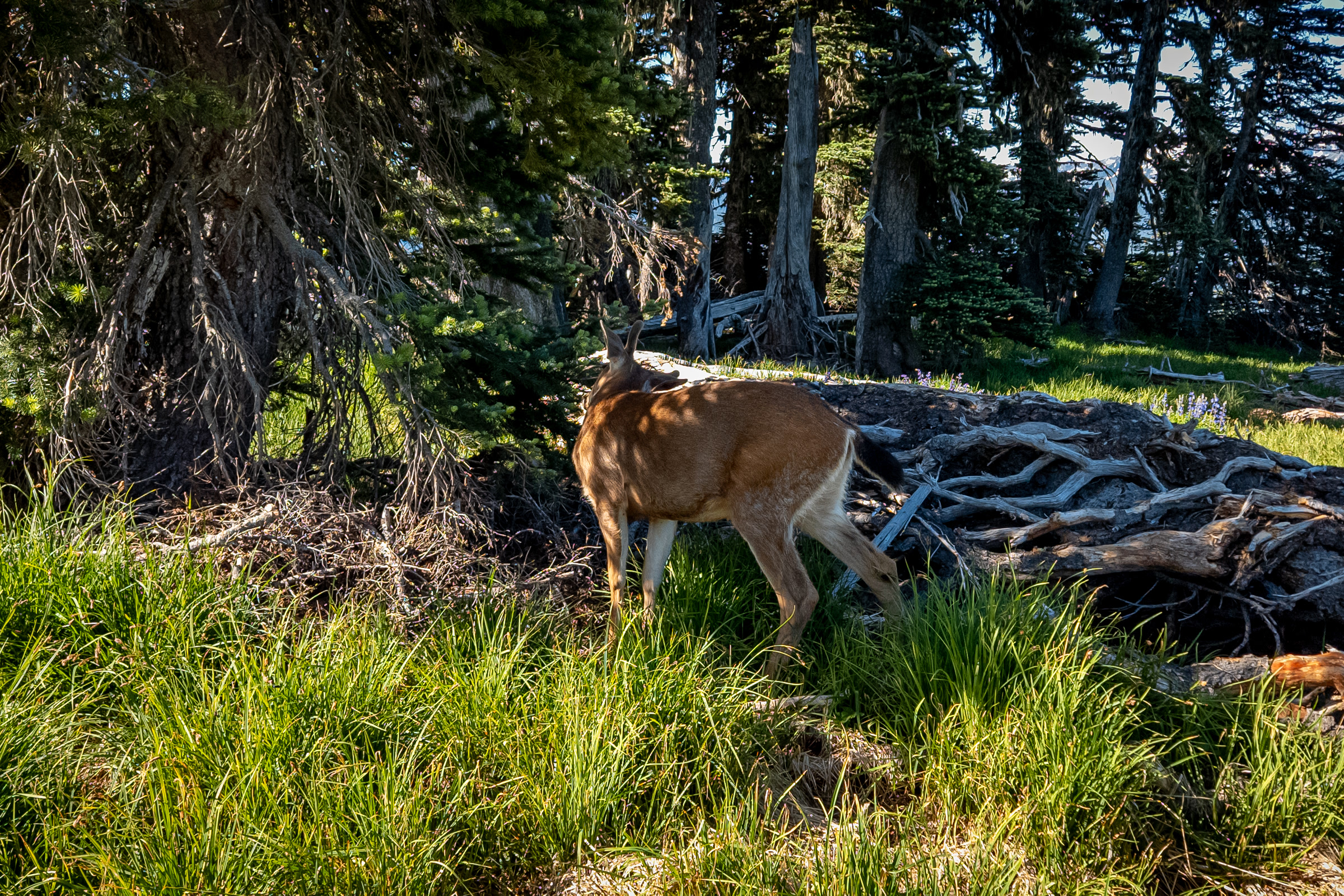
Expect some weather even now. Rain and thunderstorms are possible in the mountains, and fog can persist along the coastal strip. Summer also brings the lowest low tides of the year, so it is the prime season for Olympic National Park tide pools.
Olympic National Park summer crowds
June, July and August are the three busiest months, and the park’s summer visiting page warns that lots at Hurricane Ridge and the Hoh can fill completely. When Hurricane Ridge is full, cars are metered at the Heart O’ the Hills entrance station, and waits can reach two hours.
- Hurricane Ridge: busiest from 10 am to 2 pm. Arrive before 10 or after 2 (after 3 on holidays).
- Hoh Rain Forest: busiest from 10 am to 5 pm. Arrive before 10 or after 5 (after 6 on holidays).
- Skip the drive: the park suggests the summer Clallam Transit bus from downtown Port Angeles; buy your park pass ahead.
- Try somewhere else: Heart O’ the Hills, Deer Park, the beaches or the Quinault.
The Hurricane Ridge Day Lodge burned in May 2023, so there is no food service up top. Bring snacks and water. Fees and passes change, so check our Olympic National Park entrance fees guide and the NPS site before you go.
Fall: color, elk and mushrooms
Many of us think early fall is the sweet spot. Summer crowds thin, maples turn gold along the rivers, and Roosevelt elk enter the rut in September. Our Roosevelt elk guide explains how to watch the bugling bulls from a safe distance.
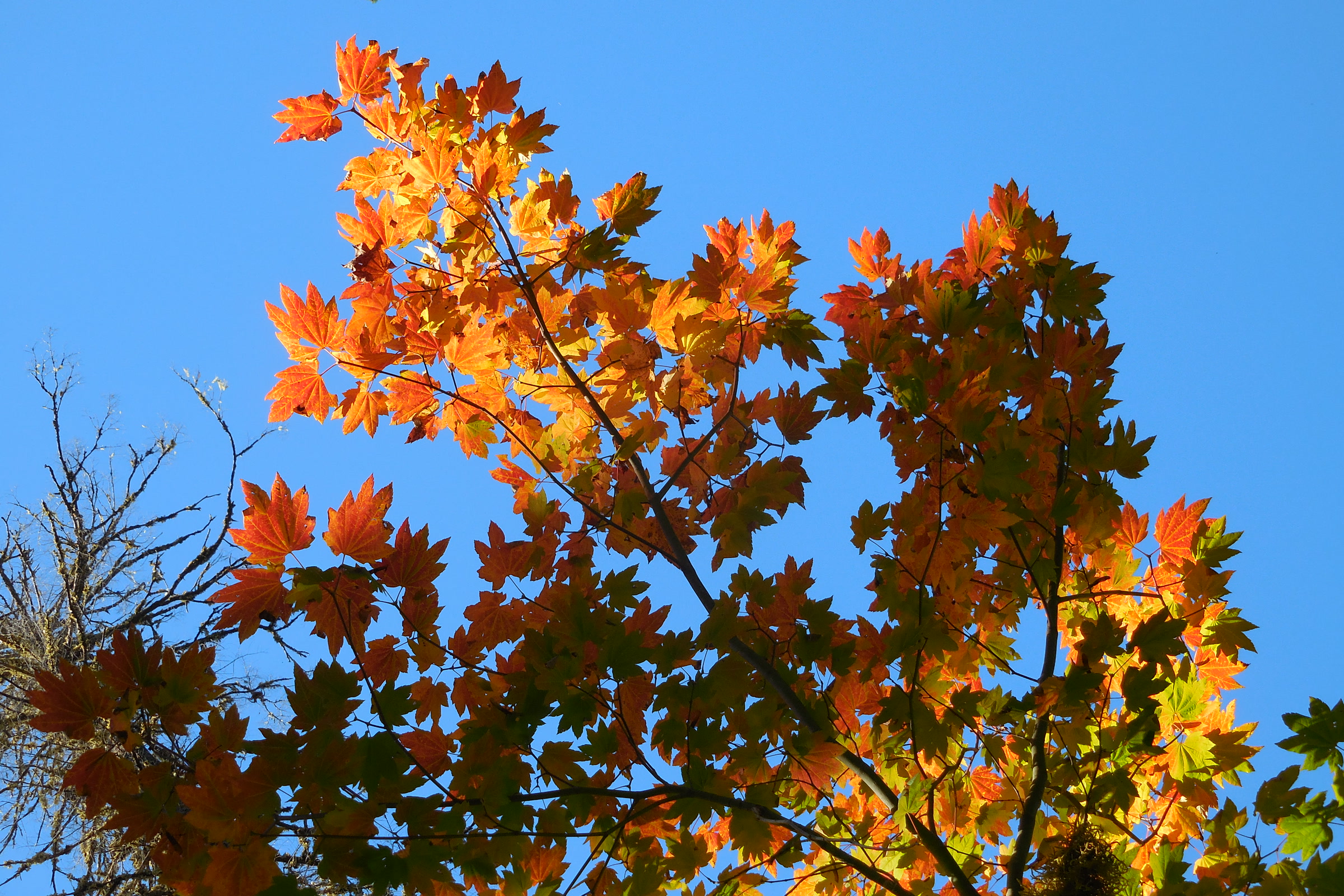
The weather turns as the season goes on. Snow can reach the high country as early as late September, rain and wind reach the lowlands by late October, and some campgrounds and roads close for winter. When the rains return, the forest floor fills with fungi; our mushroom season guide covers what to look for.
Olympic National Park in winter
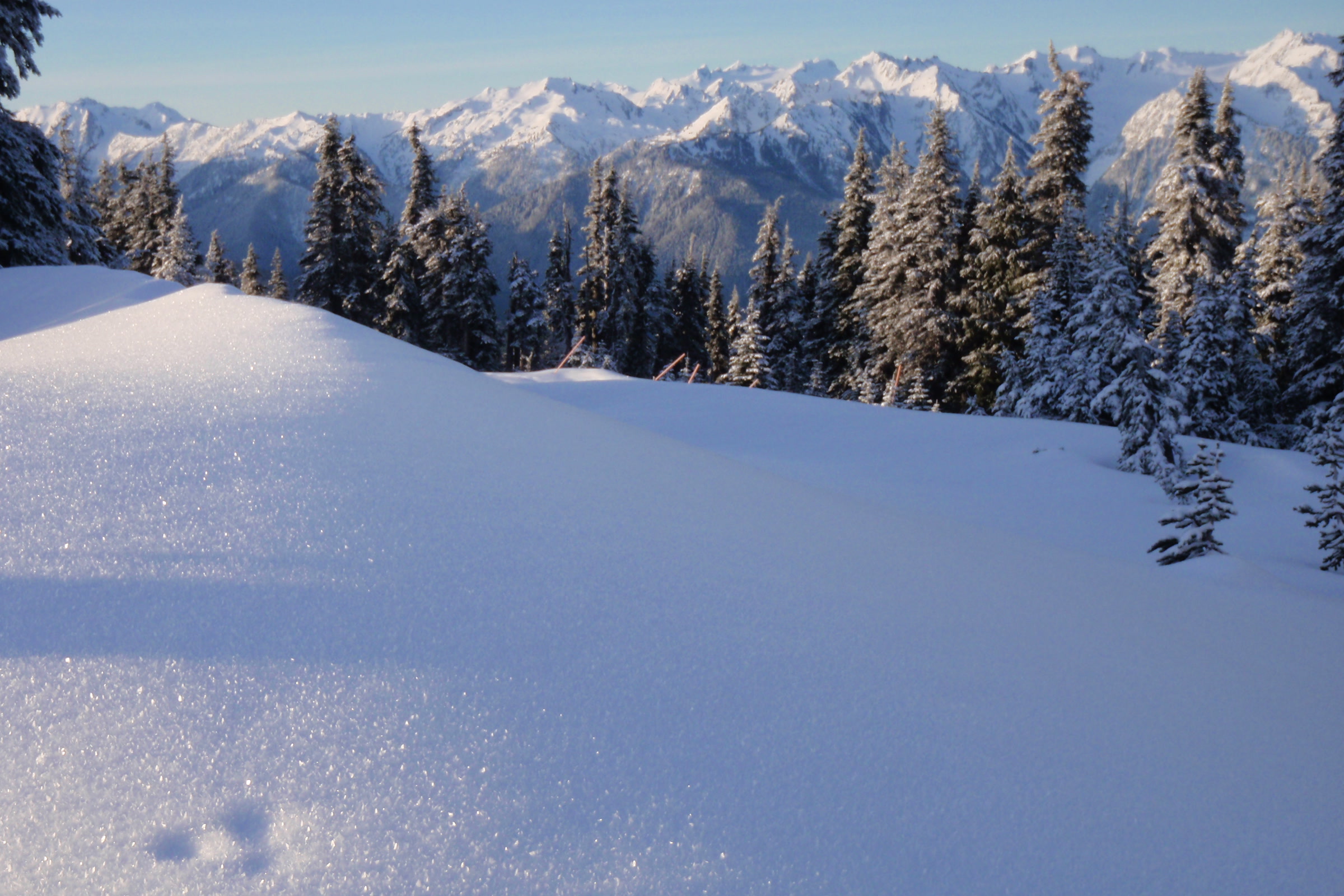
Visiting Olympic National Park in winter takes flexibility, but the rewards are real. Most precipitation falls from November through April, and low elevations stay cool to mild. Most areas remain open, though there are few ranger programs and many facilities are closed.
Hurricane Ridge is the focus for snow play, with snowshoeing, cross-country and downhill skiing, snowboarding and tubing. Weather permitting, Hurricane Ridge Road opens Friday through Sunday in winter, but storms or avalanche hazard can close it at any time. It also closes on Thanksgiving and Christmas.
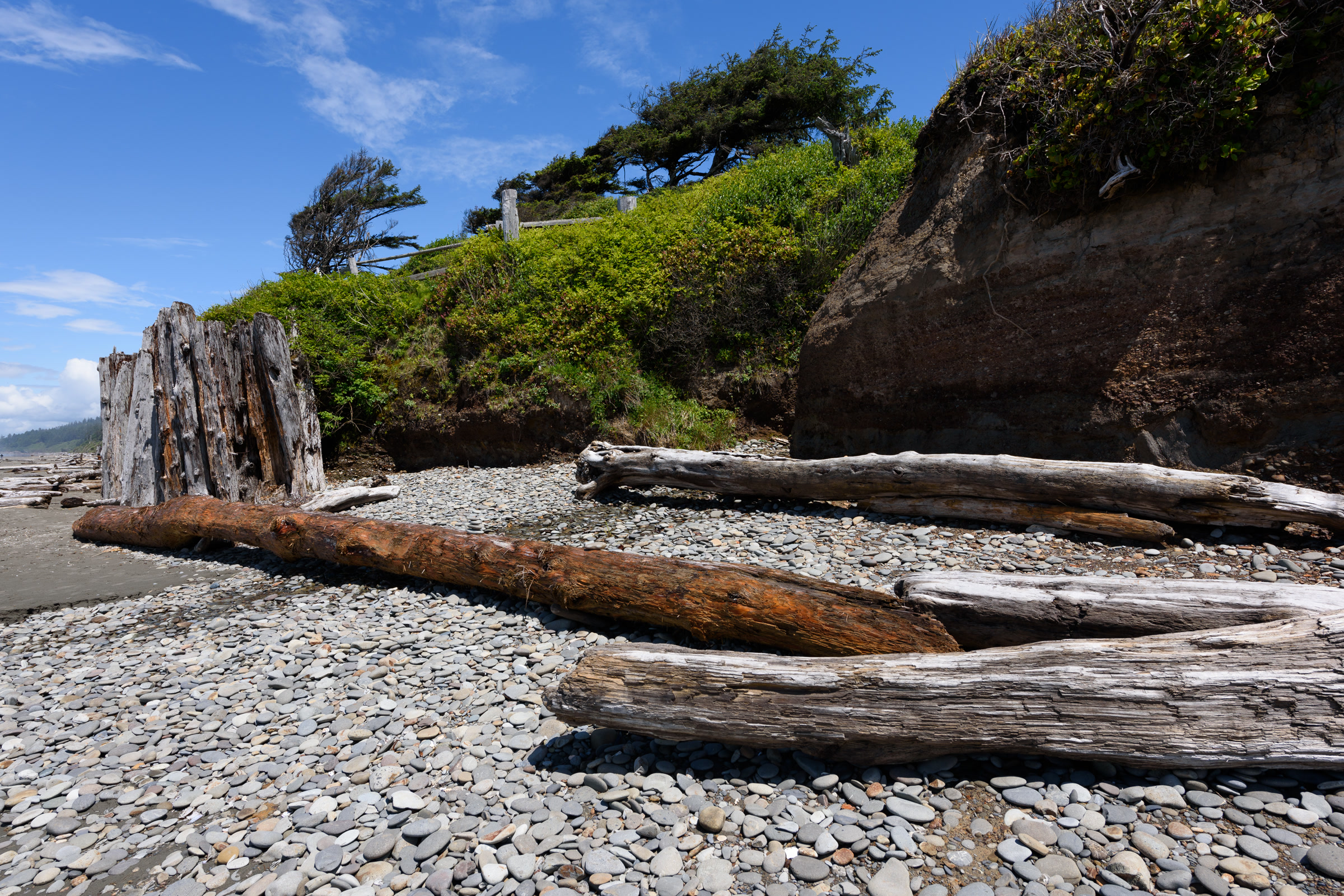
Down on the coast, beaches stay mostly snow-free and winter storms bring strong winds, stronger tides and big waves, which makes for dramatic storm watching from a safe spot. The Hoh and Quinault rain forests are good destinations once a bit of snow melts. Conditions change fast, so call the road and weather line at 360-565-3131 before you set out.
How to choose the best time to visit Olympic National Park
- First visit, want it all: July to September, with early starts.
- Want solitude: spring or late fall, in rain gear.
- Love snow: a winter weekend at Hurricane Ridge.
- Tide pools: summer minus tides on the coast.
Whatever the month, start at a visitor center. Our Olympic National Park visitor center guide explains where to get maps, current alerts and advice from rangers.
How Friends of Olympic National Park helps
We are Friends of Olympic National Park (FONP), a volunteer-led friends group based in Port Angeles. Our crews help in every season, from beach cleanups in Olympic National Park to our Winter Perspectives lecture series in the darker months. If you love this park in all its weather, come and give a few hours back.
Frequently asked questions
What is the best month to visit Olympic National Park?
For the high country and full services, July through September is best. July and August are also among the busiest months, so September is a good choice if you want fewer people.
Is Olympic National Park open in winter?
Yes. The park is open 24 hours a day, year-round. Some roads, campgrounds and facilities close or have reduced hours from October through May.
Is Hurricane Ridge open in winter?
Weather permitting, Hurricane Ridge Road opens Friday through Sunday in winter. Storms or avalanche hazard can close it at any time, and it closes on Thanksgiving and Christmas.
When is the rainy season in Olympic National Park?
Most precipitation falls from November through April. The coast and west-facing valleys get 100 to 170 inches a year, while Port Angeles averages 25 to 30 inches.
How can I avoid summer crowds at Hurricane Ridge?
Arrive before 10 am or after 2 pm, or after 3 pm on holidays. The park also suggests the summer bus from Port Angeles or nearby areas such as Heart O’ the Hills and Deer Park.
Want to spend your next visit giving back? See our volunteer opportunities at Olympic National Park.
Leave a Reply