
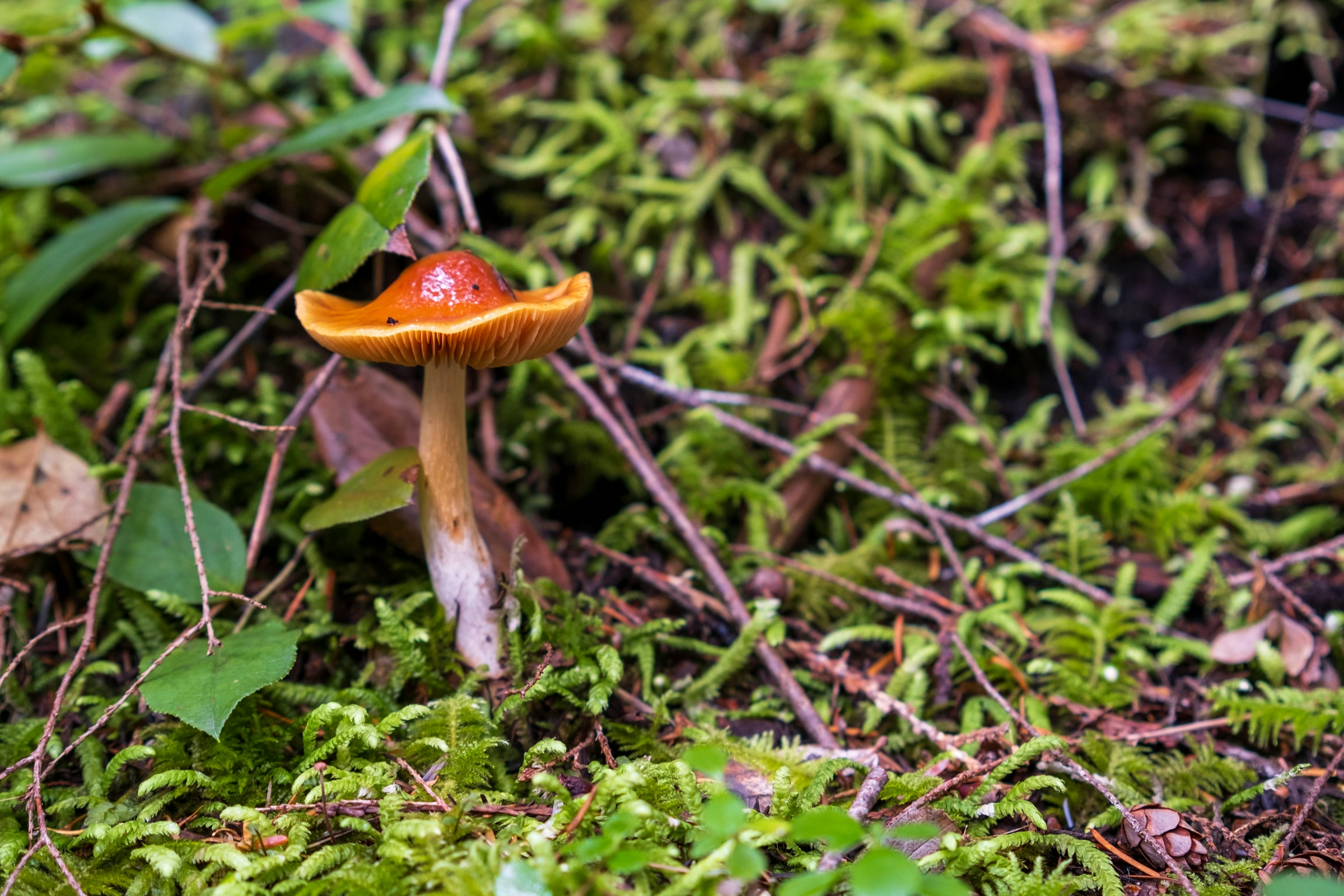
Mushroom season on the Olympic Peninsula starts when the fall rains return and runs until the first major frosts. Fungi can turn up almost any month here, but autumn is when the forest floor, the old logs and the mossy trunks really come alive. Local foragers start watching the woods around Labor Day, and the show lasts as long as the mild, wet weather does.
We are Friends of Olympic National Park (FONP), a volunteer-led friends group in Port Angeles. Guided mushroom walks are one of our projects, and this guide covers the season itself: what drives it, what you’ll see, the park’s rules and how to stay safe.
What sets off mushroom season
A mushroom is only the fruit of a much bigger organism. Most of the fungus lives out of sight as a web of threads in soil and wood, and it sends up mushrooms when moisture and temperature are right. On the North Olympic Peninsula, a heavy early autumn storm is often what sets off the first big flush.
The park describes mushrooms as appearing nearly year-round, with the peak running from the start of the fall rains until the first major frosts. Most of the year’s rain falls between November and April. By then the high country may already have snow, which can arrive as early as late September.
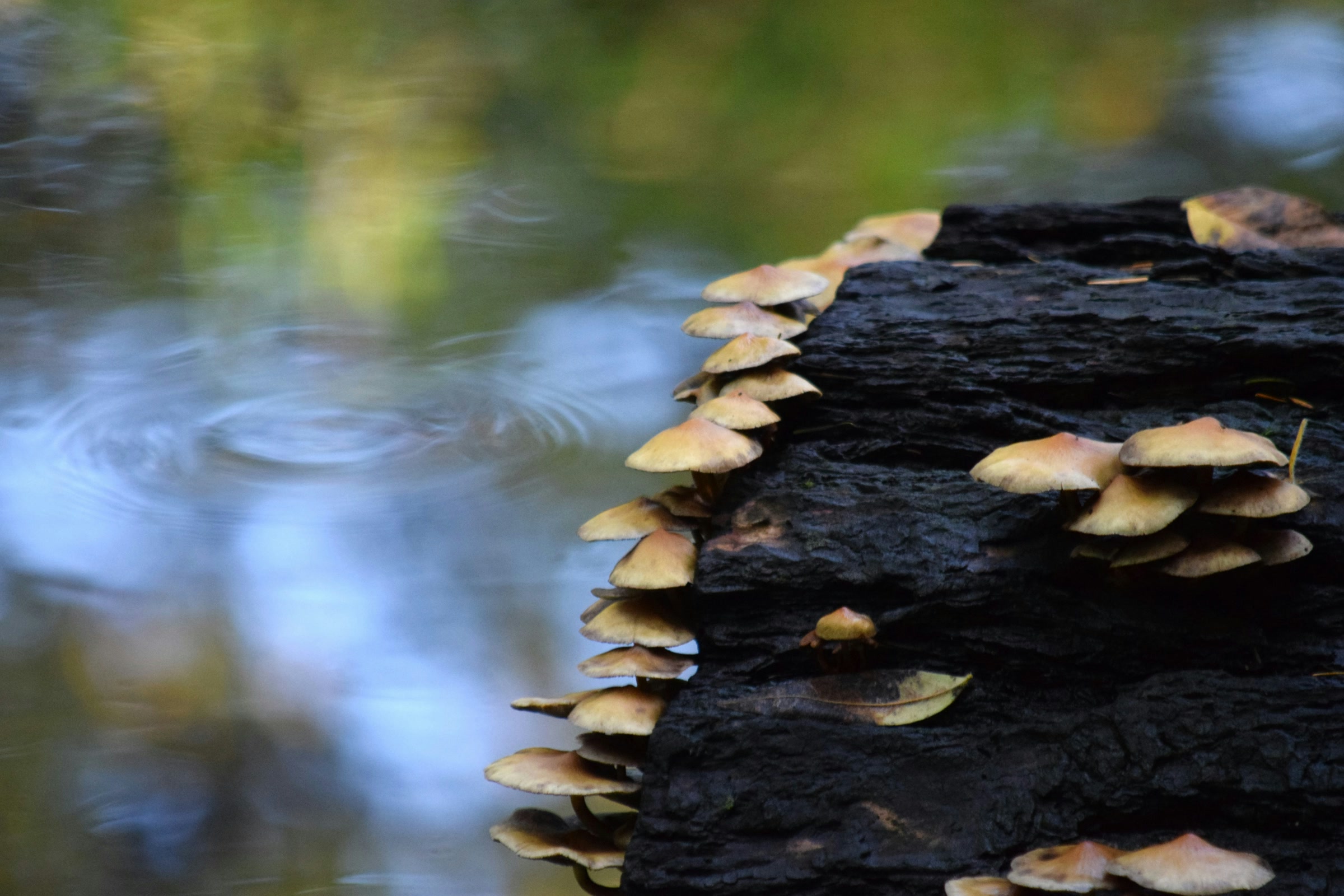
The season at a glance
Every year is a little different, because the timing follows the weather rather than the calendar. A dry September can hold the first flush back, and an early hard frost can end the peak quickly. Use this table as a rough guide, not a schedule.
Olympic Peninsula mushroom season by stage
| Stage | What to expect | What usually ends it |
|---|---|---|
| Early fall | First flush after heavy rain; early chanterelles | A dry spell |
| Mid fall | Peak variety on the forest floor and logs | Cold snaps |
| Late fall | Fewer, tougher species; shelf fungi stand out | The first major frosts |
| Winter to summer | Scattered finds; morels are more of a spring mushroom | Dry summer weather |
Where fungi grow in Olympic National Park
The park is a fungus paradise. Its own fungi guide counts at least 1,400 species, helped by a wide mix of trees, varied rainfall and elevations from sea level to 7,890 feet. Some of the best places to look are close to home.
- Rain forest valleys: mossy logs, nurse logs and stumps on the park’s west side.
- Lowland forests: needle litter under conifers, where many mushrooms partner with tree roots.
- Trail edges: cut ends of fallen trees and rotting wood are easy to scan from the path.
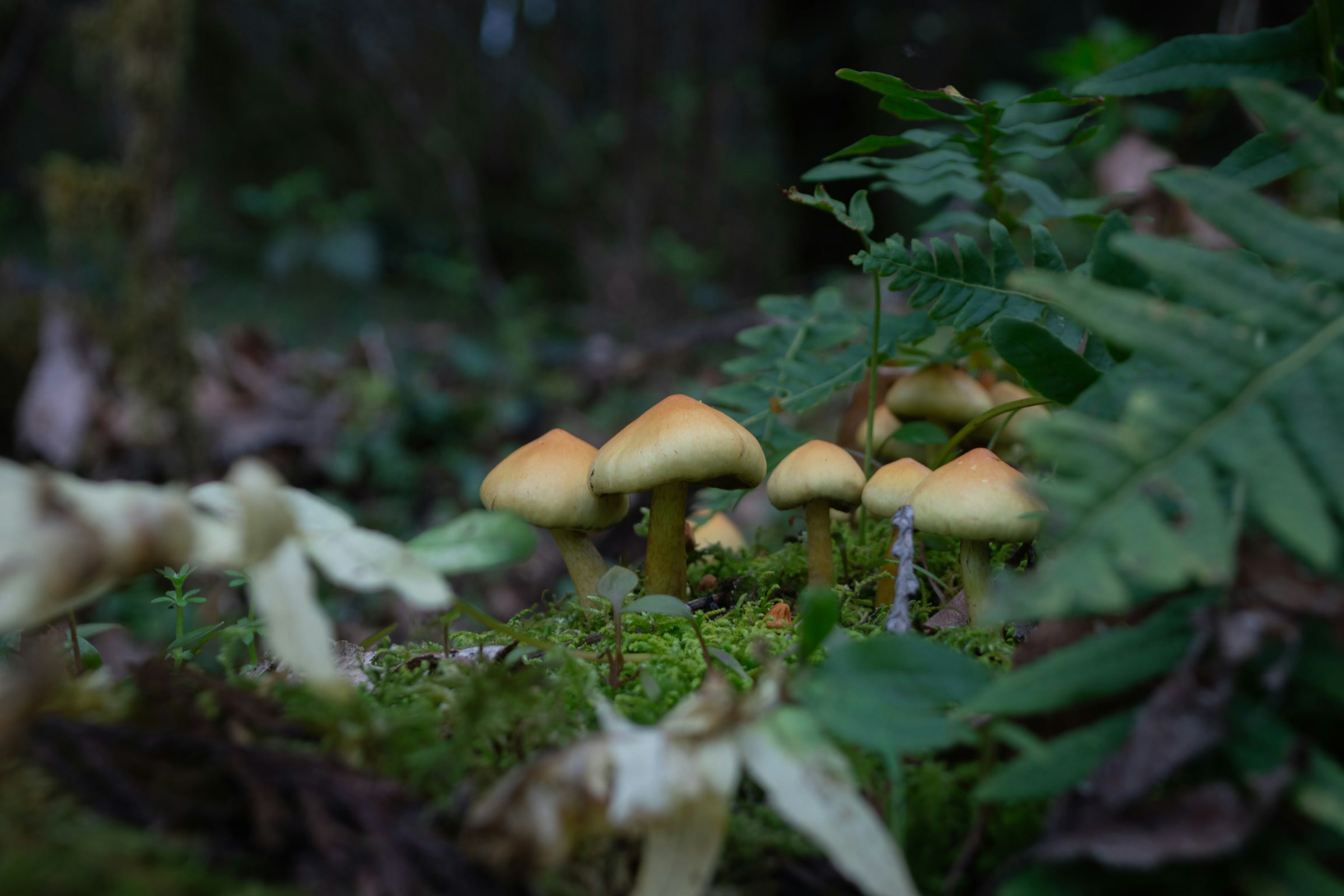
Common fungi groups you’ll notice
You don’t need species names to enjoy a fall walk. It helps more to know the three jobs fungi do in the forest, which the park describes in its fungi guide. Once you know the jobs, every log and root plate starts to tell a story.
Forest roles of fungi compared
| Role | What it does | Park examples |
|---|---|---|
| Decomposers | Break down dead wood and litter | Red-belted conk, chicken of the woods |
| Partners | Trade nutrients with tree roots | Fly agaric, king bolete |
| Parasites | Feed on living trees | Honey mushroom |
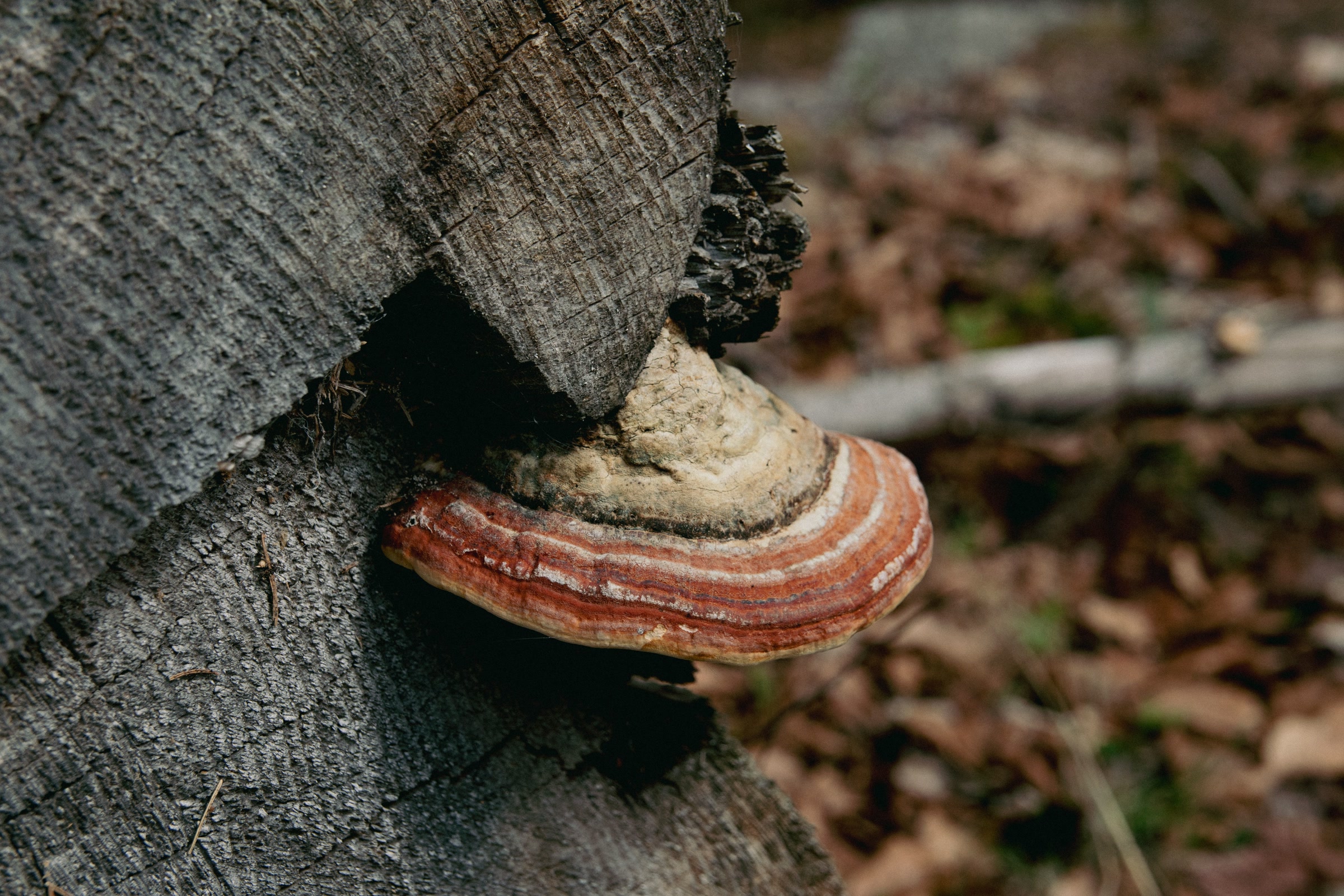
Local writers also mention chanterelles, lobster mushrooms and boletes as fall favourites in western Washington. Shelf fungi and conks are woody and long lasting, so they are easy to spot even late in the year.
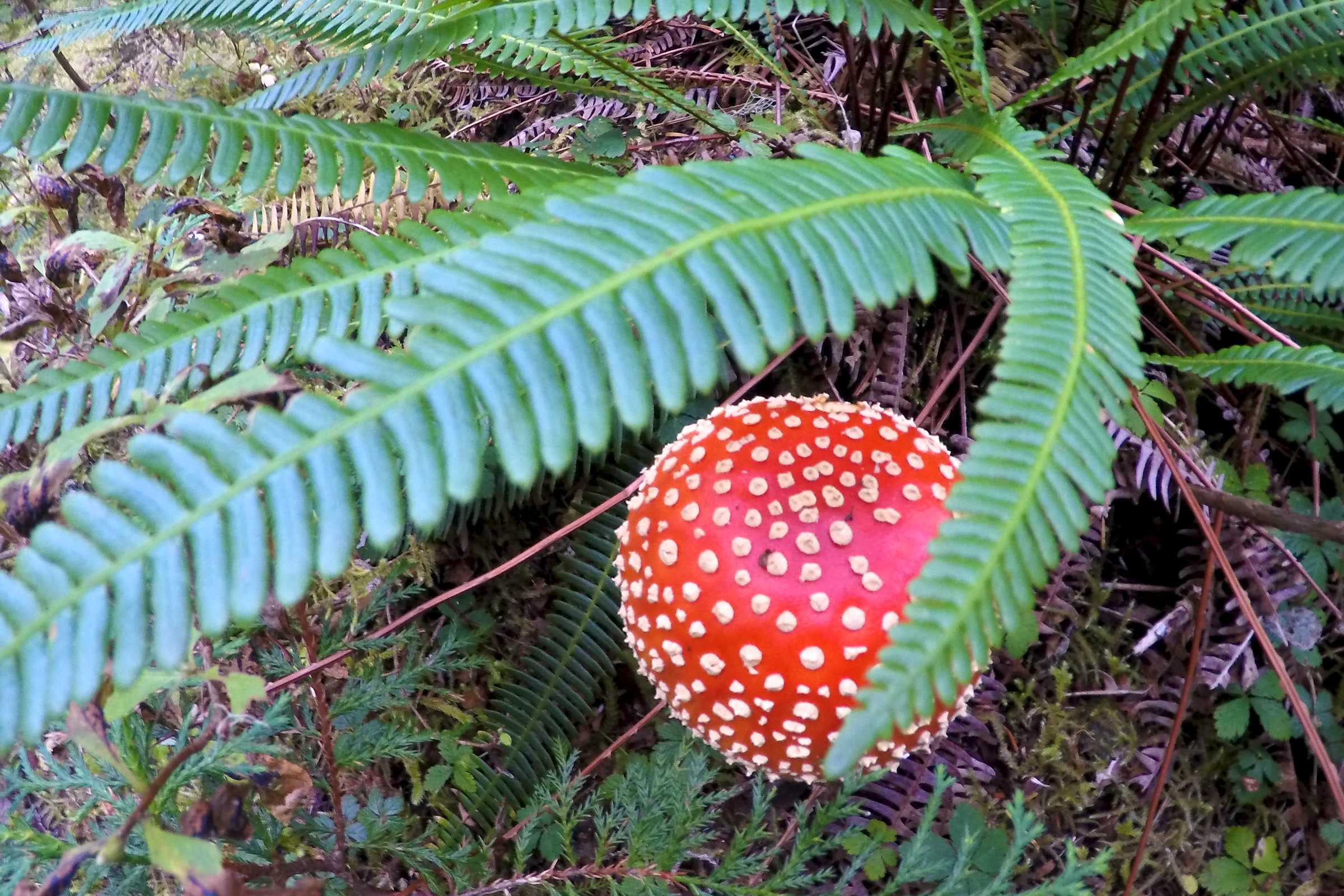
Safety first: never eat an unidentified mushroom
This is the one rule that matters most. The park warns that many fatally poisonous mushrooms grow here, including the funeral bell. The Washington Poison Center’s mushroom safety advice notes that death caps also grow in Washington, and that some mushroom poisons are not destroyed by cooking.
- Never eat a wild mushroom unless a qualified expert has positively identified it.
- Don’t rely only on field guides or online forums. Learn from experienced local people.
- Know the look-alikes. Local foragers warn that the false chanterelle is easily mistaken for the real thing.
- If someone feels sick after eating a mushroom, call the poison center at 1-800-222-1222, or 911 for breathing trouble or collapse.
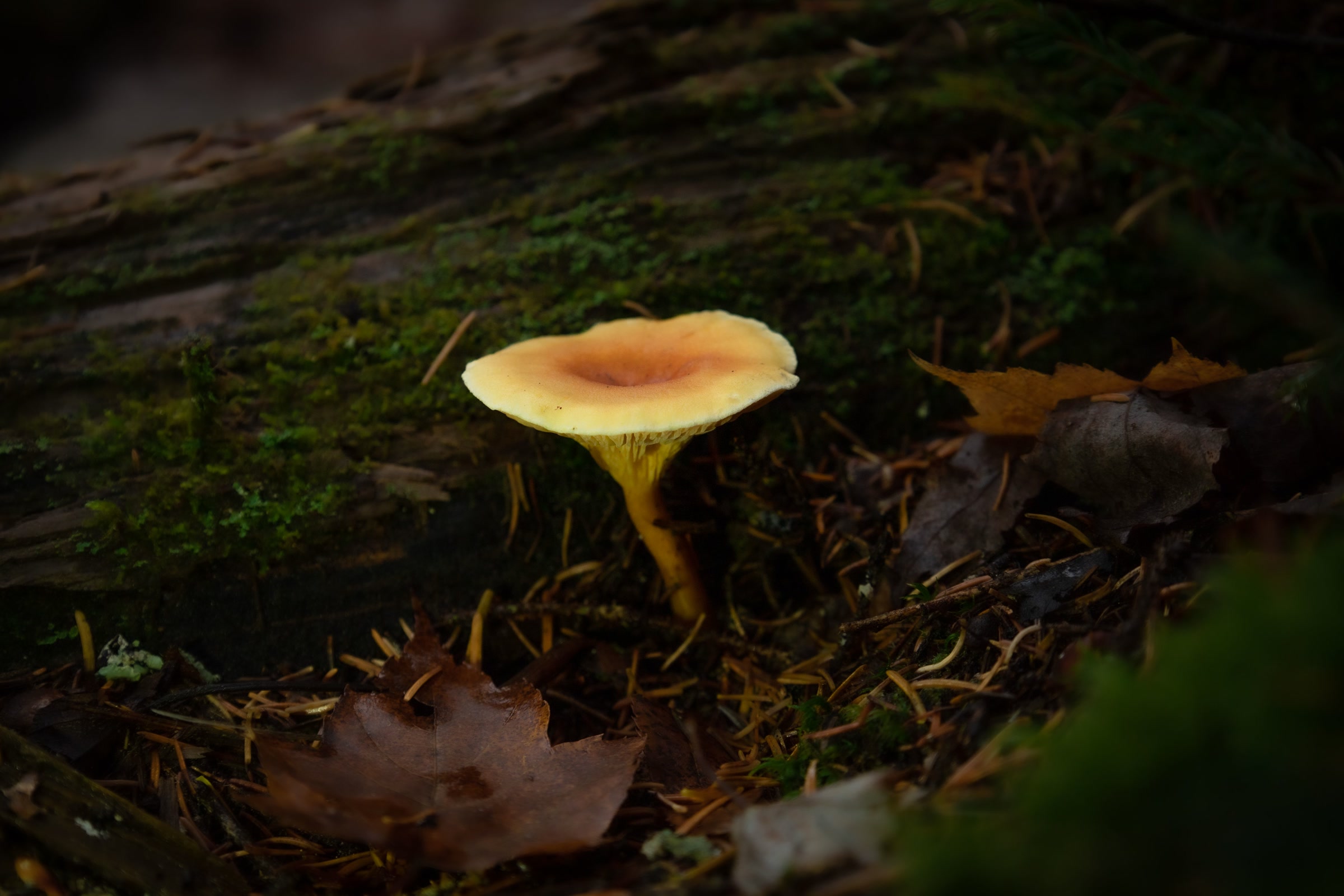
Can you pick mushrooms in Olympic National Park?
Only in a narrow way. Collecting natural materials in the park is generally prohibited, but the Olympic National Park Superintendent’s Compendium (updated January 2026) makes an exception for edible fruits, berries, nuts and the fruiting bodies of mushrooms.
- Gather by hand, and for your own eating only. Any other use is prohibited.
- The limit is 1 quart per person per day, for fruits, berries, nuts and mushrooms combined.
- No gathering within 200 feet of nature trails, special trails or natural study areas.
Rules change at the park boundary. Olympic National Forest, Washington State Parks and lands managed by the state Department of Natural Resources each set their own, so check with the land manager wherever you are. Inside the park, the park itself suggests that simply enjoying mushrooms is the safer choice.
How to enjoy fungi without picking them
Looking is half the fun, and it leaves the mushroom to spread its spores. A few habits make a fall walk better for you and for the forest.
- Get low and photograph from the side to show the gills or pores.
- Stay on the trail, and keep off fragile moss and nurse logs.
- Carry a hand lens and a small notebook to record colour, smell and what the mushroom grows on.
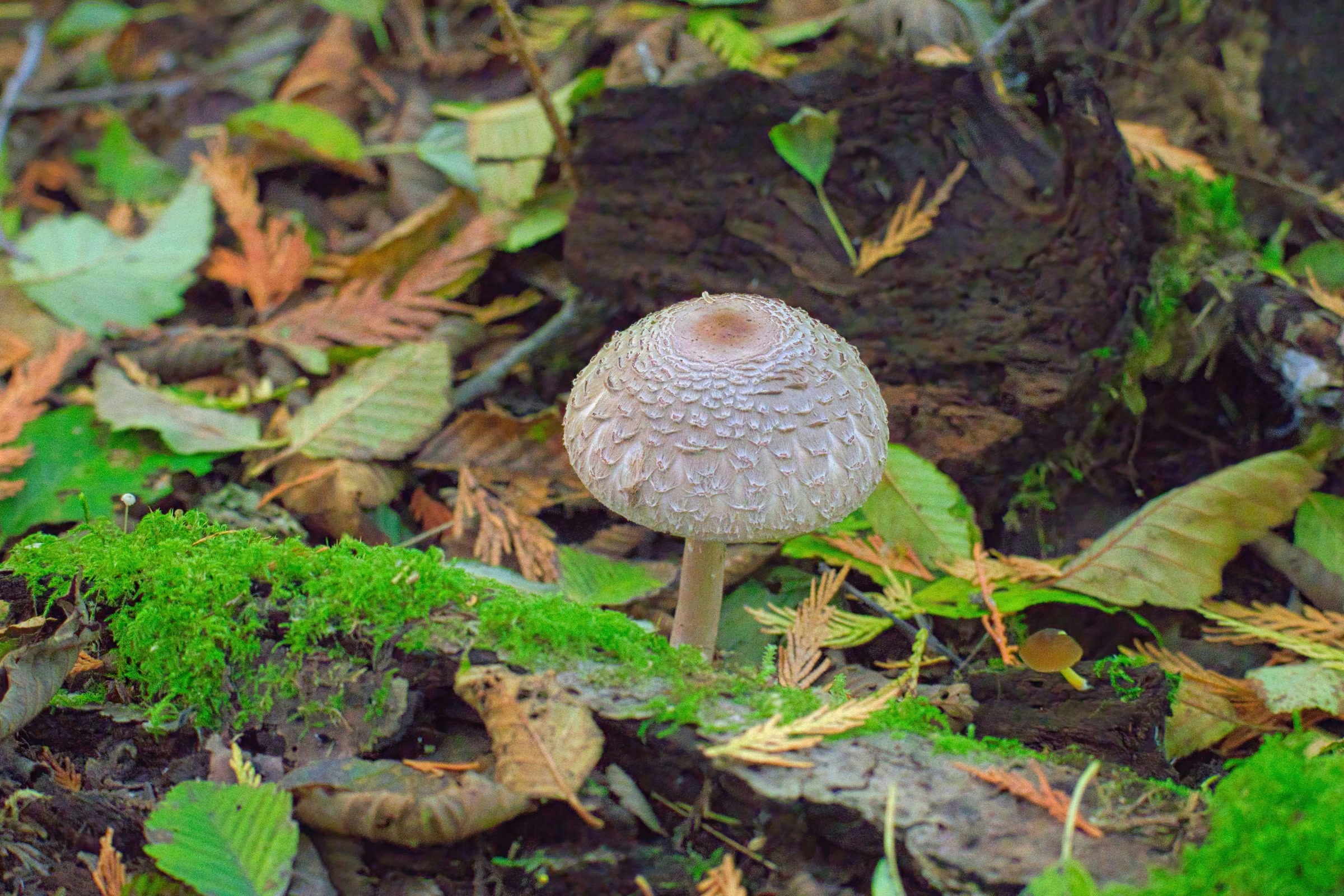
Take a fungi walk on the Olympic Peninsula with us
The easiest way to learn is beside someone who knows the forest. Our guided mushroom walks in Olympic National Park are slow, small and focused on looking, not picking. We share walk dates on our upcoming events calendar once the rains make the season clear.
Members hear about walks first, so become a member of Friends of Olympic National Park to get the invitation. And when spring comes round, our guide to when to see Hurricane Ridge wildflowers picks up where the mushrooms leave off.
Frequently asked questions
When is mushroom season on the Olympic Peninsula?
Mushrooms appear almost year-round, but the peak runs from the start of the fall rains until the first major frosts. Local foragers usually start looking around Labor Day.
Can you pick mushrooms in Olympic National Park?
Only edible mushrooms, by hand, for your own eating. The limit is 1 quart per person per day, combined with fruits, berries and nuts, and nothing within 200 feet of nature trails, special trails or natural study areas.
Are there poisonous mushrooms in Olympic National Park?
Yes. The park warns that many fatally poisonous mushrooms grow there, including the funeral bell. Never eat a wild mushroom unless a qualified expert has identified it.
What should I do if someone eats a wild mushroom and feels sick?
Call the Washington Poison Center at 1-800-222-1222. Call 911 if the person has trouble breathing, swelling of the face or mouth, or loses consciousness.
Are there guided mushroom walks in Olympic National Park?
Friends of Olympic National Park runs guided mushroom walks as one of its projects. Dates are posted on our events page, and members hear about them first.
Leave a Reply