
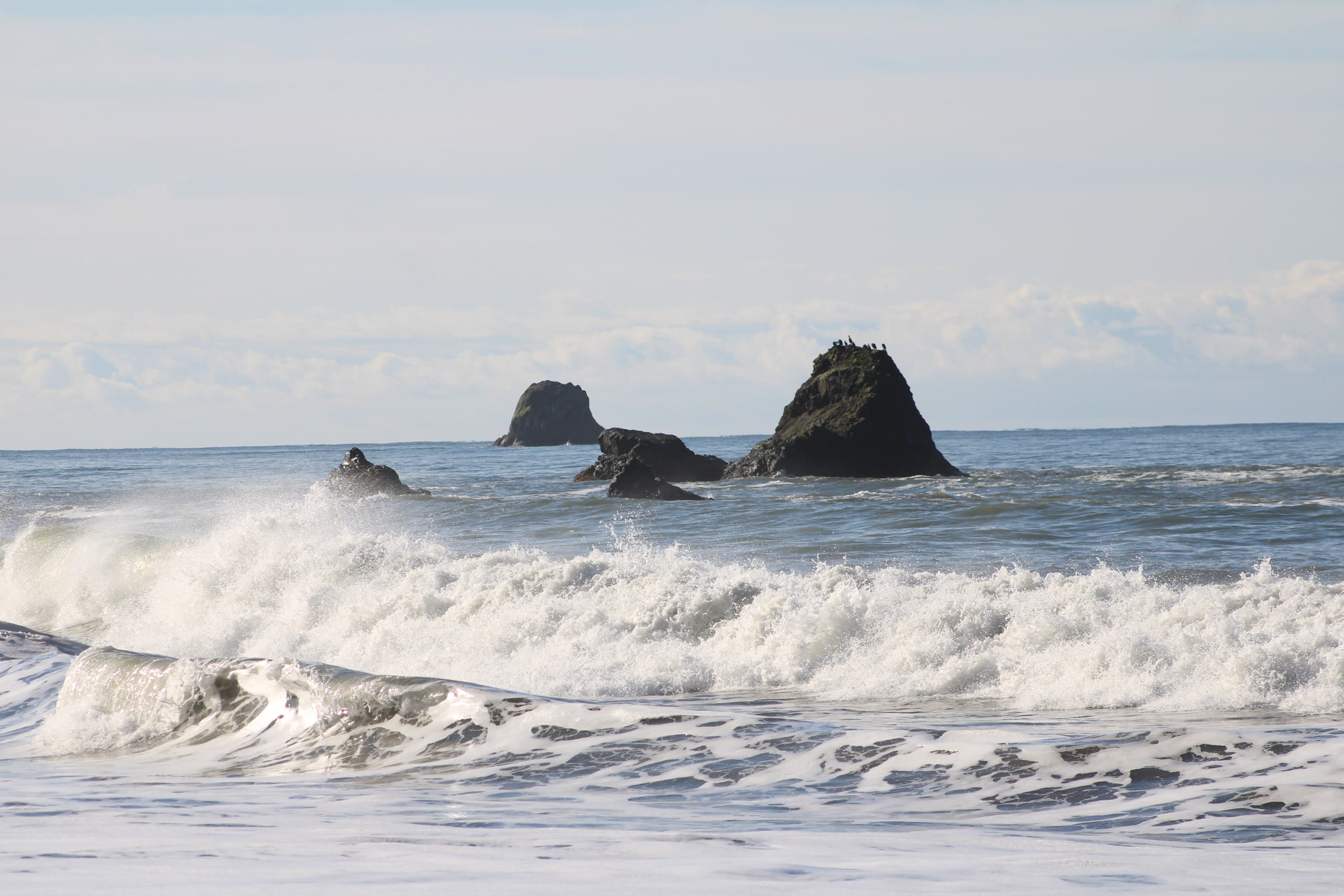
Storm watching on the Olympic Coast is one of the great winter shows in Washington: grey swells stacking up beyond the sea stacks, spray bursting over the rocks, rain sweeping in off the Pacific. It is also the time of year when the beach is most dangerous. Here is when to go, where to watch from, and how to come home safe.
Quick answer
Where can you watch storms safely on the Olympic Coast?
Watch winter storms on the Olympic Coast from high ground, such as the overlook at the Ruby Beach parking area, not from the sand. Storms push water above the predicted tide, waves roll heavy drift logs, and sneaker waves can surge at least 150 feet up the beach. Check the forecast, tides and park conditions first.
- The park calls winter the perfect time for storm watching
- Coastal hazards peak in fall, winter and spring
- Never climb or sit on beach logs near the surf
- Road and Weather line: 360-565-3131
When to go storm watching on the Olympic Coast
The park’s visiting in winter page calls winter the perfect time for storm watching along the Pacific coast, when rain, wind and tides combine to build massive swells. It also warns that a sunny day can end in hurricane force winds.
Storm season on the Washington coast has no fixed dates. The park says hazardous conditions are most likely in the fall, winter and spring, and that strong winds or storms can raise the water well above the height in the tide table.

Watch from the bluffs, not the beach
The safest seat for a storm is above it. When a big storm was forecast in November 2015, the park closed several areas and asked visitors near Kalaloch to avoid trails and beach areas, warning that high winds can topple trees. Pick solid ground well above the water, close to your car.
Where to watch winter storms on the park’s coast
| Place | Watch from | Know before you go |
|---|---|---|
| Ruby Beach | The accessible viewing area at the north end of the parking lot | The 735 foot trail to the sand is steep; winter swells rearrange the logs where it meets the beach |
| Kalaloch | Well back from the bluff edge near the lodge and campground | The bluff is loose sand, gravel and stone, and parts have slid away in winter storms |
| Rialto Beach | The short path from the picnic area to an ocean view | Huge drift logs line the top of the beach; check that Mora Road is open |
Ruby Beach has the easiest high viewpoint. The park describes an accessible viewing area overlooking the ocean at the north end of the parking area, a few steps from your car. Our Ruby Beach guide covers calmer days.
Winter storms at Kalaloch are dramatic, but the bluff itself is part of the risk. The park removed ten Kalaloch cabins in 2024 after more than four meters of bluff slid away in some areas that winter, driven by king tides, strong storms and freeze and thaw cycles. Stay back from the edge, and see the Kalaloch Tree of Life for how fast that bank is changing.
Sneaker waves and rolling drift logs
The National Weather Service describes sneaker waves as waves that surge much farther up the beach than expected, at least 150 feet into dry sand. Its sneaker wave safety page notes there can be 10 to 20 minutes of small waves right before one strikes, so a calm spell proves nothing.


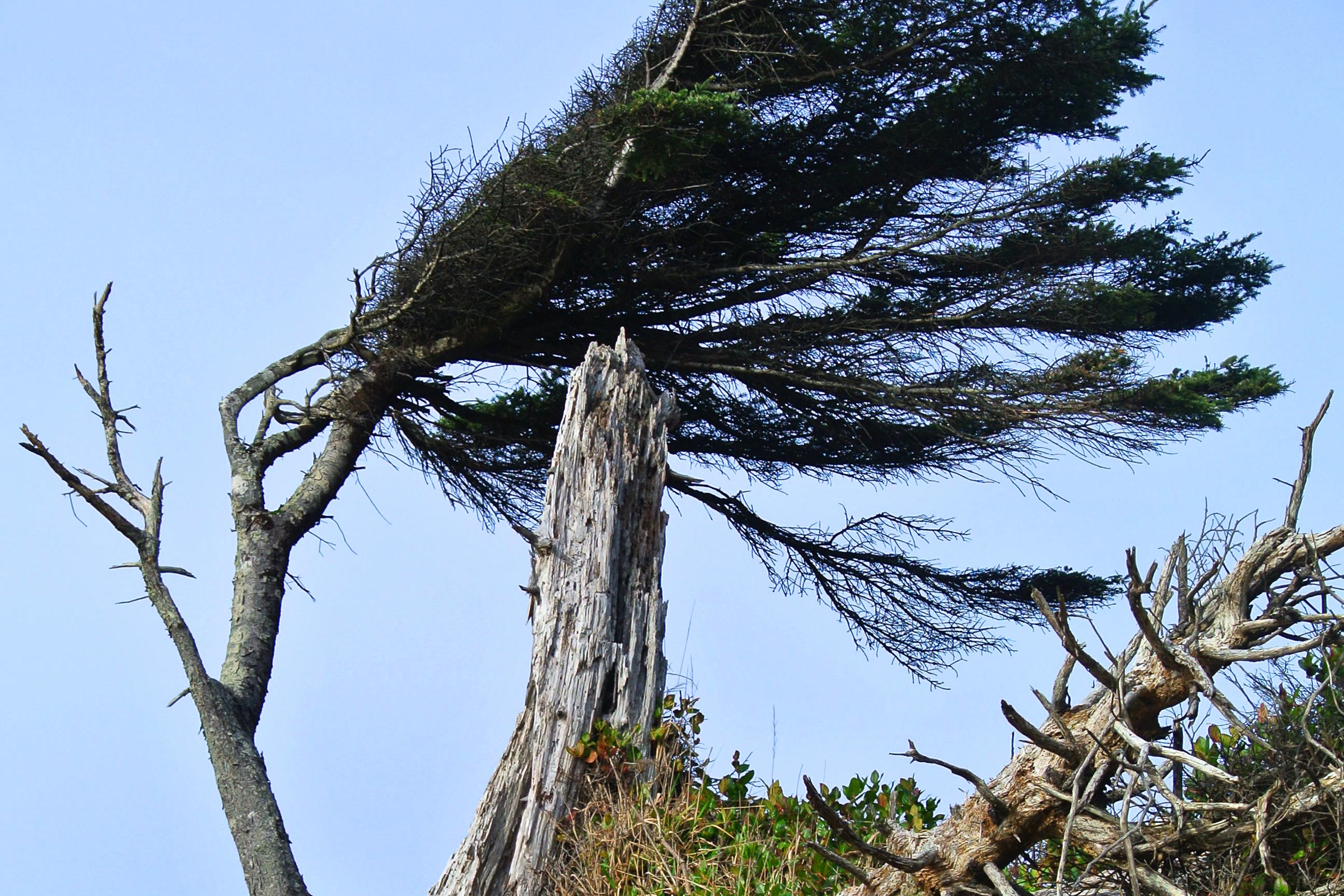
The logs are the other danger. The park warns that powerful waves can roll and tumble driftwood logs, and asks visitors not to play on beach logs, especially at high tide. The NWS adds that wet logs can weigh hundreds of pounds, and one wave can lift a log, roll it and pin a person.
- Watch the ocean for at least 20 minutes before you choose a spot.
- Stay farther back than seems necessary, and never turn your back on the waves.
- Keep off logs and debris piles near the surf or below the high water line.
- Know your escape route, especially on steep, narrow beaches.
The NWS adds that cold water can paralyse your limbs within minutes.
Check the forecast, tides and alerts
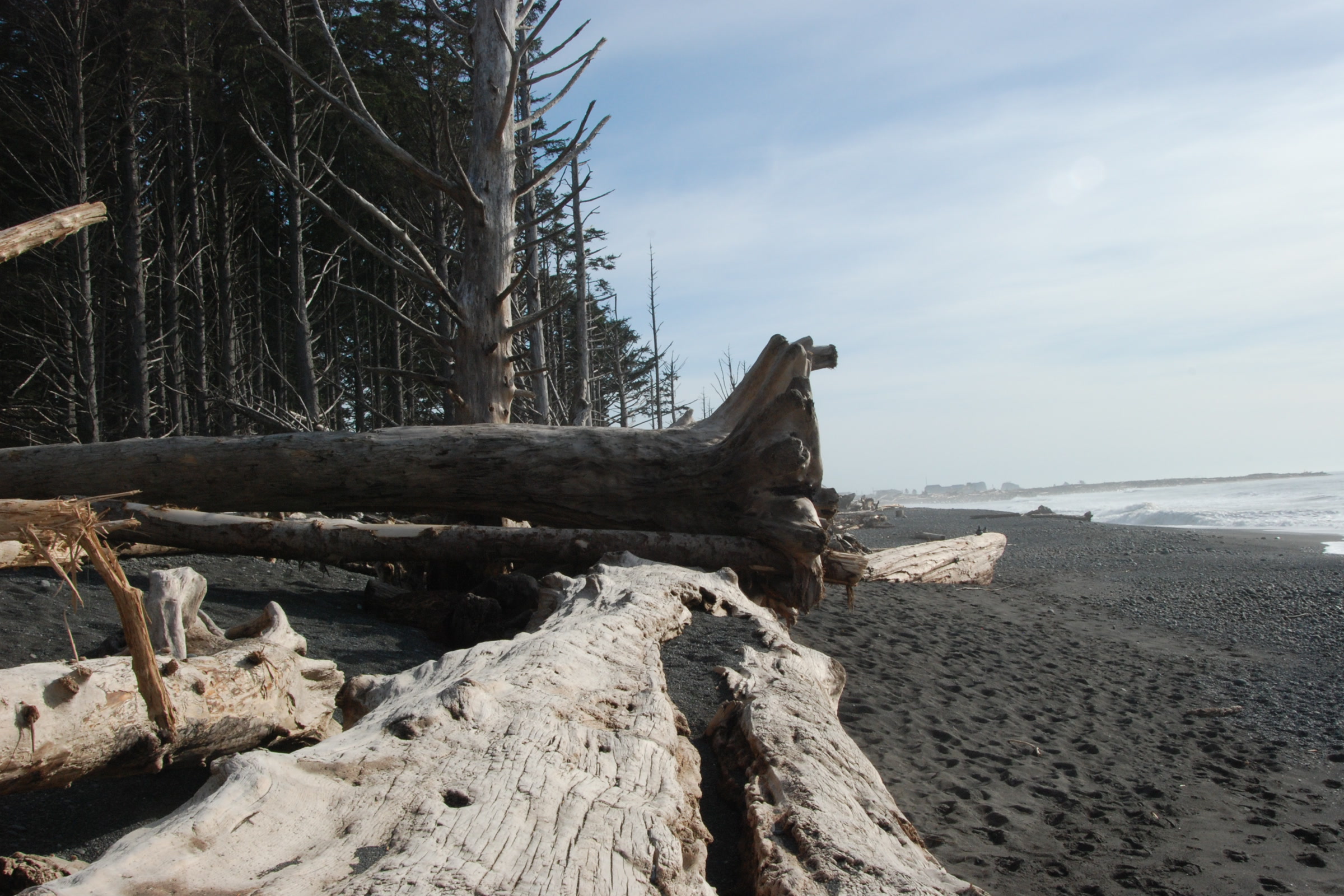
A good storm trip starts at home. The NWS suggests checking the local weather, surf and tide forecasts, and looking for sneaker wave or beach hazard statements.
- High Surf Advisory: the NWS issues it when breaking waves threaten life and property in the surf zone.
- High Surf Warning: the threat to life and property in the surf zone is especially high. Stay well off the beach.
- Tides: the park says logs are most dangerous at high tide, and storms push the water above the predicted height. Our guide to Olympic Coast tides and hiking safety explains how to read a tide table.
If you feel strong or long shaking near the shore, it may be a tsunami warning in itself, so walk to high ground straight away. Our page on tsunami safety on the Olympic Coast explains why.
Roads, power and where to stay
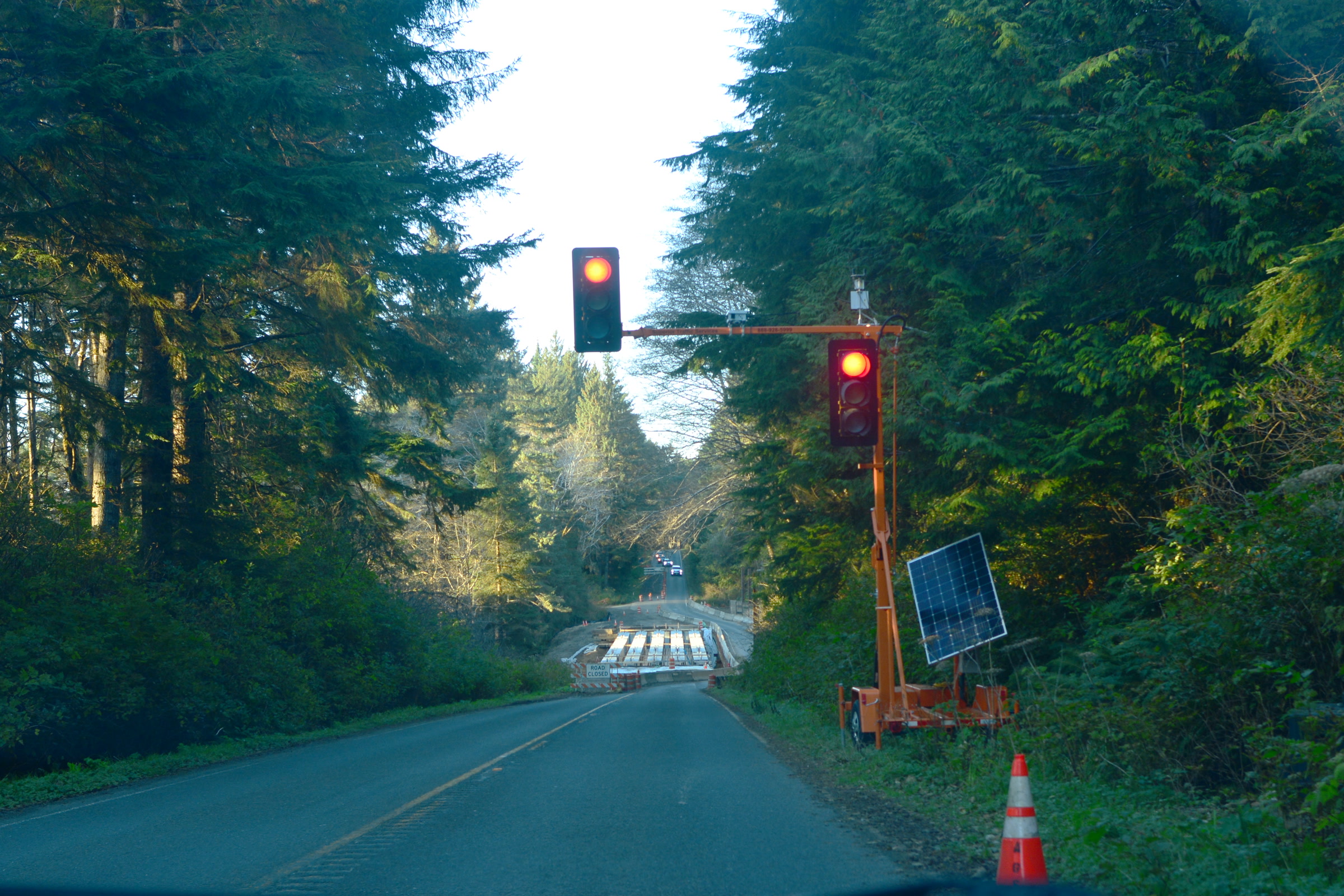
As of October 2026, the park’s conditions page says the Queets roads and campground may close at short notice in hazardous weather, and that SR 112 toward Ozette has often closed or detoured for flooding and landslides. Call the Road and Weather line at 360-565-3131 or check the NPS conditions page before you go.
Wind brings trees and power lines down. The NWS says to stay away from trees and power lines in high wind and to treat any downed line as live. Charge your phone before you set out. The park says the beaches have little to no phone reception, so read our note on cell service in Olympic National Park.
For a warm base, Kalaloch Lodge is the only lodge in the park that stays open all year, sitting on the bluff above the beach. Compare it with the seasonal options in our guide to lodges in Olympic National Park.
How Friends of Olympic National Park helps
We are Friends of Olympic National Park (FONP), a volunteer led friends group based in Port Angeles. Our volunteers help with beach cleanups in Olympic National Park, and our projects include the Winter Perspectives lecture series. If the winter coast moves you, please become a member and help us care for it.
Frequently asked questions
When is storm season on the Olympic Coast?
Winter is the main storm watching season, and the park says coastal hazards are greatest in the fall, winter and spring. Storms and strong winds can push the water well above the predicted tide.
Where is the best place to watch storms in Olympic National Park?
Watch from high, solid ground rather than the beach. Ruby Beach has an accessible viewing area at the north end of its parking lot. At Kalaloch, stay well back from the eroding bluff edge.
Is it safe to walk on the beach during a storm?
It is risky. During a 2015 storm the park asked visitors near Kalaloch to avoid trails and beaches. Sneaker waves can surge at least 150 feet up the sand, and waves can roll heavy drift logs.
What is a sneaker wave?
A sneaker wave is a wave that runs much farther up the beach than expected, at least 150 feet into dry sand, the National Weather Service says. It can follow 10 to 20 minutes of small waves.
How do I check if coastal roads are open?
Call the park Road and Weather line at 360-565-3131 or check the NPS alerts and conditions page before you go. Storms can close park roads and campgrounds at short notice.
Leave a Reply