
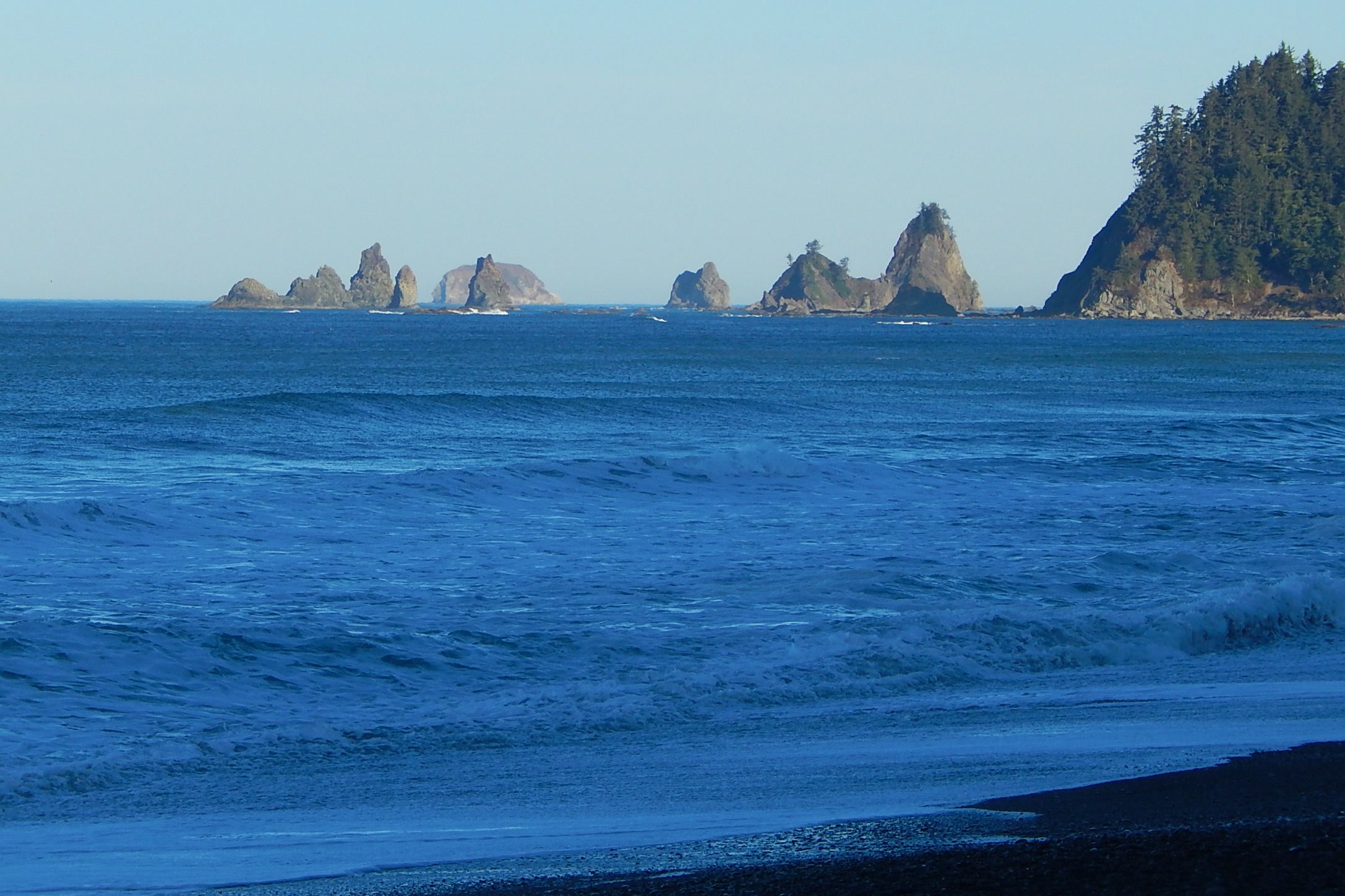
If the ground shakes hard while you are on the beach, walk to high ground right away and don’t wait for a siren. That one habit is the heart of tsunami safety on the Olympic Coast, where beaches sit close to the Cascadia Subduction Zone and a wave could arrive within minutes. Here is what the warnings look like, what to do on a beach or trail, and how to plan a coastal camping trip.
Quick answer
What should you do if a tsunami threatens the Olympic Coast?
On the Olympic Coast, strong or long shaking is your warning. Drop, cover and hold on until it stops, then go on foot to high ground or inland at once. Don’t wait for an official alert, because a tsunami from a Cascadia earthquake could arrive in minutes. Stay on high ground for hours, until officials say it is safe.
- Natural warnings: strong shaking, the sea roaring, rising or falling
- Waves could reach Kalaloch in as little as 15 minutes
- The first wave may not be the largest
- Evacuate on foot; roads may be damaged
Why the Olympic Coast faces a tsunami risk
Off the Washington coast, one tectonic plate slides beneath another along the Cascadia Subduction Zone. The Washington Department of Natural Resources calls it the most significant source of tsunami hazard for the state. A magnitude 8 to 9 earthquake there could send a tsunami onto the coast.
It has happened before. DNR says tree rings in drowned “ghost forests” date the last great Cascadia earthquake to the winter of 1699 to 1700. Nobody can say when the next one will come, which is why the plan matters more than the odds.
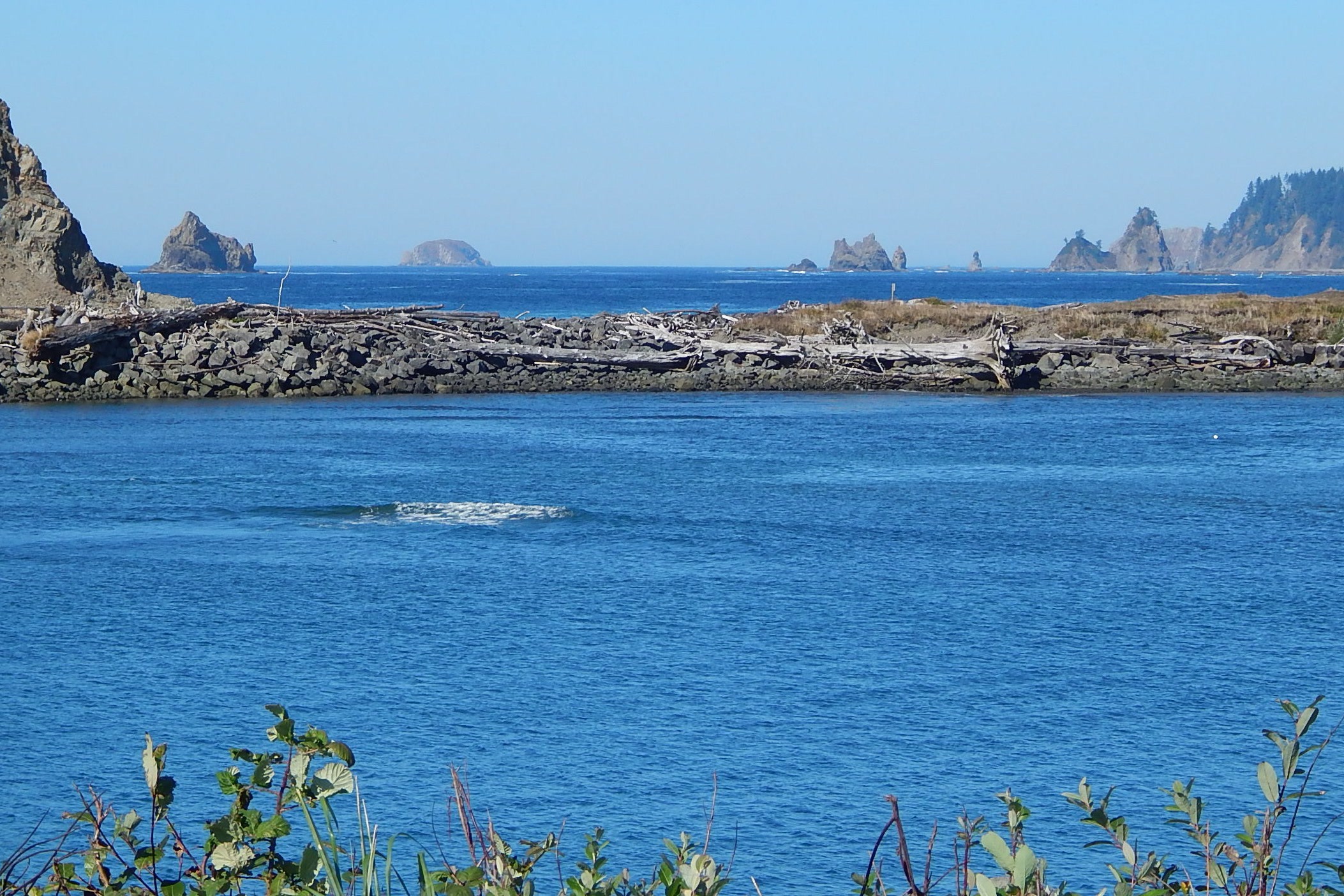
Local and distant tsunamis
DNR separates two kinds. A local tsunami from a Cascadia earthquake may arrive in less than an hour, sometimes in just minutes. A distant tsunami from an earthquake across the Pacific usually gives at least three hours of warning.
For the park’s coast, the local kind is the one to plan for. In 2024 DNR said waves from a Cascadia tsunami could reach Kalaloch and Makah Bay as soon as 15 minutes after the earthquake starts. The park notes that tsunamis slow to 20 to 30 mph near shore, still faster than a person can run.
Natural warnings versus official warnings
The National Weather Service names three natural warnings: a strong or long earthquake, the ocean suddenly rising or falling, and a loud roar from the sea. DNR adds a very large wave approaching. If you notice any of them, a tsunami could arrive within minutes, so act without waiting for anyone to tell you.
Official alerts come from the NWS tsunami warning centers. The state’s emergency management division sends them out through 121 outdoor sirens along the coast, Wireless Emergency Alerts, NOAA Weather Radio and local media. On a remote wilderness beach you may hear none of these, so the shaking itself is your signal.
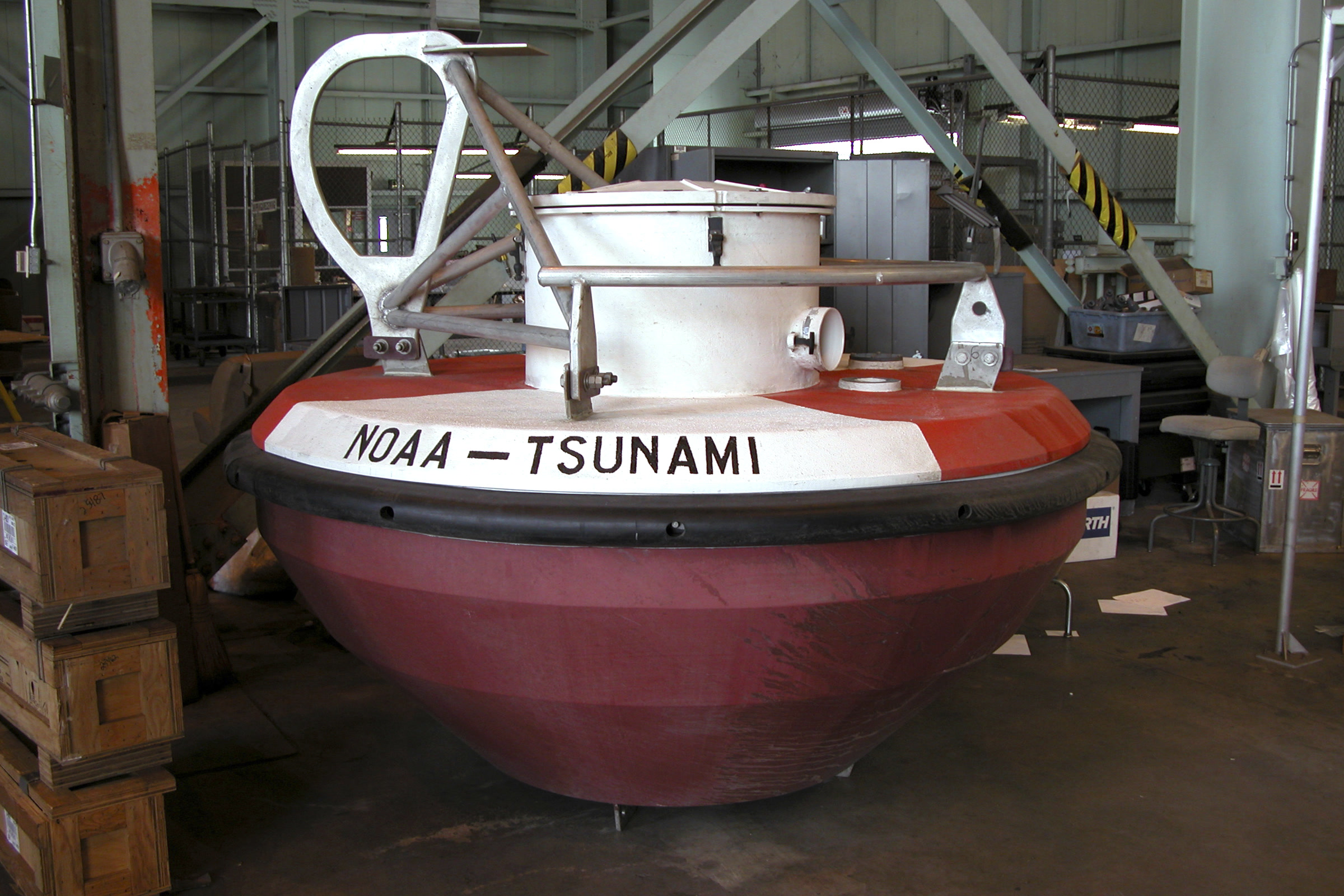
Tsunami warning signs and alert levels compared
| Signal | What it means | What to do |
|---|---|---|
| Strong or long shaking | Natural warning; a tsunami could arrive in minutes | Drop, cover, hold on, then walk to high ground |
| Sea roars, rises or drains away | Natural warning | Leave the beach for high ground now |
| Tsunami Warning | Widespread flooding expected or happening | Evacuate to high ground or inland |
| Tsunami Advisory | Strong currents or dangerous waves | Stay out of the water and off the beach |
| Tsunami Watch | Distant earthquake; a tsunami is possible | Stay tuned and be ready to move |
What to do on a beach or coastal trail
- Protect yourself during the shaking. The NWS says to drop, cover and hold on.
- Move as soon as it stops. Walk or run to high ground or inland, away from the water.
- Go on foot. DNR says roads may be impassable after an earthquake.
- Don’t wait. No official alert is needed to leave after strong shaking.
- Stay up high. Waves can keep coming for many hours, sometimes days.
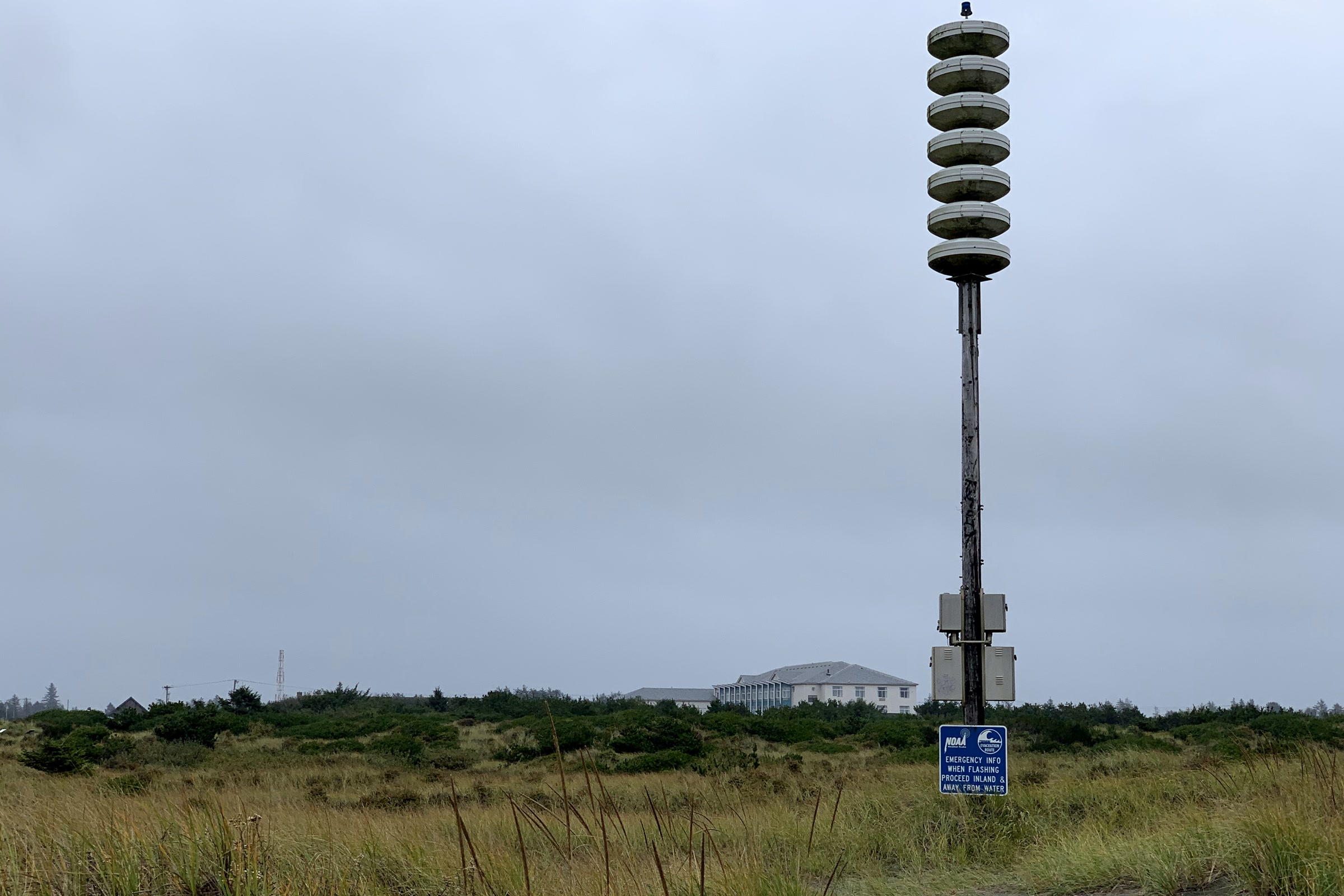
NWS advice on what to do during a tsunami is clear that the first wave may not be the last or the largest. DNR says the gap between waves can run from 5 minutes to 2 hours. Don’t go back to the beach to look, and don’t return until emergency managers say it is safe.

Evacuation signs and high ground
The park says you may see “Tsunami evacuation route” signs as you drive along the coast. Note where they point when you arrive, not after the shaking starts.
DNR and the state emergency management division publish walk time maps that show how long it takes to walk out of the hazard zone. Kalaloch has its own map. The maps assume a pace of about 2.5 mph and don’t allow for earthquake damage, so your real time may be longer.

Tsunami safety on the Olympic Coast when you camp
Coastal wilderness trips put you on low beaches, often far from a road and below steep headland trails. Before you pitch a tent, find the nearest path up the bluff and walk it once in daylight. Our guide to Olympic Coast tides and hiking safety explains the headland markers and tide tables you will use anyway.
- Rialto Beach: see our Rialto Beach and Hole-in-the-Wall guide for the route north and its camps.
- La Push beaches: our guide to Second Beach and Third Beach covers the forest trails down to the sand.
- Ozette: the Ozette Triangle and Cape Alava loop reaches the coast on boardwalks through the forest.
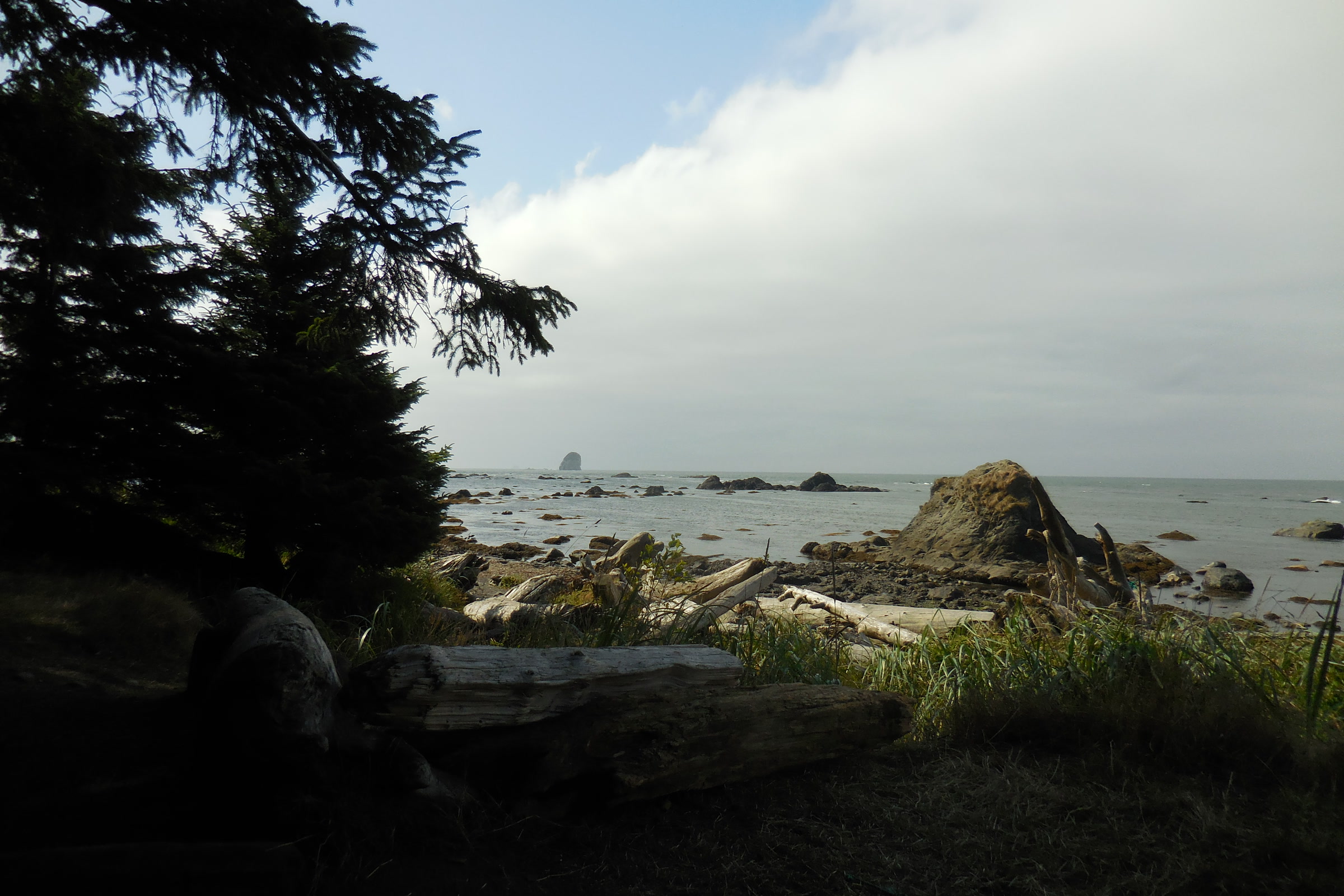
Tell someone your route and return date, and agree that everyone in your group heads uphill without waiting for each other after strong shaking. Don’t count on a phone or siren alert on remote beaches. Read our post on cell service in Olympic National Park before you go.
How Friends of Olympic National Park helps
We are Friends of Olympic National Park (FONP), a volunteer led friends group based in Port Angeles. Our volunteers spend time on these beaches through our beach cleanups in Olympic National Park, and we hope every visitor leaves knowing the way to high ground. If you love this coast, see our volunteer opportunities.
Frequently asked questions
How much warning would there be before a tsunami on the Washington coast?
For a local tsunami from a Cascadia earthquake, very little. DNR says waves could reach Kalaloch and Makah Bay as soon as 15 minutes after the earthquake starts. A distant tsunami usually gives at least three hours.
What are the natural warning signs of a tsunami?
A strong or long earthquake, the ocean suddenly rising or falling, or a loud roar from the sea. Any one of them means a tsunami could arrive within minutes.
Should I drive or walk to high ground after an earthquake?
Walk if you can. DNR advises planning to evacuate on foot because roads may be damaged or blocked.
How long should I stay on high ground?
Until officials say it is safe. Tsunami waves can keep arriving for many hours, the first wave may not be the largest, and waves can be 5 minutes to 2 hours apart.
What is the difference between a tsunami warning and a tsunami watch?
A warning means a tsunami that may cause widespread flooding is expected or happening, so evacuate. A watch means a distant earthquake has occurred and a tsunami is possible, so stay tuned and be ready.
Leave a Reply