
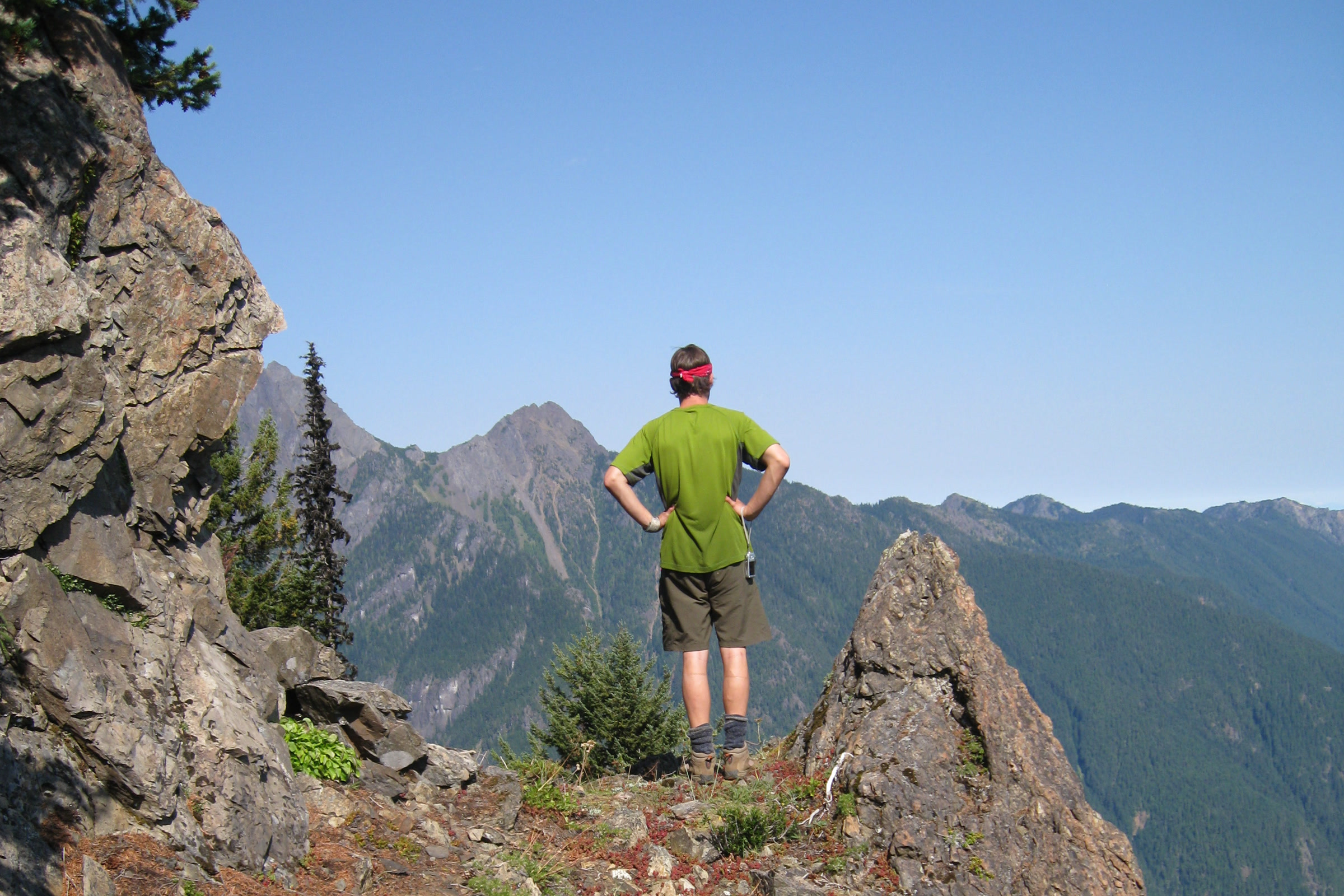
Olympic National Park cell service is patchy at best, and in much of the park there is none at all. The park says coverage is spotty, and that places such as the Hoh Rain Forest and the beaches have little to no reception. Plan your trip as if your phone will not connect, and treat any signal you do find as a bonus.
Quick answer
Is there cell service in Olympic National Park?
Only in patches. The National Park Service says cell coverage is very patchy throughout most of Olympic National Park, and the Hoh Rain Forest and the beaches have little to no reception. Don’t depend on a phone in an emergency: download offline maps, carry a paper map, and leave a trip plan with someone at home.
- Little to no reception at the Hoh and the beaches
- Climbing to a ridge top may reach a cell site
- Call 911 for serious emergencies, text if you can’t call
- The NPS App can save whole parks for offline use
What the park says about Olympic National Park cell service
The park’s wilderness safety page is blunt: do not depend on a cell phone to get help in an emergency. Coverage is very patchy throughout most of the park, so route finding and safety skills matter far more than bars on a screen.
Olympic is a big park of mountains, deep river valleys and wild coast, and the park asks visitors to plan for that. Assume your phone may drop out once you head up a valley road or onto a trail, and get ready before you leave town.

Where phone signal is limited
The park names two kinds of places in its visitor FAQ: the Hoh Rain Forest and the beaches, where there is little to no reception. Beyond that, expect the wilderness interior, the river valleys and most trails to be out of range. We don’t list carrier by carrier coverage, because the park doesn’t publish it and crowd reports go out of date fast.

Two practical warnings from the park. First, GPS units may not work in deep valleys or dense vegetation, so carry a detailed topographic map. Second, avoid rental cars that unlock with a cellular signal: if the phone can’t connect, you may not be able to unlock or start the car.

How to call 911 from the backcountry
From the backcountry, the park asks you to call 911 for serious emergencies only, such as an injury or an overdue hiker. If your phone shows no service, the park says climbing to a ridge top may get you through, and sometimes moving just a foot or two makes the difference.
- Say who you are and exactly where you are. The park says knowing your location is vital to any rescue. Mark it on your map.
- Describe the emergency. What happened and when, the injured person’s condition, how many people are with you and what gear you have.
- Give your phone number and stay put. Don’t move if they plan to call you back.
- Expect a distant tower. Your call may reach a cell site in Seattle, Portland or Canada, so be precise about the park and the trail.

Text 911 when you can’t talk
Text to 911 works across Washington. The state’s emergency management team, part of the Washington Military Department, puts the rule simply: call if you can, text if you can’t. Texts can be delayed, arrive out of order or not arrive at all.
- Type 911 in the “To” field and give your exact location first.
- Use plain, full words. Photos, video and emoji can’t be sent to 911.
- Your plan must include texting, and text to 911 doesn’t work while roaming.
Ways to call for help compared
| Method | When it can work | Limits |
|---|---|---|
| Call 911 | Any signal, even a distant tower | Patchy coverage; you may need to climb or move |
| Text 911 | A weak signal that drops calls | Can be delayed or lost; not while roaming |
| Personal locator beacon | Places with no cell coverage | A separate device you must learn to use |
| Trip plan at home | Always, even with no device | Help starts only once you are overdue |
Personal locator beacons and satellite messengers
The National Park Service’s Hike Smart advice says not to rely on your phone and to consider carrying a personal locator beacon in case you need to call for help. A satellite messenger, which sends messages by satellite rather than through cell towers, is another option many hikers carry.
Offline maps and the NPS App
Download everything before you leave town. The free NPS App, for iPhone and Android, lets you download content for entire parks for offline use, including Olympic. Save offline maps in your usual map app and screenshot trail directions, tide tables and your wilderness permit.
Keep a paper topographic map and compass as the backup that never runs flat. The park notes that magnetic declination here is about 15.5 degrees east. Our guide to what to pack for Olympic National Park covers the rest of the Ten Essentials, and the NPS Hike Smart advice suggests airplane mode to save battery.
Wi-Fi and getting information in the park
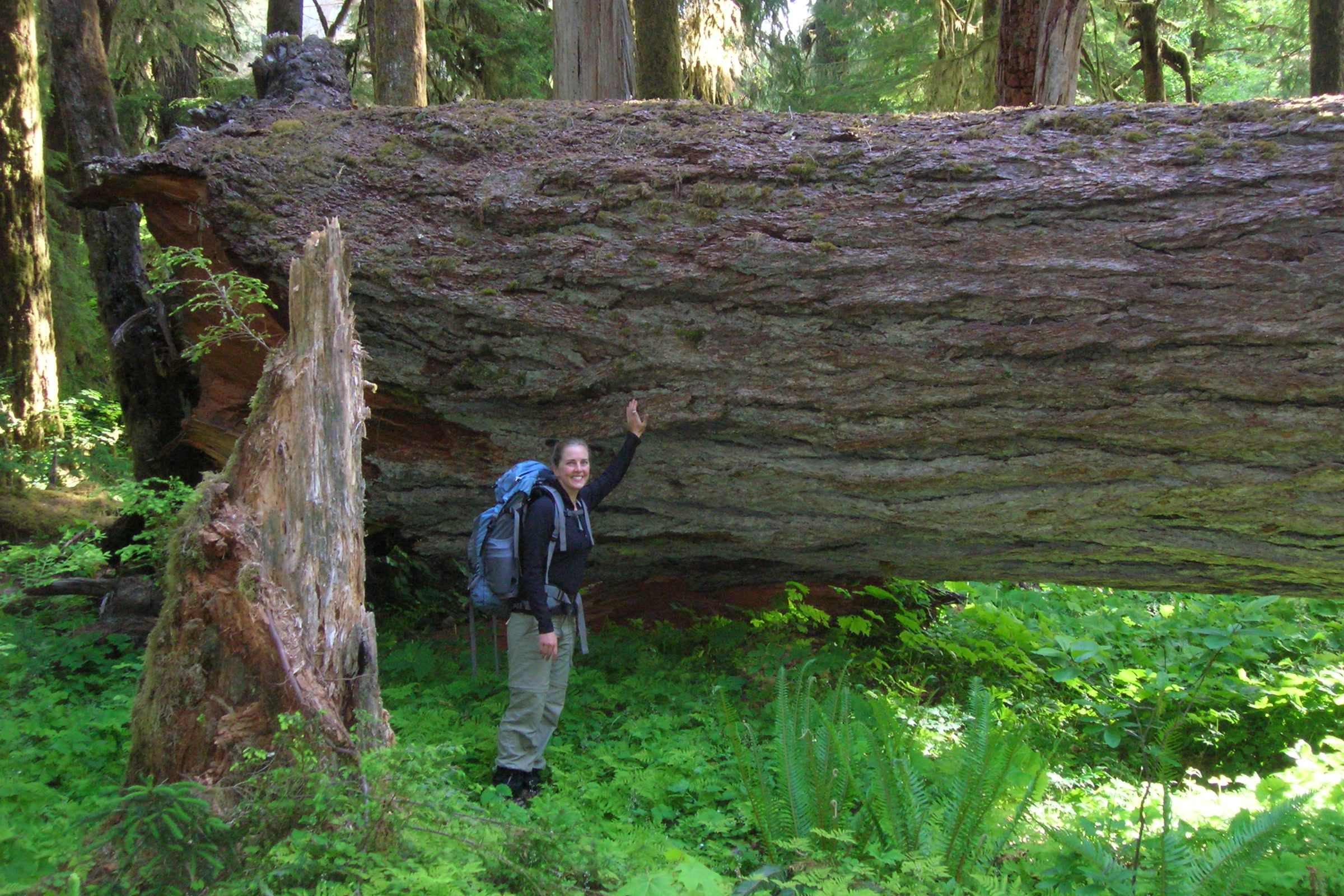
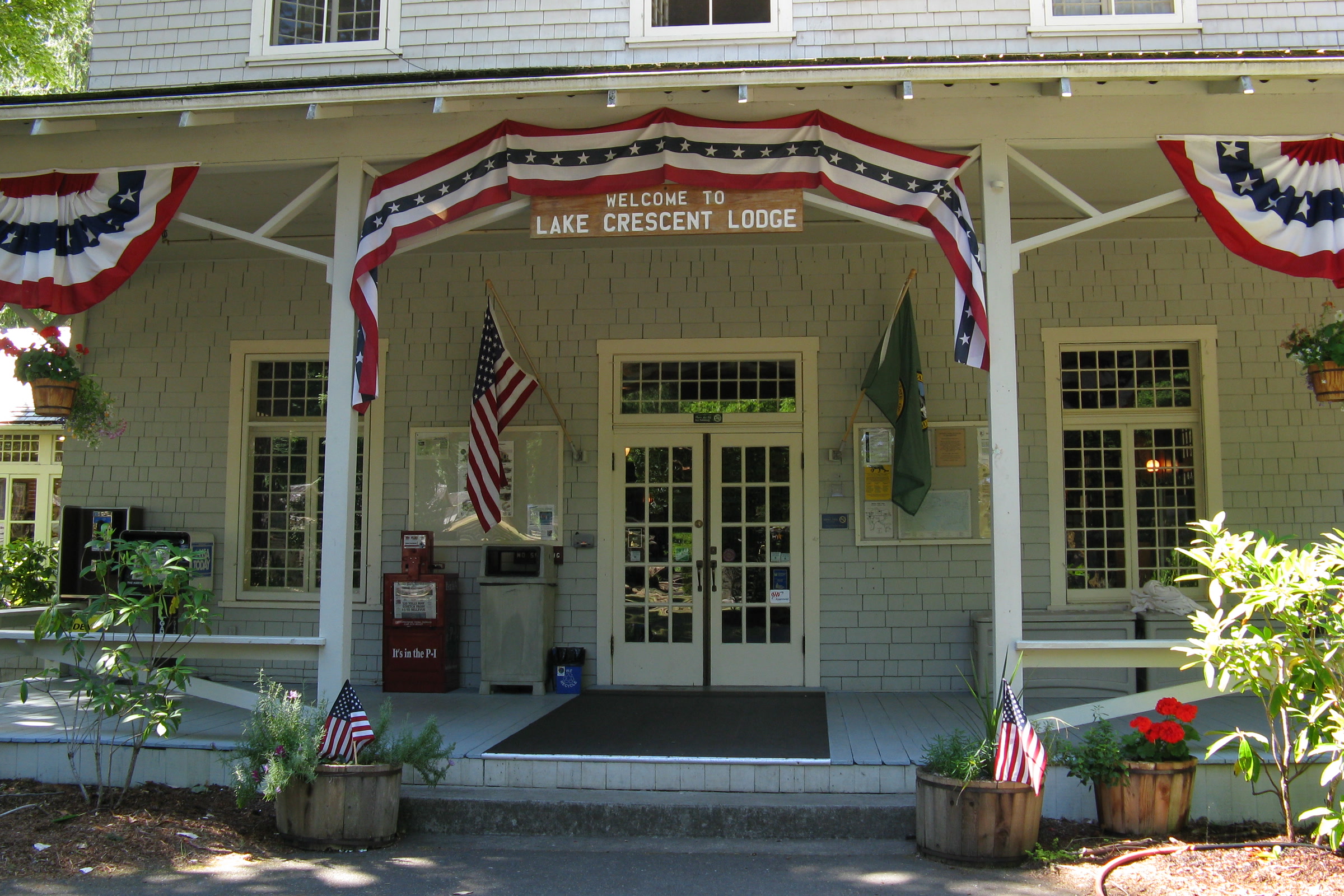
Don’t count on Wi-Fi either. The NPS list of park concessions with internet names Lake Crescent Lodge for Olympic, and notes that some lodges offer it only to overnight guests, so ask the lodge before you rely on it.
For road, trail and weather news, call before you lose signal: the park’s visitor information line is (360) 565-3130 and the road and weather hotline is (360) 565-3131. Our Olympic National Park visitor center guide lists where to ask a ranger in person.
Leave a trip plan
Because you may not be able to call, a trip plan is your most reliable safety tool. The park asks hikers to leave an itinerary with family or friends, stick to it, and tell them whom to contact if you are overdue. NPS advice adds that it should go to someone who is not on the trip.
- Where you are going, your route and your trailhead
- When you leave and when you expect to be back
- Who is with you and how to reach you
Overnight trips also need a permit; our guide to Olympic National Park wilderness permits explains how to book one. For river crossings, hypothermia and getting lost, read our hub on hiking safety in Olympic National Park.
How Friends of Olympic National Park helps
We are Friends of Olympic National Park (FONP), a volunteer led friends group in Port Angeles. Our members help care for this park through beach cleanups, trail work and education. If you value a park where you can truly disconnect, become a member.
Frequently asked questions
Is there cell service at the Hoh Rain Forest?
Very little. The park says the Hoh Rain Forest and the beaches have little to no reception, so download maps and directions before you drive in.
Can I call 911 with no service in Olympic National Park?
Try anyway. The park says climbing to a ridge top may reach a cell site, and a foot or two can matter. Give your location and number, then stay put for a callback.
Can I text 911 in Washington?
Yes. Text to 911 works statewide. Call if you can, text if you can’t. Give your exact location, use plain words, and know that texts can be delayed and don’t work while roaming.
Is there Wi-Fi in Olympic National Park?
Not much. The NPS list of concessions with internet names Lake Crescent Lodge, and some lodges offer it only to overnight guests, so check with the lodge first.
What should I download before visiting Olympic National Park?
The NPS App with Olympic saved for offline use, offline maps, trail directions, tide tables and your permit. Carry a paper topographic map and compass as a backup.
Leave a Reply