
CCC history in Olympic National Park is written in log shelters, campground kitchens, stone fireplaces and miles of road and trail. In the 1930s and early 1940s, young men of the Civilian Conservation Corps lived in camps around the Olympic Mountains and built much of what early visitors used. Here is what the park’s own historic resource study records, and what you can still see.
Quick answer
What did the CCC build in Olympic National Park?
From 1933 to 1942, Civilian Conservation Corps crews from camps at Elwha, Snider, Lake Cushman and Quinault built roads, trails, trail shelters, campgrounds and community kitchens in and around today’s Olympic National Park. They also helped build the park headquarters in Port Angeles. The Elwha and Altair kitchens and Canyon Creek Shelter are on the National Register.
- Seven peninsula camps were approved by May 24, 1933
- Camp Elwha passed to the park on December 1, 1938
- Elwha corpsmen worked on the 1939 to 1940 headquarters
- Congress abolished the CCC on July 2, 1942
How the Civilian Conservation Corps began
According to the National Archives, the program began as Emergency Conservation Work, set up by executive order on April 5, 1933, to relieve unemployment and restore natural resources. An act of June 28, 1937, renamed it the Civilian Conservation Corps. Congress abolished it on July 2, 1942.
Four federal departments shared the work: Labor chose the enrollees, the Army ran the camps, and Agriculture and Interior planned the projects. The study says more than three million men served nationwide before the program ended.
CCC camps around the Olympics
Our main source is the Olympic National Park Historic Resource Study, written by Gail Evans for the National Park Service in 1983. By May 24, 1933, it says, seven camps had been approved on the peninsula: Elwha, Quilcene, Lake Cushman, Humptulips, Snider, Slab Camp and Bogachiel-Hoh. The Forest Service directed most of the projects.

Mount Olympus National Monument, which became the national park in 1938, had no CCC camps of its own at first. Our Olympic National Park history timeline explains how the monument grew into the park.
The main camps compared
| Camp | Where | Work the study records |
|---|---|---|
| Elwha (1933) | Near today’s Elwha Ranger Station | Roads, campground kitchens, ranger station work, shelters |
| Snider (1933) | About ten miles west of Lake Crescent | Hoh River road, La Poel and Soleduck campgrounds |
| Lake Cushman (1933) | Lake Cushman, spike camp at Staircase | Trails, Flapjack Lakes and Nine Stream shelters |
| Quinault (1940) | Norwood Guard Station, Lake Quinault | Graves Creek campground, Bunch Creek Bridge |
Camp Elwha in the Elwha valley
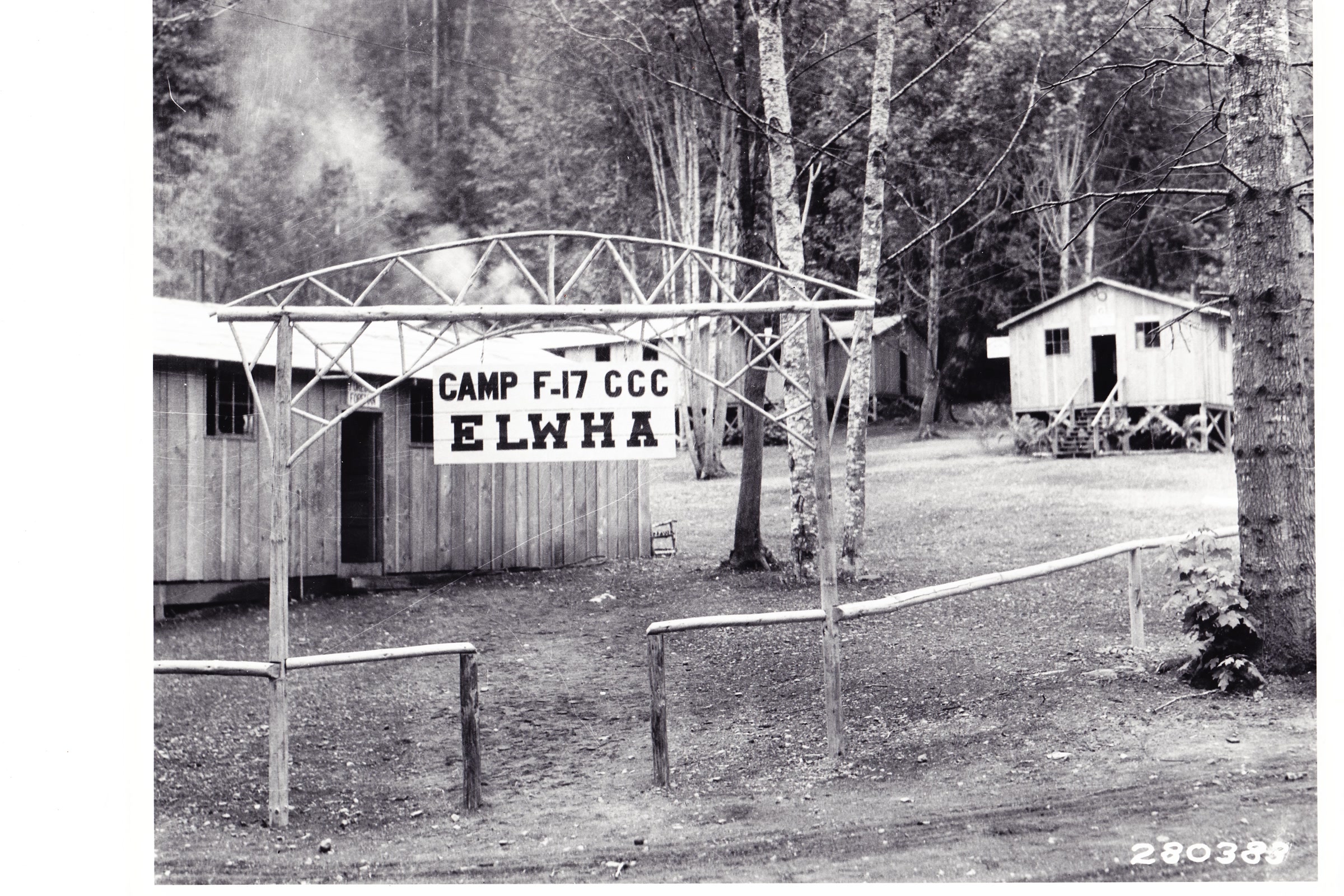
Camp Elwha opened in 1933 near the present Elwha Ranger Station. By mid July it had four barracks, a mess hall, an office, a bathhouse and workshops, and by early 1934 its crews had finished 22 miles of road. In September 1933, 91 percent of the men signed on for a second six month term.

In spring 1935 Elwha crews improved the Elwha and Altaire campgrounds and built a community kitchen at each. Camp Elwha was transferred to the National Park Service on December 1, 1938. From it, side camps went out to the Soleduck River in 1939 and to Deer Park and the Bogachiel River in 1940, building trailside shelters at Sol Duc Falls, Moose Lake and Hoh Lake.
Snider, Lake Crescent and the west side
Camp Snider stood on US Highway 101 about ten miles west of Lake Crescent, outside today’s park. Its crews built fifteen miles of road along the Hoh River and laid out Soleduck Campground with 22 sites. In summer 1933 they also helped plant 77,000 trout in high lakes, packing the fish in by horse.
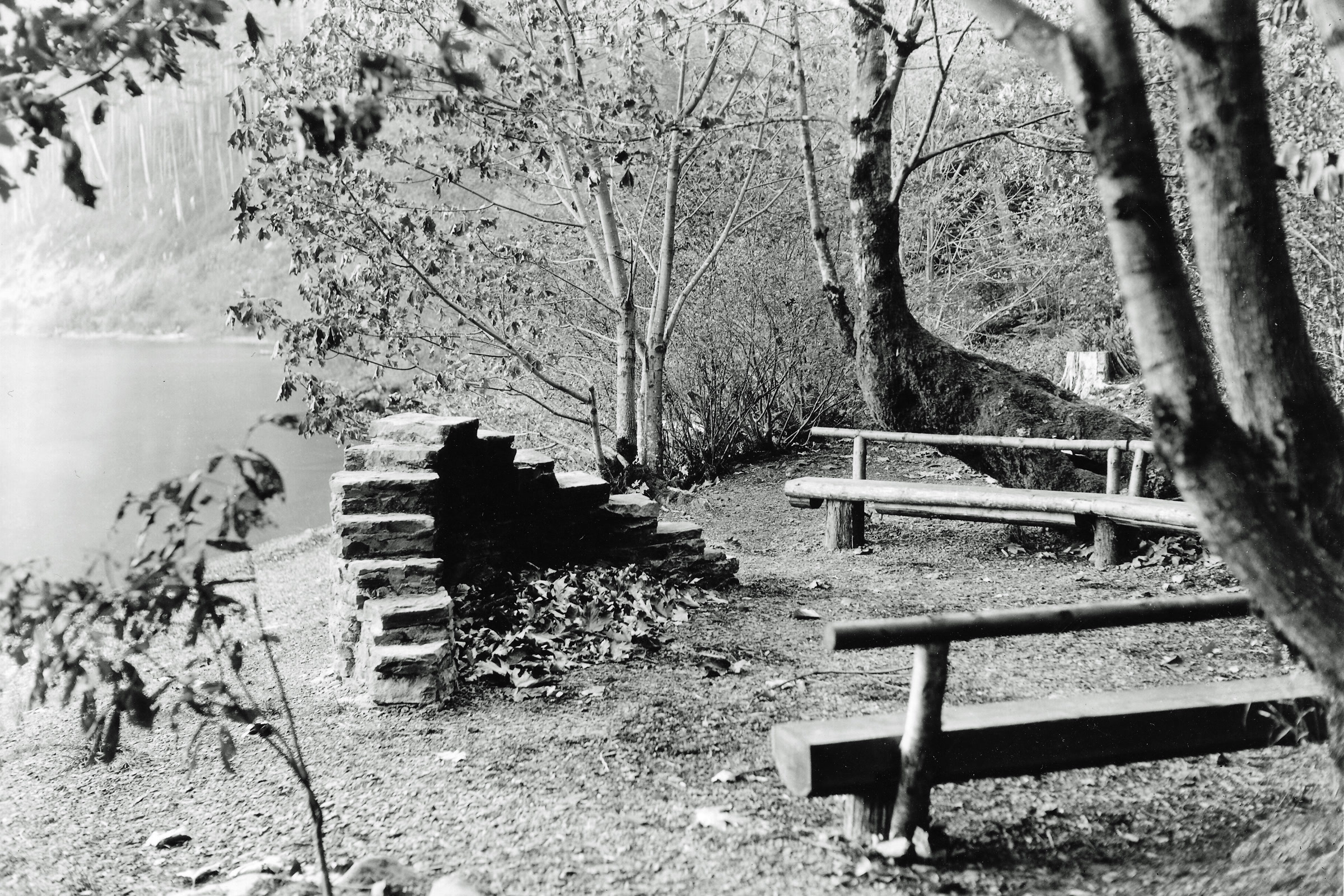
In the winter of 1934 to 1935, Snider men rebuilt La Poel Campground on Lake Crescent, adding an octagonal log community kitchen, eighteen stone fireplaces and restrooms. La Poel is a picnic area today, and by 1983 only the kitchen’s octagonal concrete slab remained.
Staircase, Quinault and the war years
On the southeast side, Camp Cushman set up a spike camp at Staircase by 1934. Its crews built trails to Flapjack Lakes, Black and White Lakes and Lake Sundown, plus the Flapjack Lakes and Nine Stream shelters. Snow collapsed the Staircase camp buildings in 1955, but the study found one small utility building near the ranger station still standing.
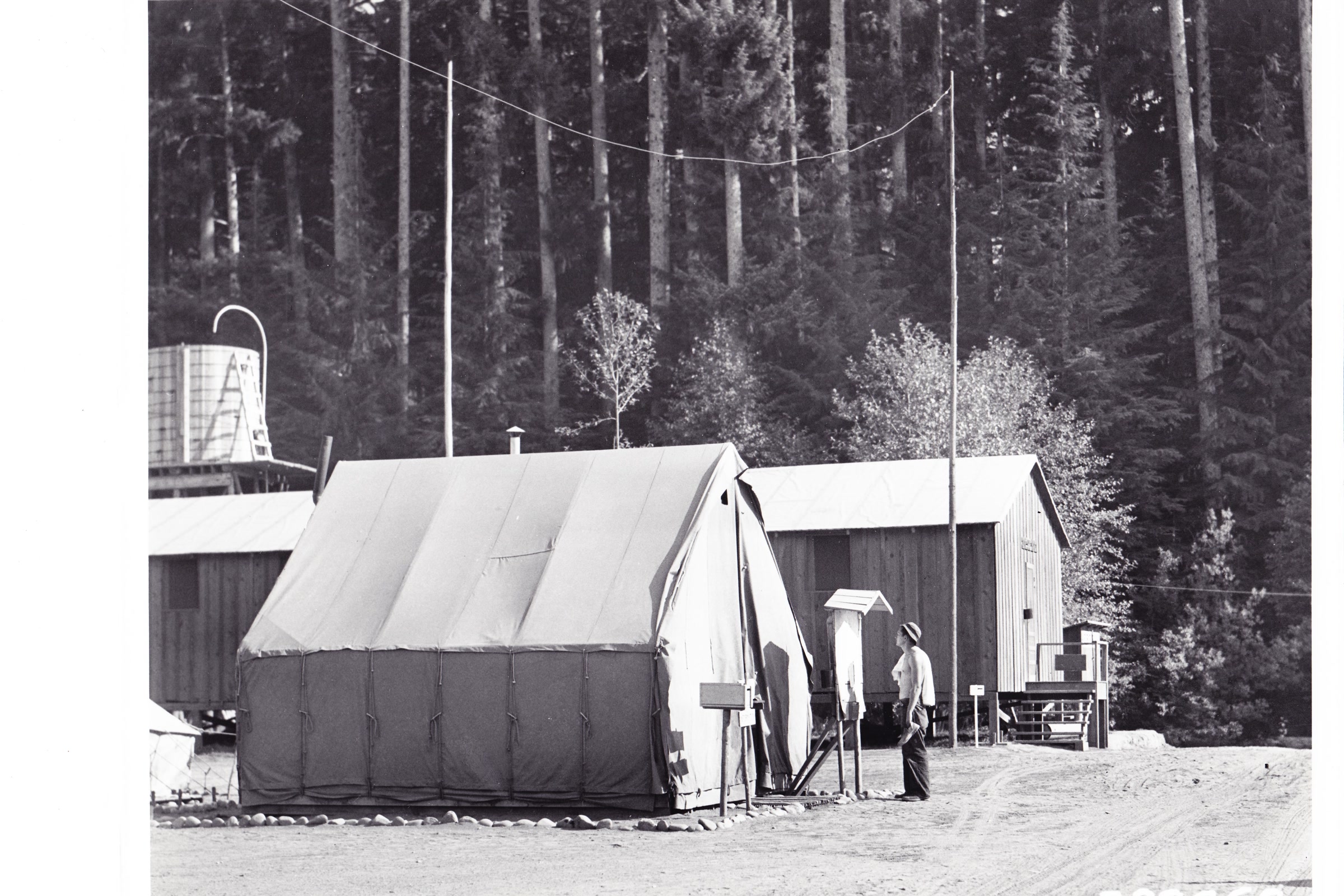
A new camp came late in the program. A full company moved into Camp Quinault, at Norwood Guard Station near Lake Quinault, on August 12, 1940. It built the Graves Creek campground and the Bunch Creek Bridge, and in January 1942 its enrollees helped volunteer aircraft warning observers at the Quinault Ranger Station.
Building the park headquarters
Construction of the park headquarters on Peabody Heights in Port Angeles began in October 1939. By April 1940 about 200 people worked on the site, including 75 corpsmen from Camp Elwha, and CCC crews quarried about 400 cubic yards of stone from the Tumwater quarry. The administration building and superintendent’s residence were ready by October 1940.
Seeing CCC history in Olympic National Park today
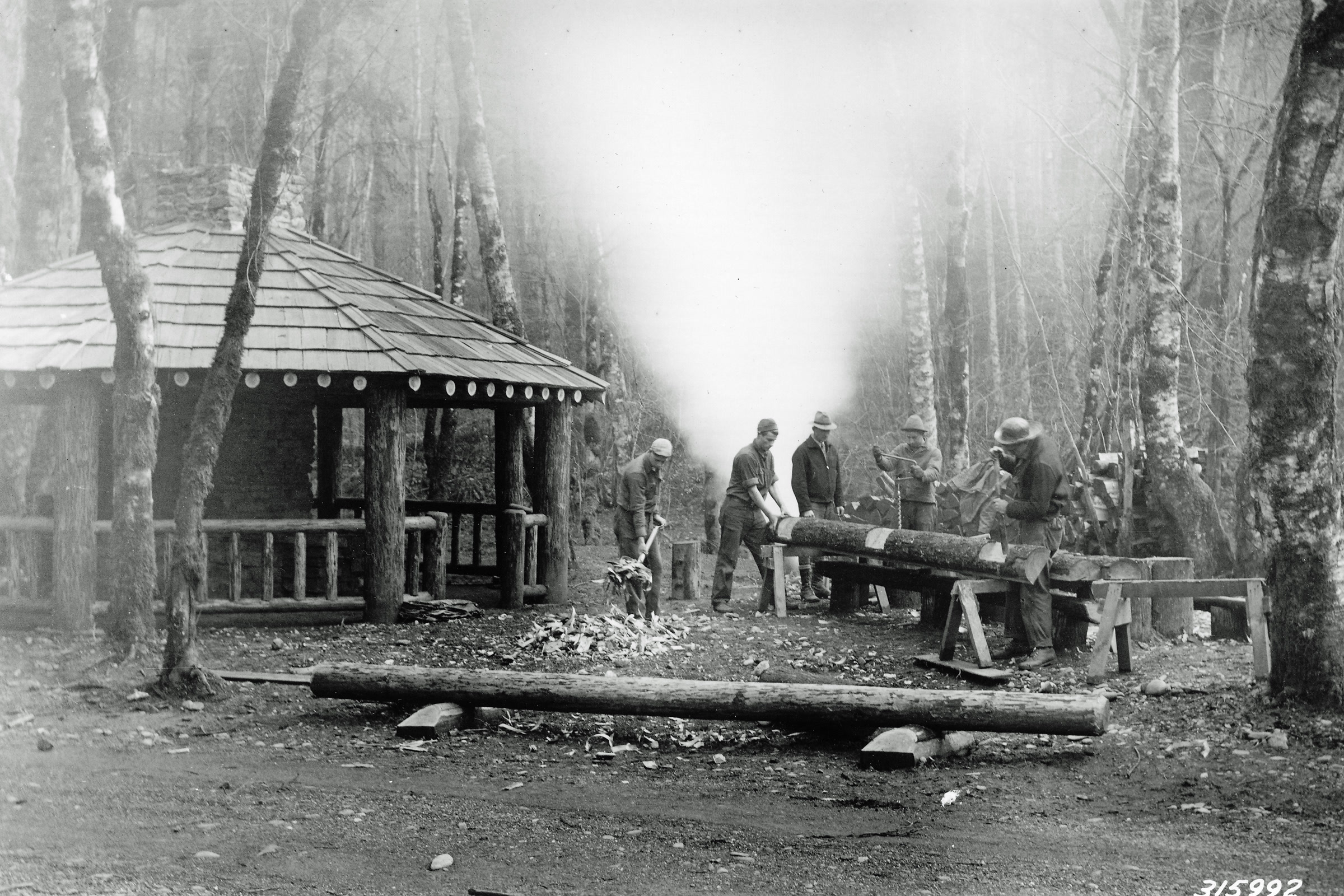
Much of the trail and telephone work has faded, but some buildings remain. The National Register of Historic Places names the CCC as builder of the Elwha and Altair campground community kitchens, the Canyon Creek Shelter and the Graves Creek Ranger Station. Our guide to historical structures in Olympic National Park covers the wider story.
Surviving CCC work and where to find it
| Structure | Built | Where |
|---|---|---|
| Elwha and Altair community kitchens | 1935 | Elwha valley campgrounds |
| Canyon Creek Shelter | CCC era, 1933 to 1942 | Near Sol Duc Falls |
| Gas, oil and grease rack building | CCC era, 1933 to 1942 | Elwha Ranger Station |
| Park headquarters buildings | 1939 to 1944 | Port Angeles |
| Kitchen slab | 1934 to 1935 | La Poel, Lake Crescent |
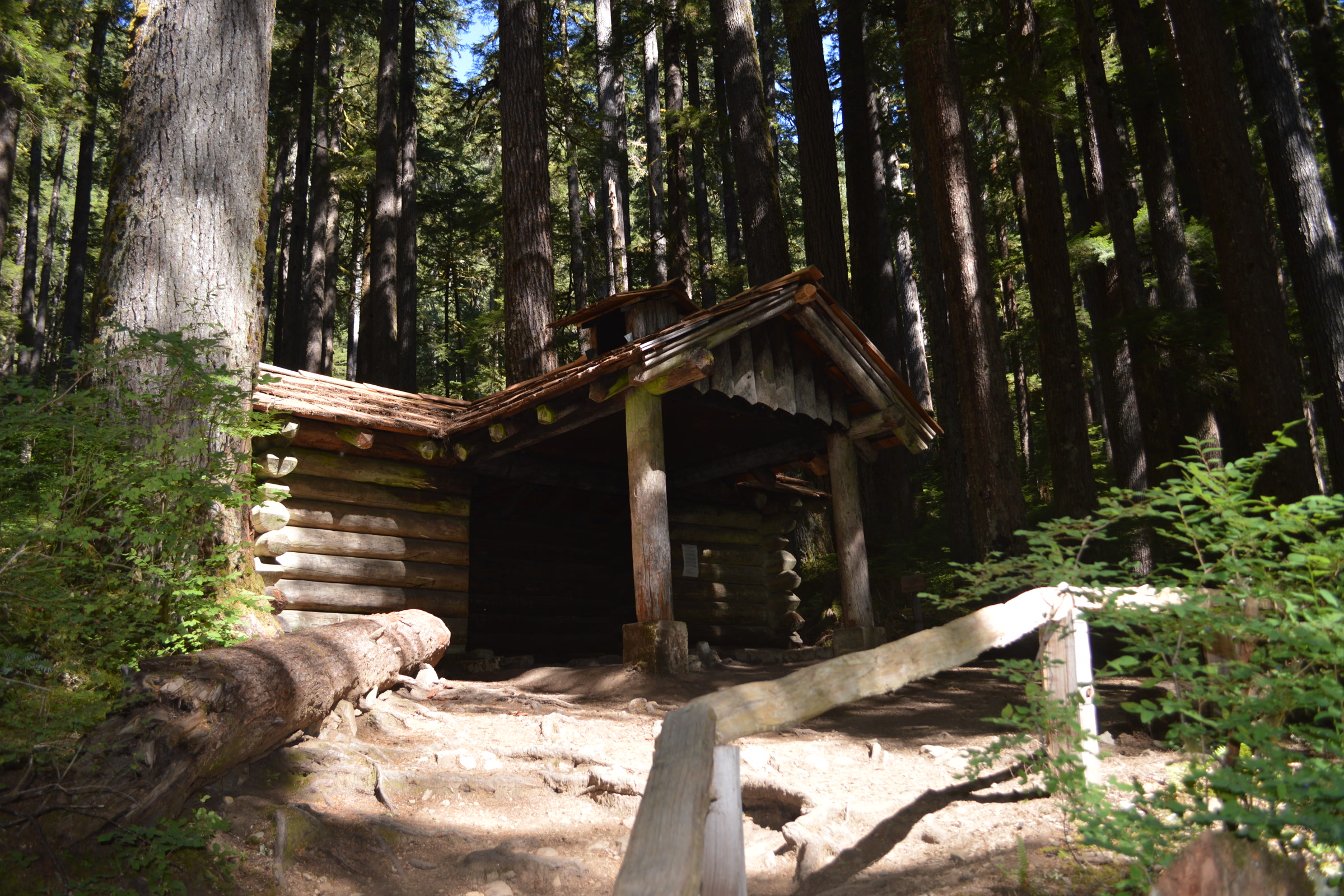
Canyon Creek Shelter, near Sol Duc Falls, is one of the easiest to see. Both Elwha valley kitchens sit along the Olympic Hot Springs Road, which as of October 2026 is closed to vehicles past Madison Falls after a washout, so check the NPS conditions page before you go. Please treat every historic structure gently: no carving, no climbing, and leave everything as you found it.
How Friends of Olympic National Park helps
We are Friends of Olympic National Park (FONP), a volunteer led friends group in Port Angeles. The CCC crews’ trail work lives on in volunteers today: our adopt-a-trail crew cares for the Heart O’ the Forest Trail. If this history matters to you, please support Olympic National Park through our work.
Frequently asked questions
Did the CCC work in Olympic National Park?
Yes. From 1933 crews from camps at Elwha, Snider, Lake Cushman and later Quinault built roads, trails, shelters and campgrounds in and around the area that became Olympic National Park in 1938.
Where was the CCC camp in the Elwha valley?
Camp Elwha opened in 1933 near the present Elwha Ranger Station. The Forest Service ran it at first, and it was transferred to the National Park Service on December 1, 1938.
Which CCC buildings still stand in Olympic National Park?
The National Register names the CCC as builder of the Elwha and Altair campground community kitchens, Canyon Creek Shelter near Sol Duc Falls and Graves Creek Ranger Station. CCC labor also helped build the park headquarters in Port Angeles.
When did the Civilian Conservation Corps end?
Congress abolished the CCC on July 2, 1942, and provided for it to be wound up by June 30, 1943, according to the National Archives.
Leave a Reply