

Trail running in Olympic National Park can take you from a paved lakeshore path to a rain forest valley or a steep ridge. The park has no separate rulebook for runners, so the rules every trail user follows apply to you too. Here is what that means for routes, permits, groups, etiquette, wildlife and getting yourself out of trouble.
Quick answer
Can you go trail running in Olympic National Park?
Yes. Runners use the same trails and rules as hikers. A personal run needs no special permit, but a race or other sports event needs an NPS permit, and any overnight stay needs a wilderness camping permit. Yield to horses and uphill traffic, stay 50 yards from wildlife and plan to rescue yourself.
- Sports events need a permit under 36 CFR 2.50
- Overnight wilderness groups: 12 people, 8 stock
- Step to the downhill side for horses
- Never run from a cougar or bear
Running trails in Olympic National Park
Our trail guides have the full details; distances here are as the National Park Service gives them. Conditions change, so as of October 2026, check the NPS conditions page before you go.
Popular routes compared
| Route | Distance (NPS) | What runners should know |
|---|---|---|
| Spruce Railroad Trail | About 4 miles along Lake Crescent | Paved; shared with bikes, horses and leashed dogs |
| Hurricane Hill Trail | 1.6 miles one way, about 700 feet up | Paved, with grades of 15 to 20 percent |
| Hoh River Trail | Five Mile Island at 5.0 miles | First 13 miles generally flat |
| Lake Angeles Trail | About 3.5 miles one way | Climbs about 2,400 feet |
| High Divide Loop | 18.2 miles, 3,050 feet of gain | A 2 to 3 day hike for most people |
The Spruce Railroad Trail is the gentlest long run, following an old railroad grade along Lake Crescent through two restored tunnels. Our guide to biking the Spruce Railroad Trail covers trailheads and who shares the path, so listen for cyclists behind you.
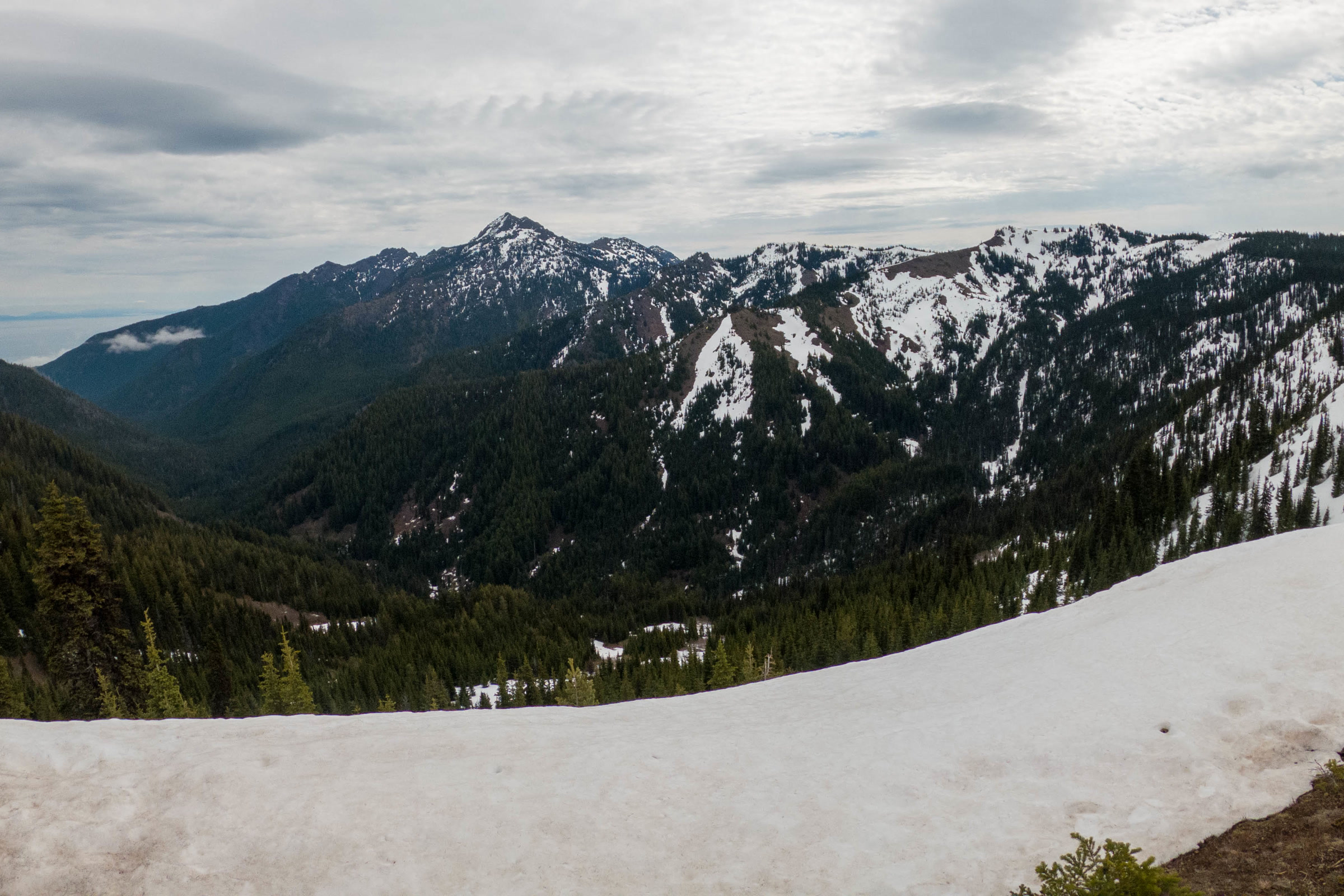
Hurricane Hill is short but steep, on pavement the whole way, and our Hurricane Hill Trail guide has the details. For longer days, the Hoh River Trail stays mostly level, while the Lake Angeles Trail is a sustained climb. Leave the dog at home on most runs, because leashed pets are allowed only on a short list of trails.
Permits for races and organized runs
A run with friends is ordinary trail use. An organized event is different. The park’s superintendent’s compendium lists federal rule 36 CFR 2.50(a), which requires a permit to conduct “a sports event, pageant, regatta, public spectator attraction, entertainment, ceremony, and similar events.”
The park says most special events need a Special Use Permit, issued only after staff decide the activity will not harm park resources or other visitors. As of October 2026, applications can go in up to a year ahead, and the coordinator is at olym_permits@nps.gov or 360-565-3092. Check the NPS special use permits page before you plan anything.

Wilderness rules and group sizes
Most of the park is designated wilderness, with stricter rules. The park requires a wilderness camping permit for every overnight stay in the backcountry, so a fastpacking trip needs one; our guide to wilderness permits in Olympic National Park explains how to get it. Bikes are not allowed on wilderness trails.
For overnight trips, the park limits groups to 12 people and 8 stock. Affiliated groups may not combine into more than 12 and must camp and travel at least a mile apart. The NPS pages we checked set no separate limit for day groups, so ask the Wilderness Information Center before bringing a club.
Trail etiquette with hikers and stock
Runners move faster than other people expect. The NPS hiking etiquette guide sets out the basics:
- Hikers coming uphill have the right of way, so step aside on the way down.
- Yield to horses and pack stock by stepping to the downhill side slowly and calmly, without sudden movements or loud noises.
- Coming up from behind, announce yourself in a friendly, calm tone.
- Stay on the trail except when you step off to yield.
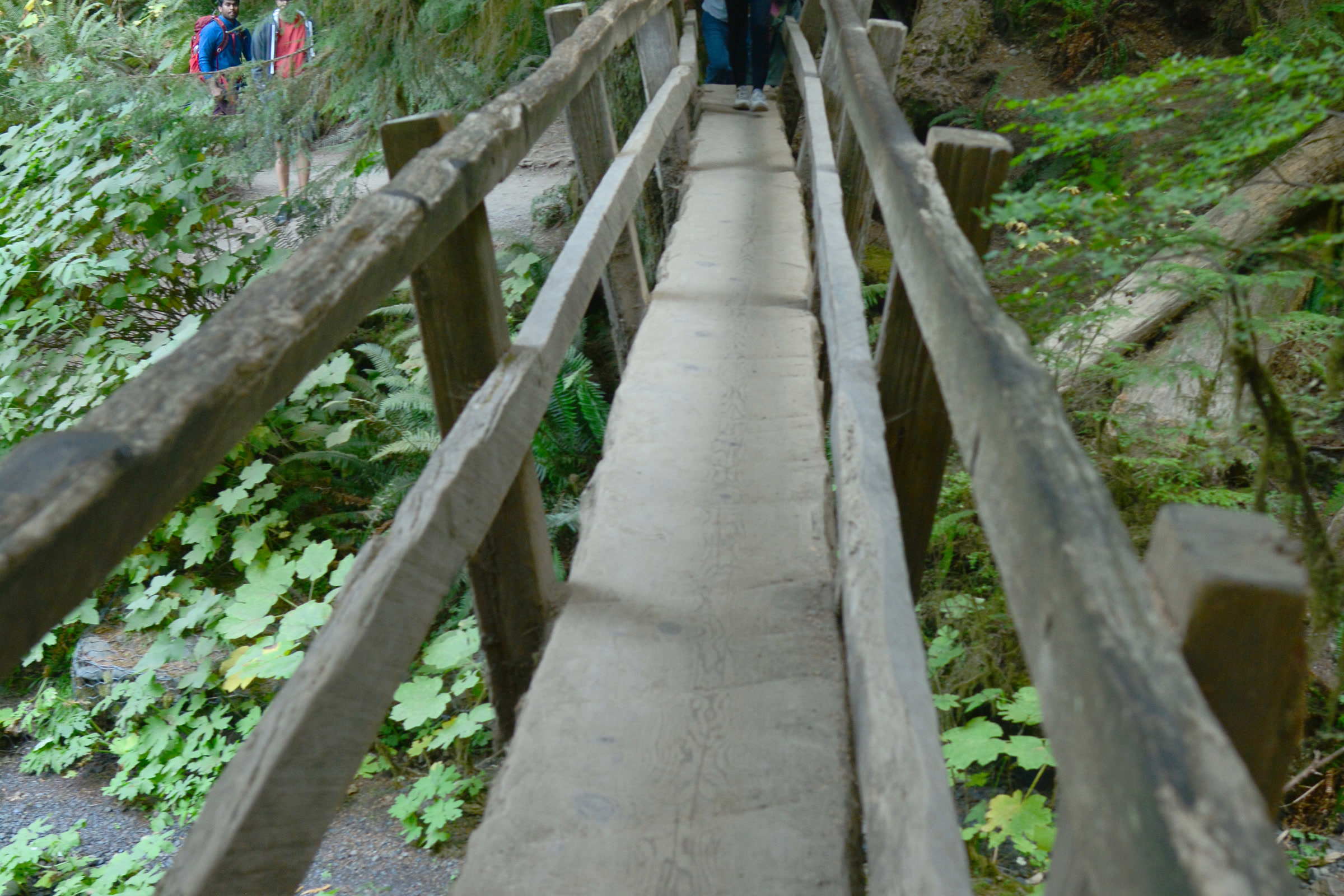
The Washington Trails Association’s beginner’s guide to trail running adds a runner’s view: call out early so you don’t startle people, and step off for oncoming hikers with big packs and for horses. Our guide to horseback riding in Olympic National Park shows where you may meet stock.
Wildlife at 50 yards
The park’s compendium sets a distance of 50 yards from all wildlife, from bears, elk, mountain goats and cougars to nesting birds. If you come on an animal by surprise, move away to that distance. On fast descents, slow down at blind corners.

Running carries one special risk. The park says not to run from a cougar, and the Washington Department of Fish and Wildlife explains that running may trigger a chase. The same goes for black bears. Stop, face the animal and back away slowly; our cougar safety guide has the full steps.
Self rescue realities
The park warns that bad weather or terrain can make a rescue difficult or impossible. Hypothermia can set in at 50 degrees F when you are wet and in the wind, and a runner stopped by a twisted ankle cools fast. Carry a warm layer and a shell even on short runs.
Don’t count on your phone. The NPS says cell coverage is very patchy across most of the park, with little to no reception in the Hoh and on the beaches, as our Olympic National Park cell service guide explains. Leave a plan with someone at home saying where you are going and when you will be back.
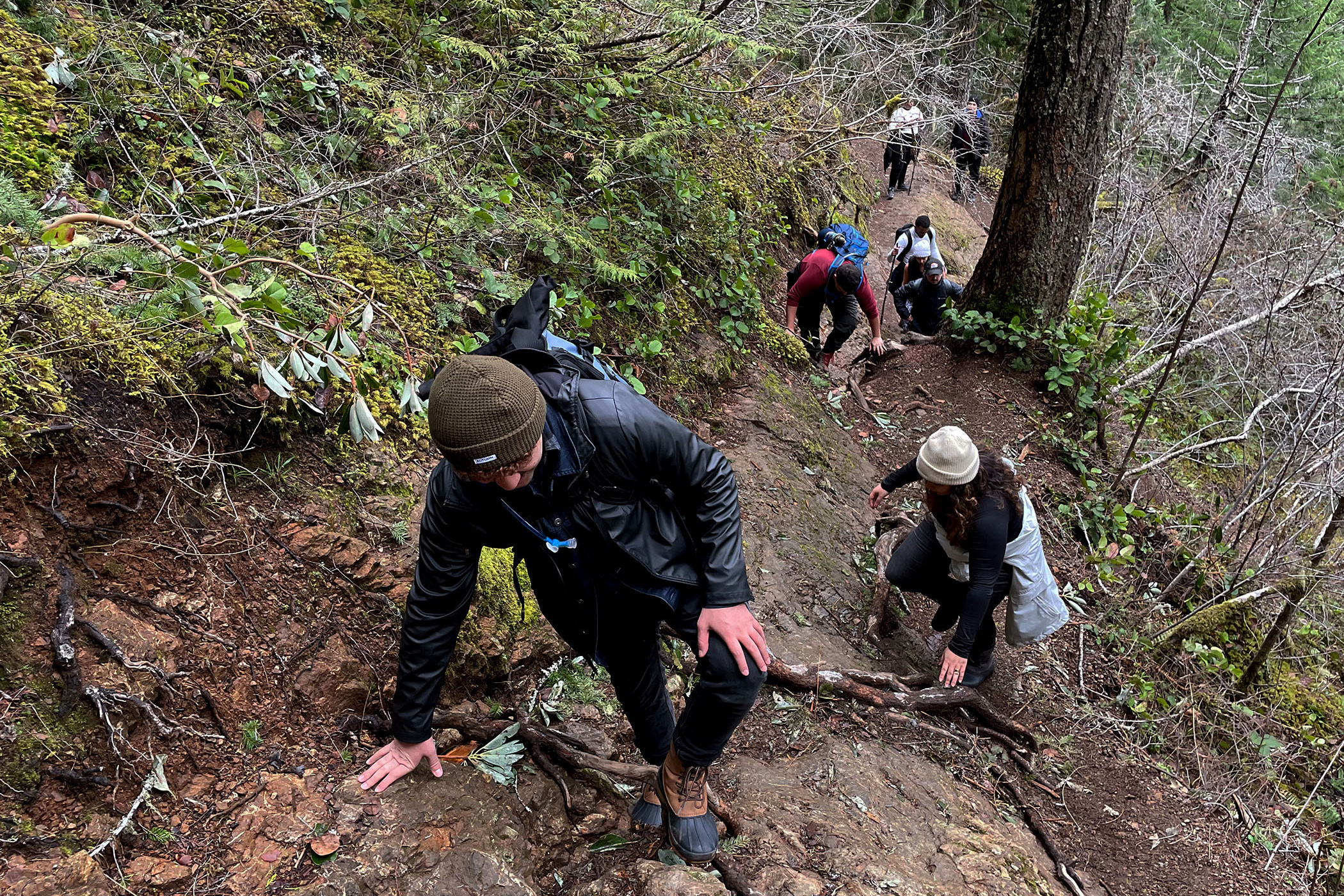
WTA’s running guide suggests carrying food, a wind and rain shell, a map, a headlamp, water and a first aid kit. It gives 20 ounces of water an hour as a starting point, and on rough descents its advice is simple: if you can walk it faster than you can run it, walk.
Treat any water you collect; our guide to treating water in Olympic National Park covers the methods. If you get lost, the park’s advice is to stay put, keep warm and dry, and never follow a river or creek, which it calls often the most dangerous route in the Olympics. Our hiking safety guide for Olympic National Park covers river crossings and snow.
How Friends of Olympic National Park helps
We are Friends of Olympic National Park (FONP), a volunteer led friends group based in Port Angeles. Our adopt-a-trail crew cares for the Heart O’ the Forest Trail. If the park’s trails keep you moving, please become a member and help us look after them.
Frequently asked questions
Do I need a permit to go trail running in Olympic National Park?
Not for a personal day run. Any overnight stay in the backcountry needs a wilderness camping permit, and an organized race or other sports event needs a park permit under 36 CFR 2.50.
Who has the right of way on trails in Olympic National Park?
Uphill hikers have the right of way, and people on foot yield to horses and pack stock by stepping to the downhill side slowly and calmly. Bicycles yield to both.
Can I run with my dog in Olympic National Park?
Only on the few trails where pets are allowed, such as the Spruce Railroad Trail, on a leash no longer than 6 feet. Pets are not allowed on other trails or in the wilderness.
What should I do if I meet a cougar while running?
Stop and do not run, because running may trigger a chase. Face the cougar, stand tall, talk firmly, leave it a way to escape and back away slowly. Fight back if attacked.
Leave a Reply