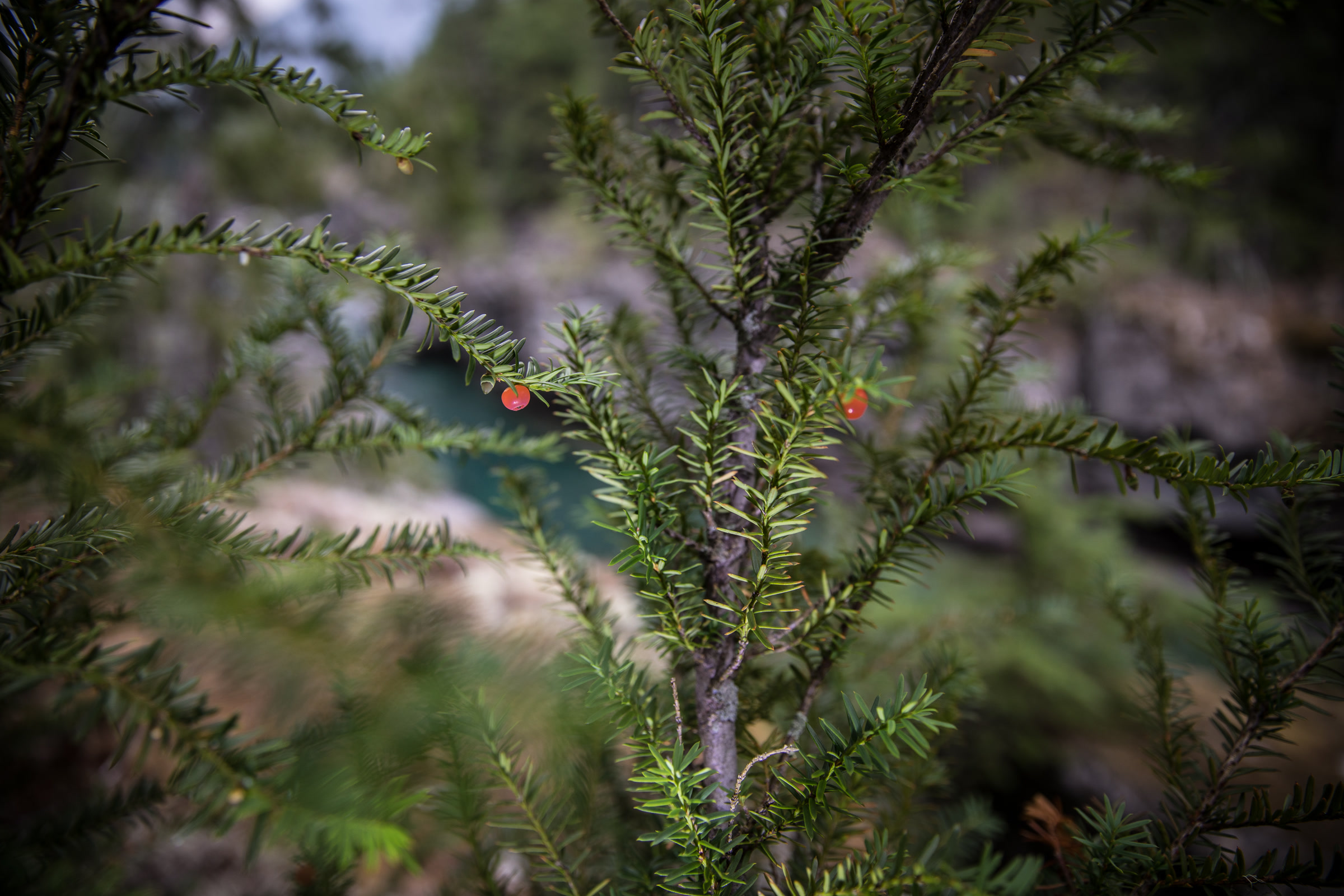
Finding Pacific yew in Olympic National Park takes a closer look: flat sprays of needles, thin reddish bark and, in late summer, bright red berry-like cups under the big conifers. Park records list it as native and abundant here, and this small tree once sat at the centre of a national debate over a cancer drug.
Quick answer
What is the Pacific yew?
The Pacific yew, also called western yew, is a slow growing conifer that usually grows in the shade of taller trees. It has flat sprays of pointed needles, thin papery red bark and single seeds in a red cup that NPS says is poisonous for people. Its bark was the first source of the cancer drug taxol.
- Native and abundant in Olympic, per NPS records
- Rarely taller than 49 feet, the USFS says
- No cones: one seed in a red aril
- Taxol was approved for ovarian cancer in 1992
A slow growing tree of the understory
The US Forest Service’s Silvics of North America describes Pacific yew as a tree that tolerates deep shade. In undisturbed stands it is usually found as an understory tree, and it appears to need shade to get established.
It grows very slowly. The USFS says a yew takes about as long to reach 12 inches across as the conifers around it take to grow several times that size. It rarely tops 24 inches in diameter or 49 feet in height, and the largest on record measured 56 inches across and 60 feet tall.
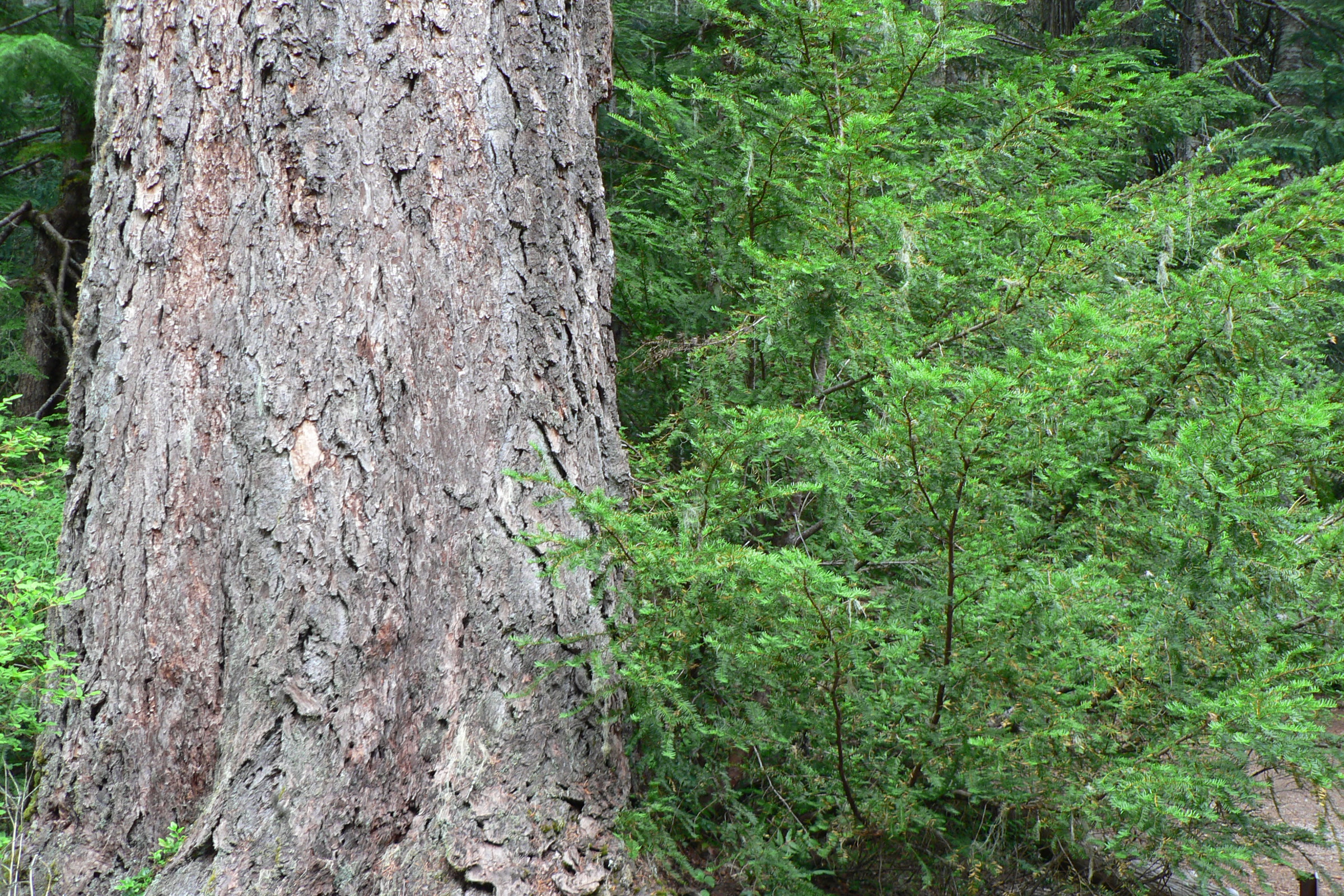
Its crown is often ragged and lopsided, and some yews grow as shrubby thickets. The tree can root where fallen trees press its branches to the ground, and often sprouts from stumps.
How to identify Pacific yew
Mount Rainier’s NPS conifer guide, which calls it western yew, gives clear field marks. Its needles are dull green above, striped with stomata below and sharply pointed, arranged in two rows to form flat sprays. The trunk is often twisted or fluted, with shredding, papery, red bark.
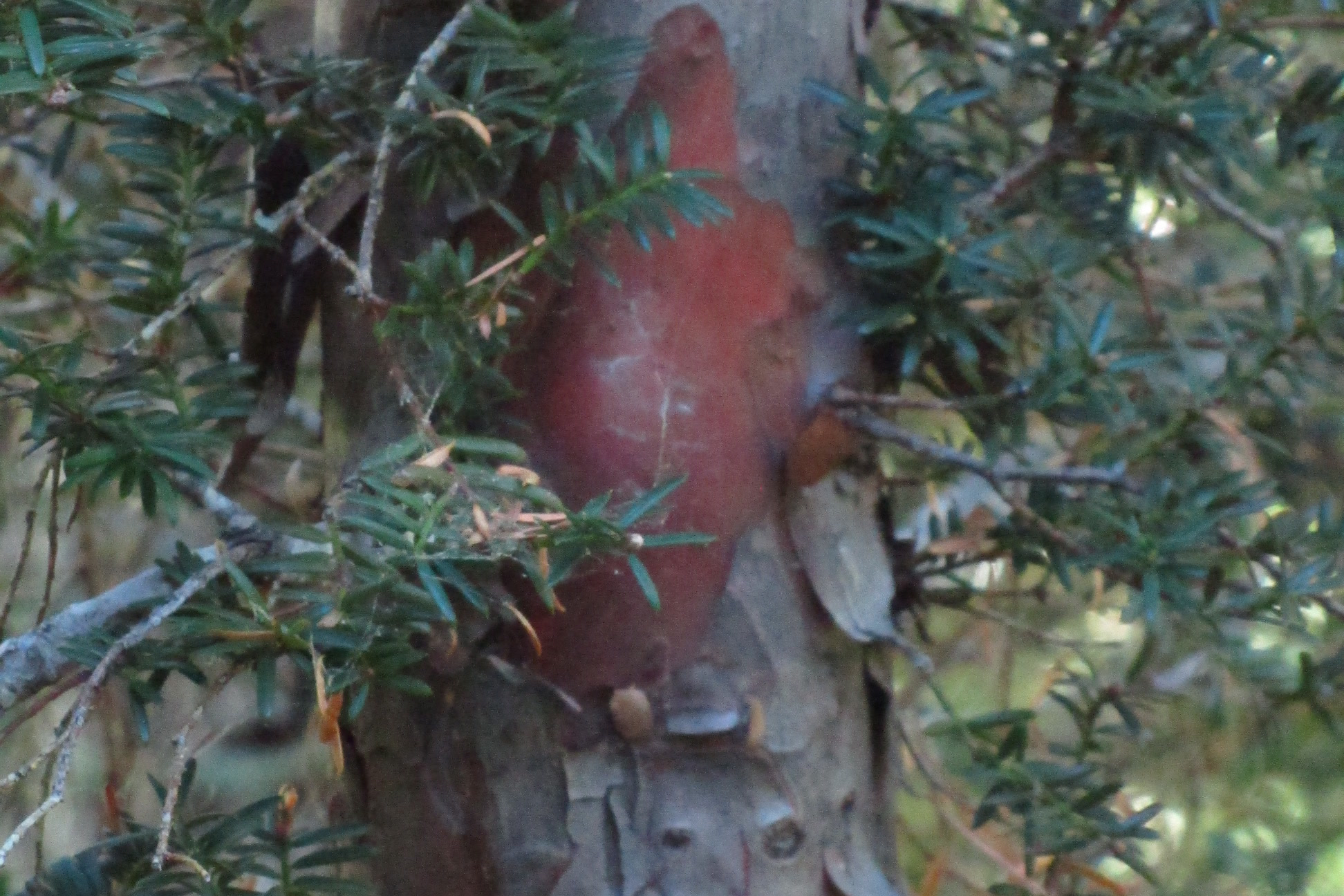
Western hemlock also has flat sprays, so it is the tree most easily confused with yew. The table uses the descriptions on the NPS conifer trees page for Mount Rainier.
Pacific yew, western hemlock and Douglas-fir compared
| Feature | Pacific yew | Western hemlock | Douglas-fir |
|---|---|---|---|
| Needles | Two rows in flat sprays, sharply pointed | Uneven lengths in flat sprays | Flat, bristling out around the twig |
| Bark | Thin, papery, shredding, red | Dark to reddish brown, grooved with age | Very thick and deeply furrowed on old trees |
| Cones or seeds | No cones; one seed in a red cup | Cones about 1 inch long | Cones 2 to 4 inches, with forked bracts |
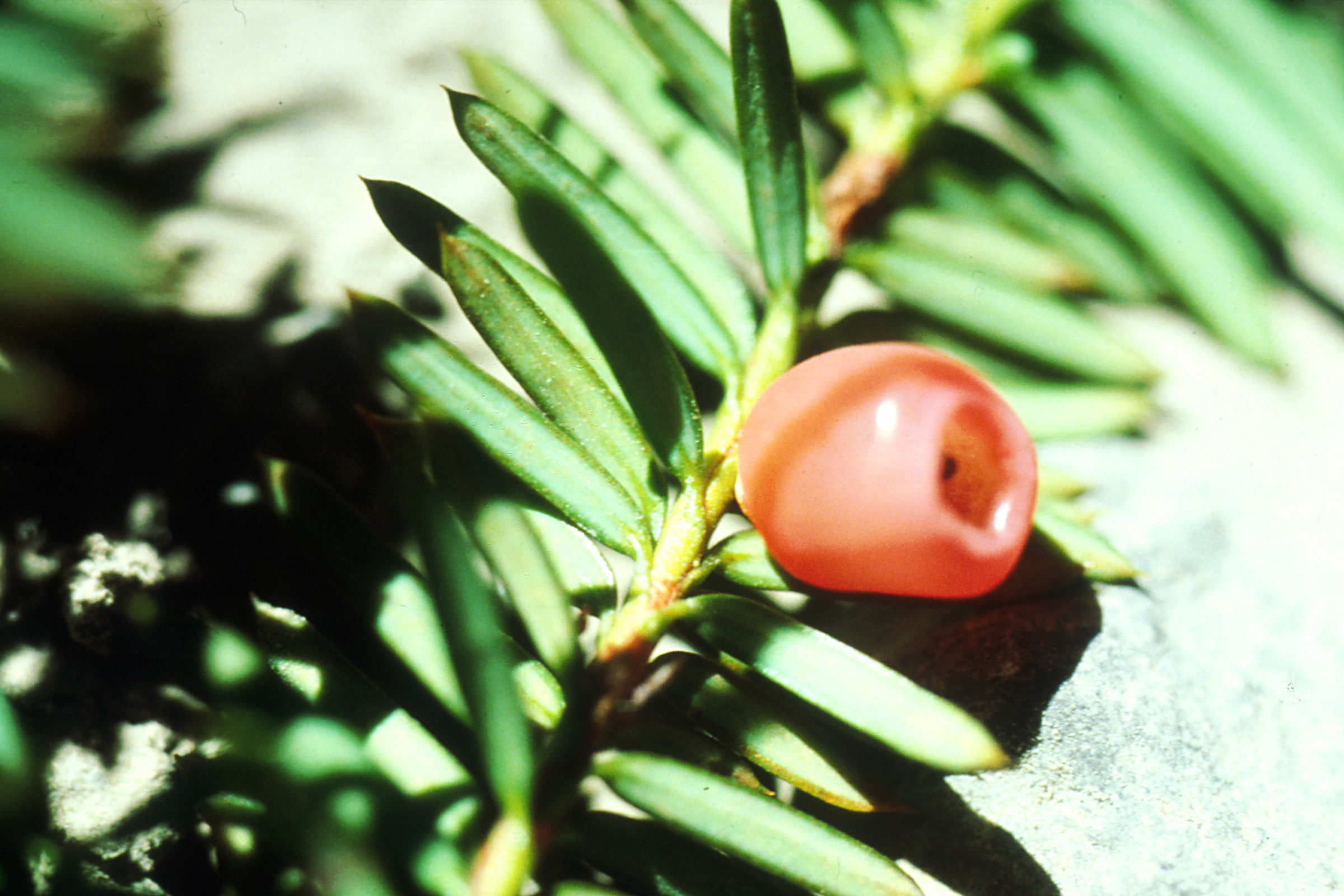
Yews are male or female. On female trees, the USFS says, each seed sits partly inside a fleshy, scarlet, cup shaped aril that ripens from August to October. Birds eat the arils and pass the seeds, which stay viable.
Where western yew grows
The USFS maps the western yew’s range from southeast Alaska through coastal British Columbia to the Olympic Peninsula, then south through the Cascades to California’s Sierra Nevada, with outposts in the northern Rockies. It notes that the tree is rare in the Coast Range between the Olympic Peninsula and Oregon’s Umpqua River.
In humid forests, the USFS says yew can turn up on any slope, bench or ridgetop, while in drier country it keeps to streamsides. Mount Rainier’s guide calls it scattered through low elevation forests, so in Olympic look under the canopy of older lowland forest.
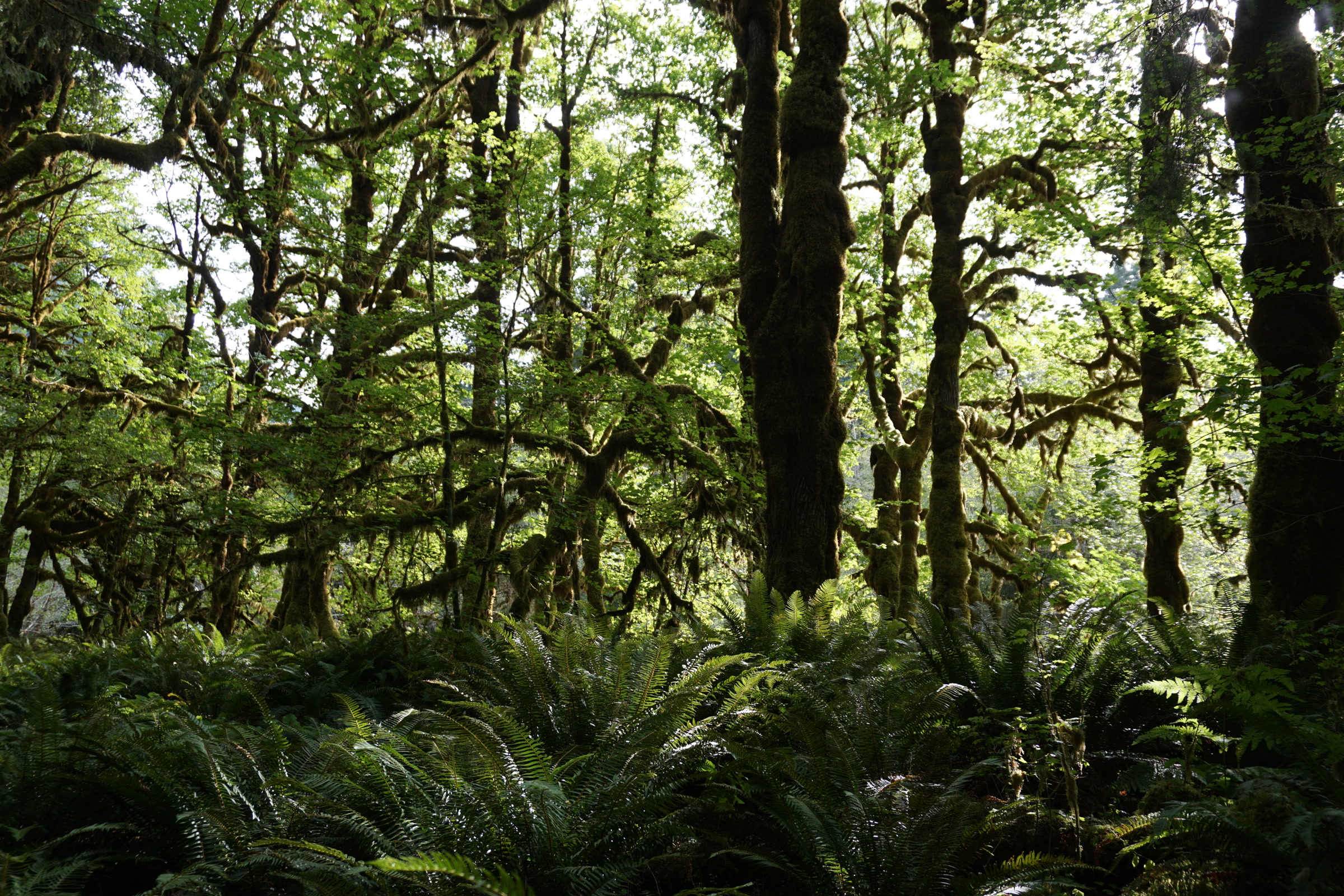
Yew is a quiet part of the forests in our guide to temperate rainforests in Olympic National Park, and it belongs on any list of trees of Olympic National Park. The USFS adds that yew is sensitive to fire, and Glacier National Park notes that it grows widely only where forest has gone a hundred years or more without burning.
Is Pacific yew poisonous?
Treat it as poisonous. Mount Rainier’s NPS guide says yews have single seeds in a berry-like red cup that is poisonous for people, though popular with birds. The USFS says the seeds and foliage of yews in general are thought to be poisonous, and livestock poisonings from yew have been reported in Europe and North America.
The USFS notes that elk browse Pacific yew heavily in Oregon and Washington, and deer browse it occasionally. Please don’t pick or taste any part of the tree, and keep children and pets away from the red arils.
The taxol story
The National Cancer Institute tells how it began. In 1962, USDA botanist Arthur Barclay collected bark and other samples from a Pacific yew on a trip in Washington State. In 1964, Monroe Wall and Mansukh Wani, working under NCI contract at the Research Triangle Institute, found the extracts were toxic to living cells.
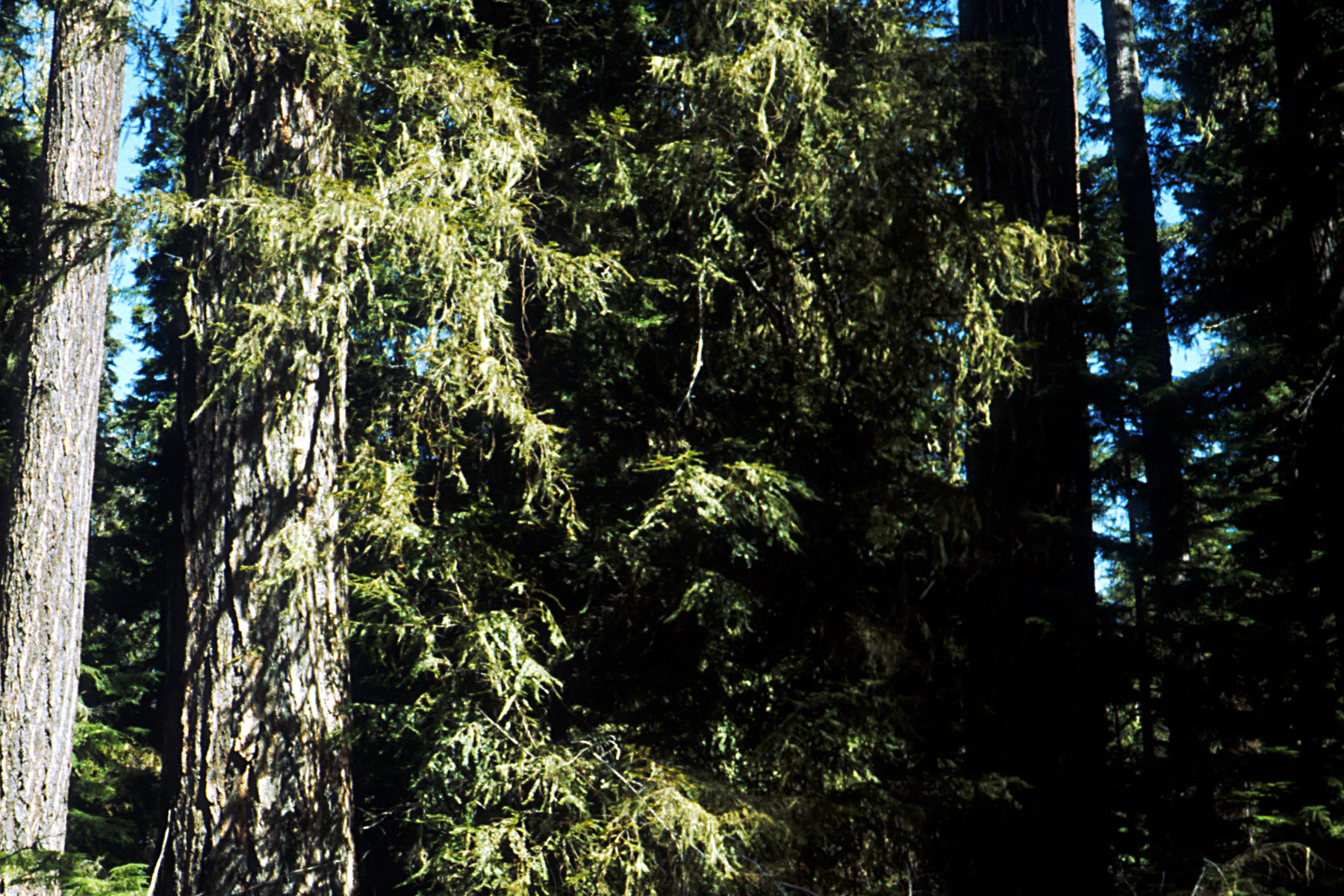
The compound was named taxol, and the 1990 USFS chapter reports good responses in hard to treat ovarian cancer. NCI says the Food and Drug Administration approved Taxol for ovarian cancer in 1992 and for breast cancer in 1994.
The harvest debate
Supply was the problem. The 1990 USFS chapter reports that in 1988 the NCI acquired 60,000 pounds of dried yew bark from trees cut in southwestern Oregon, and that about 9 pounds of taxol came from it. With a second order of the same size, the bark represented 6,000 to 7,000 trees.
The authors warned that logging had already destroyed a significant share of the original yew, with most yews in logged areas burned in slash fires, and that rising demand could shrink it further. NCI itself says harvesting the bark kills the tree, so the ecological cost was too high.
Congress responded with the Pacific Yew Act of 1992, which noted that the tree had once been considered a trash tree. The act covered national forests and Bureau of Land Management land, calling for sustainable harvest, little waste and long term conservation of the yew. In 1991 NCI partnered with Bristol-Myers Squibb to produce a semisynthetic form of the drug.
Finding Pacific yew in Olympic National Park
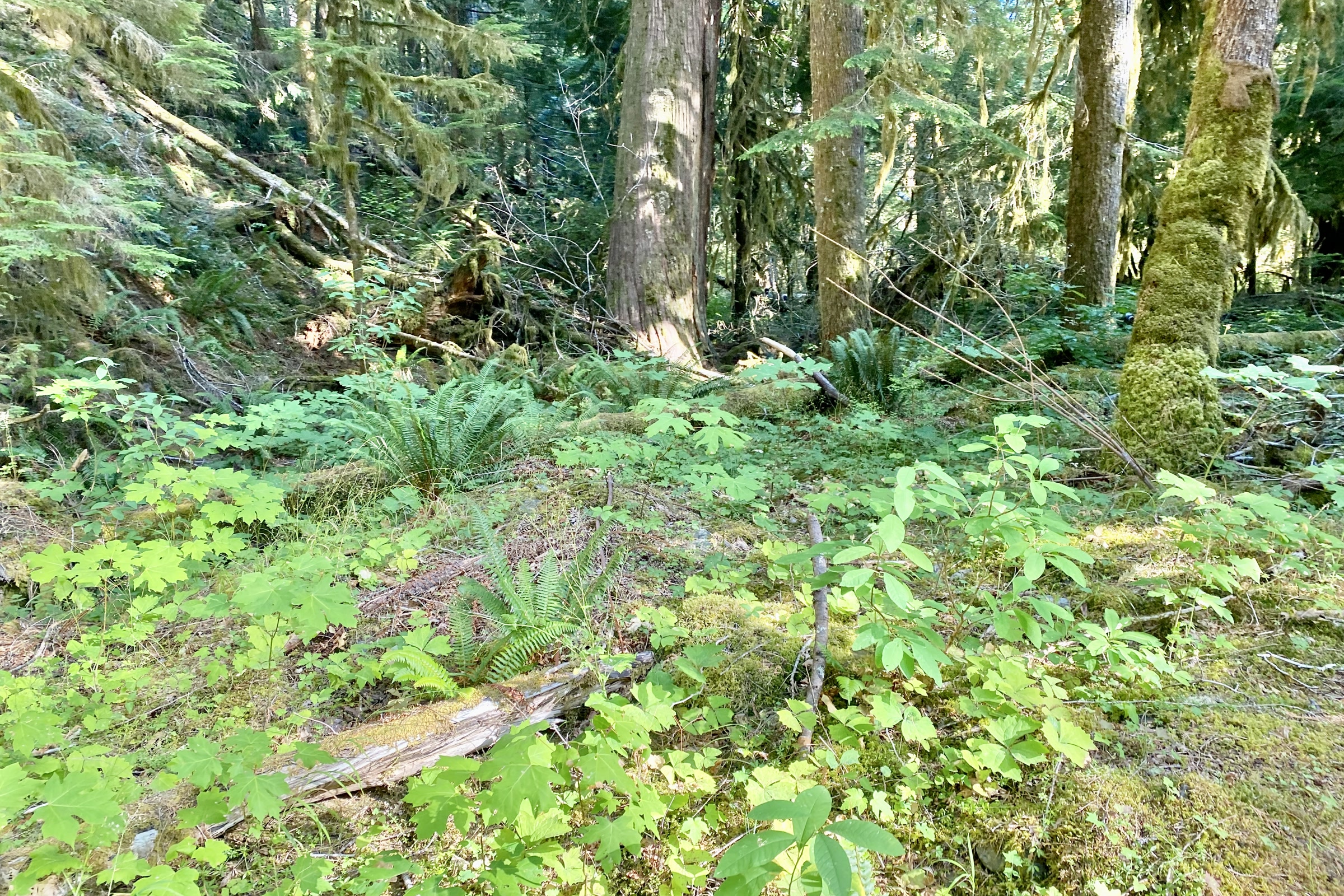
Look for flat sprays and reddish bark at eye level in the shade, and red arils in late summer. Like every plant in the park, yews are protected, so leave them as you find them. Fallen trees in the same forests feed new ones, as our guide to nurse logs in Olympic National Park explains.
How Friends of Olympic National Park helps
We are Friends of Olympic National Park (FONP), a volunteer led friends group based in Port Angeles. Our projects include guided nature walks focused on insects, mushrooms and wildflowers. If this quiet little tree has caught your interest, please make a gift to support that work.
Frequently asked questions
Does Pacific yew grow in Olympic National Park?
Yes. The National Park Service species records list Pacific yew as native and abundant in Olympic. It usually grows as an understory tree in the shade of taller conifers in moist forest.
Are Pacific yew berries poisonous?
Treat them as poisonous. The NPS says yews have single seeds in a berry-like red cup that is poisonous for people, and the USFS says yew seeds and foliage are thought to be poisonous. Don’t eat any part of the tree.
What is taxol and how is it connected to Pacific yew?
Taxol is a cancer drug first found in Pacific yew bark. A USDA botanist collected the bark in Washington State in 1962, and the FDA approved Taxol for ovarian cancer in 1992.
Why was harvesting Pacific yew controversial?
Taking the bark kills the tree, and yew grows very slowly. A 1990 Forest Service review warned that rising demand for bark could further shrink a resource already reduced by logging.
Leave a Reply