
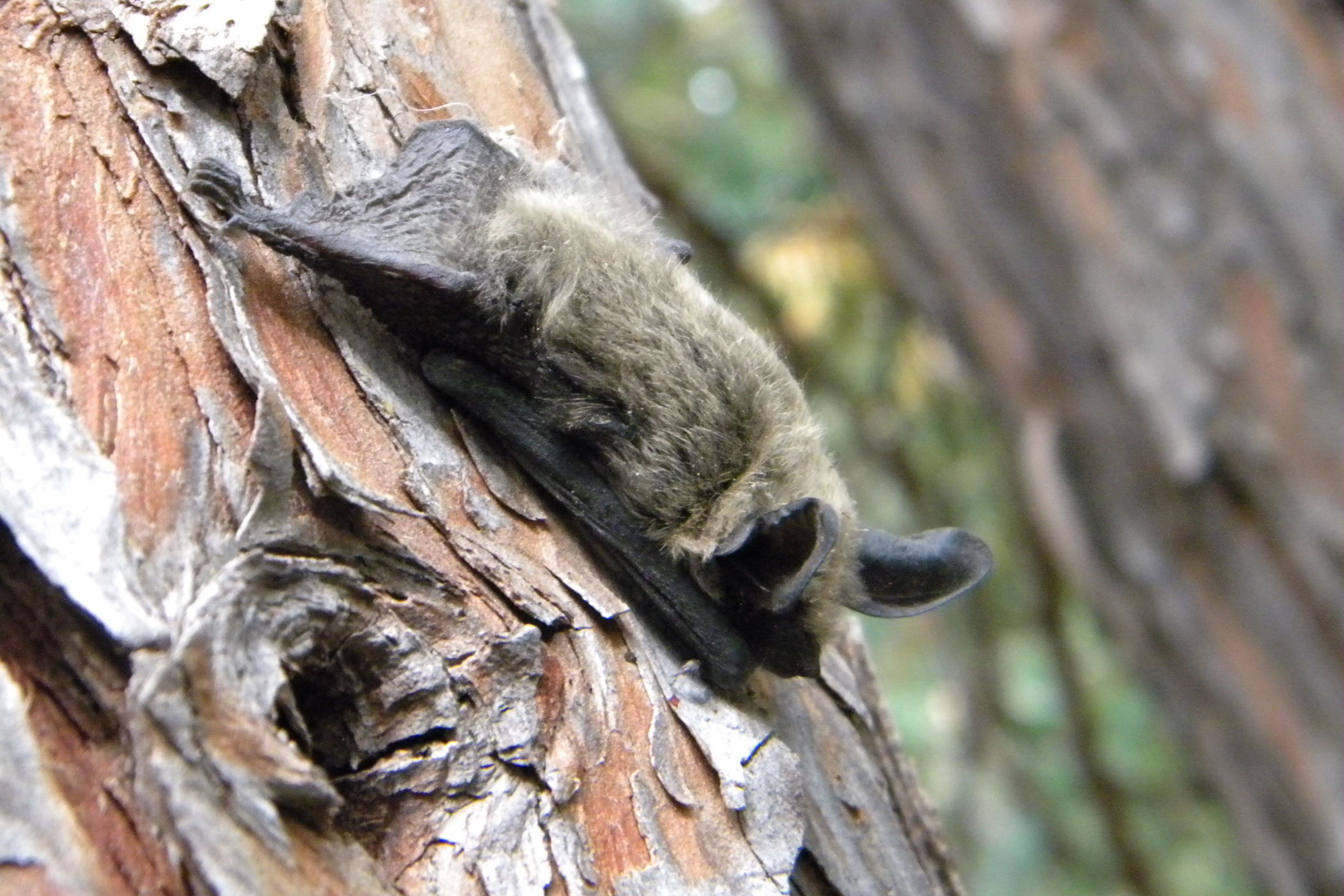
The bats of Olympic National Park are some of its least known animals. They hunt insects over rivers and lakes on summer evenings, then vanish into hibernation for the long wet winter. This guide covers which species live here, when you might see them, the disease now threatening them, and what to do if you find a bat in trouble.
Quick answer
What bats live in Olympic National Park?
Olympic National Park is home to ten bat species, the park says, including the little brown bat, Yuma myotis, hoary bat and Townsend’s big-eared bat. They hibernate in winter, emerge in late February and hunt insects at dusk over rivers and lakes in summer. White-nose syndrome was first detected in the park in 2024.
- Ten resident bat species in the park
- Best seen at dusk in summer
- White-nose syndrome reached Washington in 2016
- Never touch a bat; report sick ones
Why bats matter
The park’s bats page points out that bats make up nearly a fifth of all mammal species and are the only mammals that truly fly. Worldwide they eat insects, pollinate plants and feed other animals.
The Washington Department of Fish and Wildlife (WDFW) notes that one colony can eat many tons of insects, and that some species eat moths or beetles that harm forests. Our guide to the insects of Olympic National Park introduces the moths, beetles and river insects that feed them.
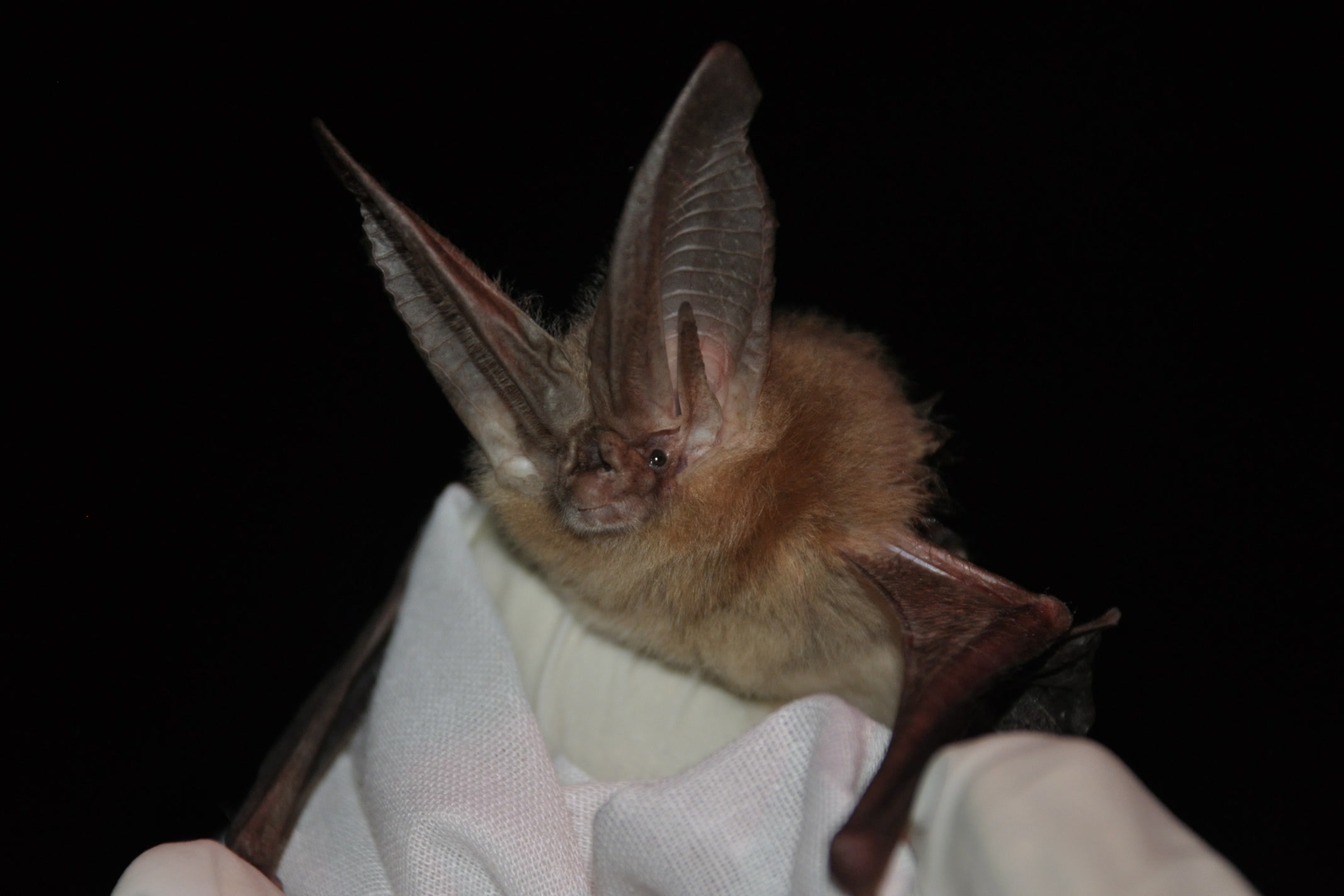
Bat species of Olympic National Park
The park lists ten species. Its older mammal checklist also includes Keen’s myotis, marked rare. WDFW says Washington as a whole has 15 bat species. The table shows how common the park’s checklist rates each one, and what WDFW has found about white-nose syndrome in that species in Washington.
Olympic’s bats and white-nose syndrome compared
| Bat species | Park checklist | White-nose status in Washington |
|---|---|---|
| Yuma myotis | Common | Disease confirmed |
| Little brown bat | Uncommon | Disease confirmed |
| Fringed bat | Uncommon | Disease confirmed |
| Western long-eared bat | Rare | Disease confirmed |
| California myotis | Uncommon | Carries the fungus |
| Big brown bat | Uncommon | Carries the fungus |
| Silver-haired bat | Uncommon | Carries the fungus |
| Long-legged bat | Rare | Carries the fungus |
| Hoary bat | Uncommon | Not listed by WDFW |
| Townsend’s big-eared bat | Rare | Not listed by WDFW |
Ratings come from the park’s mammal species list. “Not listed” means WDFW’s page does not name the species, not that it is safe.
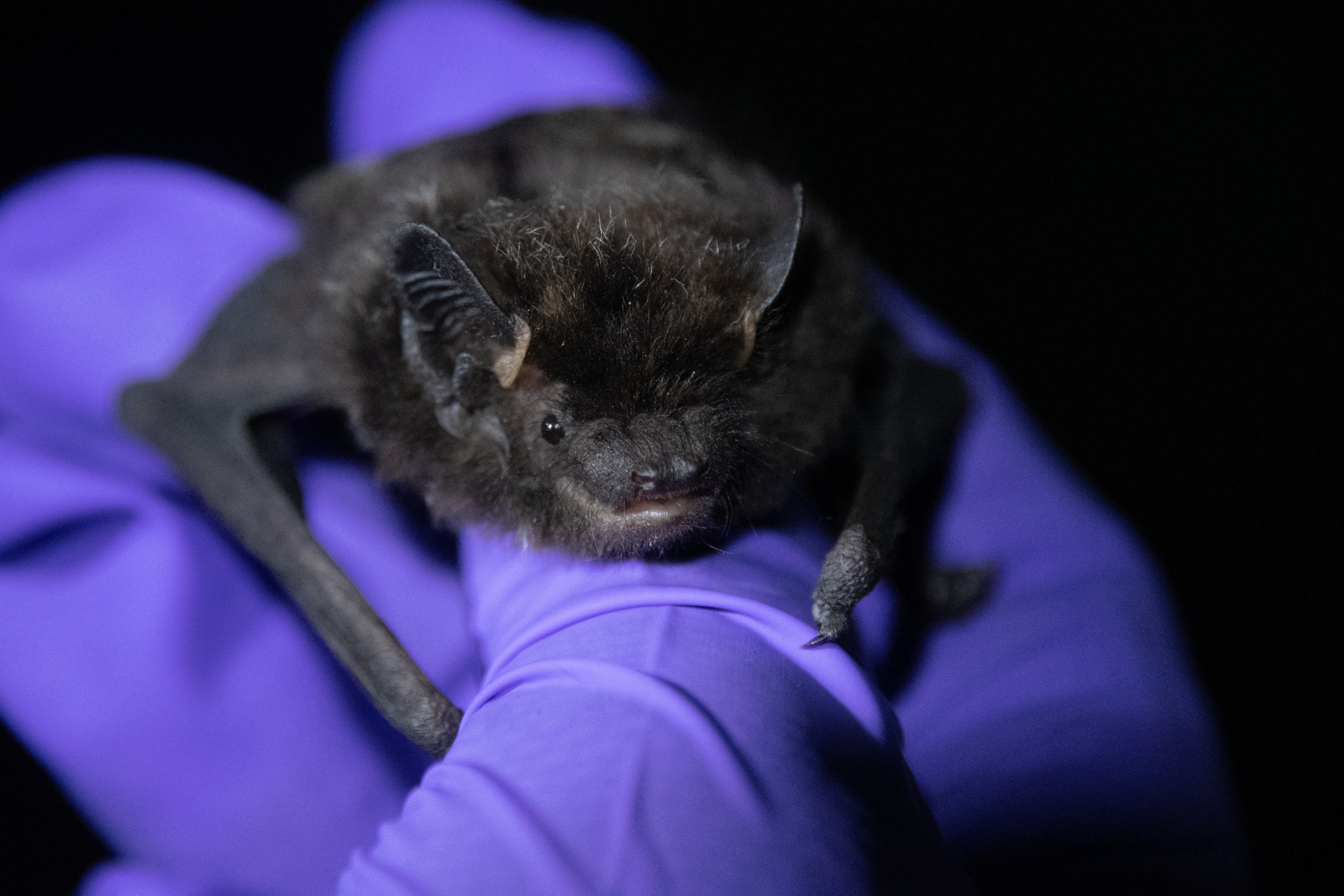
When and where to see the bats of Olympic National Park
The park says its bats hibernate over winter and begin to emerge in late February. In summer you might see them hunting insects at dusk over rivers or lakes, and by September they are already returning to hibernation. Because Olympic’s climates vary so much, the same species may not behave the same way everywhere in the park.
Pick a calm summer evening by still water. Lakeshores and riverbanks are good places to start, and our guides to the lakes of Olympic National Park and to river otters in Olympic National Park suggest quiet spots by the water. Watch the sky just after sunset.
If you stay out for the stars, our guide to stargazing in Olympic National Park covers the best dark sky spots, and summer bats may be hunting overhead while you wait for full dark.
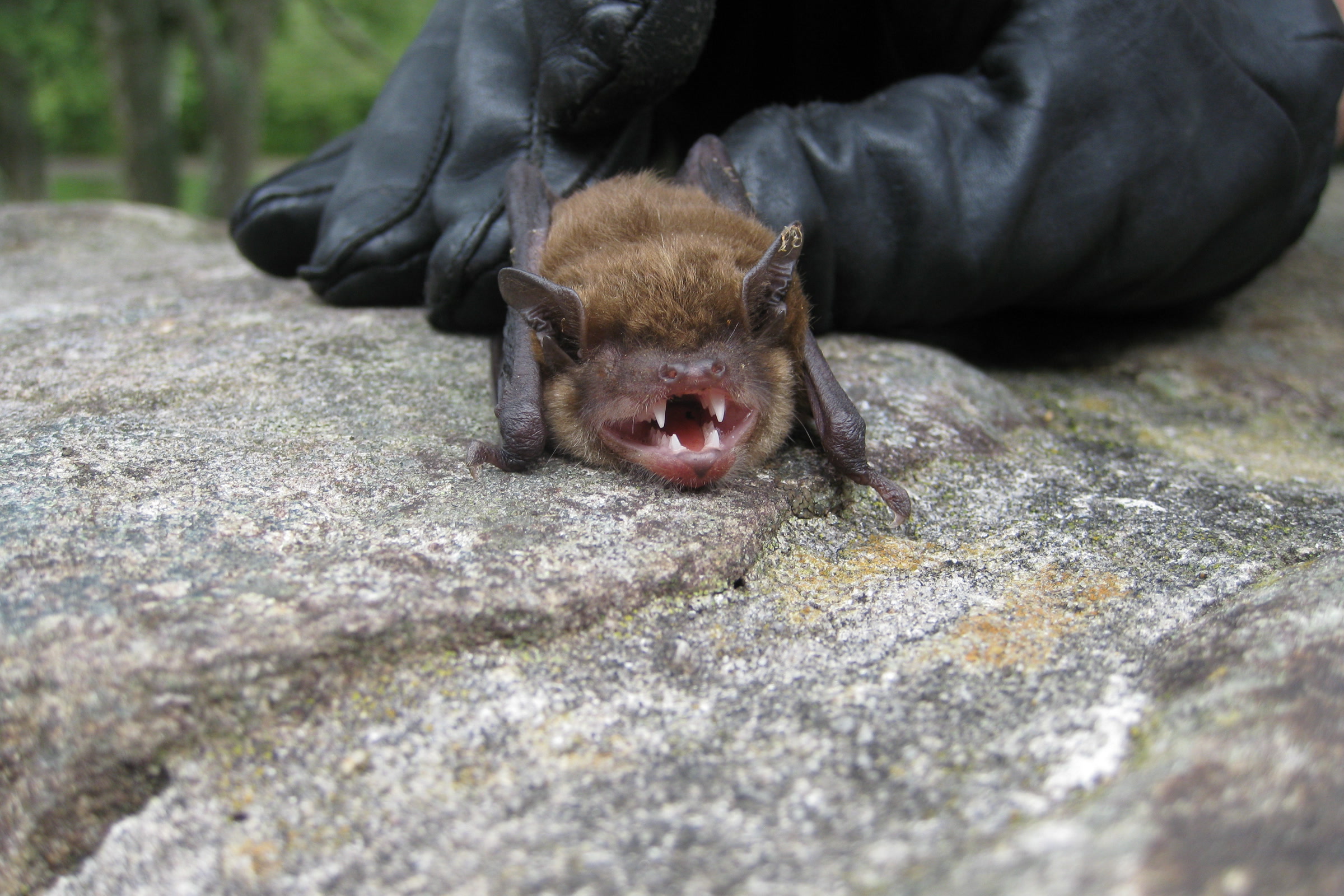
Bat research in the Elwha valley
The park works with U.S. Geological Survey (USGS) biologists to learn more about its bats. NPS says acoustic recorders placed from the valleys into the mountains picked up all ten resident species. Each spring, researchers also test bat colonies in Olympic for the white-nose fungus.

One big question is what bats do in winter. NPS explains that many Pacific Northwest bats hibernate alone or in small groups, some leave for the winter and others may stay active.
To find out, USGS mounted a Motus radio tower on the old Glines Canyon Dam spillway, where bats emerge at twilight over the young forest of the former lakebed. Tiny tags on captured bats let it record their movements. Our article on Elwha River dam removal and restoration tells the story of that valley.

White-nose syndrome in Washington
White-nose syndrome is caused by a fungus, Pseudogymnoascus destructans, that attacks bats during hibernation. WDFW says it has killed millions of bats in eastern North America since 2006. The first case in the western U.S. was a little brown bat found near North Bend in King County in March 2016.
The fungus damages wings and makes bats wake more often, so they burn the fat they need to last the winter. The park says it was detected in Olympic for the first time in 2024 and poses a serious threat. As of October 2026, WDFW’s white-nose syndrome page lists both Clallam and Jefferson counties among those with confirmed cases.
There is some hope in how western bats live. WDFW notes that bats in Washington do not hibernate in the huge groups seen in the East, so the disease may spread differently here. WDFW says the fungus does not affect people, livestock or pets.

How visitors can help bats
Bats are active mainly at night. The park asks you to let a bat sleeping on a tree or building in daytime be. A bat lying on the ground, acting strangely or showing no fear of people may be sick. Here is what the park and WDFW ask:
- Never touch a bat. People can catch some bat diseases, including rabies.
- Report sick bats. In the park, tell a ranger right away; the park’s bats page also has a sick bat report form. Elsewhere in Washington, use WDFW’s online form.
- If you touch a bat by accident, report it to a ranger and talk to your doctor, since you may need treatment to prevent rabies.
- Clean your gear. WDFW says people can carry fungal spores on clothing, shoes and equipment, so decontaminate anything used where bats live.
- Keep out of roosts. Avoid entering places where bats live, and keep pets away from them.
Watching from a distance is the kindest approach for every animal. Our guide to wildlife viewing in Olympic National Park covers the park’s 50 yard rule and other good habits.
How Friends of Olympic National Park helps
We are Friends of Olympic National Park (FONP), a volunteer led friends group in Port Angeles. We support the park’s Perspectives speaker series, which in April 2024 featured USGS research biologist Rebecca McCaffery on bat research on the Olympic Peninsula. To help look after the park’s habitats, see our volunteer opportunities.
Frequently asked questions
How many bat species live in Olympic National Park?
The park lists ten species, including the little brown bat, Yuma myotis, hoary bat and Townsend’s big-eared bat. Its older mammal checklist also includes Keen’s myotis as rare.
When can you see bats in Olympic National Park?
From spring to late summer. The park says bats emerge from hibernation in late February, hunt insects at dusk over rivers and lakes in summer, and start returning to hibernation by September.
Is white-nose syndrome in Olympic National Park?
Yes. The park says the fungus that causes white-nose syndrome was detected in Olympic for the first time in 2024. The disease was first found in Washington in 2016.
What should I do if I find a sick or dead bat?
Do not touch it. In the park, report it to a ranger right away. Elsewhere in Washington, report it with the WDFW online form. If you touched a bat, talk to your doctor about rabies.
Can white-nose syndrome affect people?
No. WDFW says the fungus does not affect humans, livestock or pets, but people can carry its spores on clothing, shoes and gear, so clean them after visiting places where bats live.
Leave a Reply