
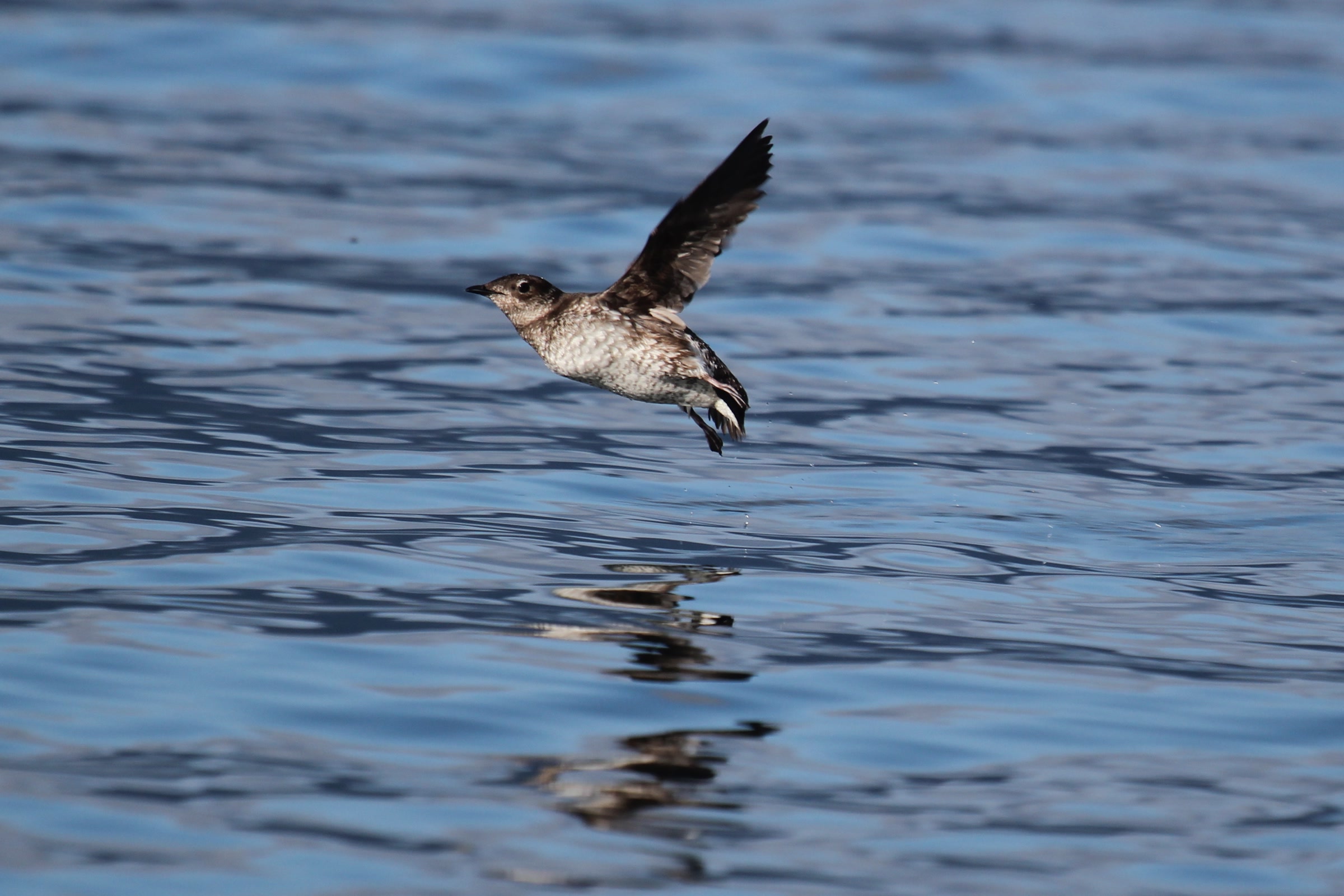
Marbled murrelets on the Olympic Peninsula live a double life. By day they dive for small fish in the Strait of Juan de Fuca and along the coast, yet they raise their young on mossy branches high in old forest trees, sometimes miles from salt water. Here is what wildlife agencies say about this threatened seabird, and how you might spot one.
Quick answer
Are marbled murrelets endangered in Washington?
Yes. Washington lists the marbled murrelet as endangered, a step up from threatened in 2016, and the U.S. Fish and Wildlife Service has listed it as federally threatened since 1992. The small seabird feeds near shore but nests in old forests, including those protected in Olympic National Park.
- Federally threatened since 1992
- State endangered since 2016
- One egg, laid on a mossy branch
- Nests found up to 53 miles inland in Washington
A seabird that nests in the forest
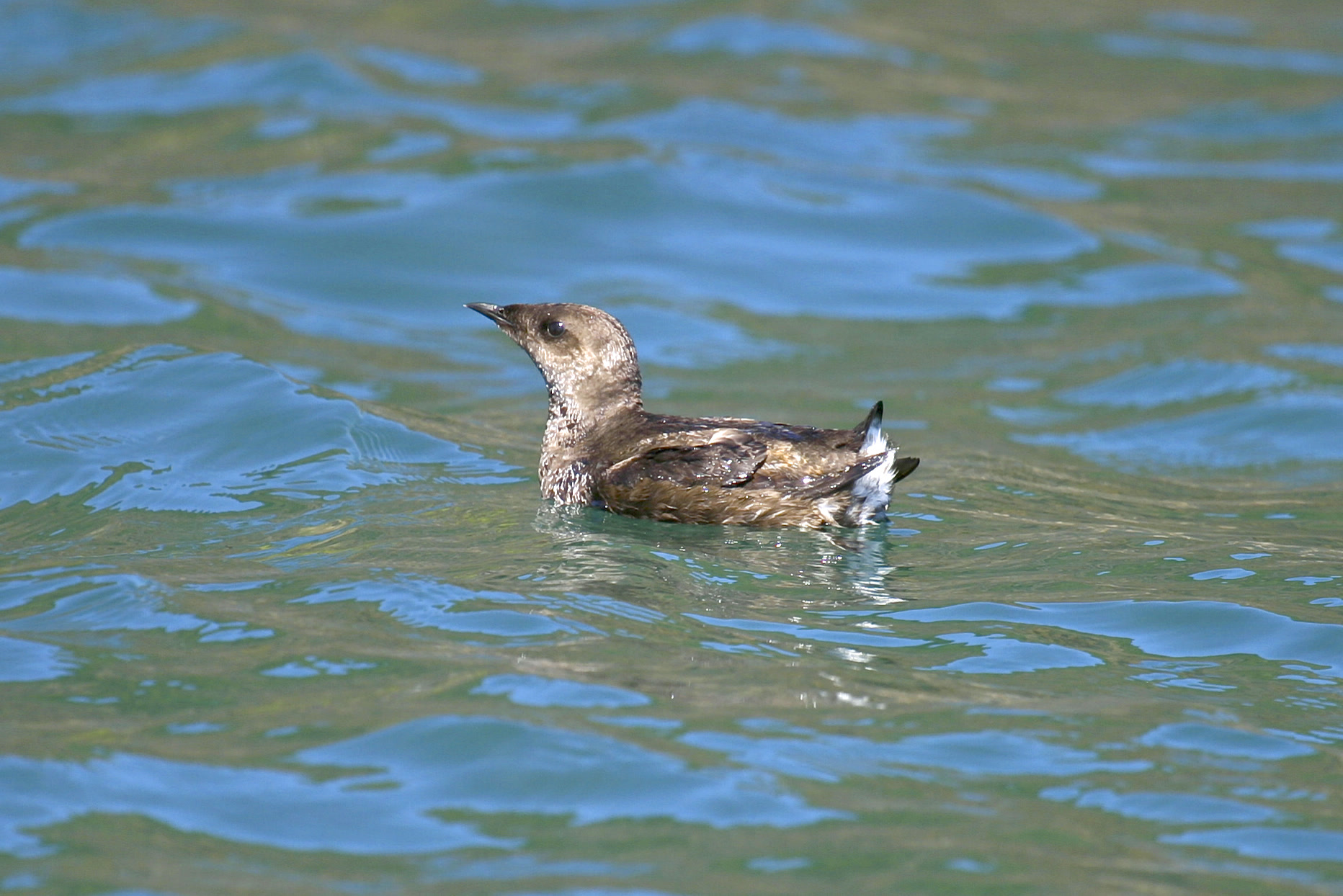
The marbled murrelet is a small, chunky member of the auk family, about 10 inches long, or roughly the size of a robin. It has a slim black bill and short wings, and it flies fast and low. In summer, adults wear the mottled brown “marbled” plumage that gives them their name.
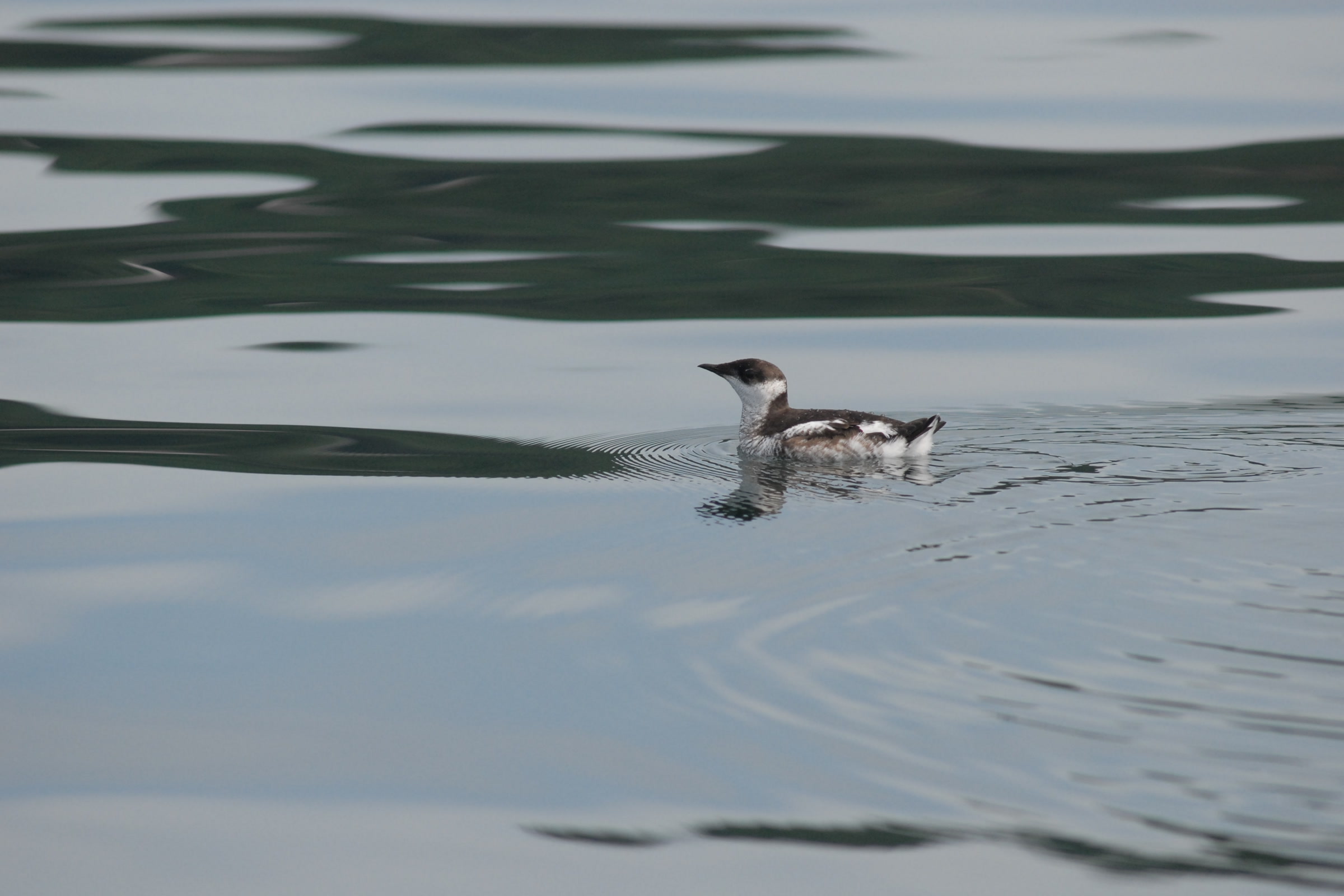
In winter they change to a crisp black and white: a dark cap and back, a white throat and belly, and a white patch on the shoulder. That contrast is what most birders see on the water from fall to spring.
Federal and state status
Two agencies list the bird, and they use different words. The Washington Department of Fish and Wildlife’s marbled murrelet page gives both the state and federal status, and calls the Washington population “low and declining.”
| Who lists it | Status | Since |
|---|---|---|
| U.S. Fish and Wildlife Service | Threatened (Endangered Species Act) | 1992; confirmed by a 2024 five-year review |
| Washington (WDFW) | Endangered | 2016; listed as threatened in 1993 |
| Washington State Wildlife Action Plan | Species of Greatest Conservation Need | Current |
| Olympic National Park | Named by NPS among federally threatened species its forests support | Current |
WDFW’s surveys at sea found the state’s murrelets fell by about 4.4 percent a year from 2001 to 2015, a drop of 44 percent. Its 2015 estimate was about 7,500 birds. The agency points to years of low numbers of young birds joining the population as a main cause.
Why old growth matters to murrelets
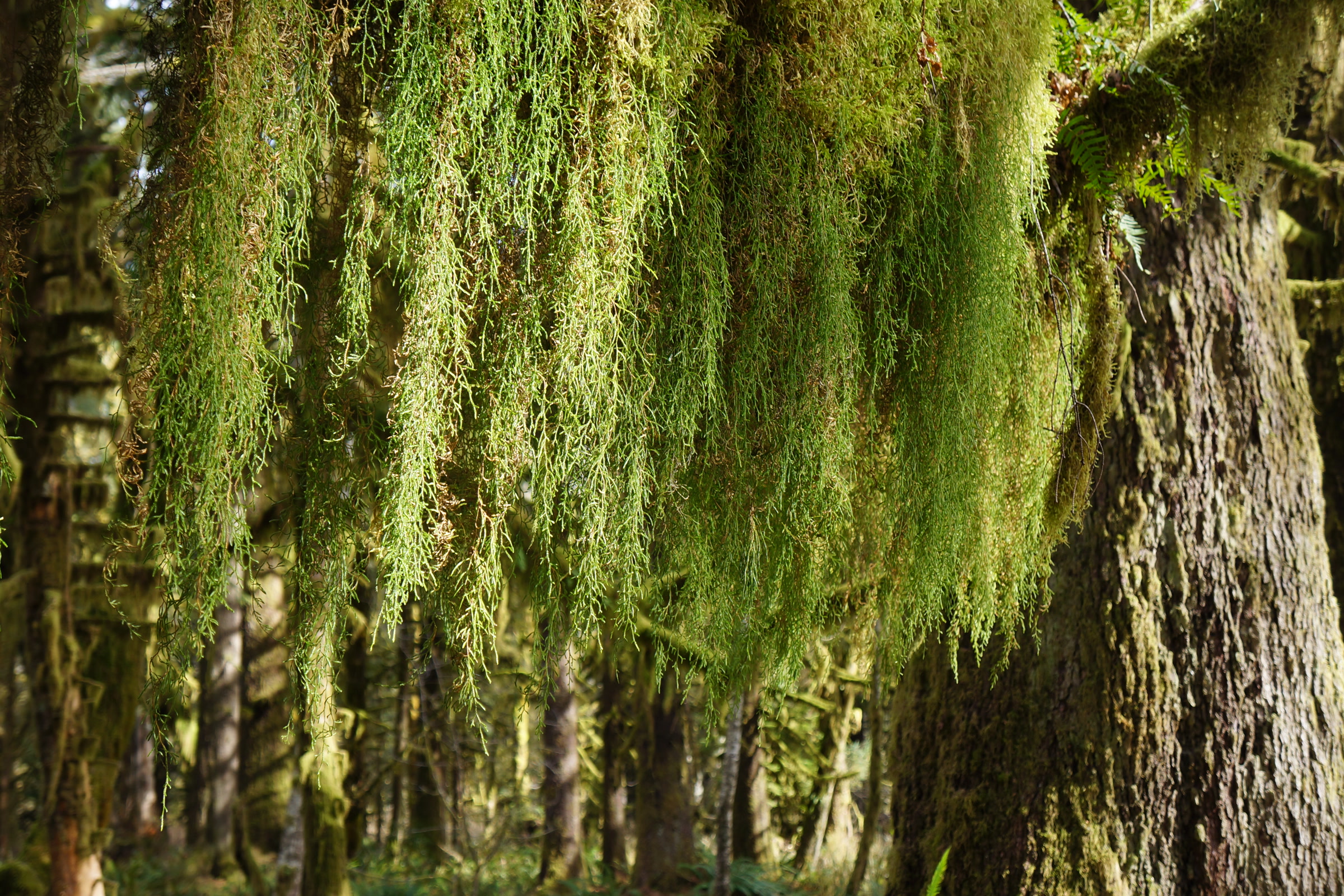
Murrelets need big, old trees with wide limbs and several layers of canopy. The U.S. Fish and Wildlife Service says Douglas fir dominates their nesting stands in Washington and Oregon. WDFW adds that they sometimes use younger forest that still holds a few old trees.
That is why the park matters so much. The National Park Service’s Olympic animals page calls the park one of the last large tracts of intact primeval forest in the lower 48 states, and names marbled murrelets among the federally threatened species those forests support. WDFW says murrelet nesting in Washington is highest on the Olympic Peninsula.
Old forest cannot be replaced quickly. The Fish and Wildlife Service notes that old-growth stands take 100 to 250 years to grow. Our guide to the trees of Olympic National Park introduces the giants murrelets rely on, and the northern spotted owl in Olympic National Park shares the same ancient forest.
An odd way to raise a chick
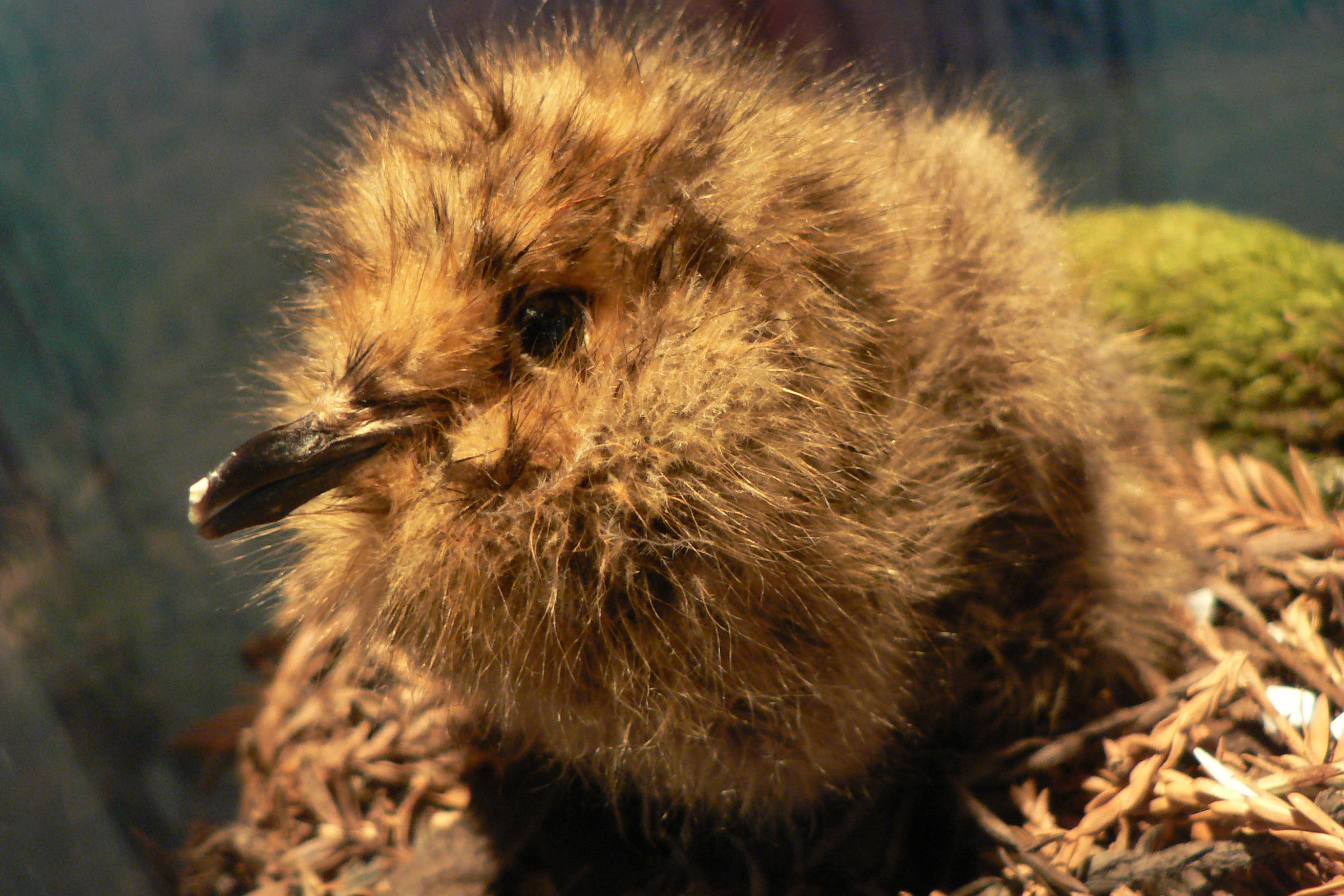
Murrelets build no nest at all. According to the Fish and Wildlife Service, the female lays a single egg in a hollow on a mat of moss, lichen or debris on a large or bent branch. Nests have been found up to 53 miles inland from salt water in Washington.
- Incubation: both parents take turns in 24 hour shifts for about 30 days, swapping under cover of darkness.
- Feeding: parents bring the chick one fish at a time, at least once a day, mostly at dawn and dusk.
- First flight: the young bird leaves alone and flies straight to the sea. It cannot take off from the ground, and many die on that first trip.
All that secrecy kept the nest a mystery for a long time. Seattle Audubon’s BirdWeb notes that the first North American nest was not found until 1974.
Where and how to look for murrelets
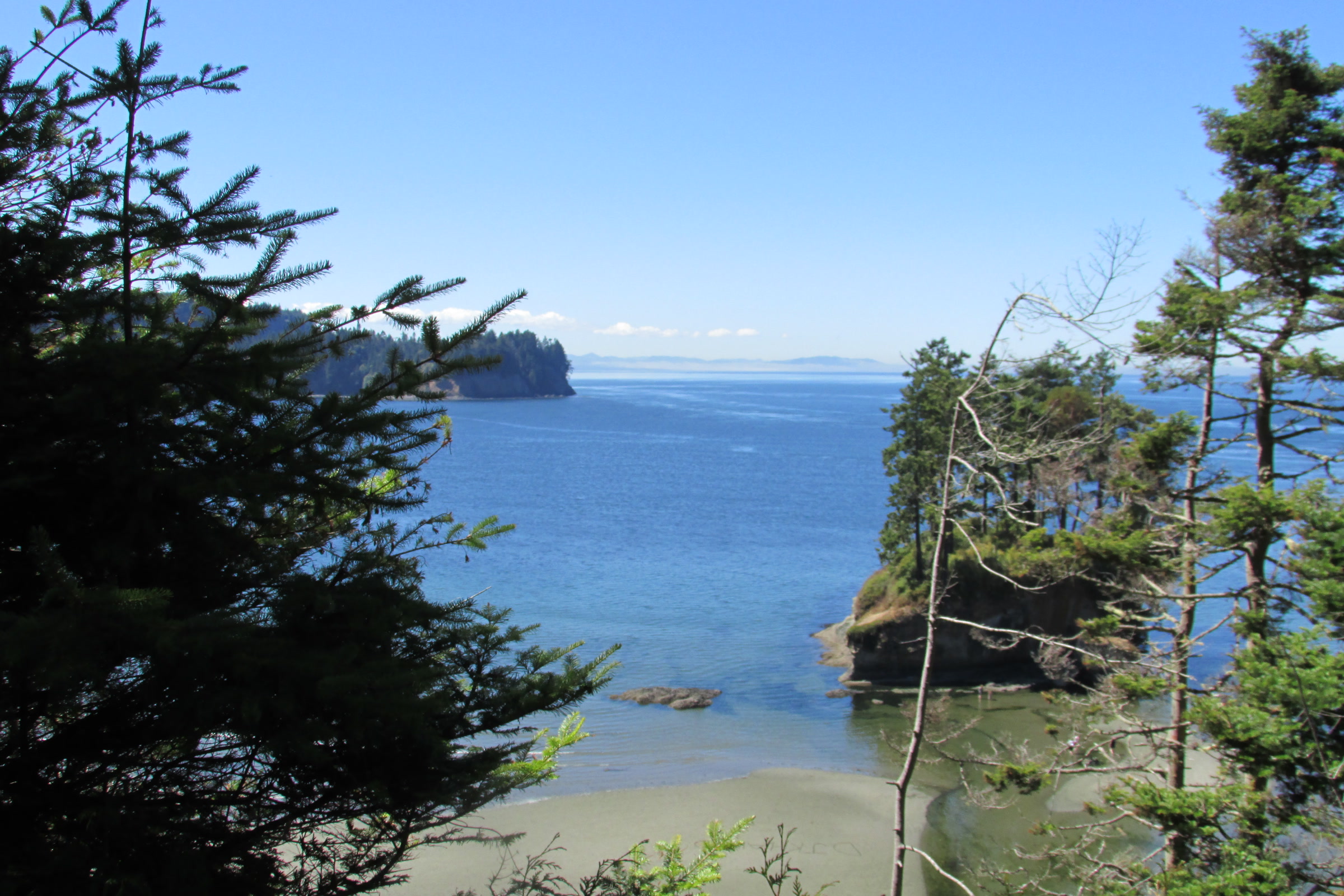
You are far more likely to see a murrelet on the water than in a tree. WDFW says they usually feed 1.2 to 3 miles from shore, in water less than 100 feet deep, and are most common in northern Puget Sound and the Strait of Juan de Fuca. BirdWeb lists Tongue Point, at Salt Creek Recreation Area west of Port Angeles, among the places they gather in the nesting season.
- Pick a calm day. Small birds vanish among waves.
- Scan for pairs or small groups sitting low on the water, then diving.
- Watch for fast, low flight with quick wingbeats when they are disturbed.
- Bring binoculars or a spotting scope, since they often sit well offshore.
Never play recorded calls to draw them in. The park’s birds page says using apps to call animals is harassment, especially for listed species. Our birding in Olympic National Park guide covers other coastal birds, and tufted puffins on the Olympic coast introduces a seabird relative.
What threatens marbled murrelets
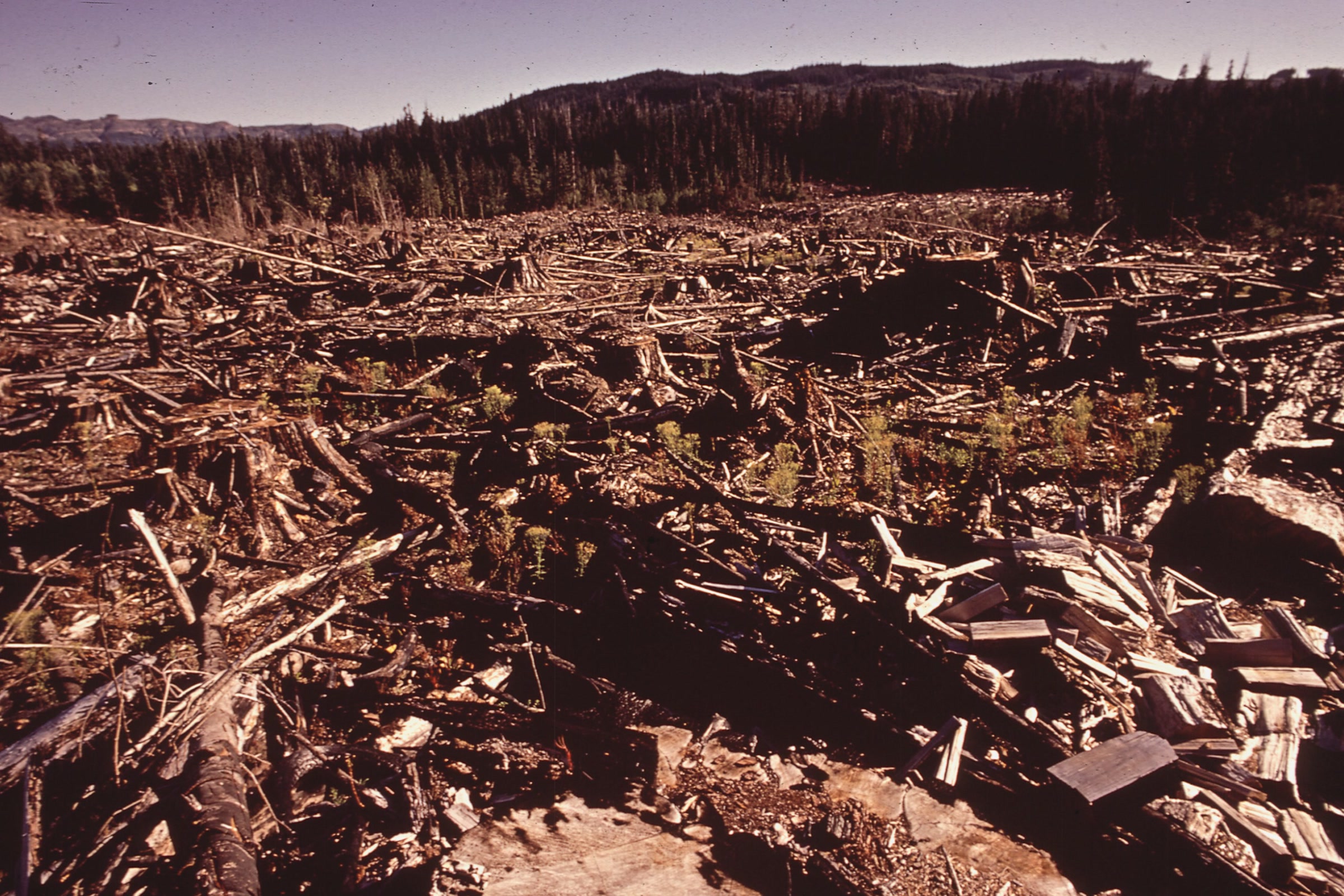
The Fish and Wildlife Service names loss of nesting habitat as the main cause of past decline, through logging, fire, land clearing and windstorms. When forests are cut into patches, the new edges let predators in. Great horned owls, sharp-shinned hawks, jays, ravens and crows all raid murrelet nests.
At sea, the agencies list oil spills, entanglement in gillnets, harmful algal blooms and shortages of prey. WDFW adds climate change, which can warm the ocean and cut food supplies, and campgrounds that attract crows and jays to nesting areas.
How visitors can help
- Keep a clean camp. Pack away every crumb so jays and ravens are not drawn into old forest.
- Give wildlife room. The park asks everyone to stay at least 50 yards from all animals.
- Report a sighting to WDFW through its wildlife reporting form, with a photo and location if you can.
How Friends of Olympic National Park helps
We are Friends of Olympic National Park, a volunteer led friends group in Port Angeles. We don’t study murrelets, but our projects include beach cleanups in Olympic National Park, which pull trash and marine debris off the shore where seabirds feed. If this threatened seabird matters to you, please support Olympic National Park through us.
Frequently asked questions
Where do marbled murrelets nest?
In old forests. They lay a single egg on a mat of moss or lichen on a large branch high in an old conifer, and nests have been found up to 53 miles inland in Washington.
Is the marbled murrelet endangered?
In Washington, yes. The state listed it as endangered in 2016. Federally it is threatened, a status the U.S. Fish and Wildlife Service has kept since 1992.
Where can I see marbled murrelets on the Olympic Peninsula?
On calm water along the Strait of Juan de Fuca. They usually feed 1.2 to 3 miles from shore, and BirdWeb lists Tongue Point at Salt Creek Recreation Area as a nesting season gathering spot.
Why are marbled murrelets declining?
Mainly loss of old forest nesting habitat, plus nest predators drawn to forest edges and campgrounds, oil spills, gillnets and changing ocean food supplies. WDFW also points to too few young birds surviving.
What does a marbled murrelet look like?
A chunky seabird about 10 inches long with a slim black bill. It is mottled brown in summer and black and white in winter, with a white shoulder patch.
Leave a Reply