
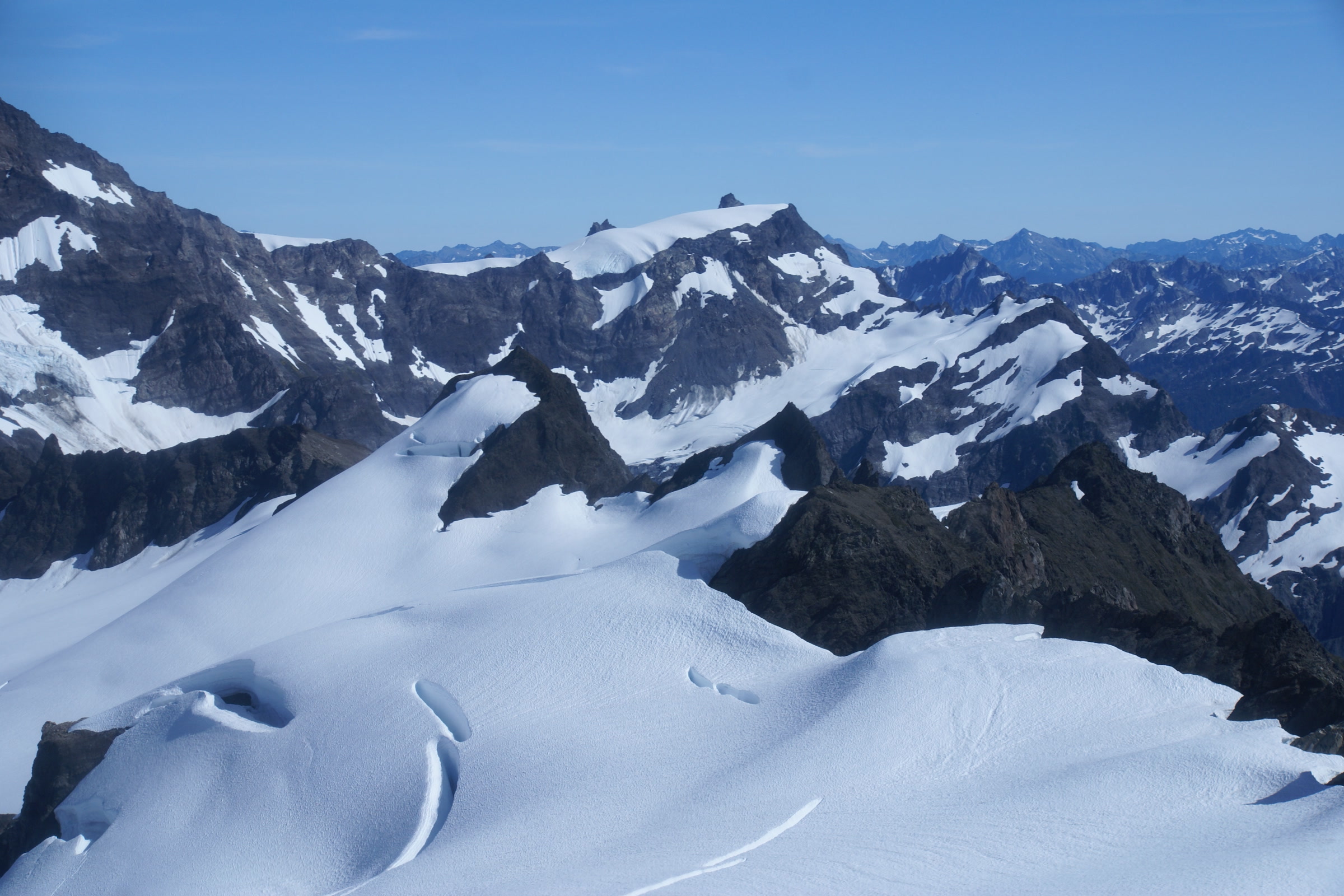
Most of Olympic National Park has no roads, no buildings and no engines. That land is the Daniel J. Evans Wilderness, set aside by Congress in 1988 and named for the senator who wrote the bill. Here is how it came to be, how much of the park it covers, and what it means when you walk into it.
Quick answer
What is the Daniel J. Evans Wilderness?
The Daniel J. Evans Wilderness is the designated wilderness inside Olympic National Park, about 95 percent of the park. The Washington Park Wilderness Act of 1988 created it as the Olympic Wilderness, and Congress renamed it in 2016 for Senator Evans, who wrote the bill. The park rededicated it under his name in 2017.
- 877,000 acres designated on November 16, 1988
- About 95 percent of Olympic National Park
- More than 600 miles of trails
- No motor vehicles or bicycles
Where the wilderness is
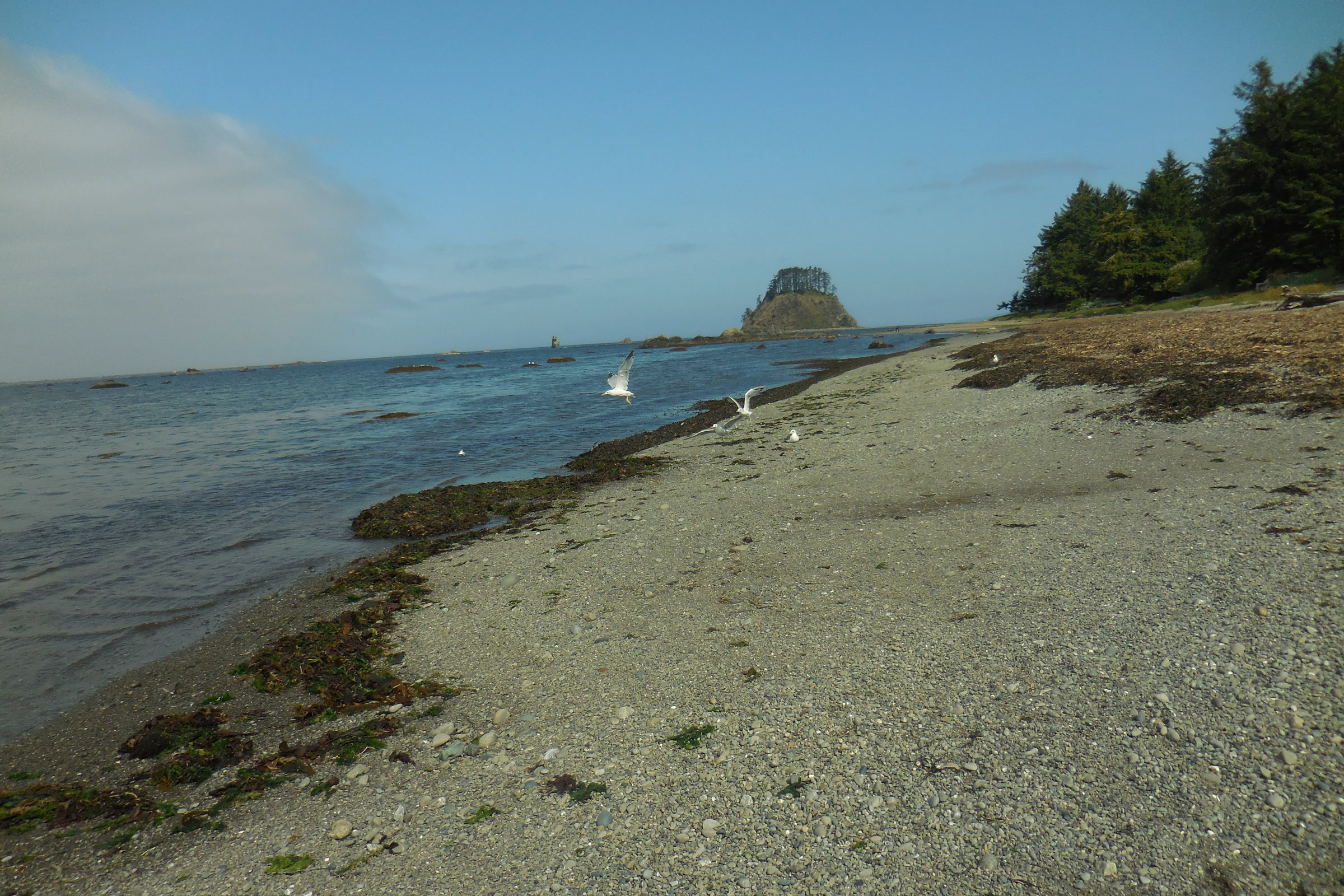
The National Park Service’s Daniel J. Evans Wilderness page says roads, buildings, signs and other development sit in just 5 percent of the park. The other 95 percent is designated wilderness. It takes in the mountains and valleys of the interior and long stretches of undeveloped coast.
The park calls it one of the largest wildernesses in the lower 48 states. It holds more than 600 miles of trails, from easy walks to hard climbs, and hundreds of thousands of acres with no trail at all.
Key dates for the Olympic Wilderness
| Date | What happened |
|---|---|
| March 15, 1988 | Senator Daniel J. Evans introduces the Washington Park Wilderness Act with Senator Brock Adams |
| November 16, 1988 | President Reagan signs it; 877,000 acres in the park become the Olympic Wilderness |
| February 27, 2012 | Quileute Tribe Tsunami Protection Act removes about 222 acres from the wilderness |
| December 14, 2016 | Public Law 114-272 renames it the Daniel J. Evans Wilderness |
| 2017 | The park rededicates the wilderness under its new name |
The Washington Park Wilderness Act of 1988
According to the park, Senator Evans introduced the bill on March 15, 1988, for himself and Senator Brock Adams. It proposed more than 1.7 million acres of wilderness across Washington’s three national parks: Olympic, Mount Rainier and North Cascades.
President Reagan signed it into law on November 16, 1988. In Olympic, the act designated 877,000 acres as the “Olympic Wilderness.” Our Olympic National Park history timeline shows how that step followed the monument of 1909 and the park of 1938.
The boundary has changed once since then. The Quileute Tribe Tsunami Protection Act of 2012 settled a long boundary dispute at La Push and gave the Tribe land on higher ground for tsunami and flood protection. That law took about 222 acres out of the wilderness.
Why it carries Daniel J. Evans’s name
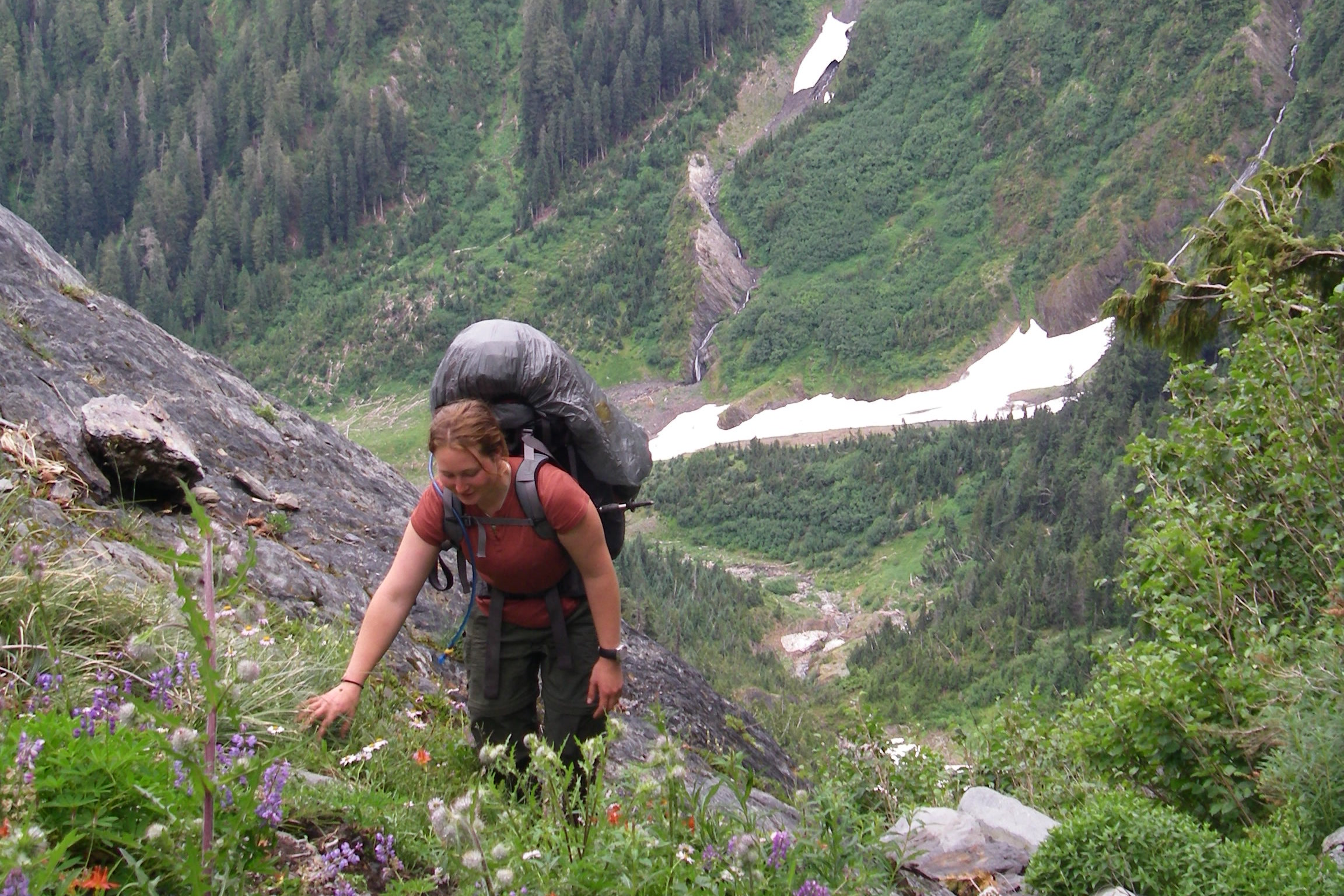
In 2016, Washington’s senators Maria Cantwell and Patty Murray introduced Senate Bill 3028, the Daniel J. Evans Olympic National Park Wilderness Act. The bill record on Congress.gov shows it passed the Senate in July and the House in December 2016. It became Public Law 114-272 on December 14, 2016.
The law changes one name in the 1988 act, from “Olympic Wilderness” to “Daniel J. Evans Wilderness.” Any old reference in laws, maps or records now counts as the new name. The boundaries did not change, and the park held its rededication in 2017.
What wilderness means
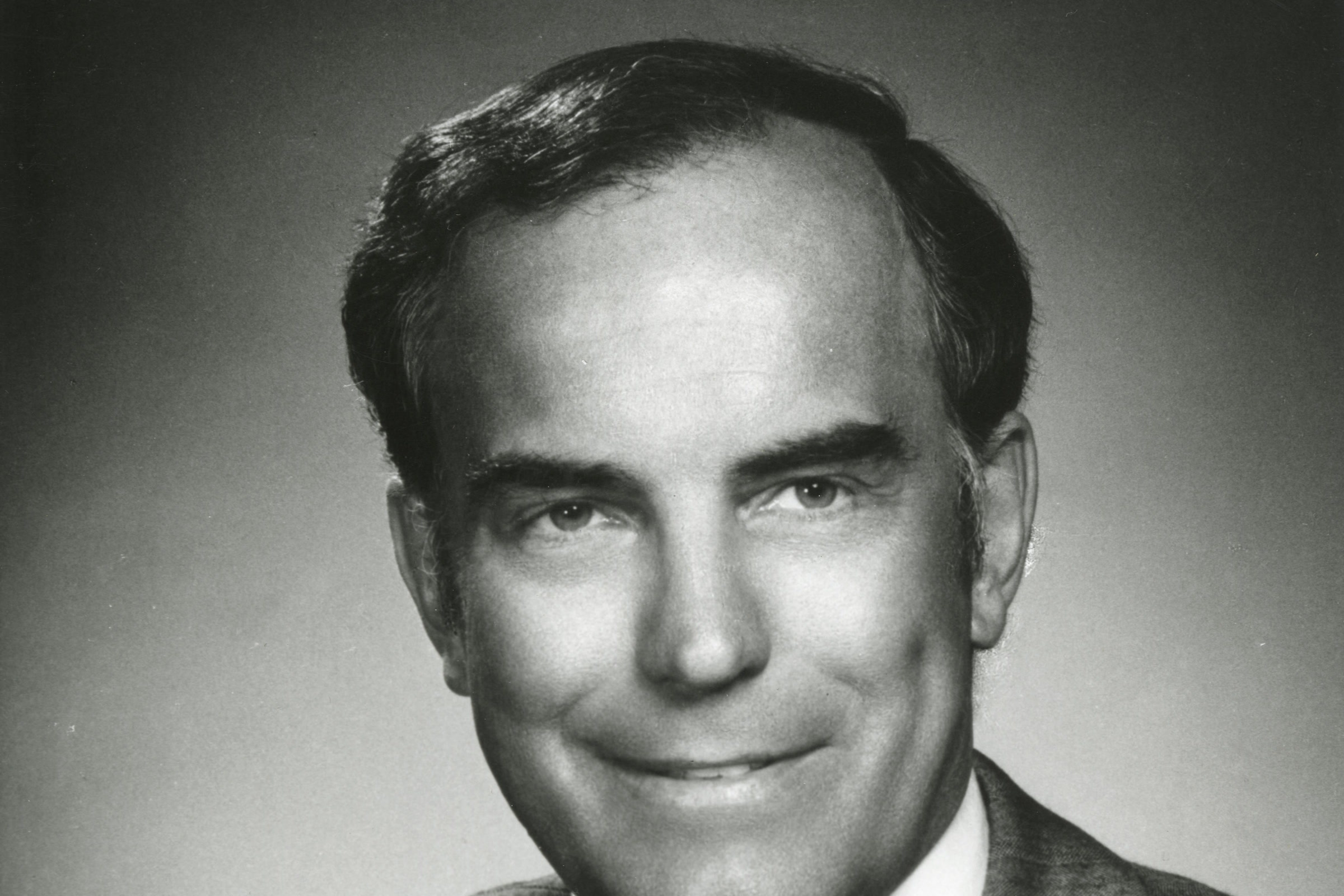
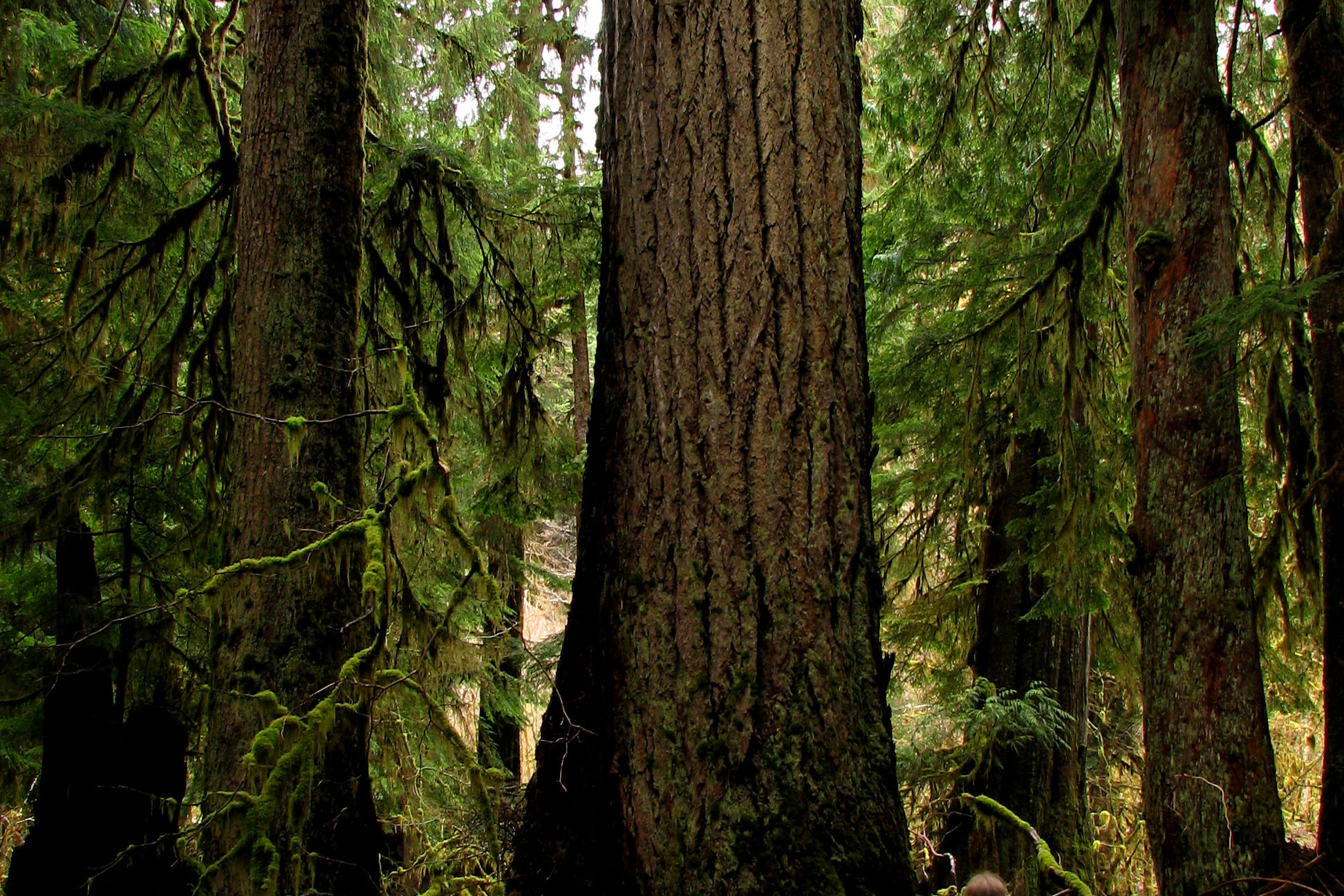
Wilderness is a legal term, not just a description. The Wilderness Act of 1964 defines it as land “where the earth and its community of life are untrammeled by man, where man himself is a visitor who does not remain.” The park manages the Daniel J. Evans Wilderness to keep it that way.
Wilderness rules for visitors
Day hikers are welcome without a permit. These are the main rules on the park’s wilderness regulations page as of October 2026. It is not a full list, so check the NPS page before you go.
| Topic | Rule in park wilderness |
|---|---|
| Overnight stays | Wilderness camping permit required |
| Motor vehicles and bicycles | Not permitted, nor other wheeled devices |
| Drones | Prohibited anywhere in the park |
| Group size | 12 people and 8 stock at most |
| Campfires | Only below 3,500 feet, and not on some coast sections |
| Food storage | Approved bear canisters |
| Pets | Not permitted |
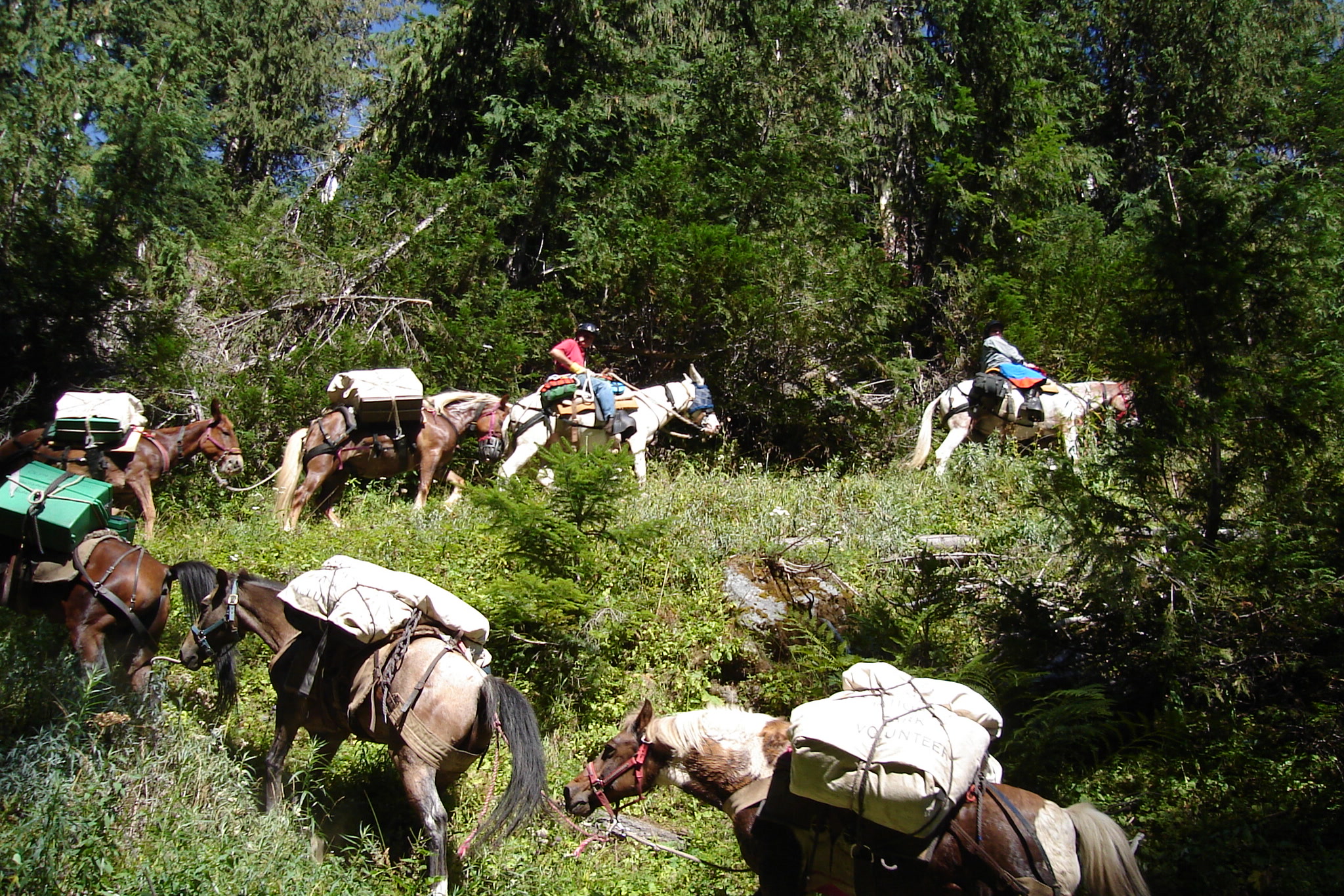
Pack animals are allowed, limited to horses, mules, burros and llamas, and camping with them above 3,500 feet is only allowed in designated stock camps. Our comparison of Olympic National Park vs Olympic National Forest explains how these rules differ next door.
Permits for overnight trips
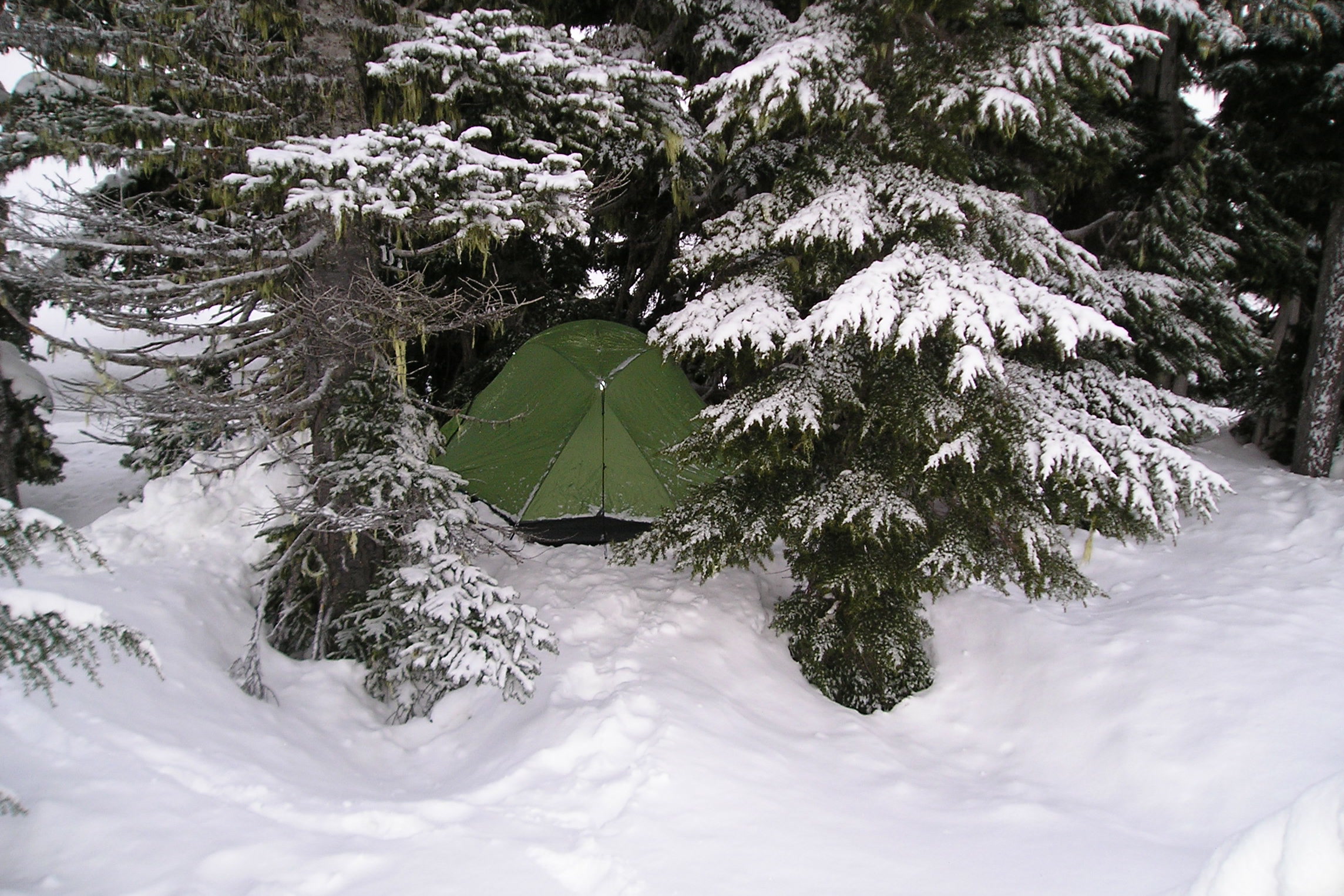
Every night in the backcountry needs a wilderness camping permit, in any season. Our Olympic National Park wilderness permits guide covers how to reserve one, the fees and the quota areas.
Leave No Trace
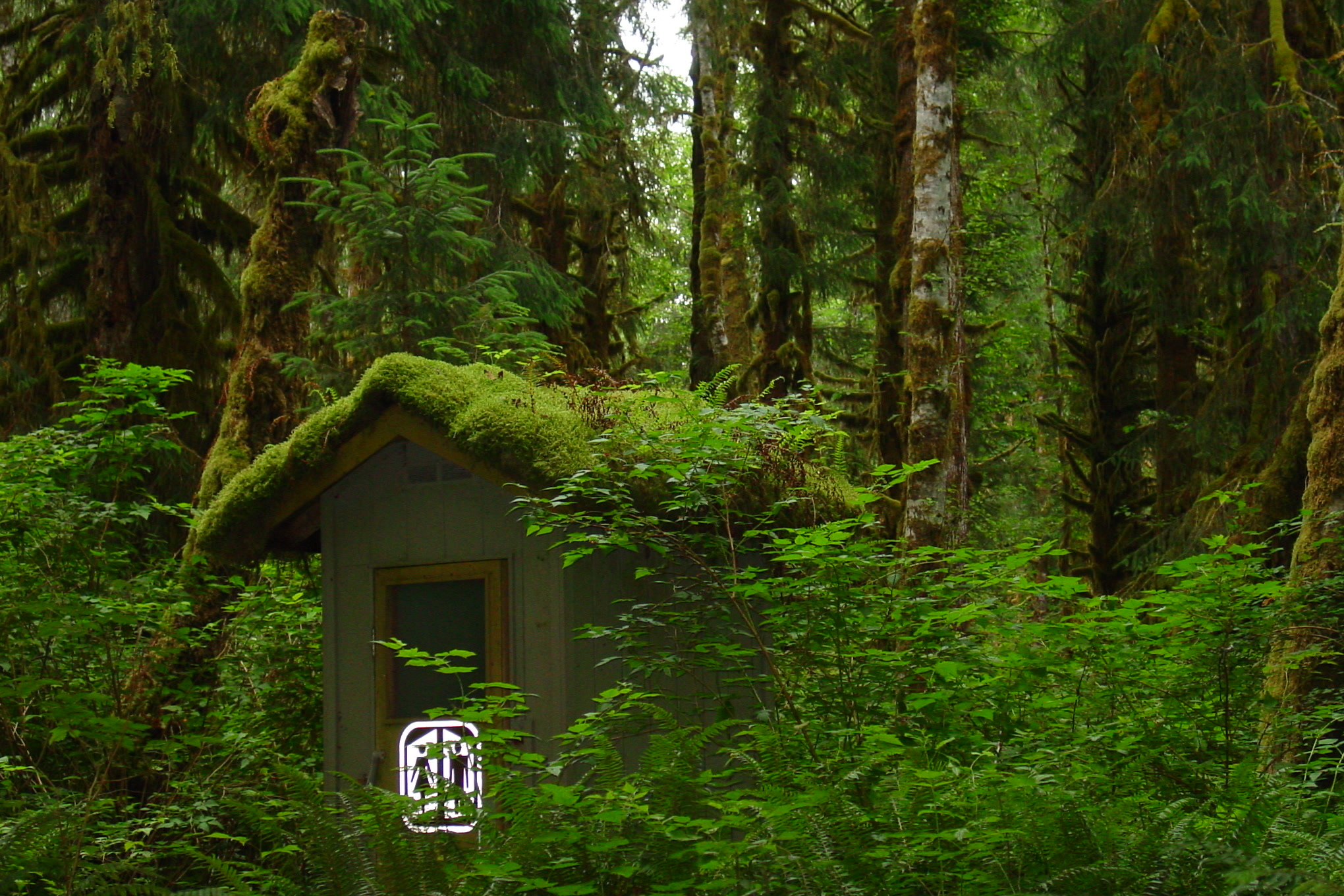
Wilderness only stays wild if visitors leave it as they found it. Plan ahead, camp on durable surfaces, pack out all trash, leave what you find, keep fires small and low, and respect wildlife and other visitors. Our Leave No Trace on Olympic coast beaches guide shows how those principles work on the wilderness coast.
Why the wilderness matters
The park says its wilderness holds some of the nation’s cleanest air and water, and a rich mix of plants, animals and natural processes. That matters all the more because the park sits beside heavily logged and developed land. It also protects natural sound, which the park calls a unique and endangered resource.
It still faces threats. The park lists the loss of native species, invasive nonnative species, faster cycles of disturbance, pollutants and climate change. It also notes that the Skokomish, Quinault, Queets, Hoh, Quileute, Makah and Klallam/S’Klallam peoples have cared for these lands since time immemorial.
How Friends of Olympic National Park helps
We are Friends of Olympic National Park, a volunteer led friends group in Port Angeles. Our adopt-a-trail crew looks after the Heart O’ the Forest Trail, and our beach cleanups in Olympic National Park clear debris from the coast. If wild places matter to you, please make a gift to help us care for the park.
Frequently asked questions
How much of Olympic National Park is wilderness?
About 95 percent. The National Park Service says development is limited to about 5 percent of the park, and the rest is the Daniel J. Evans Wilderness.
Why was the Olympic Wilderness renamed?
To honor Daniel J. Evans, the senator who introduced the Washington Park Wilderness Act in 1988. Public Law 114-272 made the change on December 14, 2016, and the park rededicated the area in 2017.
Can you ride a bike in the Daniel J. Evans Wilderness?
No. The park does not permit bicycles, motor vehicles or other wheeled devices in its undeveloped areas. Drones are banned anywhere in the park.
Do I need a permit to hike in the wilderness?
Not for a day hike. A wilderness camping permit is required for every overnight stay in the backcountry, in any season.
When was the Olympic Wilderness created?
President Reagan signed the Washington Park Wilderness Act on November 16, 1988. It designated 877,000 acres of Olympic National Park as wilderness.
Leave a Reply