
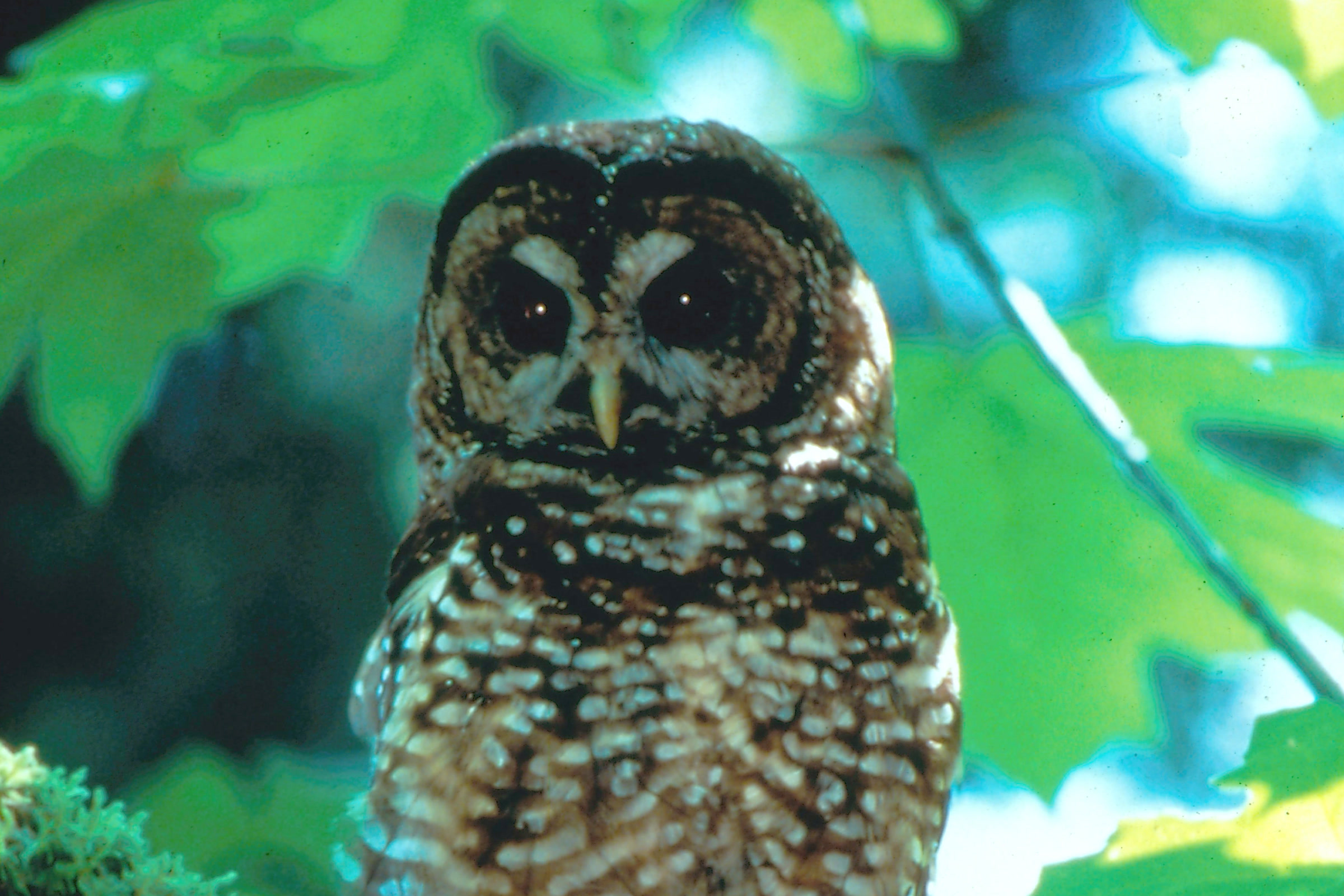
The northern spotted owl is a quiet, dark eyed hunter of old forests, and Olympic National Park was long one of its best refuges. Protected from logging, its ancient valleys once held an estimated 230 pairs. Today a newer arrival, the barred owl, has pushed most of them out. Here is what makes the bird special and what is happening to it.
Quick answer
Are there northern spotted owls in Olympic National Park?
Yes, but far fewer than before. The northern spotted owl, listed as threatened in 1990, lives in the park’s old growth forests. The National Park Service reports that spotted owl numbers on the Olympic Peninsula fell by over 80 percent between 1995 and 2017, mainly because invasive barred owls displaced them.
- Listed as threatened under the Endangered Species Act in 1990
- Nests only in large stretches of old forest
- Peninsula numbers fell by over 80 percent, 1995 to 2017
- In 2022, 474 acoustic recorders listened for owls in Olympic
Meet the northern spotted owl
The US Fish and Wildlife Service describes a medium sized, chocolate brown owl with dark eyes and round or irregular white spots on its head, neck, back and underparts. It ranges from southwestern British Columbia through Washington and Oregon into northern California. It hunts at night, catching prey with its talons.
Its menu is mostly small forest mammals: flying squirrels, woodrats, voles and mice. Spotted owls are relatively long lived, invest heavily in parental care and have high adult survival compared with other North American owls.

Why spotted owls need old growth forest
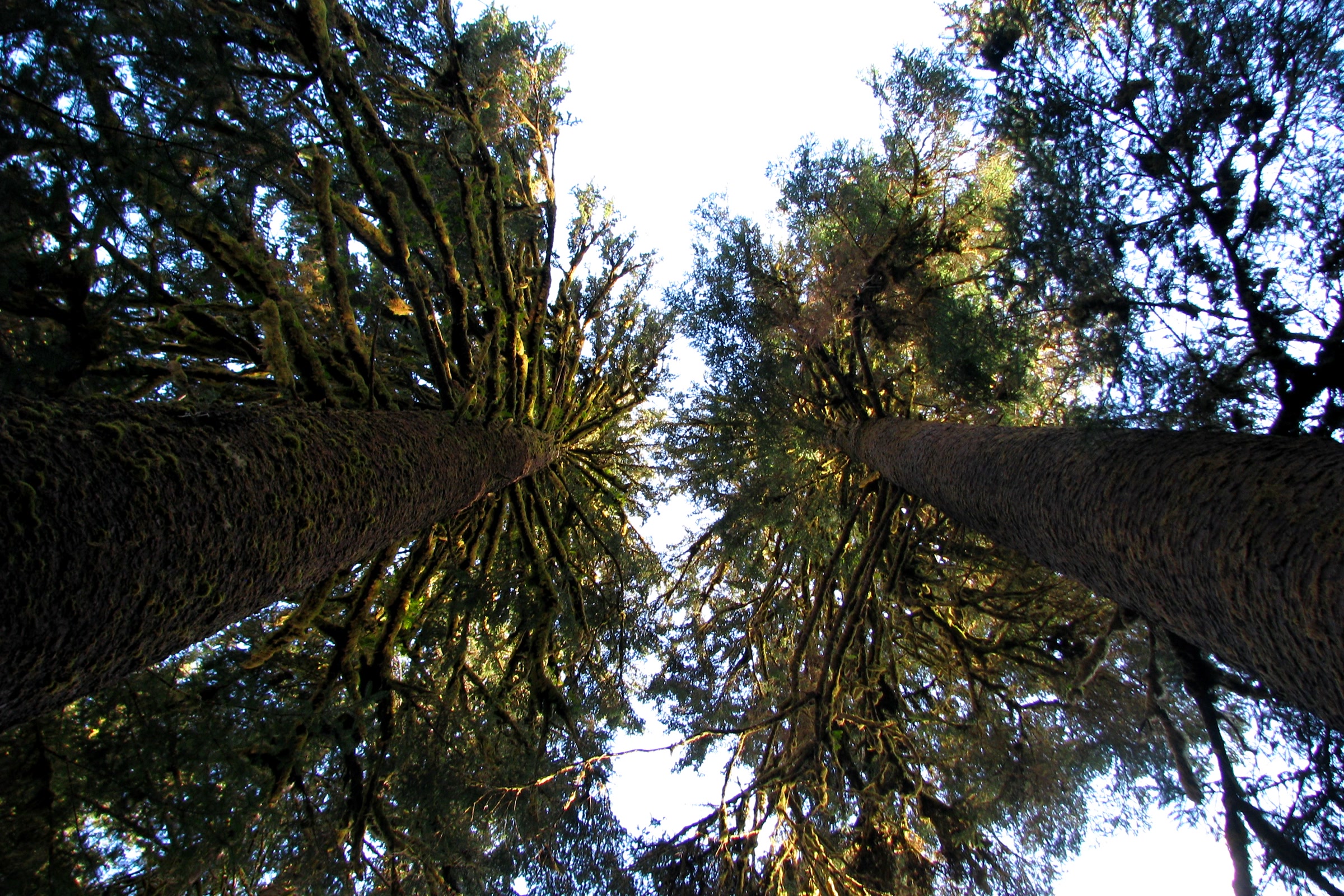
The link between the spotted owl and old growth forest is about structure. The park’s Dosewallips area brochure explains that low limbs give owls a cool, shaded perch on warm days, while high limbs help them keep warm on cool ones. Old forests also hold enough prey, such as flying squirrels and voles.
Some owls hunt among younger trees, but they will only nest in large stretches of old forest. If a pair cannot find a patch big enough and far enough from another nesting pair, it simply skips nesting that year. You can read more about the forests themselves in our guide to the temperate rainforests of Olympic National Park.
The same forests shelter other wildlife, including the fishers covered in our story of the fisher reintroduction in Olympic National Park.

A listed species and a forest plan
The spotted owl was listed as threatened under the Endangered Species Act in 1990, and as the park’s brochure puts it, it soon made the news more than any other animal in the Northwest. For some it became a symbol of economic hardship from reduced logging. For others it signalled healthy forest.
The multi agency Northwest Forest Plan followed in 1994, and under it Olympic takes part in the Northern Spotted Owl Monitoring Program. In December 2020 the Fish and Wildlife Service found that moving the owl from threatened to endangered was warranted but precluded by higher priority work, so it remains listed as threatened.

Barred owl and spotted owl: a newcomer takes over
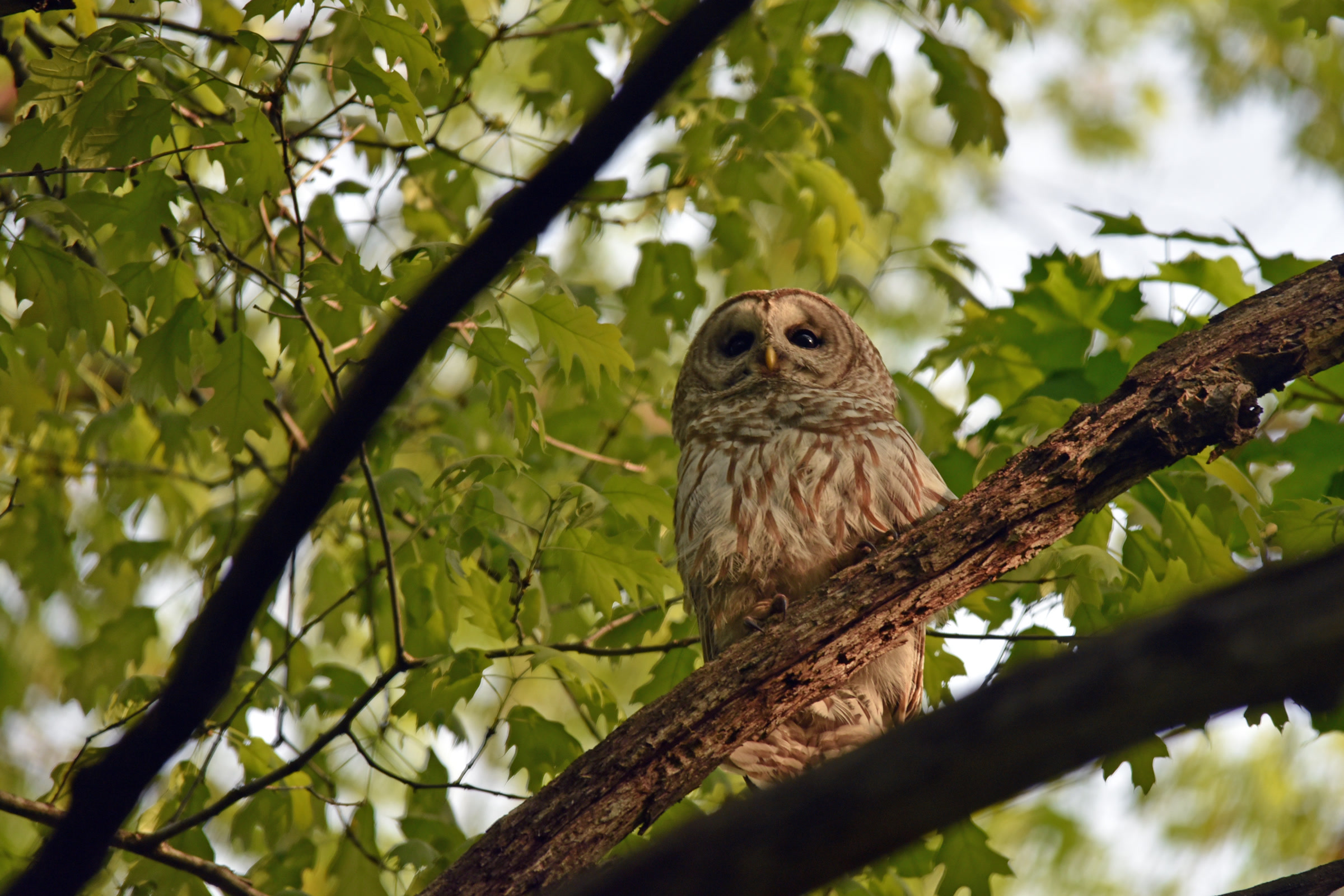
Inside the park, logging is not the chief threat. The barred owl is. According to the Fish and Wildlife Service, barred owls spread west from eastern North America after human caused changes to the landscape, reached British Columbia around 1959 and were first documented in Washington in the 1970s.
Barred owls displace spotted owls, disrupt their nesting, compete for the same food and sometimes attack them. Park biologist Scott Gremel, who has studied Olympic’s owls since the 1990s, notes that barred owls eat a much wider range of prey, down to insects and salamanders, and are having a huge effect on the wider ecosystem.
Spotted owl and barred owl compared
| Feature | Northern spotted owl | Barred owl |
|---|---|---|
| Origin | Native to the Pacific Northwest | Spread west from eastern North America |
| In Washington | Long resident | First documented in the 1970s |
| Legal status | Threatened since 1990 | Treated as invasive in the spotted owl’s range |
| Diet | Mainly flying squirrels, woodrats, voles, mice | Wide range, including insects and salamanders |
What the numbers show for the spotted owl on the Olympic Peninsula
Gremel recalls an early estimate of 230 spotted owl pairs in the park’s protected habitat. The National Park Service’s monitoring article now reports that numbers on the Olympic Peninsula fell by over 80 percent between 1995 and 2017. The park’s own brochure warns that if trends continue, spotted owls will likely soon disappear from this part of their range.
Olympic is not alone. A 2021 range wide analysis summarised by the US Geological Survey found drops of 65 to 85 percent on many study areas over the same years.
Listening for owls
For decades, crews called for owls at night and checked nests at dawn. Since 2020 the program has shifted to small, battery powered recorders left in the woods for about six weeks, with software sorting the calls. In 2022 alone, 474 units in Olympic captured more than 30 years’ worth of audio, tracking both spotted owls and barred owls.

The 2024 barred owl management strategy
In August 2024 the Fish and Wildlife Service finalized a Barred Owl Management Strategy covering Washington, Oregon and California. It allows trained specialists, who must reliably tell the two species apart by sight and sound, to remove barred owls around spotted owl sites. Taking part is voluntary for land managers, and the Olympic Peninsula is one of 11 regions the strategy covers.
At full implementation, the Service estimates a maximum of about 15,600 barred owls a year could be removed over 30 years, which it puts at under half of one percent of the North American population. It builds on a USGS led experiment: where barred owls were removed, spotted owl populations held nearly steady, while areas without removal kept falling by about 12 percent a year.
The plan is contested. Animal welfare groups sued to stop it in late 2024, and several Northwest conservation groups joined the government in defending it in 2025. The Service’s FAQ doesn’t say how the strategy applies inside Olympic, so check current news and the park for the latest.
How Friends of Olympic National Park helps
We are Friends of Olympic National Park (FONP), a volunteer led friends group in Port Angeles. We don’t do owl research, but we share the park’s forests through our guided nature walks and fund practical projects through member gifts. If old forest wildlife matters to you, please support Olympic National Park with a gift of any size.
Frequently asked questions
Why is the northern spotted owl threatened?
It was listed in 1990 because logging removed the old growth it needs for nesting. Inside protected areas like Olympic National Park, the main threat today is invasive barred owls.
What is the difference between a barred owl and a spotted owl?
The spotted owl is native to the Pacific Northwest. The barred owl spread west from eastern North America, reached Washington in the 1970s, eats a wider range of prey and displaces spotted owls.
How many spotted owls are left in Olympic National Park?
The park has not published a current count. The National Park Service reports that numbers on the Olympic Peninsula fell by over 80 percent between 1995 and 2017. A park biologist recalls an earlier estimate of 230 pairs in the park’s protected habitat.
Why are barred owls being removed?
A 2024 federal strategy lets trained specialists remove barred owls around spotted owl sites, after an experiment found spotted owl populations held nearly steady where barred owls were removed. It is voluntary and has been challenged in court.
What do northern spotted owls eat?
Mostly small forest mammals. The US Fish and Wildlife Service lists flying squirrels, woodrats, voles and mice as their main prey, caught at night.
Leave a Reply