
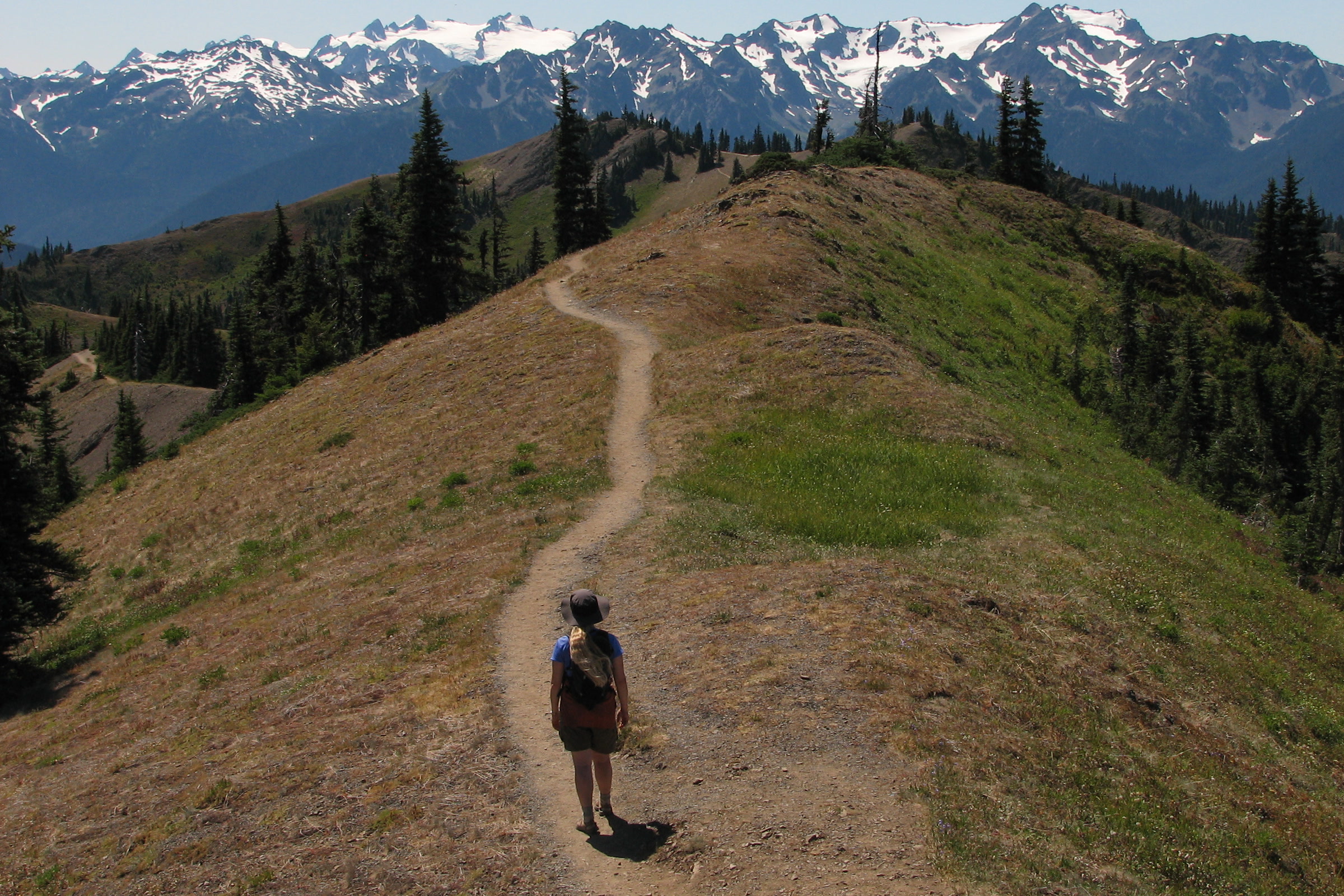
What to pack for Olympic National Park depends on where you are headed, because the park runs from rain forest valleys and wild beaches to snowy peaks. Start with the Ten Essentials, then add layers and gear for each region and season. Here is our Olympic National Park packing list, built on the park’s own safety advice.
Quick answer
What should you pack for Olympic National Park?
Pack the Ten Essentials first: navigation, sun protection, extra clothing, a light, first aid, fire starters, a repair kit, extra food, water with treatment and emergency shelter. Then add rain gear and warm layers in every season, a tide chart and shoes that can get wet for the coast, and tire chains for Hurricane Ridge in winter.
- The coast gets 100 to 170 inches of rain a year
- Hurricane Ridge records 30 to 35 feet of snow a year
- Winter chains are required above Heart O’ the Hills
- Coastal backpackers must store food in bear canisters
What to pack for Olympic National Park: start with the Ten Essentials
The National Park Service’s Ten Essentials are the core of any day pack, even for a short walk. Weather here can turn quickly, and these are the items that get you through a wrong turn, a sprained ankle or an unplanned night out.
- Navigation: map, compass and GPS.
- Sun protection: sunglasses, sunscreen and a hat.
- Extra clothing: jacket, hat, gloves, rain shell and other layers.
- Illumination: flashlight or headlamp.
- First aid supplies: a first aid kit.
- Fire: matches or a lighter and fire starters.
- Repair kit and tools: duct tape, knife or multi tool, scissors.
- Nutrition: extra food.
- Hydration: water and water treatment supplies.
- Emergency shelter: tent, space blanket, tarp or bivy.
Why the weather shapes what you bring
The park says the coast and west facing valleys get 100 to 170 inches of rain a year, while park headquarters in Port Angeles averages only 25 to 30 inches. Most of it falls from November through April. Even in July and August, rain is always possible, and hikers should be ready for thunderstorms in the high country.
Summer temperatures can swing 10 to 20 degrees, especially on the coast and at higher elevations, and fog can sit on the beaches on sunny days. Our guide to the best time to visit Olympic National Park covers each season, and the park’s road and weather line is 360-565-3131.
Olympic National Park packing list by region
| Where | What to expect | Add to the Ten Essentials |
|---|---|---|
| Rain forests | Heavy rain, wet trails | Rain jacket and pants, waterproof boots |
| Coast | Fog, tides, creek crossings, drift logs | Tide chart, shoes that can get wet, water filter |
| Mountains | Big temperature swings, storms, late snow | Warm layers, gloves, sun protection |
| Hurricane Ridge in winter | Deep snow, no indoor warming area | Tire chains, waterproof boots, spare dry clothes |
| Wilderness overnight | Bears, raccoons, untreated water | Bear canister, water treatment, permit |
Rain forests: rain gear first
In the Hoh and Quinault valleys, good rain gear matters more than anything else in your pack. Bring a waterproof jacket and pants, waterproof footwear and a spare warm layer.
Coast: tides, wet feet and fog
On the beaches, the tide sets your schedule. Carry a printed tide chart and, for longer trips, a topographic map, since some headlands can only be rounded at low tide and others not at all. The park recommends sturdy shoes that can get wet for tidepooling, and many beach routes cross creeks.
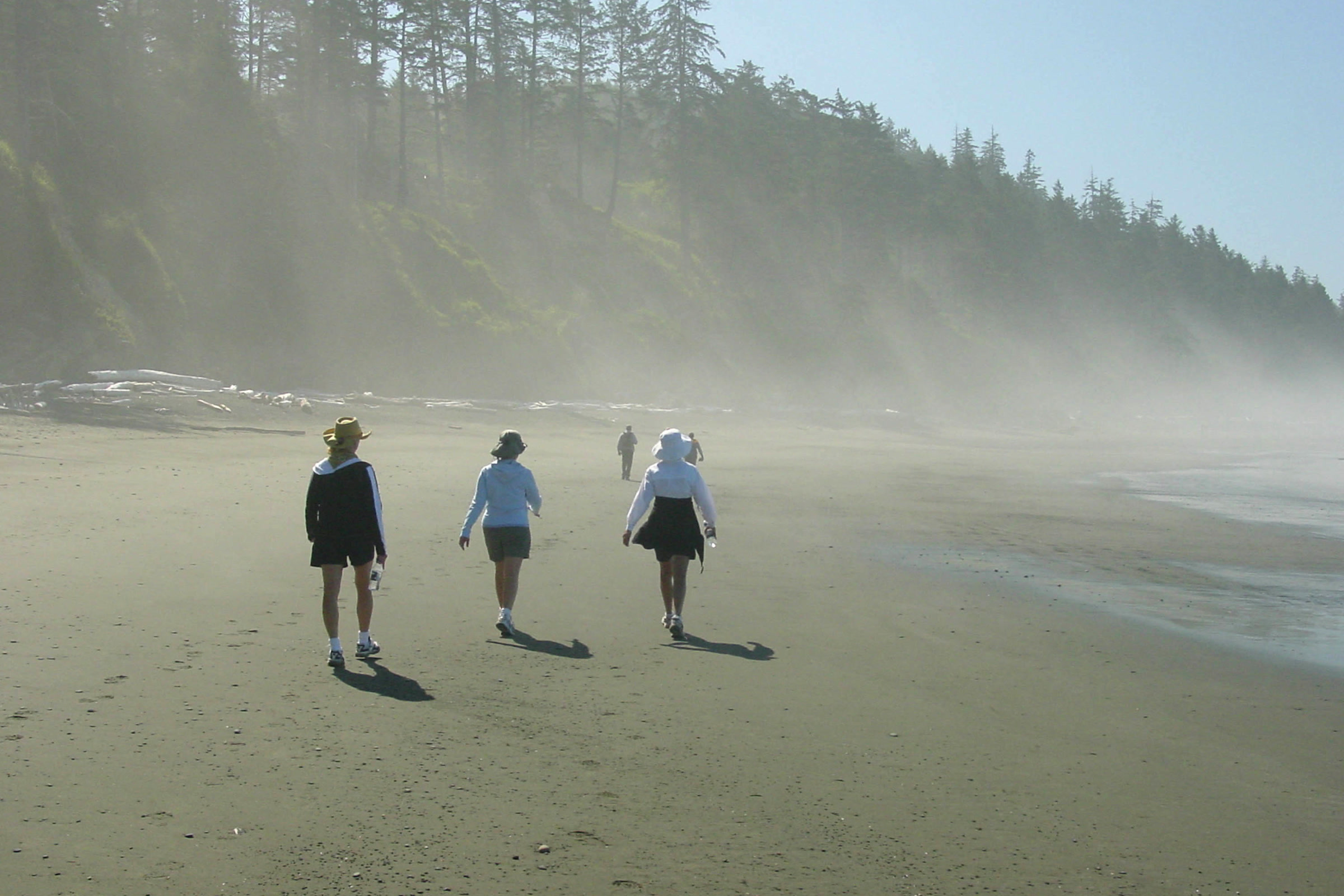
Coastal streams are often tea stained, and giardia and cryptosporidium are present, so the park says to filter or boil all water; iodine does not kill cryptosporidium. Check pet rules too: pets are not allowed on wilderness beaches such as Second Beach and Third Beach. Our guides to Second Beach and Third Beach at La Push and Leave No Trace on Olympic coast beaches cover tides and drift log safety.

Mountains: layers for fast changes
Up high, snow and heavy rain can linger into June, and many high elevation trails may be impassable until it melts. Snow can return as early as late September. Pack a warm insulating layer, hat and gloves even on a sunny summer day, plus sunglasses and sunscreen for the open ridges.

For a classic day hike up high, our Hurricane Hill Trail guide covers the route and what to expect on the ridge.
Winter at Hurricane Ridge
Hurricane Ridge records 30 to 35 feet of snow a year, and its winter season generally runs from late November through the end of March. As of October 2026, the park requires all vehicles, four wheel drive included, to carry tire chains above the Heart O’ the Hills entrance station from November 1 to April 1. Check the NPS page before you go.
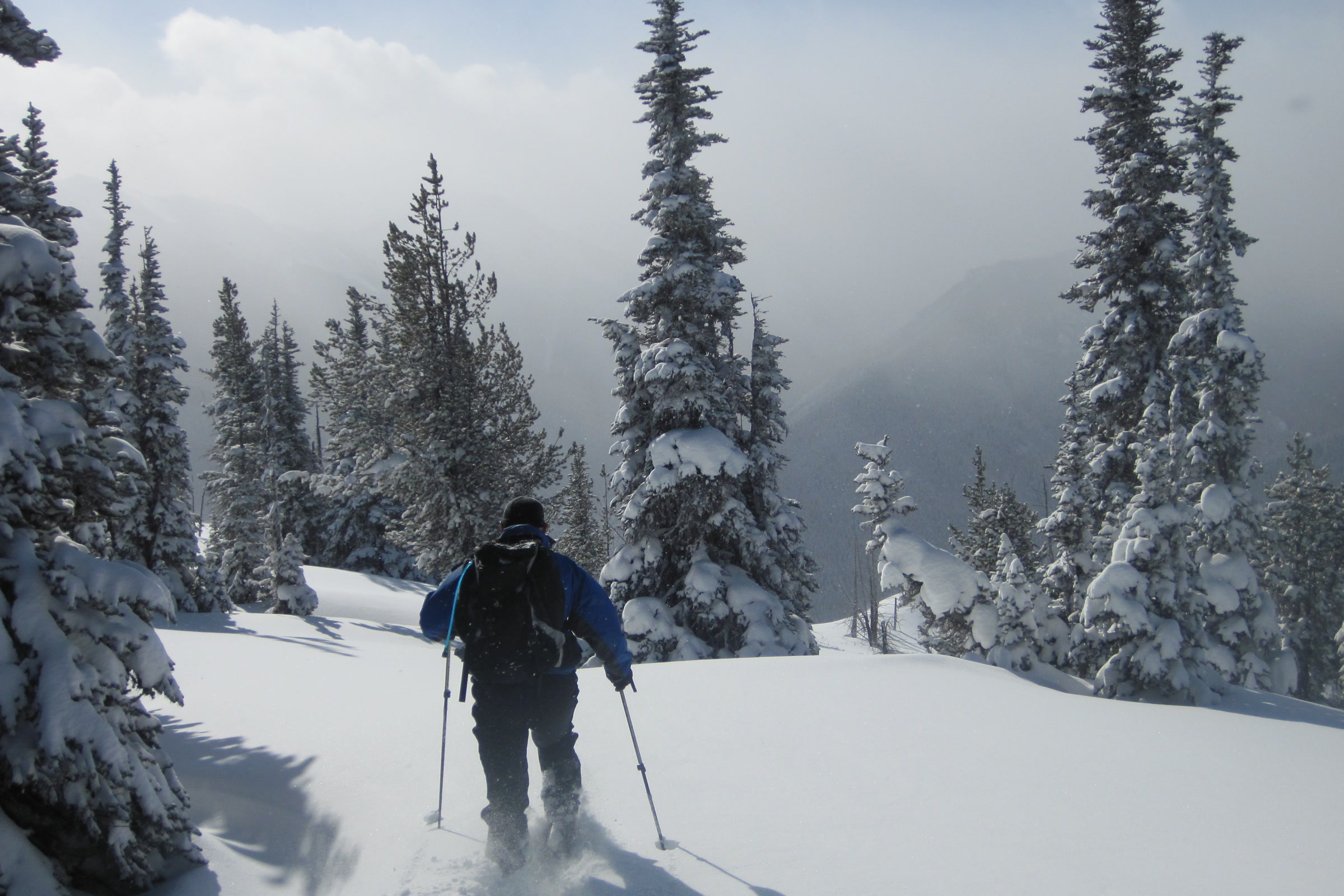
There is no indoor warming area, so the park advises dressing in layers with warm, waterproof boots, hats, mittens, sunscreen and sunglasses. Bring extra food, water, dry clothing and blankets or sleeping bags in the car. Last season the park offered no snowshoe or ski rentals, and sledders needed their own tube or sled.
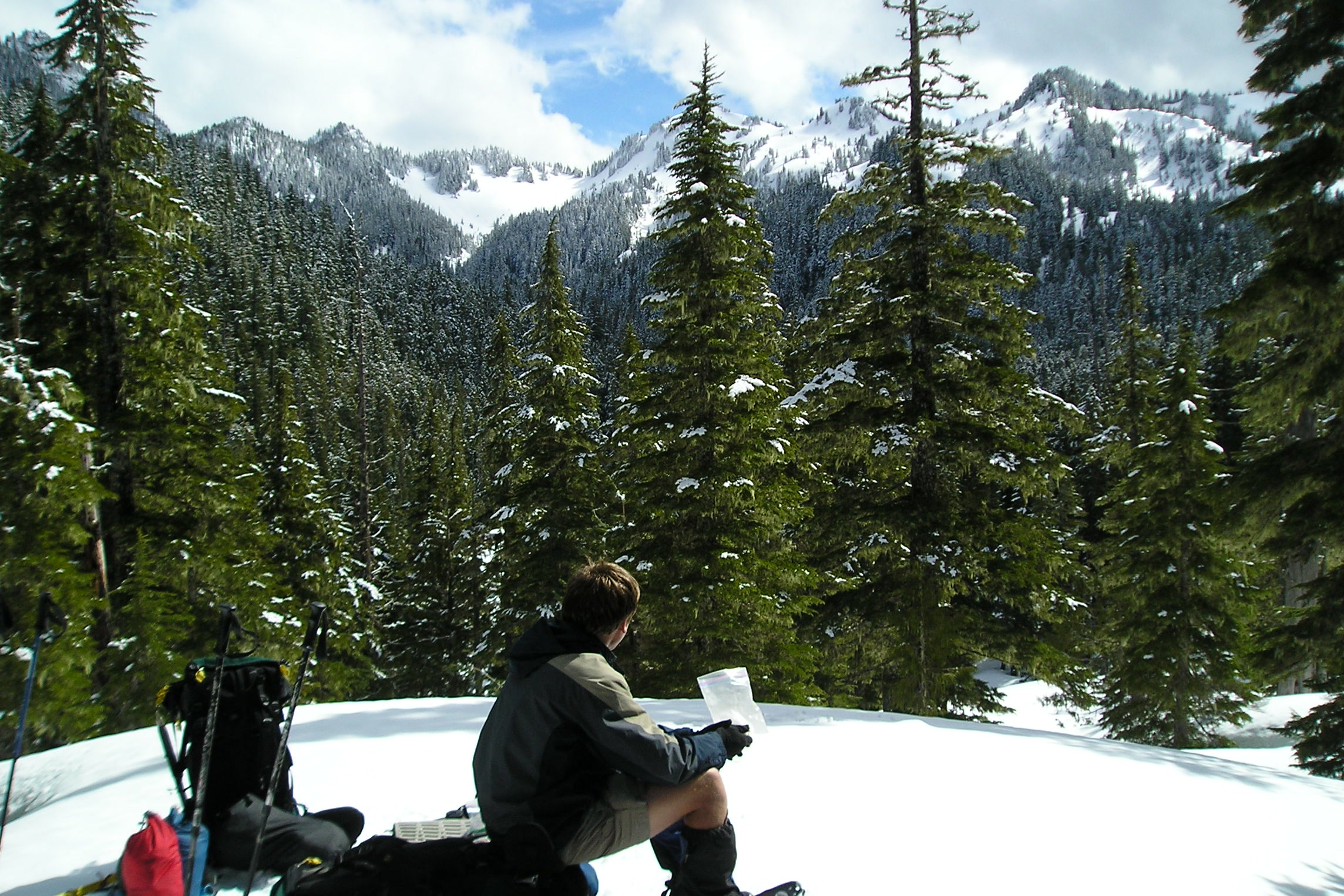
Anyone heading off the groomed areas should be ready for steep terrain and avalanches, which the park says can change daily or even hourly. Check the Northwest Avalanche Center forecast before you go. Our guide to Hurricane Ridge in winter covers road hours and activities.
Overnight trips and wildlife
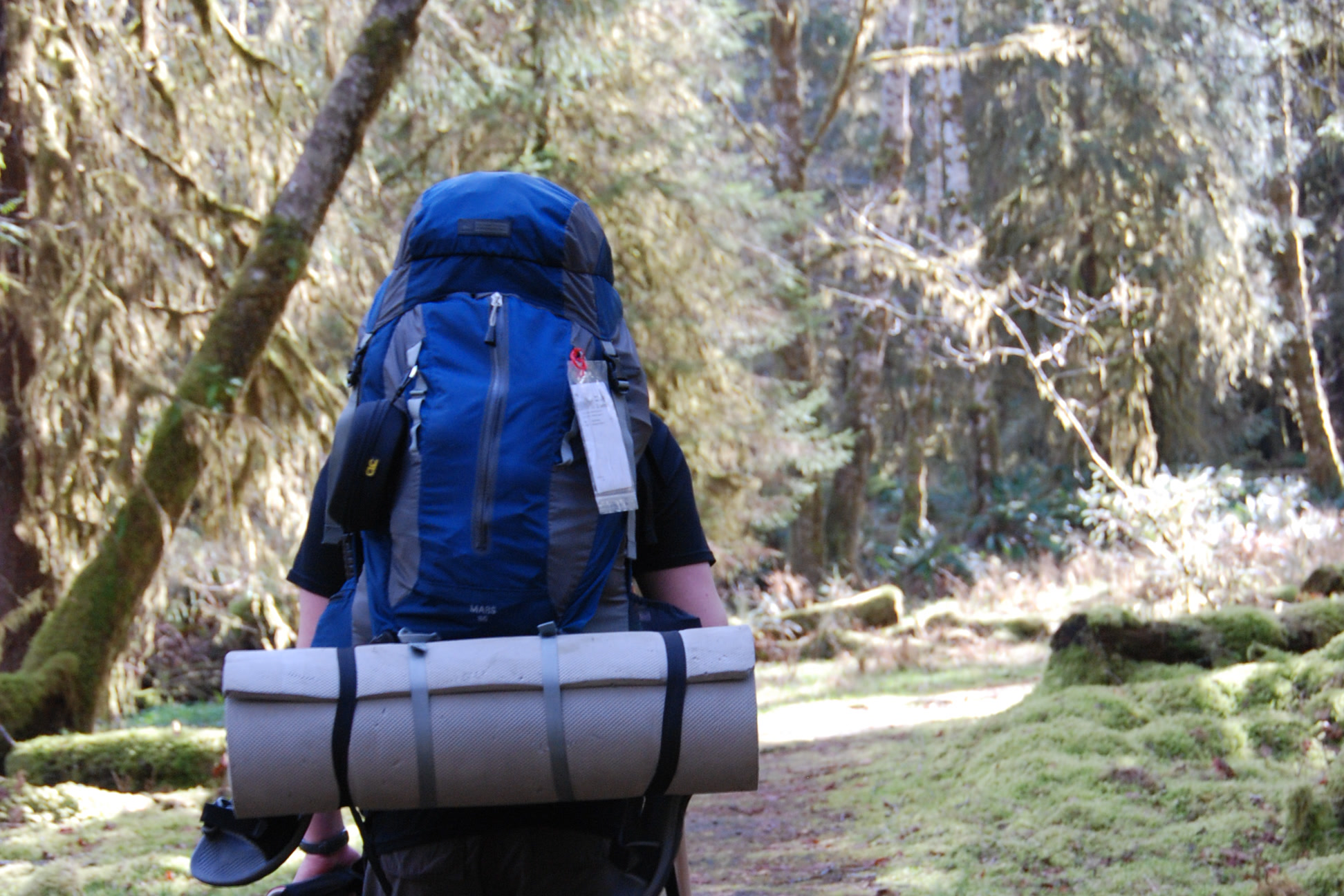
Backpackers need a wilderness permit, and along the entire wilderness coast all food, garbage and scented items must go in a park approved bear canister. The park’s Wilderness Information Center lends canisters. Our guide to Olympic National Park wilderness permits explains booking.
Good food storage protects wildlife as well as your dinner. Read our guides to black bears in Olympic National Park and cougars in Olympic National Park before you go, so you know how to react to an encounter.
How Friends of Olympic National Park helps
We are Friends of Olympic National Park (FONP), a volunteer led friends group in Port Angeles. Our volunteers care for the Heart O’ the Forest Trail, clean beaches and host the Winter Perspectives Series. If you love exploring this park well prepared, become a member and help us care for it.
Frequently asked questions
Do I need rain gear in summer at Olympic National Park?
Yes. The park says rain is always a possibility, even in July and August, and hikers should be ready for thunderstorms in the high country. Fog can also linger on the coast on sunny days.
What are the Ten Essentials?
The National Park Service lists navigation, sun protection, extra clothing, illumination, first aid supplies, fire, a repair kit and tools, extra food, water with treatment supplies, and emergency shelter.
Do I need chains to drive to Hurricane Ridge in winter?
As of October 2026, yes. The park requires all vehicles, including four wheel drive, to carry tire chains above the Heart O’ the Hills entrance station from November 1 to April 1.
What shoes should I wear on Olympic coast beaches?
The park recommends sturdy shoes that can get wet. Algae makes rocks slippery, many beach routes cross creeks, and tide pools are best explored with good grip.
Do I need a bear canister in Olympic National Park?
For overnight trips on the wilderness coast, yes. All food, garbage and scented items must be stored in a park approved bear canister, and the Wilderness Information Center lends them.
Leave a Reply