
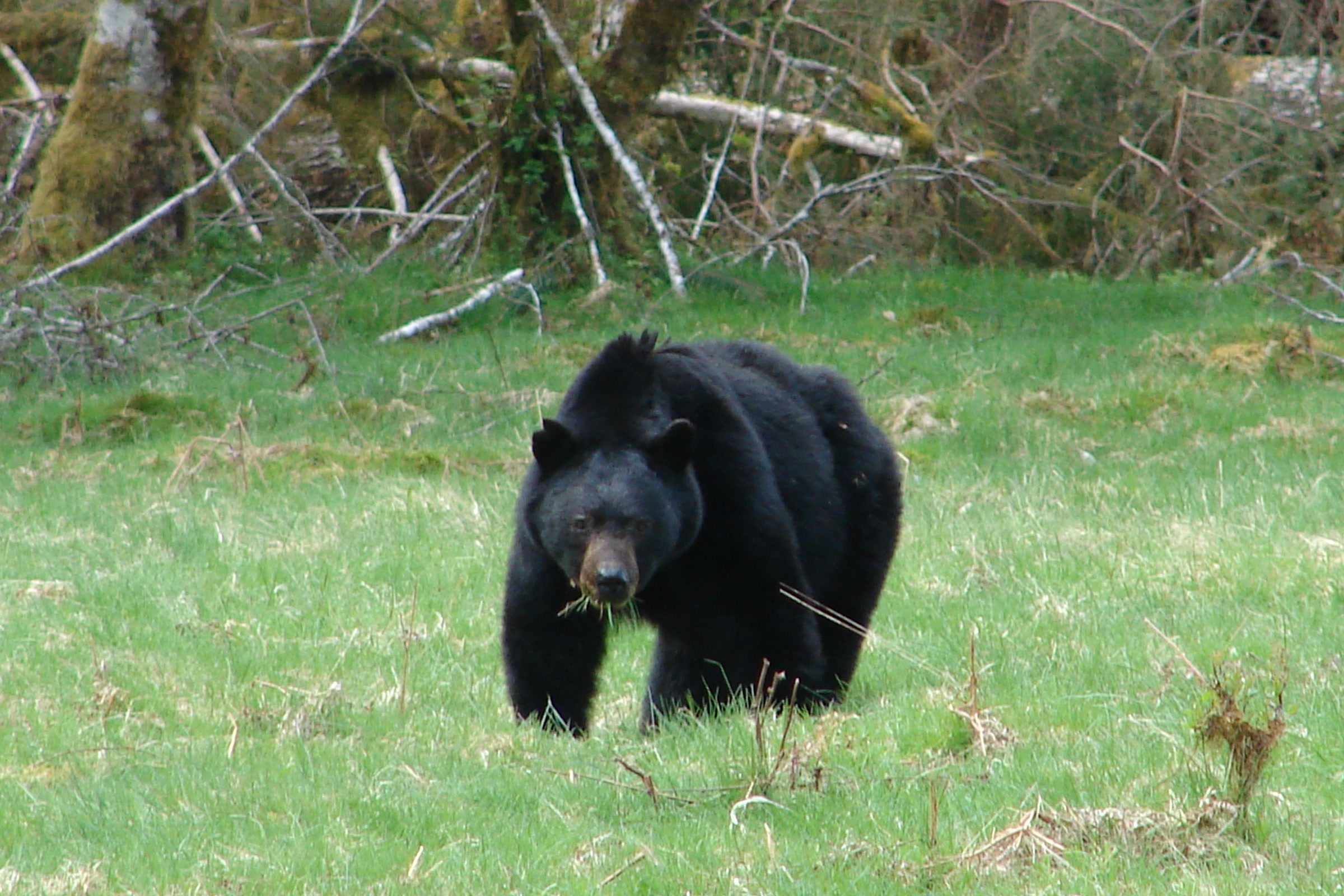
Black bears in Olympic National Park are the only bears you will meet here. The park says they live in riparian, coastal, subalpine and forested areas, so a sighting can happen almost anywhere, from a river bar to a mountain meadow. Spotting one is a thrill, and a few simple habits keep that moment safe for you and for the bear.
Quick answer
What should you do if you see a black bear in Olympic National Park?
Stay at least 100 feet away and never approach; if a bear notices you, talk calmly and loudly, stand your ground, slowly wave your arms and pick up small children. Don’t run or climb a tree. Back away slowly and sideways, leaving the bear an escape route. If a black bear attacks, fight back.
- Black bears are the only bear species in the park
- Keep 100 feet, or three bus lengths, from any bear
- Store food in a hard sided vehicle, food locker or approved container
- Report bears that get food or approach people to a ranger
Meet the black bears in Olympic National Park
Don’t let the name fool you. The Washington Department of Fish and Wildlife (WDFW) says black bears can be black, brown, blond, cinnamon or rust, and black or brown with a light brown snout is most common. In Washington they average 100 to 300 pounds, with males larger than females, and stand about 2.5 to 3 feet at the shoulder on all fours.
The park does not give a population count on its black bear page, and we won’t guess one. Statewide, WDFW estimates about 22,000 black bears across all land ownerships, cubs included. Grizzlies are not part of the picture here: WDFW says Washington’s grizzly populations are limited to the northeast of the state.
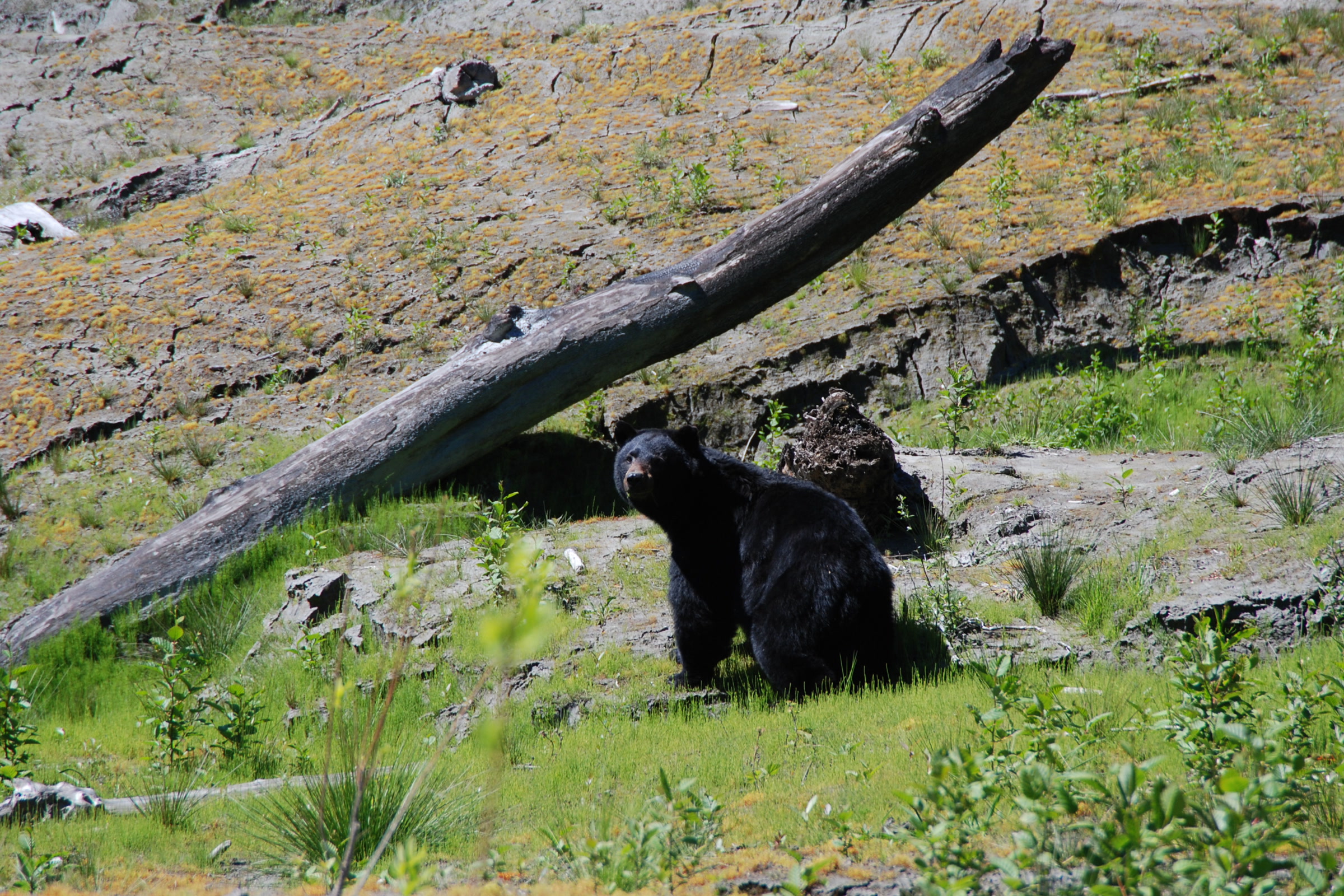
Lake Mills, where this bear was photographed, was one of two Elwha reservoirs drained when the dams came out. Our guide to Elwha River restoration tells that story.
What bears eat through the year
Their menu follows the seasons, as the park’s black bear page describes.
A black bear’s year in Olympic
| Season | What bears are doing |
|---|---|
| Before berries ripen | Feeding on tree sapwood, young bark and insect mounds until berries ripen |
| Spring and fall salmon runs | Fishing in shallow water and eating salmon carcasses |
| Late summer to fall | Grazing berries, nuts and seeds; often raiding huckleberries on mountain slopes in early fall |
| Winter | Hibernating for several months, breathing about once every 45 seconds |
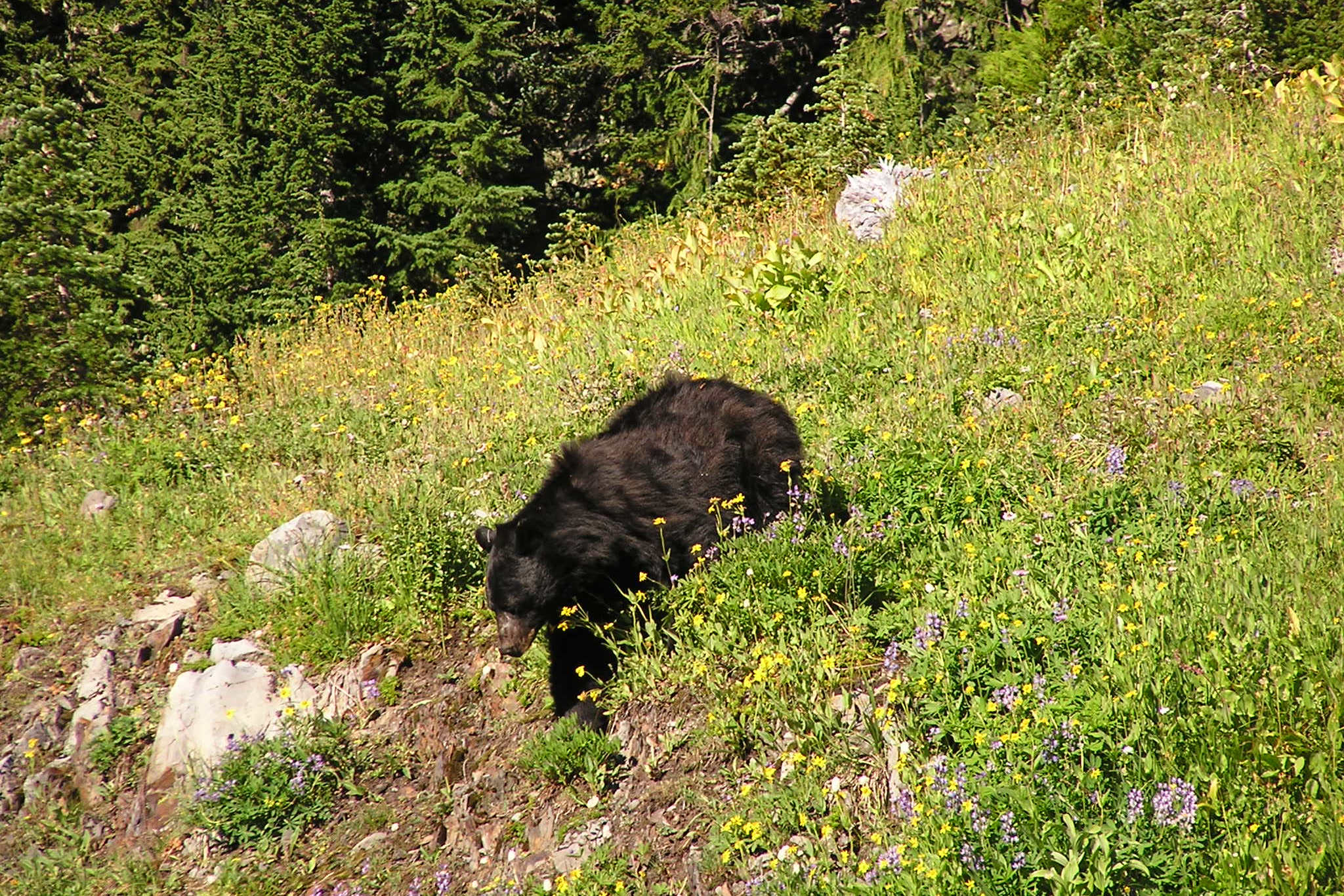
That variety matters to the whole forest. Undigested seeds pass through bears and sprout in their scat, bears tear into fallen logs for insects, and they scavenge carcasses, returning nutrients to the soil. WDFW adds a caution: bears may look for food near people in early spring, before natural foods are ready, and in late fall as they fatten for winter.
Bear safety in Olympic National Park: avoiding trouble
Good bear safety starts before you see one. The park asks every visitor to:
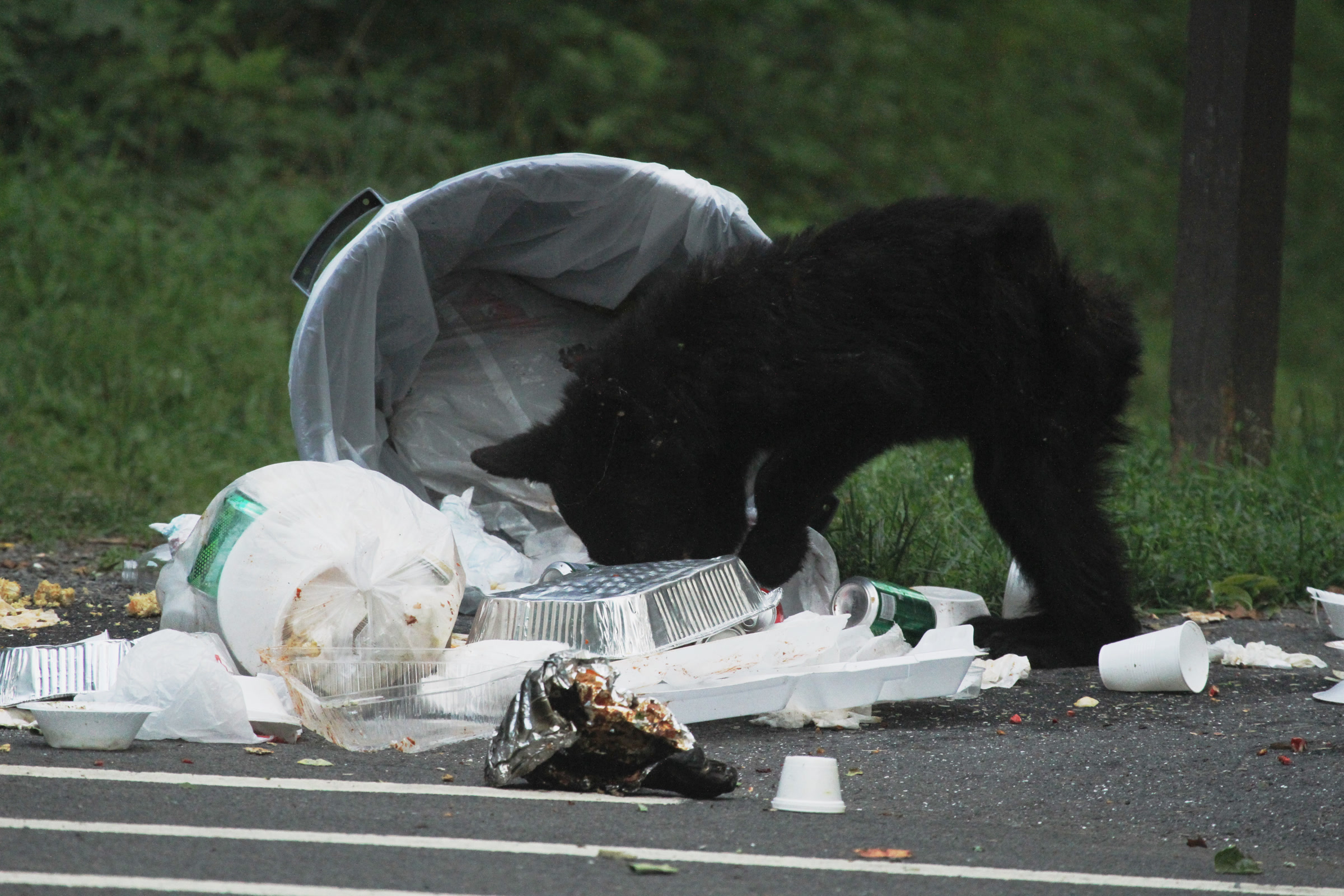
- Never feed bears. Secure all food, trash and scented items in a hard sided vehicle, a park food locker or a park approved animal resistant food container.
- Give bears space. Stay at least 100 feet, or three bus lengths, away. If you see a bear near the road, stay in your vehicle.
- Travel in groups and make noise so you don’t surprise a bear. WDFW notes that simply talking will do the trick.
- Keep children and pets close. Children stay between adults and dogs stay on leash; our guide to dogs in Olympic National Park explains where pets may go.
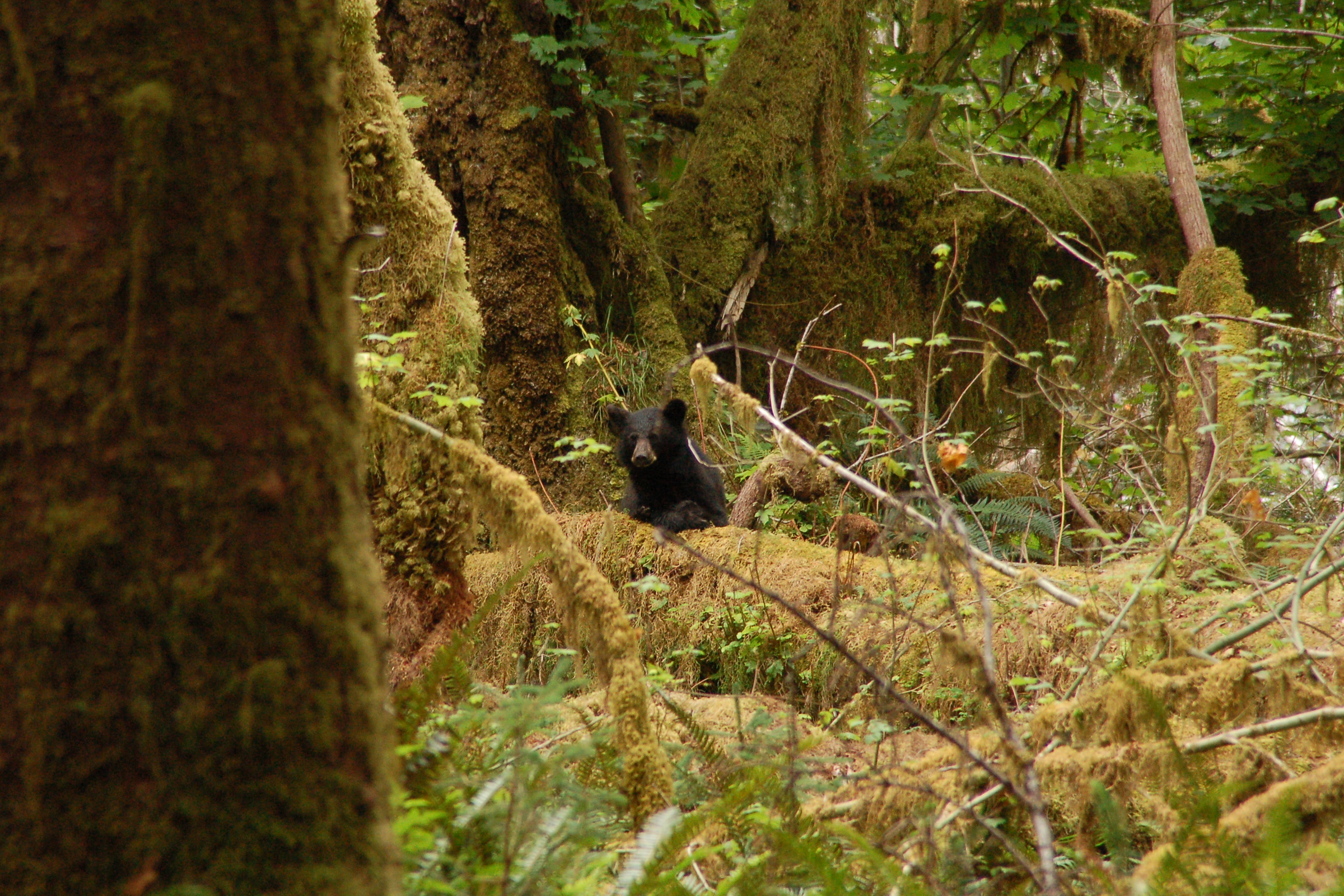
Camping overnight? Approved bear canisters are required for wilderness trips, and our Olympic National Park wilderness permit guide covers the rules and where to borrow one. On the coast, raccoons are the usual raiders, which our Leave No Trace guide to the Olympic coast explains.
What to do if you see a bear
Here is what to do if you see a bear while hiking, in the order the park lists it:
- Talk calmly and loudly so the bear knows you are a human, not prey.
- Stand your ground and slowly wave your arms. A bear standing on its hind legs is usually curious, not threatening.
- Pick up small children.
- Keep your food away from the bear, and don’t drop your pack; it protects your back.
- If the bear stays put, move away slowly and sideways, keeping it in view.
- Leave the area or detour. If you can’t, wait for it to move on, and always leave it an escape route.
If a black bear charges or attacks
Stay calm, stamp your feet and make yourself as big as possible. Bears may bluff charge and turn away at the last second, and if you carry bear spray, use it. WDFW says a spray with 1.3 to 2 percent capsaicin works when sprayed into the bear’s face within 20 to 30 feet.
Don’t run: bears can run up to 35 mph, says WDFW, and the park notes that, like dogs, they chase fleeing animals. Don’t climb a tree either, because black bears climb well. If a black bear attacks, fight back and aim for the eyes and nose. Unlike the advice for grizzlies, the NPS says not to play dead with a black bear.
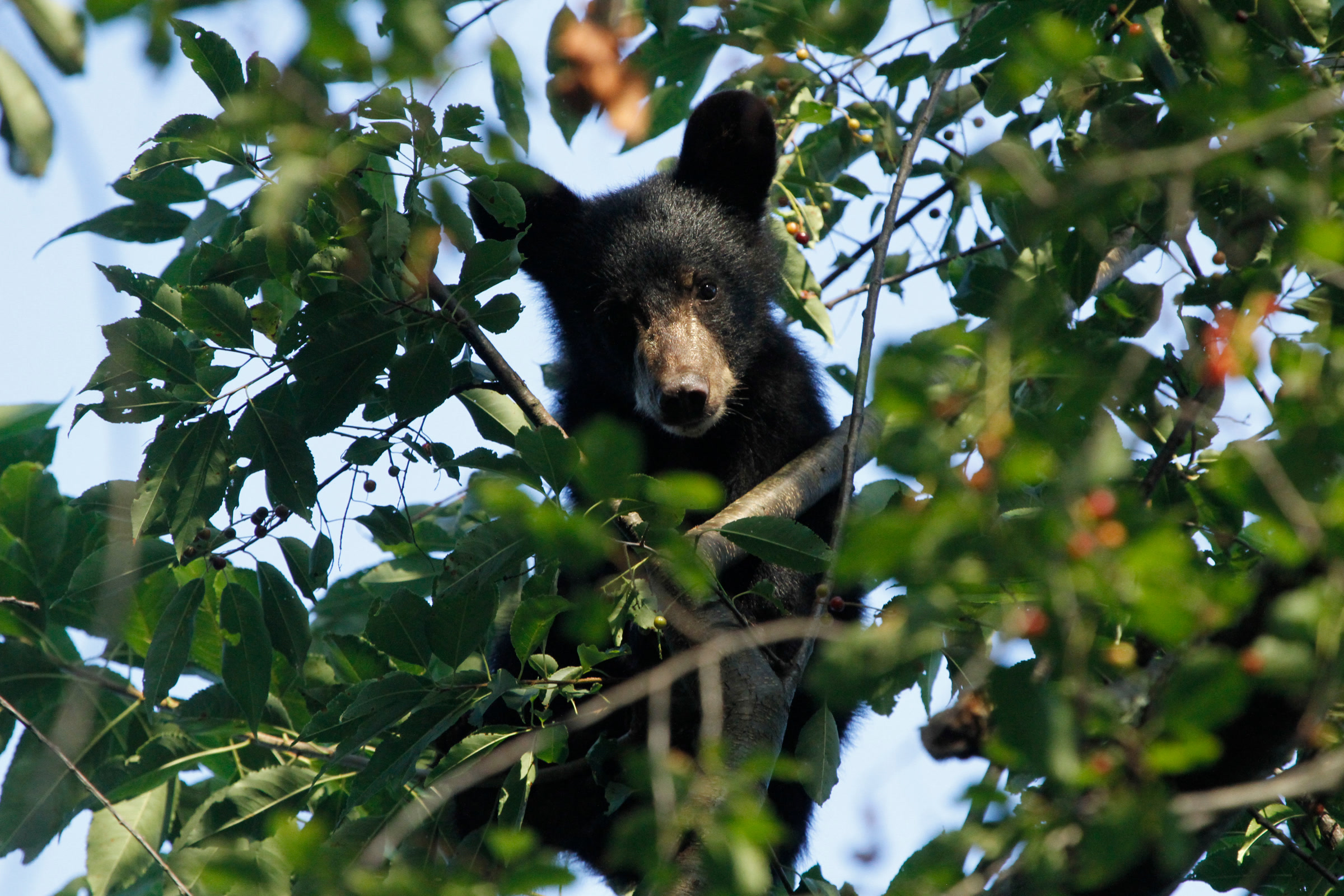
Mothers with cubs
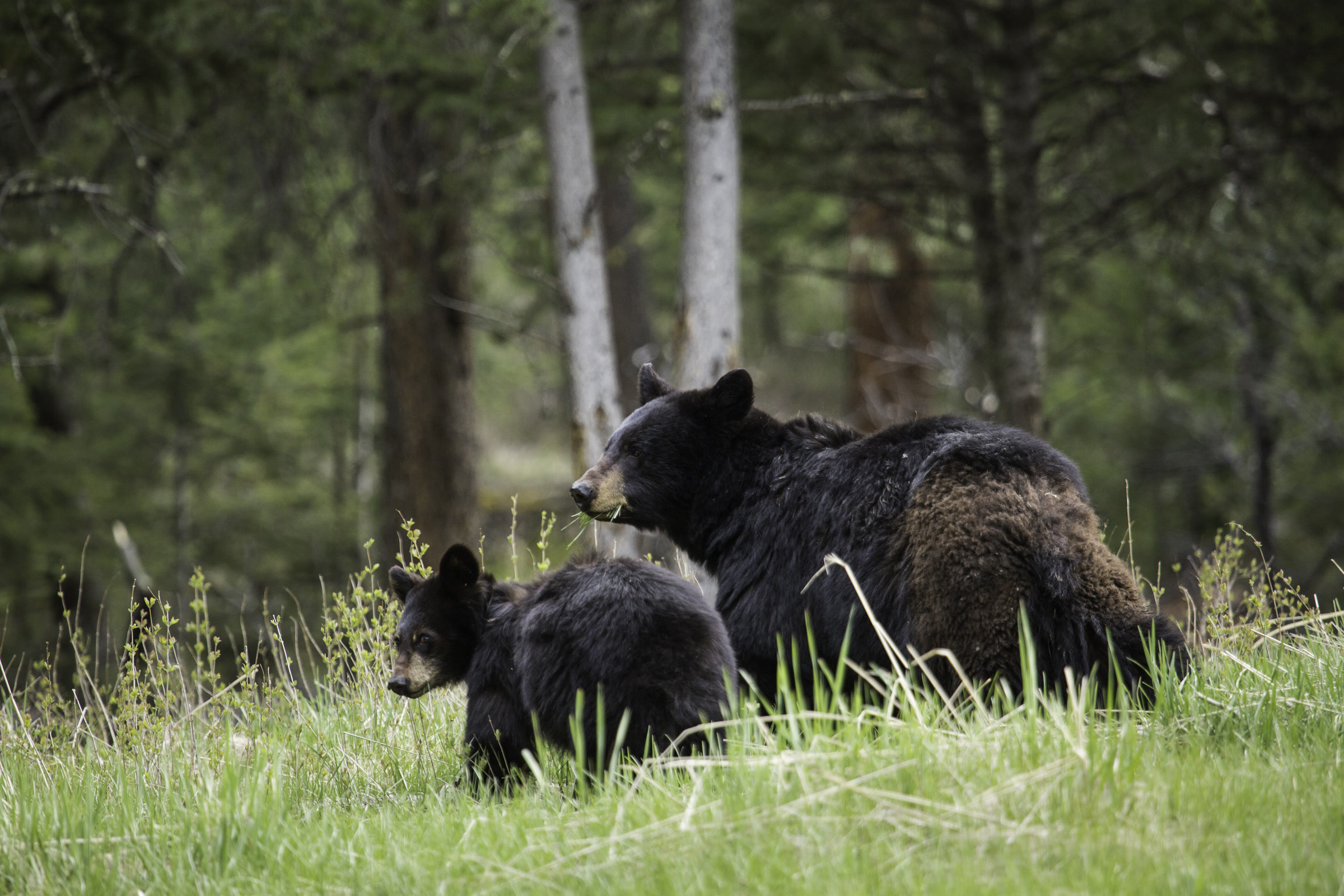
Be especially careful around a female with cubs. Never put yourself between a mother and her cub. The park warns that the chance of an attack rises sharply if she sees you as a danger to her young.
A fed bear is a dangerous bear
WDFW reports that over 90 percent of human and bear conflicts happen because bears learn to link people with food. Olympic has seen it happen. In April 2015 the park closed the Enchanted Valley to camping after black bears got human food and approached hikers without fear, and the superintendent warned that such bears are extremely dangerous.
Camping reopened about seven weeks later, once rangers and biologists found that bear behaviour had returned to normal, with bear canisters required. If a bear gets food, damages property, approaches you or enters your campsite, tell a park ranger or fill out the park’s online wildlife report.
How Friends of Olympic National Park helps
We are Friends of Olympic National Park (FONP), a volunteer led friends group based in Port Angeles. WDFW lists access to trash among the top causes of bear conflicts, and our beach cleanups in Olympic National Park and Visitor Center cleanups help clear it away. You can volunteer at Olympic National Park with us, or support Olympic National Park with a gift that keeps that work going.
Frequently asked questions
Are there grizzly bears in Olympic National Park?
No. The park says black bears are the only bear species found in Olympic National Park. WDFW says grizzly populations in Washington are limited to the northeast of the state.
How close can you get to a bear in Olympic National Park?
Stay at least 100 feet, or about three bus lengths, from any bear, and never approach one.
Should I carry bear spray in Olympic National Park?
The park advises using bear spray if you have it and a bear charges, and WDFW says most experts recommend carrying it in bear country. Choose an EPA approved spray made for bears.
Do I need a bear canister in Olympic National Park?
Yes, for overnight wilderness trips. Approved animal resistant food containers are required in the park wilderness. In campgrounds, store food in a hard sided vehicle or a park food locker.
Should you play dead if a black bear attacks?
No. The National Park Service says not to play dead with a black bear. Fight back, aiming for sensitive areas such as the eyes and nose, or escape to a car or building if you can.
Leave a Reply