
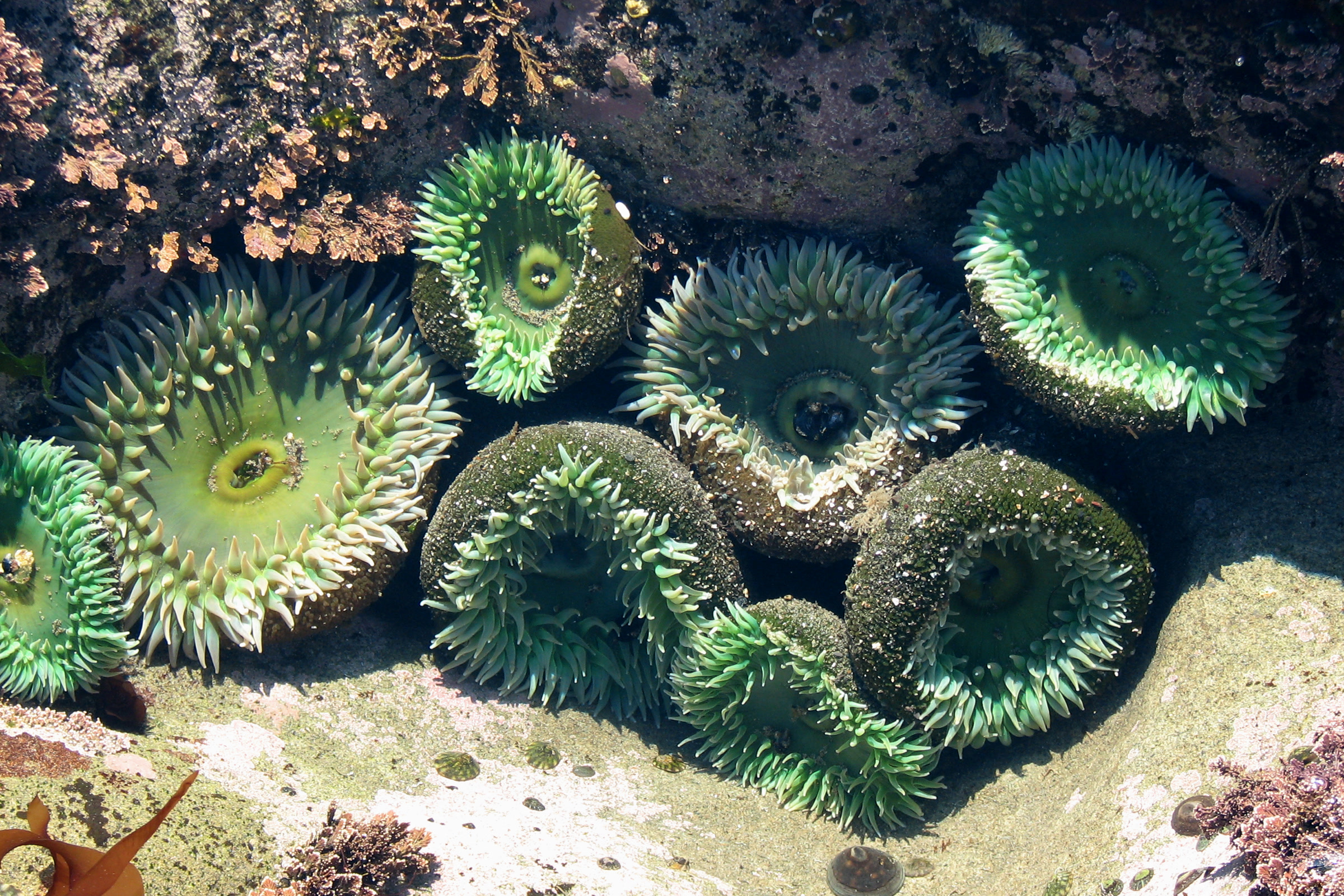
Olympic National Park tide pools are some of the richest on the Pacific coast, full of giant green anemones, ochre sea stars and spiny urchins. The trick is timing: the pools only open up when the tide drops low. Here is our local guide to where to go, when to go and how to leave every pool as you found it.
Quick answer
Where and when are the best tide pools in Olympic National Park?
The most popular tide pools in Olympic National Park are at Kalaloch’s Beach 4 and Hole in the Wall near Rialto Beach, with Ruby, Second and Third Beaches also excellent. Go on a minus tide, aim for tides lower than 1 foot, and arrive at least 30 minutes before the lowest tide.
- Best tide pooling is on a minus tide
- Summer generally has the lowest low tides
- Hole in the Wall is 1.5 miles from Rialto Beach parking
- No reservation needed beyond your park entrance pass
When to go: reading the tide
Tides rise and fall twice a day, and each low tide is different. The park’s tidepool activities page says the best tide pooling comes on a minus tide, one lower than normal, and recommends tides lower than 1 foot. A 3-foot low tide is not great for tide pooling.
The park’s summer newspaper adds that a tide of about 2 feet or less shows most tide pools. Summer generally has the lowest low tides, which is why it is the favourite season; our guide to the best time to visit Olympic National Park covers the rest of the year.
- Find a tide table: online at NOAA Tides and Currents, at visitor centers, or posted at Kalaloch, Mora and Ozette.
- Look for the lowest number: a negative figure, such as minus 1.0 feet, is a minus tide.
- Arrive early: be at the trailhead at least 30 minutes before the lowest tide, and allow for the walk.

The best Olympic National Park tide pools
The park’s 73 miles of coastline hold many rocky reefs, but a handful are easy to reach and reliably rich. Trail distances below come from the park’s summer newspaper.
Tide pool beaches compared
| Beach | Getting there | Effort |
|---|---|---|
| Beach 4, Kalaloch | Short trail from Highway 101 | Easy |
| Ruby Beach | 0.25 mile trail from the parking area | Easy |
| Second Beach | 0.7 mile forest trail from La Push Road | Moderate |
| Third Beach | 1.4 miles one way from La Push Road | Moderate |
| Hole in the Wall | 1.5 mile beach walk from Rialto Beach | Moderate |
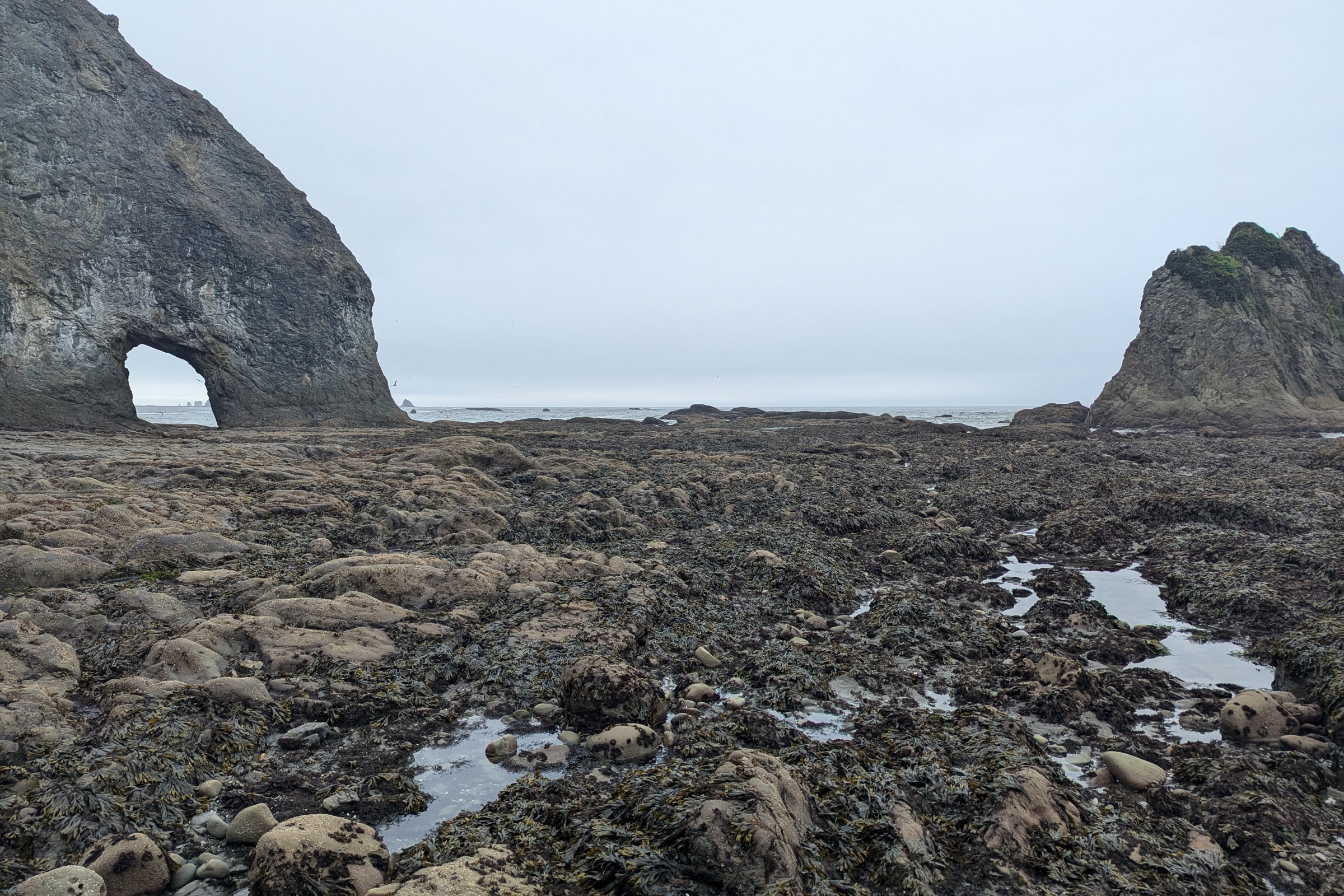
Hole in the Wall, Rialto Beach
This sea arch north of Rialto Beach stands above some of the park’s most popular pools. The walk from the Rialto Beach parking area takes about an hour each way. Do not cross through the arch once the tide starts to cover its floor, avoid lingering underneath, and if you hear falling rock, cover your head and move away.
Beach 4 and Ruby Beach, Kalaloch area
Beach 4 is the easy classic, a short walk down to rocky shelves just off Highway 101. To the north, Ruby Beach pairs pools with big sea stack views. Its short trail is steep with drainage dips, and the park says there is no accessible route to any of its coastal beaches. Both have accessible viewpoints.
Second Beach, Third Beach and Shi Shi
Near La Push, Second and Third Beaches reward a forest walk with excellent tide pooling. The Olympic Coast National Marine Sanctuary also names Shi Shi Beach among its world class tide pooling spots. For a longer coastal outing, see our Ozette Triangle and Cape Alava loop guide.
What lives in Olympic’s tide pools
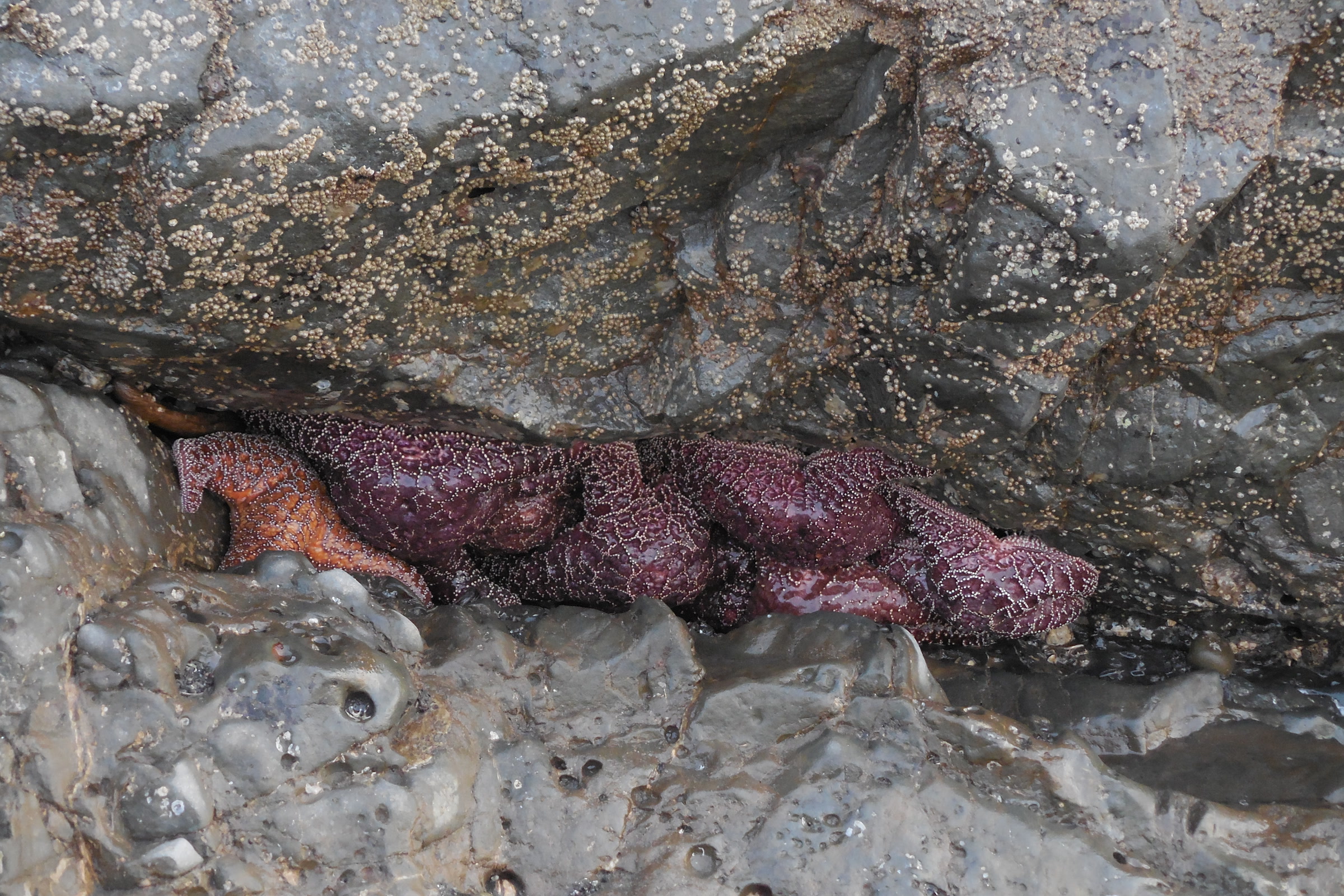
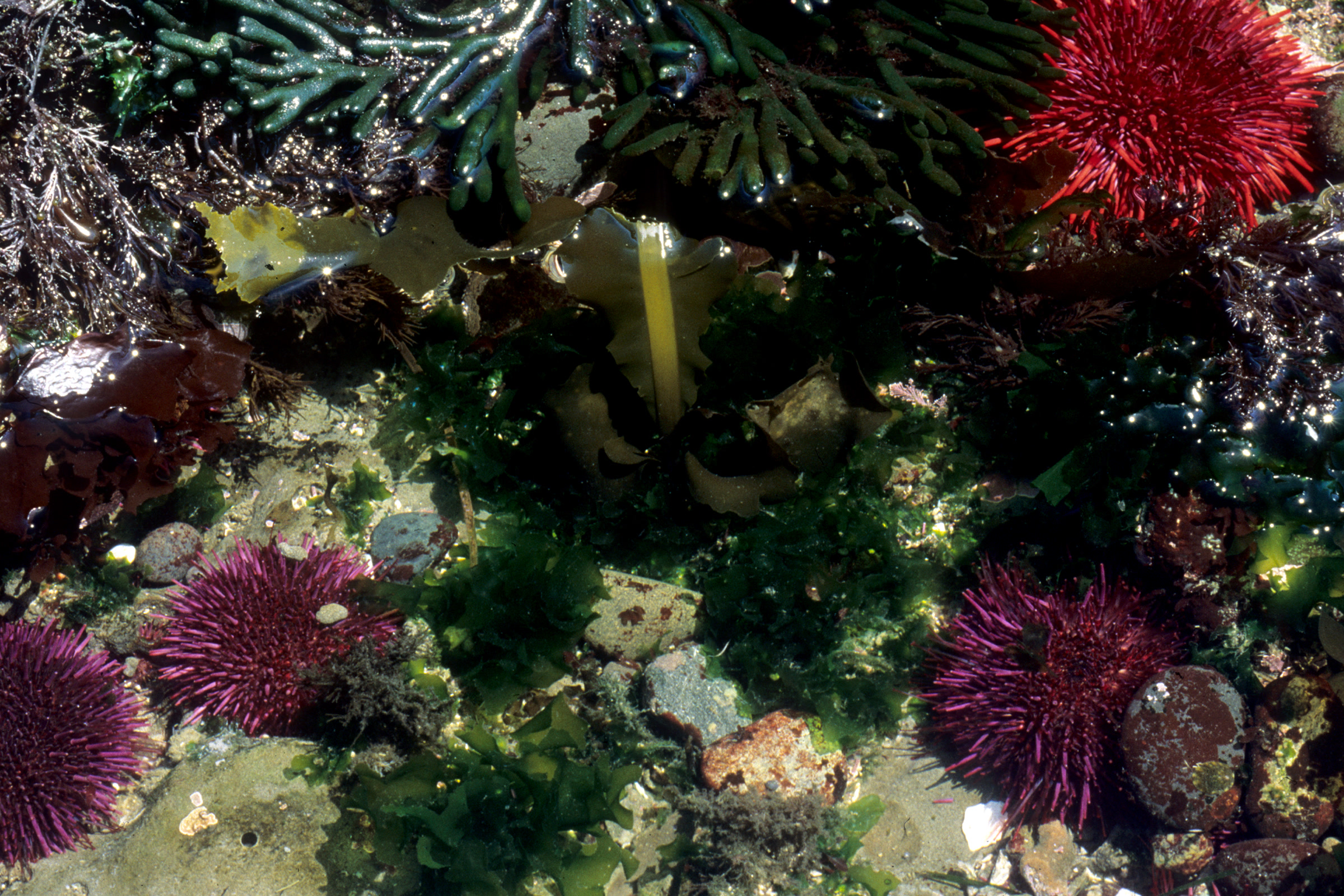
The park sorts the shore into zones. The splash and high tide zones hold barnacles, limpets and mussels. The mid tide zone is where pools are most vibrant, with giant green and aggregating anemones, ochre sea stars, chitons and hermit crabs. The low tide zone, uncovered only on the lowest tides around the new and full moon, adds sea urchins and nudibranchs.
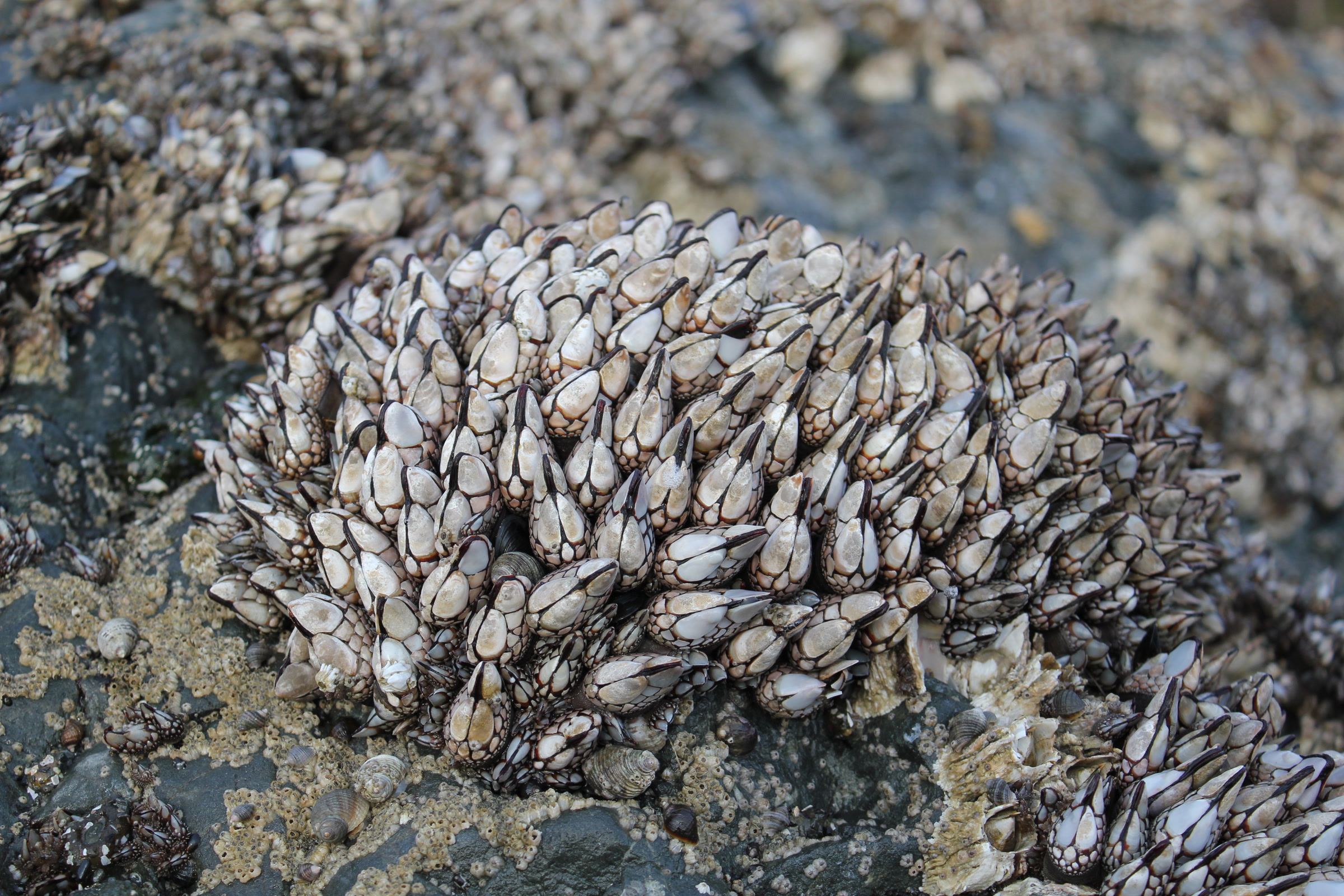
Look closely and slowly. Many animals hide under ledges and in crevices, and octopus and small fish sometimes slip into the pools. If you find a stranded or injured marine mammal, do not try to rescue it; tell a ranger or call the West Coast Marine Stranding Hotline at 1-866-767-6114.
Tide pooling tips for safety
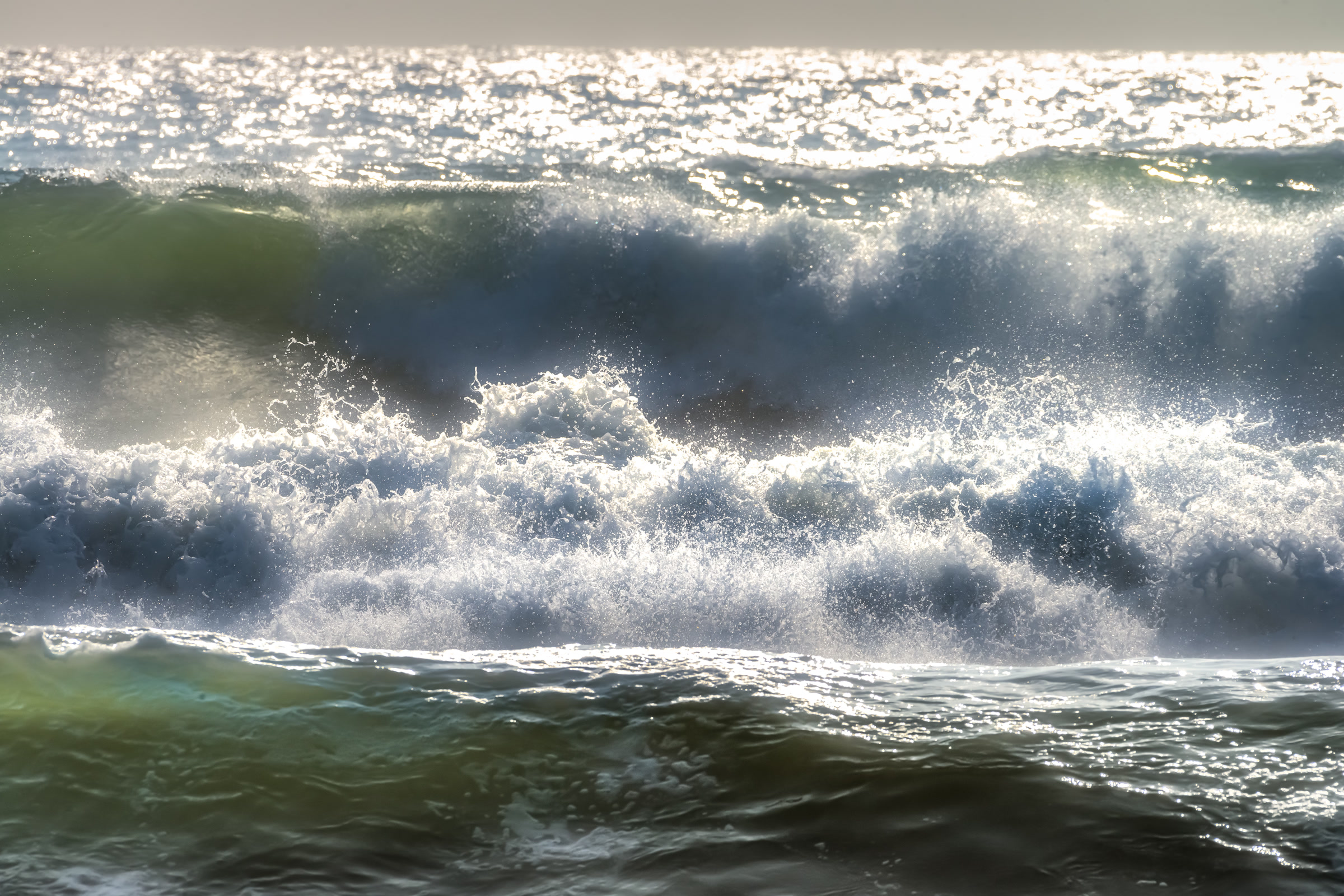
The ocean here is powerful and the rocks are slick. These are the park’s core tide pooling tips:
- Watch closely for the returning tide and sneaker waves.
- Algae and seaweed make rocks very slippery, so test each new surface.
- Wear sturdy shoes you do not mind getting wet.
- Keep children close; a fall on rock can cause severe injury.
- Do not leap from rock to rock. Keep at least one foot on the ground.
- Keep dogs off tidal rocks, where barnacles and mussels cut paws.
Tide pool etiquette
The intertidal zone lies inside the Olympic Coast National Marine Sanctuary, and its etiquette protects animals that cannot move out of your way.
- Step on bare rock. It is less slippery and spares the life on other surfaces.
- Use the touch test. If an animal clings tighter, leave it be; never force one off its spot.
- Put rocks back. Return any rock you lift to its original position.
- Take nothing. Intertidal animals should not be collected for bait.
- Carry a bag. Pick up any trash you find.
Our Leave No Trace guide for Olympic coast beaches has more on camping, fires and wildlife along the shore.
How Friends of Olympic National Park helps
We are Friends of Olympic National Park (FONP), a volunteer-led friends group in Port Angeles. Our volunteers join beach cleanups in Olympic National Park, including our April 2026 Spring Coastal Cleanup in the Kalaloch area, to keep debris off the shore these animals call home. Every bag of litter helps.
Frequently asked questions
What tide is best for tide pooling in Olympic National Park?
A minus tide, lower than normal. The park recommends tides lower than 1 foot, and says a tide of about 2 feet or less shows most tide pools.
Where are the best tide pools in Olympic National Park?
The most popular are Kalaloch’s Beach 4 and Hole in the Wall near Rialto Beach. Ruby Beach, Second Beach and Third Beach are also excellent.
What time of year has the lowest tides?
Summer generally has the lowest low tides on the Olympic coast, exposing more of the tide pools.
Can I touch animals in the tide pools?
Handle gently if at all. Use the touch test: if an animal clings tighter, leave it alone, and never force one off its spot. Return any rock you lift.
Do I need a reservation to go tide pooling?
No. There is no reservation and no extra fee beyond the normal park entrance fee. Check the NPS site for current fees before you go.
Love the coast? See our volunteer opportunities at Olympic National Park and the Olympic National Park entrance fees guide before your trip.
Leave a Reply