
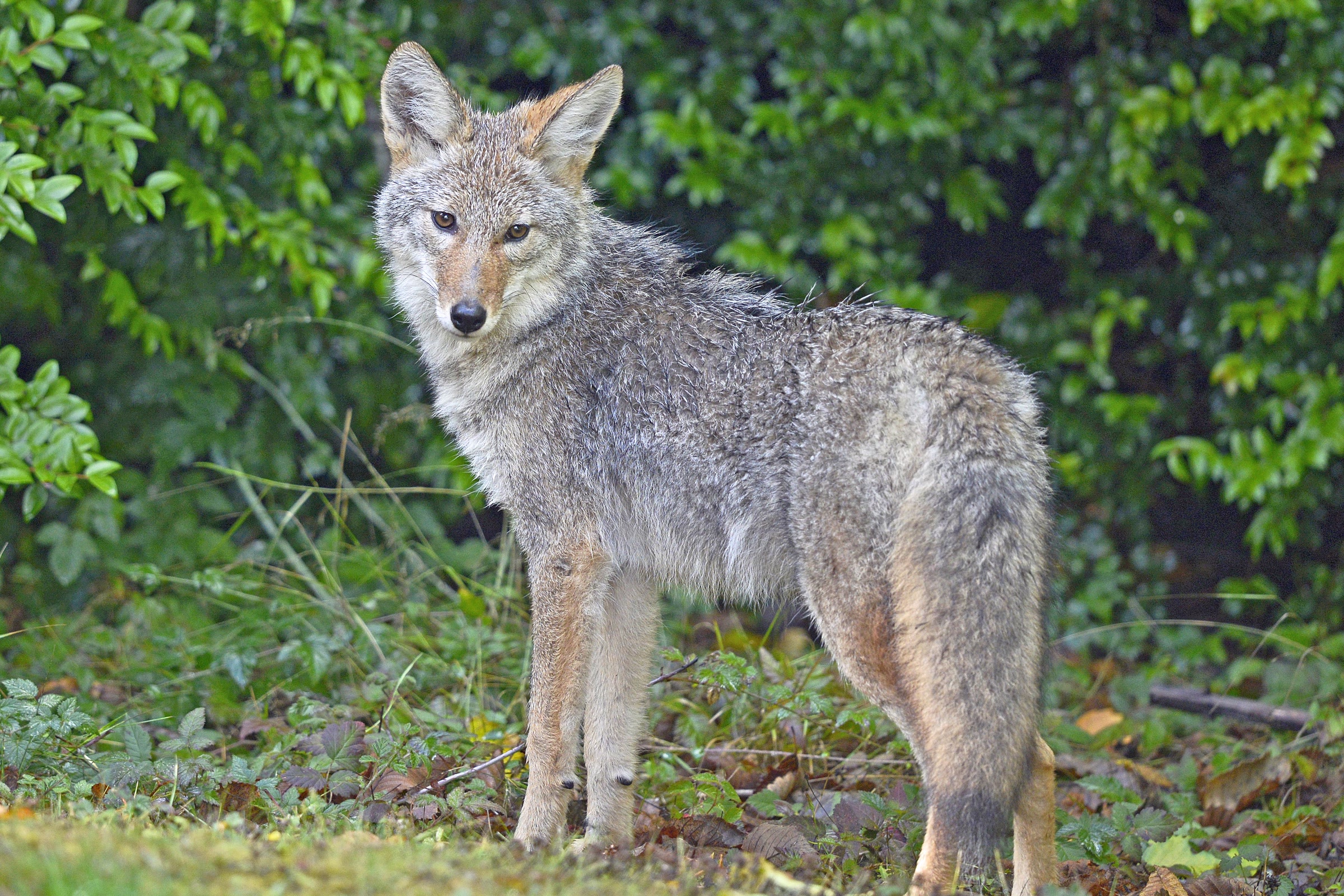
Coyotes in Olympic National Park are relative newcomers. They were not part of the peninsula’s original wildlife, yet today they hunt from the forests to the high meadows, where they have become a serious threat to the Olympic marmot. Here is how they got here, what researchers found, and how to behave if you meet one.
Quick answer
Are there coyotes in Olympic National Park?
Yes. Coyotes live in Olympic National Park, but they are not native to the Olympic Peninsula and were not present before the 20th century. Research found coyote predation was the most common cause of death for adult female Olympic marmots from 2002 to 2006. Never feed a coyote, and stay at least 50 yards away.
- Not native to the Olympic Peninsula
- Adults weigh about 20 to 35 pounds
- Linked to Olympic marmot declines in the 1990s and 2000s
- Feeding wildlife in the park is prohibited
Newcomers to the Olympic Peninsula
The Olympic Peninsula is isolated, and its wildlife reflects that. The National Park Service lists coyotes alongside red foxes, lynx, wolverines and grizzly bears as animals that did not occur on the peninsula historically.
The Washington Department of Fish and Wildlife (WDFW) says coyotes were not present before the 20th century, and that they were rare or absent from the Olympics while wolves were widespread in western Washington. It reports that coyotes have lived in the peninsula’s high country for around 60 years. Our story of wolves on the Olympic Peninsula tells how the larger predator disappeared.
They now live in the park’s forests as well as its high country. A National Park Service camera inventory in the winters of 2001 to 2003 detected coyotes among seven forest carnivores in the park, alongside bobcats, mountain lions and black bears.
How to recognise a coyote
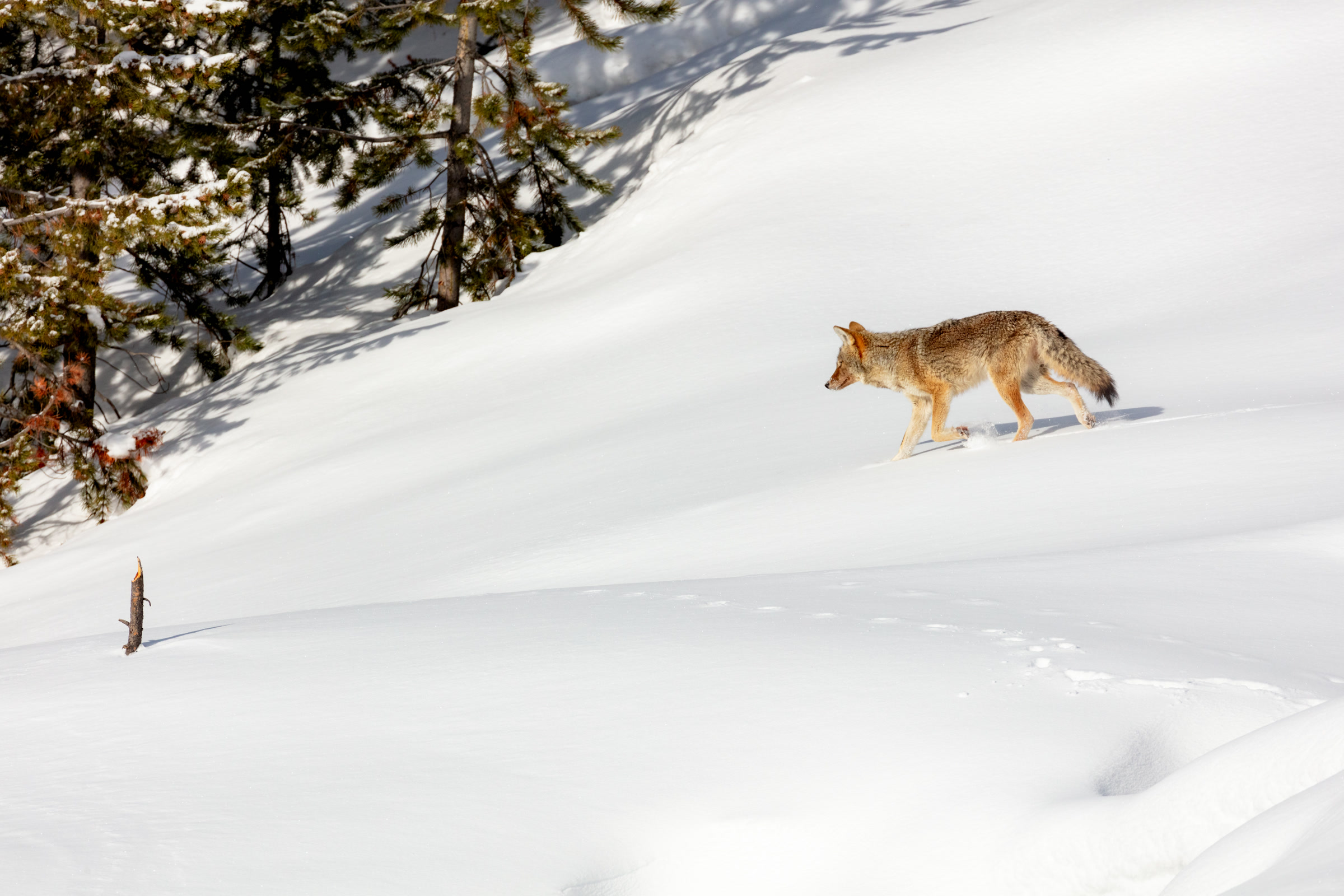
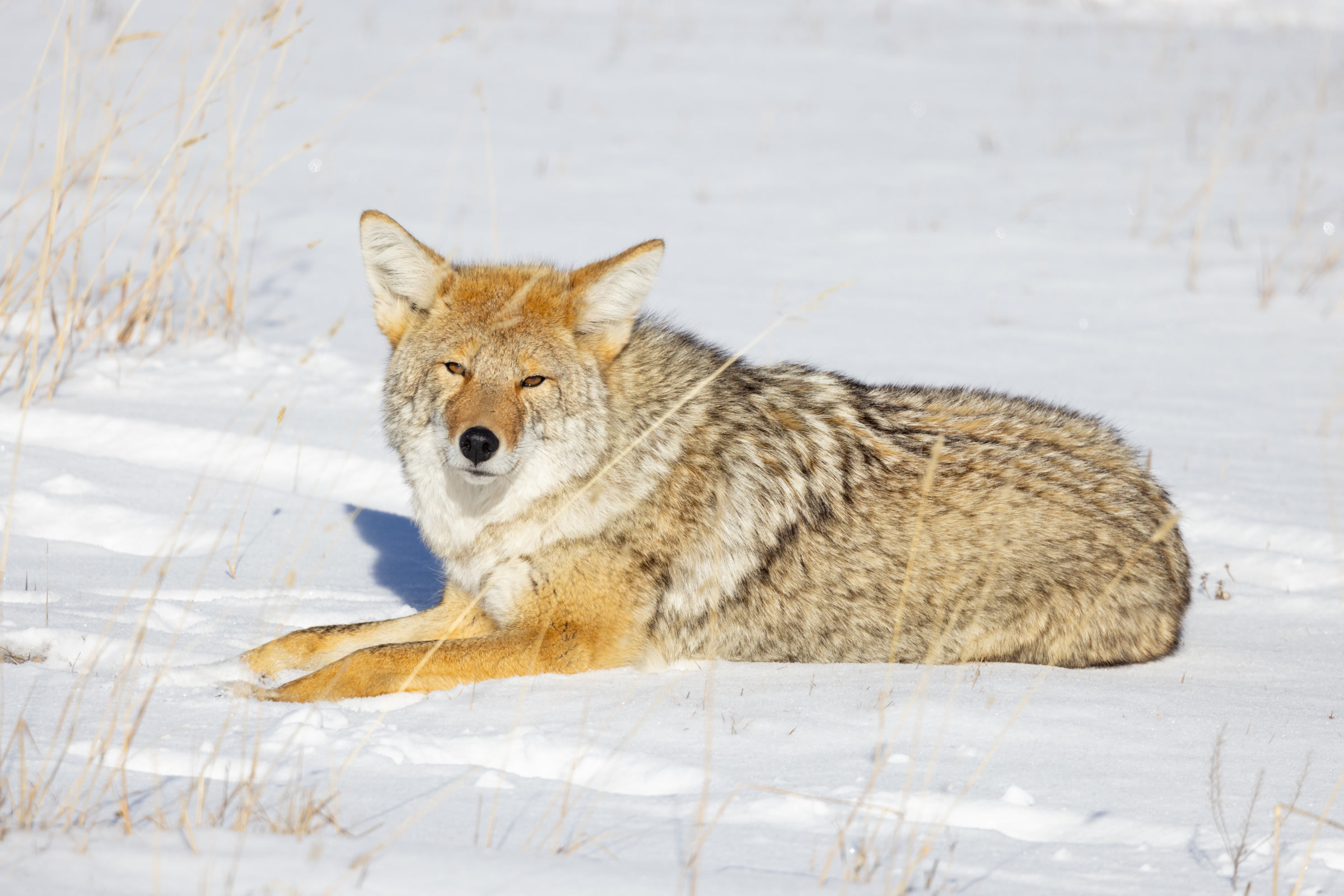
WDFW says a coyote looks at first glance like a small German shepherd. Coats vary from grey and tan to rust, yellow, brown or even black. Compared with a dog, a coyote has a longer, narrower muzzle and a shorter, bushier tail that it carries low.
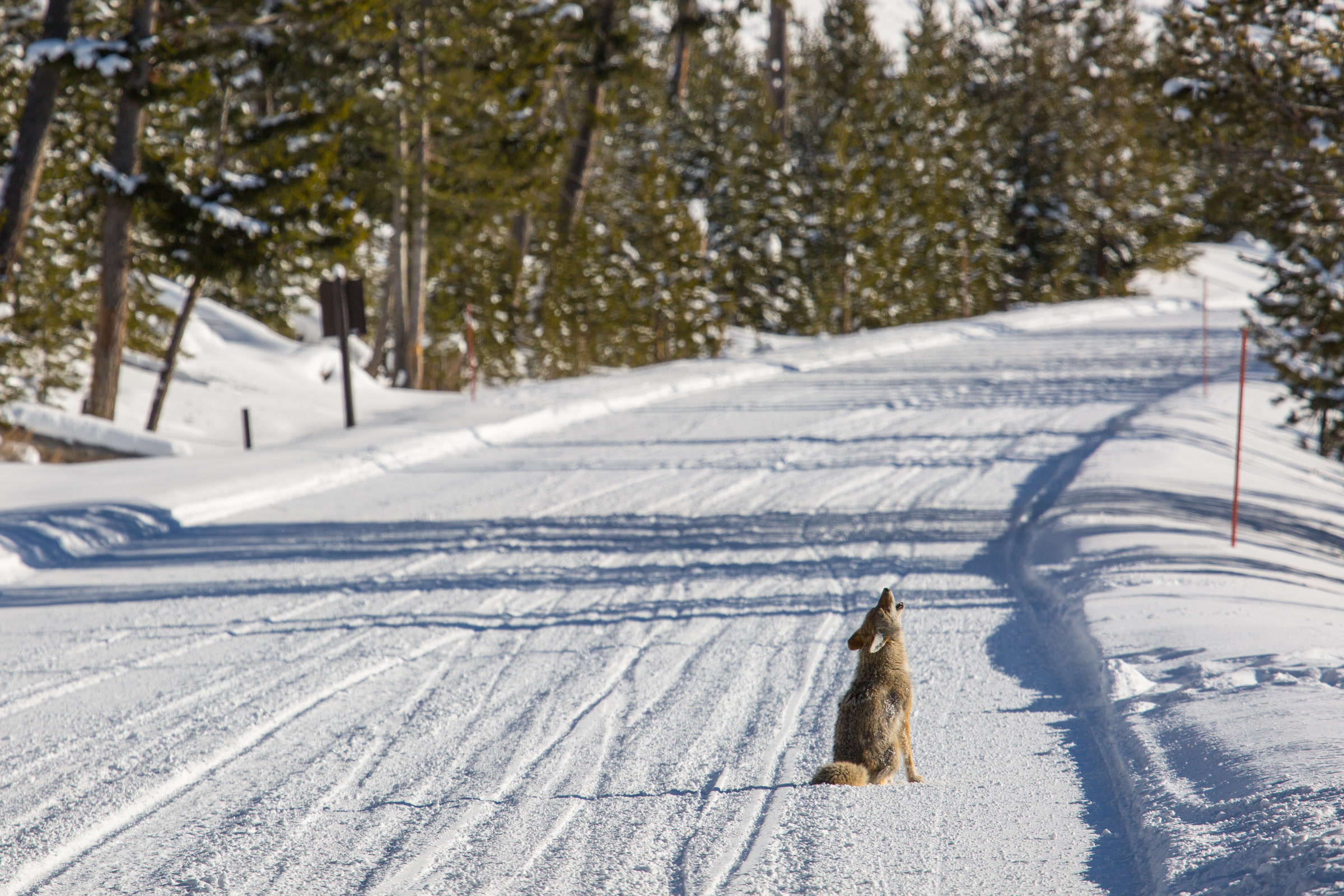
Adults weigh 20 to 35 pounds, and a male stands about 25 inches at the shoulder. You may hear them before you see them: WDFW lists barks, howls and the yip howl a group gives when it gets back together.
Coyotes eat a wide range of food. WDFW names rabbits, moles, voles and gophers among their prey, and they will eat garbage, pet food and fruit where they can find it. WDFW calls them highly adaptable.
Coyotes and marmots: what the research found
The Olympic marmot lives only in the Olympic Mountains, as our guide to the Olympic marmot at Hurricane Ridge explains. The park’s Olympic marmot page says marmot numbers declined in the 1990s and early 2000s, at least partly because of predation by non-native coyotes.
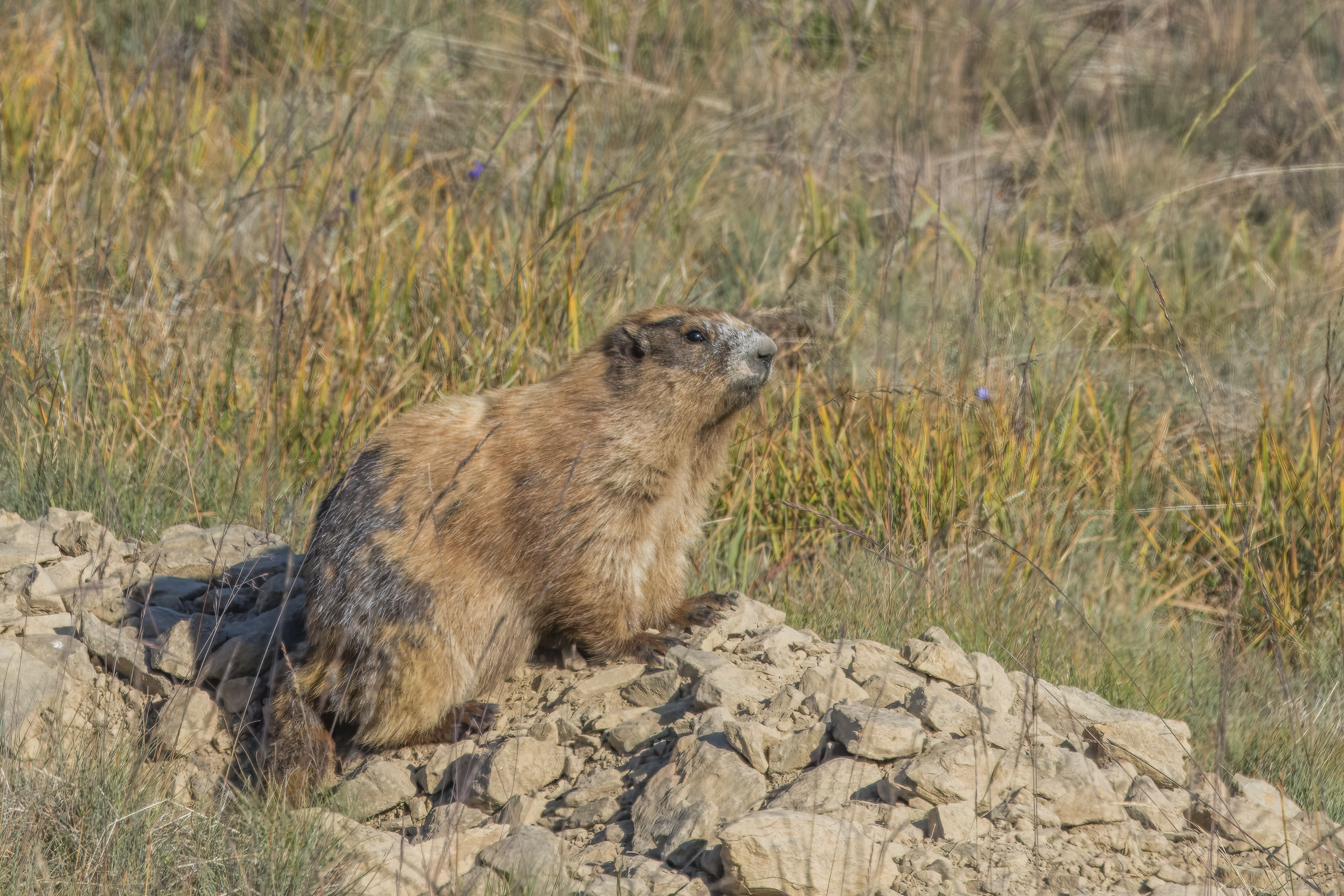
Two studies listed on the park’s marmot research page did the detective work. A University of Montana doctoral study by Suzanne Griffin examined coyote predation on marmots from 2002 to 2006. A companion master’s thesis by Julia Witczuk studied what coyotes and other carnivores eat, using hundreds of droppings collected in the park’s high country and genetic tests.
The finding was stark. WDFW reports that predation by coyotes was the most common cause of death for adult female marmots from 2002 to 2006. Losing breeding females matters, because only a small share of females raise a litter in any year.
Why snow matters
Snow appears to be part of the story. WDFW notes that marmot survival rose in years with higher snowpack, which suggests coyote predation is affected by snow. Warmer winters and lower snowpack are thought to let coyotes stay at higher elevations than they otherwise could, which brings them into marmot meadows.
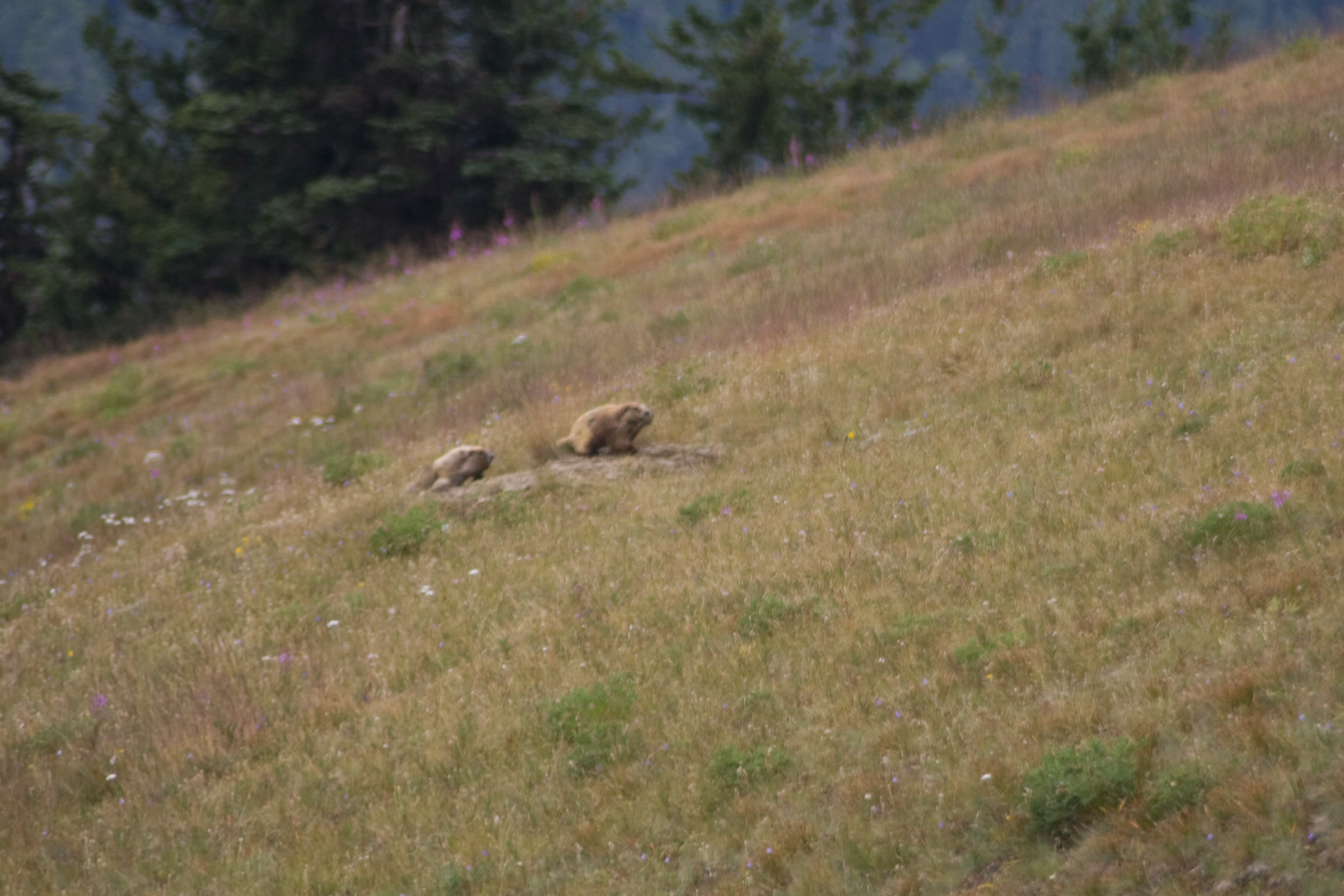
Since 2010, park volunteers known as Marmoteers have surveyed remote meadows to track where marmots still live. Our volunteer opportunities page explains how park programs are listed on Volunteer.gov.
Never feed a coyote
Feeding is the one thing every visitor can get right. In the park, feeding or harassing wildlife, even by accident, is prohibited and subject to fines. WDFW warns that coyotes fed by people can lose their fear of humans, become territorial and act aggressively.
There is a marmot reason too. On its Olympic marmot page, WDFW says visitors who feed coyotes may increase the chance of marmot predation. So keep food stored and pack out every crumb.
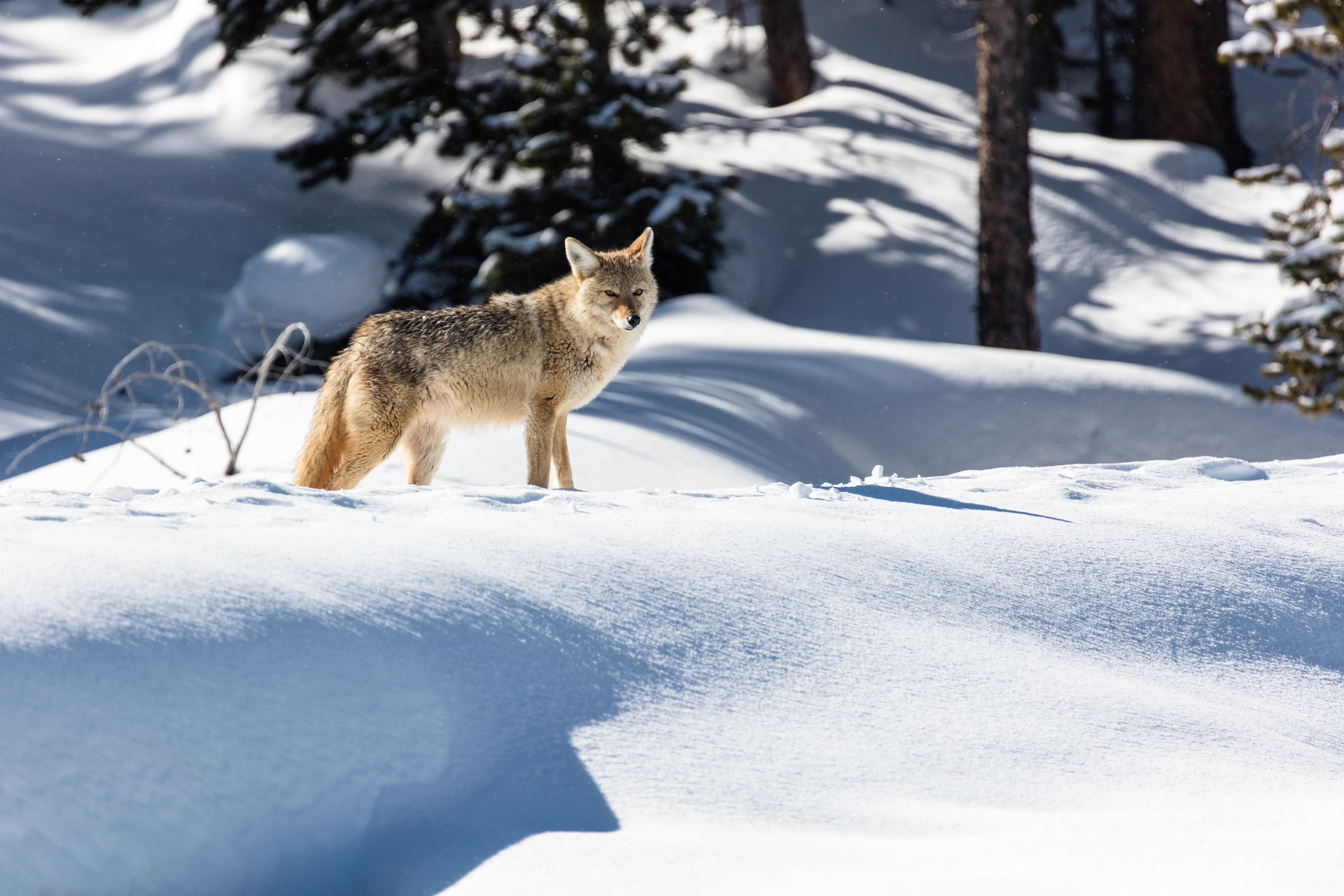
Coyote safety: what to do if you meet one
The park’s compendium (updated January 2026) requires you to stay at least 50 yards from all wildlife, and to move away if an animal comes closer. As of October 2026 that is the rule; check the NPS wildlife safety page before you go. This coyote safety table combines WDFW advice with park rules:
| Situation | What to do |
|---|---|
| Coyote in view | Stay 50 yards back and watch with binoculars |
| Coyote comes toward you | Never run; stand tall, make eye contact and shout |
| It keeps coming | Wave your arms or a stick, throw something toward it |
| Children nearby | Keep them close and never leave them alone |
| Picnic or campsite | Store food and pack out scraps; never feed it |
| Aggressive encounter | Tell a park ranger; call 911 for an attack |
Keep dogs leashed where pets are allowed. Coyotes share the park with other quiet hunters, and our guide to bobcats in Olympic National Park covers the smaller of the park’s wild cats. For more on watching animals well, see our guide to wildlife viewing in Olympic National Park.
How Friends of Olympic National Park helps
We are Friends of Olympic National Park (FONP), a volunteer led friends group in Port Angeles. We don’t manage wildlife, but our beach and Visitor Center cleanups remove trash from the park, and our projects include guided walks that help people enjoy nature from a respectful distance. If the whistle of a marmot on Hurricane Ridge matters to you, please make a gift to support the park.
Frequently asked questions
Are coyotes native to the Olympic Peninsula?
No. The National Park Service lists coyotes among animals that did not occur on the peninsula historically, and WDFW says they were not present before the 20th century.
Do coyotes eat Olympic marmots?
Yes. WDFW reports that coyote predation was the most common cause of death for adult female Olympic marmots from 2002 to 2006, and the park links marmot declines partly to coyotes.
What should you do if a coyote approaches you?
Never run. WDFW advises standing tall, making eye contact and shouting, then waving your arms or throwing something toward it if it keeps coming. Keep children close.
Why should you never feed a coyote?
Feeding wildlife is prohibited in the park and subject to fines. Fed coyotes can lose their fear of people and turn aggressive, and WDFW says feeding them may increase predation on Olympic marmots.
How close can you get to a coyote in Olympic National Park?
No closer than 50 yards. The park compendium sets that minimum for all wildlife, and if a coyote comes closer, you must move away.
Leave a Reply