
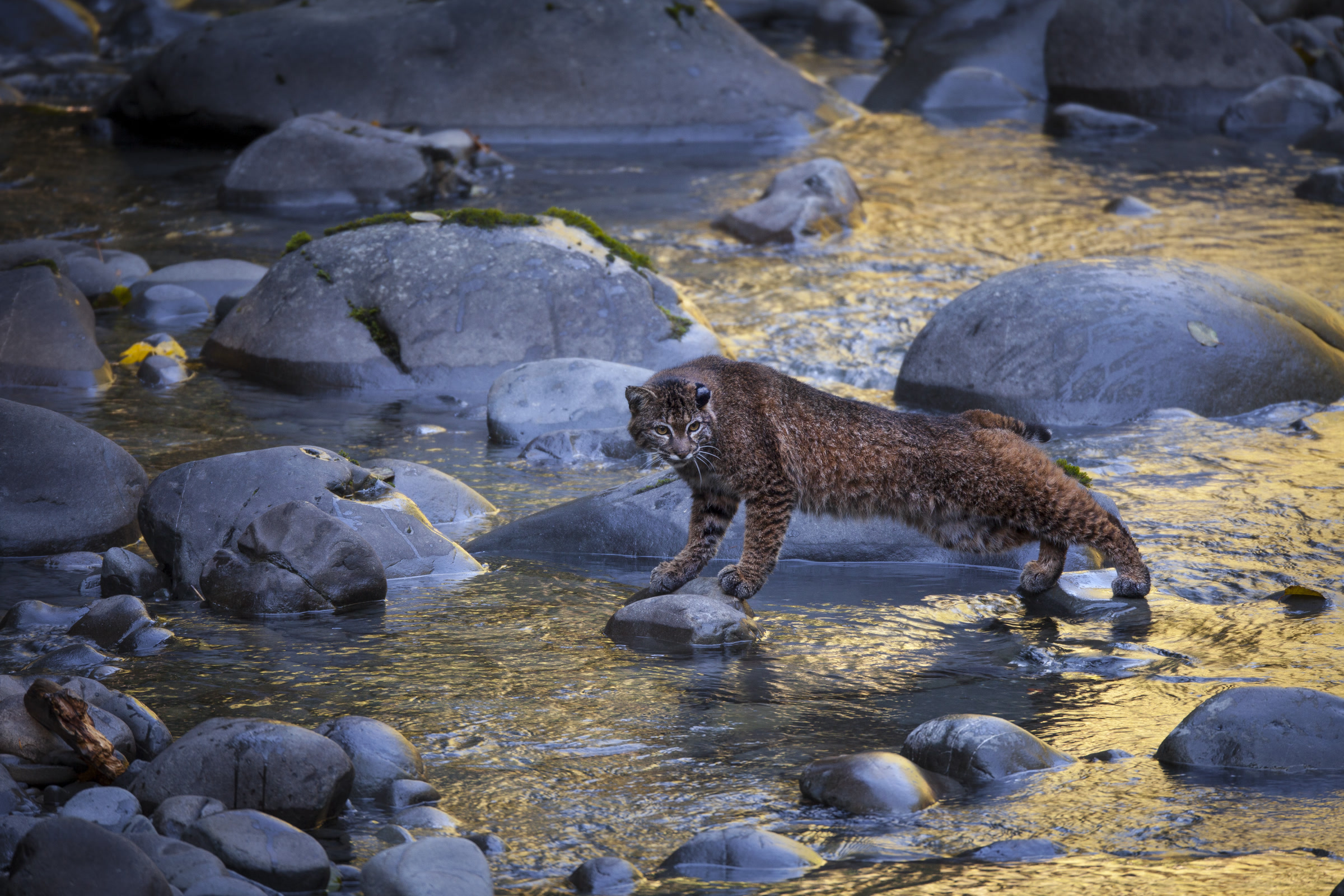
Bobcats in Olympic National Park live in the forests and river valleys, yet most visitors never see one. They are quiet, mostly hunt in dim light, and blend into the undergrowth. Here is how to recognise one, where it lives, the signs it leaves, and how to tell it from the much larger cougar.
Quick answer
Are there bobcats in Olympic National Park?
Yes. Bobcats live in Olympic National Park, and park cameras and staff have recorded them in the forests and along streams such as Taft Creek in the Hoh. They are seldom seen because they are secretive and active mostly at night near people. A bobcat is far smaller than a cougar and has a short tail.
- Adult males weigh about 20 to 30 pounds
- Short tail, spotted coat and short ear tufts
- Mostly eat rabbits, hares and small rodents
- Park rules require you to stay 50 yards away
What a bobcat looks like
The Washington Department of Fish and Wildlife (WDFW) describes a coat of buff to brown with dark stripes and spots, black on the backs of the ears, short ear tufts and ruffs of fur on the face that look like sideburns.
WDFW says adult males weigh 20 to 30 pounds and average about 3 feet long, while some females weigh less than a large house cat. The tail is the giveaway: the National Park Service notes it is short, only about 5 inches long.
Where bobcats live in the park
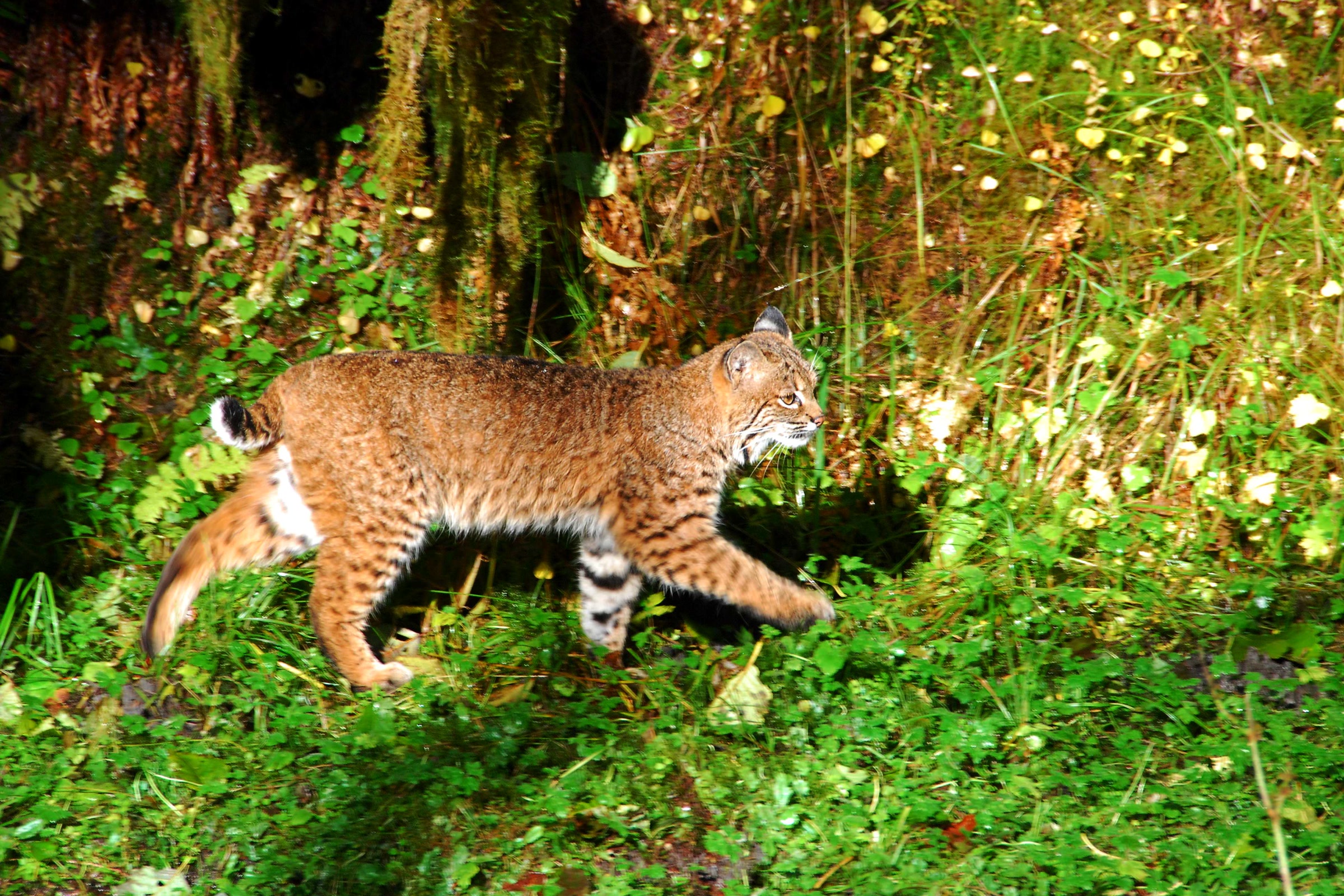
Bobcats are found across Washington and are probably more common than most people realise, WDFW says. For shelter and dens they use rock ledges and outcrops, and in forests they use brush piles, log piles and hollow trees or logs.
In the park, the clearest record comes from the National Park Service’s own forest carnivore inventory. Over the winters of 2001 to 2003, remote cameras in forested blocks across the park took more than 1,270 animal pictures and detected seven forest carnivores, the bobcat among them, along with the mountain lion, coyote and black bear. Park staff have also photographed bobcats in the Hoh.
Deep snow limits them. WDFW explains that a bobcat’s small feet make it hard to travel and hunt in snow, so they are less common where deep snow lasts.
What bobcats eat
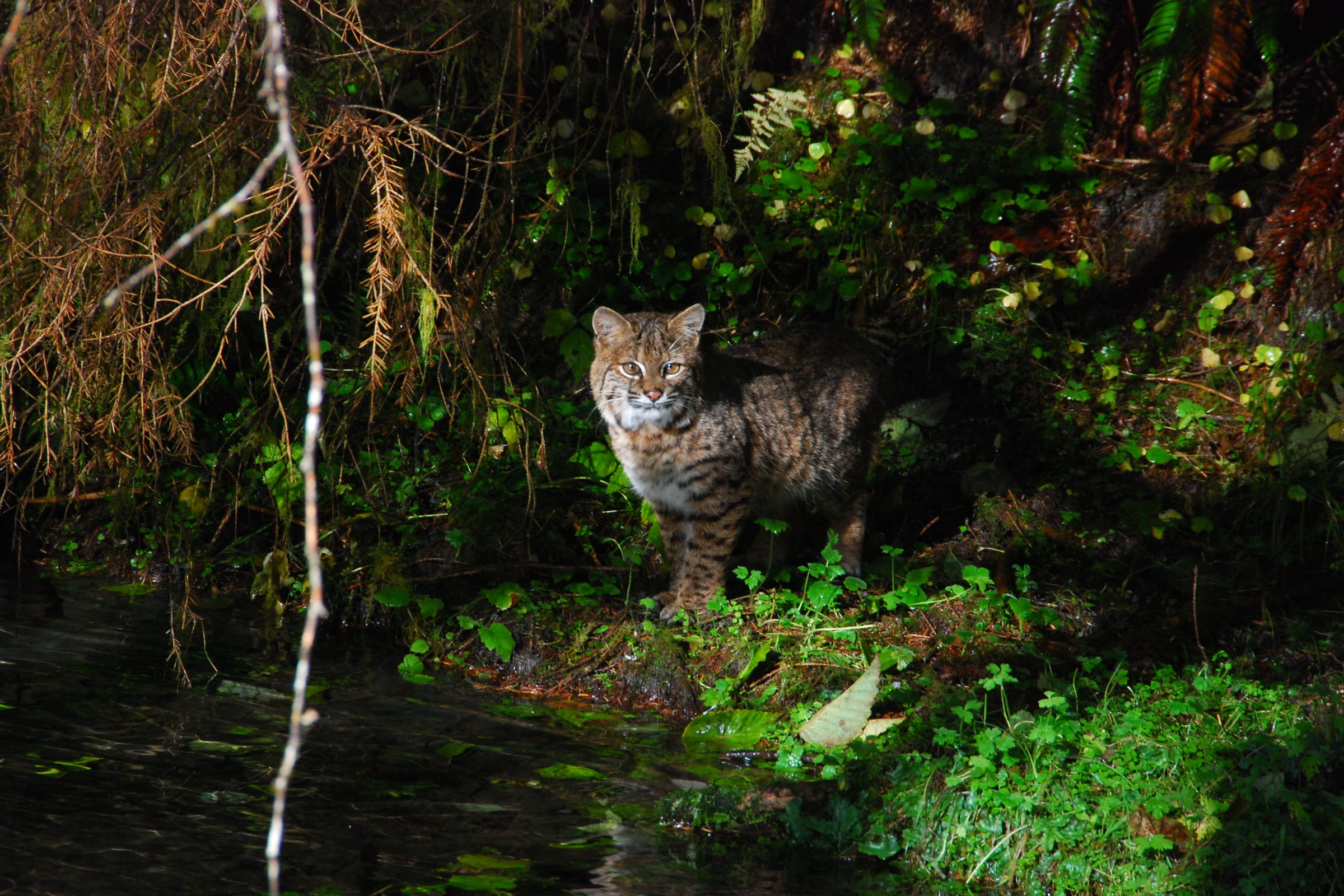
The National Park Service says bobcats mostly eat rabbits, hares and small rodents such as squirrels and mice, and also take small deer, snakes and lizards. WDFW notes that they take black-tailed deer fawns too, a topic in our guide to black-tailed deer in Olympic National Park.
Olympic bobcats also fish. In December 2016, National Geographic reported that a park ranger filmed a female bobcat catching a salmon at Taft Creek, a tributary of the Hoh River, during the spawning run. Our guide to salmon runs in Olympic National Park explains when the fish come upstream.
Why you rarely see a bobcat
WDFW calls bobcats elusive and seldom seen. Near people they move mostly at night, though in undisturbed places they may hunt at dawn, at dusk or at any hour when their prey is about.
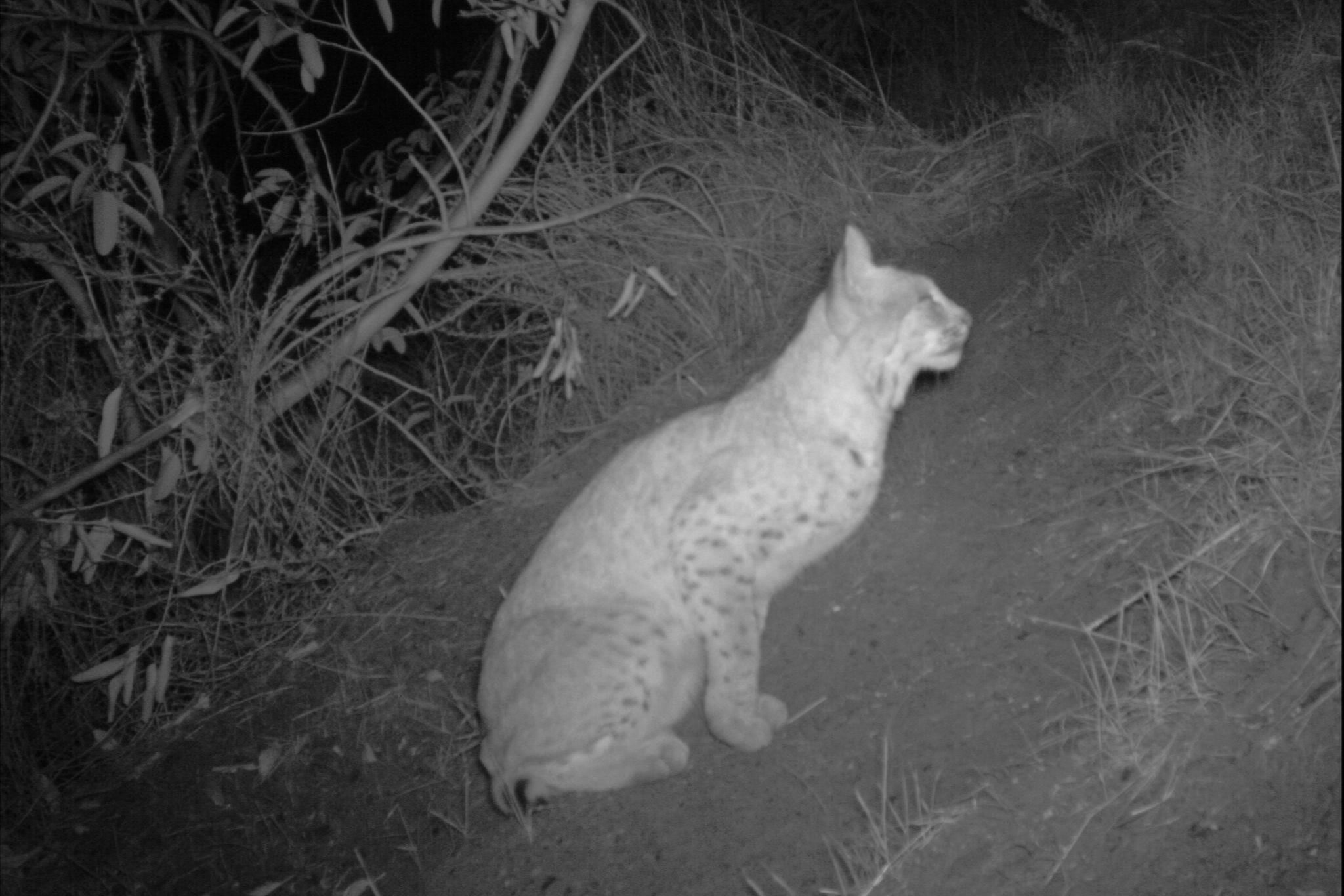
They rarely make a sound, apart from yowling and hissing in the mating season. If you hope to see one, WDFW’s notes point to the quiet hours around dawn and dusk, in places where people are few.
Signs a bobcat has passed by
Signs are far easier to find than the cat. WDFW says bobcats travel predictable routes along old roads and animal trails, and lists what to look for:
- Tracks: round, with four toes and no claw marks, about twice the size of a house cat’s. They look like coyote or dog tracks but rounder. The park service gives about 2 inches from top to bottom.
- Scratch marks: claw marks on trees and stumps, normally 2 to 3 feet above the ground.
- Droppings: usually covered with soil, snow or leaves.
- Caches: prey remains raked over with debris, from a reach of about 15 inches.
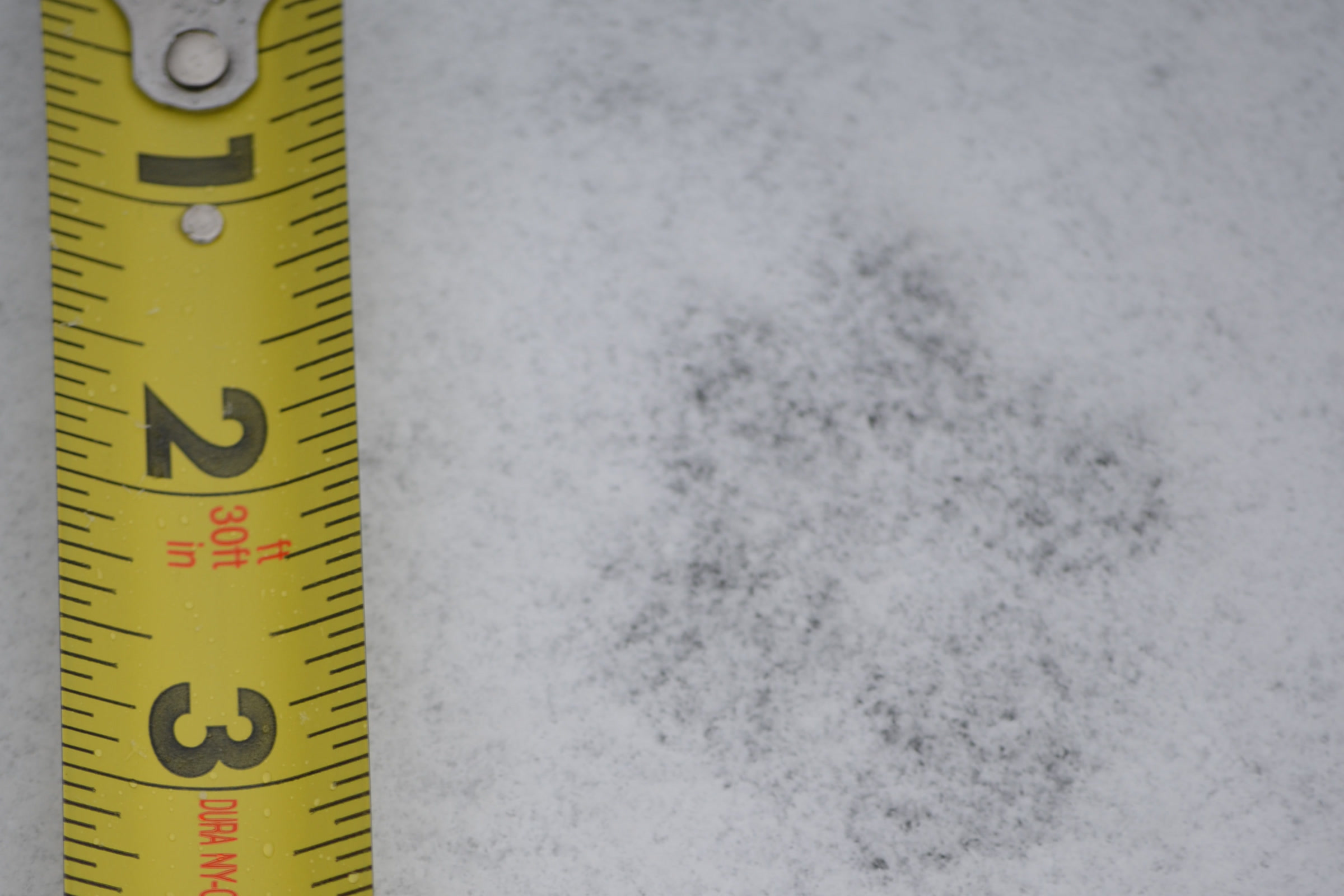
Bobcat vs cougar: the park’s two wild cats
Bobcats and cougars both live in the park. The lynx, however, is listed by the National Park Service among the animals that did not occur on the isolated Olympic Peninsula. Here is bobcat vs cougar side by side, from NPS and WDFW figures.
| Feature | Bobcat | Cougar |
|---|---|---|
| Weight | Males about 20 to 30 pounds | Males up to 150 pounds |
| Tail | Short, about 5 inches | Long and rope like, black tip |
| Coat | Buff to brown with spots and stripes | Reddish tan to grey brown, unspotted as adults |
| Main prey | Rabbits, hares, small rodents | Deer and elk |
| Tracks and caches | Small tracks, short raking reach | Much larger tracks, longer reach |
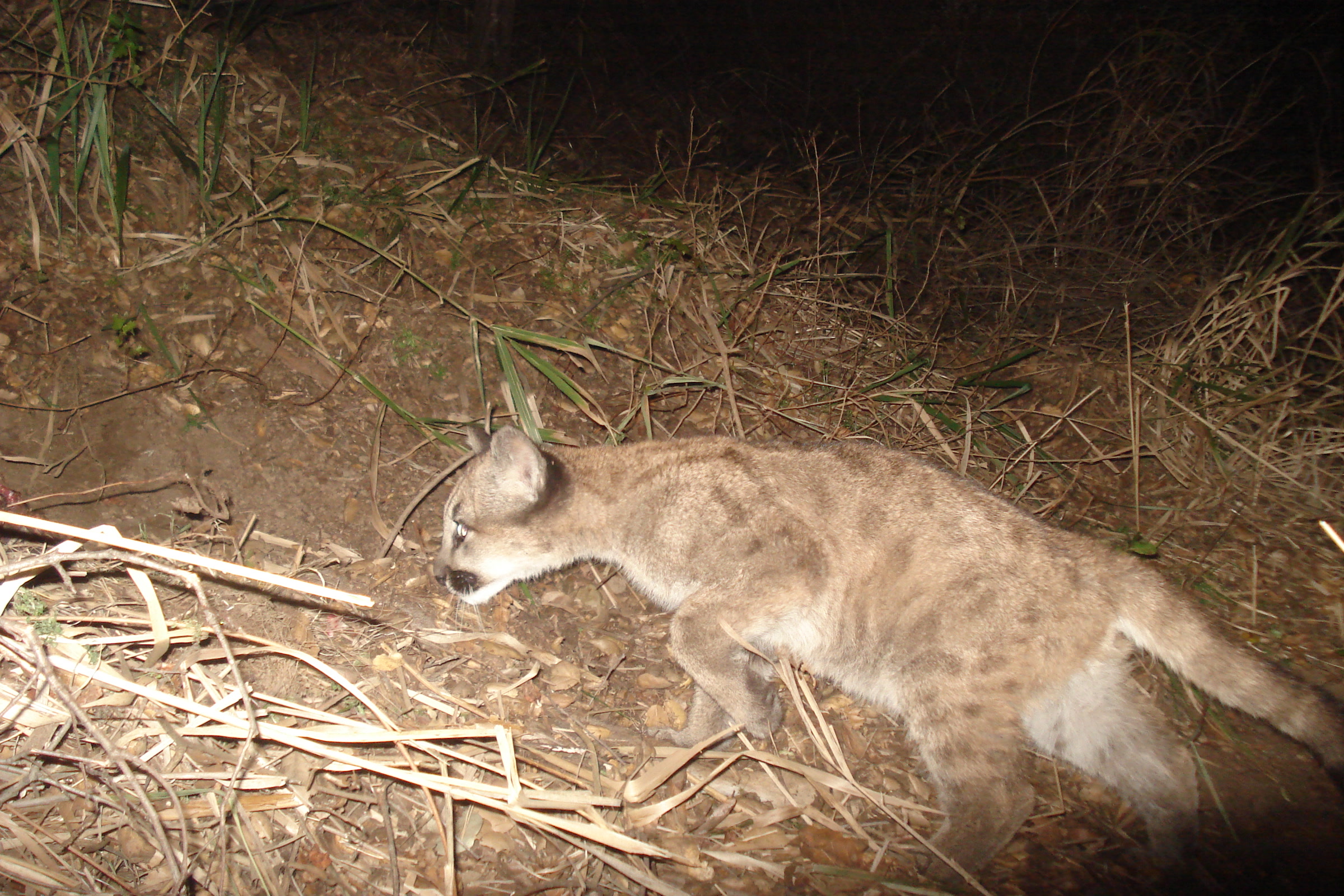
The tail settles most sightings. An NPS camera study in California points out that, unlike adult mountain lions, bobcats have spots, a short tail and a much smaller body. The NPS adds that mountain lion kittens are born spotted, so check the tail as well as the coat. Our guide to cougars in Olympic National Park covers what to do if you meet the bigger cat.
The bobcat also shares the forest with smaller hunters, such as the fishers brought back through the fisher reintroduction in Olympic National Park.
If you meet a bobcat
The park’s Superintendent’s Compendium (updated January 2026) requires everyone to stay at least 50 yards from any wildlife, and feeding or harassing wildlife, even by accident, is prohibited and subject to fines. As of October 2026 those are the rules; check the park’s animals page and wildlife safety page before you go.
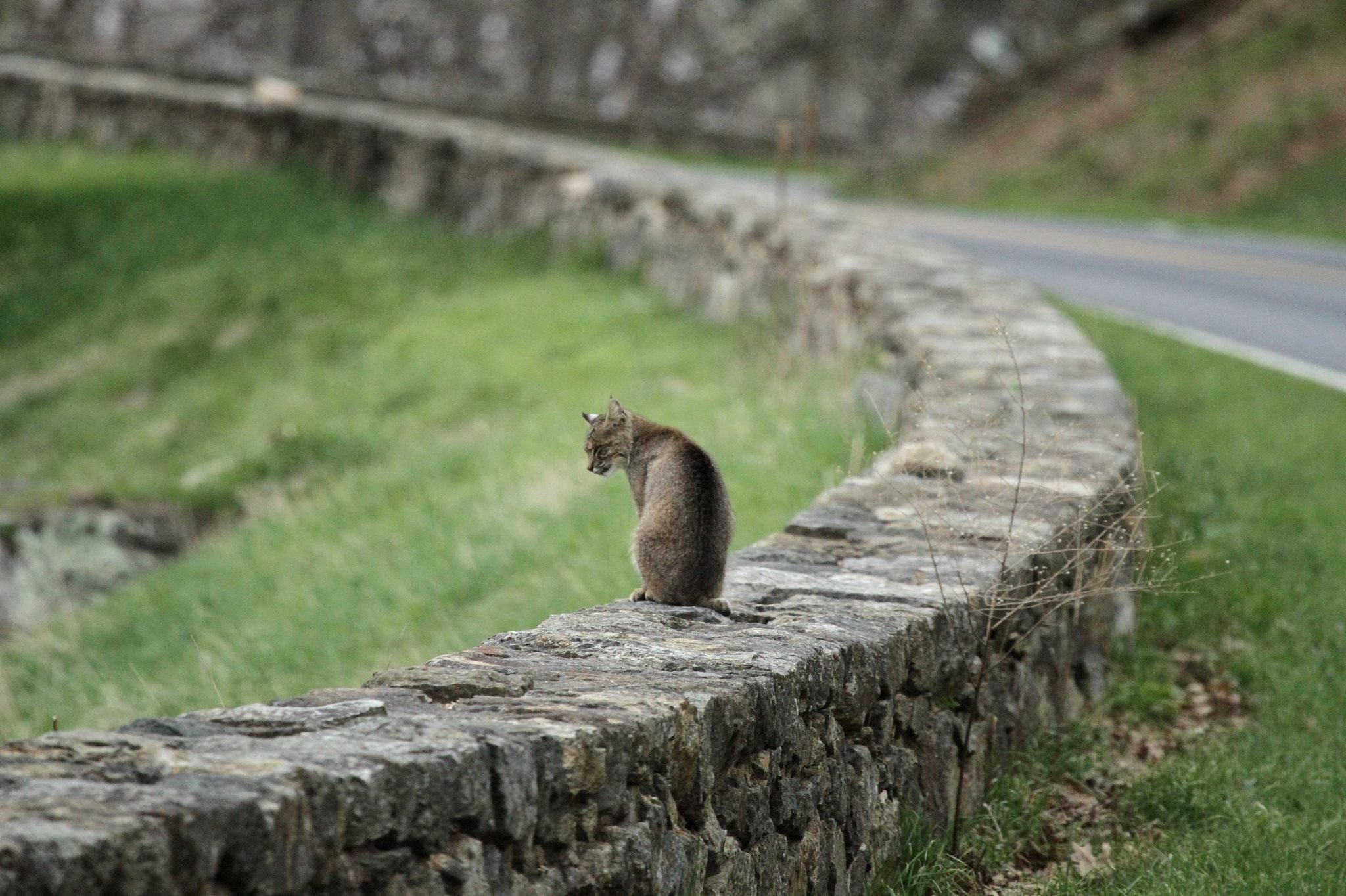
If a bobcat is close, National Park Service advice written for Glacier National Park is to stay with your group, keep small children close and make noise. Do not run. Stand up, face the animal, look bigger by raising your arms, and back away slowly.
WDFW’s bobcat species page asks people never to feed wildlife, including the deer and feral cats that can draw bobcats close to homes. If an encounter feels aggressive or concerning, the park asks you to tell a ranger, and to call 911 for an attack. More tips are in our guide to wildlife viewing in Olympic National Park.
How Friends of Olympic National Park helps
We are Friends of Olympic National Park (FONP), a volunteer led friends group in Port Angeles. Our projects include guided insect, mushroom and wildflower walks that help people notice the park’s quieter lives. If a glimpse of a bobcat in the Hoh is the kind of moment you want others to have, please make a gift to help us care for the park. Our sister guide covers coyotes in Olympic National Park.
Frequently asked questions
Are there bobcats in Olympic National Park?
Yes. A National Park Service camera inventory detected bobcats in the park’s forests in the winters of 2001 to 2003, and park staff have photographed them in the Hoh. They are seldom seen.
How can you tell a bobcat from a cougar?
Look at the tail and size. A bobcat has a short tail of about 5 inches and weighs around 20 to 30 pounds, while an adult cougar has a long, rope like tail and can weigh over 100 pounds.
Are there lynx in Olympic National Park?
No. The National Park Service lists the lynx among the animals that did not occur on the isolated Olympic Peninsula. Bobcats and cougars do live in the park.
What should you do if you see a bobcat?
Stay at least 50 yards away, as park rules require. If one is close, stay with your group, keep children near, do not run, face it, look bigger and back away slowly.
Leave a Reply