
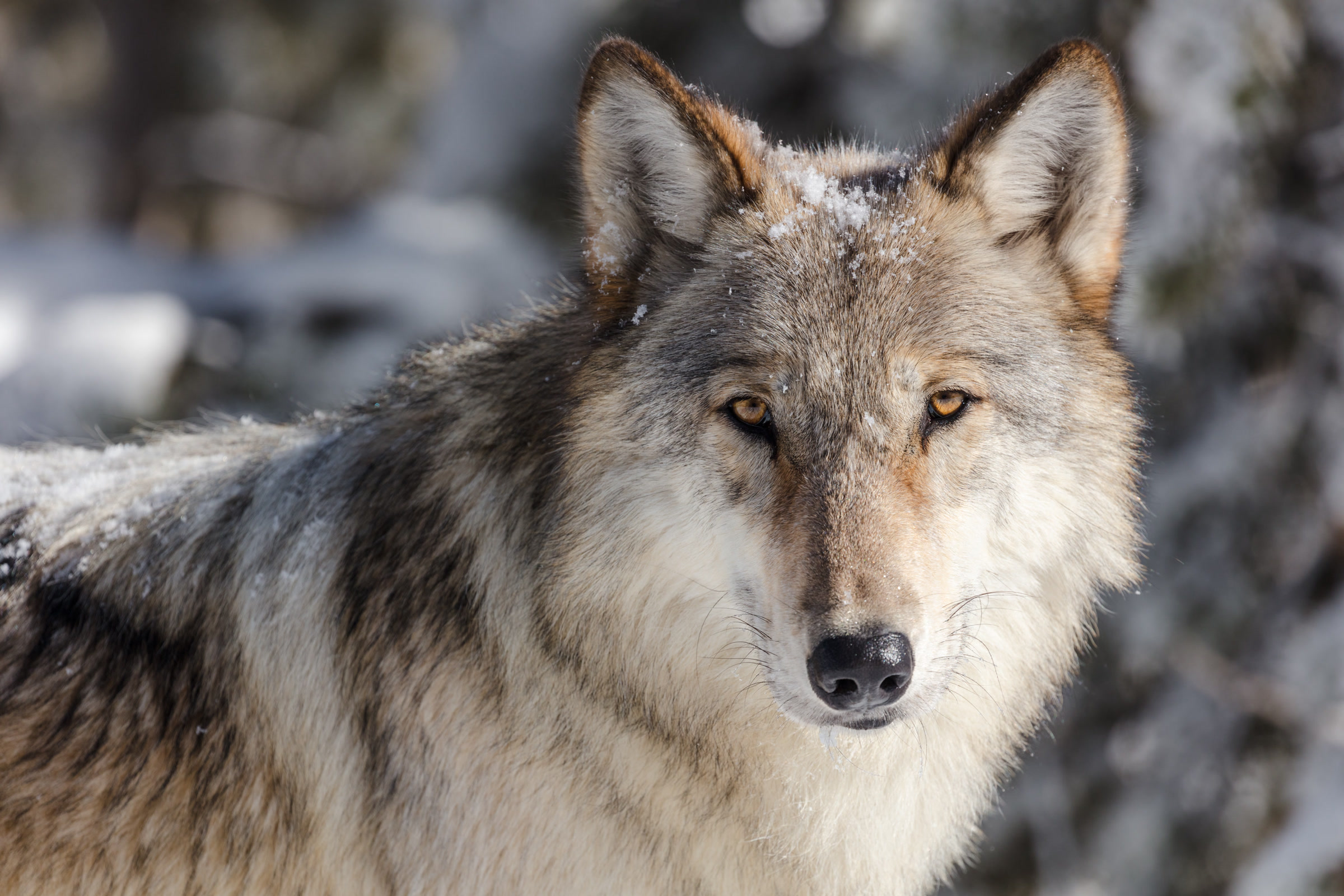
Wolves on the Olympic Peninsula once lived all across it, the park says. Today the park lists the gray wolf as extirpated, meaning it is gone from here though it survives elsewhere. Here is what happened, what scientists think changed, and what agencies say now.
Quick answer
Are there wolves on the Olympic Peninsula?
No resident wolves live on the Olympic Peninsula today. Heavy hunting and trapping removed them in the early 1900s, and the park lists the gray wolf as extirpated. A 1999 federal study found reintroduction biologically feasible, but no wolves were released, and state biologists found no packs in the region at the end of 2025.
- No verified wolf photos or specimens since 1920
- The park says wolves were declared extinct here by 1935
- A 1999 study estimated room for about 56 wolves
- Washington counted at least 270 wolves statewide in 2025
How the gray wolf disappeared from the Peninsula
The park says wolves once lived across the entire Peninsula and shared it with people for thousands of years. It also links them to the Quileute origin story, in which a wandering Transformer changed the Quileute people from wolves into humans.
According to the park’s wolf page, they viewed wolves as a threat to livestock and hunted them heavily until the animals were declared extinct in the area by 1935. The park’s list of threatened and endangered species puts it a little earlier, saying the gray wolf was eliminated by the 1920s.
Federal biologists drew the same picture. The U.S. Fish and Wildlife Service (USFWS) wrote in 1999 that wolves were heavily hunted and trapped by early settlers, and that no verified photographs or specimens had been documented since 1920. The dates differ a little between sources, so we give each one as its source states it.
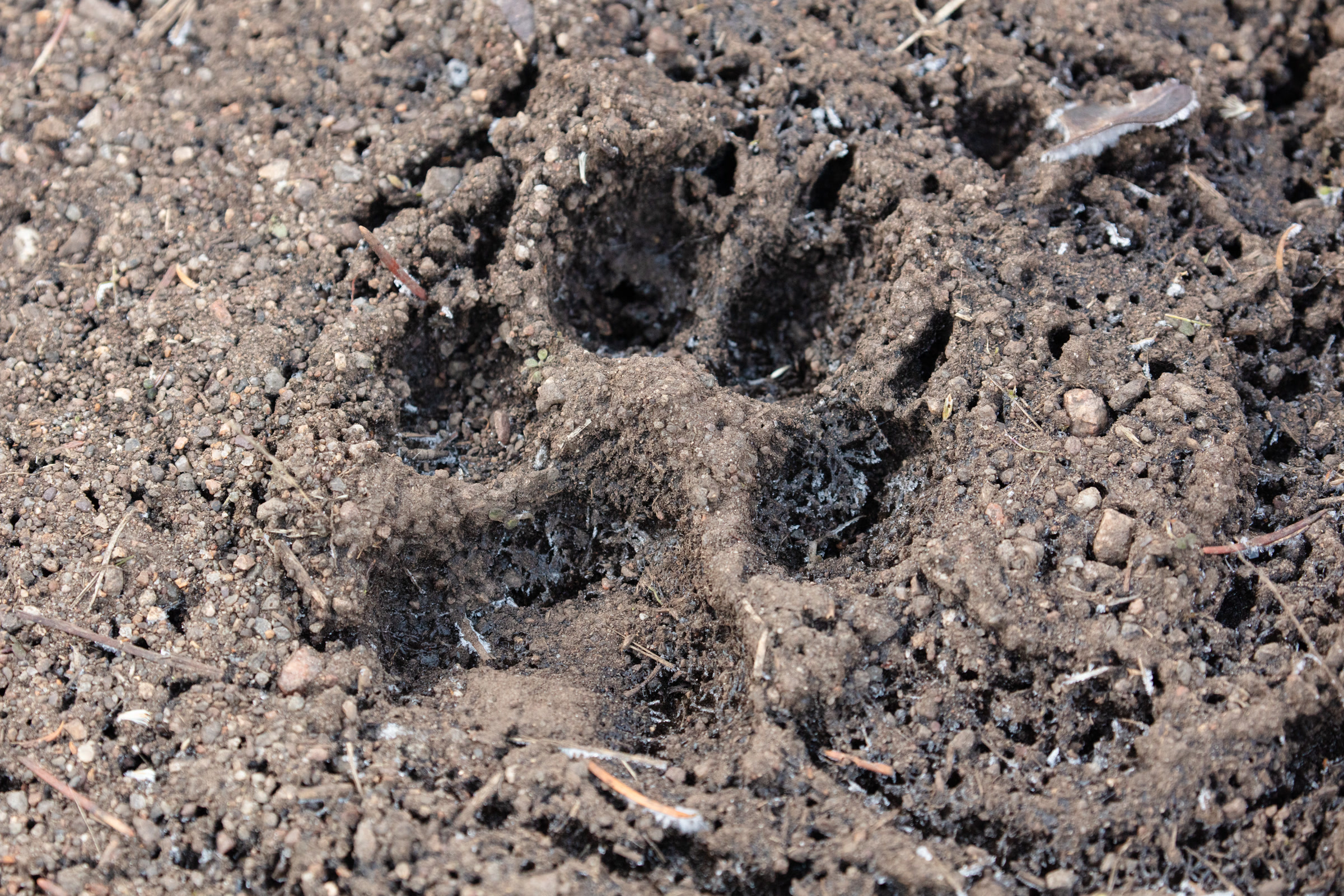
Timeline of wolves on the Olympic Peninsula
Sources: the park, the USFWS study summary and the Washington Department of Fish and Wildlife (WDFW). See also our Olympic National Park history timeline.
| Year | What happened | Source |
|---|---|---|
| 1890 | Wolves still common in the Olympic Mountains | WDFW |
| 1906 to 1929 | Clallam County pays bounties on 46 wolves | WDFW |
| 1910 and 1919 | Estimates of 115 wolves, then 40 to 60 | WDFW |
| 1920 | Last verified photographs or specimens | USFWS |
| 1935 | Wolves declared extinct in the area | NPS |
| 1938 | Olympic National Park established; no hunting inside it | NPS |
| 1999 | Reintroduction feasibility study released | USFWS |
| 2008 | First resident pack in Washington since the 1930s, in Okanogan County | WDFW |
| 2025 | No packs found in the recovery region that includes the Peninsula | WDFW |
What changed without wolves
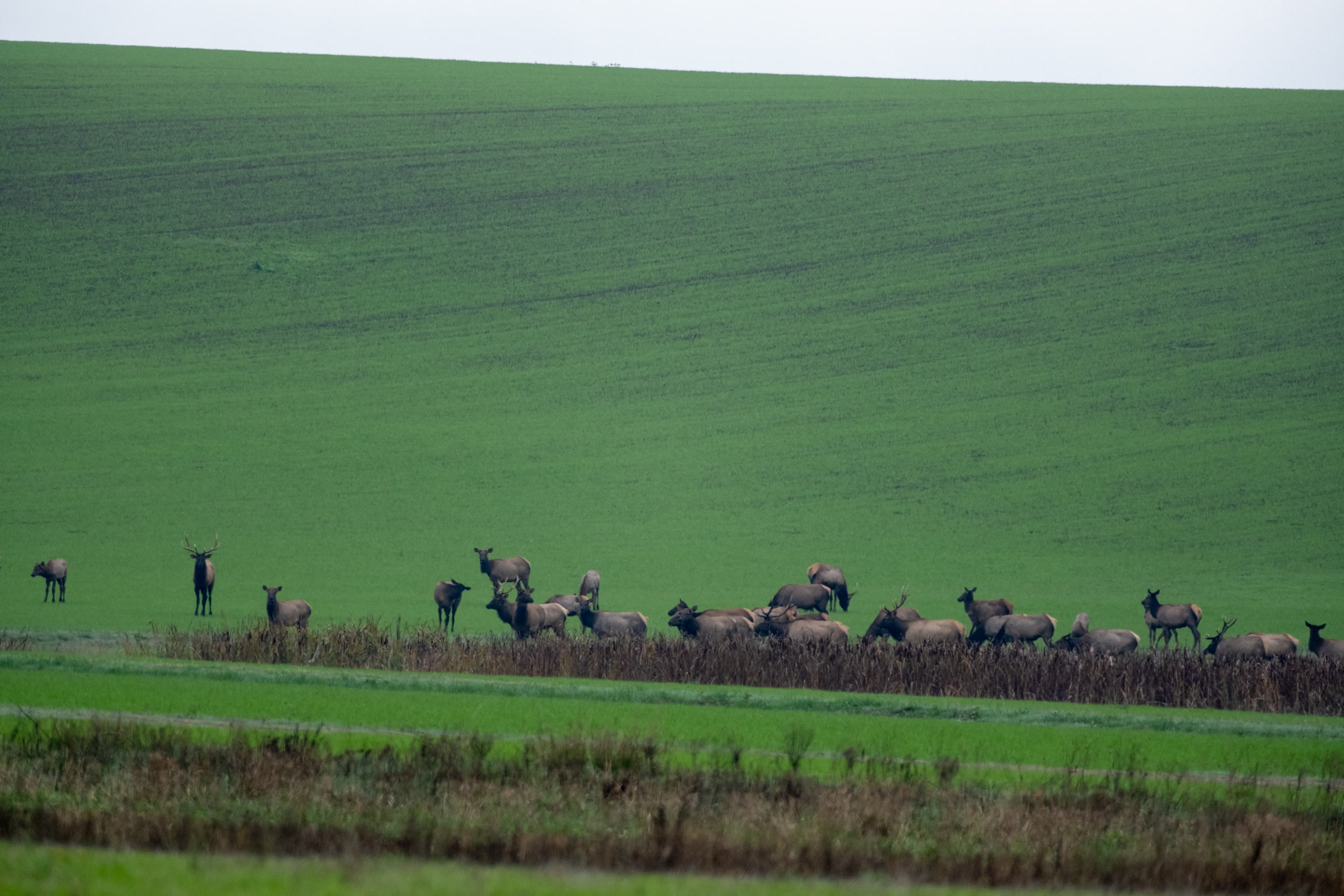
The park describes wolves as apex predators that shaped the land by hunting deer and elk and by limiting other predators, such as coyotes.
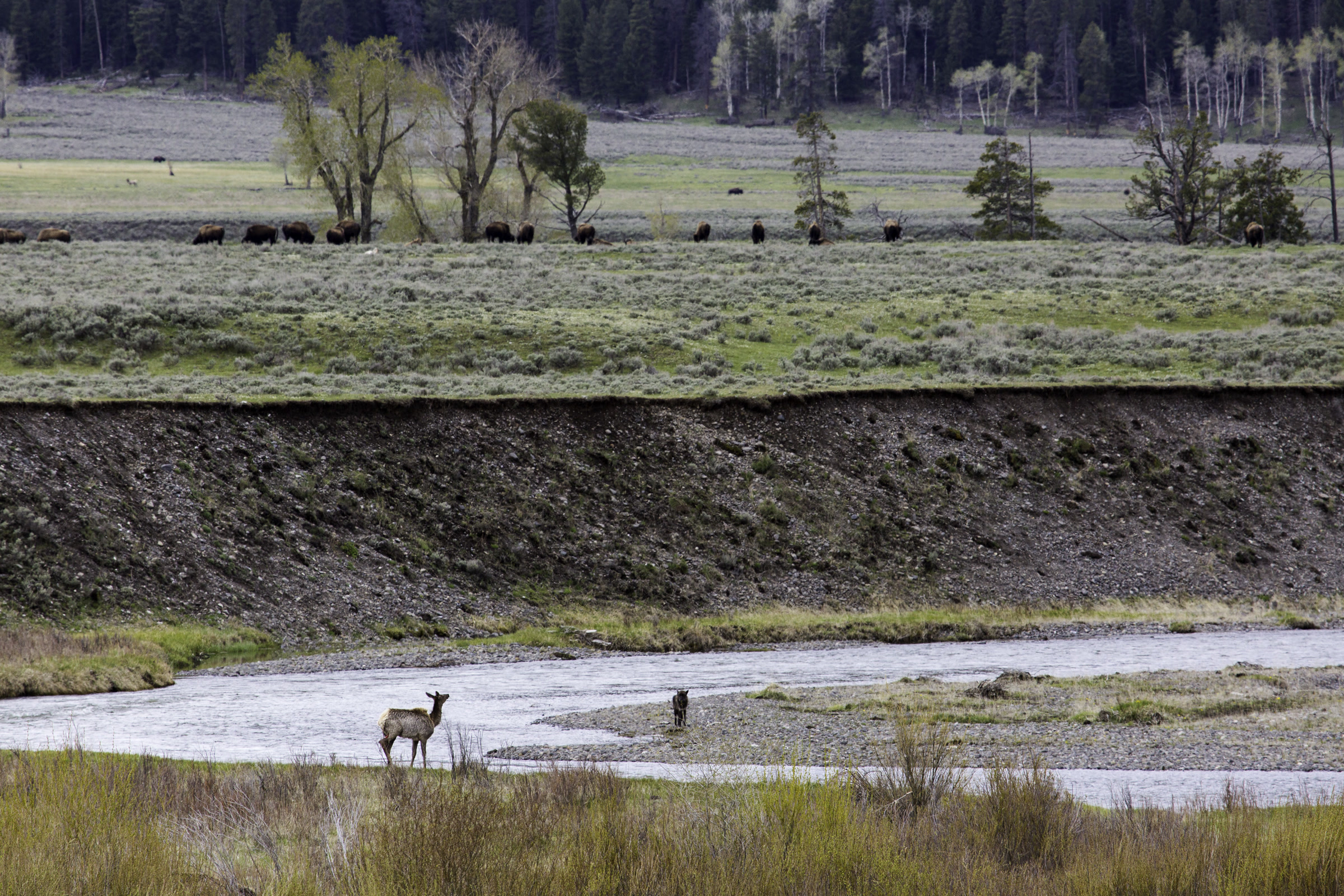
Elk browsing and the river valleys
WDFW’s 2011 wolf plan summarizes early research by Robert Beschta and William Ripple in the park. It suggests that heavy browsing by elk over the past century has sharply reduced the number of young black cottonwood and bigleaf maple trees growing up along rivers.
That, the plan says, may have increased bank erosion and channel widening, and probably reduced the woody debris that gives young salmon and steelhead places to rear. WDFW is careful to add that these effects still need confirmation through more research. Our guide to Roosevelt elk in Olympic National Park explains how the herds browse today.
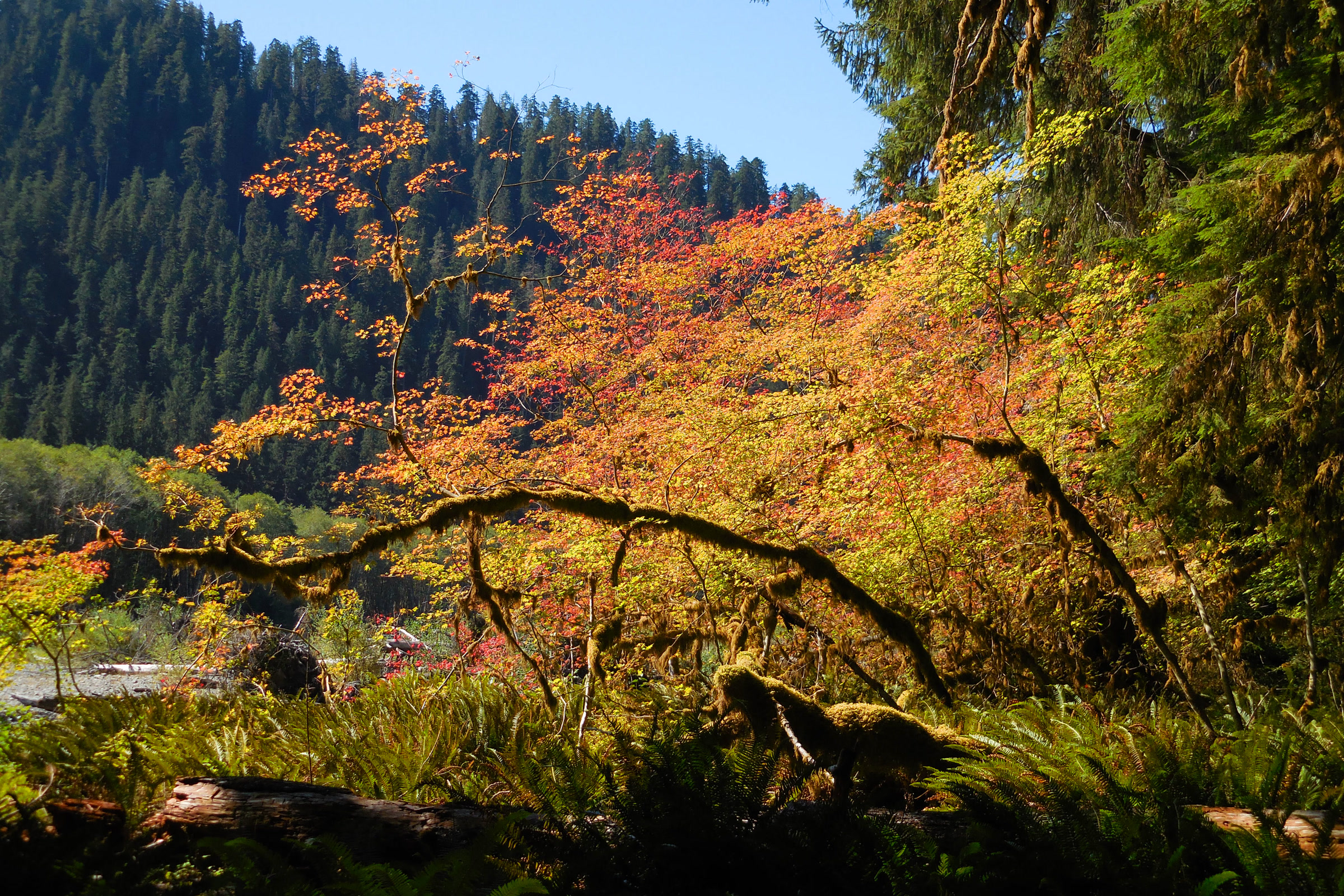
Coyotes moved in
The same plan notes that coyotes were rare or absent on the Peninsula while wolves were widespread. In 2011, WDFW added that coyote predation was probably the main threat to the declining Olympic marmot. Read more in our guide to coyotes in Olympic National Park.
The 1999 wolf reintroduction study
The USFWS summary says people had suggested bringing wolves back since 1935. For fiscal year 1998, Congress appropriated $300,000 for feasibility work, and the Service granted $125,000 of it to University of Idaho researchers.
The study looked for land with few roads, few people and lower elevations. Apart from a few small, isolated fragments, only the park and the neighbouring Olympic National Forest wilderness qualified, and more than 98 percent of that area was public land managed as wilderness. The researchers expected black-tailed deer and elk to be the main prey.

What the study found
- Feasible: it concluded reintroduction was biologically feasible, with enough habitat and prey for a “marginally viable” population.
- Numbers: the park could support about 56 wolves, or 6 to 7 breeding pairs.
- Prey: a model projected deer in the park falling 13 to 16 percent and elk 16 to 17 percent. Cougars were left out of it.
- Livestock: losses were not predicted to be significant, though occasional losses were likely.
The summary also noted that small, isolated elk herds outside the park could be vulnerable to wolves dispersing from it, a worry for tribal and non-tribal hunters. It recorded that wolves hold an important place in the spiritual lives of many Peninsula tribes, and that the Point No Point Treaty Tribes and the Hoh and Quinault Tribes were concerned about declining elk.
No wolves were released. WDFW says plainly that wolves were never reintroduced to Washington; those now in the state arrived on their own. The park and WDFW did return another lost carnivore between 2008 and 2010, as told in our story of the fisher reintroduction in Olympic National Park.
Where wolves stand today
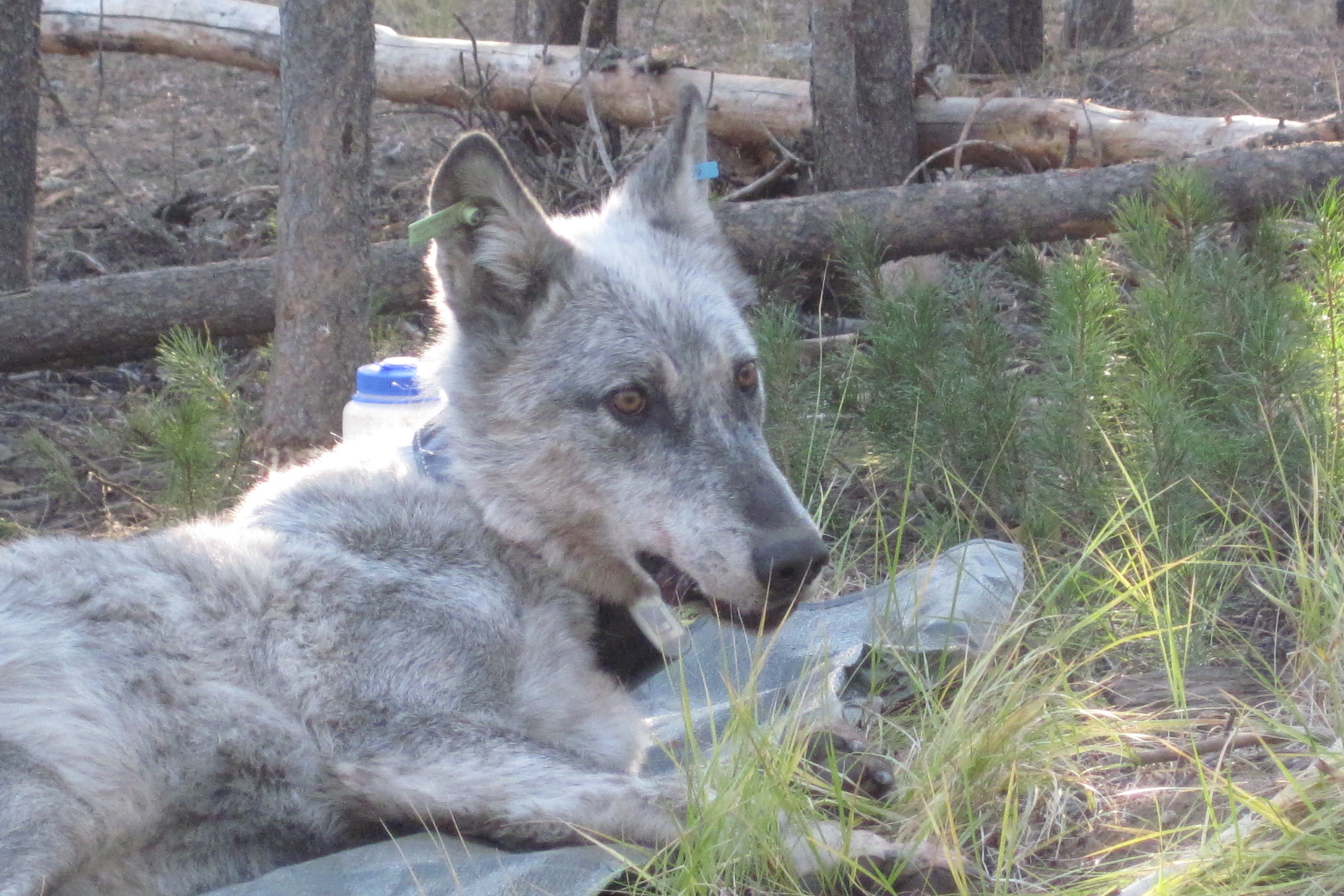
Washington’s first resident pack since the 1930s formed in 2008. WDFW’s 2025 annual report counted at least 270 wolves in 49 packs statewide, all of their packs in eastern Washington and the North Cascades. The state’s plan places the Olympic Peninsula in its Southern Cascades and Northwest Coast recovery region.
There, the report found no packs or breeding pairs at the end of 2025, although collar data and confirmed sightings showed at least one wolf travelling into the region. The plan itself notes that the Peninsula has good habitat but is far from the wolves now recolonizing the state.
Legal status as of October 2026
WDFW reports that wolves in the western two-thirds of the state, the Peninsula included, are federally endangered after a February 2022 court decision that is under appeal. Washington has listed wolves as endangered statewide since 1980. Status can change, so check the WDFW gray wolf page, which also explains how to report a wolf sighting.
Where Friends of Olympic National Park stands
Friends of Olympic National Park (FONP) takes no position on wolf reintroduction. Those decisions rest with the wildlife agencies and tribal governments. Our part is helping people understand the park and caring for it.
If stories like this one deepen your connection to the park, please make a gift to support our volunteer work.
Frequently asked questions
Are there wolves in Olympic National Park?
No. The park lists the gray wolf as extirpated. WDFW found no wolf packs in the recovery region that includes the Olympic Peninsula at the end of 2025.
When did wolves disappear from the Olympic Peninsula?
The park says the gray wolf was eliminated by the 1920s and declared extinct in the area by 1935. The U.S. Fish and Wildlife Service notes no verified photographs or specimens since 1920.
Why were wolves killed off on the Olympic Peninsula?
Settlers saw wolves as a threat to livestock, the park says, and hunted them heavily. WDFW records that Clallam County paid bounties on 46 wolves between 1906 and 1929.
Were wolves ever reintroduced to Olympic National Park?
No. A 1999 federal feasibility study found reintroduction biologically feasible, but no wolves were released. WDFW says wolves were never reintroduced to Washington.
Did losing wolves change the park’s rivers?
Possibly. Early research summarized by WDFW suggests heavy elk browsing reduced young cottonwood and bigleaf maple along rivers, which may have widened channels. WDFW says these effects still need confirmation.
Leave a Reply