
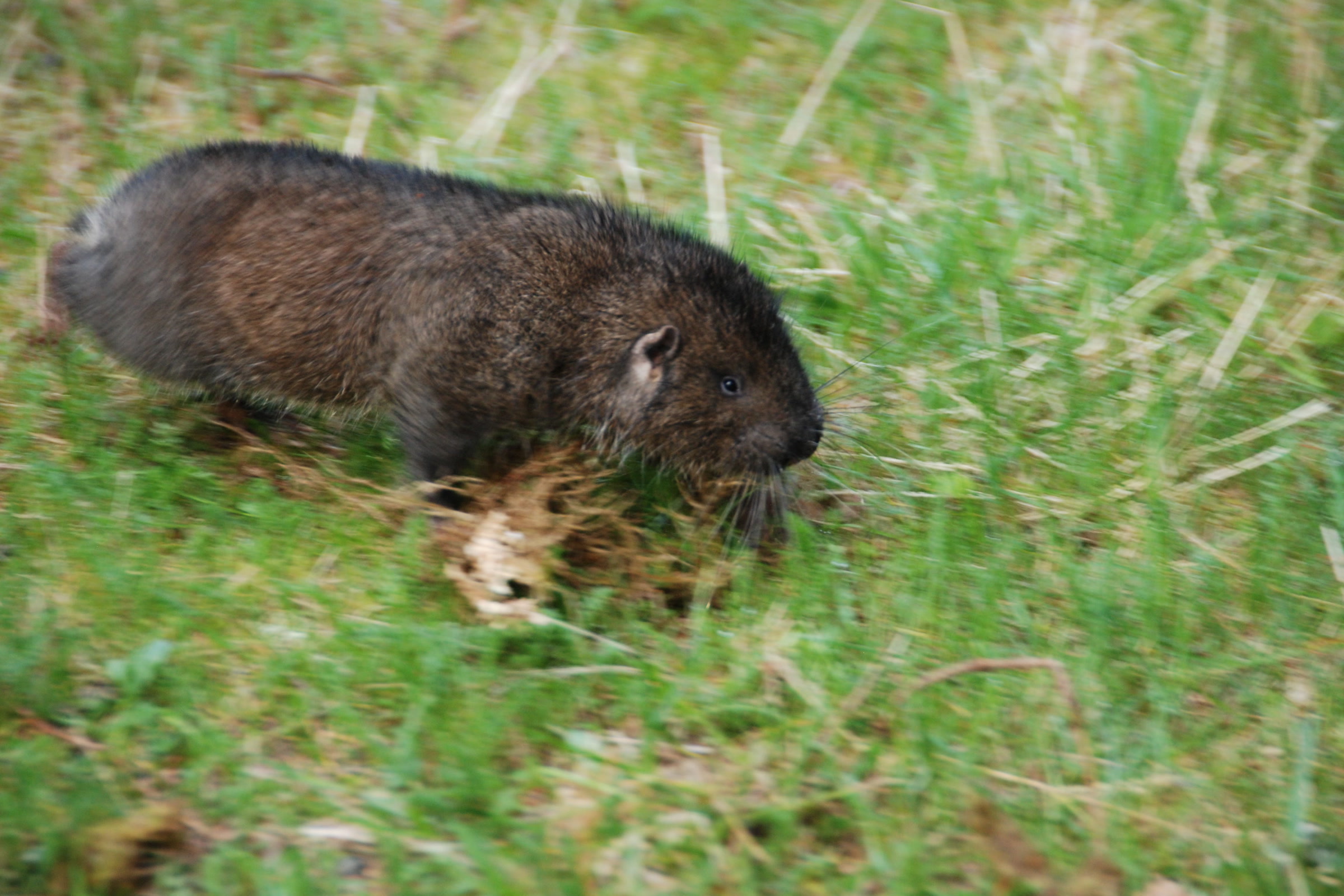
Beavers in Olympic National Park come in two very different forms that share only a name. One is the American beaver, the dam builder of ponds and lowland streams. The other is the mountain beaver, a small burrowing rodent of damp forests that is not a beaver at all.
Quick answer
Are there beavers in Olympic National Park?
Yes. The park lists two animals called beaver. The American beaver is locally common in the lowlands, where its dams and ponds create wetlands that young salmon use. The mountain beaver is common in moist forests, but it is an unrelated, primitive rodent that digs burrows and has only a stubby tail.
- American beavers average about 40 pounds
- Mountain beavers are only 12 to 14 inches long
- Beaver ponds benefit coho, Chinook, steelhead and cutthroat
- The mountain beaver is the last living member of its family
Two animals, one name
The park’s mammal species list names both: the beaver, Castor canadensis, marked “common locally”, and the mountain beaver, Aplodontia rufa, marked “common”. They are not close relatives. Both gnaw bark and cut branches, which is how the smaller one got its name.
The American beaver
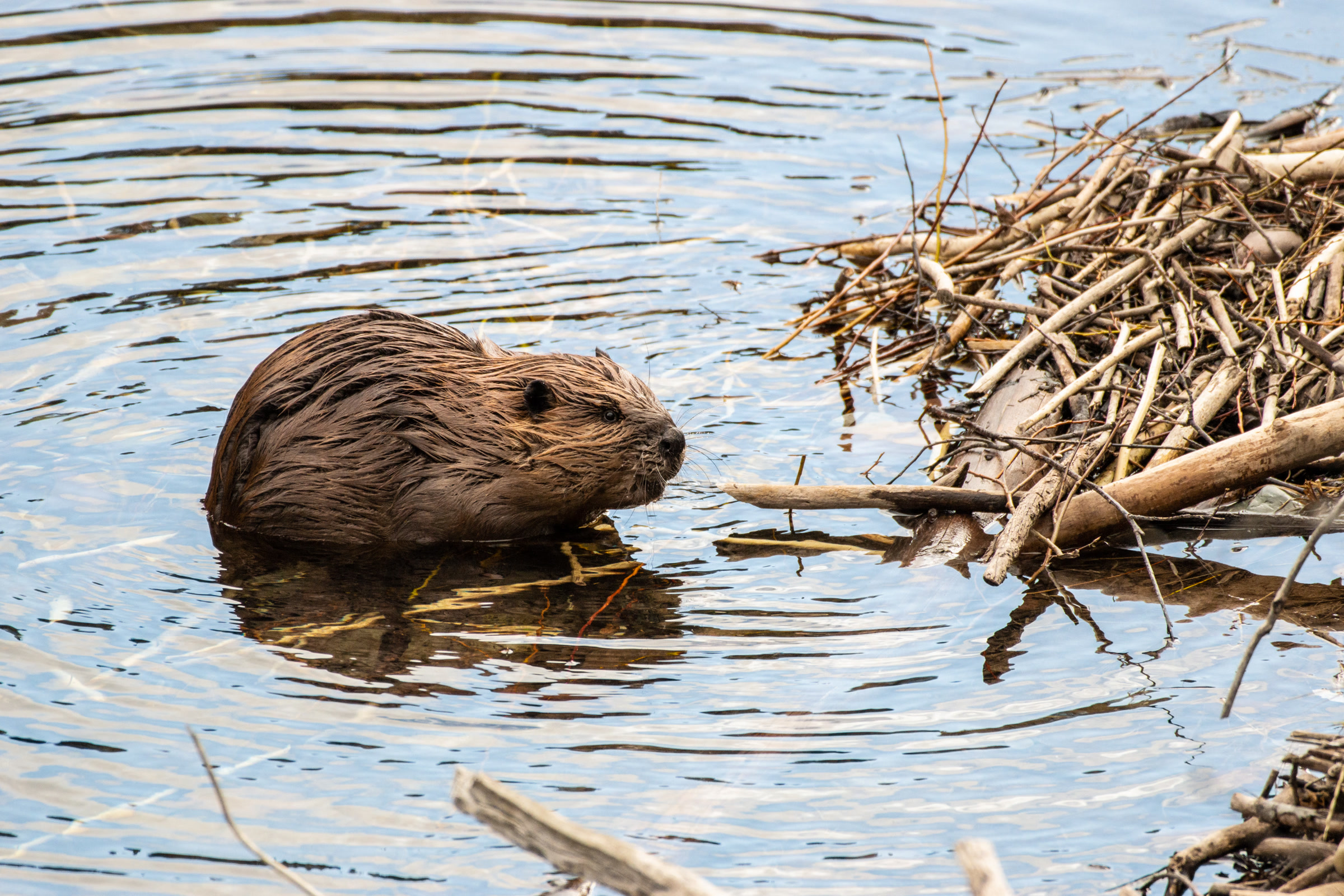
According to the Washington Department of Fish and Wildlife (WDFW), the American beaver is the largest living rodent in North America. Adults average about 40 pounds and measure more than 3 feet including the tail. That broad, flat, scaly tail can be 15 inches long, and a frightened beaver slaps it on the water to warn others.
The park says beavers live mostly in the lowlands and spend much of their lives in water, though they den outside it. They eat leaves, inner bark and twigs of trees such as alder, cottonwood and willow, plus ferns and water plants.
Dams, lodges and bank dens
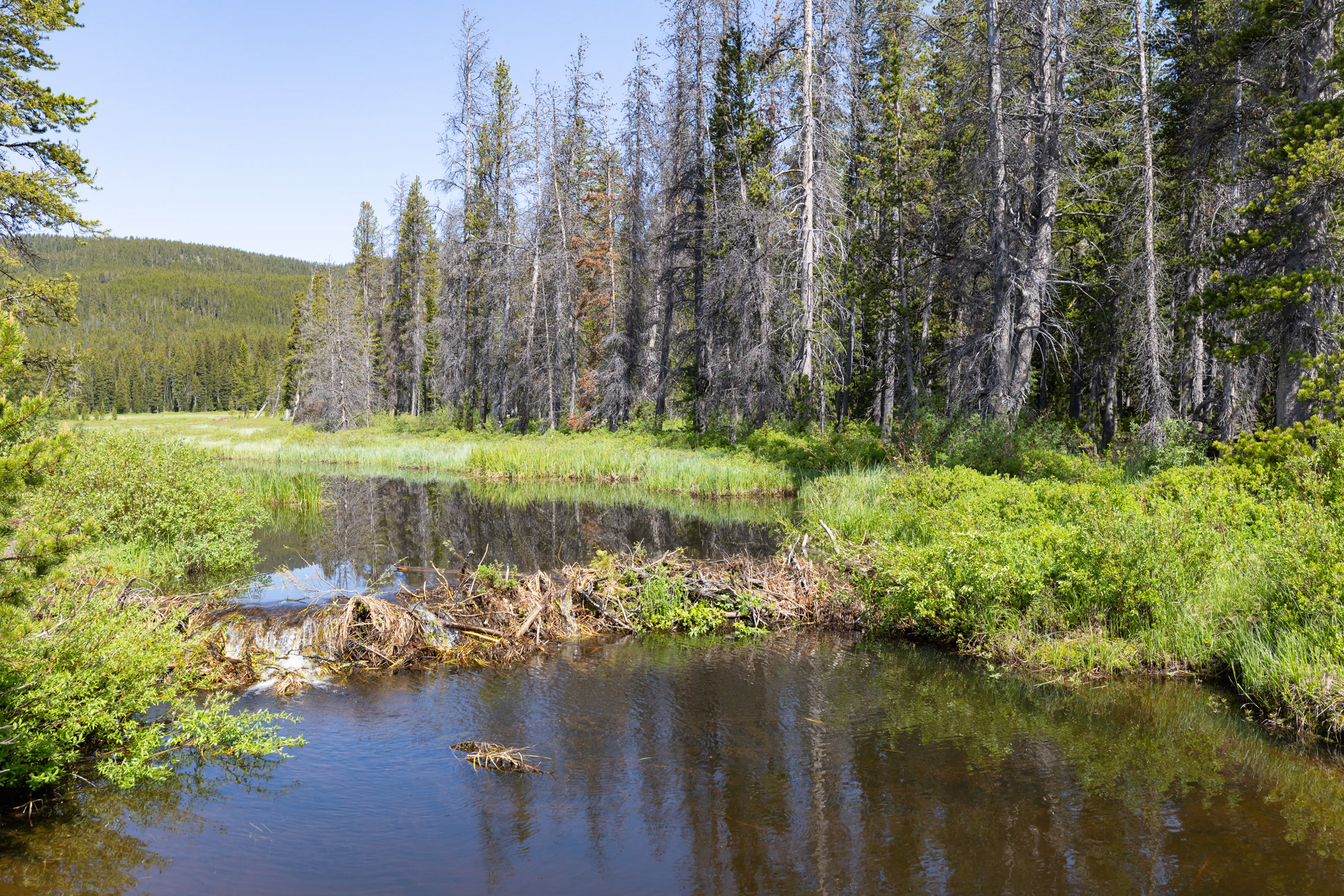
Where there is no deep, calm water, beavers make it. WDFW says they dam creeks with wood, stones and mud, and dams range from a small pile of sticks to structures 10 feet high and more than 165 feet wide. Beavers on lakes and large rivers with steady water levels usually skip the dam.
Home is either a lodge of branches plastered with mud or a den dug into a bank, both entered from underwater. A colony holds 2 to 12 beavers: a breeding pair, this year’s kits and often last year’s. Kits are born from April to June, and beavers can live up to 12 years in the wild.
Signs of beavers to look for
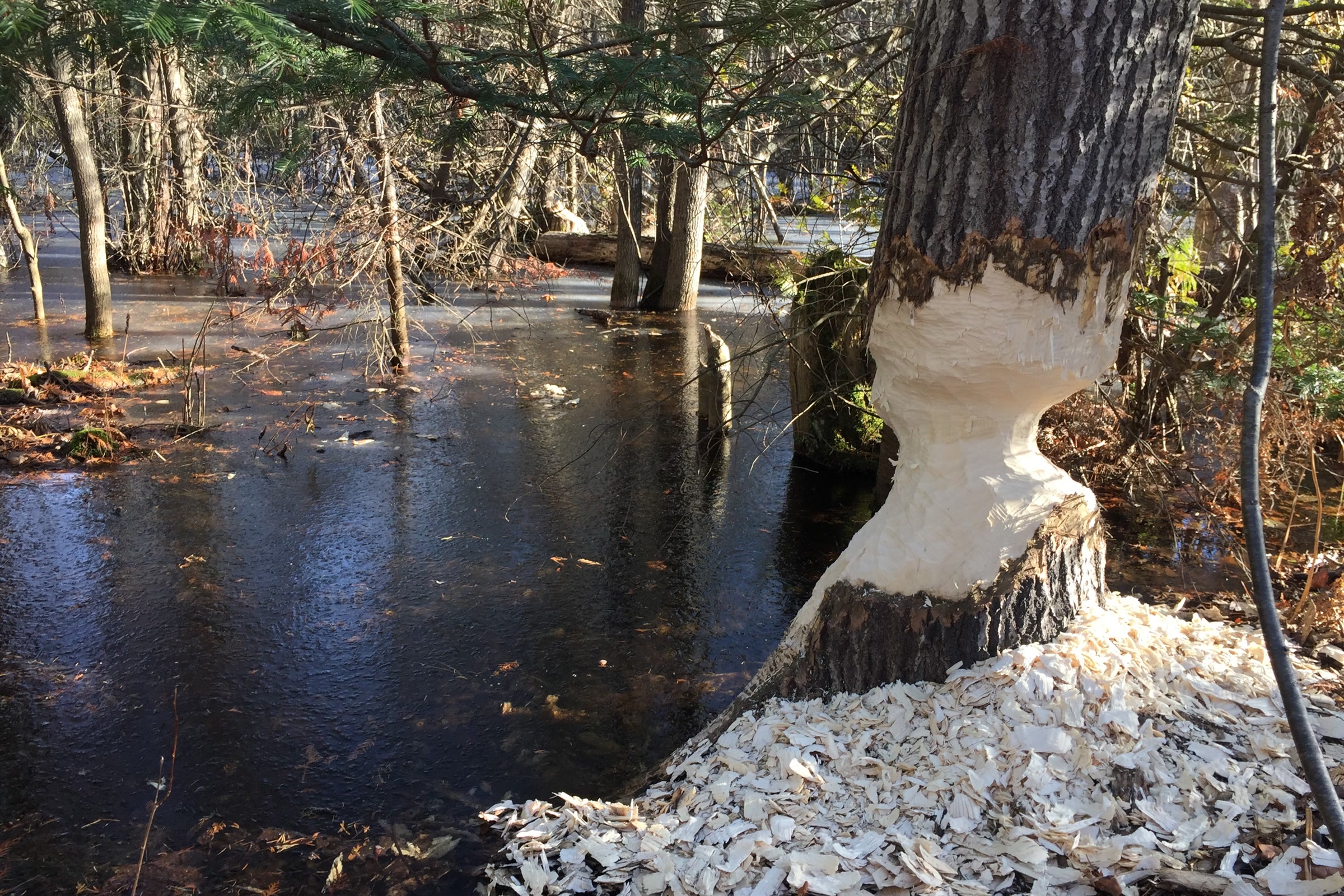
- Cut stumps: pointed, often 1 to 2.5 feet high, with a scatter of wood chips.
- Distance from water: most cutting happens within 165 feet of the water’s edge.
- A V of ripples: on calm water at dusk, often the only sign of a swimming beaver.
Beavers, wetlands and salmon
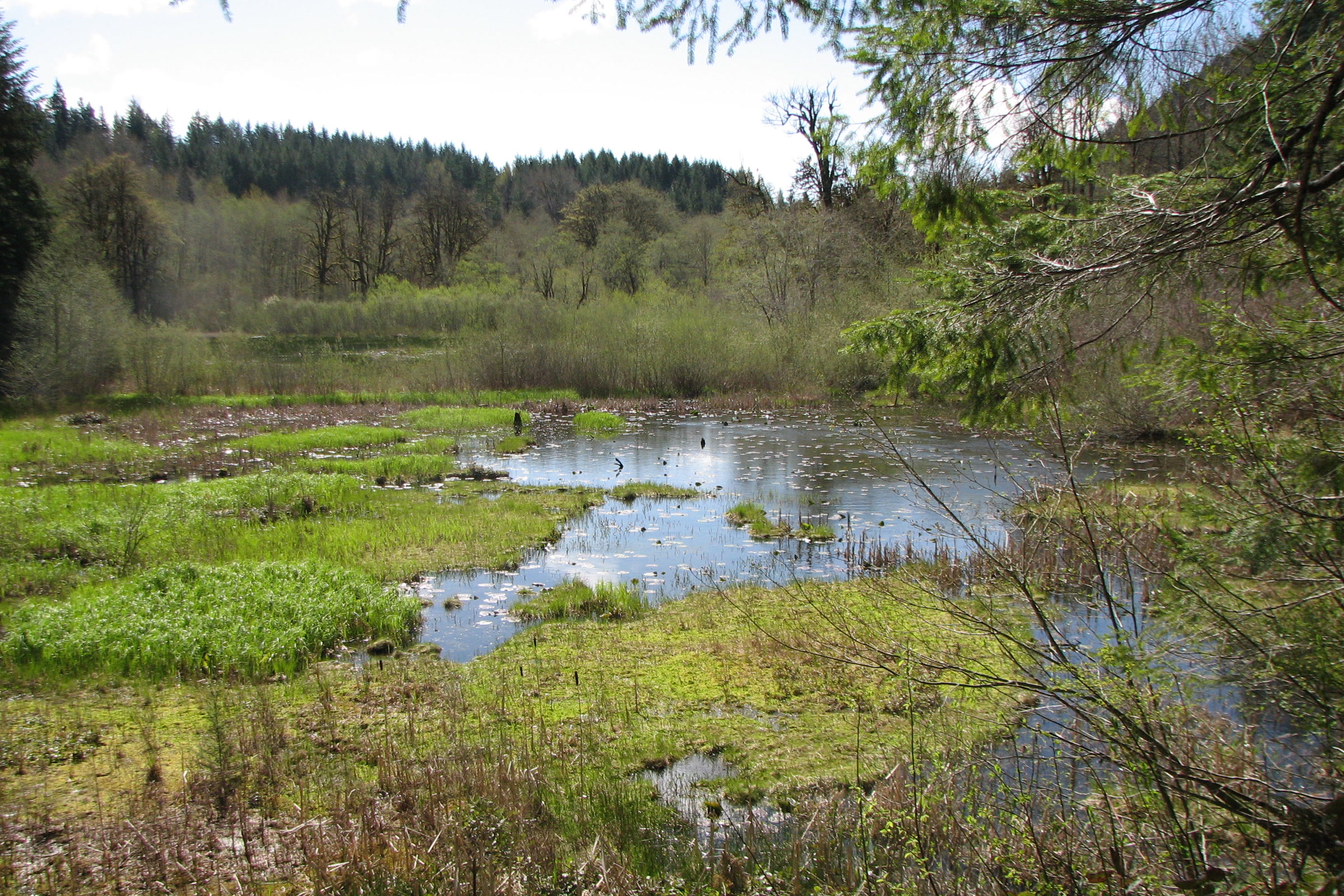
WDFW calls beavers ecosystem engineers. Their dams hold water on the land, wet the soil and create wetlands rich in plants. Deer and elk browse around beaver ponds in winter, and herons hunt their edges.
Fish gain the most. WDFW’s 2026 beaver habitat guidance says native fish and beavers have lived together for at least six million years, and that Chinook, coho, steelhead, cutthroat trout and sockeye all benefit. Pools and slow water behind dams are among the greatest direct benefits, and many studies show beaver dams do not block salmon movement for most of the year.
The guidance cites research in Washington’s Stillaguamish Basin linking the loss of beavers and their slow water with a 61 percent drop in summer habitat for young coho. See our guides to salmon runs in Olympic National Park and the rivers of Olympic National Park.
Beavers on the restored Elwha
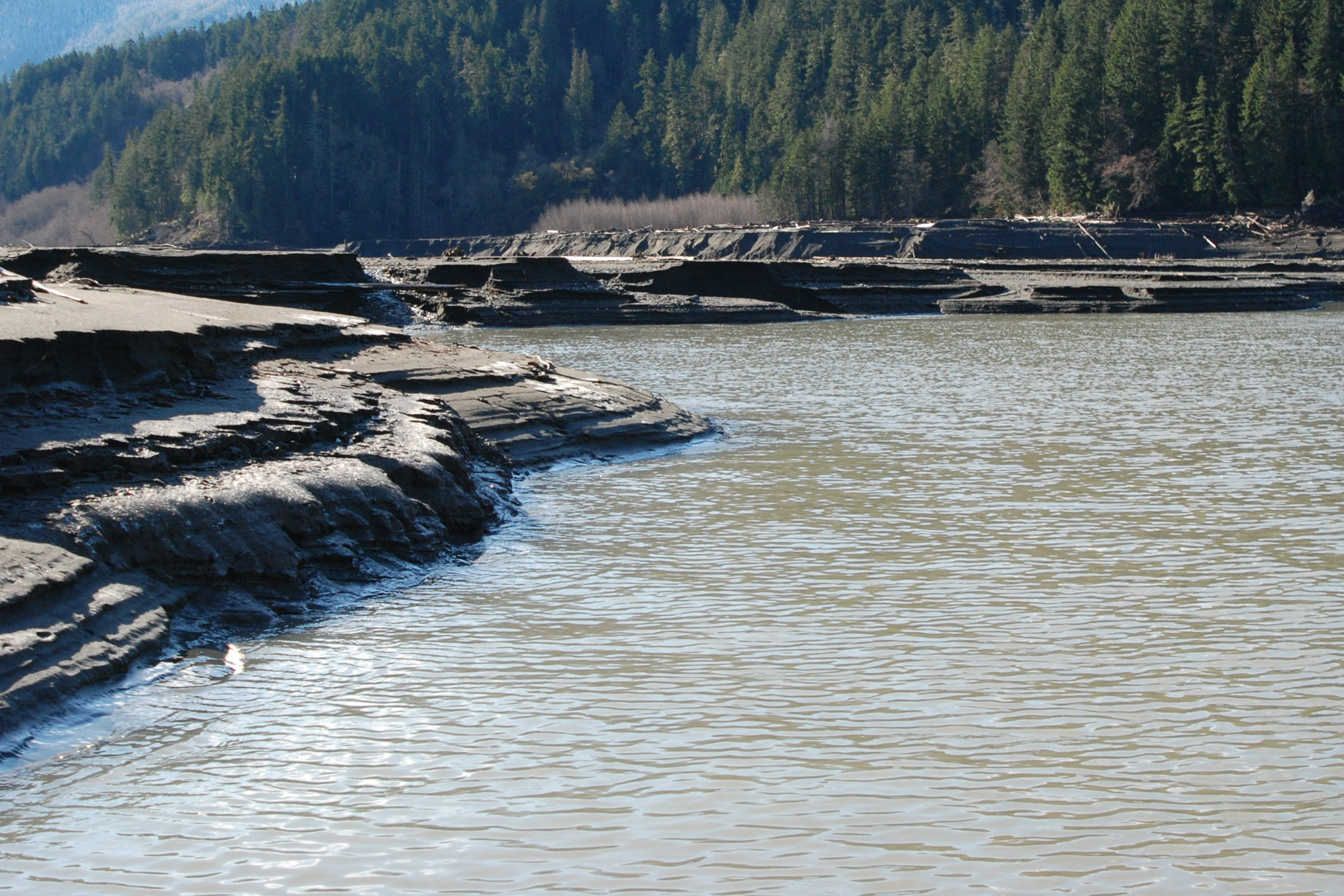
After the Elwha dams came down between 2011 and 2014, the river began running through the beds of the former Lake Aldwell and Lake Mills. Northwest Treaty Tribes reported in 2017 that Lower Elwha Klallam Tribe wildlife staff survey those lakebeds each winter for tracks, scat and cut stumps, documenting whether and how beavers are recolonizing them.
Staff had found willow and cottonwood stumps gnawed to a pencil point. The Tribe’s biologists suggested beavers might dam side channels in the new floodplain, creating pools for young coho. Read the full story of Elwha River dam removal and restoration.
The mountain beaver
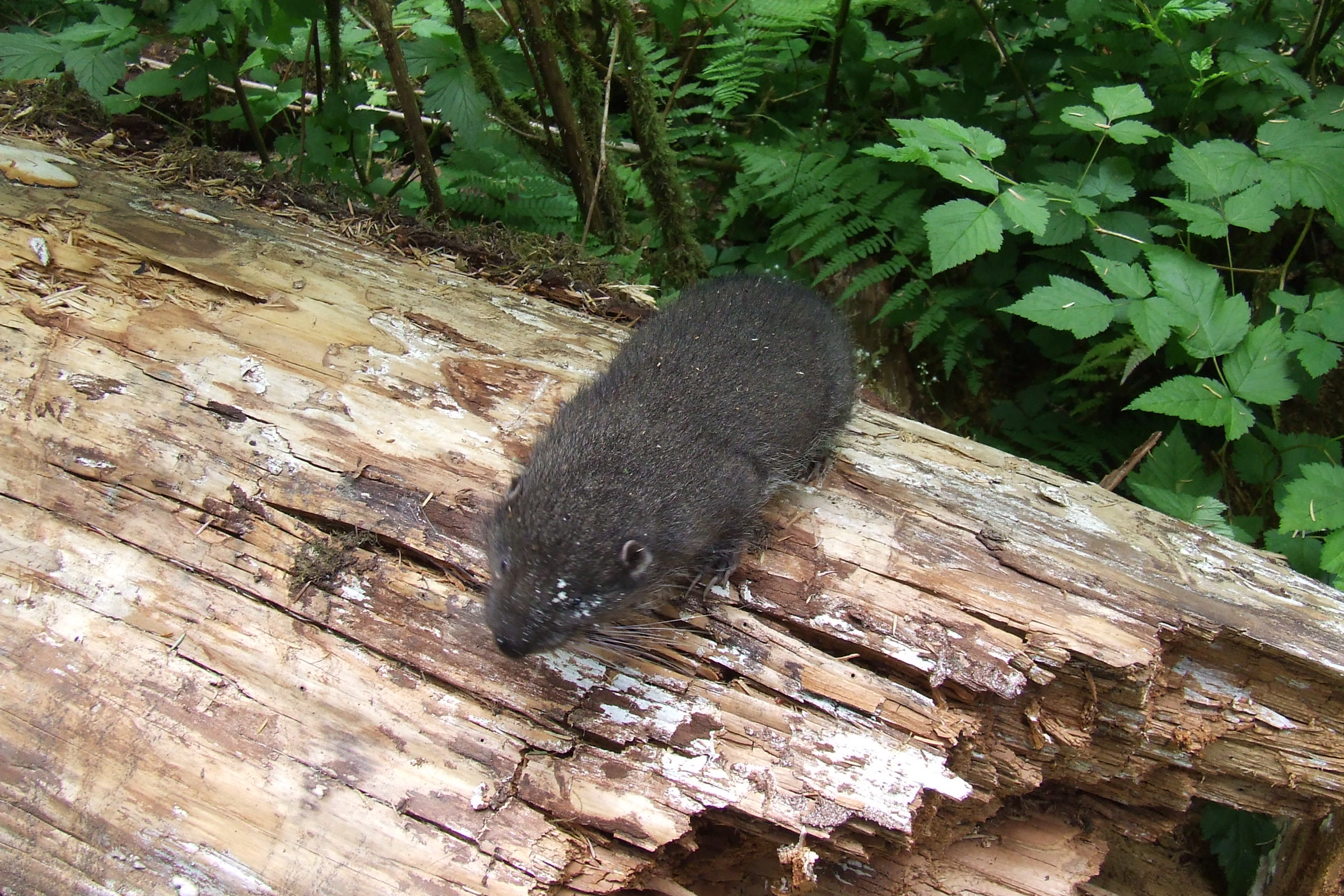
WDFW says many taxonomists consider the mountain beaver the world’s most primitive living rodent. The National Park Service adds that it is the only living member of the family Aplodontidae, the oldest known family of living rodents. It is also called the boomer.
A mountain beaver is 12 to 14 inches long and looks like an overgrown hamster or a muskrat with no tail. It has small eyes and ears, a stubby tail and large curved front claws for digging, grasping and climbing. It lives only in the coastal Pacific Northwest, from southern British Columbia to northern California.
Burrows, ferns and a thirst for water
Mountain beavers dig tunnels 6 to 8 inches wide through moist forests and ferny slopes, some as deep as 10 feet, and a burrow system may have ten or more exits. They eat ferns, salal, nettles, salmonberry, vine maple and young conifers. Their kidneys are inefficient, so each one must drink about a third of its body weight in water every day.
They live alone except when breeding, from February to April, and have 2 to 4 young. Bobcats, coyotes, large owls and fishers hunt them; see our story of the fisher reintroduction in Olympic National Park.
American beaver vs mountain beaver
| Feature | American beaver | Mountain beaver |
|---|---|---|
| Scientific name | Castor canadensis | Aplodontia rufa |
| Size | About 40 pounds, over 3 feet with tail | 12 to 14 inches long |
| Tail | Broad, flat and scaly | Short and stubby |
| Home | Lodges and bank dens, entered underwater | Underground tunnels in moist forest |
| Social life | Family colonies of 2 to 12 | Solitary |
| In the park | Common locally, mostly lowlands | Common |
Watching beavers responsibly
WDFW says beavers are mostly nocturnal, so look for signs by day and for the animals near sunrise or sunset. Approach slowly and from downwind, since beavers see poorly but hear and smell well. A beaver cornered on land can deliver a serious bite.
As of October 2026, the park compendium requires everyone to stay at least 50 yards from all wildlife, so use binoculars, and check the park’s compendium before you go. River otters sometimes move into old beaver dens; our guide to river otters in Olympic National Park covers that neighbour.
How Friends of Olympic National Park helps
We are Friends of Olympic National Park (FONP), a volunteer led friends group in Port Angeles. Our projects include beach and Visitor Center cleanups and guided insect, mushroom and wildflower walks. If the park’s wetlands and quiet forest creatures matter to you, please make a gift to support our work.
Frequently asked questions
Are there beavers in Olympic National Park?
Yes. The park lists the American beaver as common locally, mostly in the lowlands, and the mountain beaver as common.
Is a mountain beaver a real beaver?
No. The mountain beaver is a primitive burrowing rodent and the only living member of the family Aplodontidae. It got its name because it gnaws bark and cuts branches the way true beavers do.
Do beavers help salmon?
Yes. WDFW says the pools and slow water behind beaver dams are among the greatest benefits to native fish, including coho, Chinook, steelhead and cutthroat trout.
What does a mountain beaver eat?
Mountain beavers eat plants, including ferns, salal, nettles, salmonberry, vine maple and young conifers.
Are beavers dangerous?
They can be. WDFW warns that a beaver cornered on land may bite hard. Keep at least 50 yards from all wildlife in Olympic National Park and watch with binoculars.
Leave a Reply