
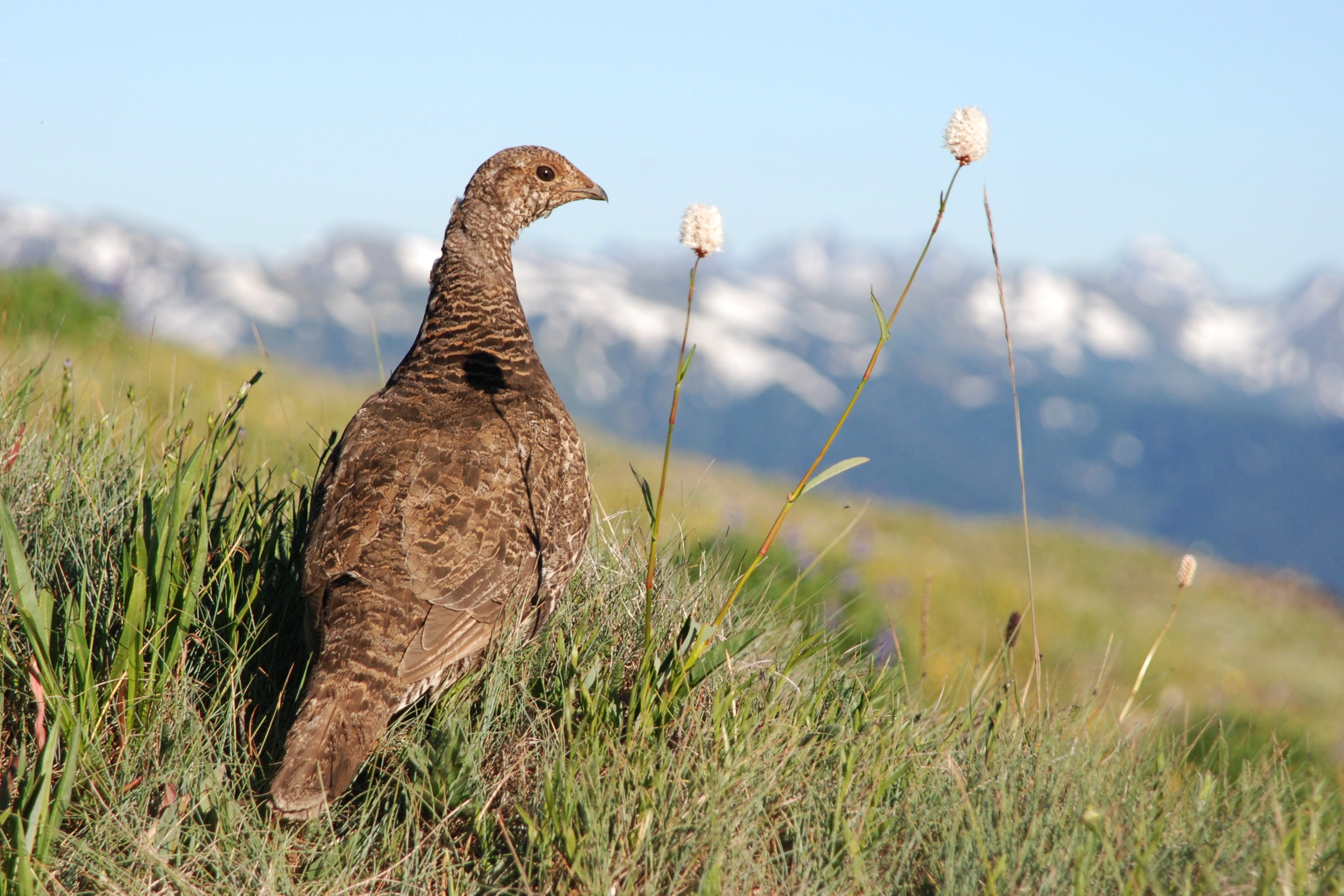
Birding in Olympic National Park means three trips in one: a wild Pacific coast with offshore seabird colonies, mossy rainforest valleys full of small songbirds, and subalpine meadows at Hurricane Ridge where grouse walk beside the trail. The park counts about 300 bird species. Here is where to look, what you might see and when to go.
Quick answer
Where is the best birding in Olympic National Park?
Olympic National Park has about 300 bird species across three main habitats. Scan the offshore islands from coast beaches for puffins, murres and cormorants, walk rainforest trails like the Hoh for wrens, thrushes and dippers, and visit Hurricane Ridge for sooty grouse and summer songbirds. Late spring to early fall is the best season.
- About 300 bird species, from sea level to the peaks
- Offshore refuges hold over 72 percent of Washington’s nesting seabirds
- Seabird islands are closed; watch from the beaches
- Calling birds with apps counts as harassment in the park
Why the park is so good for birds
The park runs from sea level to over 2,000 meters, and the National Park Service says that gradient of habitats supports many resident and migratory birds. Much of the rest of the Olympic Peninsula has been heavily logged, which makes the park’s protected forests especially important. You can read the park’s own overview on the NPS birds of Olympic page.
Where to go: three habitats
The coast and offshore islands
The rocks and islands off the park’s coast belong to the Washington Islands National Wildlife Refuges. The U.S. Fish and Wildlife Service says they hold over 72 percent of Washington’s nesting seabirds, about 200,000 breeding birds of 13 species. Those include tufted puffins, common murres, rhinoceros and Cassin’s auklets, pigeon guillemots, storm-petrels and three kinds of cormorants.
The islands are closed to all public access, and boats must stay 200 yards away. That makes the beach your viewing platform. The Flattery Rocks refuge visitor page names Shi Shi, Cape Alava, Rialto, Second Beach, Ruby and Kalaloch as good places to watch. A spotting scope helps, because many seabirds stay well offshore.

On the rocks and sand closer in, look for black oystercatchers, and keep an eye out for peregrine falcons hunting shorebirds. Pair a birding walk with a low tide using our guides to Olympic National Park tide pools and Shi Shi Beach and Point of the Arches.
Rainforest valleys
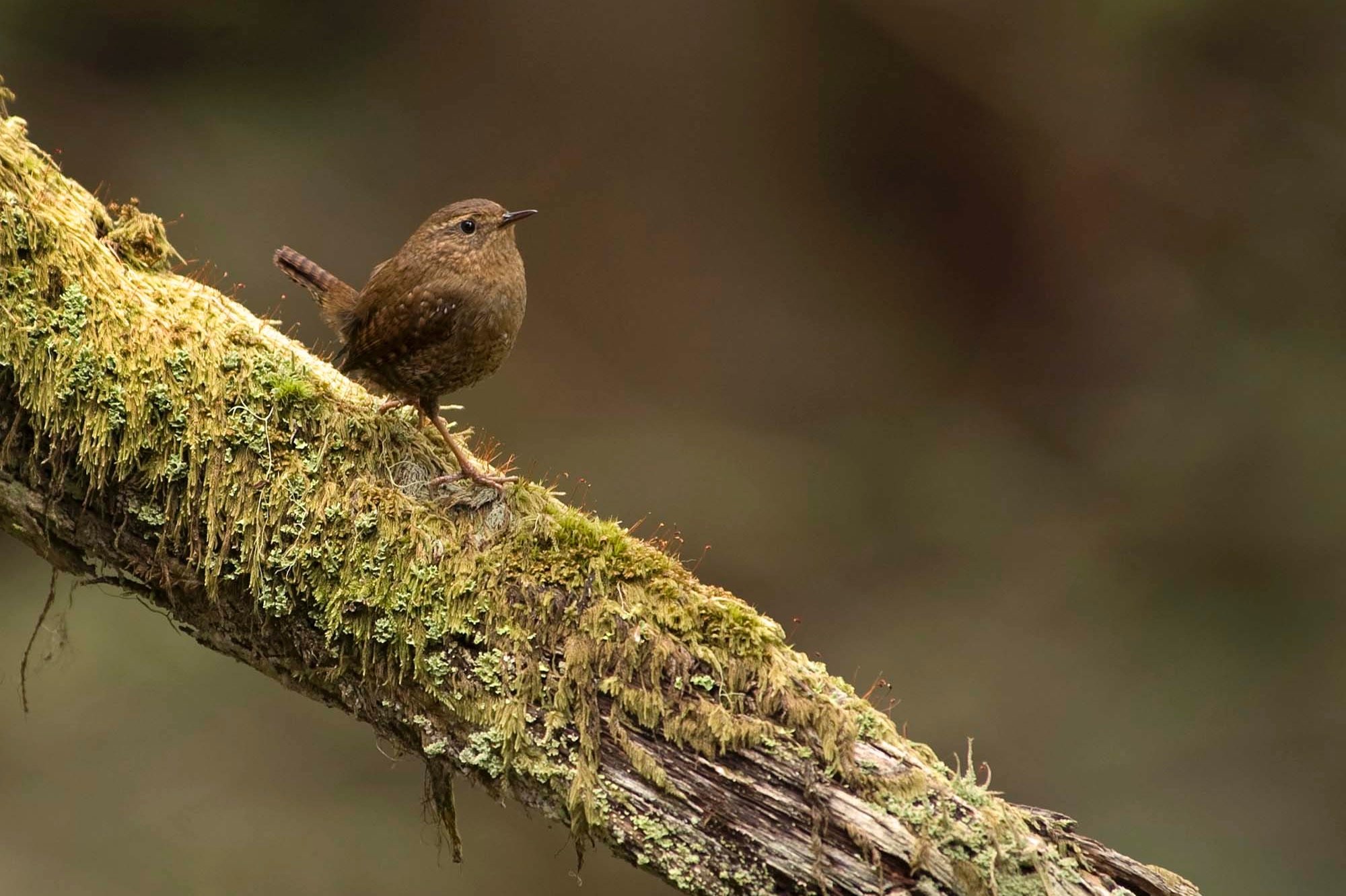
In the west side valleys, the Hoh is the classic stop. Audubon lists ruffed and sooty grouse, band-tailed pigeons, Pacific wrens and American dippers there. Seattle Audubon’s BirdWeb adds varied thrush, golden-crowned kinglet, Hutton’s vireo and red crossbill as forest residents, with Vaux’s swifts, flycatchers and several warblers arriving to breed.
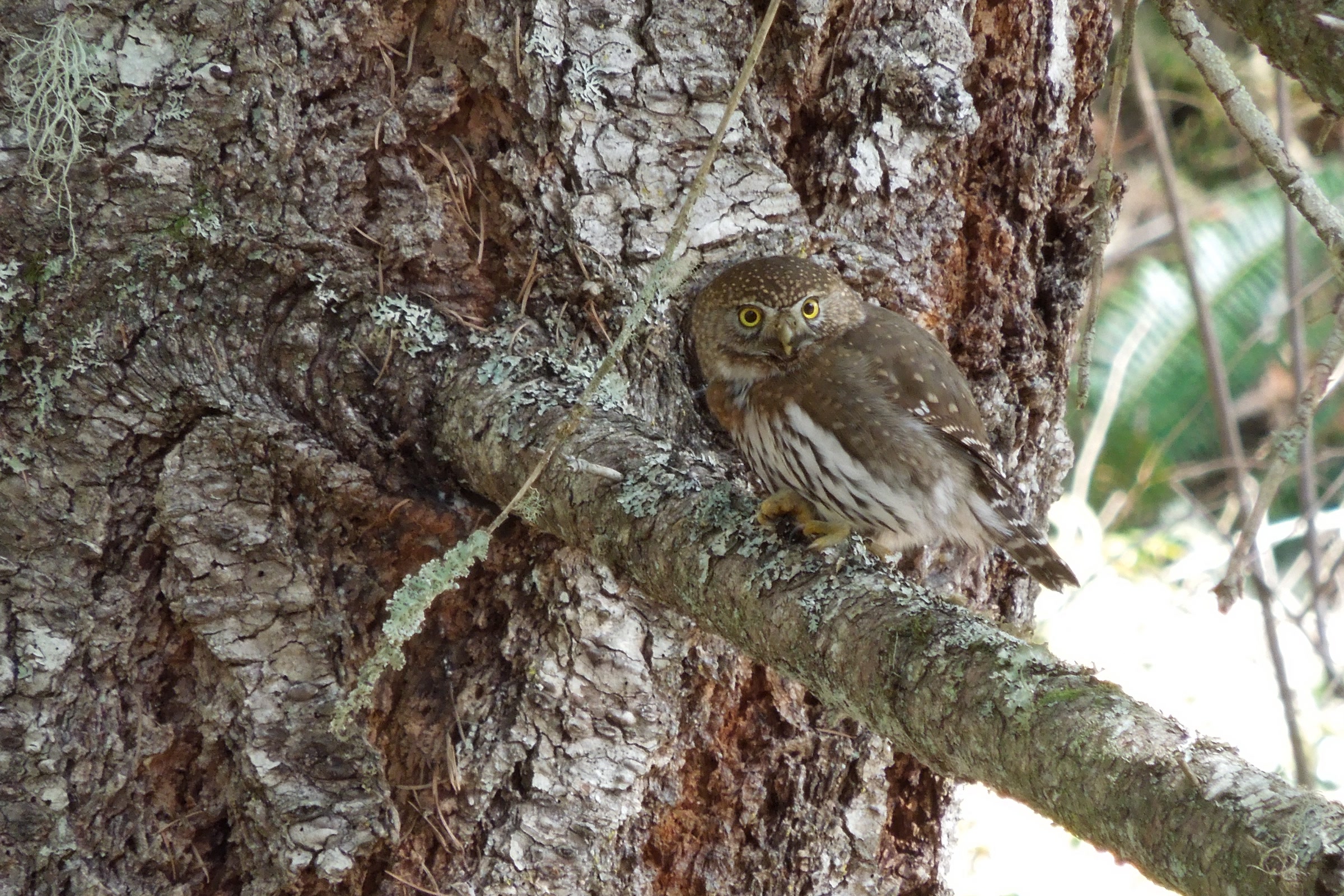
Two threatened birds depend on these old forests. Marbled murrelets are seabirds that feed in shallow water near shore, yet the Fish and Wildlife Service says they lay their single egg on the mossy limbs of big old trees, as far as 53 miles inland in Washington. The northern spotted owl has its own story, told in our post on the northern spotted owl in Olympic National Park. For the forests themselves, see the temperate rainforests of Olympic National Park.
Subalpine meadows at Hurricane Ridge
The 17 mile road from Port Angeles climbs from old growth near Heart O’ the Hills to subalpine parkland above 5,200 feet. BirdWeb lists sooty grouse (once called blue grouse), common ravens, red-breasted nuthatches and chestnut-backed chickadees all year. In summer, Swainson’s and hermit thrushes, western tanagers, Townsend’s warblers and olive-sided flycatchers join them, and American pipits forage near the snow line.
Audubon lists Canada jays (gray jays in older guides) along the trails here. They can be bold, but the park asks that you never feed them. Our Hurricane Hill Trail guide covers one of the best walks up here.
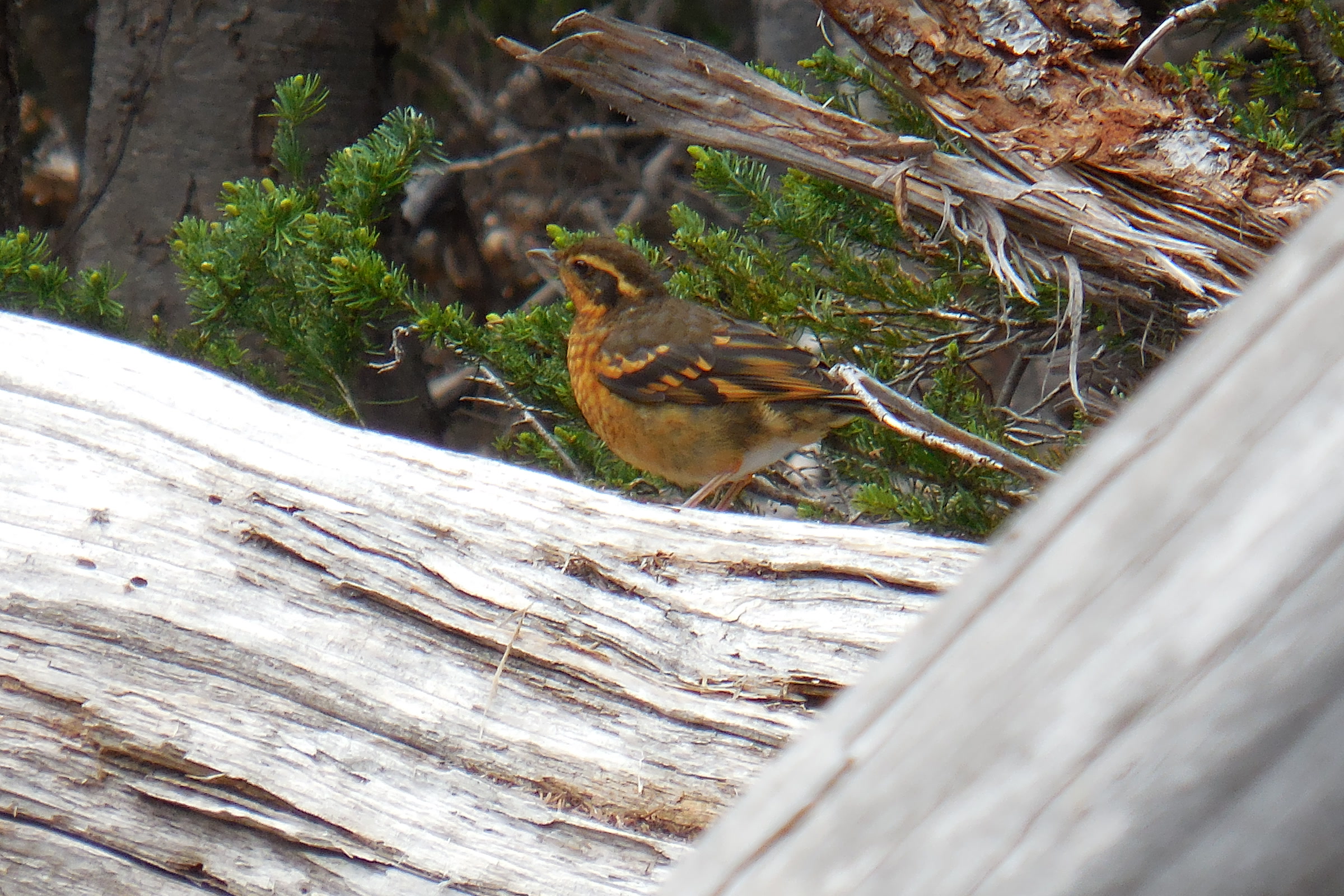
Birds of Olympic National Park by habitat
| Habitat | Where to try | Birds to look for |
|---|---|---|
| Coast and islands | Shi Shi, Cape Alava, Rialto, Second Beach, Ruby, Kalaloch | Tufted puffin, common murre, cormorants, black oystercatcher |
| Rainforest | Hoh and other west side valleys | Pacific wren, varied thrush, American dipper, sooty grouse |
| Rivers | Valley rivers and streams | Bald eagle, American dipper, spotted sandpiper |
| Subalpine | Hurricane Ridge | Sooty grouse, Canada jay, thrushes, American pipit |
Where to see bald eagles
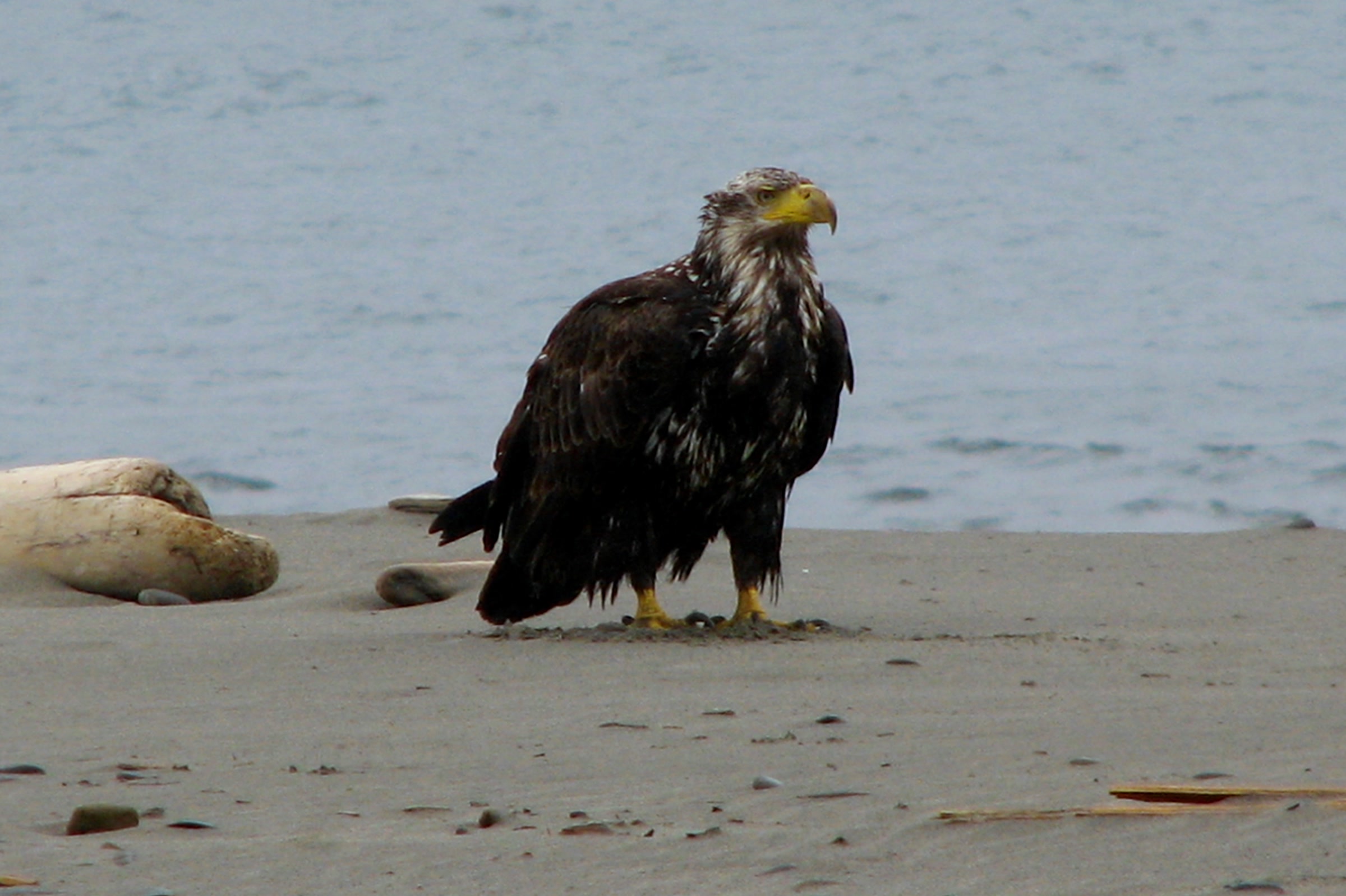
The park lists bald eagles among the birds visitors can watch for. BirdWeb places them along the peninsula’s rivers, and the park’s photo near the top of this page shows a young eagle on an ocean beach. Scan tall snags above river bars and the shoreline with binoculars, and give any eagle you find plenty of room.
When to go
- Late spring to early fall: BirdWeb calls this the best time for both Hurricane Ridge and the coast, when seabirds are nesting offshore.
- Spring and fall migration: waterfowl, sandhill cranes and shorebirds pass over the west side.
- September: upper elevation trails can be good for watching migrating hawks.
- All year: rainforest residents such as wrens, kinglets and varied thrushes, though BirdWeb notes that Forks, on the west side, gets about ten feet of rain a year.
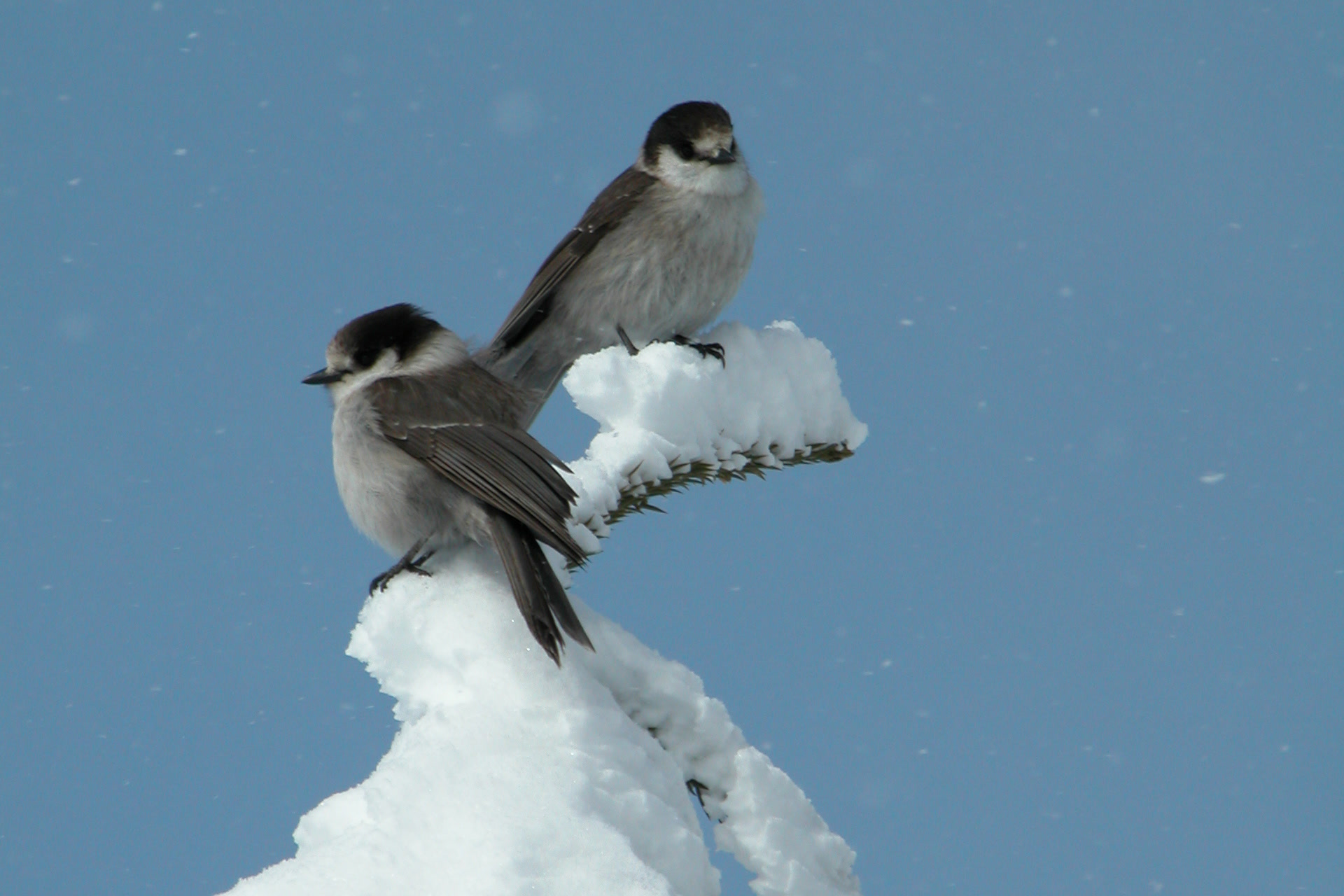
Birding etiquette in the park
Federal rules protect every bird here. The park says feeding, touching, calling, frightening or disturbing wildlife is prohibited, and it treats using apps to call birds as harassment, especially for threatened species. It also asks you to stay at least 150 feet from wildlife and to back off if an animal moves because of you.
- Leave the playback at home and let birds come to you.
- Give nests extra room in spring and summer, when the park says birds are most at risk.
- Bring binoculars or a scope instead of moving closer.
- Report injured birds to a ranger rather than trying a rescue.
Logging your sightings on eBird helps other birders and builds a long record of the park’s birds. Our guide to what to pack for Olympic National Park helps with rain gear for long days of watching.
How Friends of Olympic National Park helps
We are Friends of Olympic National Park (FONP), a volunteer led friends group in Port Angeles. Our guided insect, mushroom and wildflower walks help people slow down and notice the life around them, and our volunteers care for trails, beaches and the Visitor Center grounds. If you love the park’s birds, please become a member and help us look after the places they live.
Frequently asked questions
How many bird species live in Olympic National Park?
The National Park Service puts the total at about 300 species, some living in the park all year and others passing through or arriving only to breed.
Can you see puffins in Olympic National Park?
Tufted puffins nest on the offshore refuge islands. The islands are closed, so watch from beaches such as Shi Shi, Cape Alava, Rialto or Ruby with a spotting scope, best from late spring to early fall.
Where can I see bald eagles in Olympic National Park?
Bald eagles are seen along the peninsula’s rivers and on the coast. Scan tall snags above river bars and beaches.
What birds live at Hurricane Ridge?
Sooty grouse, common ravens, chickadees and nuthatches live there all year, and Canada jays are seen along the trails. In summer, thrushes, western tanagers, Townsend’s warblers and American pipits join them.
Can I use bird call apps in Olympic National Park?
No. The park treats using apps to call wildlife as harassment, especially for threatened or endangered species. Federal rules prohibit calling, feeding or disturbing birds.
Leave a Reply