
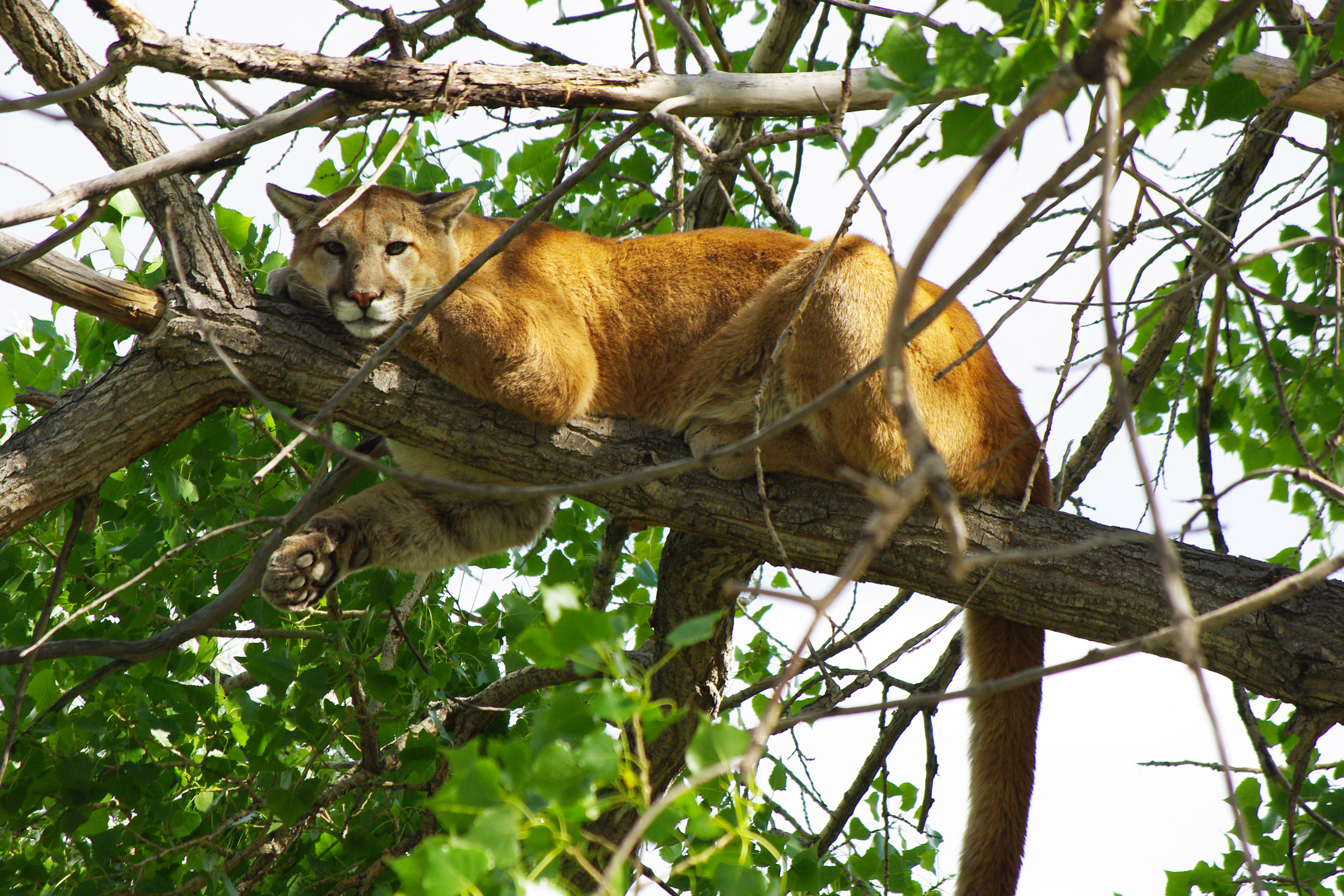
Cougars in Olympic National Park range throughout the Olympics, yet very few visitors ever see one. The park calls them seldom seen and says attacks on people are rare. Knowing a little about these quiet hunters, and exactly what to do if you meet one, lets you hike with confidence.
Quick answer
What should you do if you see a cougar in Olympic National Park?
Don’t approach and don’t run. Stop, stay calm, face the cougar, stand upright and talk to it firmly, leaving it a way to escape, and pick up small children and pets at once. Look larger by opening your jacket and waving your arms. If it turns aggressive, be more aggressive back, and fight back if attacked.
- The whole park is considered cougar territory
- Attacks on people are rare
- Keep children between adults and pets on leash
- Report every cougar sighting to a ranger
Meet the cougars in Olympic National Park
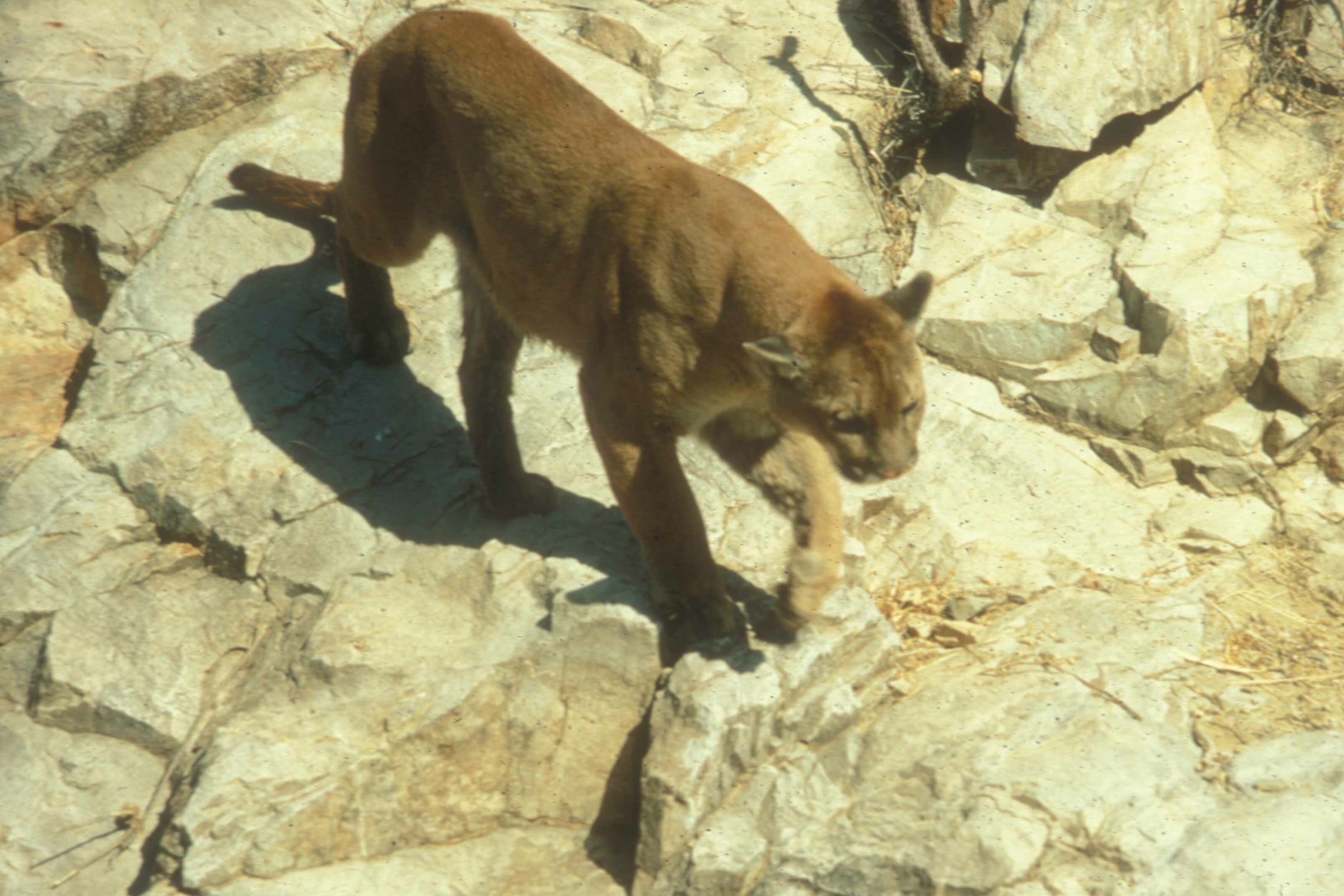
Cougar, mountain lion, puma and catamount are all names for the same animal, and on the Olympic Peninsula most people say cougar. The park describes a large cat, often over 100 pounds, usually reddish tan to gray brown, with black markings on the face and the tip of a long, rope like tail.
The Washington Department of Fish and Wildlife (WDFW) says adult males average about 140 pounds and stand about 30 inches at the shoulder, while females rarely exceed 110 pounds.

How many live in the park? The park says the population is uncertain, though there is definite evidence of cougars, and we won’t guess a number. Statewide, WDFW estimates about 2,400 cougars old enough to live on their own.
Where cougars live and what they eat
The park says the entirety of Olympic National Park is considered cougar territory. Its cougars tend to live in the mountains and forests, favoring dense underbrush and clear rocky ground for stalking. They are territorial and live at low densities, which is one reason sightings are so rare.
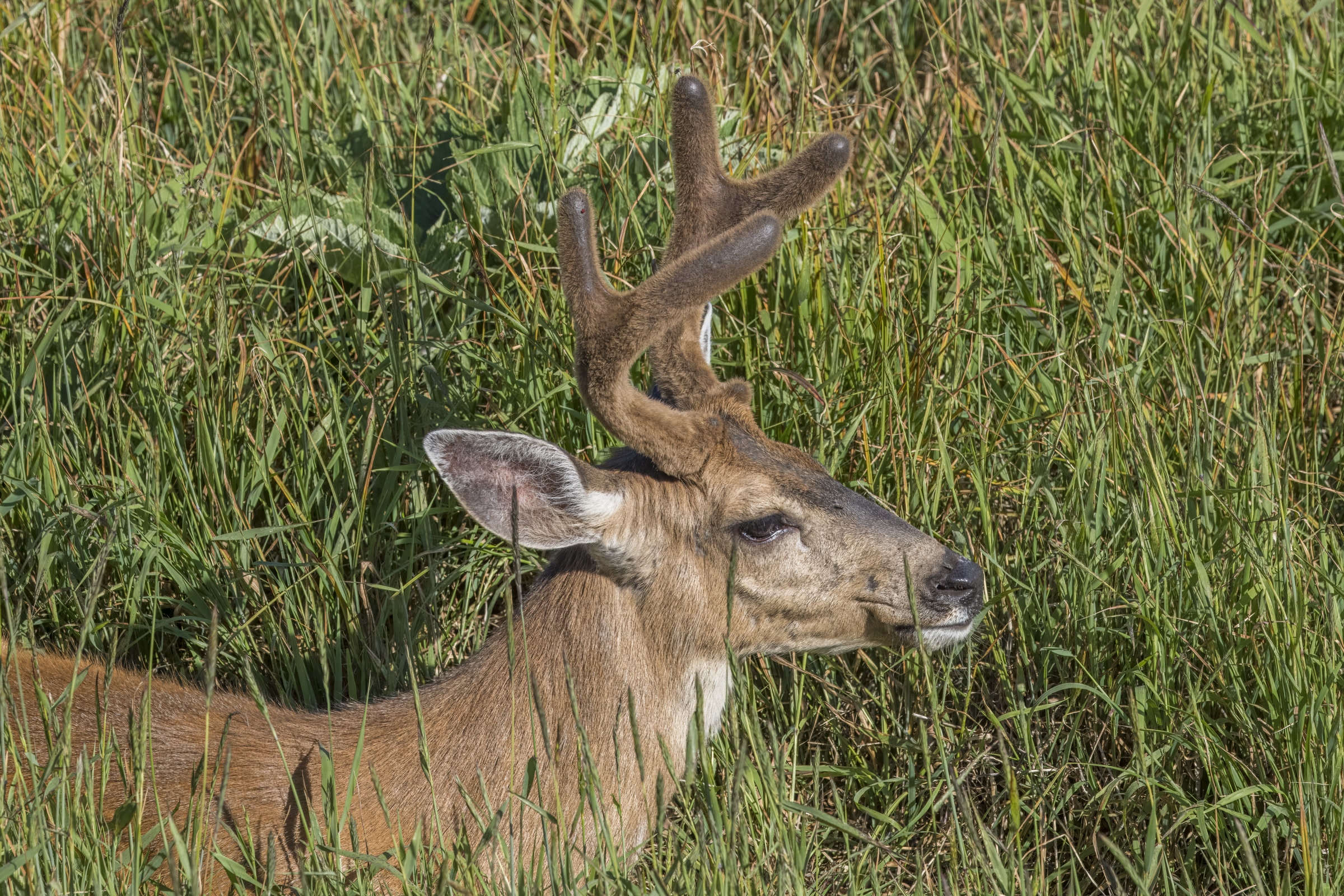
Deer and Roosevelt elk are the main prey, with smaller mammals, rodents and even fish now and then. As a top predator, the cougar helps keep grazing animals in balance with the plants they eat. WDFW adds that cougars hunt mostly from dusk to dawn and often drag a kill under cover and guard it for days.
Signs a cougar has been nearby
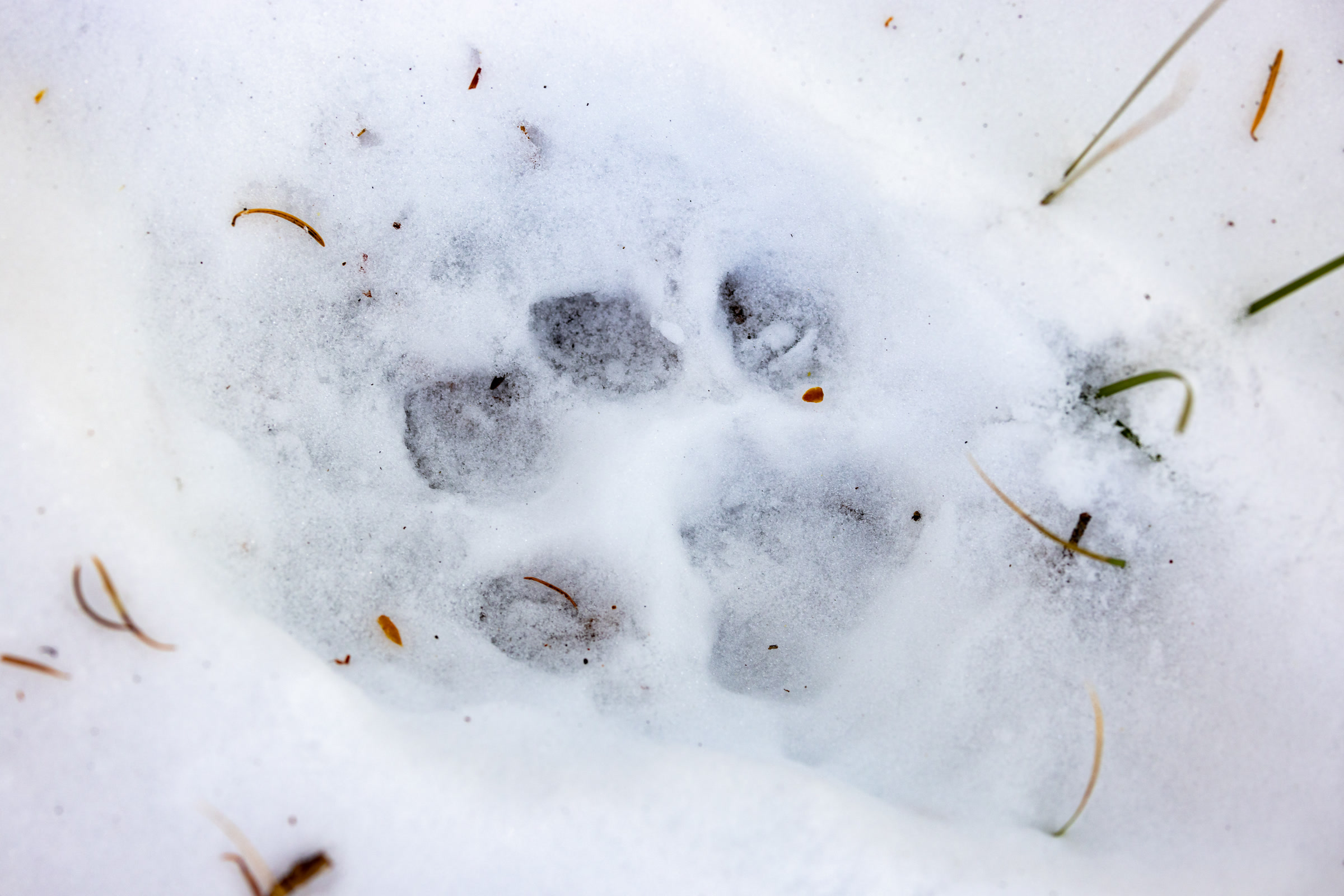
Signs are easier to find than the cat. The park notes scratch mounds and tracks along backcountry trails, and WDFW lists scratch posts and partially covered droppings.
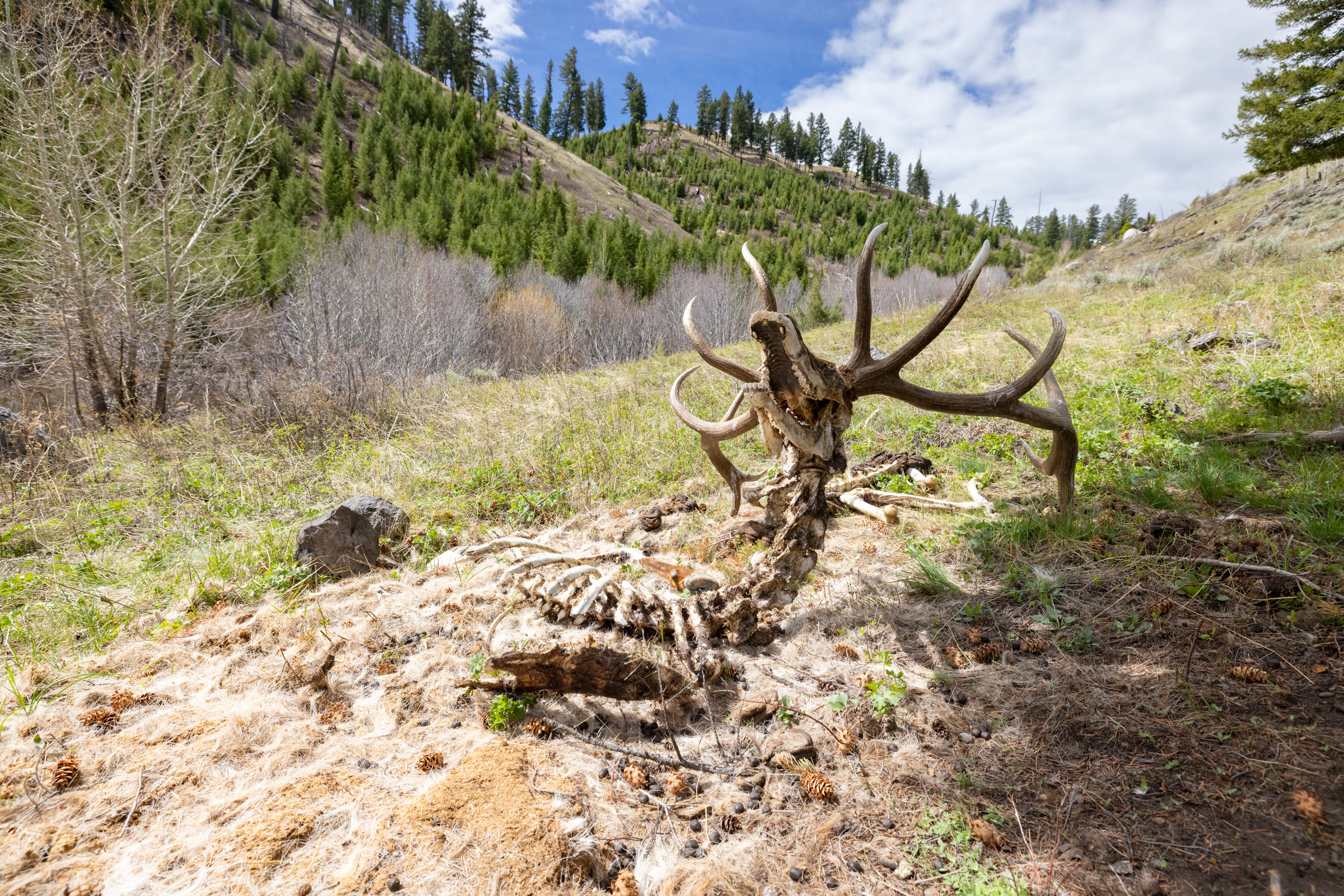
If you come across a dead deer or elk, especially one partly covered with leaves or soil, WDFW says not to approach it. A cougar may be resting nearby and guarding its meal, so back away and choose another route.
Mountain lion safety on the trail
Good mountain lion safety is mostly about not being mistaken for easy prey. The park asks every visitor to:
- Keep kids between adults and never let them run ahead.
- Keep pets on a leash and close. Our guide to dogs in Olympic National Park lists where pets may go.
- Stay aware of your surroundings.
WDFW adds a few habits for hikers and campers: hike in groups and make enough noise not to surprise a cougar, avoid hiking after dark, and take extra care in dense cover or when sitting or crouching. Keep a clean camp, because food smells draw raccoons and other prey.
What to do if you see a cougar
Here is what to do if you see a cougar, in the order the park’s cougar page lists it:
- Do not approach.
- Stop, stay calm and do not turn your back. Do not run.
- Face the animal, stand upright, talk calmly and firmly to it, and give it a way to escape if you can.
- Do all you can to appear larger: open your jacket and raise or wave your arms.
- Pick up small children or pets immediately, so they don’t panic, flee or make rapid movements.
- If the cougar becomes more aggressive, become more aggressive toward it. Convince it you are not prey, but a danger.
- Fight back if attacked.
Running matters most. WDFW explains that at close range a cougar’s instinct is to chase, so running and rapid movements may trigger an attack.
Cougar encounter: what WDFW adds
| Situation | What to do |
|---|---|
| Cougar in sight | Back away slowly while facing it; keep your eyes on it |
| Looking bigger | Step up onto a rock or stump; groups stand shoulder to shoulder |
| Tempted to hide | Don’t crouch down or try to hide |
| Signs of aggression | Shout, wave your arms and throw a water bottle or anything at hand |
| Attack | Fight back, stay on your feet; pepper spray in its face is effective |
WDFW lists the signs of aggression as crouching with ears back, teeth bared, hissing, a twitching tail and hind feet pumping, ready to jump. Never approach a cougar near a kill or with kittens, and never offer it food.
Cougar encounters in Olympic: what has happened
Attacks are rare, but they have happened here. On July 29, 2023, a cougar attacked an 8 year old camping at Lake Angeles, the park reported. It gave up when the child’s mother yelled at it, the child had minor injuries, and the park closed the Lake Angeles and Heather Park areas for a time.
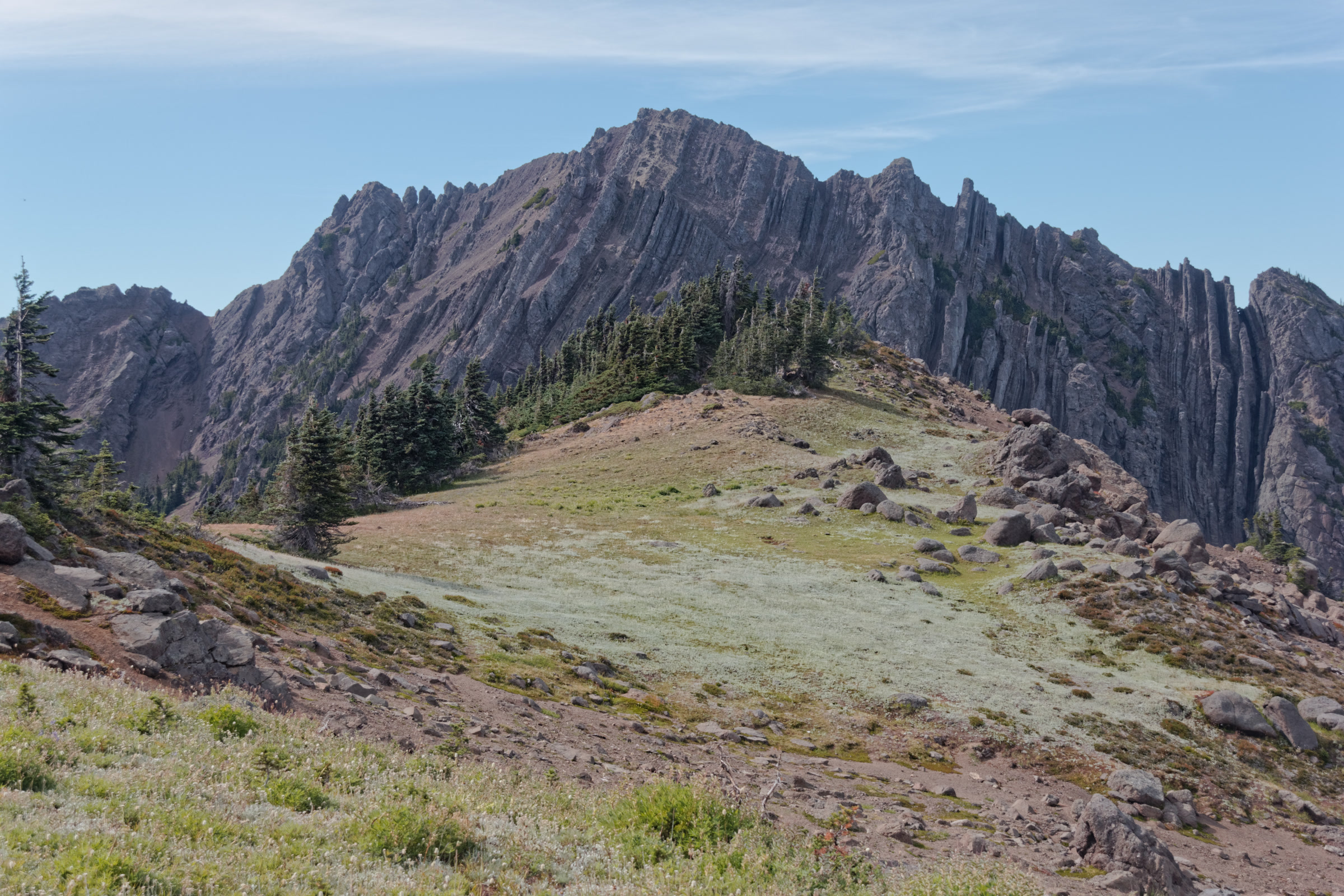
On July 20, 2025, according to the park, a collared mountain lion bit a four year old walking with family on a popular trail near Victoria Overlook on Hurricane Ridge. The child was flown to a Seattle hospital, and park staff located the cougar and dispatched it the next morning.
Both involved young children, so keep kids between adults. For perspective, WDFW records two fatal cougar attacks and about 20 other encounters that injured people across the whole state in the last 100 years.
Report every cougar sighting
The park asks visitors to report all cougar sightings to a ranger or through its online wildlife report, with the date, location (GPS is best) and your contact details. If you experience an attack or near attack, call 911.
How Friends of Olympic National Park helps
We are Friends of Olympic National Park (FONP), a volunteer led friends group based in Port Angeles. We don’t study or manage wildlife, but we help visitors enjoy the park with care, from our guided nature walks to cleanups. Our black bear safety guide covers the park’s other big predator. If you’d like to give back, volunteer at Olympic National Park with us.
Frequently asked questions
Are there mountain lions in Olympic National Park?
Yes. Cougars, also called mountain lions or pumas, range throughout the Olympics, and the park considers the whole park cougar territory. They are seldom seen.
Has anyone been attacked by a cougar in Olympic National Park?
Yes, though attacks are rare. In July 2023 a cougar attacked an 8 year old at Lake Angeles, causing minor injuries, and in July 2025 a mountain lion bit a four year old near Victoria Overlook on Hurricane Ridge.
Should you run from a cougar?
No. Running and rapid movements may trigger an attack. Stop, face the cougar, stand tall, talk firmly and back away slowly, leaving it an escape route.
Does pepper spray work on cougars?
WDFW says pepper spray in the cougar’s face is effective in the unlikely event of a close encounter.
Should you play dead if a cougar attacks?
No. The park says to fight back if attacked, and WDFW says people have driven cougars off with sticks, rocks or bare hands.
Leave a Reply