

Pacific wrens in Olympic National Park are easy to hear and hard to see. A bird that weighs less than half an ounce fills the old forest with a long, tumbling song, then vanishes into the ferns and fallen logs. Here is how to recognise one, where to look, and why older guides call it the winter wren.
Quick answer
Where can you find Pacific wrens in Olympic National Park?
The park’s species records list the Pacific wren as abundant and breeding. Listen in shady conifer forest with dense understory, fallen logs and streams, such as the west side rain forest valleys. The tiny brown bird is usually heard first: a long, bubbling song from low in the ferns and logs.
- Rated abundant and a breeder in the park’s records
- About 3 to 4.7 inches long, under half an ounce
- Split from the winter wren as its own species in 2010
- Males build several nests and the female picks one
A small bird with a big presence
Olympic’s entry in NPSpecies, the National Park Service species database, lists the bird as the “Pacific (Winter) Wren”, native, present and abundant, with breeding confirmed. The park’s birdwatching page also names it among the most prevalent birds, alongside the varied thrush, Steller’s jay and common raven.
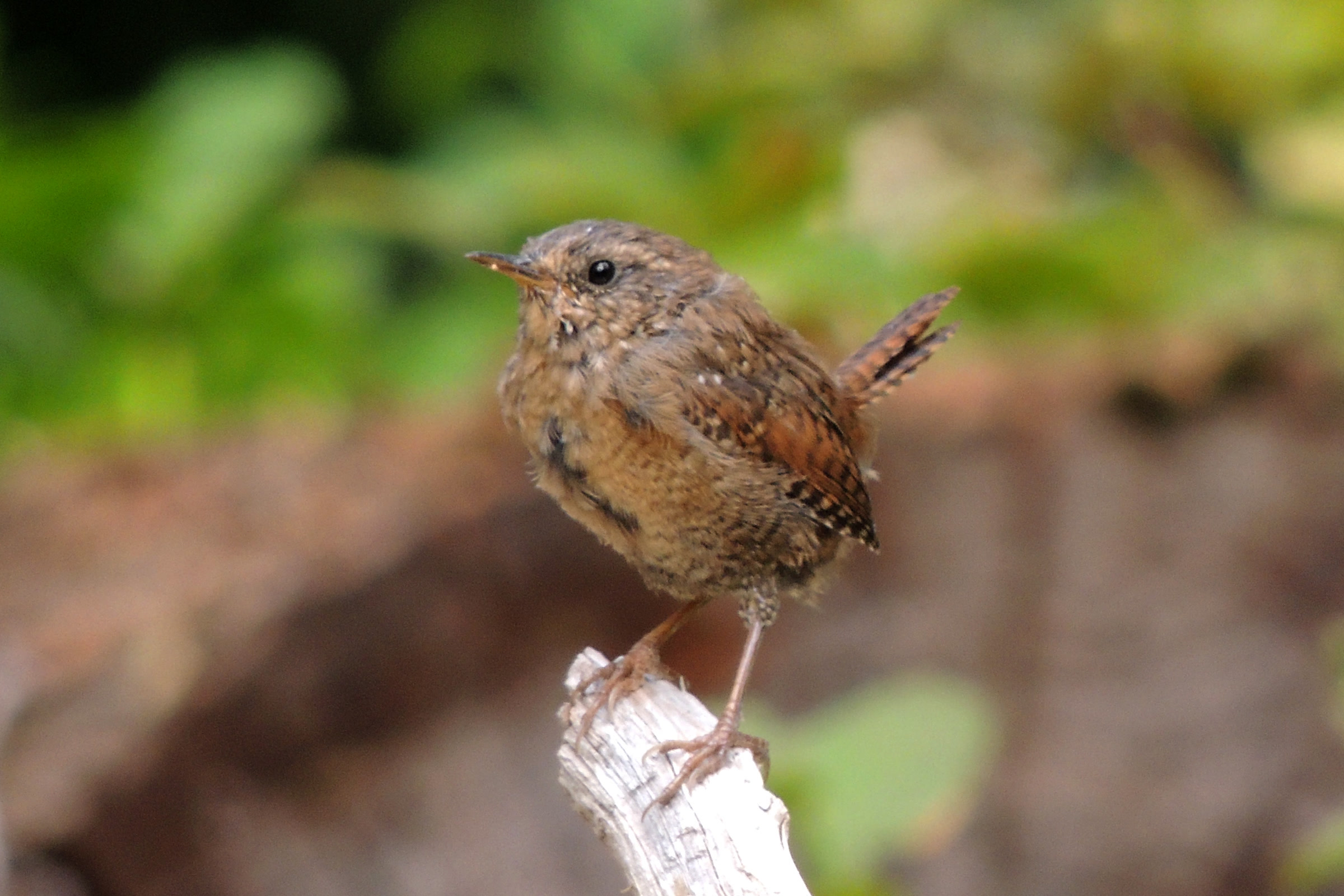
Abundant does not mean easy to spot. The Cornell Lab of Ornithology gives its length as 3.1 to 4.7 inches and its weight as 0.3 to 0.4 ounces, making it one of the smallest wrens in the United States. It is brown all over, with darker barring on the wings, tail and belly, a faint pale eyebrow, and a stubby tail usually held straight up.
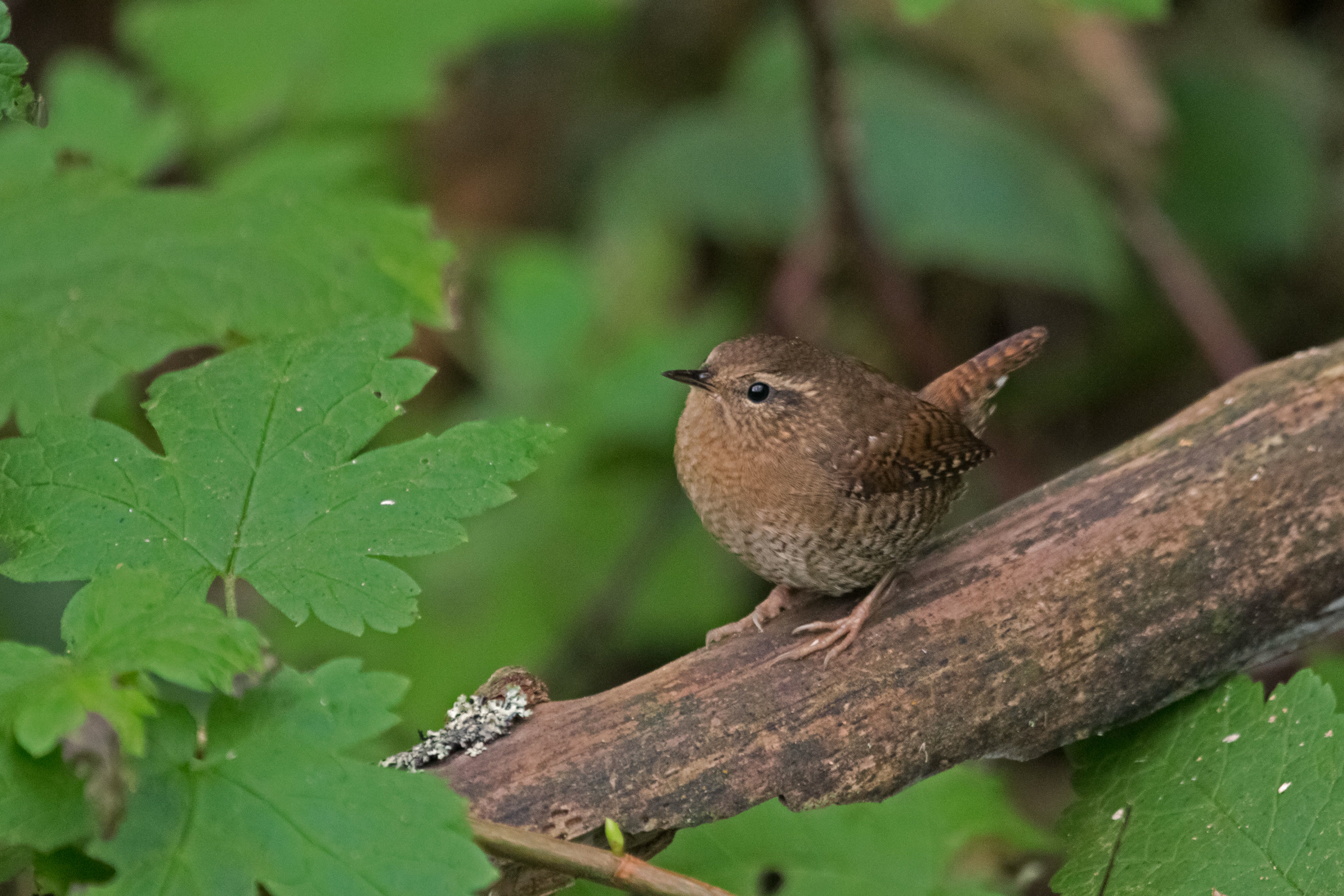
The Pacific wren song
The park’s own description of its birds starts with this sound: a long, cheerful warble from a tiny wren hidden in the forest understory. Cornell describes a rapid series of tumbling and trilling notes and quotes one researcher who called the species a “pinnacle of song complexity”. When a male sings, his whole body shakes with the effort.
Seattle Audubon’s BirdWeb, now run by Birds Connect Seattle, notes that males sing from high and middle perches as well as from low logs and branches. Cornell suggests early mornings in the breeding season as the best time to catch one singing in the open.
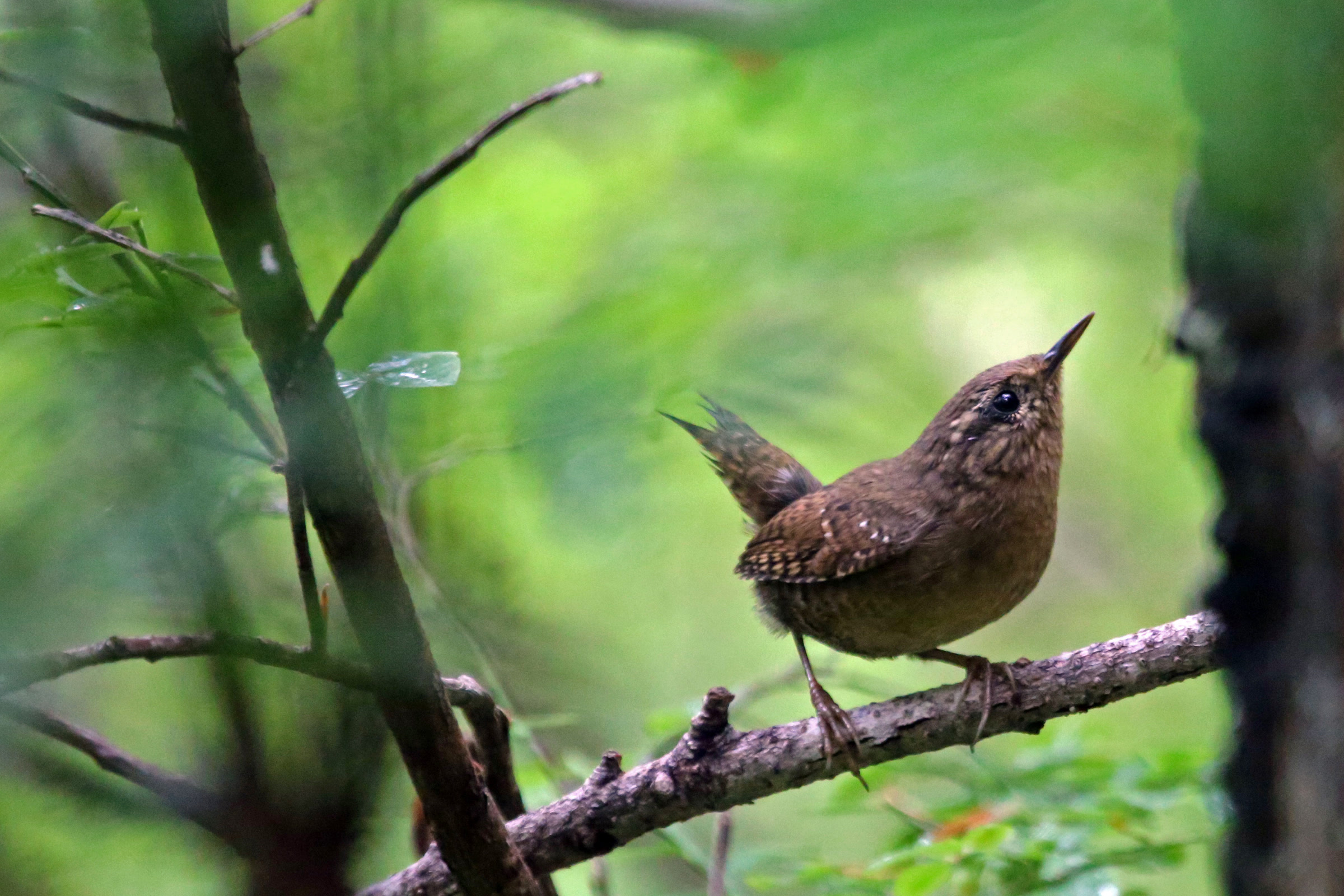
Winter wren or Pacific wren?
Until 2010 this bird was called the winter wren, and the park’s records and web pages still use both names. The change came from a song puzzle. Researchers at the University of British Columbia found a place near Tumbler Ridge, in northeastern British Columbia, where western and eastern wrens lived side by side but sang very different songs.
According to Darren Irwin’s lab at the University of British Columbia, the two forms differ sharply in song and genetics and do not interbreed. The researchers believe song is the main barrier between them. In 2010 the American Ornithologists’ Union recognised them as two species.
The three wrens after the split
| Species | Scientific name | Where it lives |
|---|---|---|
| Pacific wren | Troglodytes pacificus | Western North America, including Olympic |
| Winter wren | Troglodytes hiemalis | Eastern North America |
| Eurasian wren | Troglodytes troglodytes | The Old World, including Europe |
So a wren singing in Olympic is a Pacific wren, whatever an older field guide calls it.
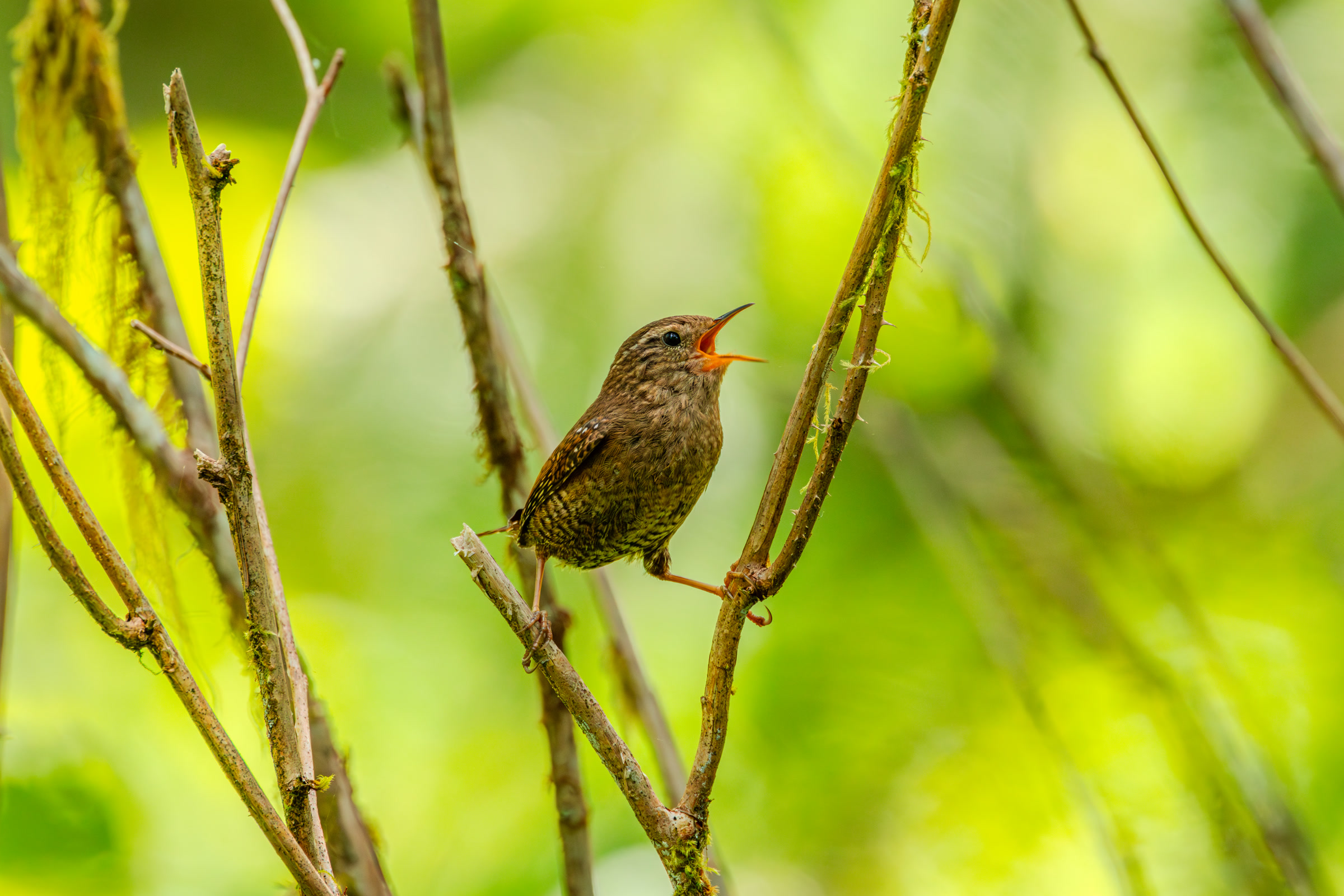
Where to look in the park
BirdWeb places Pacific wrens most often in closed canopy conifer forest at all elevations, wherever there is dense understory. Cornell adds that they are most common in old growth evergreen forest, often near water, among stumps, upturned roots and thick mosses and ferns.
That describes Olympic’s forests well. The park says its rain forests in the Quinault, Queets, Hoh and Bogachiel valleys get 140 to 167 inches of rain a year. Fallen giants there can take centuries to decay, and provide habitat for whole communities as they do. Our guides to the temperate rainforests of Olympic National Park and nurse logs in Olympic National Park explain that dead wood.
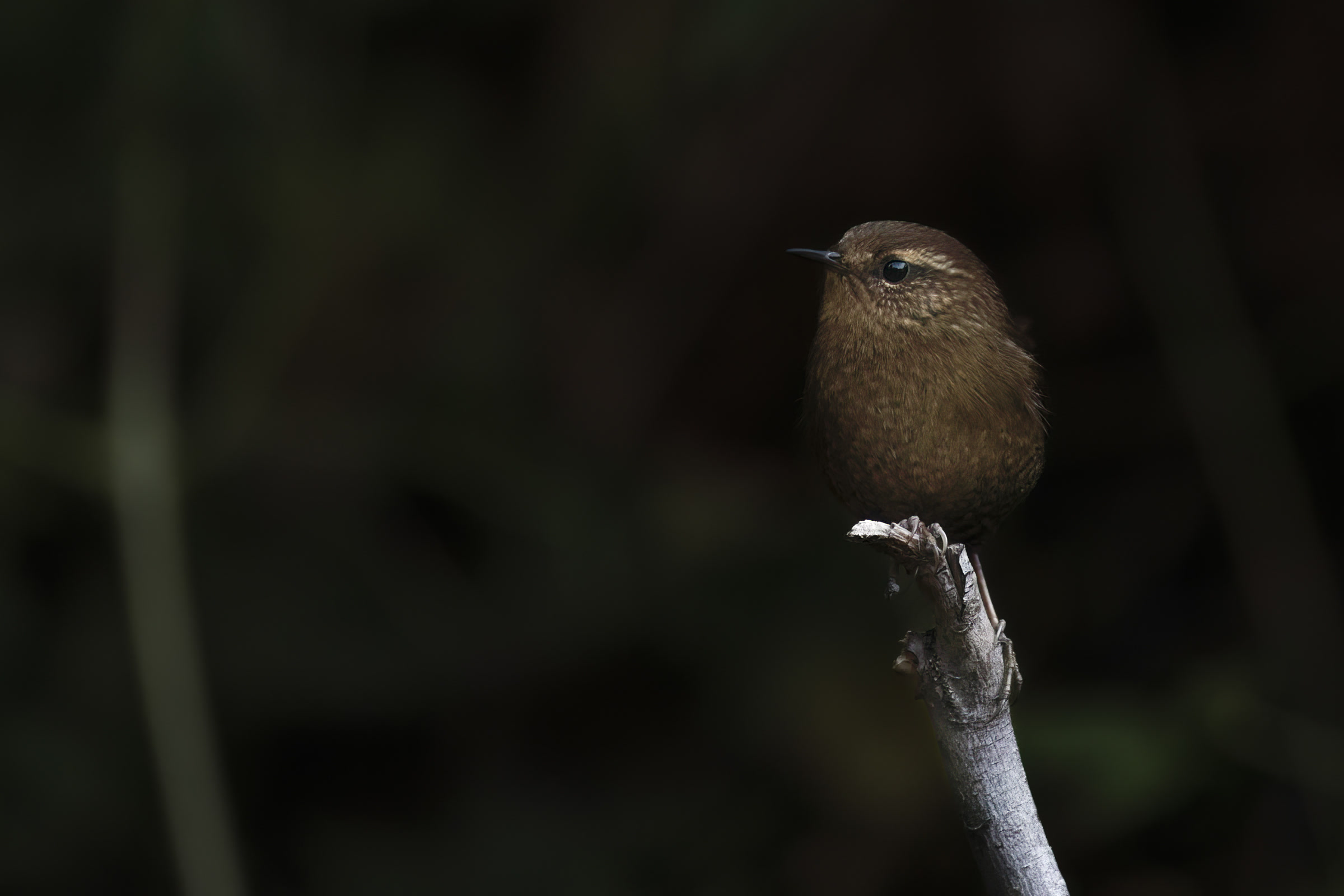
All year in the lowlands, summer in the mountains
BirdWeb calls the Pacific wren a common, permanent resident of every forested habitat in western Washington, and a year round bird on the coast. In mountainous areas it is a summer resident, breeding as high as 6,000 feet on Mount Rainier. So the low valleys can hold wrens in every season.
Nests, decoys and family life
Pacific wrens eat insects and spiders, which Cornell says they find by hopping slowly over the ground, probing crevices, decaying wood and upturned roots. In spring the male builds several nests in his territory. During courtship he leads the female to each one, and she chooses the nest she will use.
The nests are domed balls of moss, twigs and rootlets, tucked into the roots of fallen trees, under creek banks, in rotting logs or in hanging moss. Cornell says a nest can be as big as a football.
Two surprising habits
- Cornell reports that Pacific wrens may gather near streams when salmon are running, to feed on insects drawn to the carcasses. Our post on salmon runs in Olympic National Park covers those rivers.
- In cold weather they sometimes crowd into nest boxes to stay warm. Cornell records 31 wrens found in a single box in western Washington.

Watching wrens without disturbing them
Cornell rates the species of low conservation concern, with populations stable from 1966 to 2019. It warns that old growth habitat is threatened by logging and by clearing the downed logs, slash piles and upturned roots that wrens use to nest and feed.
- Leave the playback at home. The park says using apps to call animals counts as harassment, and federal rules prohibit calling or disturbing wildlife.
- As of October 2026 the park’s Superintendent’s Compendium asks you to stay at least 50 yards from all wildlife. Check the NPS birds of Olympic page before you go.
The same forests hold the varied thrush in Olympic National Park, another abundant forest singer. Along fast water, look for American dippers, and our guide to birding in Olympic National Park covers the coast and high country.
How Friends of Olympic National Park helps
We are Friends of Olympic National Park (FONP), a volunteer led friends group based in Port Angeles. Our projects include guided nature walks for insects, mushrooms and wildflowers, trail care and beach cleanups. Members keep that work going, so please become a member.
Frequently asked questions
Is the Pacific wren the same as the winter wren?
No. They were treated as one species until 2010, when the American Ornithologists’ Union split them. The Pacific wren lives in the West, including Olympic, and the winter wren in the East. They differ in song and genetics.
What does a Pacific wren sound like?
The Pacific wren sings a long, rapid series of tumbling, trilling notes. The National Park Service calls it a long, cheerful warble, and the singer usually stays hidden low in the forest understory.
Are Pacific wrens common in Olympic National Park?
Yes. The park’s NPSpecies record rates the Pacific wren as abundant and a breeder, and the park lists it among its most prevalent birds. It is heard far more often than seen.
How small is a Pacific wren?
Very small. The Cornell Lab of Ornithology gives a length of 3.1 to 4.7 inches and a weight of 0.3 to 0.4 ounces, making it one of the smallest wrens in the United States.
Do Pacific wrens stay in Olympic all winter?
Many do. BirdWeb describes the Pacific wren as a permanent resident on the coast and in the milder lowlands of western Washington, while birds in the mountains are summer residents.
Leave a Reply