
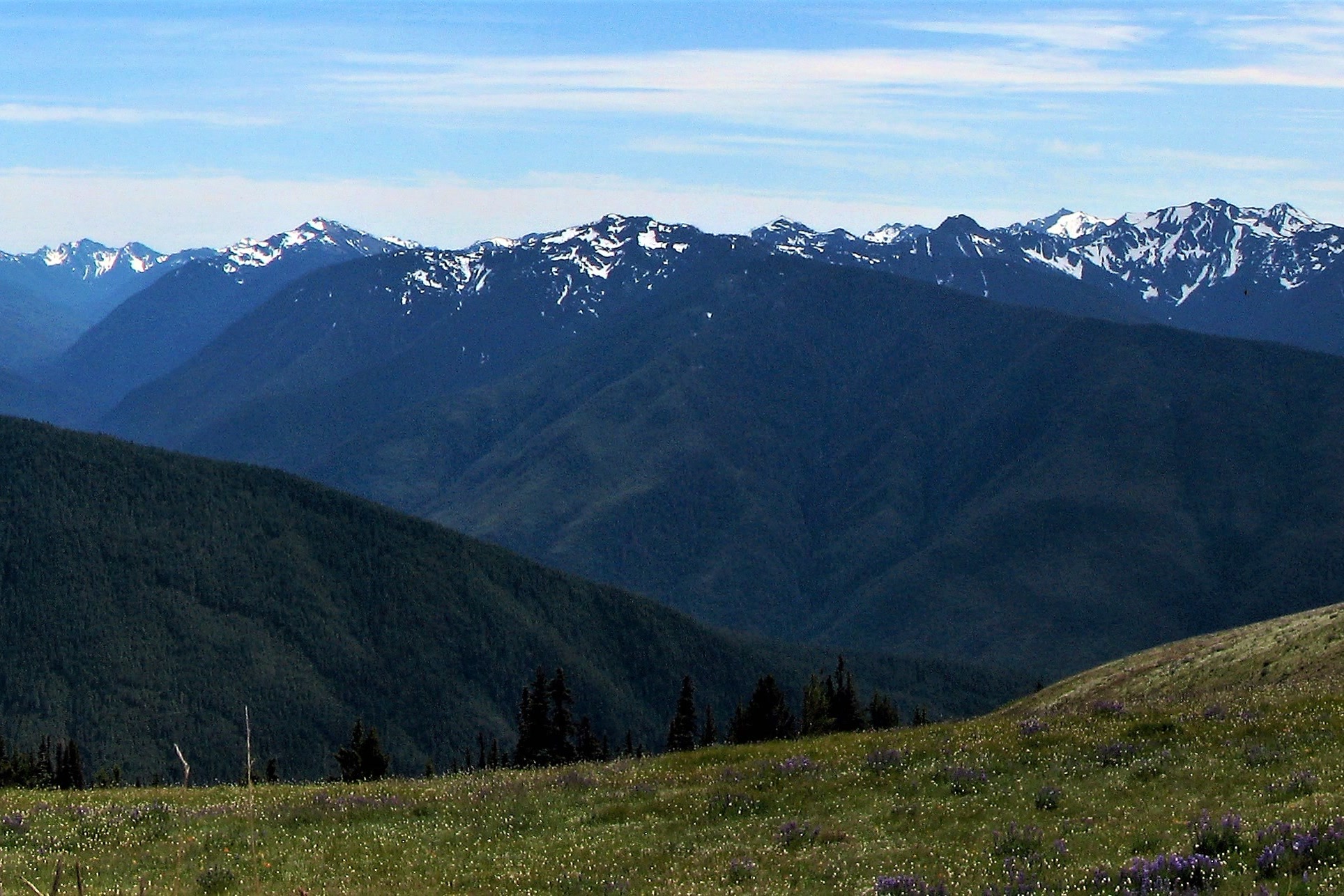
The fire lookouts in Olympic National Park were small summit cabins where watchers scanned the forest for smoke. In World War II several turned their eyes to the sky. Only two survive, and both take a real hike to reach. Here is their story, from the park’s own history.
Quick answer
Are there still fire lookouts in Olympic National Park?
Two historic lookouts still stand in Olympic National Park. Dodger Point Fire Lookout was built by the Forest Service in 1933, and Pyramid Peak lookout was built in 1942 to watch for enemy aircraft. Both served among thirteen World War II Aircraft Warning Service posts in today’s park, and both are listed on the National Register.
- Thirteen aircraft warning posts in winter 1942-43
- Only Dodger Point and Pyramid Peak survive
- The wartime watch ended on June 1, 1944
- Both lookouts listed on the National Register in 2007
Why the Olympics had fire lookouts
Before the park was created in 1938, most of these mountains were national forest, and the Forest Service watched them for fire. The park says fairly complete fire records exist from about 1916. The drier east side shows more evidence of big fires than the wet west side.
The park’s 1983 Historic Resource Study, written by Gail Evans, traces how the network grew. A 1929 Forest Service plan for the high country allowed “trails, telephone lines and lookout houses” as protection, and little else. Our guide to wildfire in Olympic National Park explains how fire shapes these forests today.
Roads, phone lines and the CCC
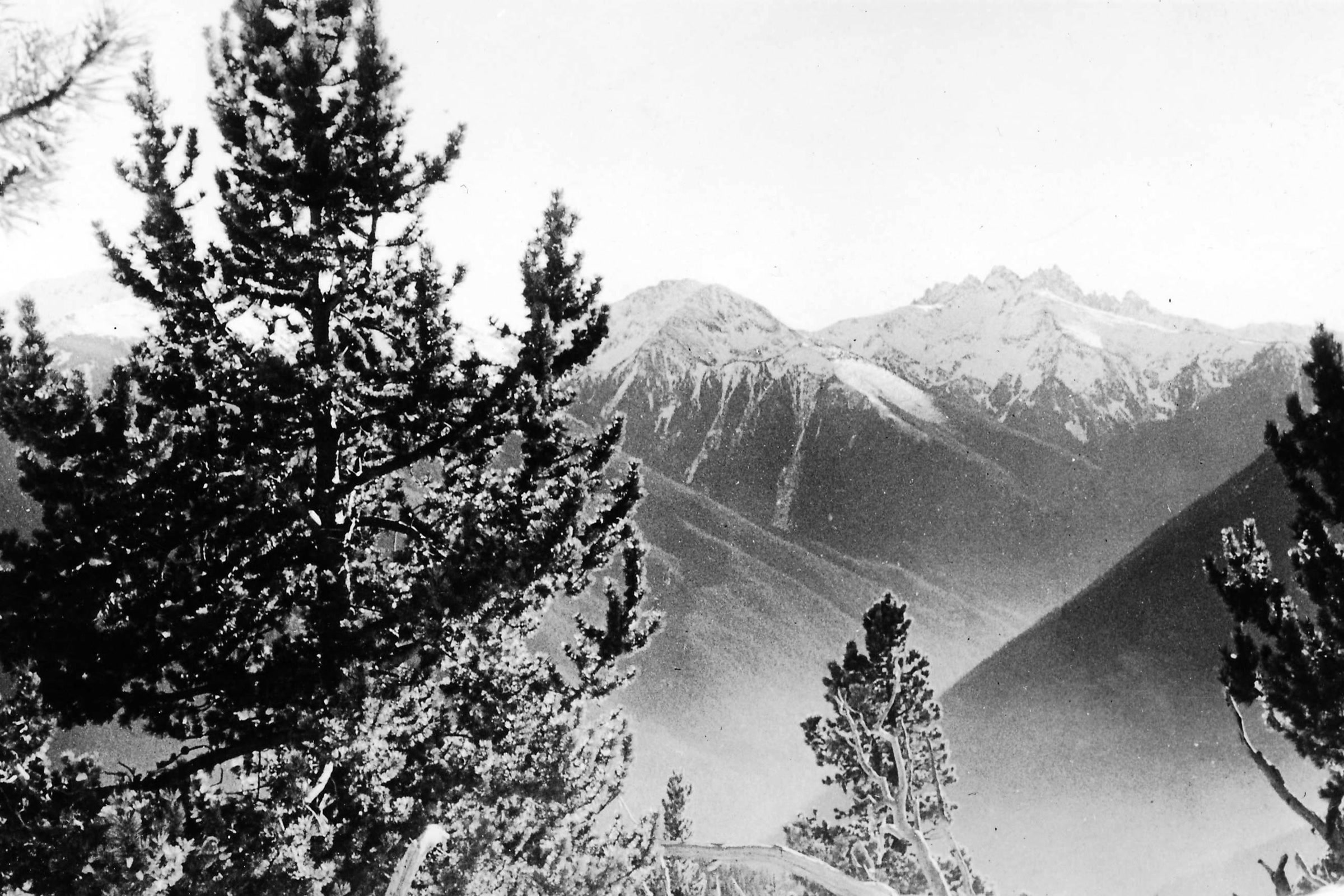
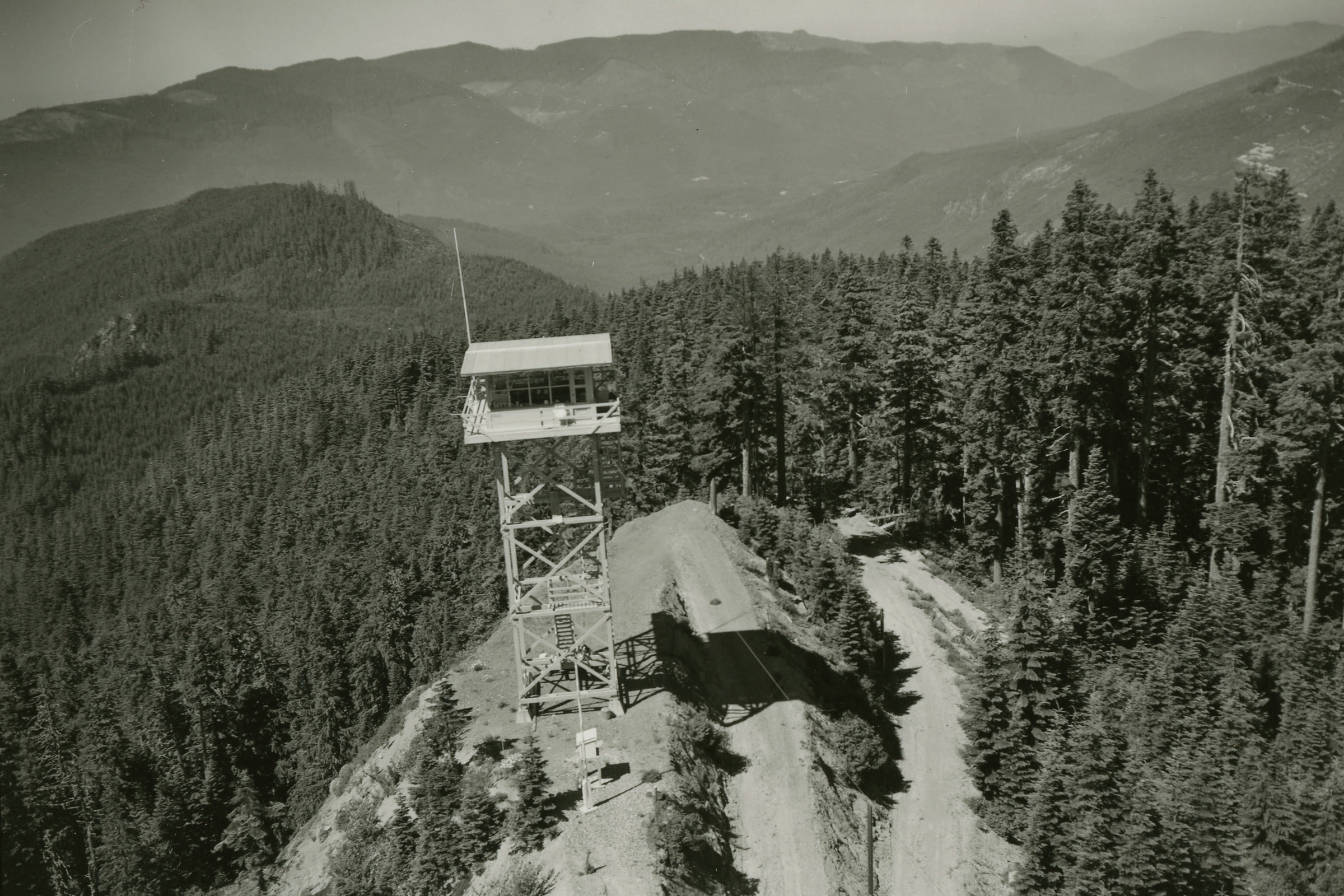
In 1933 the Civilian Conservation Corps arrived. The study says the Elwha camp’s work plan included a road from the forest boundary to Deer Park lookout, and crews at Camp Snider on the Sol Duc spent much of their effort on roads, trails, telephone lines and lookout stations. Our story of CCC history in Olympic National Park covers the camps in more detail.
Federal relief money helped too. Public Works Administration funds were approved in 1934 for a Bogachiel lookout, and in 1938 for a fire lookout tower in the new park.
Life inside a lookout
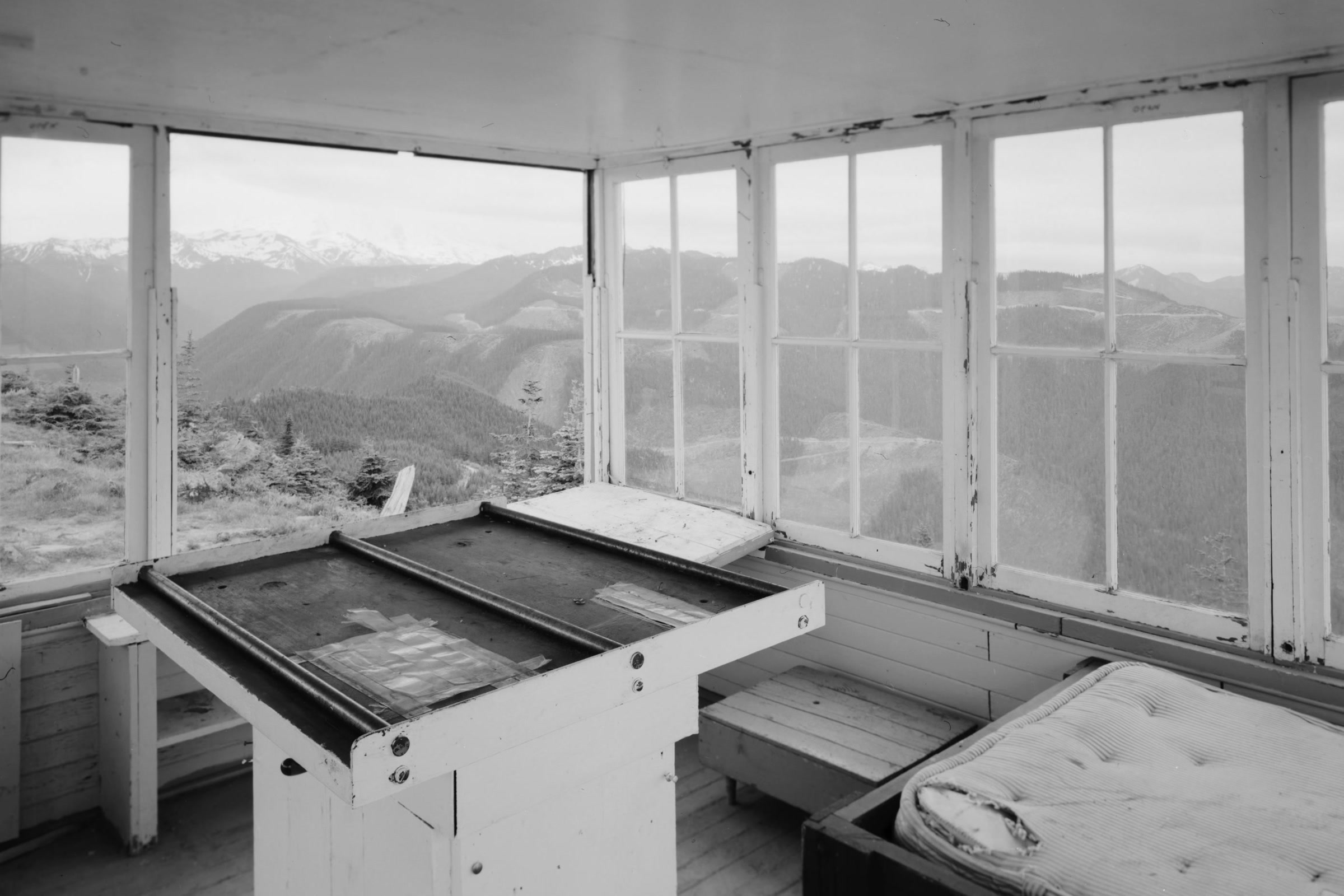
A lookout cabin was home and office in one room, with windows on every side. The Historic American Buildings Survey photographed Suntop Lookout, in the Mount Baker Snoqualmie National Forest, in 1988. Its record shows the furnishings typical of the era: a firefinder in the middle of the room, a lightning stool and a bed.
Aircraft Warning Service in World War II
After Pearl Harbor, military planners saw the Olympic Peninsula, at the mouth of the Strait of Juan de Fuca, as one of the most exposed parts of the country. The NPS article on coastal defenses in Olympic National Park says that during the winter of 1942-43, thirteen Aircraft Warning Service posts inside today’s park kept watch around the clock.
Aircraft warning stations in today’s park
| Type of post | Sites the NPS names |
|---|---|
| Existing lookouts put to wartime use | Dodger Point, Deer Park, Hurricane Ridge |
| Existing building | Enchanted Valley Chalet |
| New structures built for the watch | Pyramid Peak, Warkum Point, Indian Pass, Geodetic Hill |
| Trace left today | A rock pile a quarter mile west of Constance Pass |
Park crews cleared roads and trails to the posts, strung telephone lines where none existed, and in some cases built the towers. One report said supplies were tobogganed over three miles of hard terrain to Hurricane Lookout, and eight men backpacked 400 pounds six miles to a distant post.
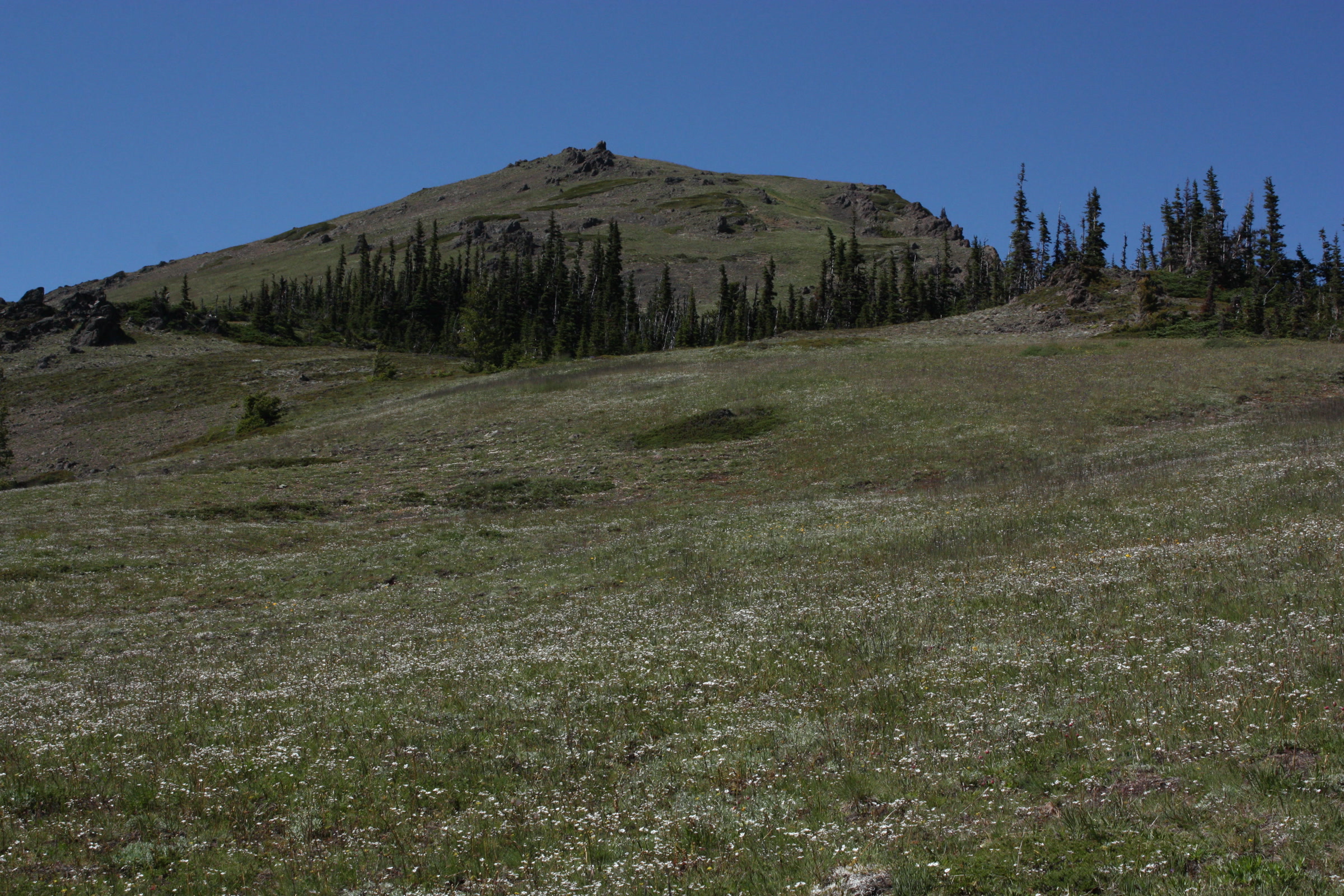
The Army considered growing the park’s network from thirteen posts to twenty four. The study says no new ones were apparently built. On June 1, 1944, the whole Aircraft Warning Service was abandoned along the Pacific Coast.
The two lookouts still standing
By 1983 only the Dodger Point and Pyramid Peak lookouts remained of the park’s wartime posts. Both were added to the National Register of Historic Places in 2007, and our guide to historical structures in Olympic National Park covers the park’s other listed buildings.
| Detail | Dodger Point | Pyramid Peak |
|---|---|---|
| Built | 1933, as a fire lookout | Fall 1942, for aircraft watch |
| Built by | Forest Service, possibly with CCC help | NPS employees, Army funded |
| Building | 14 by 14 foot frame cabin | 16 by 13 foot frame cabin |
| Getting there | Multi day wilderness trip | Steep day hike above Lake Crescent |
Dodger Point Fire Lookout
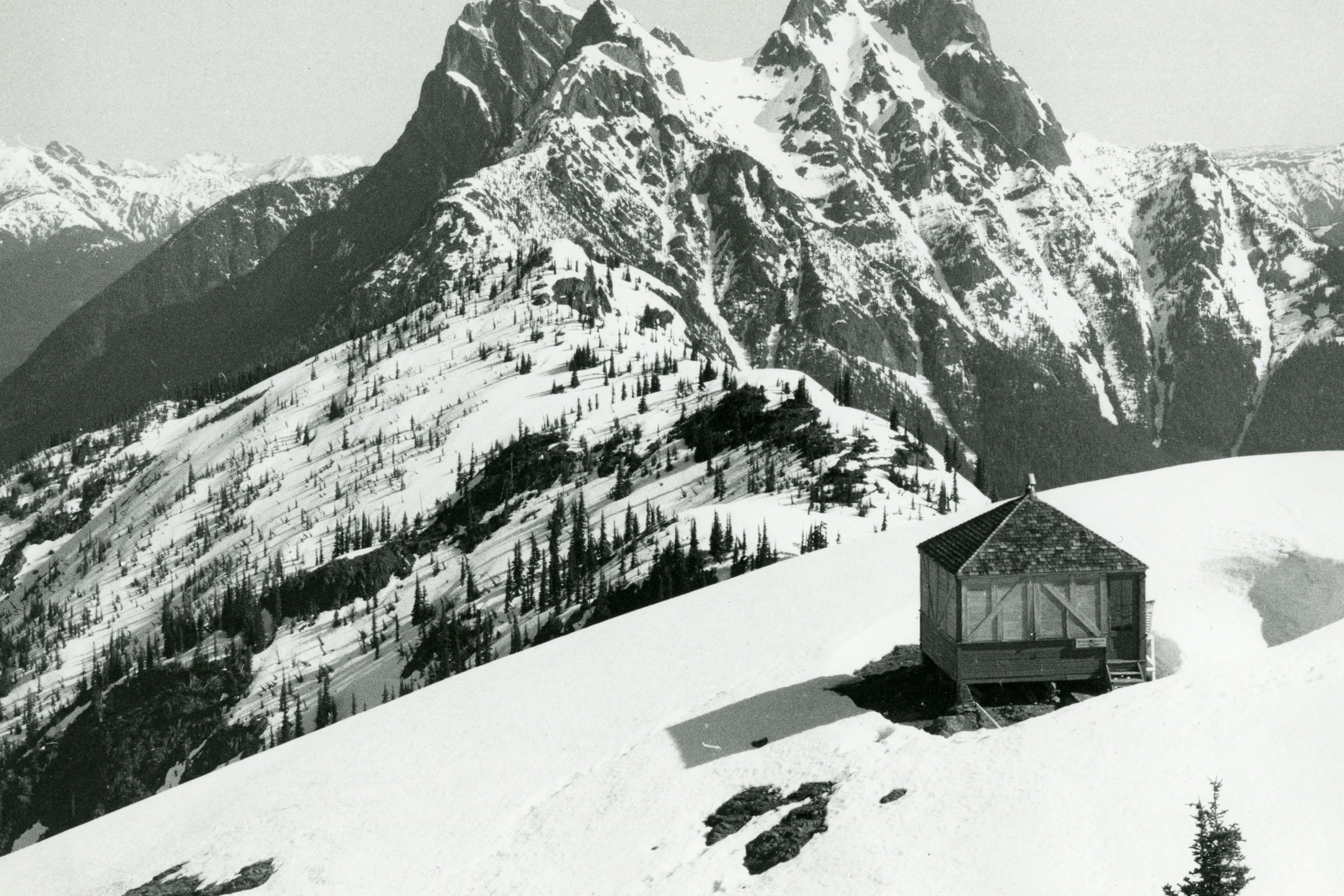
The Forest Service built Dodger Point in 1933, when the area was still national forest,. Its National Register nomination describes a one story frame cabin with clapboard siding, a shake roof and windows on all four sides behind wooden shutters. The Washington Trails Association says the lookout is named for “Dodger” Bender, its first lookout.
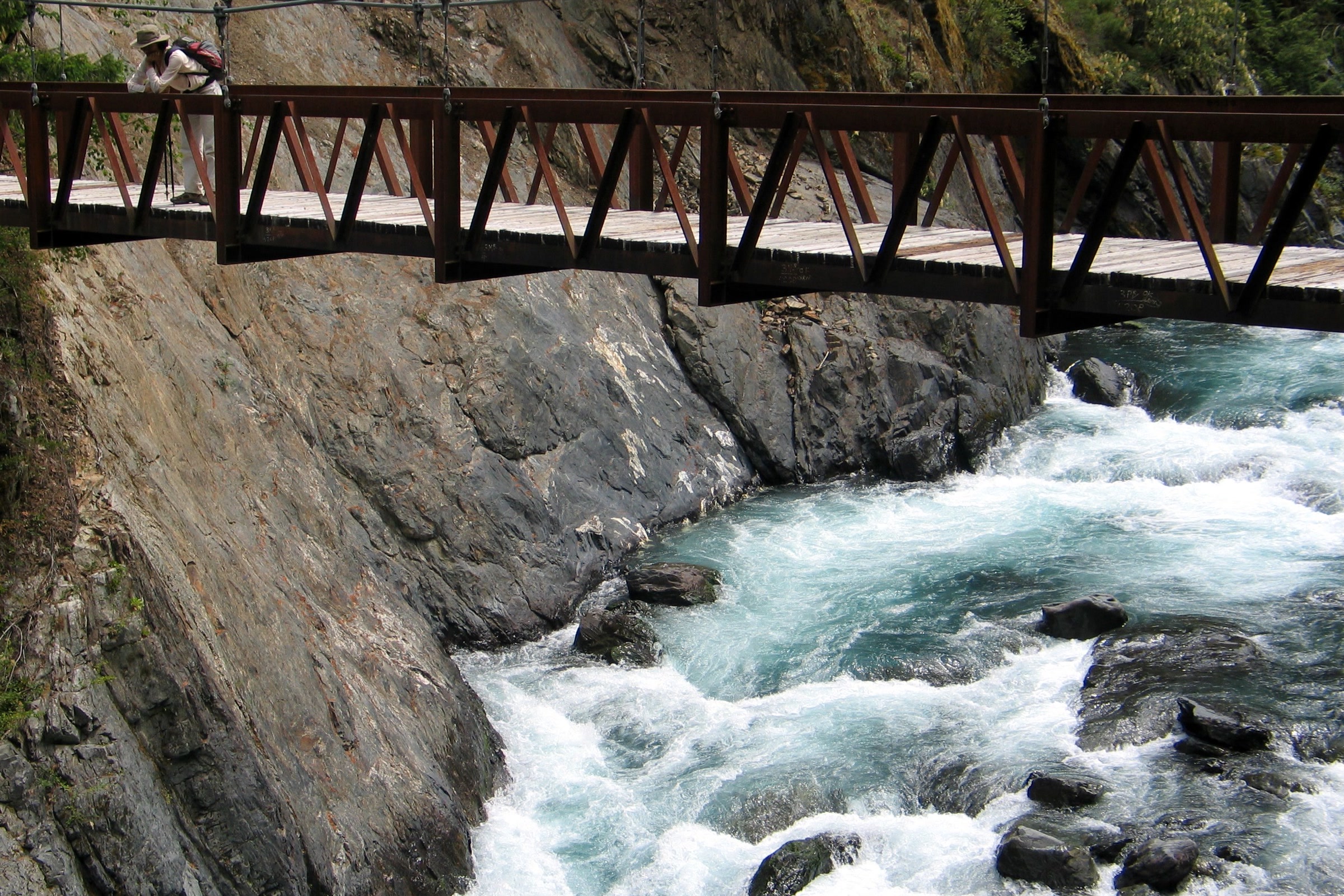
Pyramid Peak lookout
NPS employees Joe and Rena Shurnick built the Pyramid Peak lookout in the fall of 1942, under Army direction, and it later served as a fire lookout. Our Pyramid Peak Trail guide describes the building, the climb from Lake Crescent and the landslide crossing.
Visiting lookout sites today
Lookouts are protected historic buildings, so leave them as you found them.
- Dodger Point: the WTA Dodger Point page describes a long route by the Elwha River Trail and Long Ridge. As of October 2026, Olympic Hot Springs Road is closed to vehicles at Madison Falls, which adds miles of road walking; check the NPS conditions page before you go. Our Elwha River Trail guide explains the closure, and camping needs wilderness permits.
- Pyramid Peak: a steep day hike from Lake Crescent’s north shore with an exposed slide crossing.
- Blue Mountain: the lookout above Deer Park has been removed, but the park’s half mile Rain Shadow Loop climbs to the summit. See our Deer Park and Obstruction Point guide for the road.
A lookout site outside the park
Kloshe Nanitch, above the Sol Duc Valley outside the park, shows how fragile lookouts are. WTA says its 1917 lookout was gone by the mid 1960s. A replica went up in 1996 and was removed in 2012 after vandalism, leaving a wooden viewing platform.
How Friends of Olympic National Park helps
We are Friends of Olympic National Park (FONP), a volunteer led friends group in Port Angeles. We don’t look after the lookouts, but our graffiti removal project tackles the kind of damage that can scar historic places, and our members help with park cleanups. If the park’s past matters to you, please support Olympic National Park with a gift.
Frequently asked questions
How many fire lookouts are left in Olympic National Park?
Two remain: Dodger Point Fire Lookout, built in 1933, and the Pyramid Peak lookout, built in 1942. They are the last of thirteen World War II aircraft warning posts in today’s park.
What was the Aircraft Warning Service?
A World War II network of observers watching for enemy planes. In winter 1942-43, thirteen posts in today’s park kept watch around the clock, until the service was abandoned on June 1, 1944.
Can you hike to the Pyramid Peak lookout?
Yes. The Pyramid Peak Trail climbs from the north shore of Lake Crescent to the lookout. The park lists 3.5 miles one way with 2,600 feet of gain, including a steep, exposed slide crossing.
How do you get to Dodger Point Lookout?
By a long wilderness trip on the Elwha River Trail and Long Ridge. As of October 2026, Olympic Hot Springs Road is closed to vehicles at Madison Falls; check the NPS conditions page first.
Was there a lookout on Blue Mountain at Deer Park?
Yes. The Blue Mountain fire lookout served as an aircraft warning post in World War II. It has since been removed, and a short loop trail reaches the summit.
Leave a Reply