
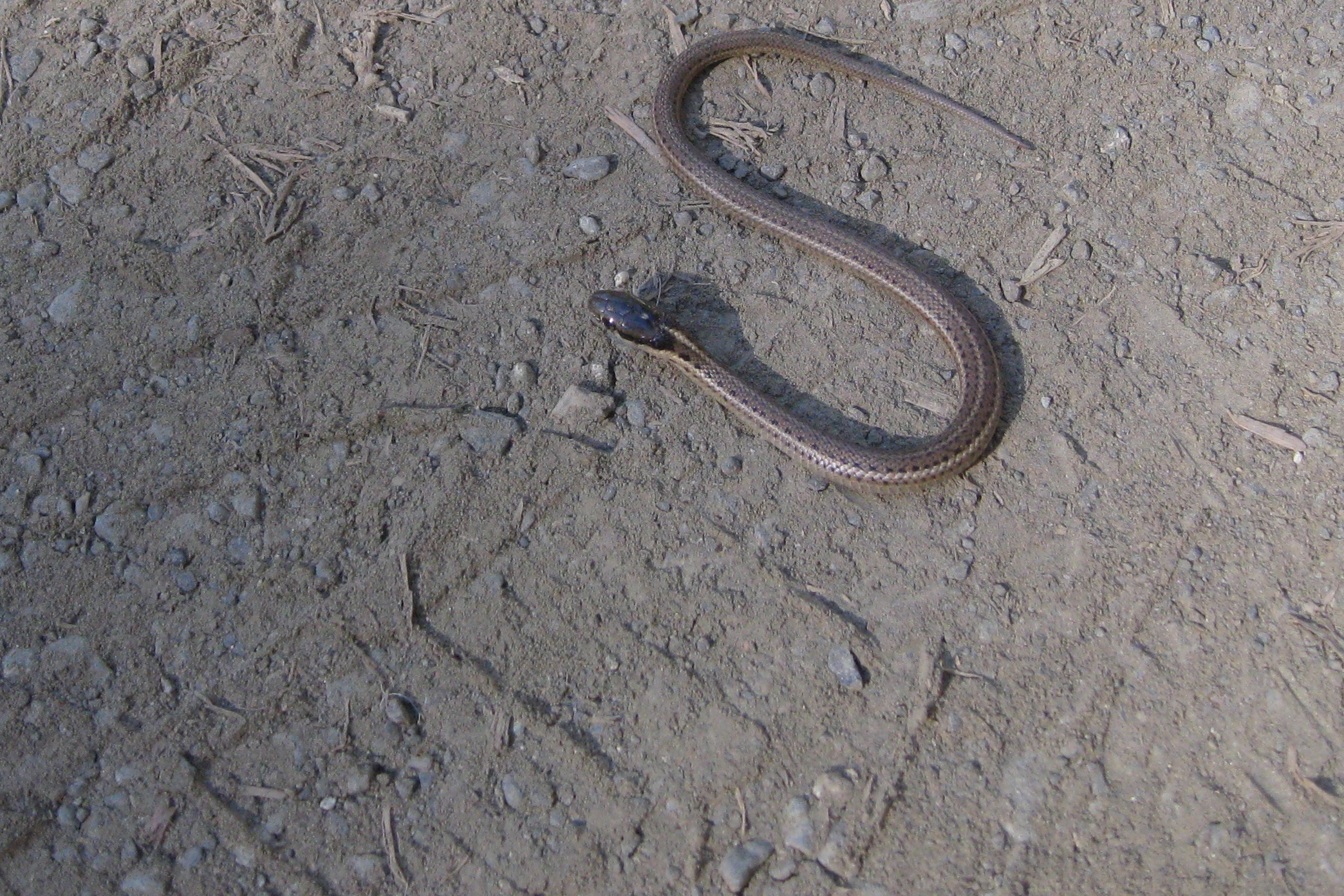
The reptiles of Olympic National Park make a short list. The park’s species list names just four: two garter snakes, the rubber boa and the northern alligator lizard. None is venomous, and most visitors never see one. Here is why reptiles are so scarce in this cool, wet park, and where and when you might still meet them.
Quick answer
What reptiles live in Olympic National Park?
Olympic National Park lists four reptiles: the common garter snake, the northwestern garter snake, the northern rubber boa and the northern alligator lizard. The park says its cool, maritime climate is not ideal for reptiles, so they are few. There are no venomous snakes on the Olympic Peninsula.
- Four reptiles on the park list, against 13 amphibians
- Three snakes and one lizard
- No venomous snakes on the Olympic Peninsula
- Garter snakes are active from March into early November
Why reptiles are scarce in a cool, wet park
The park puts it plainly: its cool, maritime climate is not ideal for reptiles. Reptiles are ectotherms, the Park Service explains, so they cannot make enough body heat of their own. They warm up by taking heat from their surroundings, such as a sunny rock, and cool off in the shade.
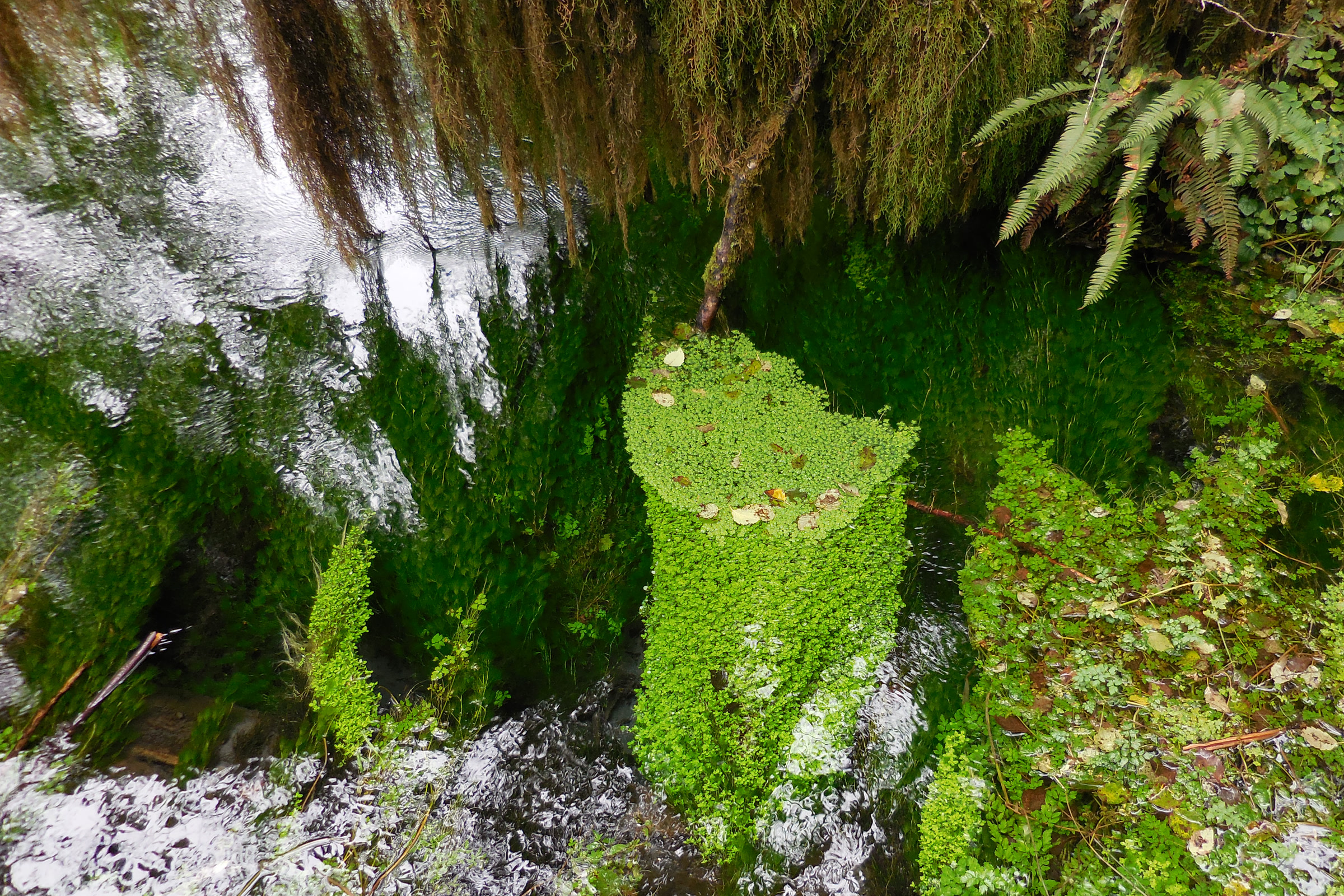
That is hard work under a rain forest canopy. The Hoh Rain Forest averages about 135 inches of rain a year, while Sequim, in the dry northeast, gets about 16. Our post on the Olympic rain shadow explained shows how sharply the climate changes across the peninsula.
The four reptiles of Olympic National Park
The park’s amphibian and reptile species list, last updated in 2015, names the four reptiles that have been seen in the park. The sizes and habits below come from the Washington Department of Fish and Wildlife (WDFW).
Olympic’s reptiles compared
| Species | Size | Habitat | Good to know |
|---|---|---|---|
| Northwestern garter snake | Rarely over 23.6 inches | Grassy openings and forest edges | Eats mostly slugs and earthworms |
| Common garter snake | Up to 54 inches, shorter in Washington | Almost always near water | Can eat toxic rough-skinned newts |
| Northern alligator lizard | About 3.9 inches, not counting the tail | Grassy, brushy or rocky openings in forest | Can shed its tail |
| Northern rubber boa | Rarely over about 2 feet | Under logs and rocks | Active at night |
Garter snakes
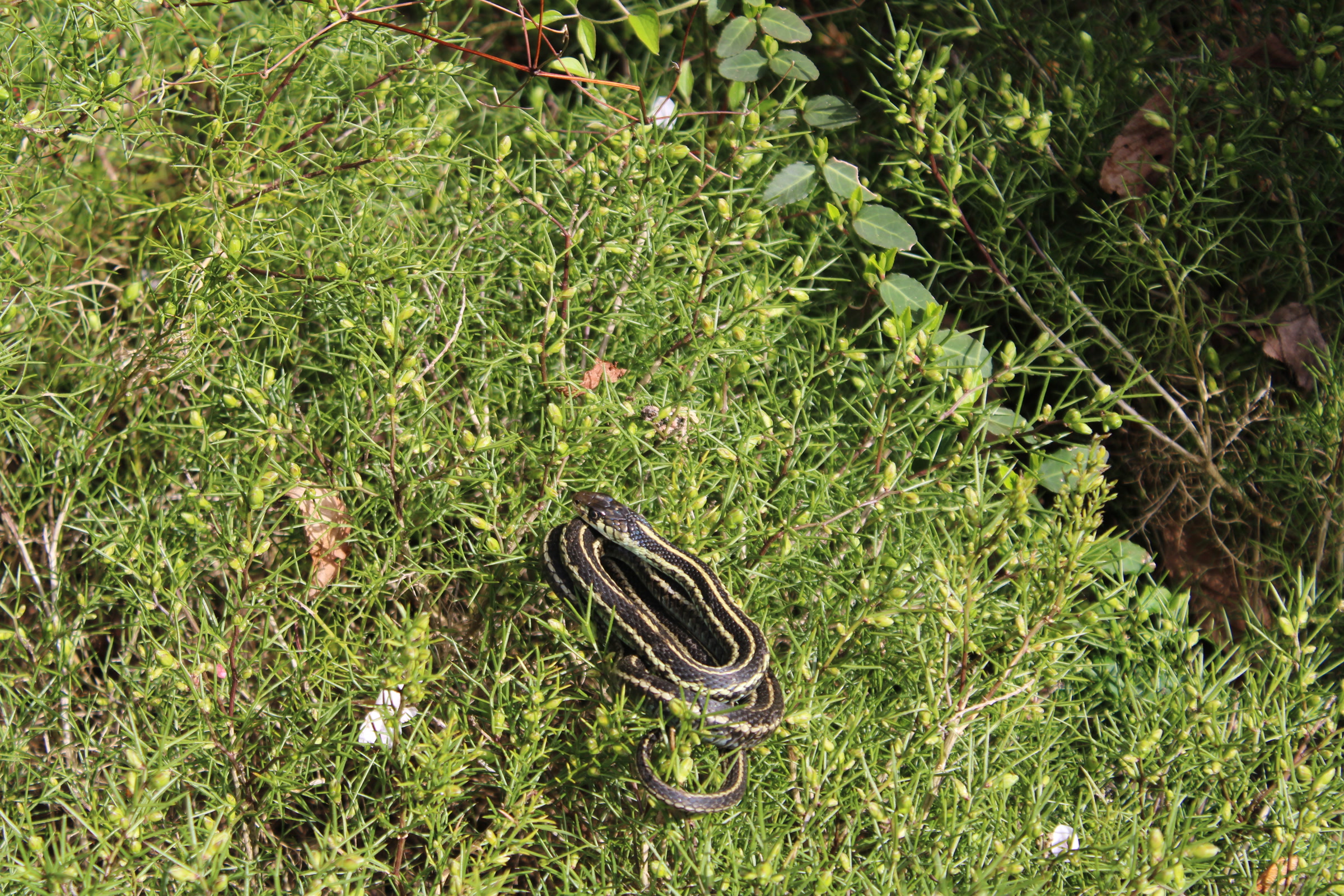
WDFW calls the northwestern garter snake common in western Washington, and describes it as small and usually brown or black, typically with three stripes in colours that vary widely. It is the most land loving of Washington’s garter snakes and feeds mainly on slugs and earthworms, so it fits right in with the banana slugs of the Olympic Peninsula.
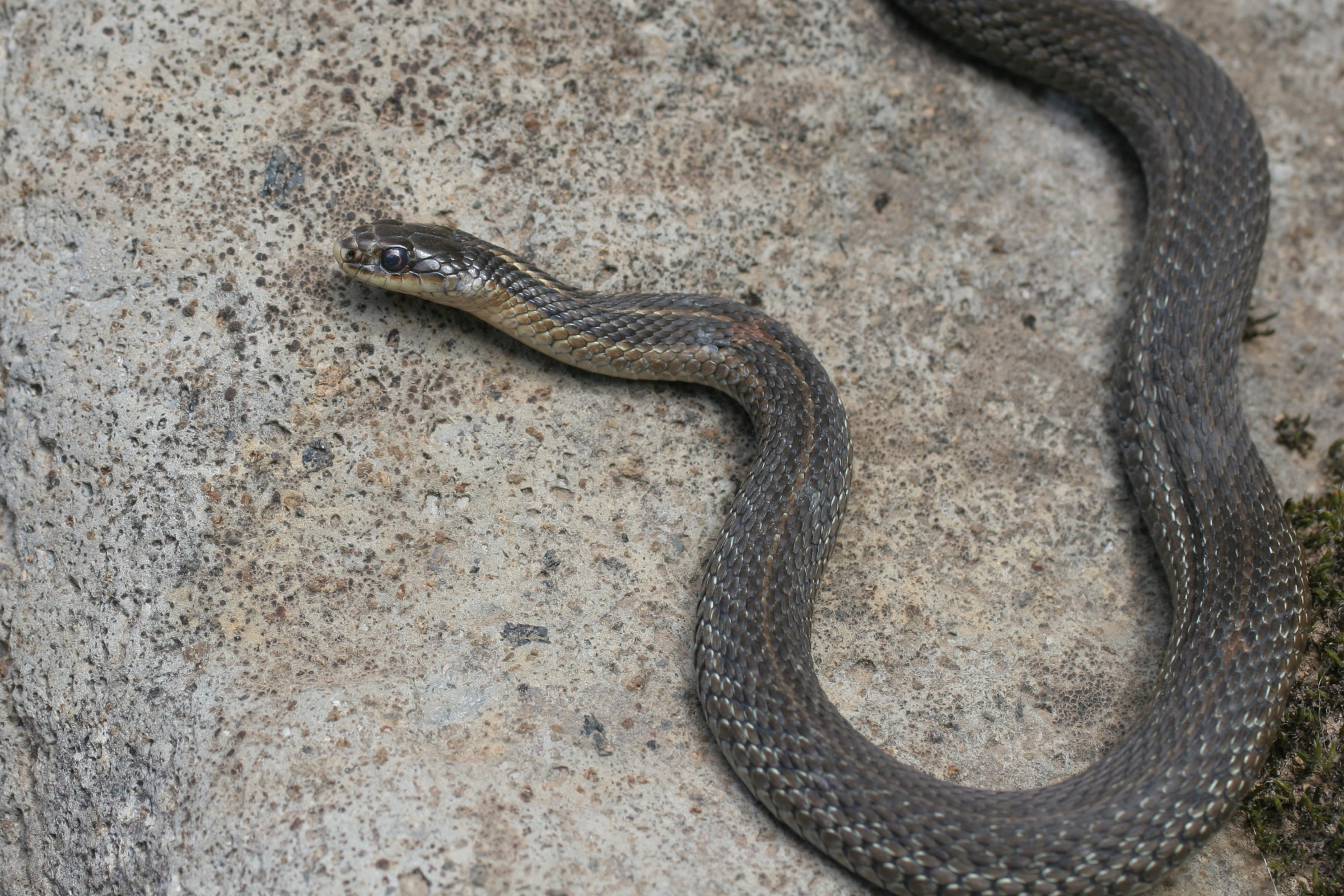
The common garter snake is bigger and tied to water. In western Washington, WDFW says, it is slate grey or black with yellow, green, turquoise or blue stripes, sometimes with red blotches. It swims well and is one of the few animals that can successfully prey on the toxic rough-skinned newt. Both garter snakes may release a foul musk or bite if handled, which is one more reason to leave them be.
Northern alligator lizard
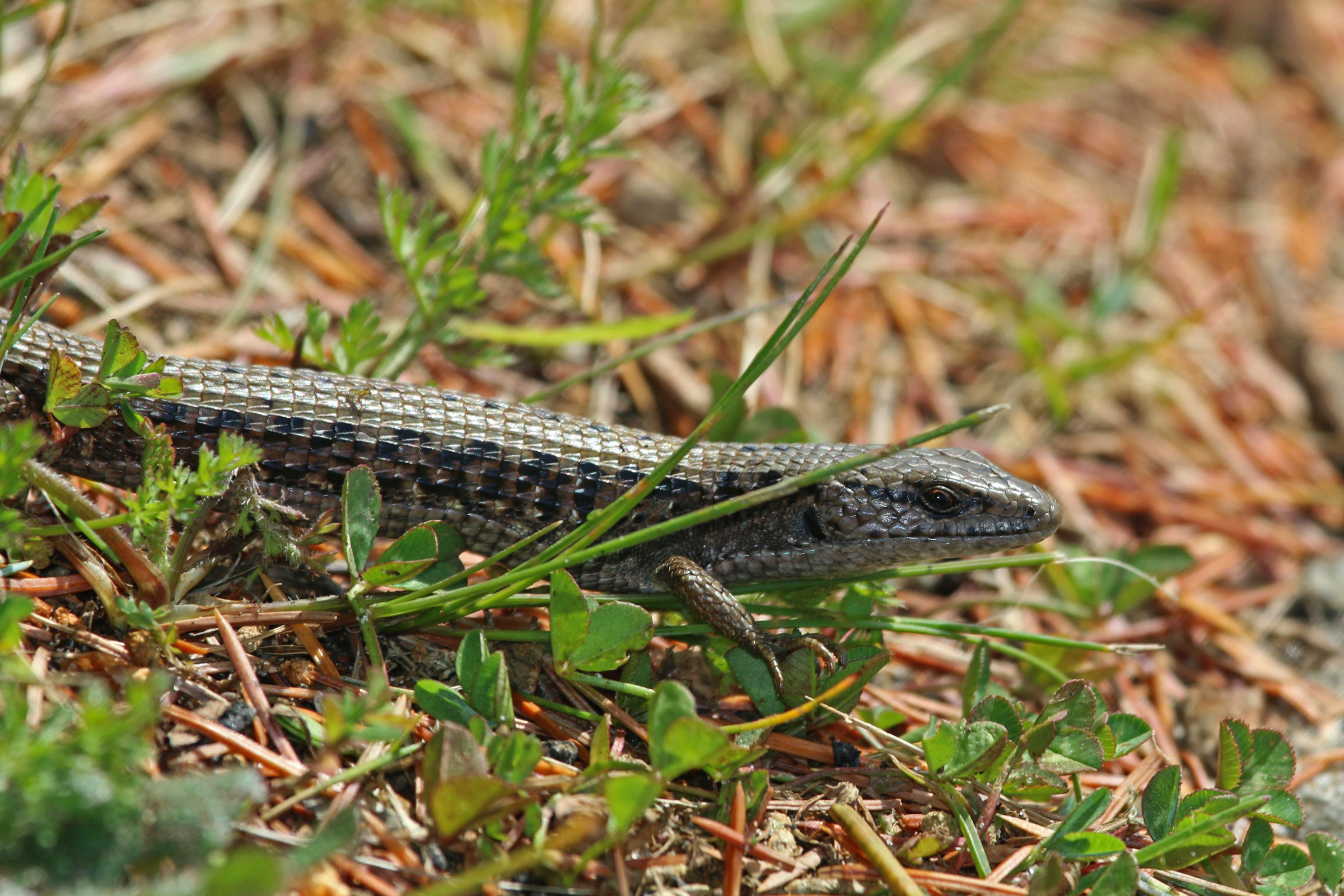
The northern alligator lizard is the park’s only lizard. WDFW describes it as small and slim, grey brown to brown, with rough, keeled scales, short legs and a long tail. It is active by day but secretive and rarely out in the open. The Burke Museum lists crickets, spiders, moths and snails among its food.
WDFW calls the lizard relatively cold tolerant and says it is active from late March or early April into October or early November. When threatened it can shed its tail, but WDFW warns that losing it can hurt the lizard’s chances of surviving hard times and breeding.
Northern rubber boa
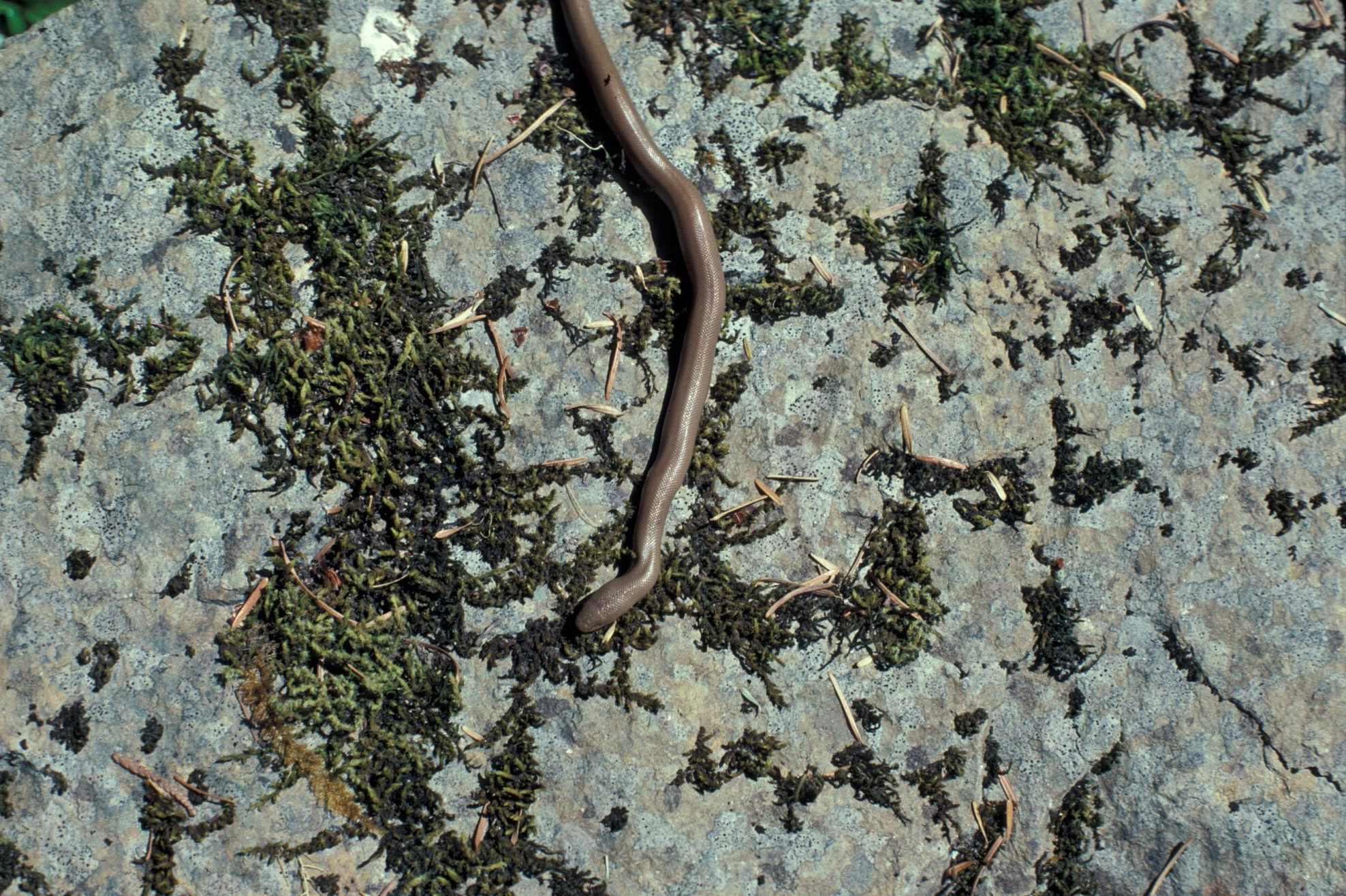
The rubber boa is the hardest to find. WDFW says it is a thick bodied snake with loose, wrinkled skin that feels like rubber, and a blunt tail shaped much like its head. It is slow and non aggressive, active at night, and spends much of its time below ground under logs and rocks. At Mount Rainier, the park notes, rubber boas do not bite but curl into a ball when disturbed.
Where and when to see reptiles
Think sun and shelter. WDFW points to grassy openings, forest edges and rocky clearings for the lizard and the northwestern garter snake, and to the edges of ponds, creeks and wetlands for the common garter snake. At low elevations, both garter snakes are active from March into early November.
- Pick a warm day. In western Washington, WDFW says common garter snakes come out whenever it warms above about 55°F.
- Leave cover alone. WDFW says most alligator lizards are found under rocks and wood, but park rules prohibit disturbing wildlife, so don’t flip logs or stones.
- Never handle them. Touching, teasing or frightening park wildlife is against federal rules.
Our guide to wildlife viewing in Olympic National Park has more tips for watching animals well.
How reptiles differ from the park’s amphibians
Olympic is amphibian country. The same species list names 13 amphibians, from the endemic Olympic torrent salamander to the Pacific tree frog. Our guide to amphibians in Olympic National Park covers them in detail.
| Feature | Reptiles | Amphibians |
|---|---|---|
| Species on the park list | 4 | 13 |
| Skin | Dry and scaly | Smooth, bumpy or warty, no scales |
| Young | All four bear live young | Many breed in ponds and streams |
| Favourite places | Sunny openings and edges | Ponds, streams and damp forest |
All four reptiles bear live young. WDFW says both garter snakes give birth to their young in late summer or early fall, and the rubber boa bears two to eight live young between August and November. The Burke Museum says alligator lizards give birth in summer.
Sea turtles off the coast
The park also notes that several species of sea turtle live in the ocean offshore, and that turtles sometimes wash ashore. If you find a stranded turtle, report it to a ranger rather than trying to help it yourself.
How Friends of Olympic National Park helps
We are Friends of Olympic National Park (FONP), a volunteer led friends group in Port Angeles. Our projects include guided nature walks on insects, mushrooms and wildflowers, where people learn to notice the park’s smaller lives without disturbing them. If a garter snake sunning on a trail makes your day, please make a gift to help us care for the park.
Frequently asked questions
Are there snakes in Olympic National Park?
Yes, but only three species are on the park list: the common garter snake, the northwestern garter snake and the northern rubber boa. WDFW calls the northwestern garter snake common in western Washington.
Are there rattlesnakes or venomous snakes on the Olympic Peninsula?
No. The park says there are no venomous snakes on the Olympic Peninsula. Its snakes are two garter snakes and the rubber boa.
Are there lizards in Olympic National Park?
Yes, one. The northern alligator lizard is the only lizard on the park list. It is small, brown and secretive, and lives in grassy, brushy or rocky openings in the forest.
Why are there so few reptiles in Olympic National Park?
The park says its cool, maritime climate is not ideal for reptiles. Reptiles depend on outside heat to warm their bodies, and the park is often cool, shaded and wet.
Are garter snakes dangerous?
Not to people who leave them alone. They are not venomous, though WDFW says they may release a foul musk or bite if handled. In the park, handling wildlife is not allowed anyway.
Leave a Reply