
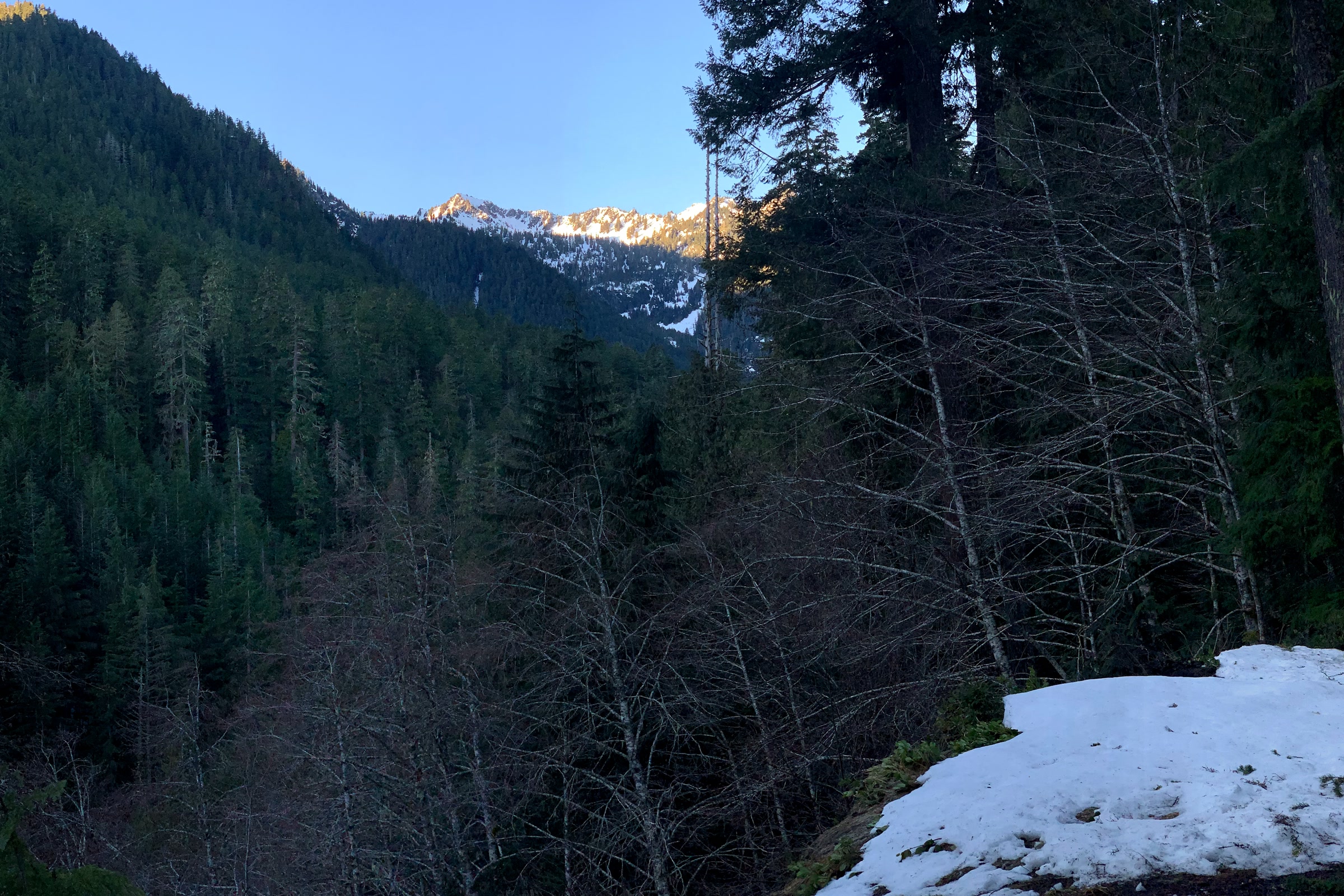
The Appleton Pass Trail climbs to a 5,100 foot pass between the Elwha and Sol Duc valleys. You can reach it from the Sol Duc side or from Boulder Creek, past Olympic Hot Springs. A road washout has made the two sides very different trips.
Quick answer
How long is the Appleton Pass Trail?
The park lists 7.4 miles from the Sol Duc trailhead to Appleton Pass and 7.7 miles from the Boulder Creek trailhead in the Elwha. As of October 2026, the Elwha side adds 7.9 miles from Madison Falls because the road is closed. The pass is usually snow free from early July through October.
- The pass sits at 5,100 feet
- The park rates the trail strenuous
- Bear canisters are required for camping
- No campfires at the pass or Oyster Lake
Two ways up the Appleton Pass Trail
The National Park Service describes the trail on its Appleton Pass Trail page as strenuous, climbing from montane forest into subalpine meadow. Both approaches lie inside Olympic National Park, so the park manages every mile and one park entrance pass covers you on either side.
Sol Duc side and Elwha side compared
| What the park lists | Sol Duc side | Elwha side |
|---|---|---|
| Trailhead to pass | 7.4 miles | 7.7 miles |
| Starting elevation | 2,000 feet | 1,700 feet |
| Extra approach (October 2026) | None, road open | 7.9 miles from Madison Falls |
| Along the way | Sol Duc River Trail | Olympic Hot Springs, Boulder Creek |
The Washington Trails Association (WTA) Appleton Pass guide puts the full round trip from Madison Falls at 31.5 miles. For most people that makes the Elwha side a backpacking trip.
The Elwha side: Madison Falls to Boulder Creek
The Elwha valley is 11 miles west of Port Angeles. As of October 2026, the park says Olympic Hot Springs Road is closed to vehicles at the Madison Falls parking lot, at the park boundary, because of a washout. Walkers and cyclists can continue on a bypass trail, with no facilities past the gate.
The park’s Boulder Creek Trail page puts the Boulder Creek trailhead 7.9 miles from Madison Falls. Bikes must stop there. Our Elwha River Trail guide covers the road walk; check the NPS conditions page before you go.
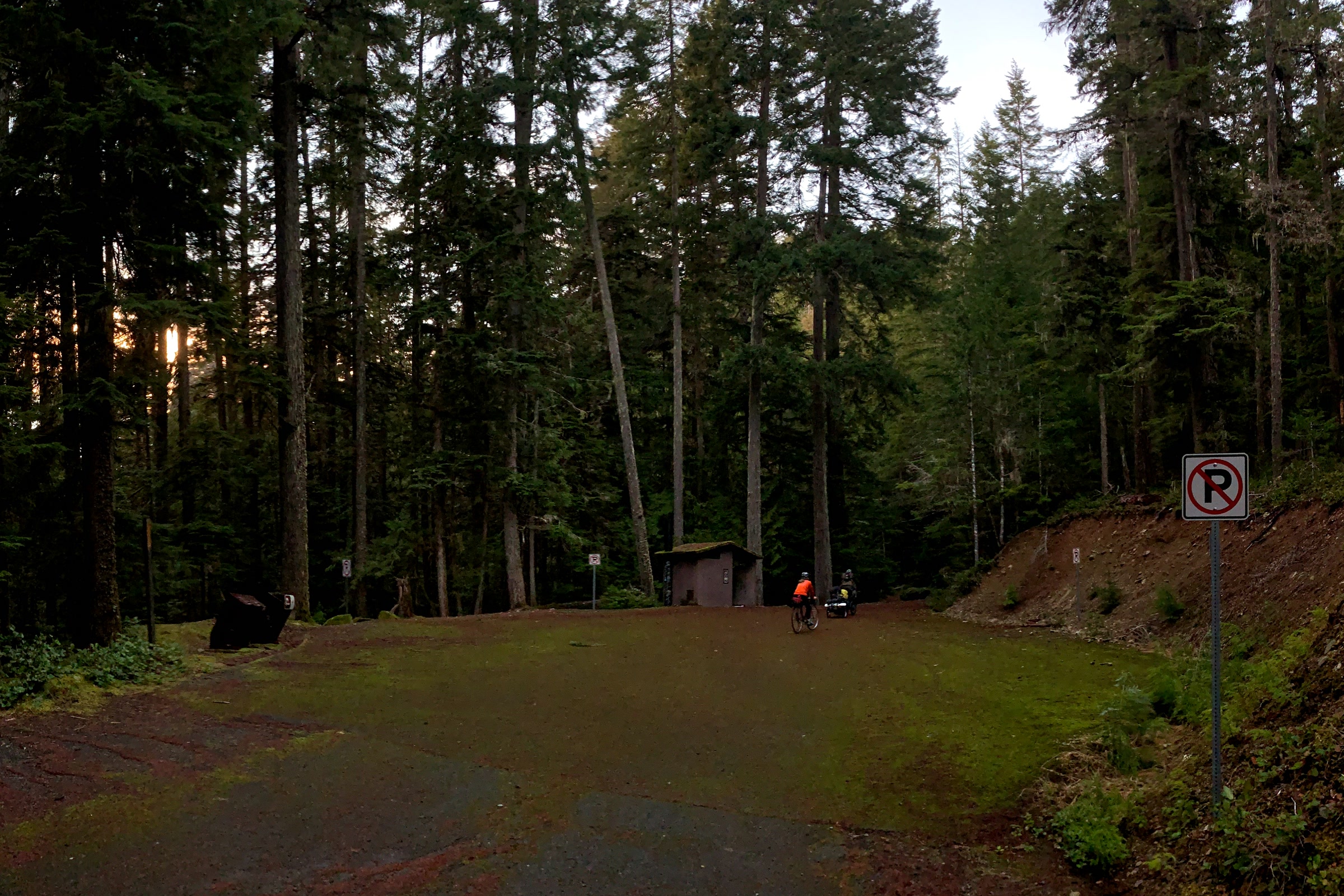
Olympic Hot Springs and Boulder Creek Campground
From the trailhead the park lists 2.5 miles to Olympic Hot Springs, with only 200 feet of gain. WTA notes a suspension bridge over Crystal Creek on the way. The park warns that the hot spring water is not monitored and may hold high levels of fecal coliform bacteria, so bathe at your own risk.
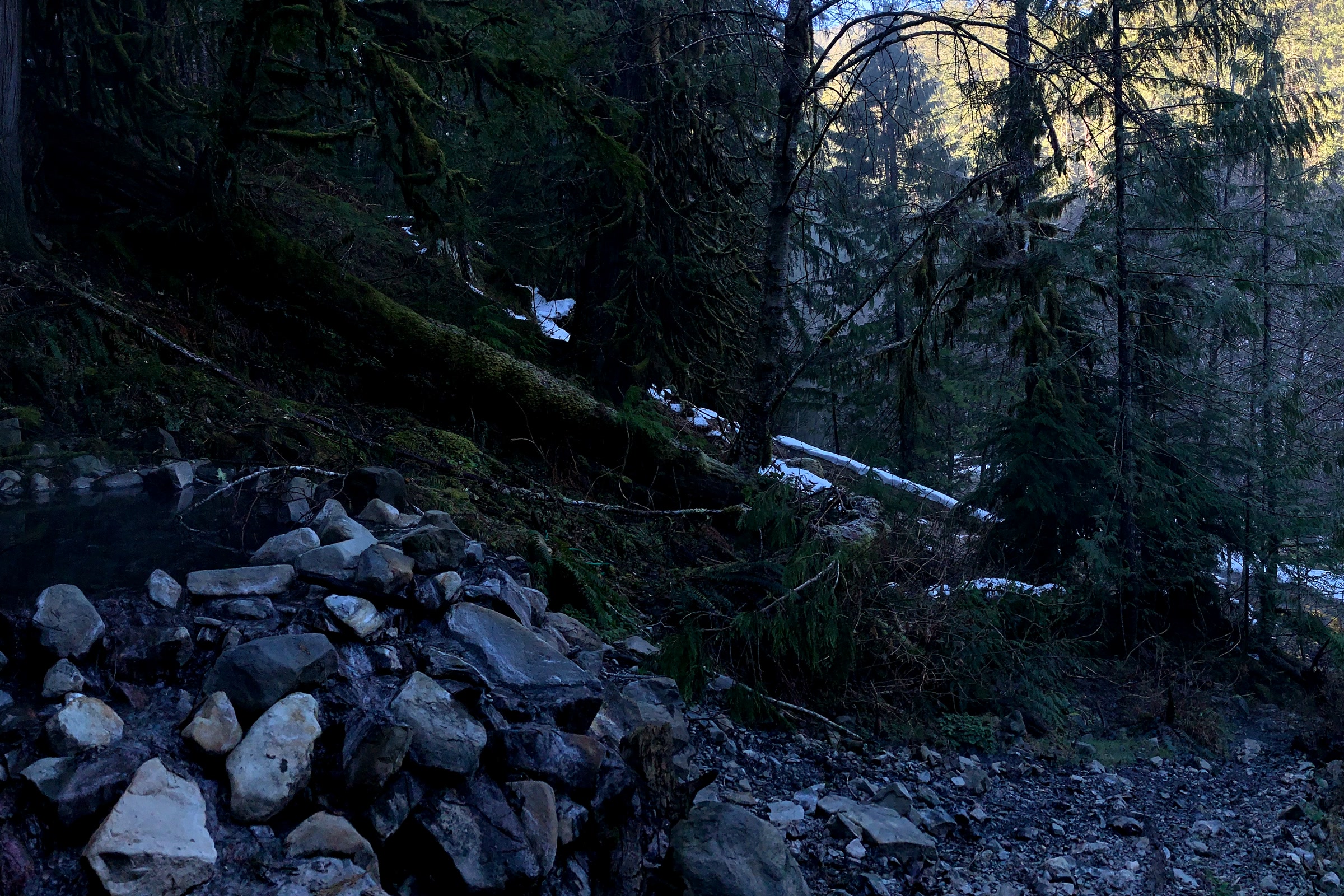
Boulder Creek Campground has pit toilets, and WTA notes two sets of bear wires but no water in camp. The park asks you to collect water from Boulder Creek above where the hot spring water flows in. A year round burn ban covers the campground and the hot springs, and the park has had reports of a possibly habituated bear near camp.
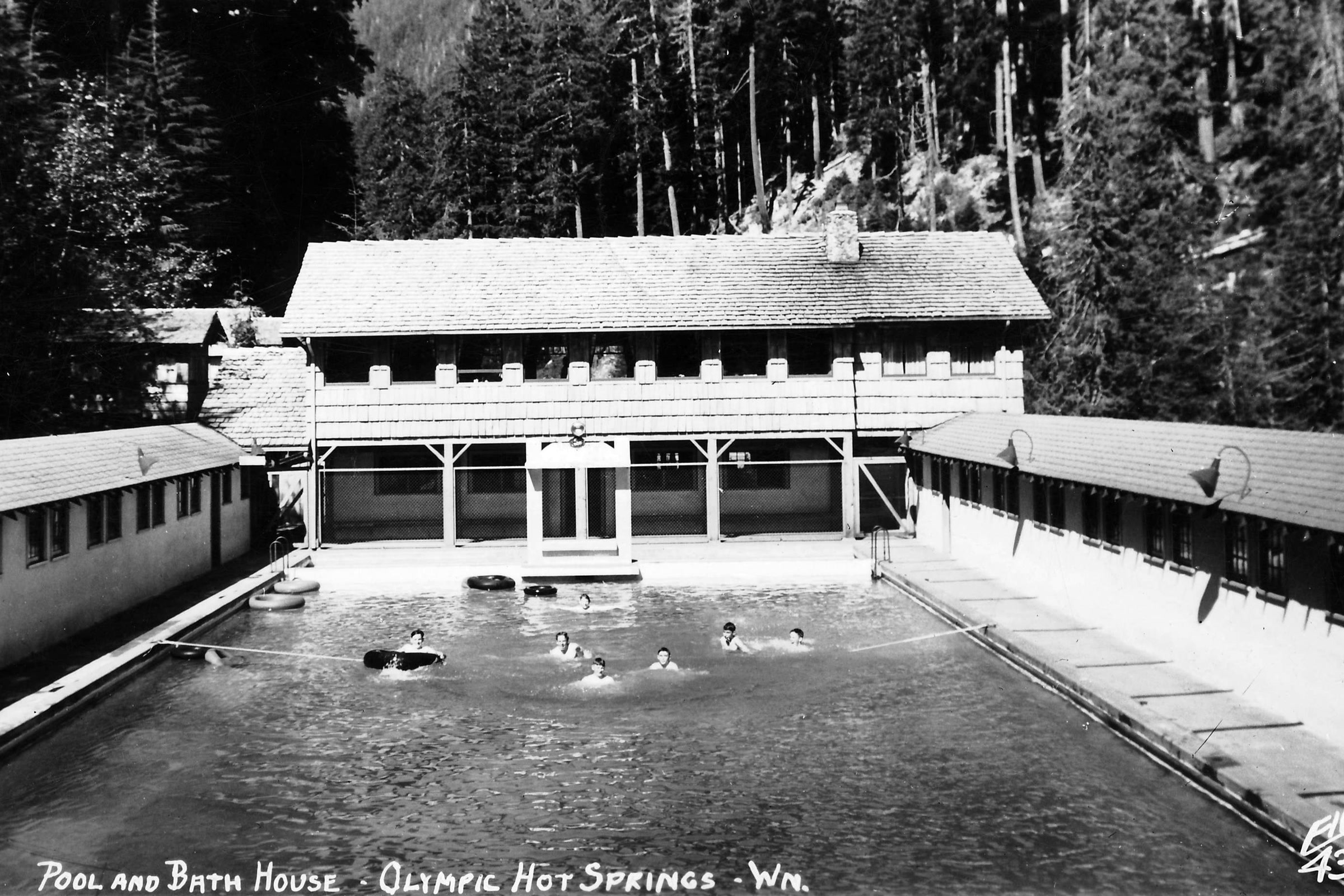
Climbing beside Boulder Creek
WTA places the Boulder Lake Trail junction 0.7 miles past the campground. The foot log over the North Fork of Boulder Creek has washed away, so you must ford it with care, because the rocks roll easily. Short side trips lead to Lower and Upper Boulder Falls before the trail turns steeply uphill.
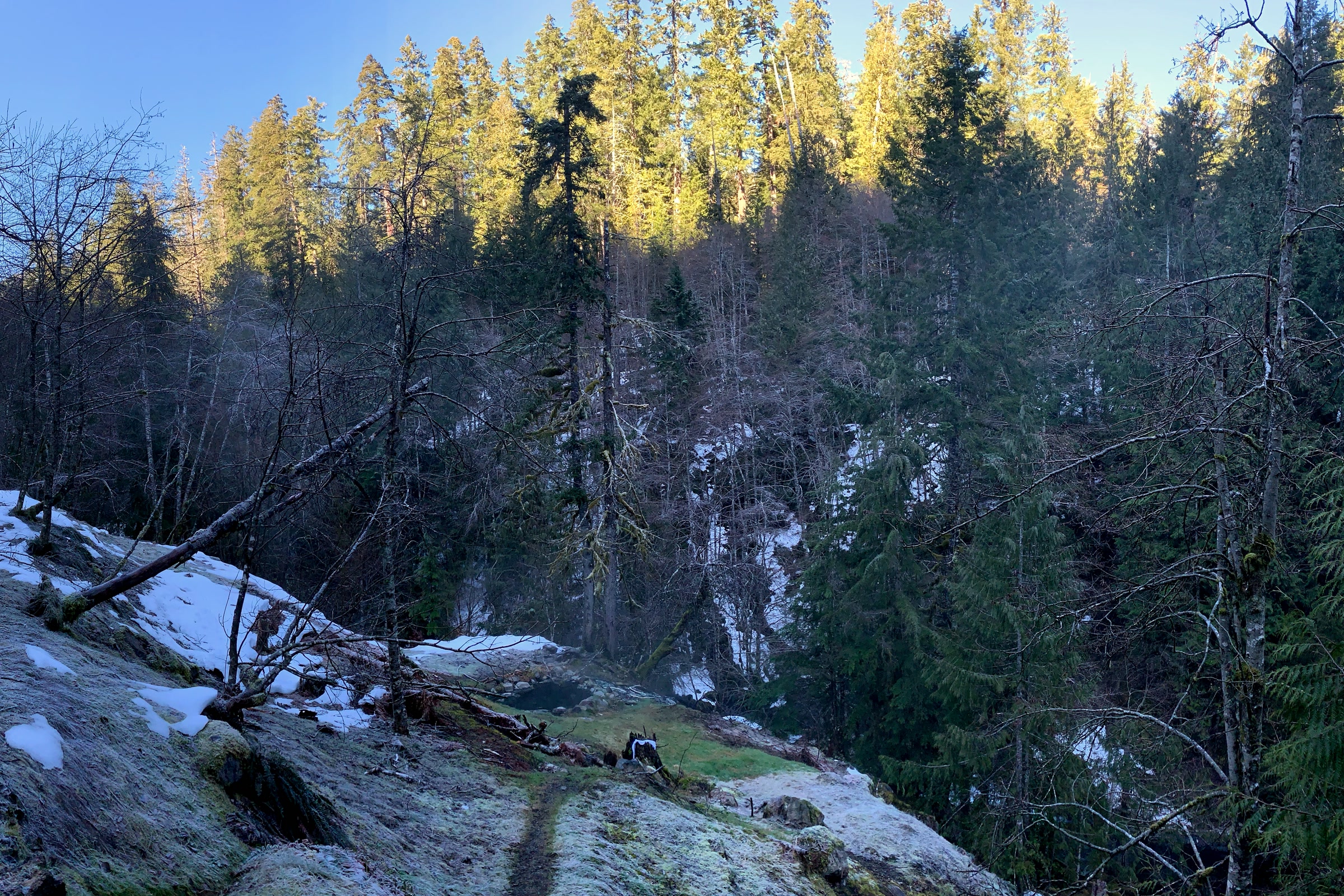
WTA says much of the payoff comes in the last 1.5 miles, as the path climbs through meadows and switchbacks to the pass.
Boulder Lake: a side trip from the same camp
Boulder Lake makes a good second day from Boulder Creek Campground. The park lists it at 5.8 miles, climbing from 1,700 to 4,350 feet, and rates it moderate. It is usually snow free from late June through late September, and bear canisters are required.
The Sol Duc side
The Sol Duc valley is about 40 minutes west of Port Angeles on Sol Duc Road, off Highway 101, and the park says the road is open as of October 2026. From the trailhead you follow the Sol Duc River Trail upstream. The park lists the Appleton Pass Trail as 2.6 miles from its junction with the Sol Duc River Trail, climbing from 3,000 to 5,100 feet.

The Sol Duc River Trail goes on toward the High Divide, so the pass links with longer loops. Our guides to the Sol Duc Falls and valley and the Seven Lakes Basin and High Divide cover that country.
Camping at Appleton Pass and Oyster Lake
The park says the Oyster Lake area has several campsites, and you should not camp on vegetation anywhere else. WTA adds that there are tent sites at the pass, with water from Oyster Lake or, early in summer, from snowfields. There are no toilets, so bury waste 6 to 8 inches deep, 200 feet from water and camps.
- Campfires are banned at Appleton Pass, Oyster Lake and everywhere above 3,500 feet.
- Store all food, garbage and scented items in park approved bear canisters, which the park requires if you cross into the Sol Duc area.
- Stock are allowed for day use only, and pets are not allowed on the trail.
Permits, passes and quotas
Every overnight trip needs a wilderness permit. As of October 2026, the park charges $8 per person per night plus $6 per permit, and youth 15 and under are free. The park lists the Sol Duc, Seven Lakes Basin and Mink Lake area as a quota area, so check its trip planner map for quota camps.
An entrance pass is $30 per private vehicle for seven days, or $15 per person on foot or bike, as of October 2026. Our guides to Olympic National Park wilderness permits and entrance fees explain the details; check the NPS pages before you go.
Snow and safety
Snow can cover the upper trail in any season, the park warns. When it does, you need an ice axe and self arrest skills, and map and compass skills may be needed in winter and spring. Carry the Ten Essentials and leave your plans with someone at home. Black bears live throughout the park, so stay at least 50 yards from bears and other wildlife; see our page on black bears in Olympic National Park.
How Friends of Olympic National Park helps
We are Friends of Olympic National Park (FONP), a volunteer led friends group based in Port Angeles. Our adopt-a-trail crew cares for the Heart O’ the Forest Trail near town. If high trails matter to you, see our volunteer opportunities.
Frequently asked questions
How long is the Appleton Pass Trail?
The park lists 7.4 miles from the Sol Duc trailhead to the pass and 7.7 miles from the Boulder Creek trailhead. As of October 2026 the Elwha side adds a 7.9 mile approach from Madison Falls while the road is closed.
Can you still hike to Olympic Hot Springs?
Yes, on foot. As of October 2026 you walk or bike 7.9 miles from Madison Falls to the Boulder Creek trailhead, then walk 2.5 miles to the springs. The park warns the water may contain fecal coliform bacteria.
Do you need a permit for Appleton Pass?
You need a wilderness permit for any overnight stay, at $8 per person per night plus $6 per permit as of October 2026. Day hikers need only an entrance pass.
Can you camp at Appleton Pass?
Yes, with a permit. The park says the Oyster Lake area has several campsites, and you must not camp on vegetation elsewhere. Campfires are banned at the pass and Oyster Lake, and bear canisters are required.
When is Appleton Pass free of snow?
The park says the trail is usually snow free from early July through October. Snow can linger on the upper trail in any season.
Leave a Reply