

The Duckabush River Trail follows one of the Olympic Peninsula’s Hood Canal rivers from a Forest Service trailhead deep into Olympic National Park. Day hikers come for the river and the climb over Big Hump; backpackers keep going toward the high lakes near O’Neil Pass. Two agencies manage the route, so the passes and rules change along the way.
Quick answer
How long is the Duckabush River Trail?
The Duckabush River Trail runs 6.2 miles through Olympic National Forest to the national park boundary, then 16.1 miles more to O’Neil Pass at 4,950 feet, according to the park. Most day hikers turn around at Five Mile Camp, a 10.6 mile round trip over Big Hump with about 2,300 feet of gain.
- Forest Service trail #803 from the Duckabush Trailhead
- Day use needs a Northwest Forest Pass or interagency pass
- Big Hump is steep with loose rock tread
- Park camping needs a wilderness permit and a bear canister
Who manages the Duckabush River Trail
The lower trail is Duckabush Trail #803 in Olympic National Forest. About a mile in it enters The Brothers Wilderness, a 16,682 acre Forest Service wilderness, and the Duckabush is the only major stream that flows through it. The National Park Service and the Forest Service wilderness page both put the park boundary at 6.2 miles; the Forest Service trail page gives 6.7, so treat the boundary as a little past six miles.
Our guide to Olympic National Park vs Olympic National Forest explains why the two sets of rules differ.
Forest and park sections compared
| Topic | Forest section (to 6.2 miles) | Park section (beyond) |
|---|---|---|
| Manager | Olympic National Forest | Olympic National Park |
| Overnight permit | None listed | Park wilderness permit |
| Food storage | No canister rule listed | Bear canister required |
| Dogs | No pet ban listed | Not allowed |
| Campfires | Banned above 3,500 feet | Banned above 3,500 feet |
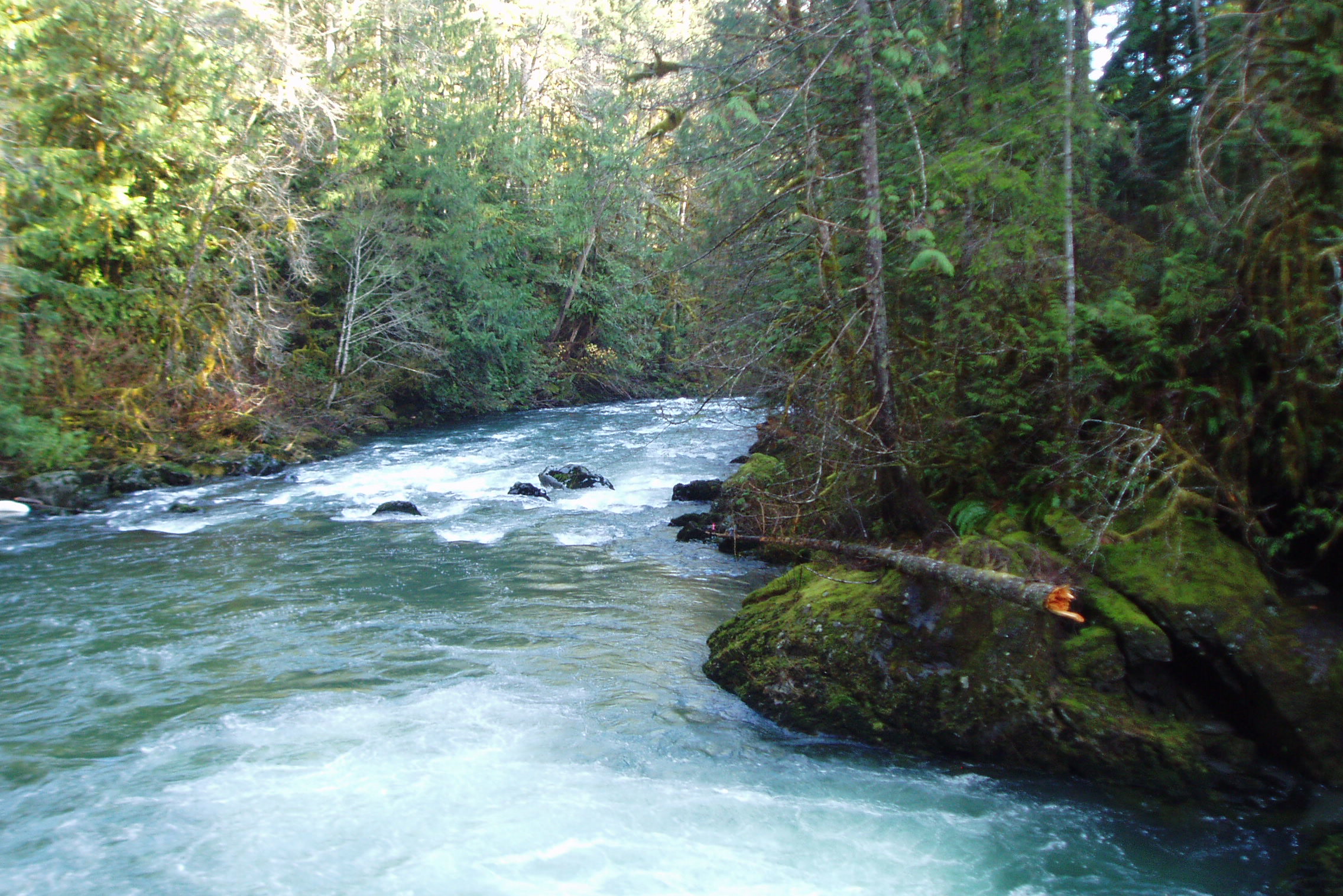
Duckabush Trailhead, passes and parking
The Forest Service directs drivers from Quilcene south on Highway 101 for 15 miles to the Duckabush Recreation Area. From there, take Duckabush River Road (Forest Road 2510) west 6 miles to Forest Road 2510-060 and the Duckabush Trailhead. The trailhead has vault toilets but no drinking water.
As of October 2026, day use costs $5 per vehicle per day or $30 for an annual pass. A Northwest Forest Pass, a digital pass or an interagency pass is honoured, and the site is cashless, so download the Recreation.gov app to scan and pay. Check the Forest Service Duckabush Trail page before you go.

Big Hump and Five Mile Camp
The Forest Service describes an easy grade for the first 2.4 miles, with a scenic rest stop near the river after Little Hump. Then the trail climbs Big Hump, which is steep with loose rock underfoot. The Washington Trails Association (WTA) notes tight switchbacks to an overlook hikers call “Snack Rock” before the crest.
Beyond Big Hump the grade eases again all the way to the park boundary. Five Mile Camp is the most popular camping and fishing spot on the forest section. WTA lists the walk there as 10.6 miles round trip with about 2,300 feet of elevation gain and a high point of 1,750 feet.
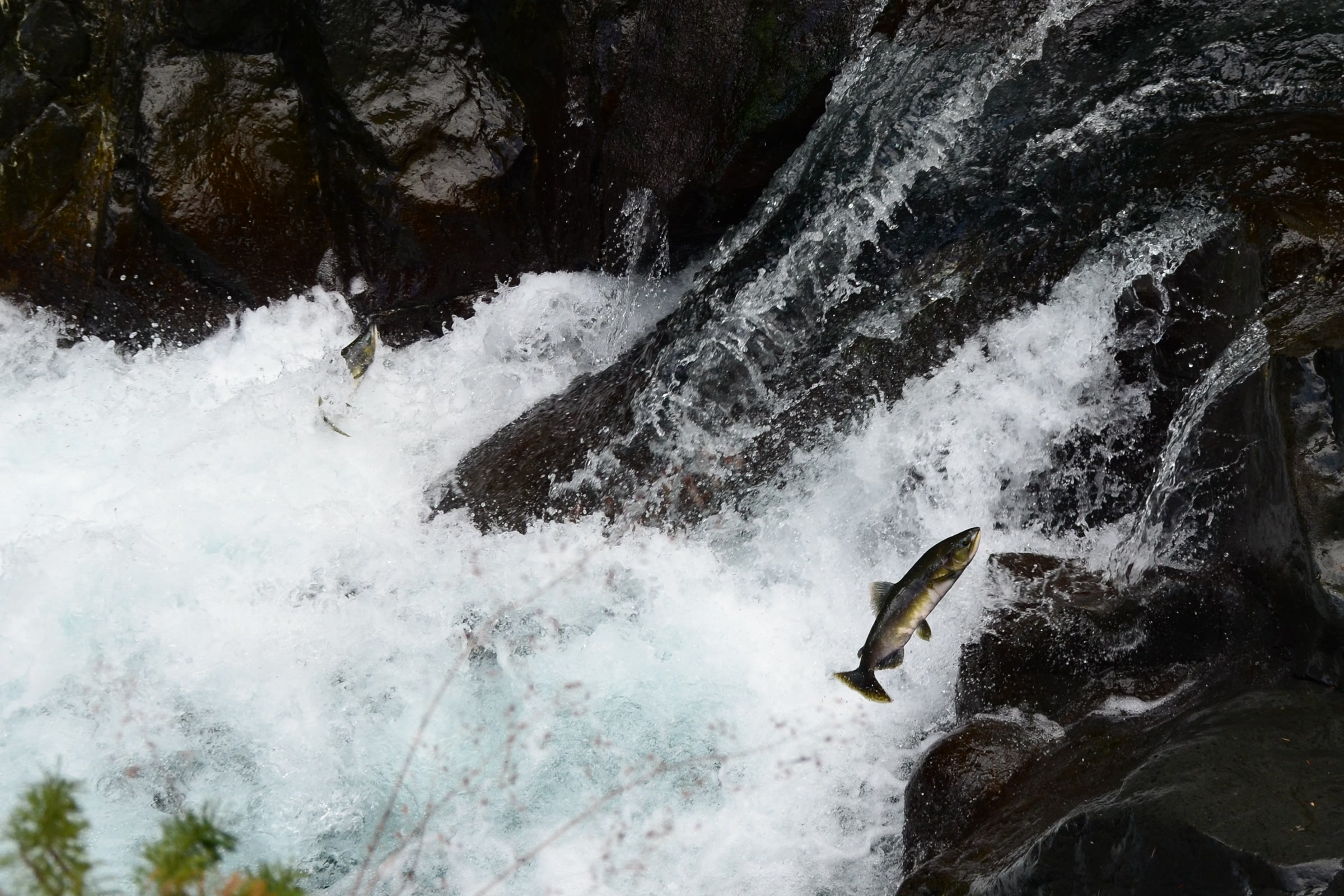
Walking through the 2011 burn
The trail enters a burned area around the two mile mark and continues past Five Mile Camp, where the 2011 fire started. The Forest Service warns of many dead standing trees and unstable ground, so choose campsites with care. WTA says trees in the burn fall routinely and volunteer crews clear them.
Into Olympic National Park
Past the boundary at about 1,550 feet, the trail runs through lowland and montane forest with ancient trees and a lower level of maintenance. The park lists three camps, 10-Mile Camp, Upper Duckabush and Marmot Lake, each with a toilet. Treat all water from the river and side streams.
The park says the trail below 2,000 feet is snow free all year, while the high country is generally reachable from early July through October. Snow can cover upper sections in any season, so map, compass and ice axe skills may be needed. Our rivers of Olympic National Park guide shows where the Duckabush fits among the park’s other valleys.

Permits and bear canisters
Camping in the park needs a wilderness permit all year, reserved on Recreation.gov. As of October 2026 the park charges adults 16 and over $8 per person per night plus a $6 reservation fee; youth are free. Paper permits are no longer issued at trailheads, so arrange yours before you drive out, and check the NPS Duckabush River Trail page before you go.
Bear canisters are required on the park section, and the Port Angeles Wilderness Information Center lends them. Our Olympic National Park wilderness permits guide walks through booking step by step.
Toward La Crosse Basin
The park measures 16.1 miles from the boundary to O’Neil Pass at 4,950 feet, and Marmot Lake, one of the trail’s three camps, sits east of the pass. Marmot Lake is one of the lakes of La Crosse Basin, which WTA spells LaCrosse. WTA describes Hart Lake to the north and Lake LaCrosse about 400 feet higher than Marmot, with camping at all three.
WTA notes the basin can also be reached up the Dosewallips River or from Enchanted Valley. Whichever way you come, expect a long approach; trip reports describe brush and fallen logs past the boundary.
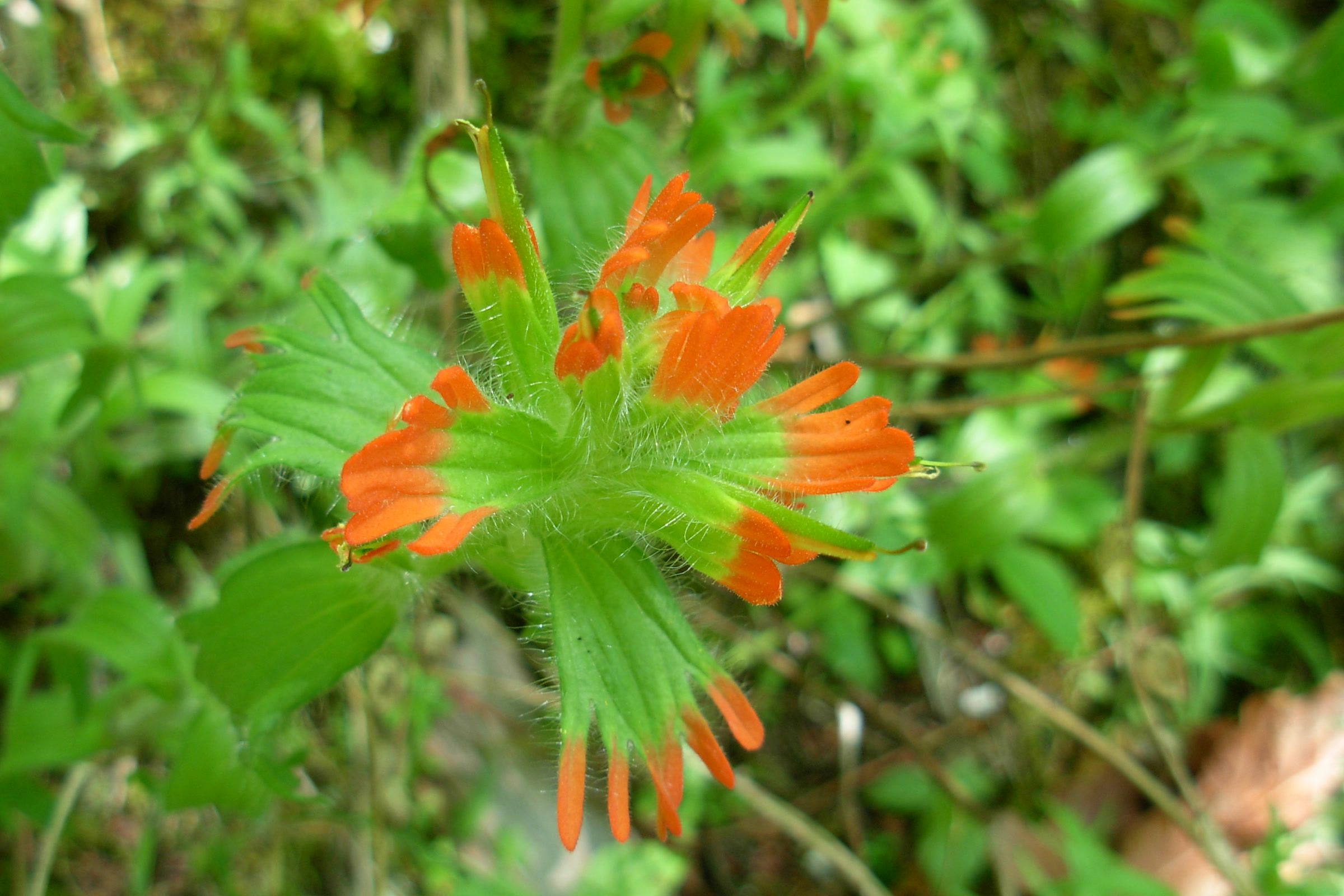
Rules to know before you go
- Groups of more than 12 people or 8 head of stock are not allowed in The Brothers Wilderness or the park.
- Campfires are banned above 3,500 feet in both; elsewhere burn only dead and down wood.
- Pets are not allowed in the national park, so dogs must turn back at the boundary.
- Stock may use the park section as far as the Home Sweet Home Trail junction.
- Fishing seasons differ by water; see our guide to fishing in Olympic National Park.

How Friends of Olympic National Park helps
We are Friends of Olympic National Park (FONP), a volunteer led friends group based in Port Angeles. Fallen trees on trails like this one are a reminder of how much volunteer trail work matters, and our adopt-a-trail crew cares for the Heart O’ the Forest Trail. If you would like to lend a hand, see our volunteer opportunities.
Frequently asked questions
Do I need a pass to park at the Duckabush Trailhead?
Yes. As of October 2026 the Forest Service charges $5 per vehicle per day or $30 a year, and honours the Northwest Forest Pass, digital passes and interagency passes. The site is cashless, so use the Recreation.gov app or a valid pass.
How hard is Big Hump on the Duckabush River Trail?
Big Hump is the hardest part of the lower trail. The Forest Service says the climb is steep with loose rock tread, after an easy first 2.4 miles. WTA lists the trip to Five Mile Camp as 10.6 miles round trip with about 2,300 feet of gain.
Do I need a permit to camp on the Duckabush River Trail?
Only inside Olympic National Park. Beyond the boundary at about 6.2 miles, overnight trips need a park wilderness permit reserved on Recreation.gov, and bear canisters are required.
Can I bring my dog on the Duckabush River Trail?
Only on the Forest Service section. Pets are prohibited in Olympic National Park, so dogs must turn back at the park boundary, about 6.2 miles from the trailhead.
How do you reach La Crosse Basin from the Duckabush?
Follow the Duckabush River Trail into the park toward O’Neil Pass, 16.1 miles past the boundary. Marmot Lake, a park camp east of the pass, is one of the basin’s lakes, with Hart Lake and Lake LaCrosse nearby.
Leave a Reply