
Olympic National Park vs Mount Rainier is a common choice for anyone planning a first trip to Washington. Both are much loved Washington national parks, but they protect very different country. Here is what the National Park Service publishes for each, so you can choose by what you want to see, not by any ranking.
Quick answer
How do Olympic National Park and Mount Rainier compare?
Olympic National Park, established in 1938, protects nearly a million acres of glacier capped mountains, temperate rain forest and over 70 miles of wild coast. Mount Rainier National Park, established in 1899, covers 369 square miles around a single 14,410 foot volcano with 28 major glaciers. As of October 2026, neither park requires timed entry.
- Olympic: mountains, rain forest and coast in one park
- Mount Rainier: the fifth national park, from 1899
- Both charge $30 per private vehicle for seven days
- Neither park accepts cash for entrance fees
Olympic National Park vs Mount Rainier at a glance
Figures come from each park’s NPS pages. Fees and access rules are as of October 2026; check the NPS page before you go.
| Feature | Olympic | Mount Rainier |
|---|---|---|
| Became a national park | 1938 (a national monument from 1909) | March 2, 1899, the fifth national park |
| Size | Nearly a million acres | 369 square miles |
| Highest point | Mount Olympus, 7,980 feet | Mount Rainier, 14,410 feet |
| Glaciers | 184 counted in 2009 | 28 major glaciers, about 30 square miles of ice |
| Designated wilderness | About 95 percent | More than 97 percent |
| Private vehicle pass | $30, seven days | $30, seven days |
| Park annual pass | $55 | $55 |
| Timed entry | None listed on the fees page | Not required in 2026 |

Landscapes: three ecosystems or one great volcano
Olympic: mountains, rain forest and coast
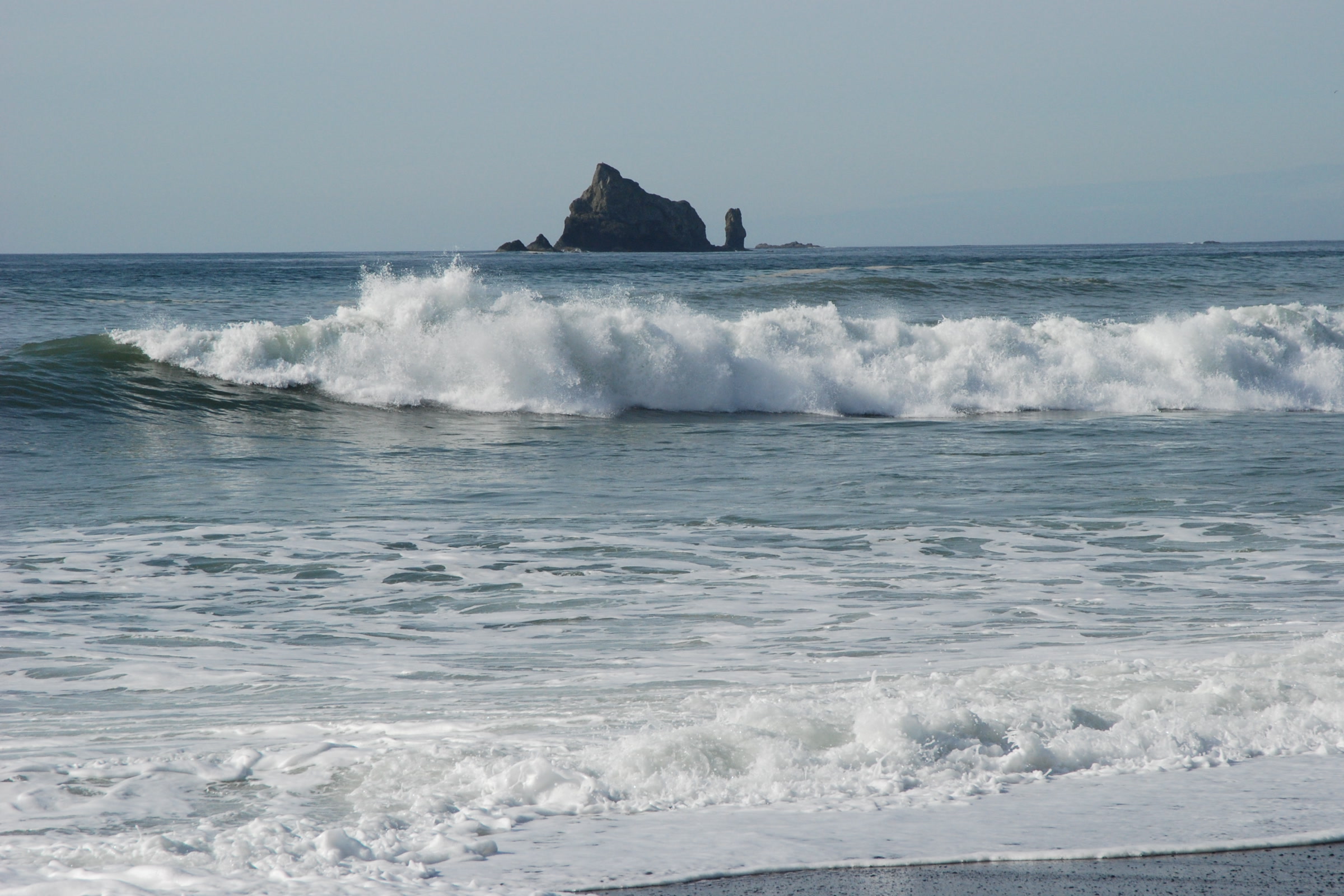
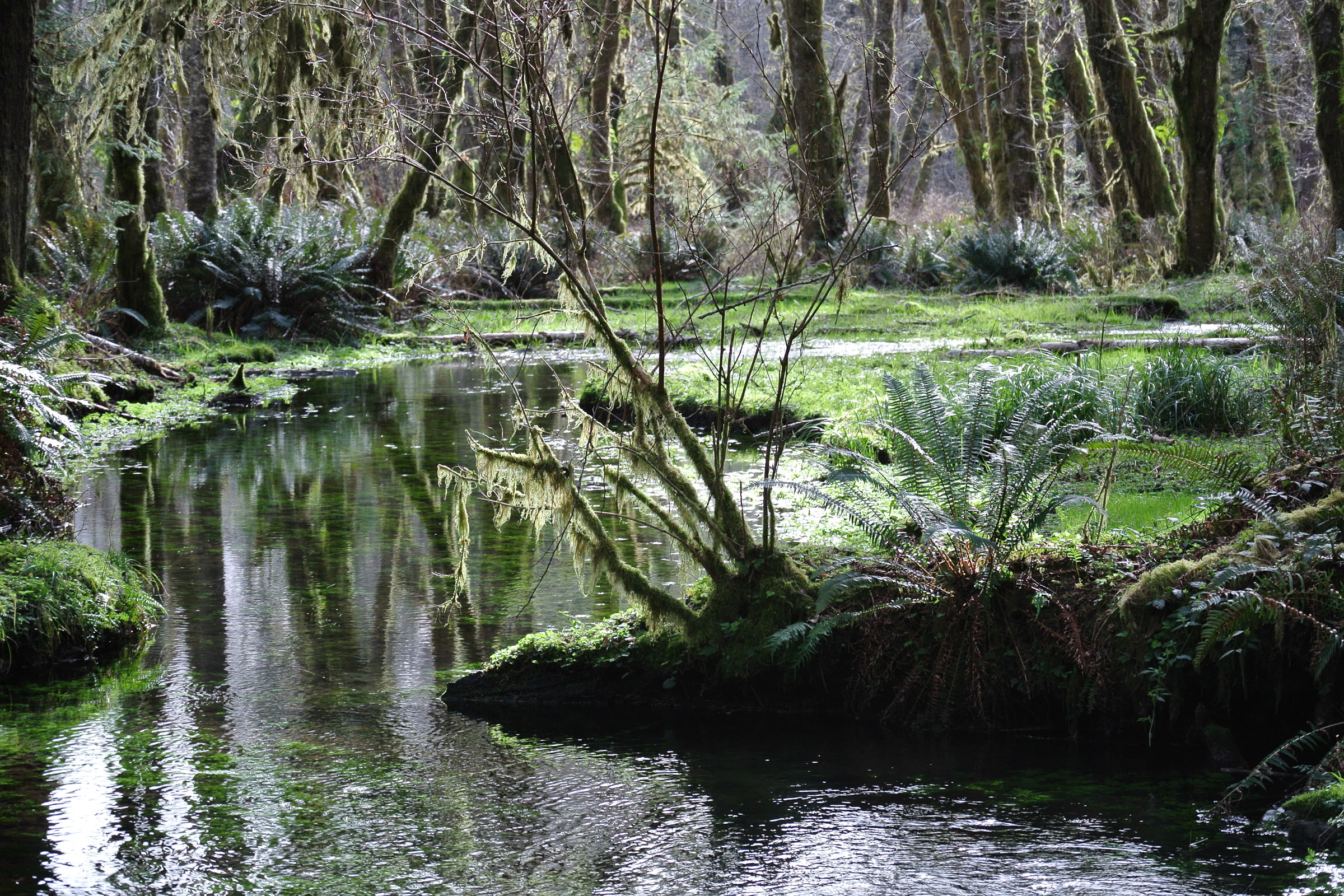
The National Park Service describes Olympic as several distinctly different ecosystems in one park: glacier capped mountains, old growth temperate rain forests and over 70 miles of wild coastline.
Mount Olympus, at 7,980 feet, crowns the interior. Its ice is changing fast, as our guide to Olympic National Park glaciers explains.
Mount Rainier: a volcano and its glaciers
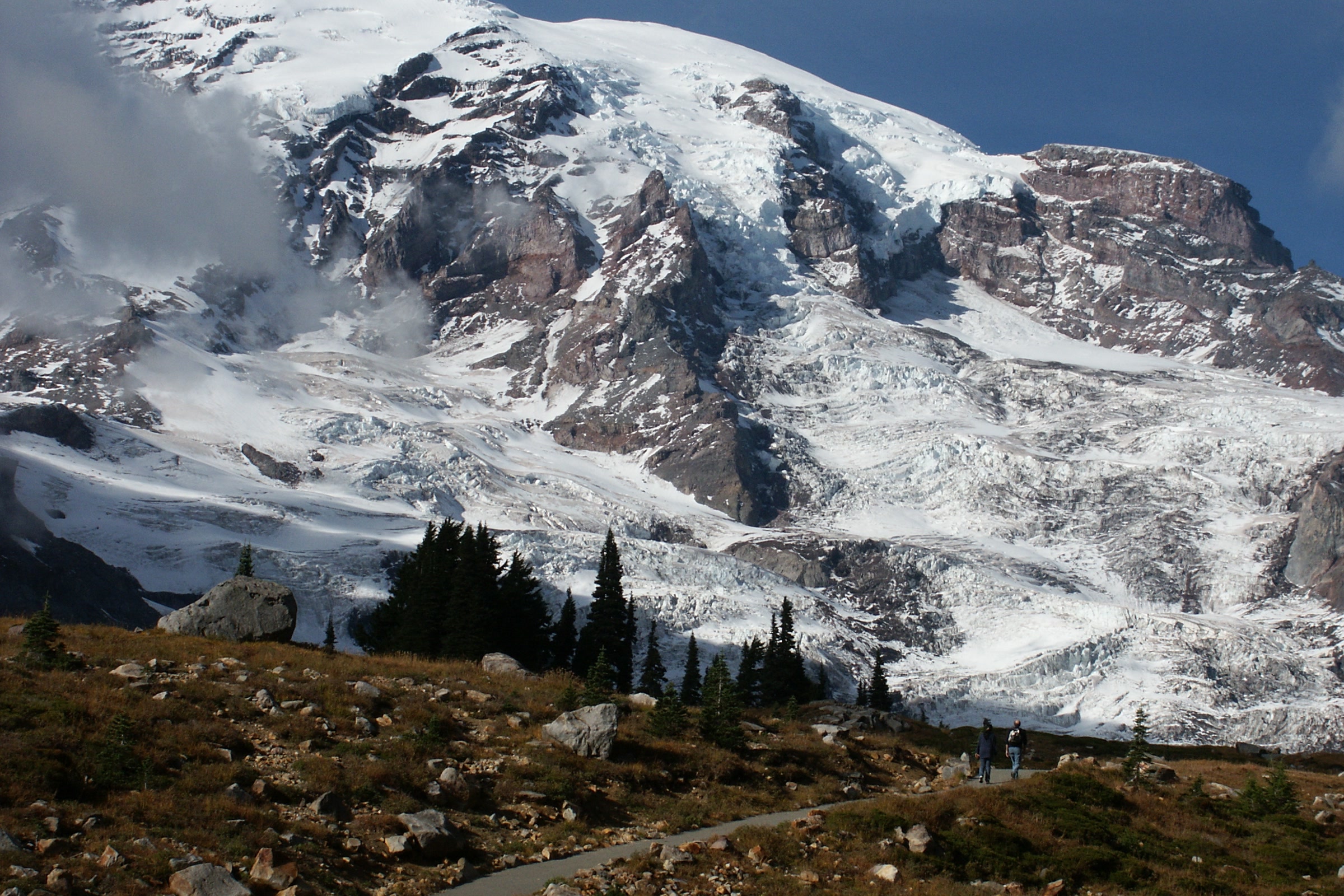
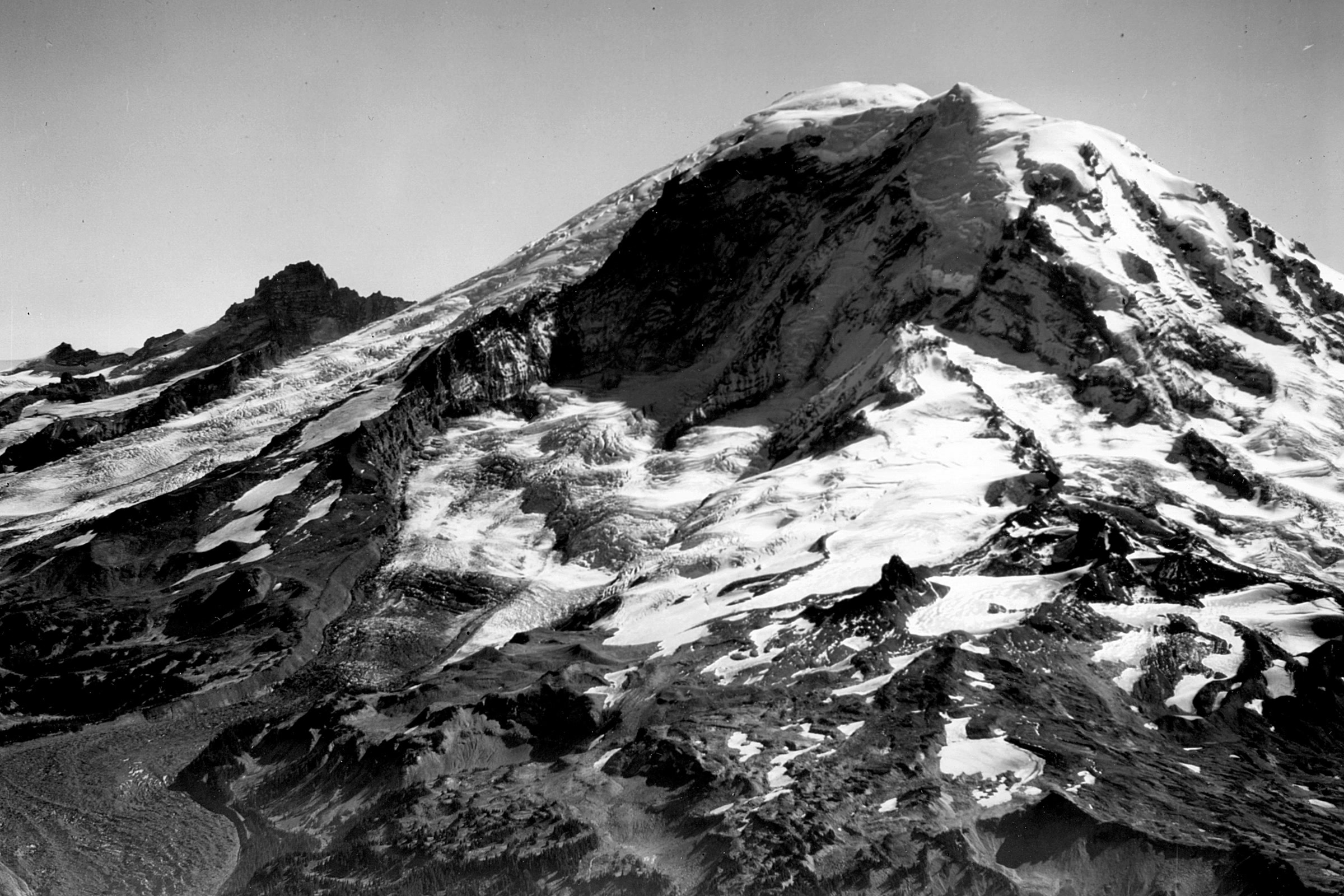
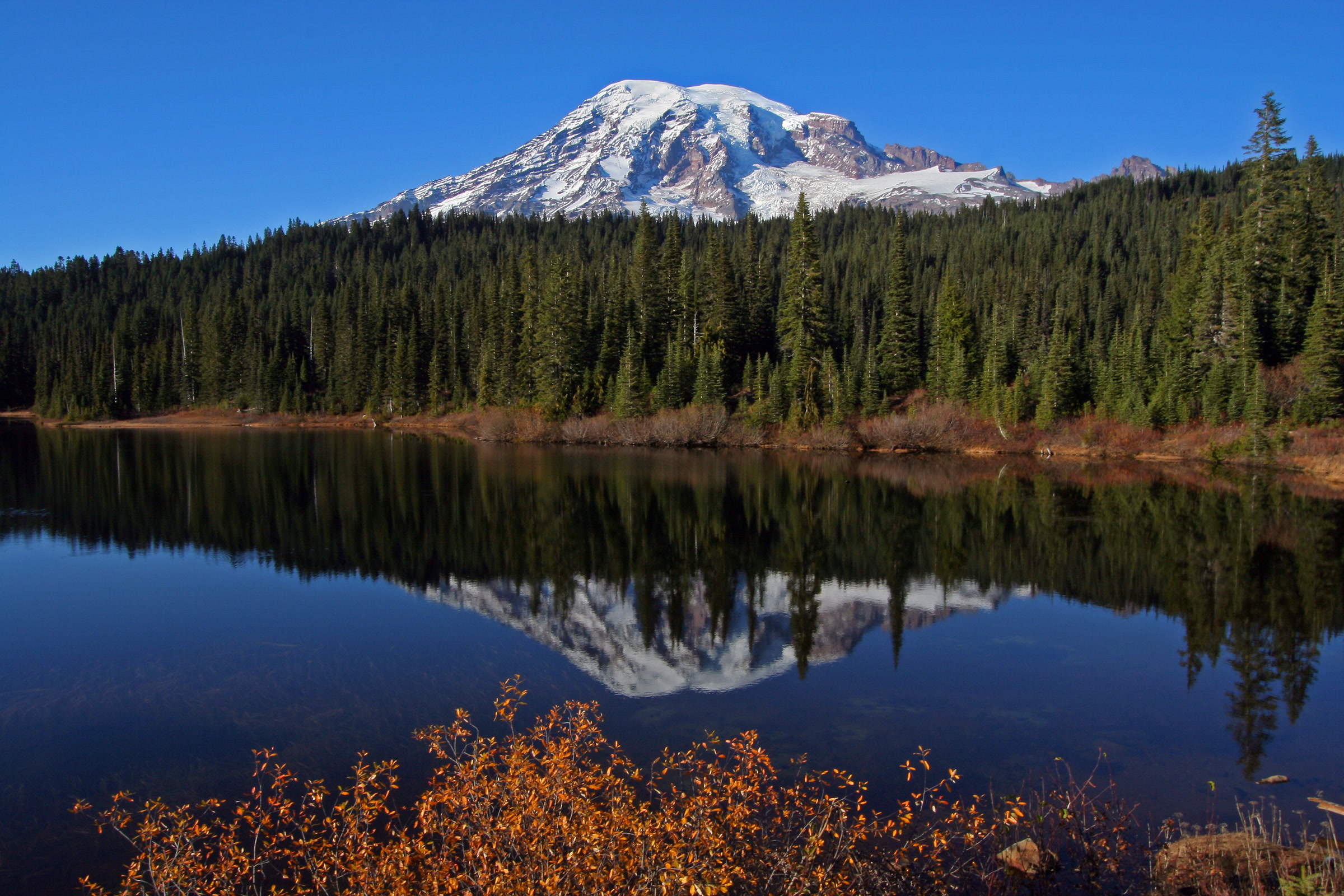
Mount Rainier National Park is shaped around one mountain. The NPS calls it the highest volcanic peak in the contiguous United States, carrying one cubic mile of glacial ice and the largest alpine glacial system outside Alaska. The Carbon Glacier reaches 3,600 feet, the lowest glacier terminus in the lower 48 states.
The U.S. Geological Survey’s Mount Rainier page adds that it is the highest peak in the Cascade Range, that its last magmatic eruption was about 1,000 years ago, and that its greatest potential hazard is a lahar, or volcanic mudflow.
Size, history and wilderness
Mount Rainier is the older park: President McKinley signed its law on March 2, 1899. Olympic began as a national monument in 1909 and became a national park in 1938; our Olympic National Park history timeline tells that story.
Olympic is much the larger park, at nearly a million acres against Mount Rainier’s 369 square miles. Both are mostly wilderness: about 95 percent of Olympic is the Daniel J. Evans Wilderness, and more than 97 percent of Mount Rainier is designated wilderness. Wilderness in both parks dates from the Washington Park Wilderness Act of 1988.
Signature areas in each park
- Olympic: Hurricane Ridge for mountain views, Lake Crescent, the Hoh and Quinault rain forests, Sol Duc, and coastal beaches such as Rialto, Ruby and Kalaloch.
- Mount Rainier: Paradise at 5,400 feet, with summer wildflower meadows and the Henry M. Jackson Memorial Visitor Center; Sunrise at 6,400 feet, the highest point in the park reachable by vehicle; and Longmire, near the Nisqually Entrance.
Seasons and access
Both parks are open 24 hours a day, all year, but much of each closes or slows down in winter. At Olympic, June through September are the most popular months, when most roads and facilities are open; from October through May some roads, campgrounds and visitor facilities close or cut hours. No road crosses Olympic; US 101 circles it. Our guide to getting to Olympic National Park covers ferries, flights and drive times.
At Mount Rainier, most roads close in winter and vehicle access is only through the Nisqually Entrance. The road from Longmire to Paradise is plowed but closes at night in winter, and all vehicles must carry tire chains from November 1 to May 1. The Sunrise Road usually opens in late June or early July and closes in late September or early October.

Both parks get busy in summer. Mount Rainier warns of long waits at entrances and full parking lots on busy summer weekends. For quieter Olympic dates, see the best time to visit Olympic National Park.
Entrance fees and reservations
As of October 2026, the two parks charge the same: $30 for a private vehicle, $25 for a motorcycle and $15 per person on foot or bike, each valid for seven days, or $55 for a park annual pass. Neither park accepts cash. If you plan to visit both in a year, the $80 America the Beautiful resident pass covers entrance at each.
The Mount Rainier fees page says timed entry reservations are not required and will not be used in 2026. Olympic’s fees page lists no timed entry either, though overnight wilderness trips need a permit. Our guide to Olympic National Park entrance fees has every pass. Rules change, so check the NPS page before you go.
Mount Rainier or Olympic: choosing by interest
- Beaches and tide pools: only Olympic has an ocean coast.
- Rain forest: Olympic’s west side valleys hold old growth temperate rain forest.
- Big glaciers close to a road: Paradise and Sunrise put you face to face with Mount Rainier’s ice.
- Winter snow play: Paradise is Mount Rainier’s main winter use area, averaging 640 inches of snow a year. At Olympic, see our guide to Hurricane Ridge in winter.
Weighing a third park? Our comparison of Olympic National Park vs North Cascades uses the same format.
What makes Olympic distinct
Olympic’s mix of ecosystems earned it international recognition. It became an International Biosphere Reserve in 1976, and UNESCO added it to the World Heritage List in 1981. Our story on why Olympic is a World Heritage Site explains what those titles mean.
How Friends of Olympic National Park helps
We are Friends of Olympic National Park (FONP), a volunteer led friends group in Port Angeles. Our projects include beach cleanups and care of the Heart O’ the Forest Trail. If Olympic is your park, please become a member and help us look after it.
Frequently asked questions
Which is older, Olympic or Mount Rainier National Park?
Mount Rainier. It became the fifth national park on March 2, 1899. Olympic was a national monument from 1909 and became a national park in 1938.
Is Olympic National Park bigger than Mount Rainier?
Yes. The National Park Service describes Olympic as nearly a million acres, while Mount Rainier National Park covers 369 square miles.
Do you need a reservation for Mount Rainier or Olympic?
As of October 2026, no timed entry reservation is needed at either park. Overnight wilderness trips at Olympic need a permit. Check the NPS pages before you go.
Does one pass cover both parks?
Each park sells a $55 annual pass for itself only. The $80 America the Beautiful resident pass covers entrance at both and other federal recreation lands.
Can you visit Mount Rainier and Olympic in winter?
Yes, both are open all year, but many roads close. Mount Rainier allows winter vehicle access only through the Nisqually Entrance and requires chains from November 1 to May 1. At Olympic, some roads and facilities close from October through May.
Leave a Reply