
Black-tailed deer in Olympic National Park are the animals most visitors see first: a doe grazing beside a meadow trail, a buck in velvet at the forest edge, a spotted fawn in the fog. They look calm, which is exactly why they need care from us. Here is where to find them, how their year unfolds, and how to watch them without doing harm.
Quick answer
Where can you see black-tailed deer in Olympic National Park?
Black-tailed deer live in nearly every part of Olympic National Park, from river valleys and forest edges to the subalpine meadows of Hurricane Ridge. Look in the morning and evening, when they are most active. Feeding them is illegal, and park rules require you to stay at least 50 yards away.
- A Columbian subspecies of the mule deer
- Adults reach up to about 200 pounds
- Most active at dawn and dusk
- The rut usually runs through November and December
Meet the Columbian black-tailed deer
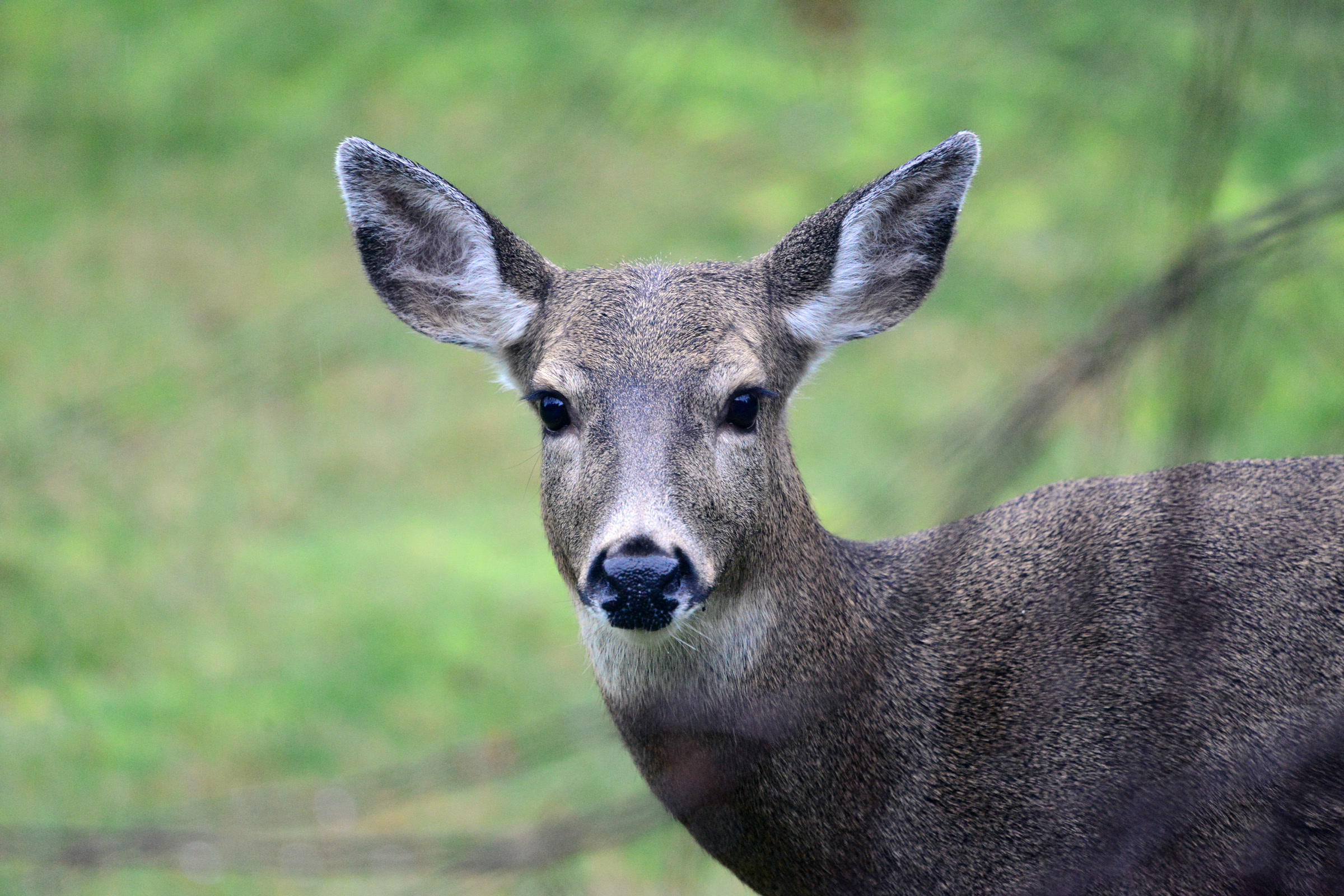
The park’s deer are Columbian black-tailed deer, a subspecies of the mule deer and a close relative of the white-tailed deer. The park calls them perhaps its most graceful mammal. According to the Washington Department of Fish and Wildlife (WDFW), they are the state’s most common deer, living from the Cascade crest west to the coast.
The tail gives them away. WDFW describes it as broad, dark brown on top and grading to black near the tip, and a frightened deer may flick it up to flash the white underside. Coats are tan to light brown in summer and a salt and pepper grey in winter. Adult bucks weigh roughly 140 to 200 pounds and does about 90 to 130 pounds.
Where to see deer in the park
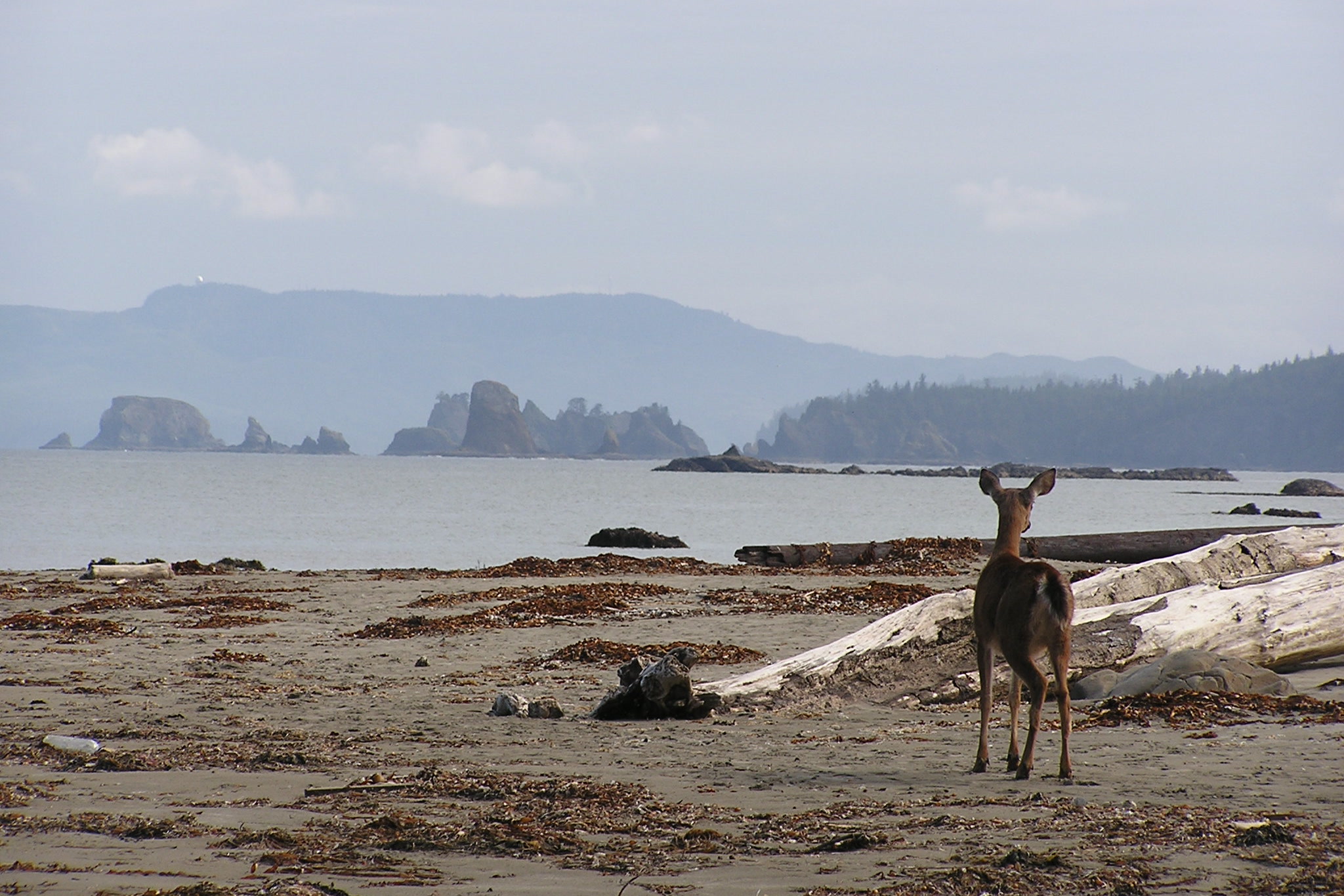
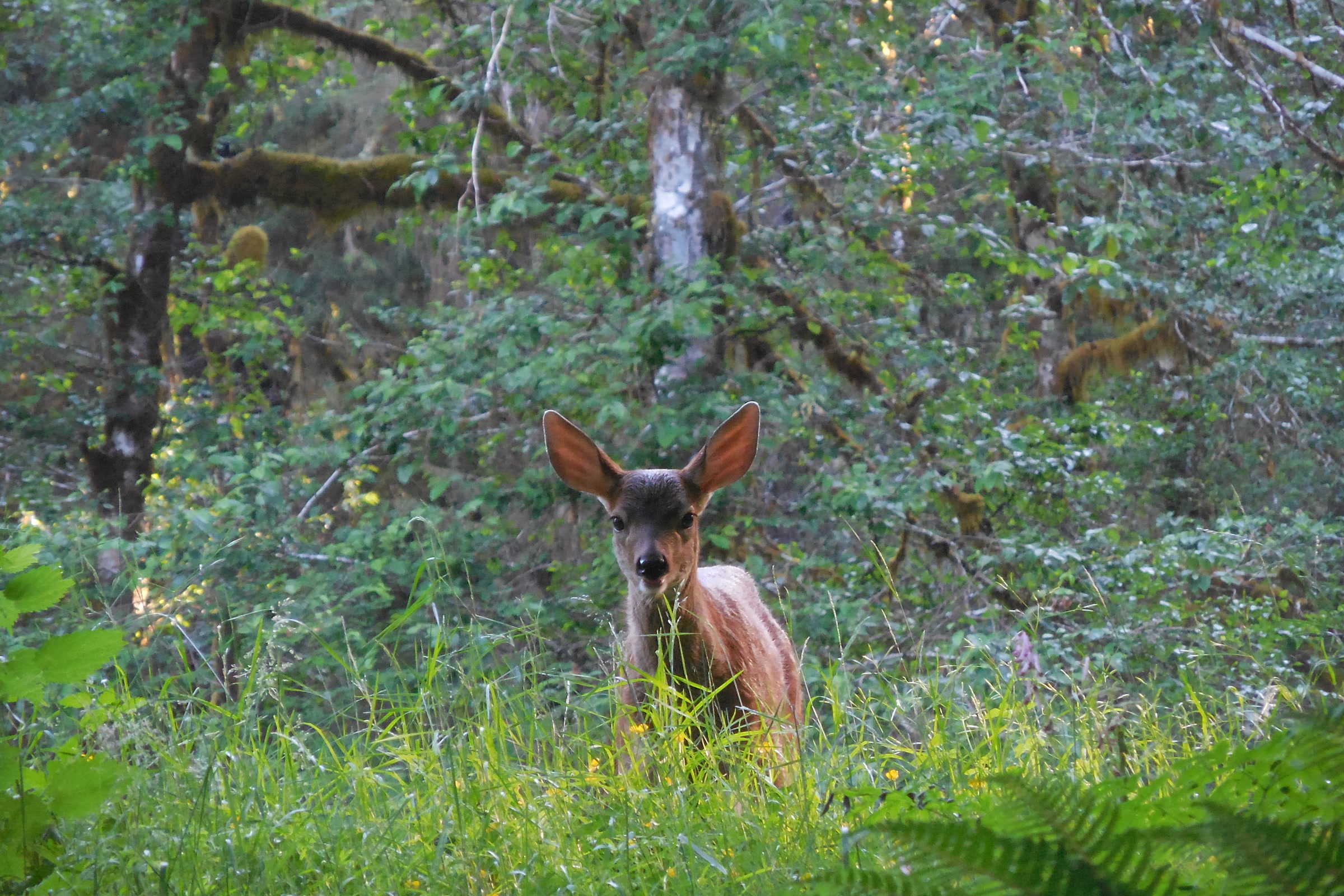
The park says black-tailed deer can be met in nearly all areas, from subalpine forests and meadows down to the river valleys. They favour forest edges, where trees give shelter and a meadow or clearing offers food close by.
- Mountain meadows: the park notes deer grazing in mountain meadows at dawn and dusk.
- Forests and valleys: look along clearings and trail edges in valleys such as the Sol Duc.
- The coast: deer turn up on the wilderness beaches too.
Deer at Hurricane Ridge
For many visitors, deer at Hurricane Ridge are part of the view. The park says blacktails are often spotted grazing in the subalpine meadows there in spring. Deer that graze beside busy paths can seem tame, but they are wild animals, and does will defend their young.
Our Hurricane Hill Trail guide covers the 1.6 mile paved climb from the end of Hurricane Hill Road.

A year in the life of a black-tailed deer
Deer eat grasses, lichens and other plants, and sometimes berries, the park says. WDFW adds that they mostly browse the growing tips of shrubs and trees. In mountain areas, they move to lower elevations in winter. The table follows the WDFW and NPS descriptions through the year.
Black-tailed deer through the seasons
| Season | What the deer are doing |
|---|---|
| Spring | Grazing on new green growth; often seen in the Hurricane Ridge meadows |
| Summer | Tan coats; bucks grow antlers in velvet; does with spotted fawns |
| Fall | Bucks rub off velvet; the rut runs through November and December |
| Winter | Grey coats; mountain deer move lower; bucks shed antlers from late December to early March |
During the rut, bucks compete by posturing and sometimes fighting, and grunt to rivals, but unlike elk bulls, they do not herd females into groups. Does carry their young for 180 to 200 days, and healthy older does often have twins. Fawns lose their spots at 90 to 120 days old.
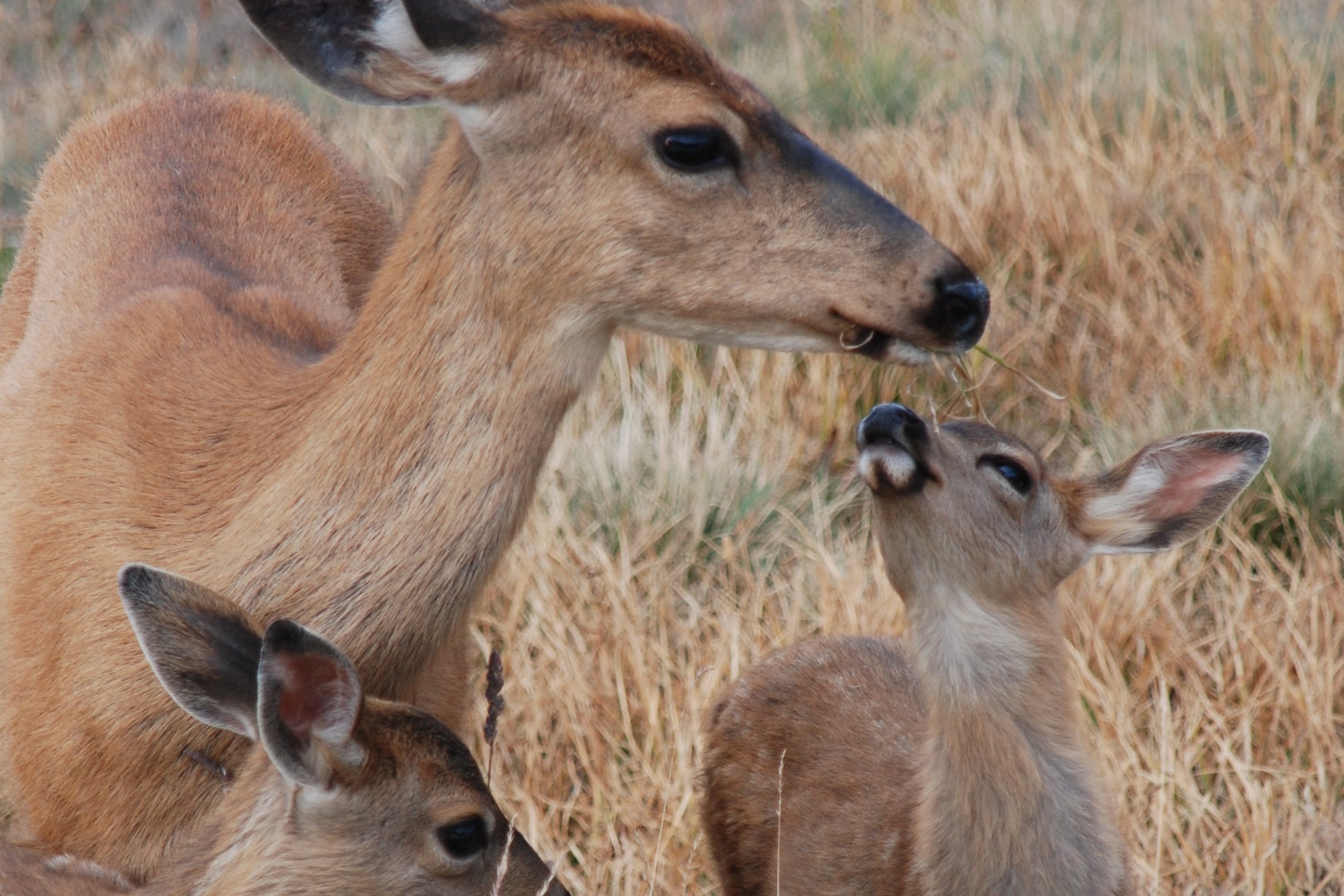
If you find a fawn lying quietly on its own, leave it alone. WDFW says the mother is usually nearby and comes back to feed it.
Why feeding deer is harmful and illegal
The park is clear: feeding or harassing wildlife, even by accident, is prohibited and can bring a fine, and that includes deer. Human food damages an animal’s health, changes its natural behaviour and exposes it to predators and other dangers. The park’s wildlife viewing page asks us all to help keep the deer population wild.
The Superintendent’s Compendium also warns that animals used to human food may lose their fear of people and approach them, sometimes aggressively. That is why food, coolers and scented items must stay in a closed vehicle, an approved container or a food locker.

The 50 yard rule and driving safely
The park’s compendium, updated in January 2026, makes it illegal to stay within 50 yards of any wildlife, and if you meet a deer by chance, you must move back to that distance. That is about 150 feet. The park’s simple test works well: if you cause an animal to move, you are too close. Rules can change, so check the NPS page before you go.
The roads need care too. The park warns that deer commonly cross the roadways, and asks drivers to watch wildlife from pullouts rather than stopping in the lane. WDFW notes that deer often cross in groups, that headlights can confuse them, and that more than half of Washington’s deer and vehicle collisions happen in October and November.
Our guide to wildlife viewing in Olympic National Park has more tips for ethical watching.
How deer differ from Roosevelt elk
Deer and elk share the same valleys, but you will rarely confuse them once you have seen both. The park describes blacktails as much smaller than elk. Our guide to Roosevelt elk in Olympic National Park covers the larger animal in depth.
| Feature | Black-tailed deer | Roosevelt elk |
|---|---|---|
| Weight | Up to about 200 pounds | Bulls up to 1,100 pounds |
| Where seen | Nearly everywhere, meadows to valleys | Mostly lower valleys and rain forests |
| Rut | November and December | September |
| Antlers shed | Late December to early March | Spring |
Both are prey for the park’s largest predator. WDFW lists cougars, bears and coyotes among the deer’s predators, and eagles and bobcats also take fawns. Read about cougars in Olympic National Park to learn how they hunt and how to stay safe.
How Friends of Olympic National Park helps
We are Friends of Olympic National Park (FONP), a volunteer led friends group in Port Angeles. Our projects include guided insect, mushroom and wildflower walks, where people learn to enjoy the park’s wild places from a respectful distance. If watching a doe and her fawn in a mountain meadow is part of why you love this park, please make a gift to help us care for it.
Frequently asked questions
What kind of deer live in Olympic National Park?
Olympic National Park is home to the Columbian black-tailed deer, a subspecies of the mule deer. It is the most common deer subspecies in Washington and can be seen in nearly every part of the park.
Can you feed the deer at Hurricane Ridge?
No. Feeding or harassing any wildlife in Olympic National Park, deer included, is prohibited and can bring a fine. Human food harms the animals and can make them lose their natural fear of people.
How close can you get to deer in Olympic National Park?
Park rules require you to stay at least 50 yards, about 150 feet, from deer and all other wildlife. If a deer moves because of you, you are too close, so back away.
How big are black-tailed deer?
The park says Columbian black-tailed deer can reach about 200 pounds. WDFW puts adult bucks at roughly 140 to 200 pounds and adult does at about 90 to 130 pounds.
When is the black-tailed deer rut?
WDFW says the rut normally runs through November and December, when bucks compete by posturing and sometimes fighting. Elk in the park rut earlier, in September.
Leave a Reply