
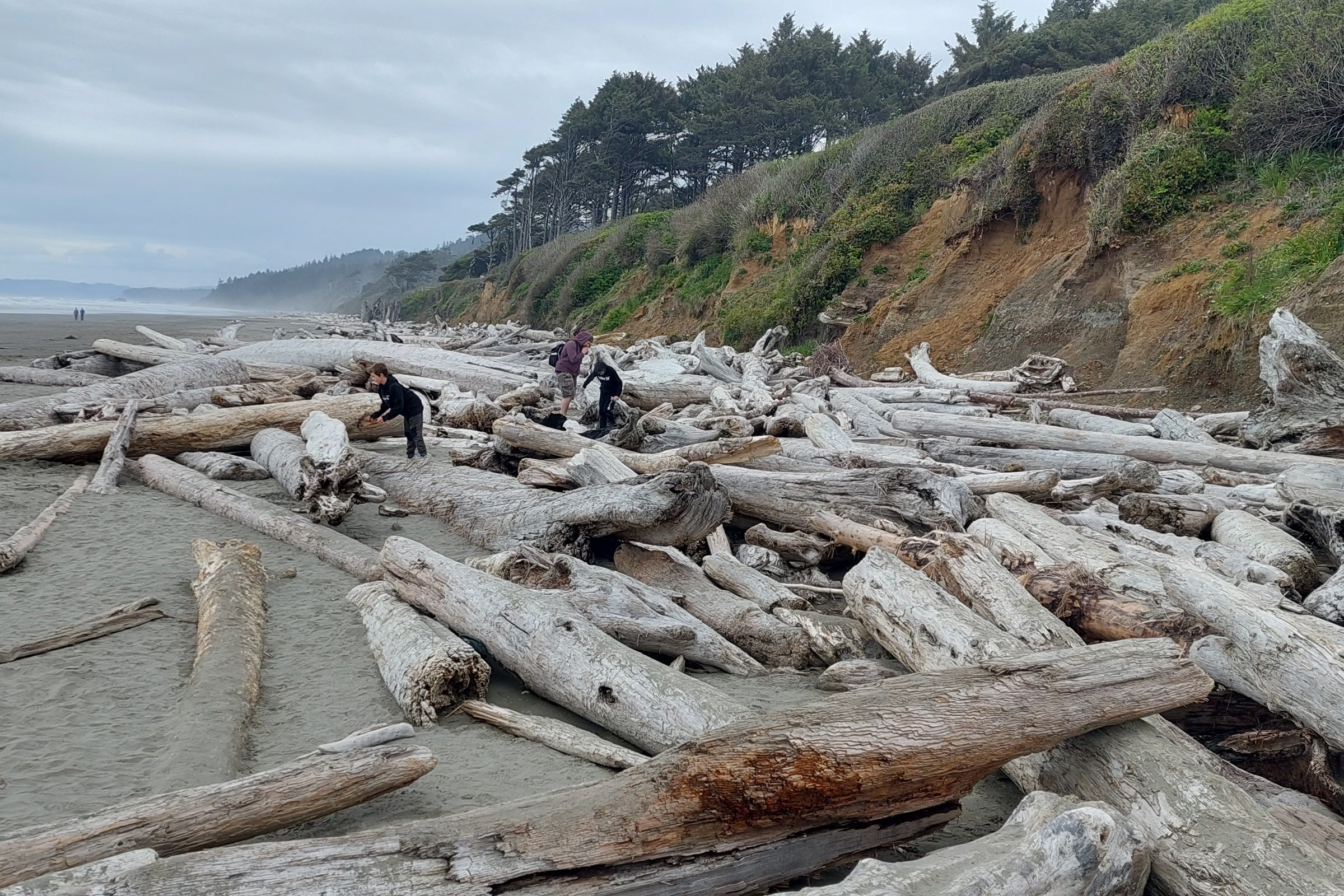
Beachcombing on the Olympic Coast is one of the simplest joys in Olympic National Park: a slow walk at low tide, eyes on the sand for shells, crab molts and whatever the last storm brought in. Because these beaches are a national park, the rules on what you may take home are stricter than on most beaches. Here is what the park allows, what to leave, and how to stay safe while you look.
Quick answer
What can you take when beachcombing in Olympic National Park?
In Olympic National Park you may take a handful of empty seashells per person per visit, and nothing living. Collecting other natural materials is generally prohibited. Driftwood up to 12 inches across may be gathered only as firewood at Kalaloch and South Beach campgrounds and must stay there. Carry out trash, but never touch metal cylinders.
- A handful of unoccupied shells per person per visit
- All living things in tide pools are protected
- Seaweed and kelp harvest is prohibited
- Waves can roll drift logs that crush and kill
Rules for beachcombing on the Olympic Coast
The park’s Superintendent’s Compendium, last updated in January 2026, starts from a clear rule: collecting natural materials from the park is generally prohibited. The table combines it with the park’s coast and fishing pages, as of October 2026. Rules can change, so check the NPS page before you go.
| What you find | Can you take it? |
|---|---|
| Empty seashells | Yes, a handful per person per park visit |
| Live animals, occupied shells | No, all living things are protected |
| Rocks and minerals | No; specimen collecting needs a park permit |
| Driftwood | Only as firewood at Kalaloch and South Beach campgrounds, pieces up to 12 inches across, used there |
| Seaweed and kelp | No, harvest is prohibited |
| Trash and plastic | Yes, please carry it out |
| Metal cylinders, drums | No, don’t touch; report to a ranger |
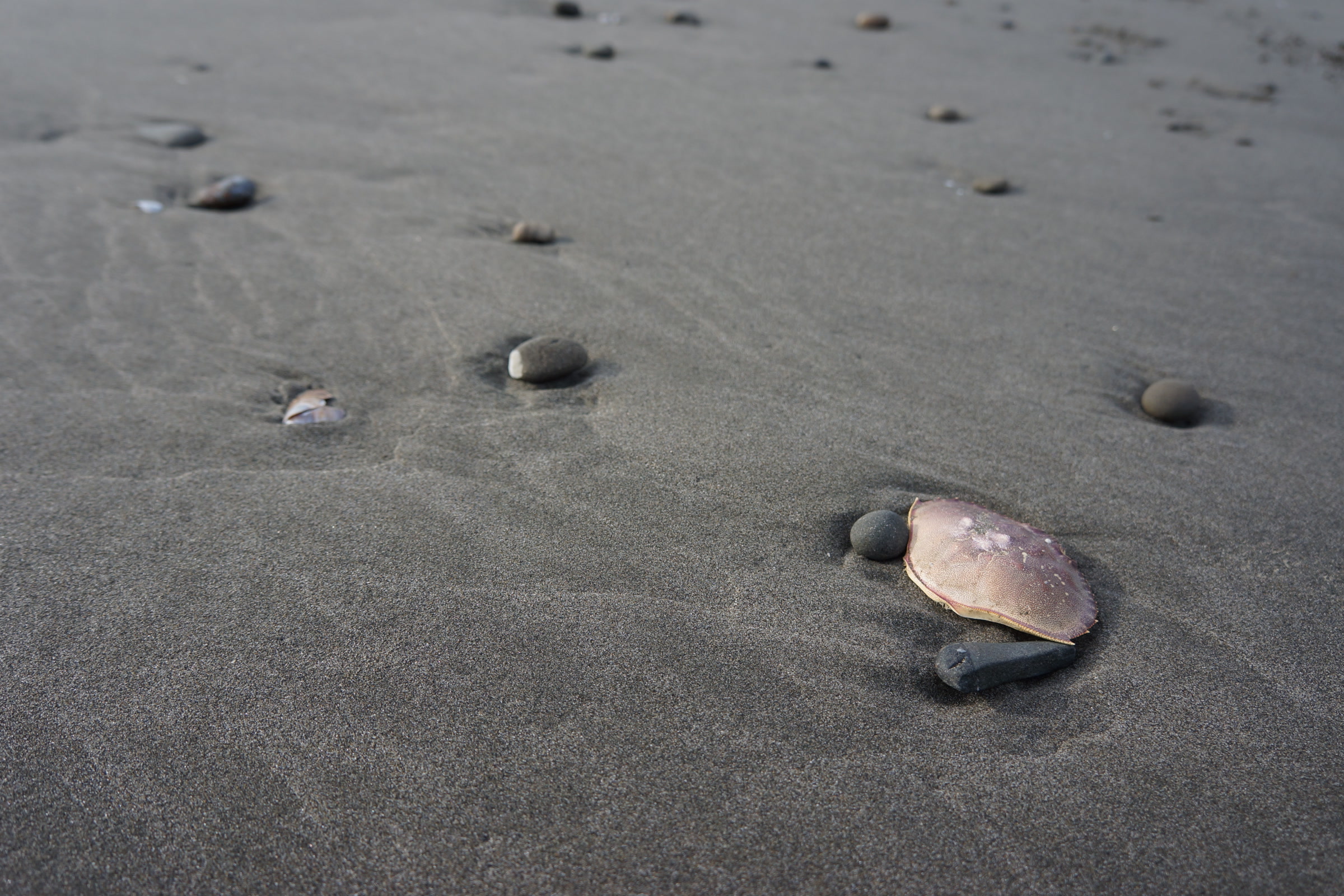
Shells, rocks and driftwood
Can you take shells?
Yes, within limits. The compendium allows unoccupied seashells on the ocean beaches, limited to a handful per person per park visit. Unoccupied is the key word: a shell with a hermit crab, snail or anything else living in it stays put, because the park protects every living organism on the beach and in tide pools.
Rocks and stones
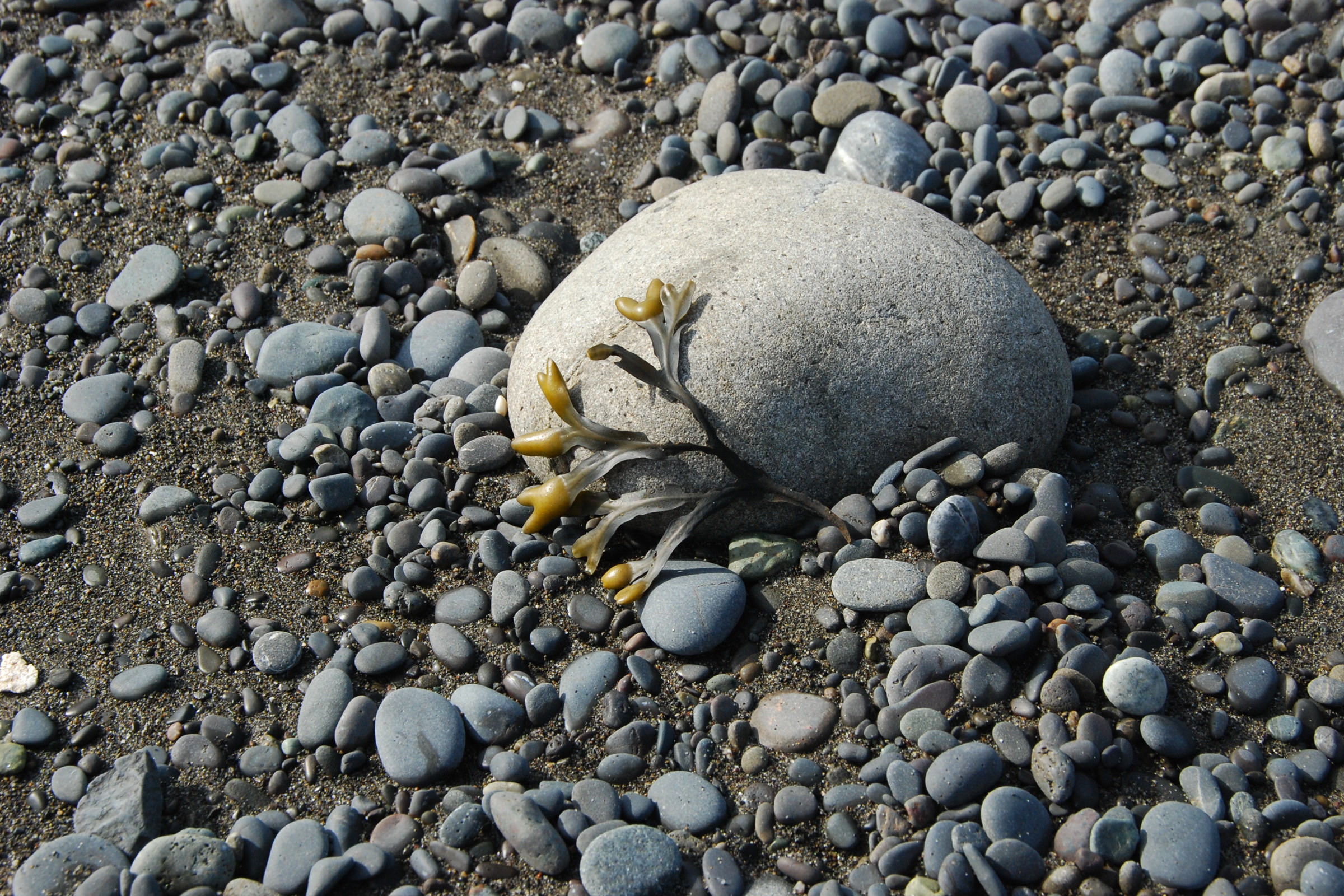
The smooth cobbles of the Kalaloch beaches and the garnet tinted sand at Ruby Beach are tempting, but they stay. Rocks fall under the general ban on collecting natural materials, and the compendium requires a permit for any specimen collection of rocks or minerals. Take a photo instead; our Ruby Beach guide explains where that colour comes from.
Driftwood
The compendium makes one exception for wood. At South Beach and Kalaloch campgrounds, driftwood 12 inches in diameter or less may be collected from the beach for firewood. It must be burned in those campgrounds and not removed from the park. Follow any signs posted at the campground too.
On the wilderness coast, the park also discourages building driftwood shelters or furniture, because it diminishes the coast’s wild character. Our Leave No Trace guide for Olympic coast beaches covers beach fire rules.
Glass floats on the Olympic Coast
Glass floats once held fishing nets up at sea, and finding one has been a beachcomber’s dream for generations. The park pages we checked don’t mention glass floats at all. A float is manufactured, so it is not one of the natural materials the compendium protects, but we couldn’t find an NPS rule that says you may keep one.
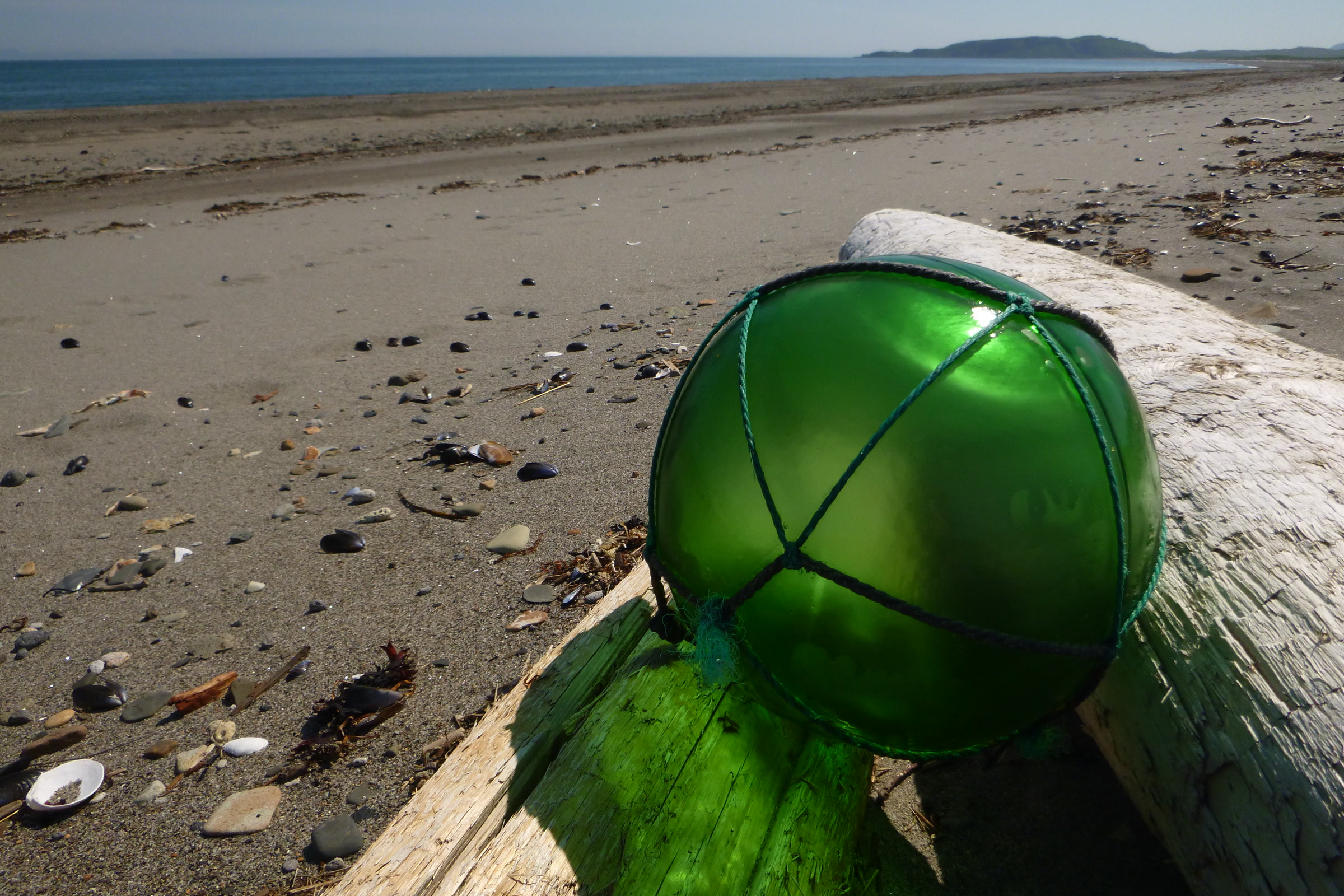
So our advice is simple. If you find a float, ask a ranger at the Kalaloch Information Station or a visitor center before you take it home. If barnacles or anything else are living on it, leave it, since every living thing on the beach is protected.

Tide pool etiquette for beachcombers
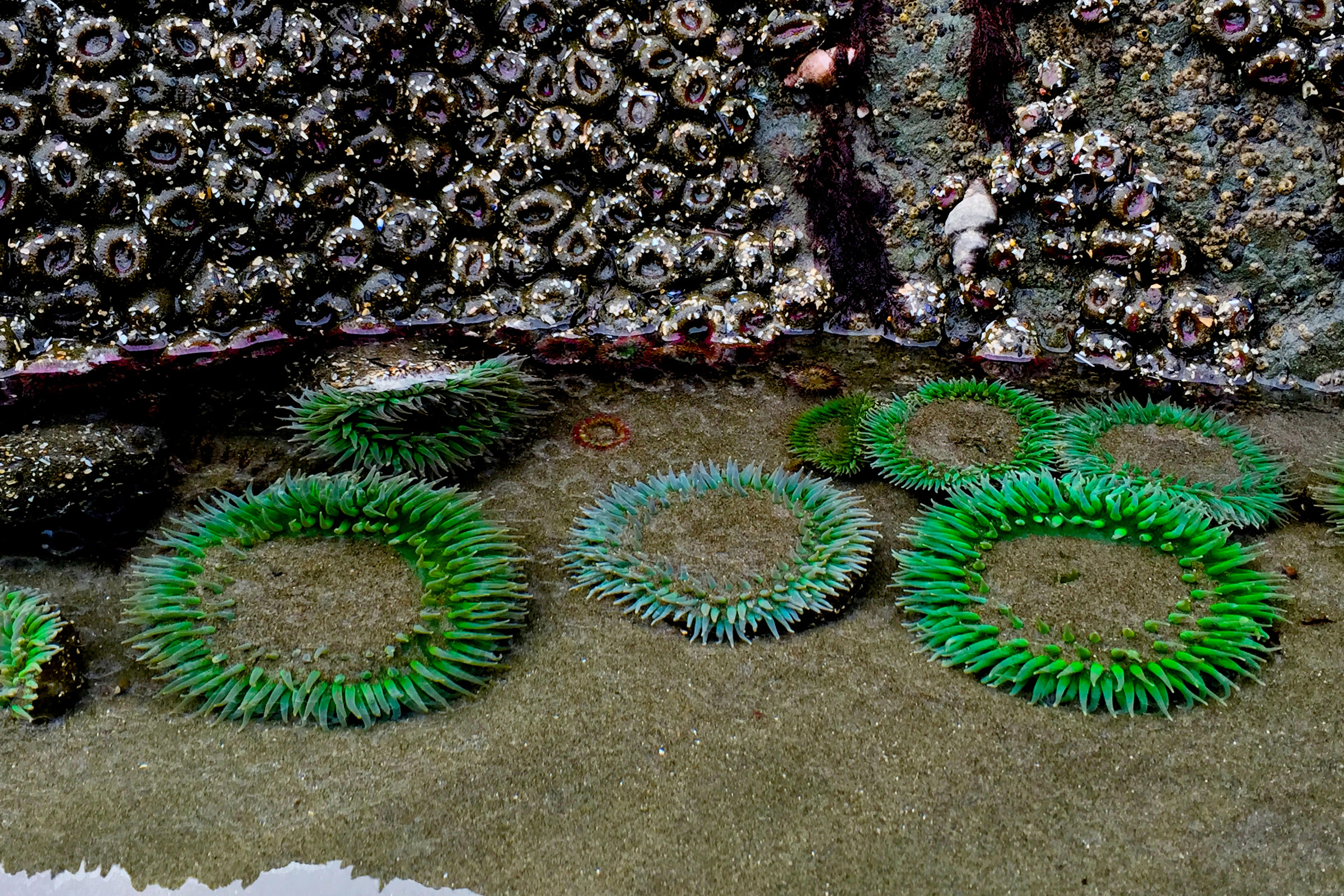
Good tide pool etiquette keeps the animals there alive: step on bare rock, put back any rock you lift exactly as you found it, and never pull an animal off its spot. The park’s fishing rules add that no fish or invertebrates may be taken for bait, and seaweed and kelp may not be harvested.
Digging clams or picking mussels is shellfishing, not beachcombing, and needs a Washington Shellfish/Seaweed licence, open seasons and limits. Our guide to razor clamming at Kalaloch explains how that works. For where and when to look, see our guide to Olympic National Park tide pools.
Marine debris: what to pick up and what to leave
Not everything on the sand belongs there. The NOAA Marine Debris Program’s handling guidelines say that if it is safe and practical, remove debris and recycle as much as you can. NOAA’s Olympic Coast National Marine Sanctuary lists the usual beach litter: plastic bottles, caps, rope and broken plastic.
- Pick up: plastic, bottles, rope and wrappers, as the park asks.
- Leave and report: metal cylinders or other containers. The park warns they may hold hazardous or explosive materials; note the type, any markings and the exact location, and tell a ranger.
- Unknown objects: NOAA’s rule is plain. If you don’t know what an item is, don’t touch it.

For bigger loads, organized cleanups make a real difference. Our beach cleanups in Olympic National Park page explains how volunteers haul debris off these beaches each year.
Stay safe around drift logs and tides
The park warns that waves can move beach logs, which can crush and kill, and it asks visitors not to play on beach logs, especially when the tide is high. Storms and strong winds can push tides well above what the chart predicts.

- Carry a tide chart and know the times; the park says not to guess. Kalaloch charts are at the Kalaloch Information Station.
- Walk on open sand, not across log piles in the surf zone.
- Watch the water, and turn back early on a rising tide.
Our guide to Olympic Coast tides and hiking safety explains how to read a tide table before you go.
How Friends of Olympic National Park helps
We are Friends of Olympic National Park (FONP), a volunteer led friends group in Port Angeles. Beach and Visitor Center Cleanups are one of our seven projects, and in April 2026 our volunteers joined the Spring Coastal Cleanup in the Kalaloch area. If you already pick up a bottle or two on your walks, see our volunteer opportunities and join us for the next one.
Frequently asked questions
Can you take shells from Olympic National Park beaches?
Yes, a handful of empty, unoccupied seashells per person per park visit. Any shell with a living animal in it must stay, because all living things on the beach and in tide pools are protected.
Can you take rocks from Ruby Beach or Kalaloch?
No. Collecting natural materials in Olympic National Park is generally prohibited, and the park requires a permit for any specimen collection of rocks or minerals. Take a photo instead.
Can you collect driftwood in Olympic National Park?
Only as firewood at South Beach and Kalaloch campgrounds, in pieces 12 inches in diameter or less. It must be burned in those campgrounds and not removed from the park.
Can you keep a glass float found on the Olympic Coast?
The park pages we checked do not mention glass floats. Ask a ranger before taking one, and leave any float that has barnacles or other living things on it.
What should you do if you find a metal drum on the beach?
Do not touch it. The park says washed up cylinders may hold hazardous or explosive materials. Note the type, markings and exact location, and report it to a ranger.
Leave a Reply