
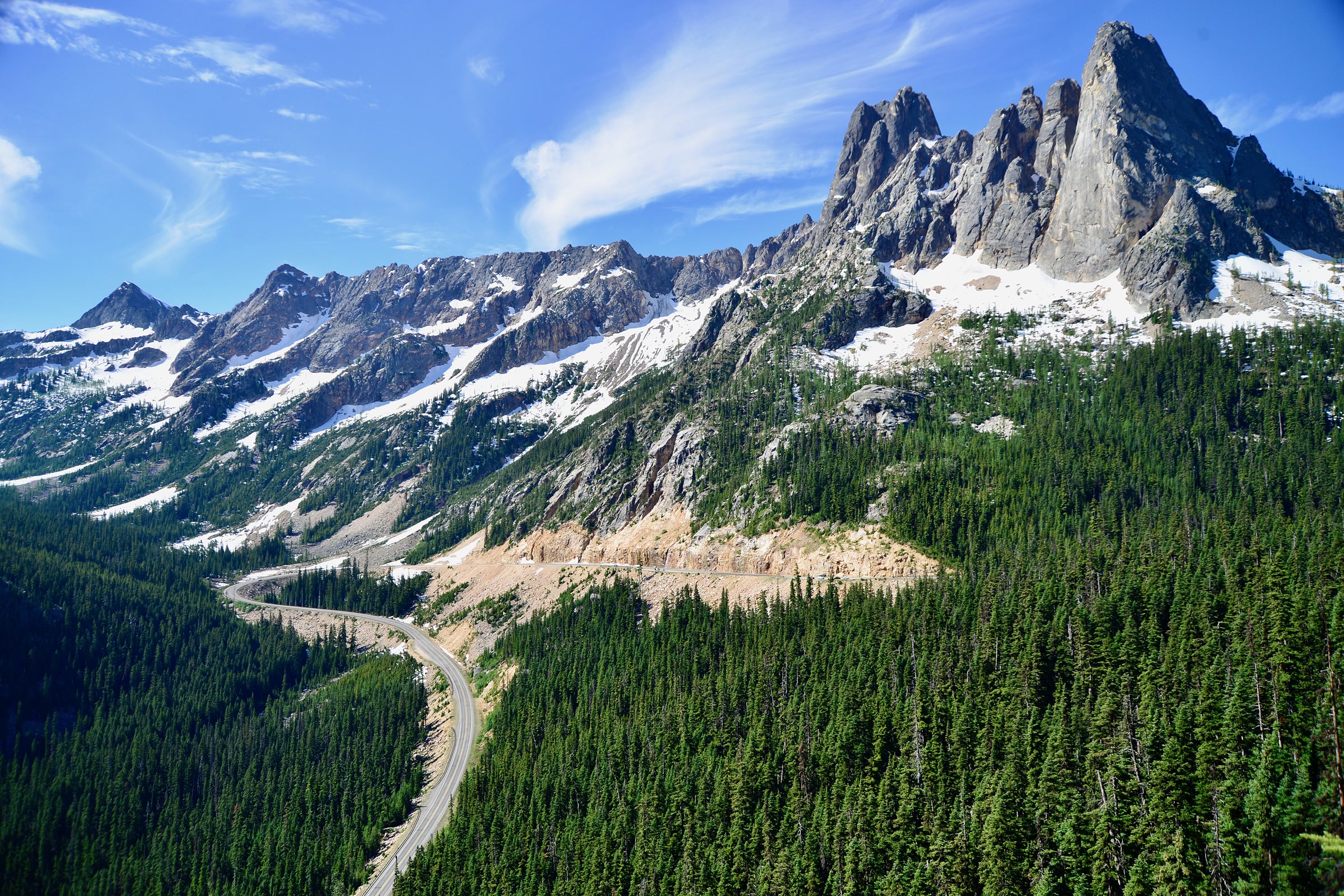
Olympic National Park vs North Cascades is a fair question for anyone who loves big, wild mountains. Both Washington national parks are mostly designated wilderness, and both hold glaciers, but they differ in landscape, access and cost. Here is what the National Park Service publishes for each, so you can choose by interest rather than by any ranking.
Quick answer
How do Olympic National Park and North Cascades compare?
Olympic National Park, established in 1938, combines glacier capped mountains, temperate rain forest and over 70 miles of wild coast, with a $30 vehicle fee. North Cascades, established in 1968, is an alpine park crowned by more than 300 glaciers, reached mainly by Highway 20, and charges no entrance fee. Both are mostly designated wilderness.
- North Cascades has more than 300 glaciers
- Highway 20 usually closes over the passes in winter
- No entrance fee at North Cascades
- Only Olympic has an ocean coast
Olympic National Park vs North Cascades at a glance
Figures come from each park’s NPS pages and WSDOT. Fees and access are as of October 2026; check the NPS page before you go.
| Feature | Olympic | North Cascades |
|---|---|---|
| Established | 1938 (a national monument from 1909) | October 2, 1968, by Congress |
| Units | One national park | A park plus Ross Lake and Lake Chelan national recreation areas |
| Landscapes | Mountains, rain forest and coast | Jagged peaks, glaciers and forested valleys |
| Glaciers | 184 counted in 2009 | More than 300 |
| Wilderness | Daniel J. Evans Wilderness, about 95 percent of the park | Stephen Mather Wilderness, about 634,614 acres |
| Main road access | US 101 circles the park; spur roads lead in | State Route 20, the North Cascades Highway |
| Entrance fee | $30 per private vehicle, seven days | None |
| Overnight backcountry | $8 per person per night plus $6 permit fee | $10 per person plus $6 fee |
Glaciers in both parks
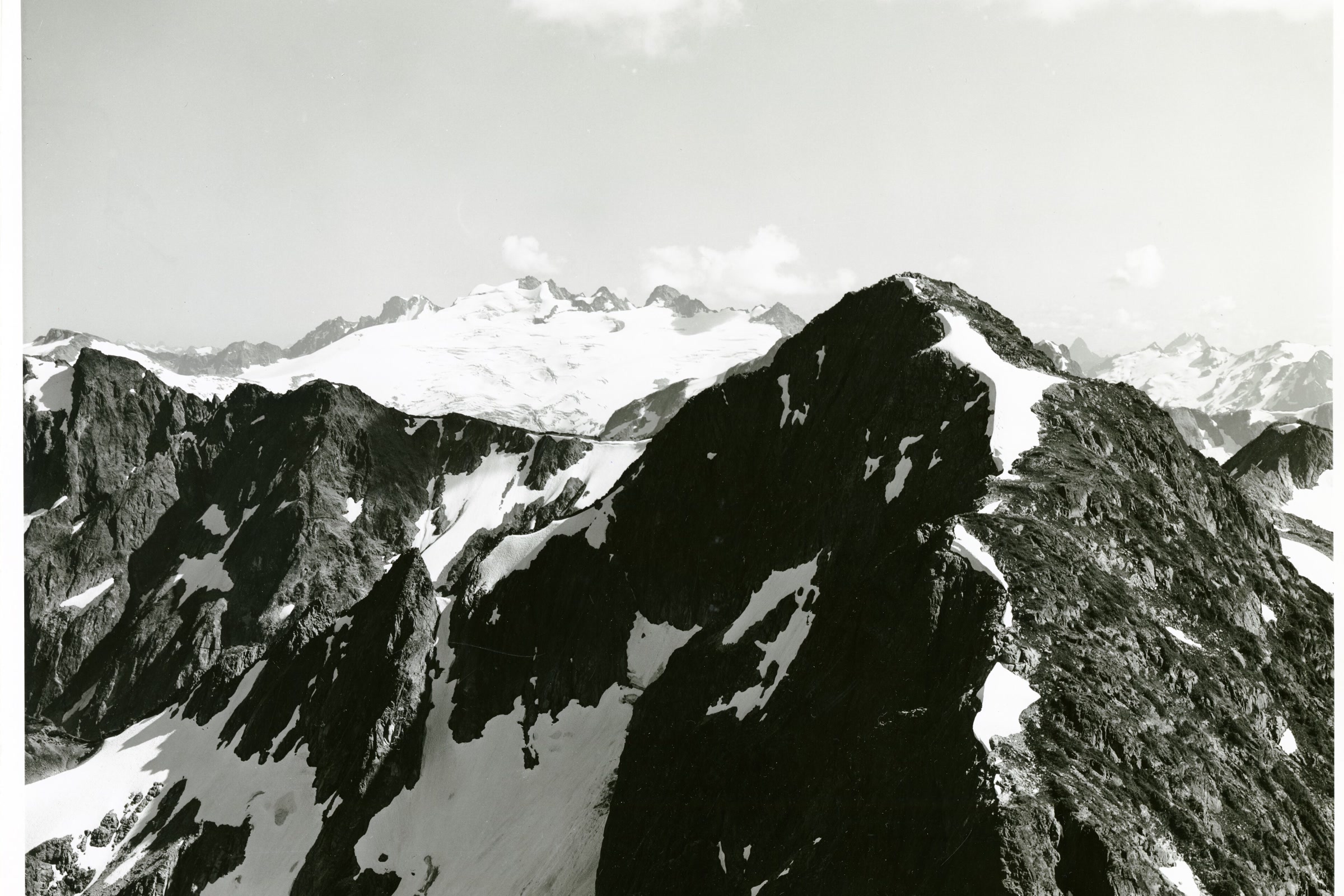
North Cascades is the ice country. The NPS says the park complex holds more than 300 glaciers and countless snowfields, making it the most heavily glaciated area in the United States outside Alaska. Most of those glaciers have shrunk dramatically over the last century, and the park runs a long term glacier monitoring program.
Olympic’s largest glacier, the Blue Glacier, lies on Mount Olympus. The park counted 184 glaciers in 2009, down from 266 in 1982. Our guide to Olympic National Park glaciers and climate change follows the Blue Glacier and what melting means for rivers and salmon.
Rugged access and the Highway 20 corridor
Access works differently in each park. At Olympic, no road crosses the park; US 101 loops around the peninsula and spur roads reach places like Hurricane Ridge, the Hoh and the coast. Our guide to getting to Olympic National Park covers ferries, flights and drive times.
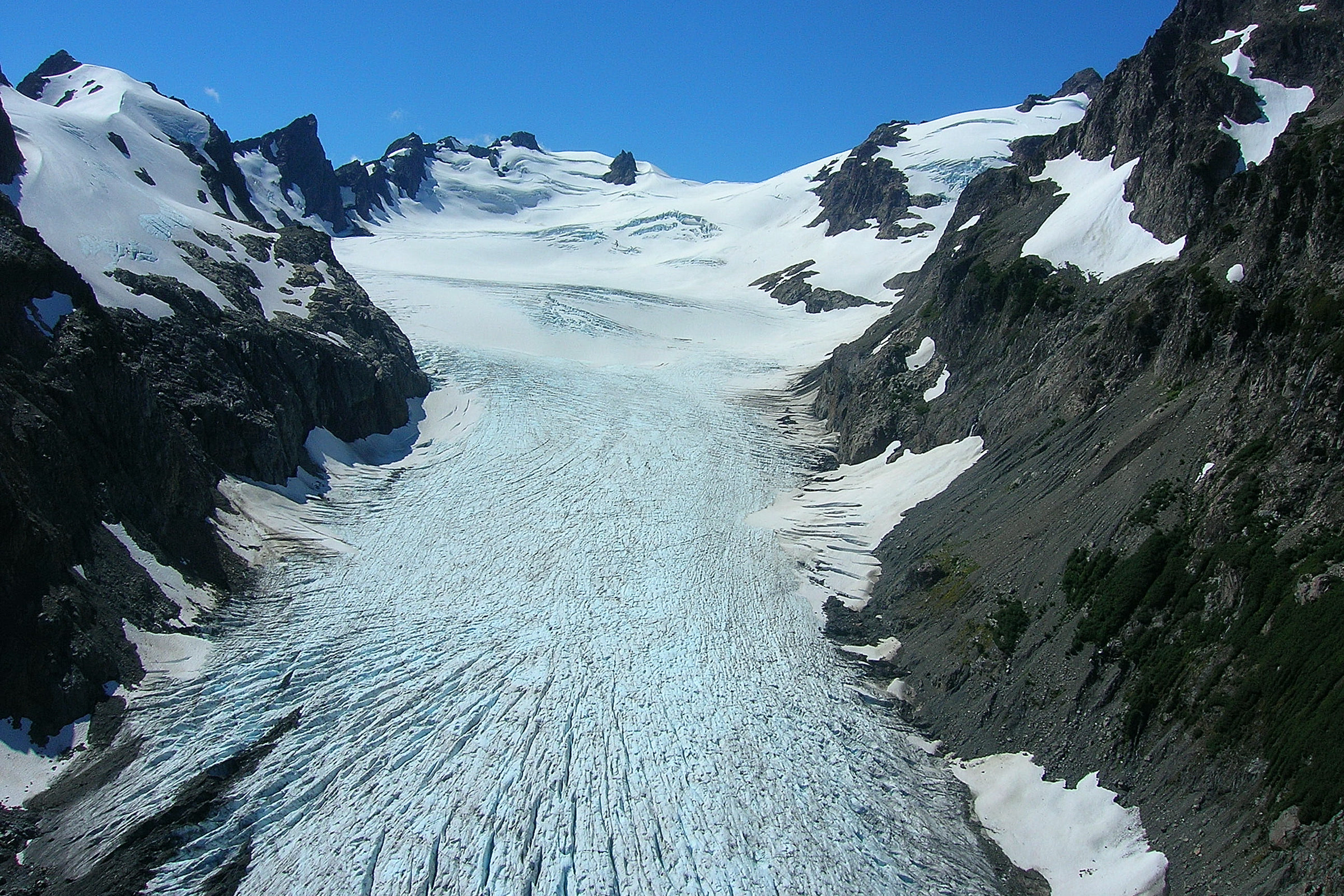
North Cascades is reached mainly by State Route 20, the North Cascades Highway, which leaves Interstate 5 at Burlington and runs east toward Twisp and Okanogan. The NPS describes the park as less than three hours from Seattle. The Silver Skagit Road, 37 miles of gravel, is the only road to the Ross Lake shoreline.
The winter closure
The highway’s high section closes every winter. The NPS says it is typically closed from late November to early May, with dates that vary by year. The Washington State Department of Transportation closes it between Ross Dam Trailhead (milepost 134) and the Silver Star gate (milepost 171) because of avalanche danger, over Rainy Pass at 4,862 feet and Washington Pass at 5,475 feet.
WSDOT’s mountain pass closure and opening dates table lists every season. By our reading of it, from 2019 to 2025 the road reopened between mid April and mid May and closed between early November and mid December. As of October 2026, check WSDOT and the NPS conditions page before you go.
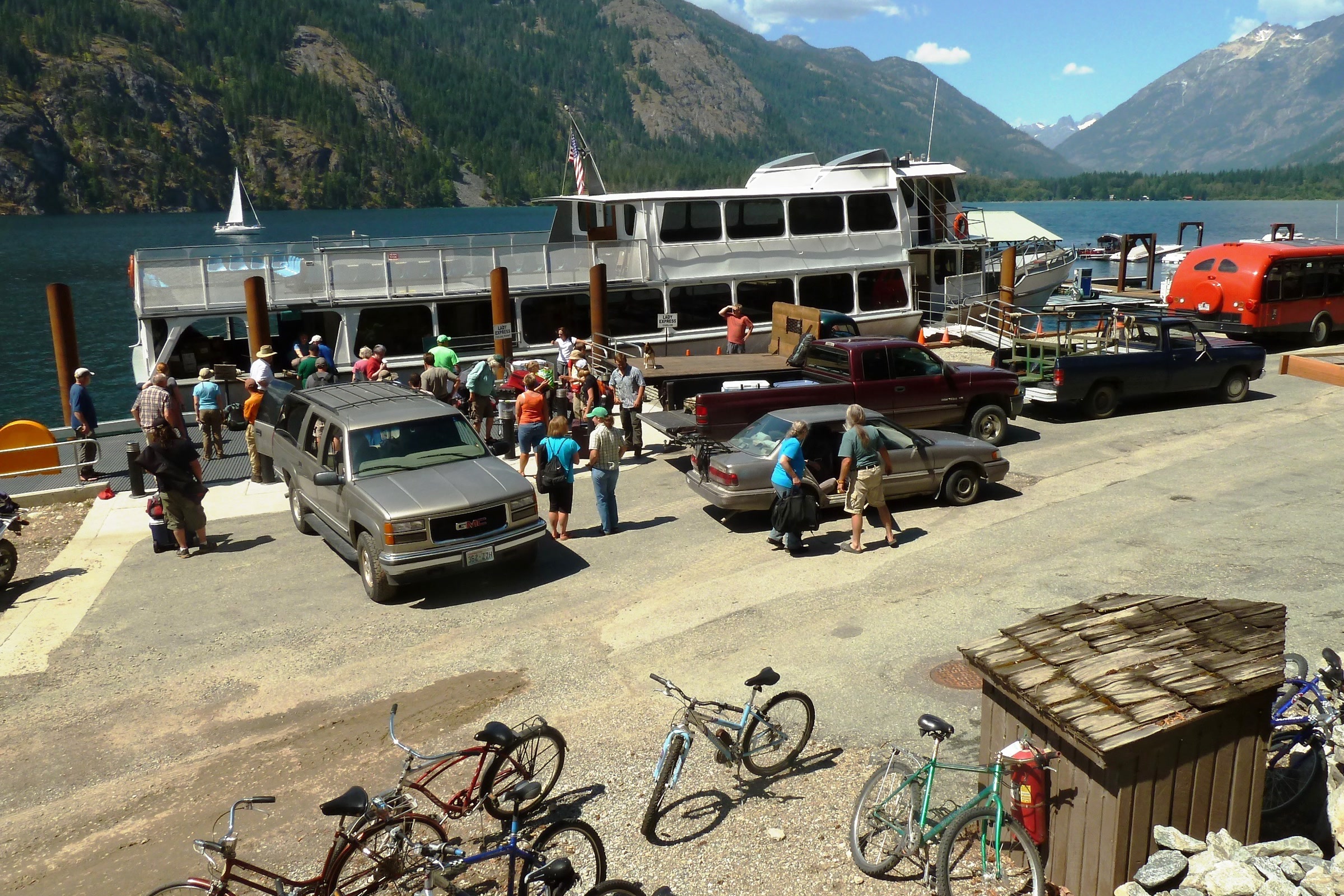
Stehekin: no road in
Stehekin, at the head of Lake Chelan, has no car access. The NPS lists three ways in: the passenger ferry from Chelan, floatplane, or a hike, from the Cascade Pass trailhead, the Pacific Crest Trail near Rainy Pass, or the Twisp River Road.
Visitation and seasons
At North Cascades, the NPS says summer, usually June through September, is the most popular time, and summer weekends and holidays can be very crowded. Olympic also names June through September as its most popular months, when most roads and facilities are open.
Outside summer the parks feel different. Many North Cascades facilities open only in summer, and the highway’s high section closes in winter. Olympic stays open all year, though some roads and facilities close from October through May. See our best time to visit Olympic National Park guide.
Wilderness character
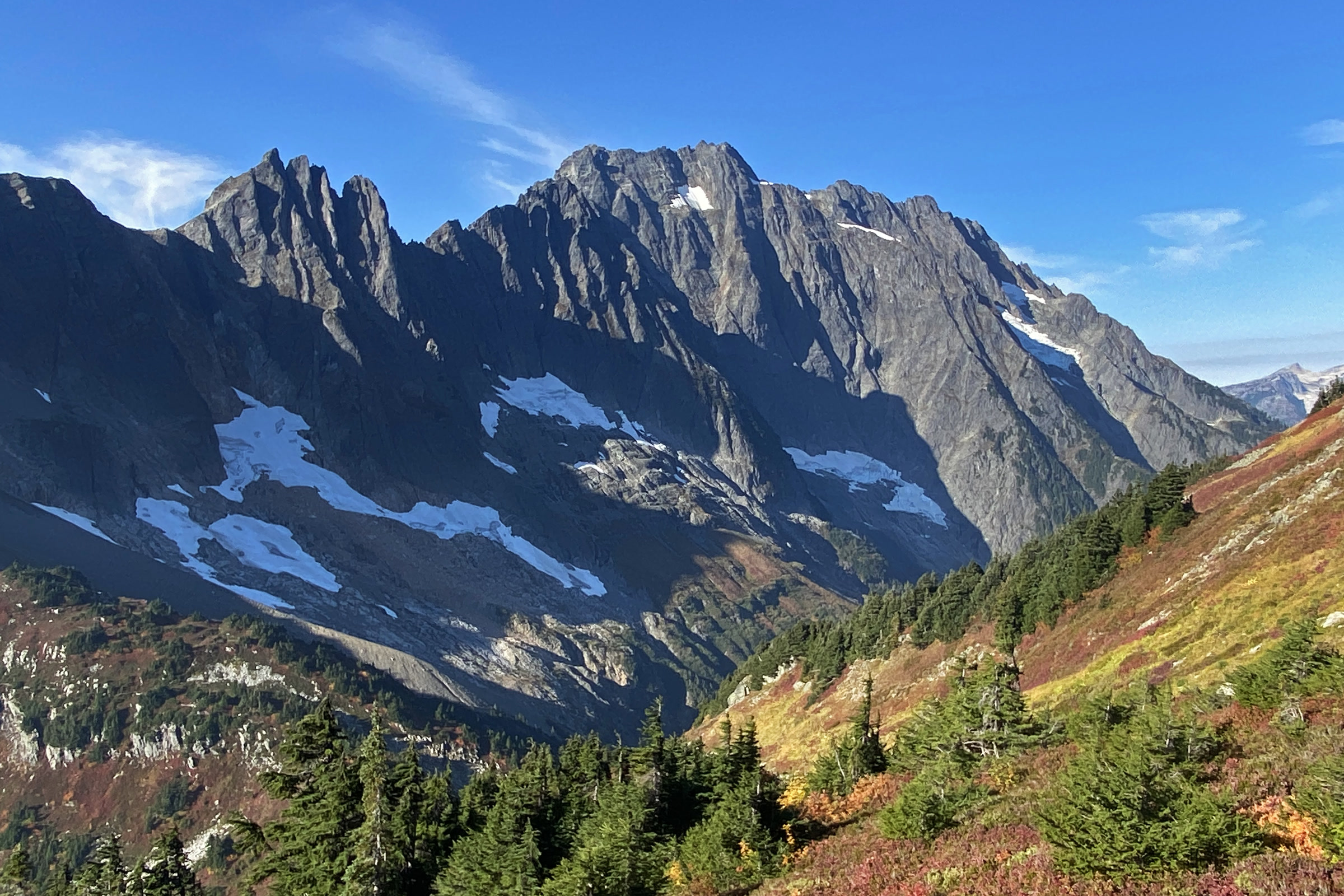
Both wildernesses come from the same law, the Washington Park Wilderness Act, signed on November 16, 1988. At North Cascades it created the Stephen Mather Wilderness, about 634,614 acres across the park and both recreation areas. The NPS notes the park’s contrasts: moisture loving communities in the west and fire adapted ones in the east.
At Olympic the same act set aside 877,000 acres, now the Daniel J. Evans Wilderness, about 95 percent of the park.
Fees and permits
As of October 2026, the North Cascades fees page lists no entrance fee, though shuttles, ferries and parking can cost extra. Many trailheads on neighbouring national forest land need a Northwest Forest Pass, $5 a day or $30 a year. A backcountry camping permit costs $10 per person, with youth 15 and under free, plus a $6 fee.
Olympic charges $30 per private vehicle for seven days, or $55 for a park annual pass, and does not accept cash. Our guide to Olympic National Park entrance fees lists every pass. Fees change, so check the NPS page before you go.
North Cascades or Olympic: choosing by interest
- Glaciers and jagged alpine peaks: North Cascades holds more than 300 glaciers.
- A scenic drive with mountain views: Highway 20 in summer, or Hurricane Ridge at Olympic.
- Beaches, tide pools and rain forest: only Olympic has them.
- A trip by boat: the ferry to Stehekin.
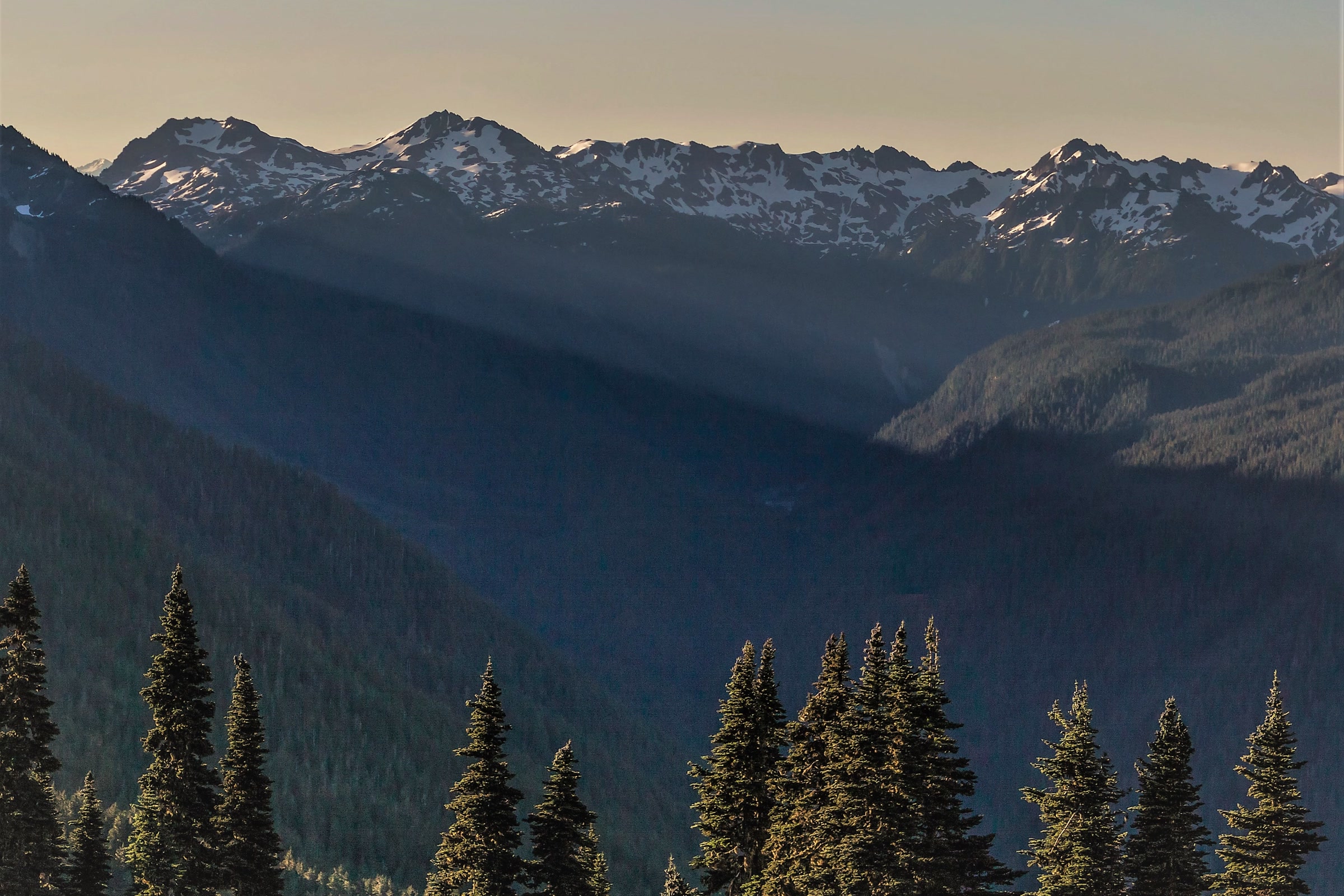
What makes Olympic distinct is its range: glaciated peaks, old growth temperate rain forest and a wild Pacific coast in one park. Also weighing Mount Rainier? Read our Olympic National Park vs Mount Rainier comparison.
How Friends of Olympic National Park helps
We are Friends of Olympic National Park (FONP), a volunteer led friends group in Port Angeles. Our projects include beach cleanups on the coast and care of the Heart O’ the Forest Trail. If Olympic’s wild country matters to you, please become a member and help us look after it.
Frequently asked questions
Does North Cascades National Park charge an entrance fee?
No. As of October 2026 there is no fee to enter the North Cascades National Park Service Complex. Backcountry permits, shuttles, ferries and some parking cost extra.
When does the North Cascades Highway close?
Every winter. The NPS says it is typically closed from late November to early May, and WSDOT closes it between Ross Dam Trailhead and the Silver Star gate because of avalanche danger. Dates vary, so check WSDOT before you go.
Which park has more glaciers, Olympic or North Cascades?
North Cascades. The NPS says its park complex holds more than 300 glaciers, in the most heavily glaciated area of the United States outside Alaska. Olympic counted 184 glaciers in 2009.
How do you get to Stehekin?
Not by car. The NPS lists the passenger ferry from Chelan, floatplane service, and hiking routes from Cascade Pass, the Pacific Crest Trail near Rainy Pass, or the Twisp River Road.
Are Olympic and North Cascades mostly wilderness?
Yes. The Washington Park Wilderness Act of 1988 created the Stephen Mather Wilderness, about 634,614 acres, at North Cascades and the wilderness now named for Daniel J. Evans, about 95 percent of Olympic.
Leave a Reply