
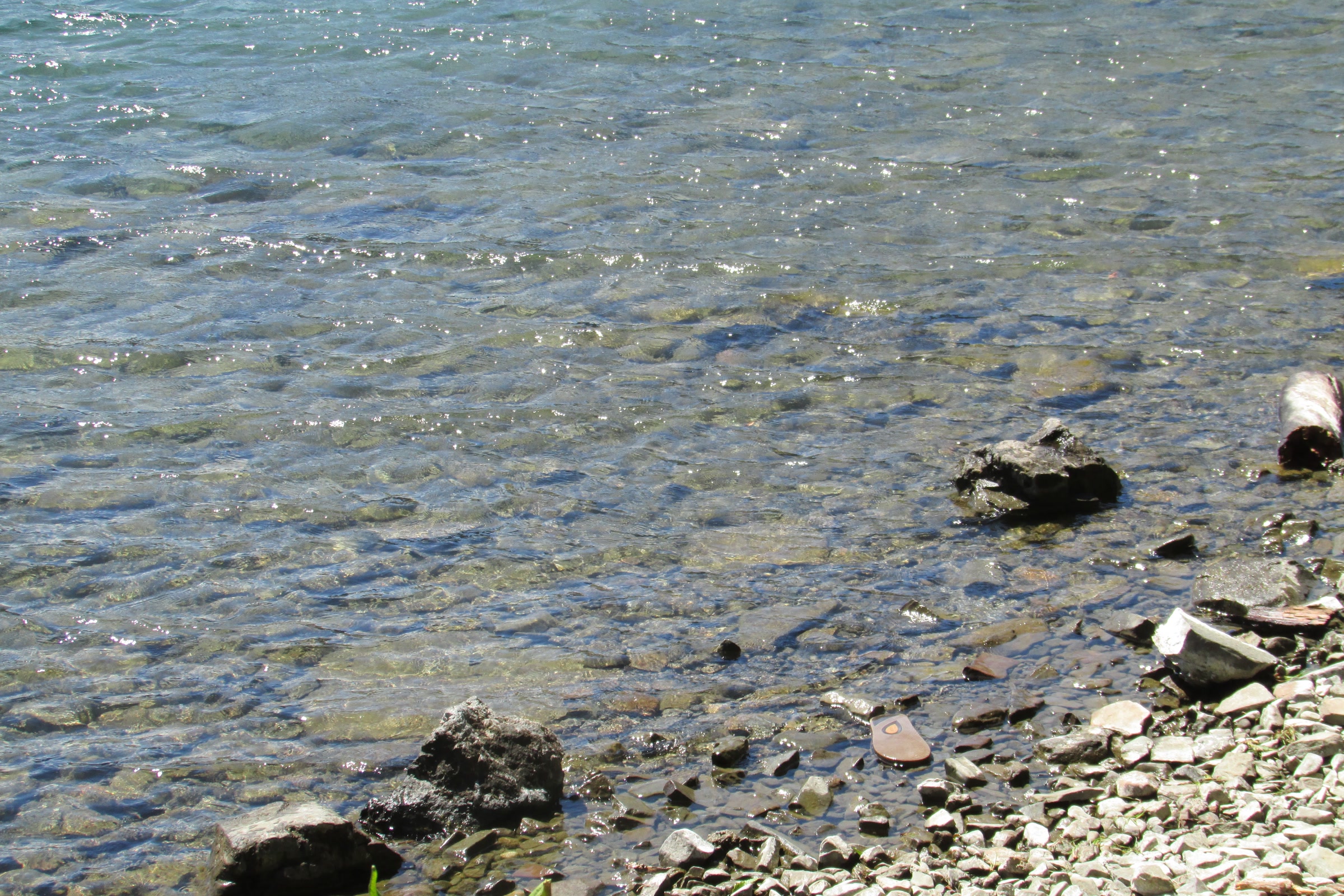
Swimming in Olympic National Park is allowed, but the water is colder and deeper than most visitors expect. The clear lakes look inviting, and the park has seen drownings there. Here is where people swim, what the park’s rules say, and how to come home safe.
Quick answer
Can you go swimming in Olympic National Park?
Yes. Swimming in Olympic National Park is allowed, and Lake Crescent is the best known spot, at places like East Beach and Devil’s Punchbowl. The water is deep and very cold. At Lake Crescent and Lake Ozette you must stay within 50 yards of shore unless a boat is within 10 yards of you.
- Lake Crescent is very cold and deep
- 50 yard swim limit at Crescent and Ozette
- Cold shock can make you gasp
- Rip currents and rolling logs on the coast
- Use a buddy system and a life jacket
Where people swim in the park
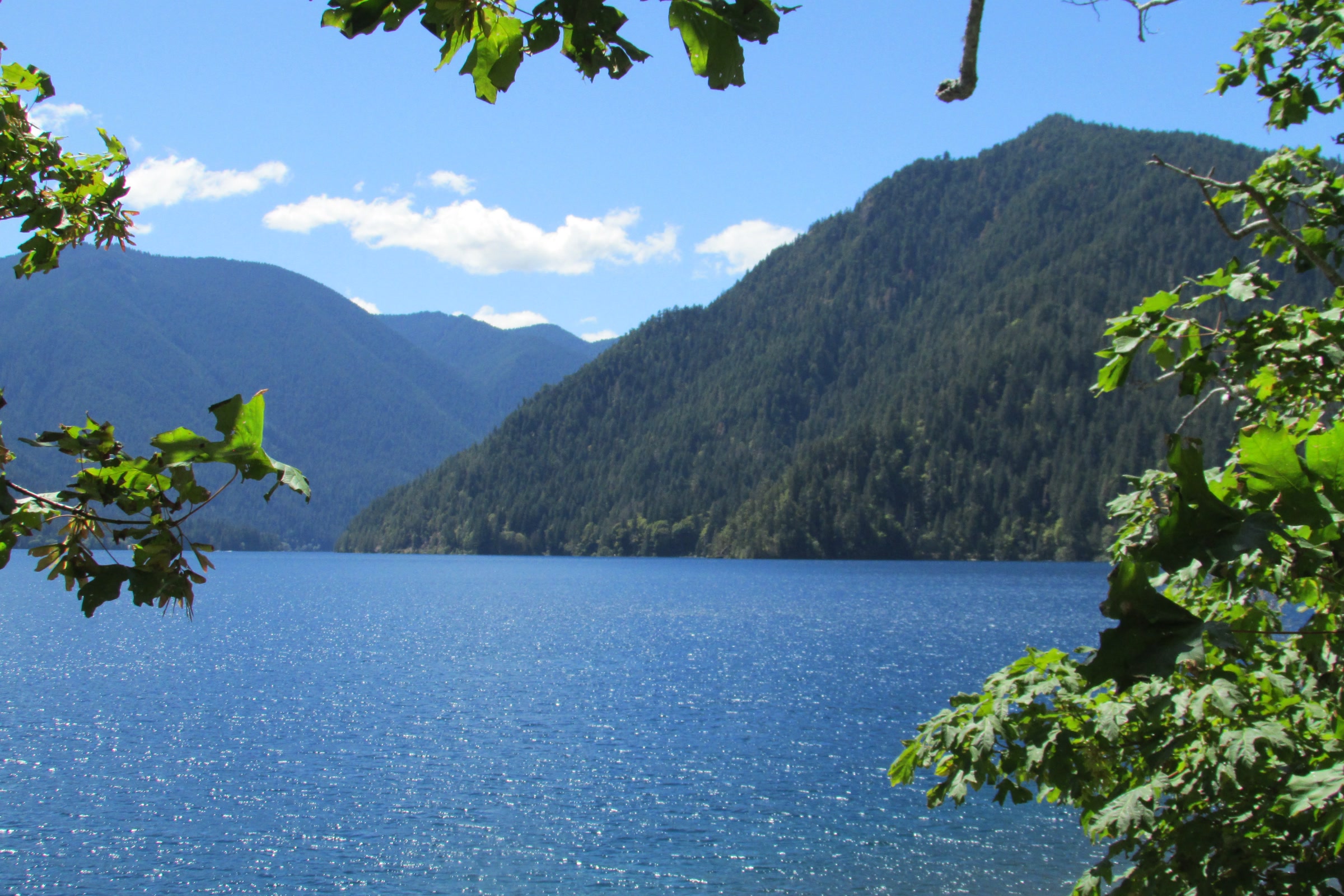
Lake Crescent is where most summer swimmers go. The park’s rules name swim areas at East Beach and the Fairholme boat launch, and a park release calls Devil’s Punchbowl a popular swimming area. The lake drops to 624 feet, as our Lake Crescent guide explains.
Lake Ozette has the same distance rule as Lake Crescent, and the park warns of sudden strong winds there and afternoon winds on Lake Quinault. Our guide to the lakes of Olympic National Park covers each one.
Swimming spots and risks compared
| Water | What the park says | Rule or advice |
|---|---|---|
| Lake Crescent | Deep and very cold | Stay within 50 yards of shore unless a boat is within 10 yards |
| Devil’s Punchbowl | Deep water, rocky shoreline | Buddy system and a life jacket |
| Lake Ozette | Sudden strong winds and waves | Same 50 yard limit |
| Lake Quinault | Afternoon winds are common | Be prepared on the water |
| Rivers | Can rise fast; log jams on the Hoh | Scout ahead; no swim areas named |
| Ocean beaches | Rip currents; waves roll logs | Stay off beach logs; watch the tide |
How cold is the water?
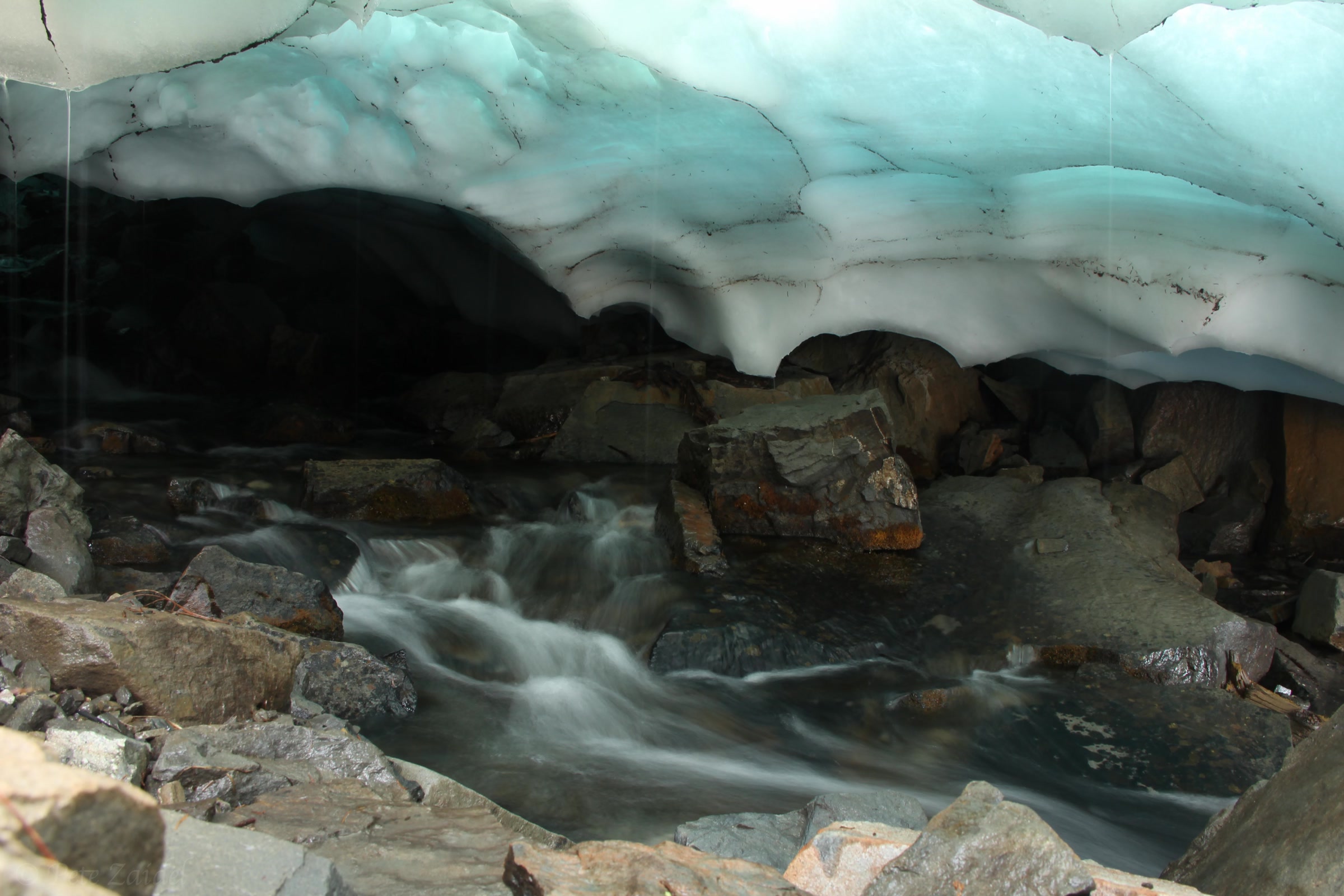
Colder than it looks. The park’s boating page says water temperatures are consistently below 50 degrees. A June park release put Lake Crescent’s surface near 50 degrees, and even in late August another release said the lake averages around 66 degrees.
The park reminds visitors that warm air doesn’t always mean warm water in lakes, streams or the ocean. Enter slowly, because cold water can drain body heat quickly and lead to cold shock or hypothermia.
Cold water shock and hypothermia
The National Weather Service says sudden immersion can trigger gasping for the first 2 to 3 minutes, and breathing in water then can drown you. Its cold water safety page says gasping can start in water as warm as 77 degrees, and cold shock can be just as severe at 50 to 60 degrees.
After the first shock, the body keeps cooling, and hypothermia begins when core temperature falls to 95 degrees. The park adds that cold water affects breathing first and later the ability to move your arms and legs.
If you fall in, the Weather Service advises staying calm and getting out as soon as you safely can. If you can’t, save energy, keep your head out of the water and draw your knees to your chin to hold heat while you wait for help. Our hiking safety in Olympic National Park guide covers hypothermia on land.
Lake Crescent swimming rules
The park’s superintendent’s compendium allows swimming and wading in park waters, subject to closures. As of October 2026 it sets these rules at the lake, so check the NPS page before you go:
- Distance: no swimming farther than 50 yards from shore unless a boat is within 10 yards of you. The same rule applies on Lake Ozette.
- Glass: no glass containers within 100 yards of the East Beach parking lot or the Fairholme boat launch, or on the shore from Barnes Point to Bovee’s Meadow.
- Alcohol: not allowed on the beach and swim areas at East Beach and the Fairholme boat launch.
- Snorkeling: closed within 100 yards of the East Beach parking lot from May 1 to September 30.
Devil’s Punchbowl and cliff jumps
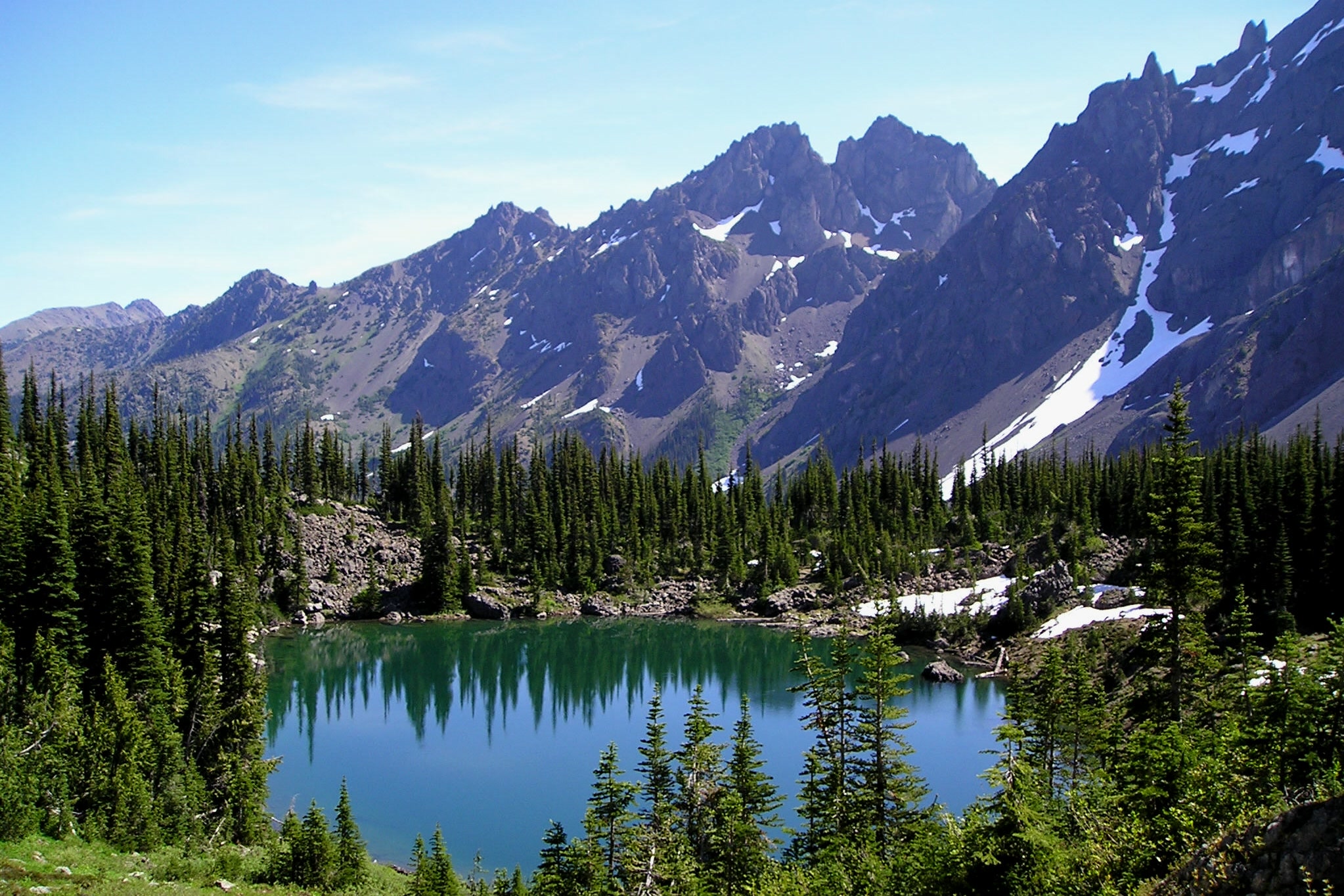
Devil’s Punchbowl draws jumpers as well as swimmers. In 2022 a man drowned there after jumping from a 40 foot cliff; the park said he resurfaced but could not climb out on the rocky shoreline. The park asks swimmers to use a buddy system and a life jacket and to understand the hidden hazards of natural waters.
Don’t count on a lifeguard. After an earlier drowning, the park pointed to “the dangers associated with swimming, especially in areas without lifeguards,” and we found no lifeguarded swim area listed on its pages.
Why rivers are dangerous for swimming
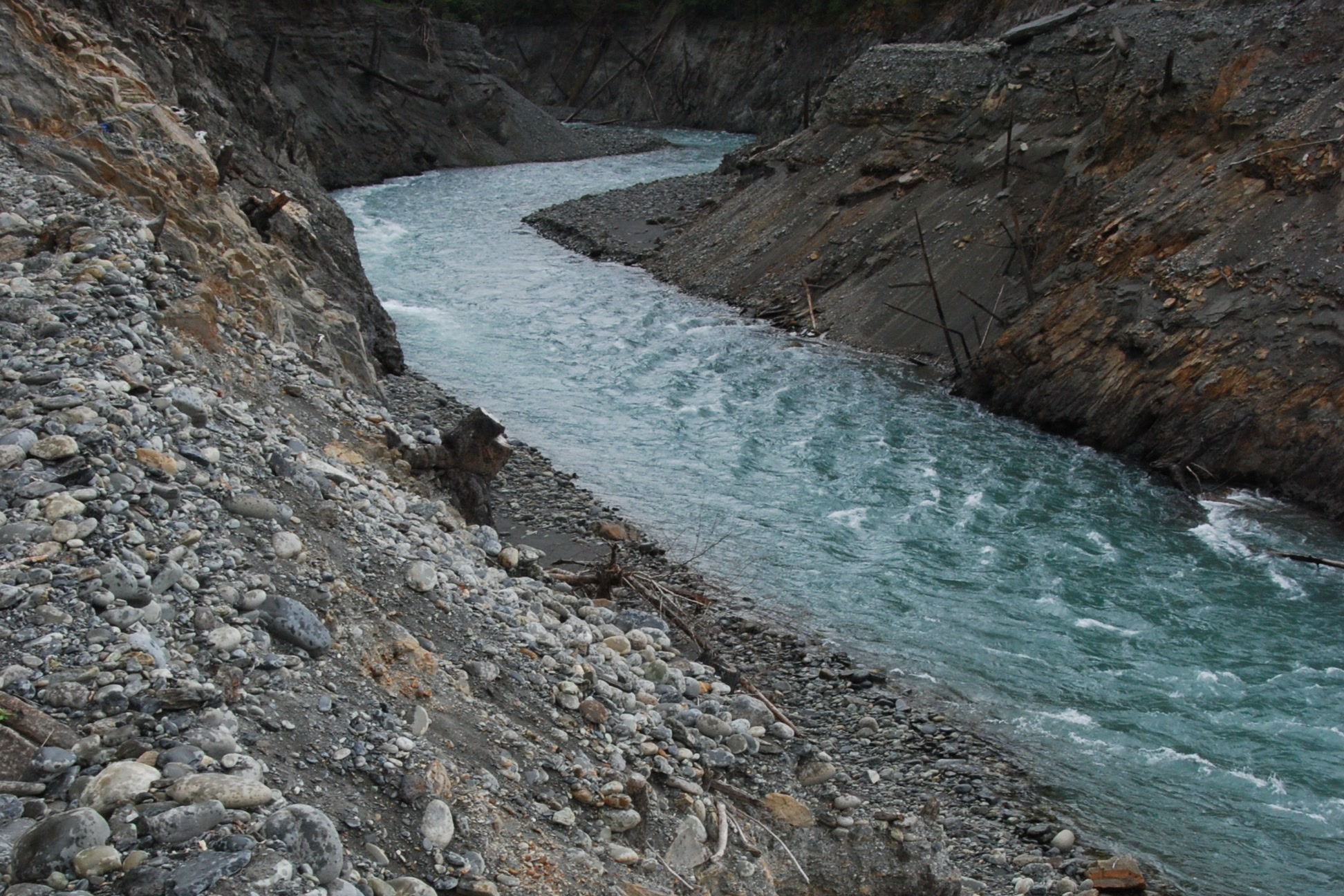
Many of the park’s rivers carry snowmelt and glacier water, and they move fast. The park warns that the Queets can rise within hours when rain comes, and its boating page says the Hoh River is frequented with log jams, so scout ahead. Natural waters also hide hazards you can’t see from the bank.
The compendium names no river swim areas. If you wade to cool off, stay in slow, shallow water near shore and keep children within reach. See our guide to the rivers of Olympic National Park.
The ocean is not a swimming beach
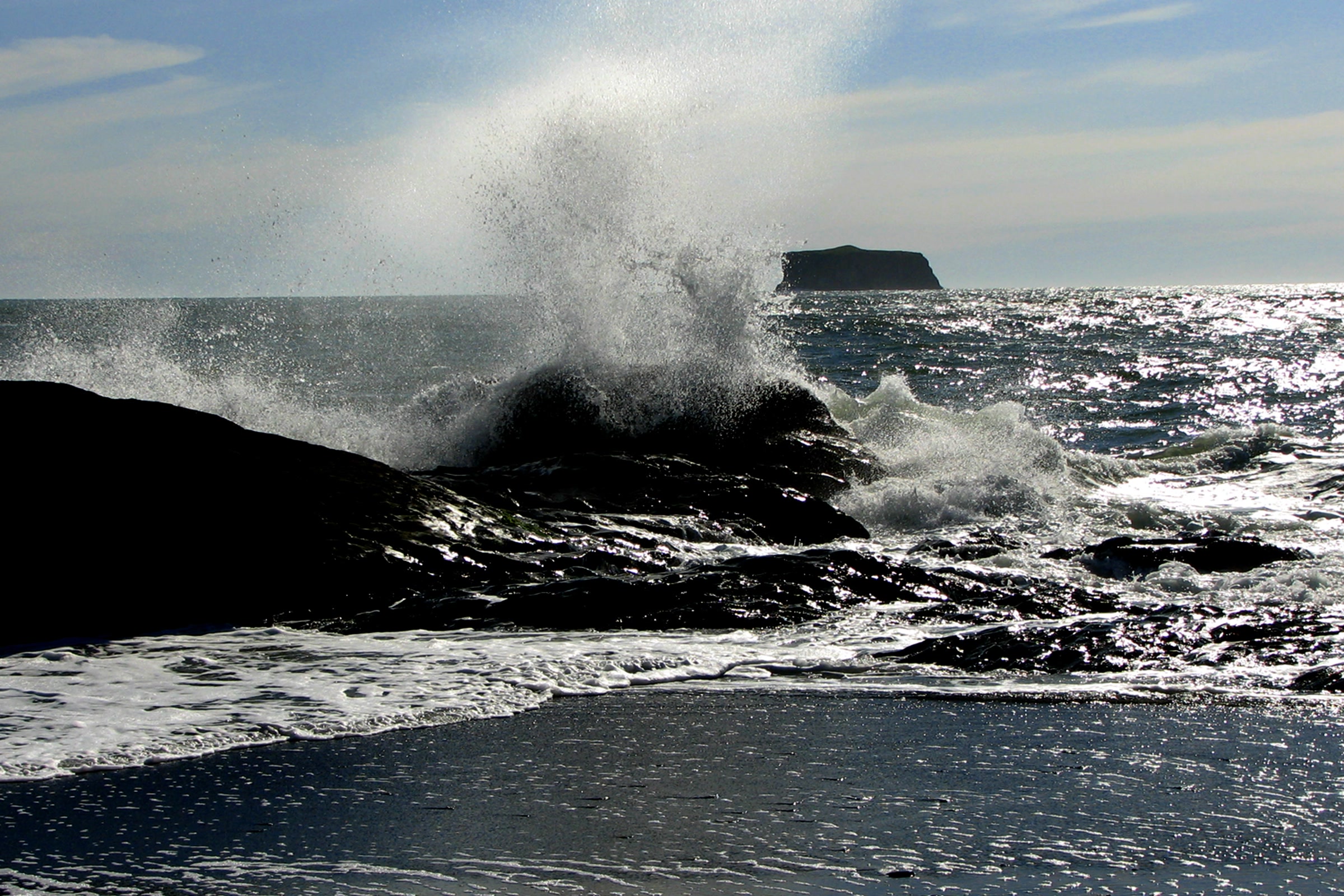
The park’s beach safety advice is blunt: rip currents are dangerous. Powerful waves can roll and tumble driftwood logs, so don’t play on beach logs, especially at high tide.
If a rip current pulls you out, the NPS advises swimming parallel to the beach until you are free of it. Read our Olympic coast tides and hiking safety guide before any beach walk, including how sneaker waves surge far up the sand.
Life jackets and the buddy system
The park asks everyone on the water to wear a life jacket. Washington law requires life jackets aboard most boats, including kayaks and paddleboards, and the park says to choose one that is Coast Guard approved, fits snugly and is rated for the wearer’s weight. Weak swimmers should wear one in the water too.
Swim with a buddy, and keep an adult watching every child. Plan your dip for a calm morning, since the park says afternoon winds on Lake Crescent can quickly raise waves of a foot or more.
How Friends of Olympic National Park helps
We are Friends of Olympic National Park (FONP), a volunteer led friends group in Port Angeles. Our volunteers pick up litter at beach cleanups in Olympic National Park, so the shores you swim from stay clean. When you become a member, you help us care for the park year round.
Frequently asked questions
Can you swim in Lake Crescent?
Yes. Swimming is allowed, with swim areas at East Beach and the Fairholme boat launch. You must stay within 50 yards of shore unless a boat is within 10 yards of you, and the park says the lake is deep and very cold.
How cold is Lake Crescent?
Very cold. A park release put the surface near 50 degrees in June, and even in late August the lake averages around 66 degrees. Cold shock can make you gasp in water that temperature.
Are there lifeguards in Olympic National Park?
Do not count on one. The park has warned of the dangers of swimming in areas without lifeguards, and we found no lifeguarded swim area on its pages. Swim with a buddy and wear a life jacket.
Can you swim in the ocean at Olympic National Park?
It is not a swimming coast. The park warns that rip currents are dangerous and that waves can roll heavy driftwood logs. Stay off beach logs and watch the tide.
Leave a Reply