
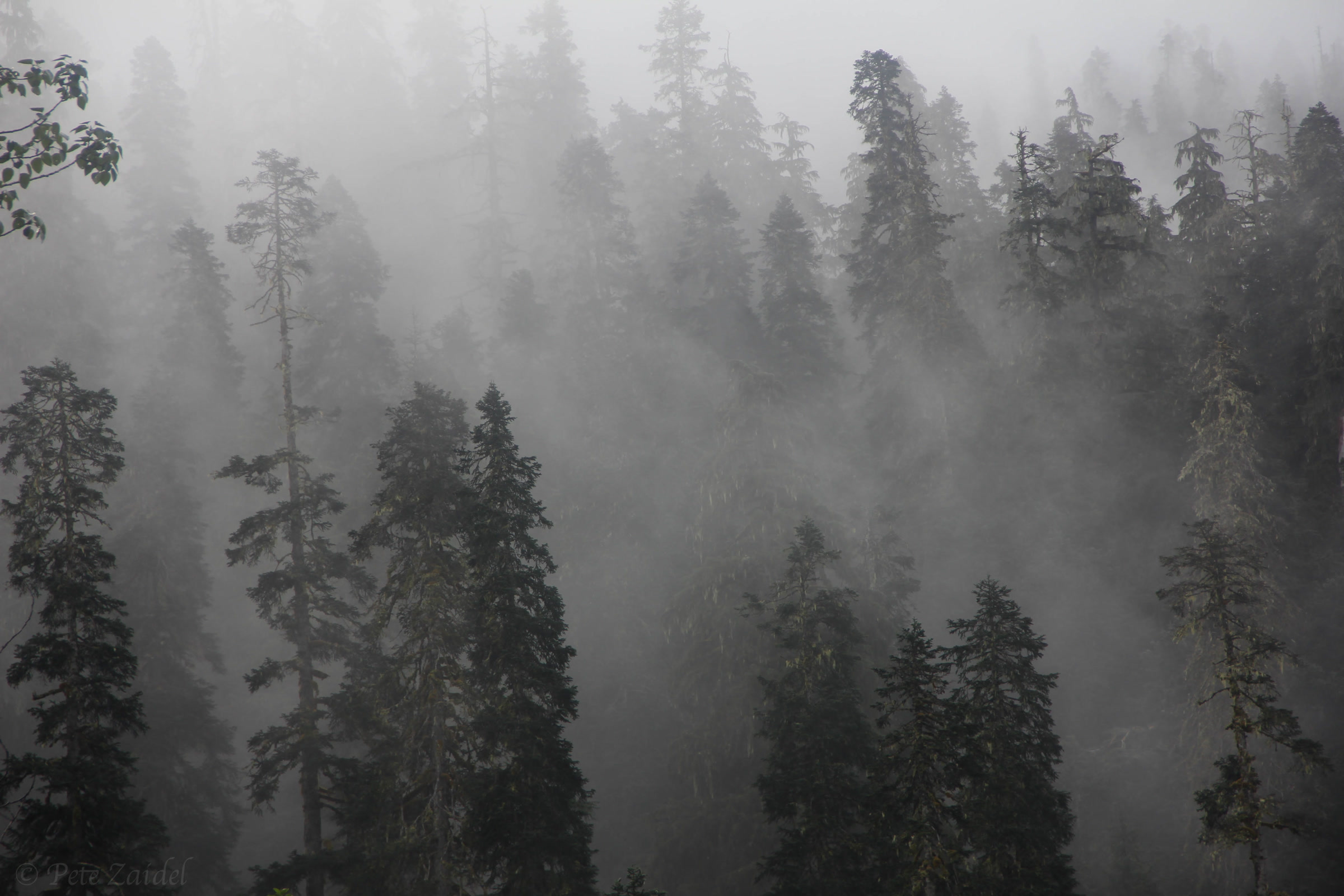
Olympic National Park in the rain is not a ruined trip. It is the park doing what it does best, because the rain is what grows the moss, fills the waterfalls and feeds the rivers. With the right jacket and a few safety habits, a wet day can be one of your best. Here is where to go, what to wear and what to watch for.
Quick answer
What can you do in Olympic National Park when it rains?
On a rainy day in Olympic National Park, walk the short rain forest loops at the Hoh or Quinault, visit waterfalls such as Marymere Falls, or head indoors to the Olympic National Park Visitor Center in Port Angeles. Wear wool or synthetic layers and full rain gear, stay off rising creeks, and never drive through floodwater.
- Coast and west valleys get 100 to 170 inches a year
- Most rain falls from November to April
- Six inches of fast water can knock an adult down
- Road and weather line: 360-565-3131
Why it rains so much here
Pacific storms run into the Olympic Mountains and drop their water on the west side. The park says the coast and west facing valleys get 100 to 170 inches of rain a year, while park headquarters in Port Angeles averages only 25 to 30 inches. Most of it falls from November through April, and rain reaches the lowlands by late October.
That gap is useful. When the coast is soaked, the northeast side of the peninsula is often drier, because it sits in the mountains’ rain shadow. Our post on the Olympic rain shadow explained shows how big the difference is.

Rain forest walks that shine in the rain
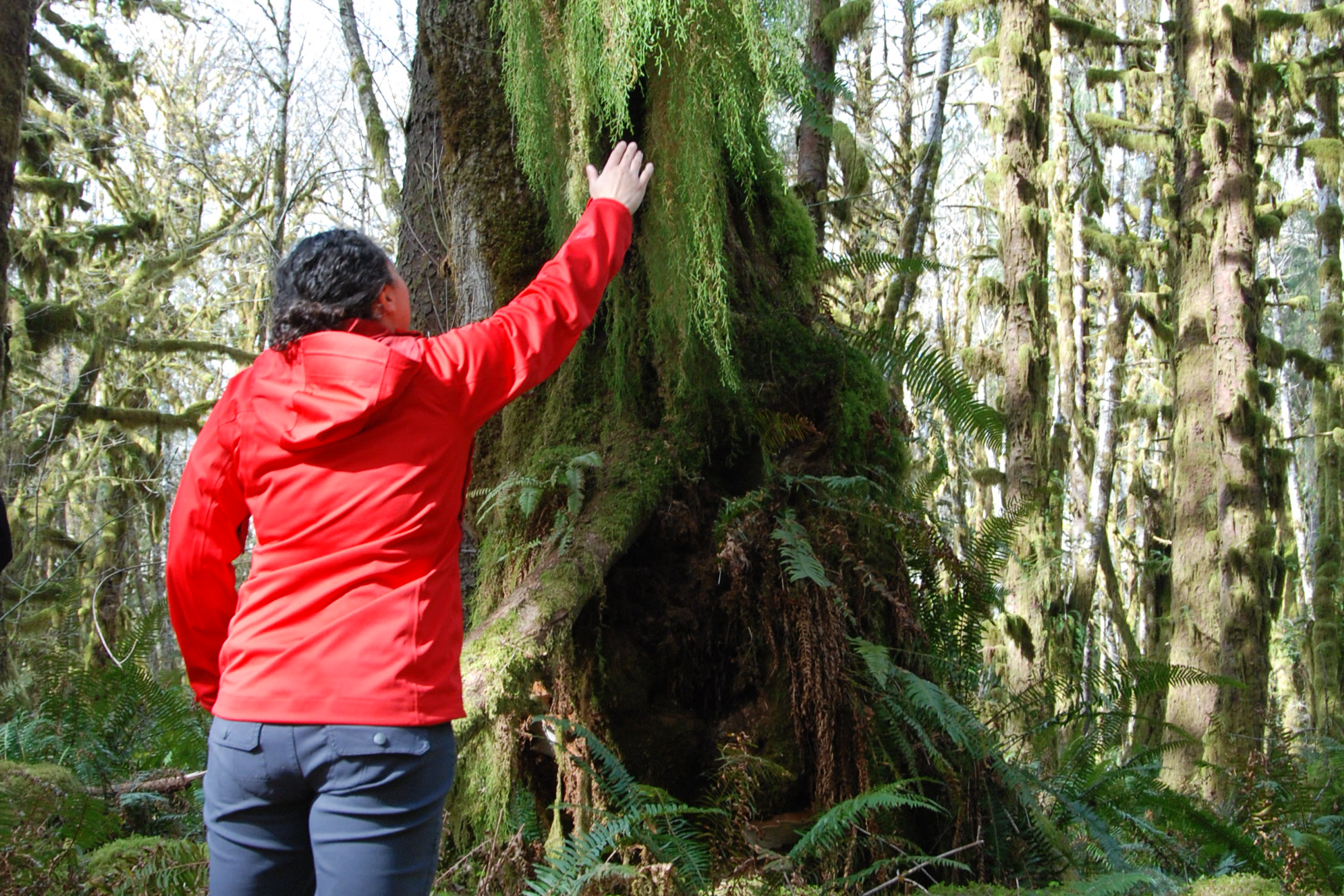
A rain forest in rain is the real thing. Mosses have no true roots and soak up water directly, so they look their greenest on a wet day. Short, well built loops are the best choice.
- Hoh Rain Forest: the 0.8 mile Hall of Mosses Trail and the 1.2 mile Spruce Nature Trail start at the visitor center.
- Quinault Rain Forest: a 1.3 mile loop to the old Kestner homestead, and the Maple Glade Trail through bigleaf maples. Parts of Maple Glade may flood between October and May.
Our guide to temperate rainforests in Olympic National Park compares all four rain forest valleys. Pets are not allowed on Hoh trails.
Waterfalls at their fullest
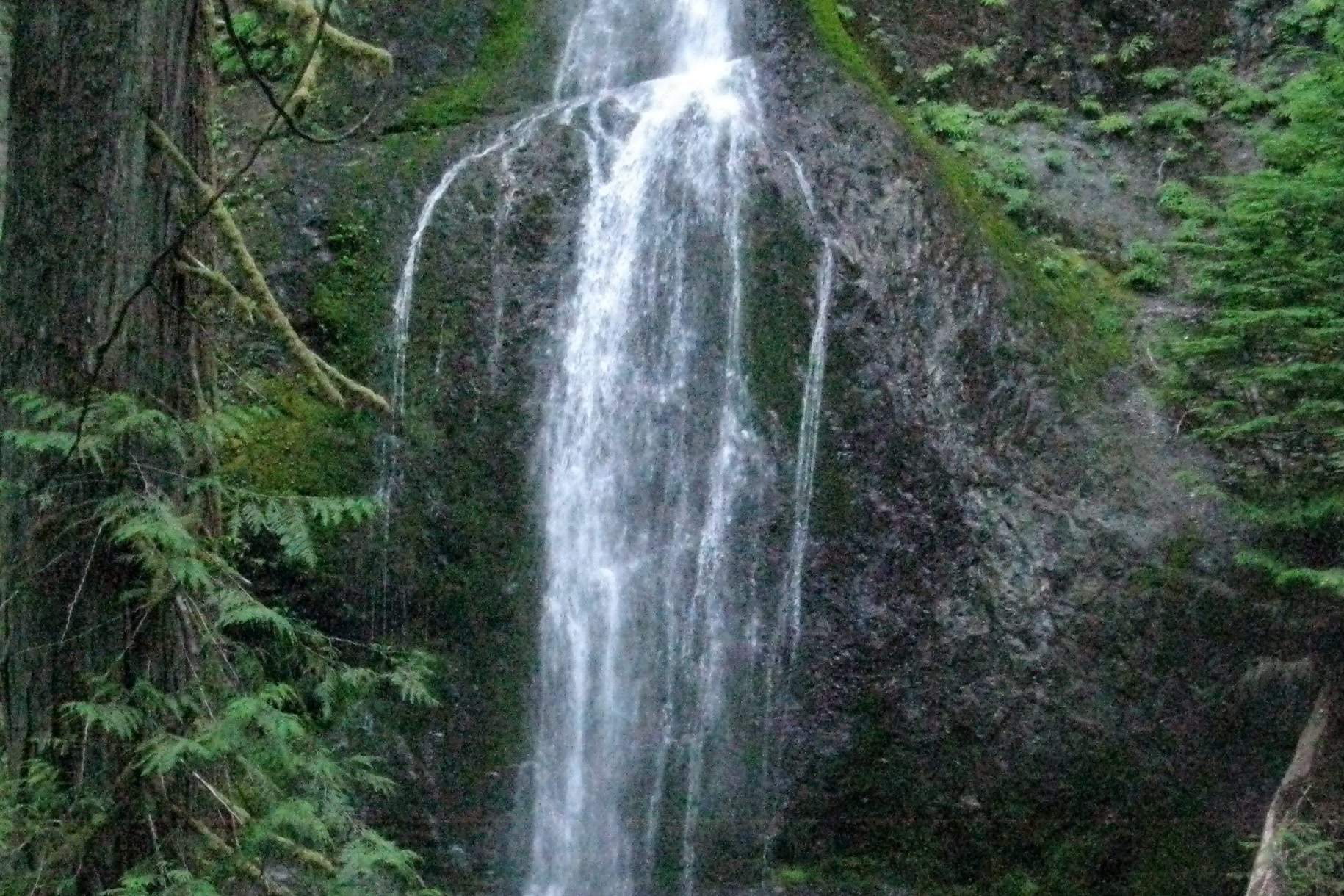
Rain fed falls run hardest in the wet months, so a rainy day is the time to see them. Three are short walks from the road:
- Marymere Falls: 0.9 mile one way through old growth near Lake Crescent to a 90 foot falls.
- Madison Falls: a 0.1 mile paved path in the Elwha Valley to a falls about 60 feet tall.
- Sol Duc Falls: 0.8 mile, relatively level, from the end of Sol Duc Road.
Rocks near falling water are slick with spray and moss, so stay behind the railings. Our guide to waterfalls in Olympic National Park has more.
Indoor options when the rain sets in
When you need a dry hour, these are the staffed places the park lists. As of October 2026, here is their status from the park’s current conditions page; hours change with the seasons, so check the NPS page before you go.
- Olympic National Park Visitor Center, Port Angeles: open daily 9 am to 4 pm, closed Thanksgiving, December 24 and Christmas Day. It has exhibits, a park film and the Discovery Room.
- Wilderness Information Center: in the same building, staffed daily, for trail conditions and permits.
- Hoh Rain Forest Visitor Center: open Friday to Sunday, 9 am to 4:30 pm.
- Hurricane Ridge: limited services, staffed intermittently.
The Kalaloch, Quinault Rain Forest and Storm King ranger stations are closed for the season. Our Olympic National Park visitor center guide covers what’s inside.
Rainy day options compared
| Option | Where | Why it works in rain | Watch for |
|---|---|---|---|
| Rain forest loops | Hoh, Quinault | Moss at its greenest, tree cover | Muddy steps; Maple Glade may flood |
| Waterfall walks | Lake Crescent, Elwha, Sol Duc | Falls run fullest | Slick rocks near the water |
| Visitor center | Port Angeles | Indoors, open daily | Holiday closures |
| Drive to the drier side | Northeast peninsula | Rain shadow, less rain | Flooded or closed roads |

Staying safe in Olympic National Park in the rain
Rivers and creeks rise fast
The park warns that a summer rainstorm can raise a river quickly, and a creek you crossed easily in the morning may not be passable later that day. The Ozette River is generally not fordable in winter or heavy rain, and coastal routes and stream crossings can become impossible in heavy rain or high surf. Don’t be afraid to turn back.
Hypothermia above freezing
You don’t need snow to get dangerously cold. The CDC says hypothermia can occur above 40°F when someone is chilled by rain, sweat or cold water. Watch for shivering, exhaustion, confusion, fumbling hands, slurred speech and drowsiness, and change out of wet clothes early.
Flooded roads and washouts
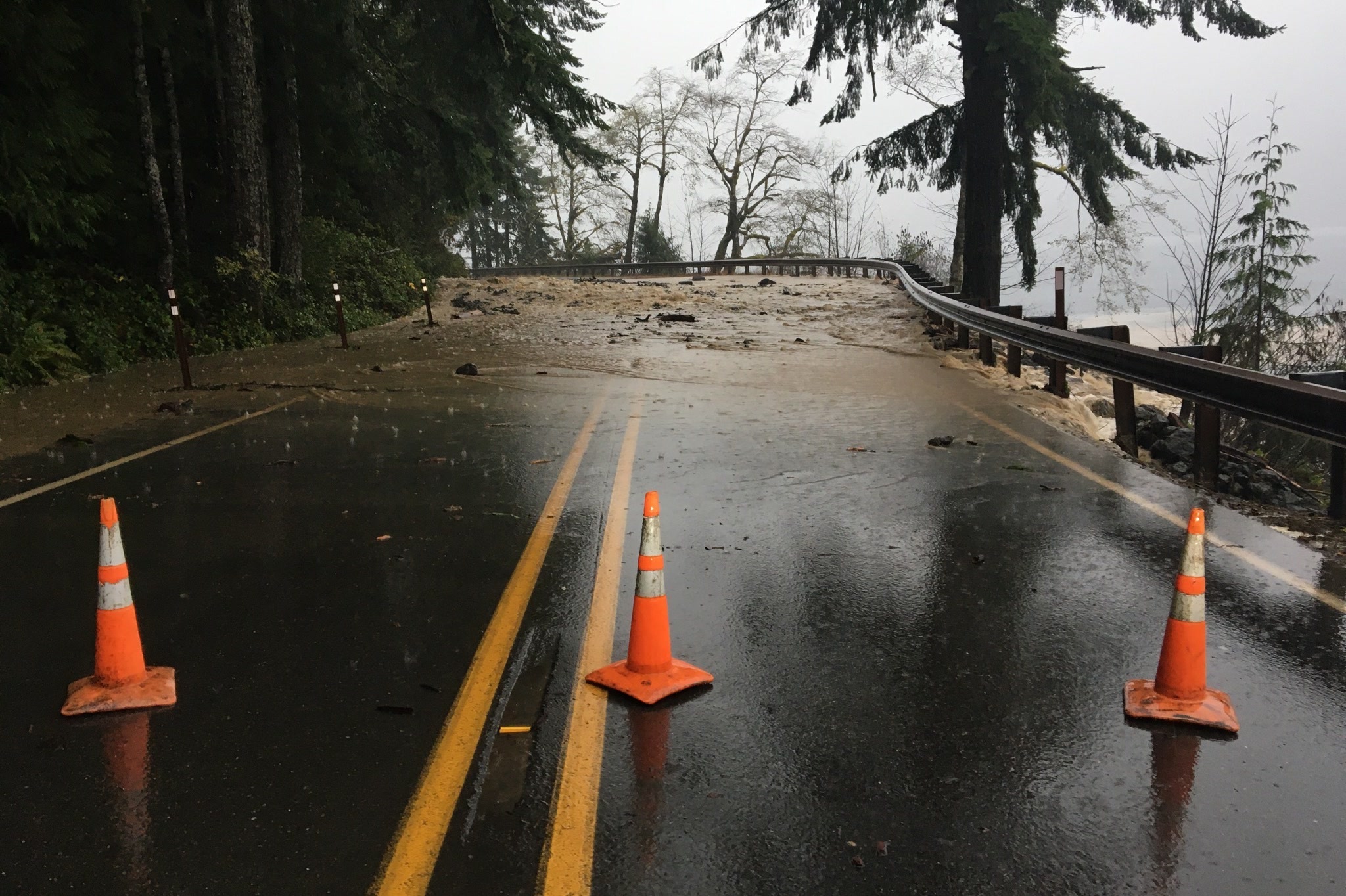
The park says flooding and severe storms can close roads. As of October 2026, Olympic Hot Springs Road is closed to vehicles at Madison Falls because of a washout. In August 2025 the park briefly closed the Hoh after heavy rain flooded a culvert project on the Upper Hoh Road, the only way in.
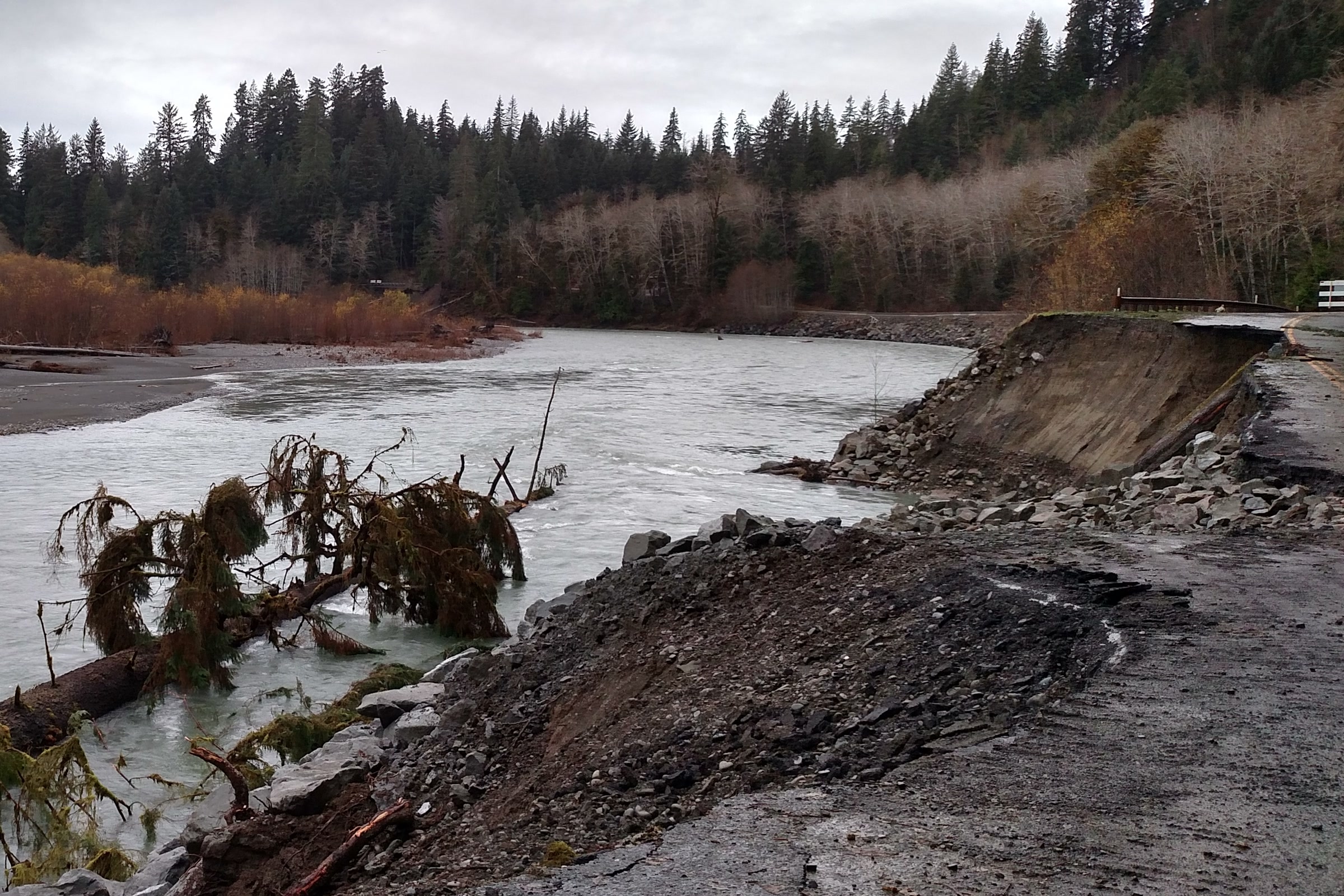
Never drive or walk into floodwater. The National Weather Service says six inches of fast moving water can knock an adult off their feet, about 12 inches can carry away most cars, and the road underneath may have collapsed. Call the park’s road and weather line at 360-565-3131 before you drive.
What to wear on a rainy day
The park’s advice is to pack for cool, wet conditions on any Olympic hike, whatever the forecast says.
- Skip cotton. It keeps you cold and wet. Wool, polypropylene and fleece keep their warmth when wet.
- Full rain gear: a raincoat, rain pants and gaiters, in every season.
- Waterproof boots and a pack cover, with spare dry layers in a plastic bag.
Our list of what to pack for Olympic National Park covers the Ten Essentials and gear by region.
How Friends of Olympic National Park helps
We are Friends of Olympic National Park (FONP), a volunteer led friends group in Port Angeles. Our projects include the Winter Perspectives lecture series, a good fit for the wet months, and the Children’s Discovery Room at the visitor center. If you love this park in every kind of weather, become a member and help us care for it.
Frequently asked questions
Is Olympic National Park worth visiting in the rain?
Yes. Rain is what makes the rain forests green and the waterfalls full. Short loops at the Hoh and Quinault and walks to falls such as Marymere are good choices, with rain gear and care at creeks.
What is the rainiest time of year in Olympic National Park?
The park says most precipitation falls from November through April, and rain reaches the lowlands by late October. Rain is possible in any month.
Is the Hoh Rain Forest good in the rain?
Yes. Mosses soak up water directly and look their greenest when wet. The 0.8 mile Hall of Mosses and 1.2 mile Spruce Nature Trail start at the visitor center.
What should I wear in the Olympic rain forest?
Wool, polypropylene or fleece layers, never cotton, plus a raincoat, rain pants, gaiters and waterproof boots. The park says to pack for cool, wet conditions on any hike.
Leave a Reply