
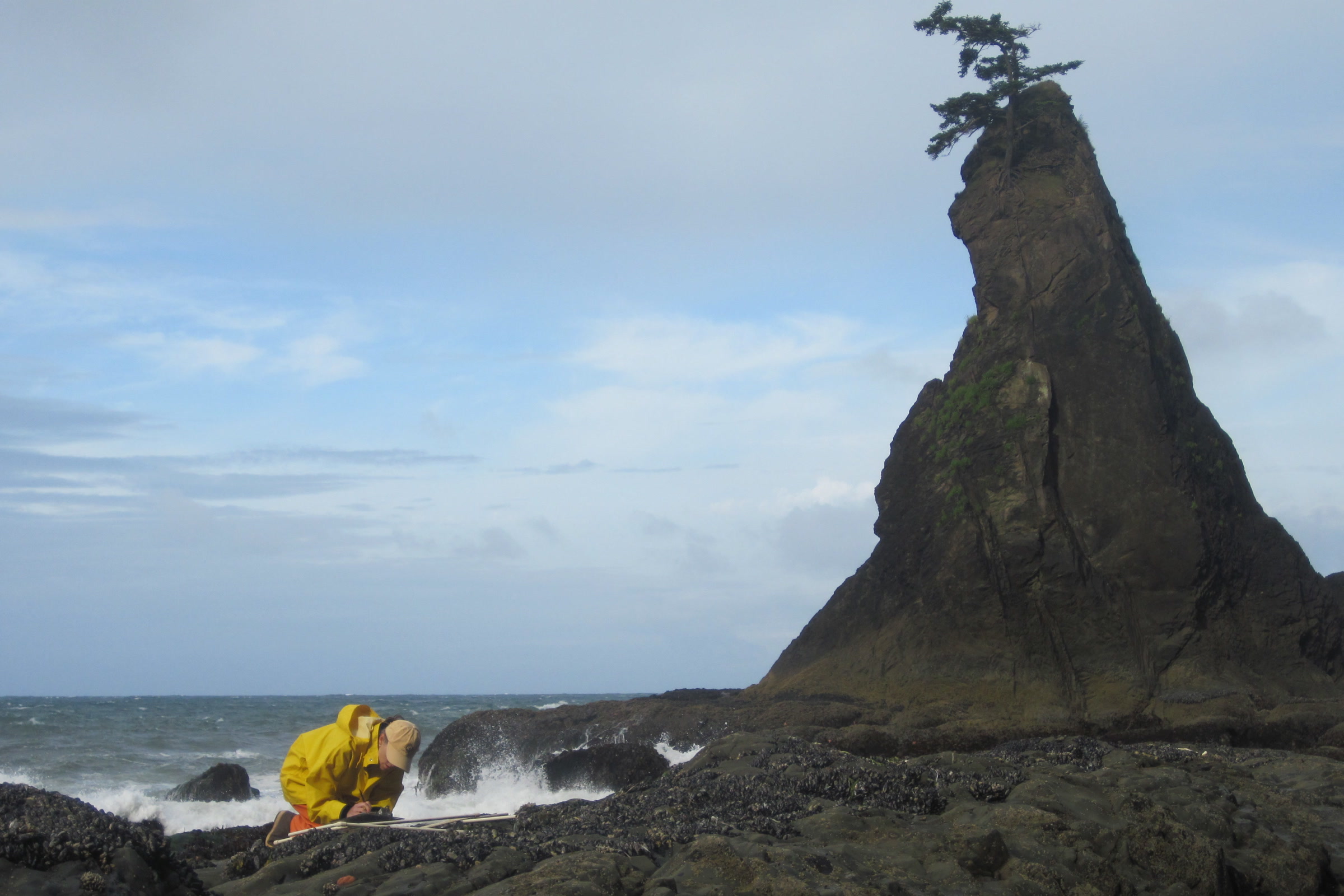
Citizen science in Olympic National Park lets ordinary visitors and neighbours add to real research, from multi day marmot surveys in the high country to a phone photo of a newt on a trail. Some programs ask for training and fitness, others only for care and an app. Here is what is on offer, who runs it, and how to start.
Quick answer
How can I do citizen science in Olympic National Park?
The park’s main program is Olympic marmot monitoring, where trained volunteer teams survey high country habitat for 5 or 8 days each summer. On the coast, the University of Washington’s COASST trains volunteers to survey beaches. Anyone can also log sightings on iNaturalist or eBird, or report cougars, bears and mountain goats to the park.
- Marmot monitoring has run with volunteers since 2010
- Applications usually open mid January, close June 1
- COASST has been housed at UW since 1999
- The NPS lists iNaturalist as a way to help
What citizen science means here
Citizen science is research where members of the public collect data that scientists then use. The Park Service uses that name, while the Washington Department of Fish and Wildlife (WDFW) calls apps such as eBird and iNaturalist community science platforms. Either way, the value comes from many careful people recording the same things in the same way over time.
The National Park Service’s research learning center for the North Coast and Cascades lists marmot monitoring at Olympic and, for any park visit, sharing sightings in iNaturalist. Partners on the coast add more.
Citizen science programs compared
| Program | Run by | What you do | Commitment |
|---|---|---|---|
| Olympic marmot monitoring | Olympic National Park | Survey high country patches for marmots and burrows | Training day, then 5 or 8 days in July or August |
| COASST beach surveys | University of Washington | Survey a beach for beached birds and marine debris | Training, then repeat surveys of your beach |
| iNaturalist and eBird | Open platforms, encouraged by NPS and WDFW | Photograph and log plants and animals | Any visit |
| Park wildlife report | Olympic National Park | Report cougars, bears and mountain goats | When it happens |
Olympic marmot monitoring
The Olympic marmot lives only in these mountains. The park says it needs range wide information to protect the species, so volunteers have surveyed marmot colonies since 2010, with funding from Washington’s National Park Fund. Volunteers note whether marmots are present in each patch of habitat, record burrows and marmots with GPS, and fill in a data sheet for each survey unit.
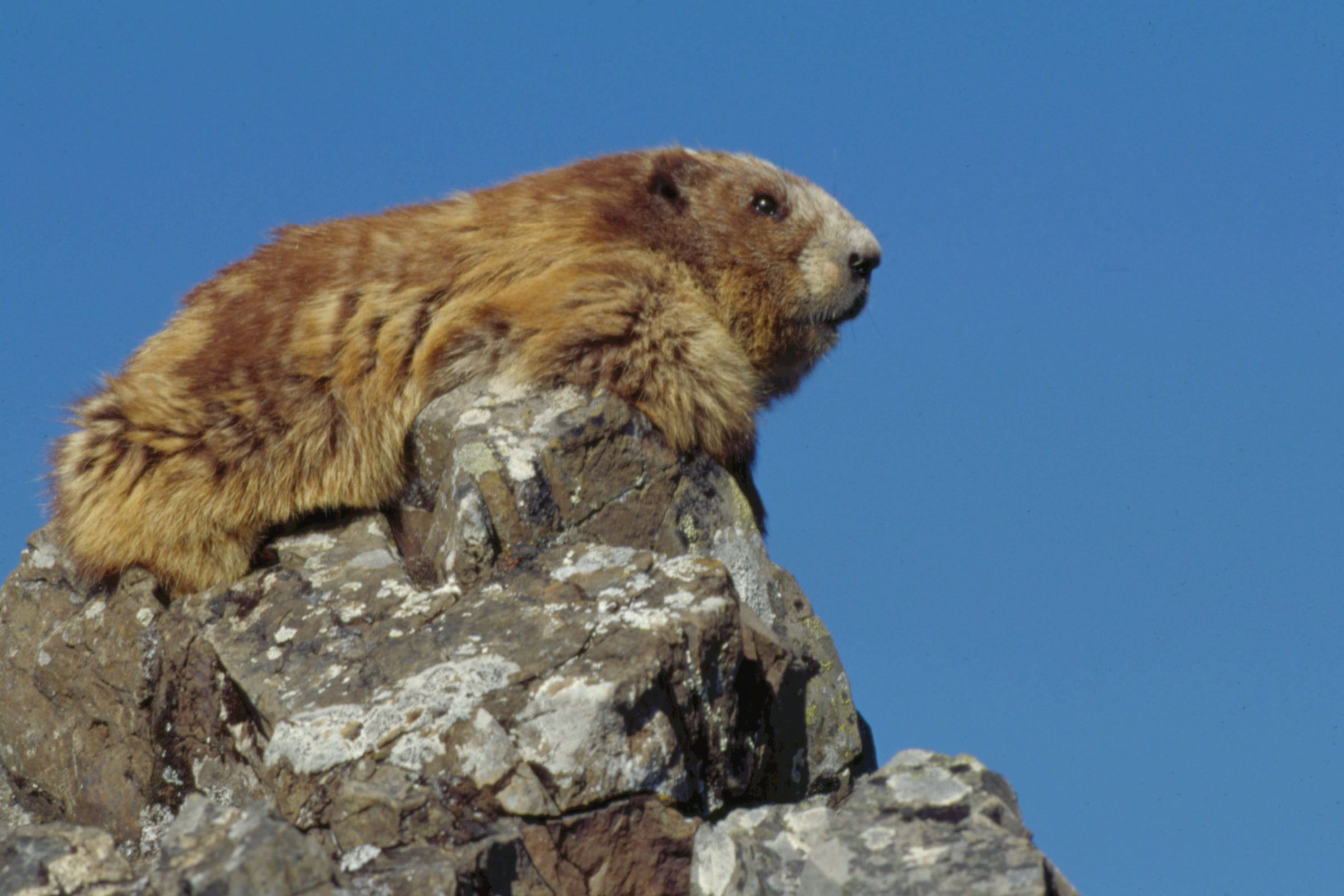
Training starts at park headquarters in Port Angeles, with a morning class on marmot ecology and an afternoon practice survey near Hurricane Hill. Park staff review every data sheet, and repeat surveys show colonies being gained and lost over time. Our article on the Olympic marmot at Hurricane Ridge explains why that matters.
Who it suits
This is demanding work. According to the park’s Olympic marmot monitoring page, as of October 2026:
- You must be able to backpack 5 to 20 miles over 1 to 2 days with substantial elevation gain, then travel off trail on steep, loose ground.
- You work 5 or 8 days in July or August, in groups of at least two, and you find your own partner.
- Teens aged 13 to 17 can take part with a responsible adult.
- Entrance and backcountry fees are waived; you bring your own gear and transport.
- Applications usually open in mid January and stay open through June 1, but spaces can fill sooner.
Check that page before you plan. For other park roles, see our guide to volunteering in Olympic National Park.
Science on the beaches: COASST and debris surveys
The Coastal Observation and Seabird Survey Team (COASST) is a citizen science project housed at the University of Washington since 1999. It trains volunteers to survey the same beach again and again, recording any dead birds they find. COASST says the aim is a baseline of what is normal, so that unusual die offs and other changes stand out.
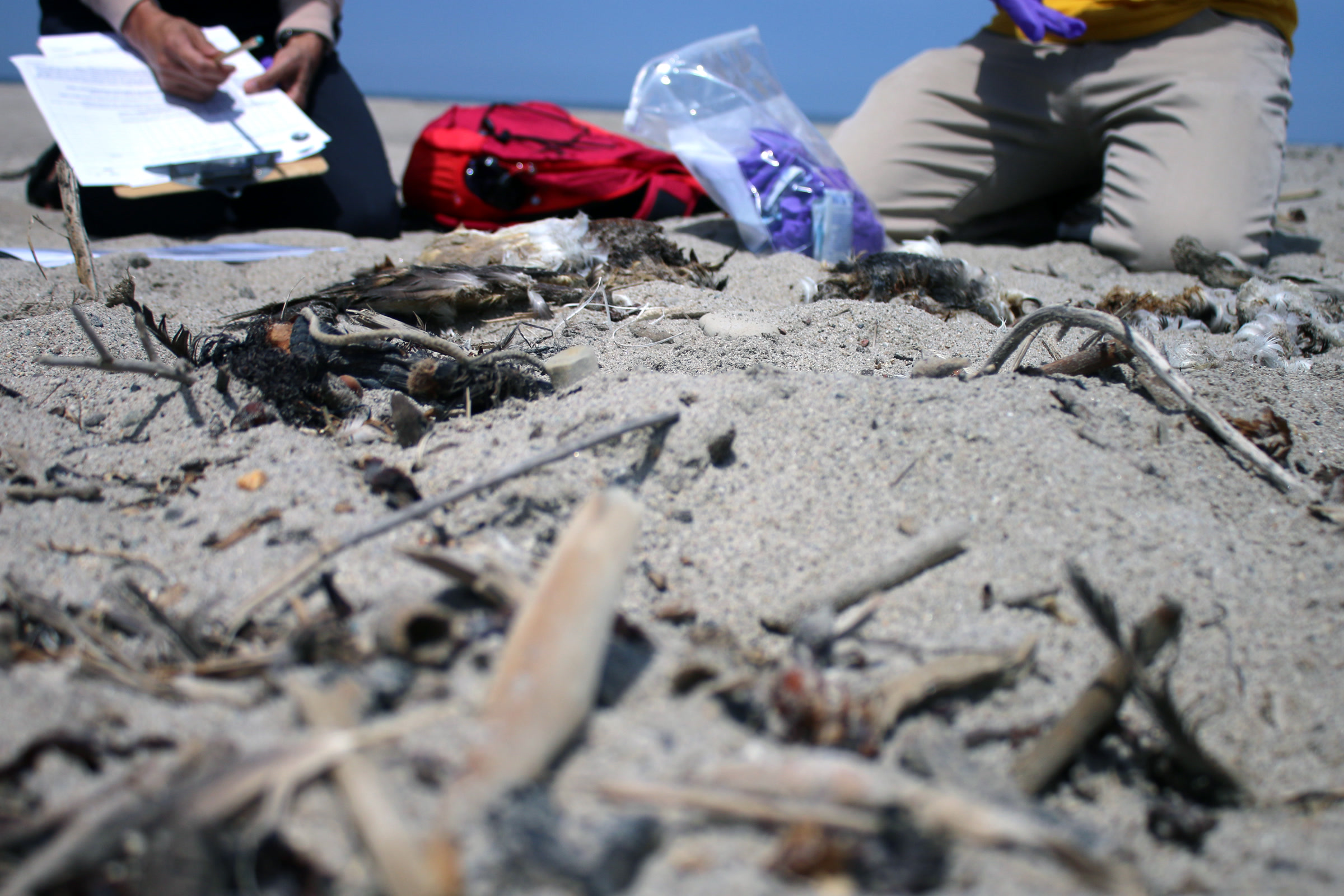
COASST asks surveyors to send in their data within a week, so bird deaths can be tracked as they happen. NOAA’s Olympic Coast National Marine Sanctuary adds that COASST volunteers also run monthly marine debris surveys.
Counting marine debris
The sanctuary has worked with citizen science volunteers on debris since 2001. From 2012 to 2019 it ran NOAA’s Marine Debris Monitoring and Assessment Project with trained volunteers, community groups and schools, surveying up to 15 sites a month. Over those seven years they logged 61,449 pieces of debris, mostly plastic.
Debris data shows what washes ashore. Removing it is the other half of the job, and that is where beach cleanups in Olympic National Park come in. Tide pool life is monitored too: park scientists first reported sea star wasting here, as our post on sea stars on the Olympic Coast explains.
Everyday sightings and community science apps
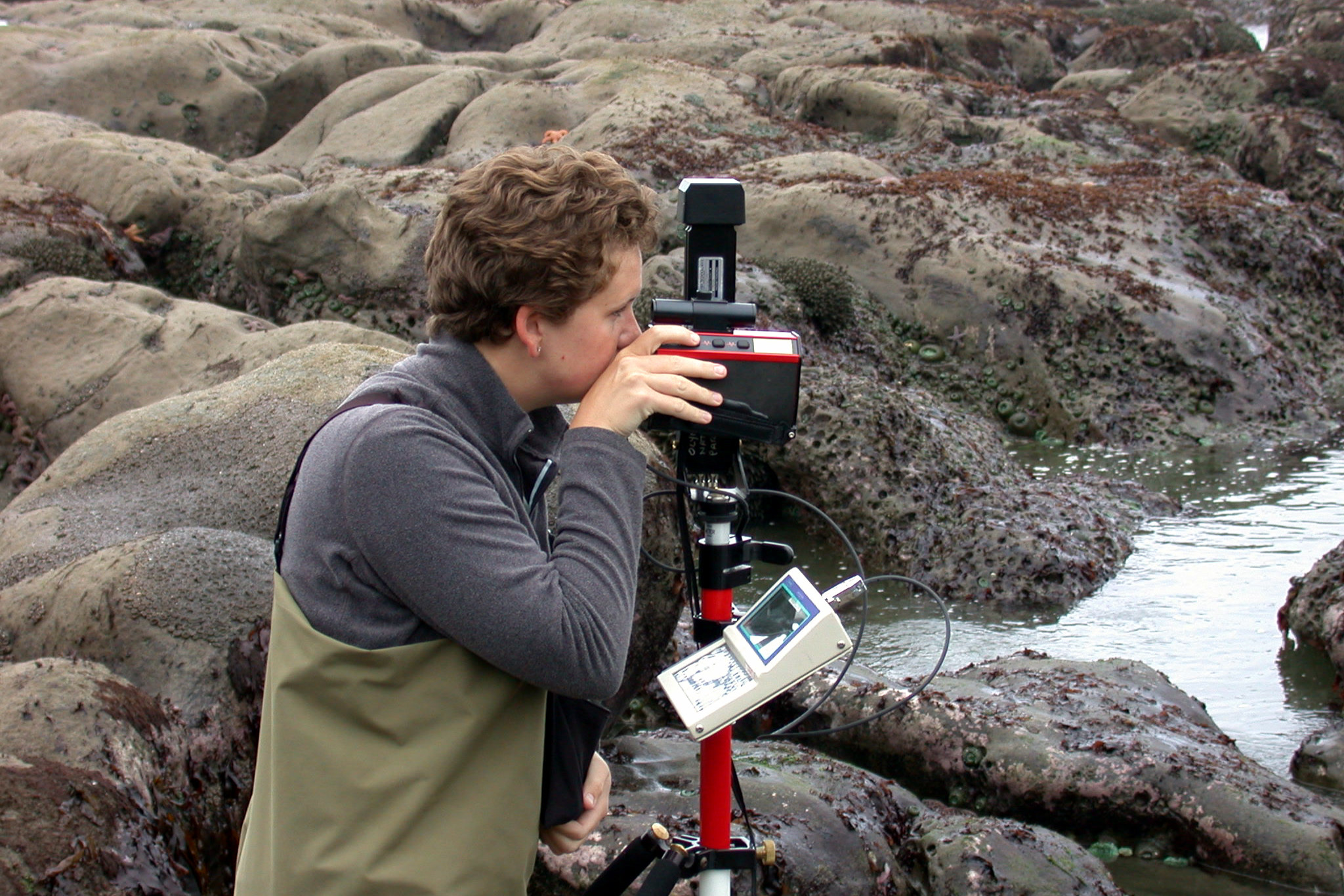
You don’t need a training day to help. WDFW encourages people to share wildlife observations on community science platforms such as eBird and iNaturalist. Birders can start with our guide to birding in Olympic National Park.
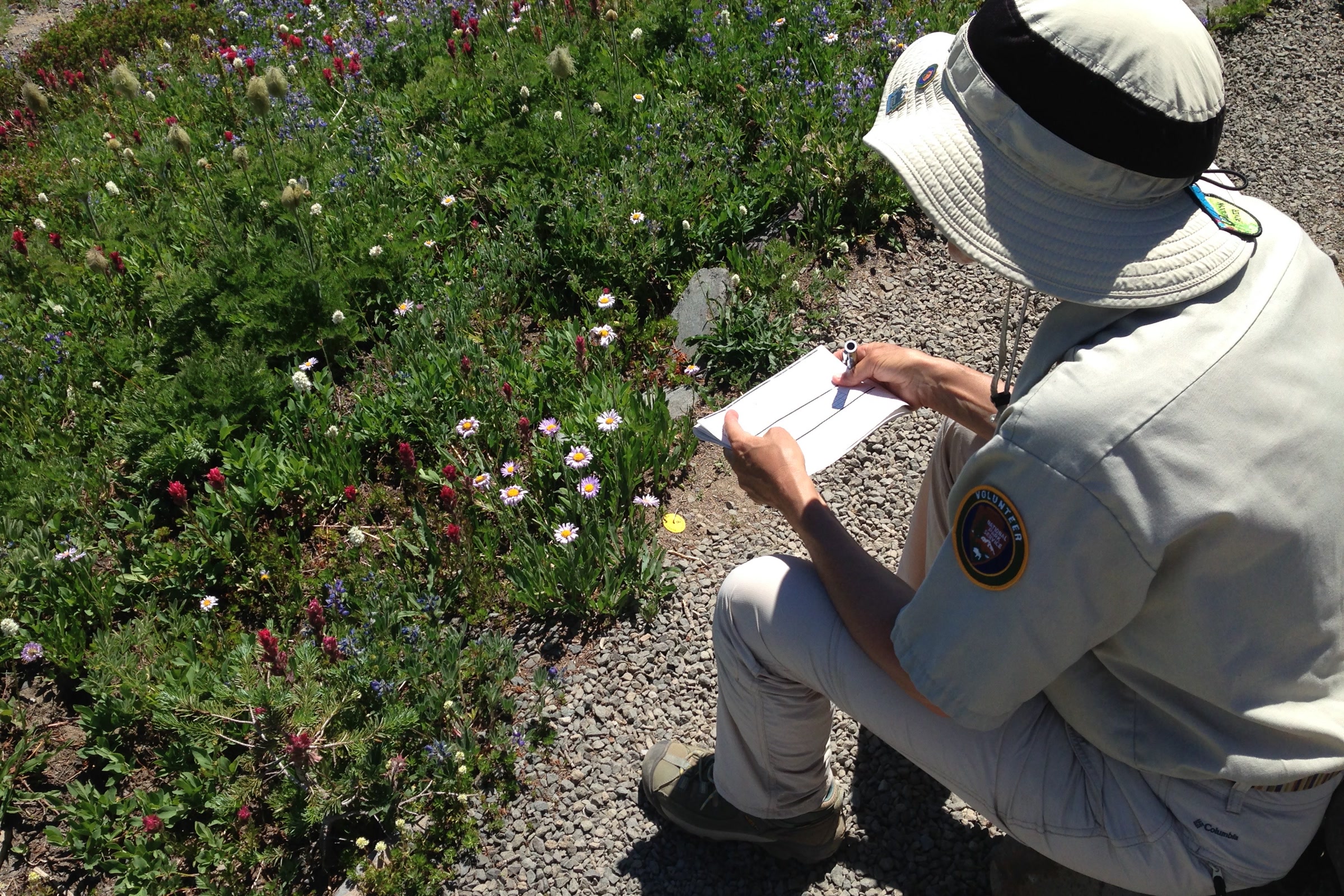
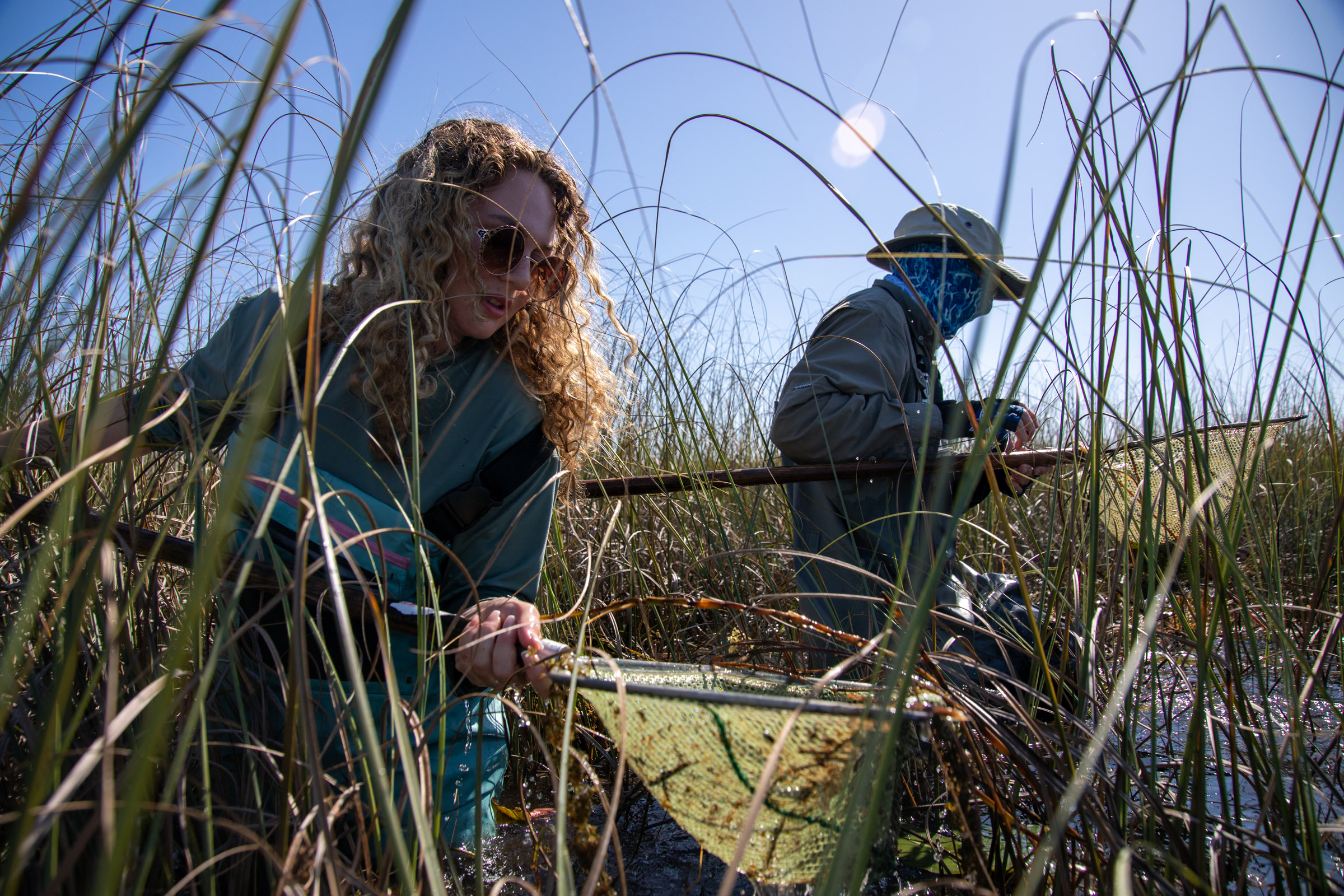
Some park projects run through iNaturalist. In the Park Service’s Dragonfly Mercury Project, citizen scientists net dragonfly larvae, record them in iNaturalist and send them to the US Geological Survey for mercury testing. Our post on dragonflies of Olympic National Park covers Olympic’s part in it.
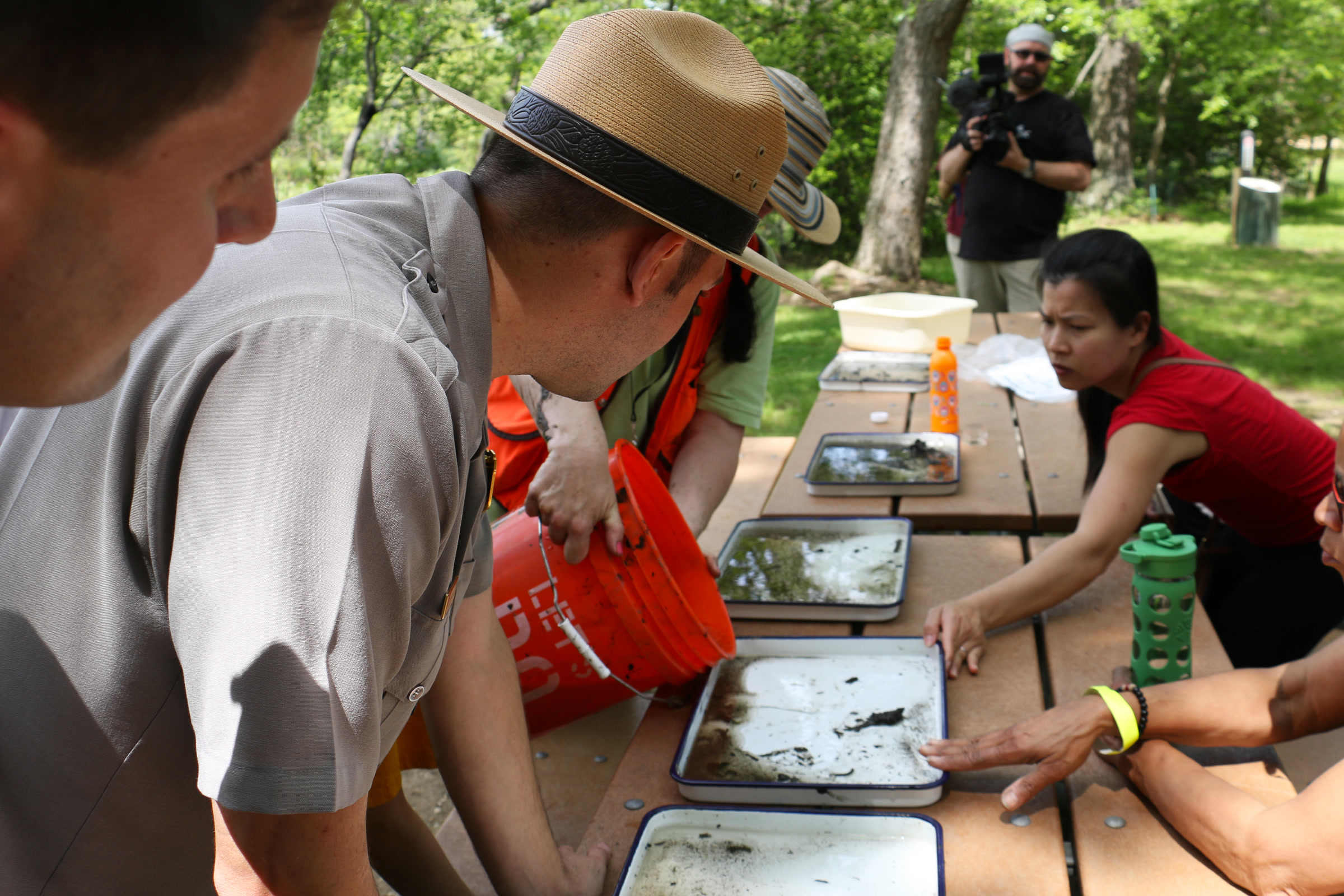
Olympic also joined the 2016 National Parks BioBlitz, a burst of species counting across many parks. That project is closed, but its records remain on iNaturalist.
Reporting wildlife to the park
The park asks visitors to report cougars, bears and mountain goats to a ranger or through its online wildlife report. Report dead, injured or distressed animals the same way, and never try to rescue one yourself.
Tips for useful records
- Record the date and exact place, with GPS where you can.
- Photograph rather than collect. Wildlife and plants stay where they are.
- Keep at least 50 yards from all wildlife, as park rules require, and never use calls or apps to attract animals.
- Stick to the method. Programs like COASST work because everyone records the same way.
How Friends of Olympic National Park helps
We are Friends of Olympic National Park (FONP), a volunteer led friends group in Port Angeles. We don’t run a citizen science program, but our projects include beach and Visitor Center cleanups and guided nature walks for insects, mushrooms and wildflowers, good practice for noticing what lives here. Our volunteer days are listed on Volunteer.gov, and you can volunteer at Olympic National Park with us.
Frequently asked questions
Does Olympic National Park have a citizen science program?
Yes. Its main one is Olympic marmot monitoring, in which trained volunteer teams have surveyed marmot colonies since 2010. The Park Service also encourages visitors to share sightings in iNaturalist.
How do I apply for Olympic marmot monitoring?
Apply as a group on the park’s marmot monitoring page. The application period usually opens in mid January and stays open through June 1, though spaces can fill sooner, so check the page before you plan.
What is COASST?
COASST, the Coastal Observation and Seabird Survey Team, is a citizen science project housed at the University of Washington since 1999. Trained volunteers survey beaches for beached birds and, according to NOAA, marine debris.
Is citizen science the same as community science?
They describe the same idea: members of the public collecting data that scientists use. The Park Service says citizen science, while WDFW calls eBird and iNaturalist community science platforms.
Can teenagers take part in marmot monitoring?
Yes. The park says young people aged 13 to 17 can join the surveys if a responsible adult goes with them. Everyone must be able to backpack and travel off trail on steep ground.
Leave a Reply