
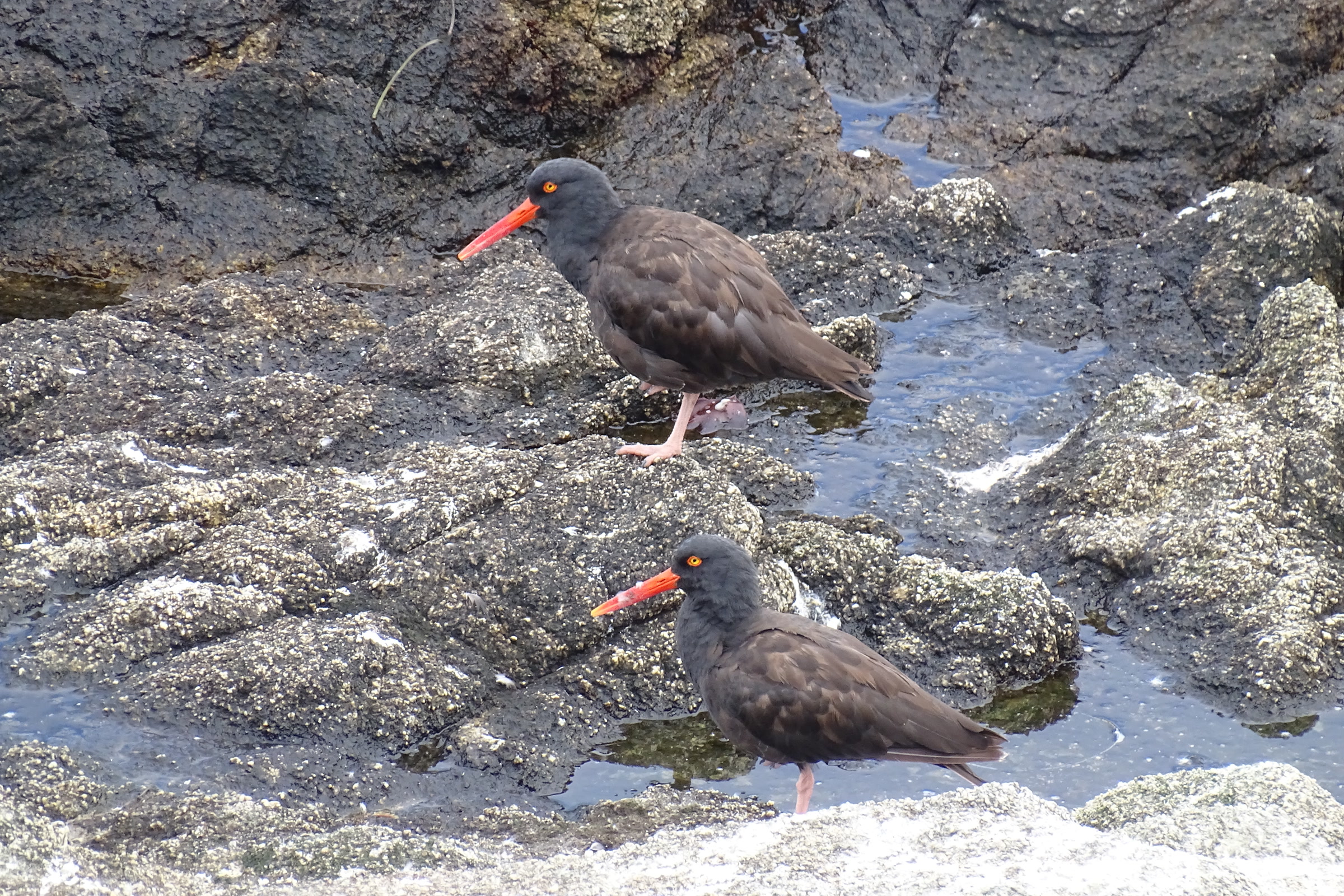
The shorebirds of the Olympic Coast are easy to miss until you know where to look. A black oystercatcher whistles from a wave washed rock, a flock of sanderlings races the surf, and dark turnstones work the barnacles at low tide. Here is what the park’s own records show, when each bird is around, and how to watch without disturbing them.
Quick answer
What shorebirds can you see on the Olympic Coast?
Our count of the park’s species list finds 29 shorebirds marked present. The black oystercatcher lives on the rocky shore all year. Sanderlings, black turnstones and surfbirds are common from about July to spring, and whimbrels and wandering tattlers pass through on migration. Watch from at least 50 yards away.
- 29 shorebird species marked present on the park list
- Black oystercatchers stay and breed year round
- Most other shorebirds arrive from July onward
- The park asks you to keep 50 yards from all wildlife
What the park’s bird list shows
Olympic National Park counts about 300 bird species. Our count of its NPSpecies list, checked in October 2026, finds 29 shorebird species marked present: four plovers, the black oystercatcher, and 24 sandpipers and close relatives, including two phalaropes.
The park rates the western sandpiper abundant, and the oystercatcher, sanderling, black turnstone, surfbird and dunlin common. Whimbrels, wandering tattlers and ruddy turnstones are rated uncommon. Seabirds are covered in our guide to birding in Olympic National Park.
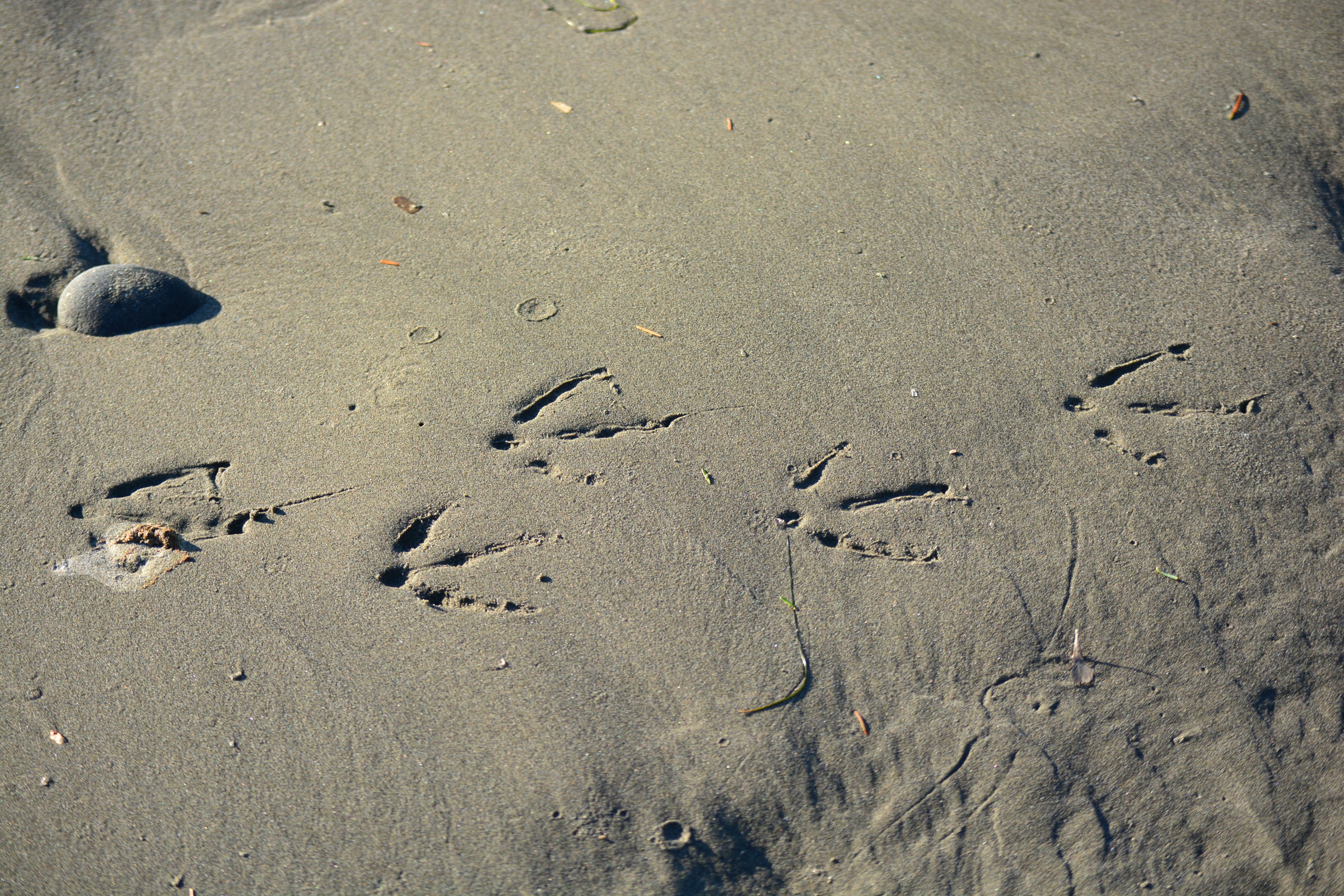
Seven shorebirds of the Olympic Coast to look for
Habitats and seasons come from BirdWeb, Seattle Audubon’s guide to Washington birds, and describe the state’s outer coast. The rating is the park’s own.
| Bird | Where to look | When on the coast | Park rating |
|---|---|---|---|
| Black oystercatcher | Rocky shores | All year | Common, breeds |
| Sanderling | Broad sandy beaches | Mid July to June | Common |
| Black turnstone | Rocky shores | Mid July to mid May | Common |
| Surfbird | Rocks at the tide line | July to April | Common |
| Western sandpiper | Sandy beaches, mudflats | July to mid May | Abundant |
| Whimbrel | Beaches, rocky shores | April to May, late June to August | Uncommon |
| Wandering tattler | Rocky shores, reefs | April to May, July to October | Uncommon |
The black oystercatcher, a year round neighbour
The black oystercatcher is the shorebird most visitors notice. BirdWeb describes a crow sized, all black bird with pale pink legs and a long, bright reddish orange bill. Alarmed, it flies off with a piercing whistle. The park lists it as common and as a breeding bird.
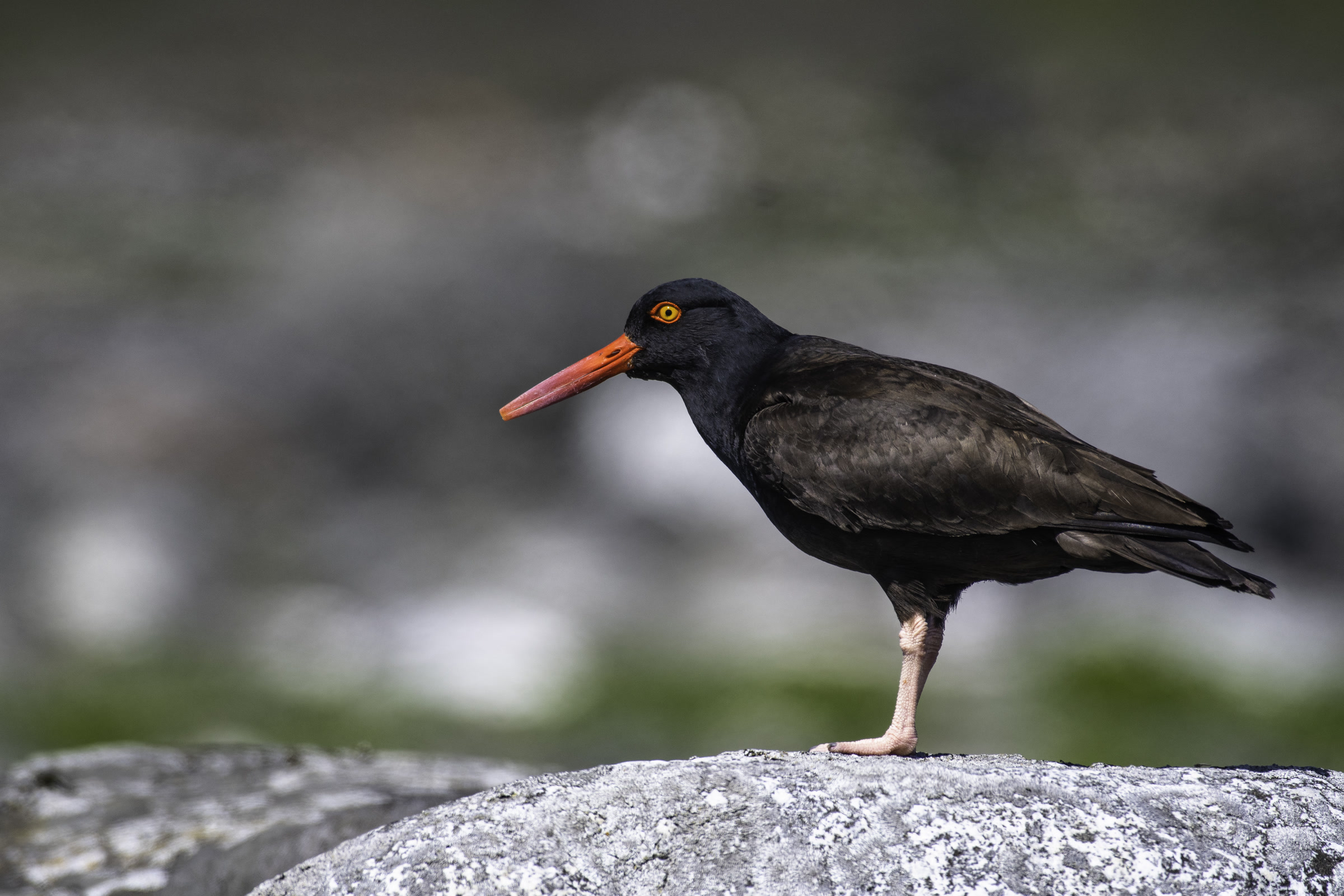
Mussels and limpets are its main food. It forages mostly at low tide, finds a mussel with its shell open, and stabs the muscle that closes it. Pairs nest in a shallow scrape above the high tide line on treeless islands with shell or gravel beaches, and the parents keep feeding their young for weeks.
BirdWeb estimates Washington’s population at roughly 400 birds, nesting at about 100 sites. It calls them highly vulnerable to human disturbance, oil spills and pollution of the intertidal zone. USFWS lists them among the birds nesting on the closed islands described in our guide to the Olympic Coast wildlife refuges.
Sanderlings at the surf line
If you see small, pale birds sprinting after each retreating wave, they are probably sanderlings. BirdWeb calls the sanderling the quintessential surf dodger. It is the only sandpiper with no hind toe, which makes it a strong runner.
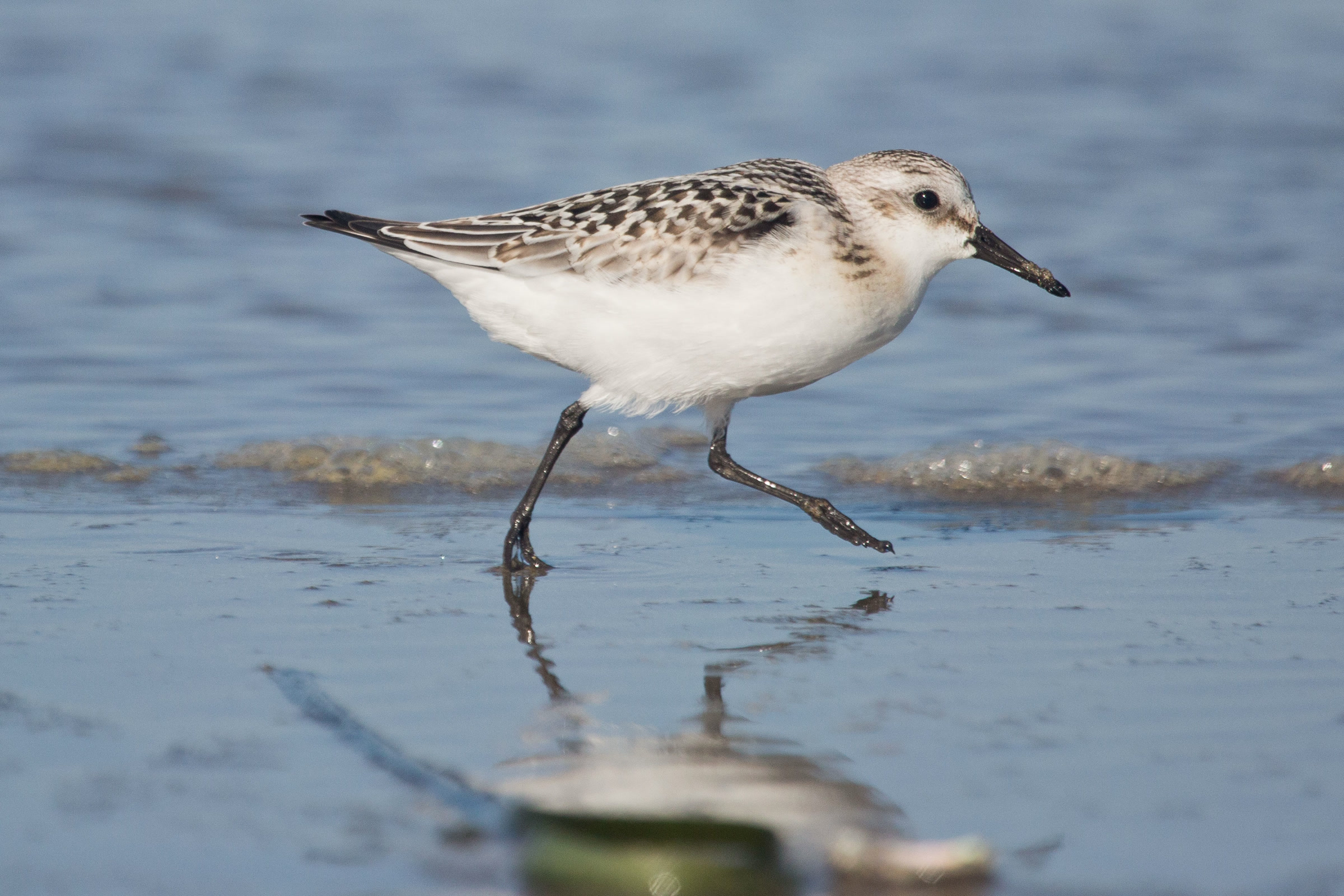
Sanderlings nest on Arctic tundra farther north than any other shorebird seen in Washington. They start returning in early July and are common from mid July until the following June. Look for them on broad sandy beaches, such as those around Kalaloch.
Rock birds: turnstones, surfbirds and tattlers
Some shorebirds stay on the rocks rather than the sand. The black turnstone is mostly black with a white belly and pries prey off the rocks with a strong, short bill. BirdWeb names limpets and acorn barnacles as its most important winter foods, part of the life described in our guide to barnacles on the Olympic Coast.
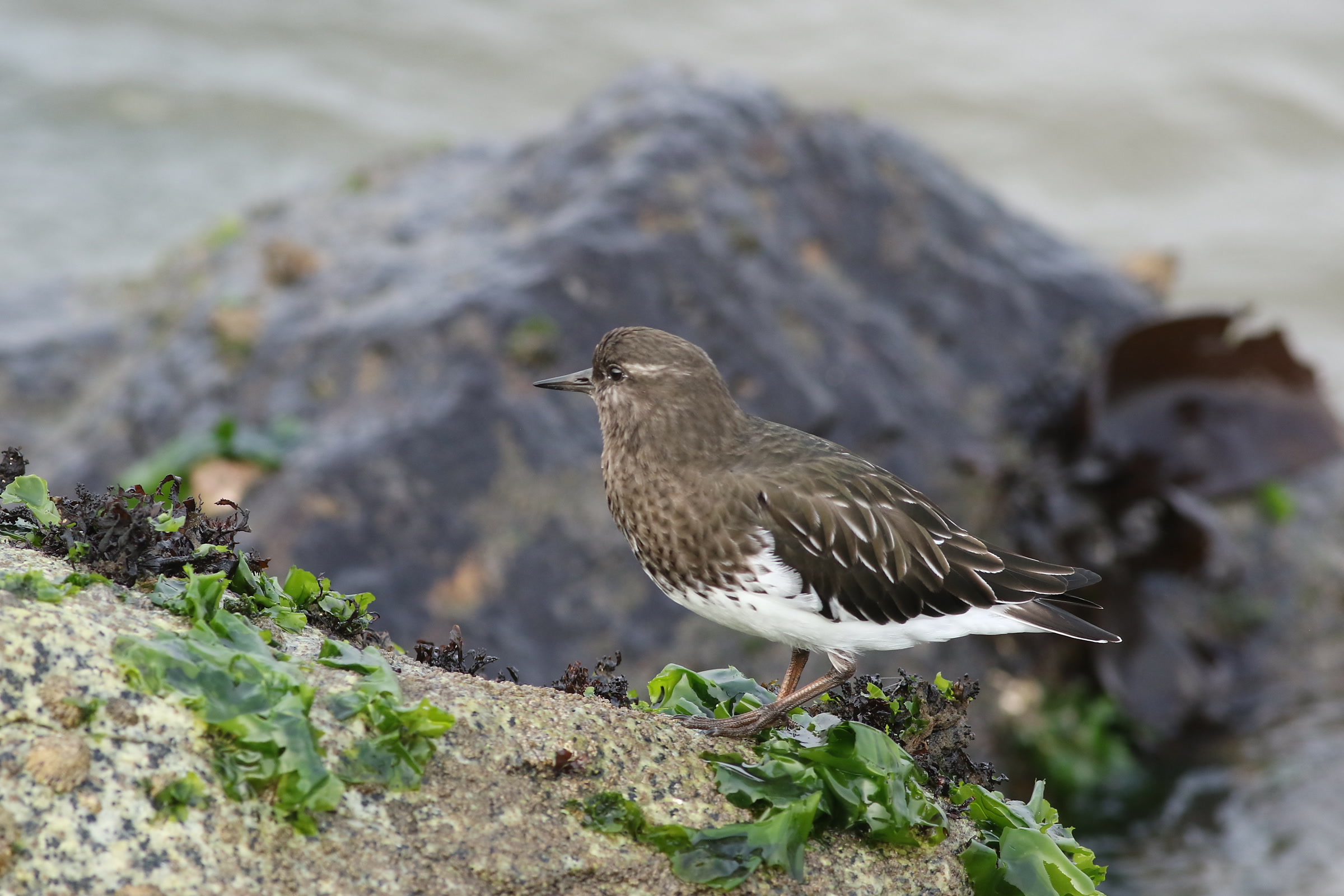
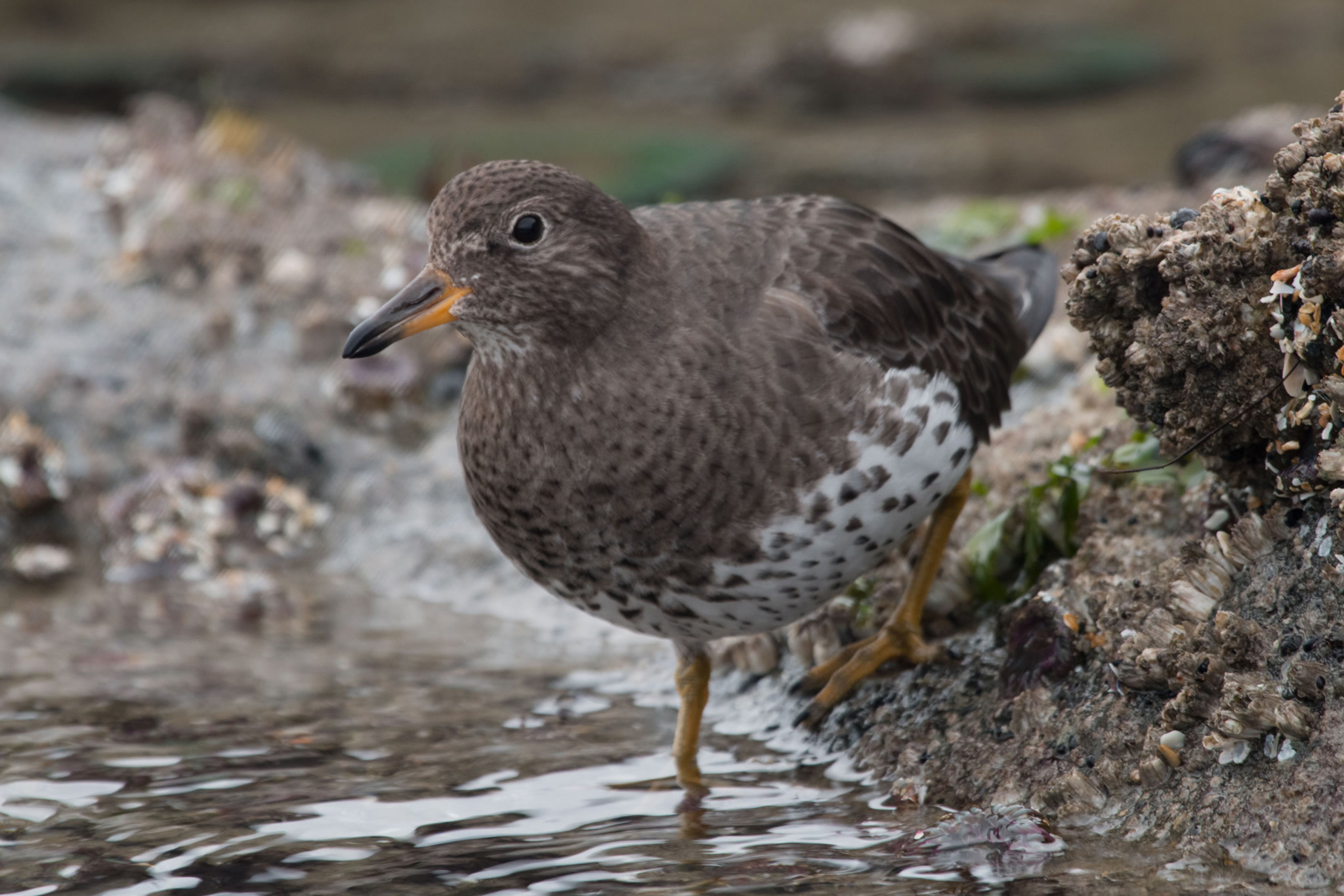
Plump, gray surfbirds are almost always with black turnstones in Washington. They eat mussels, barnacles and limpets shell and all, staying within a few meters of the tide line. Wandering tattlers are plain gray above, barred below, and bob and teeter as they feed.
Migration along the Pacific Flyway
NOAA’s Olympic Coast National Marine Sanctuary calls these waters a major feeding area on the Pacific Flyway, used by more than 100 species of marine birds and shorebirds. It describes waves of thousands of migrating shorebirds using the coastline like a road map. Their stopover sites are few and far between, which makes each one critical.
Some birds only pass through. BirdWeb says whimbrels, big brown shorebirds with long curved bills, are common on the outer coast from mid April through mid May. Southbound birds arrive from late June and stay common through mid August. Wandering tattlers follow a similar pattern, with juveniles passing into October.
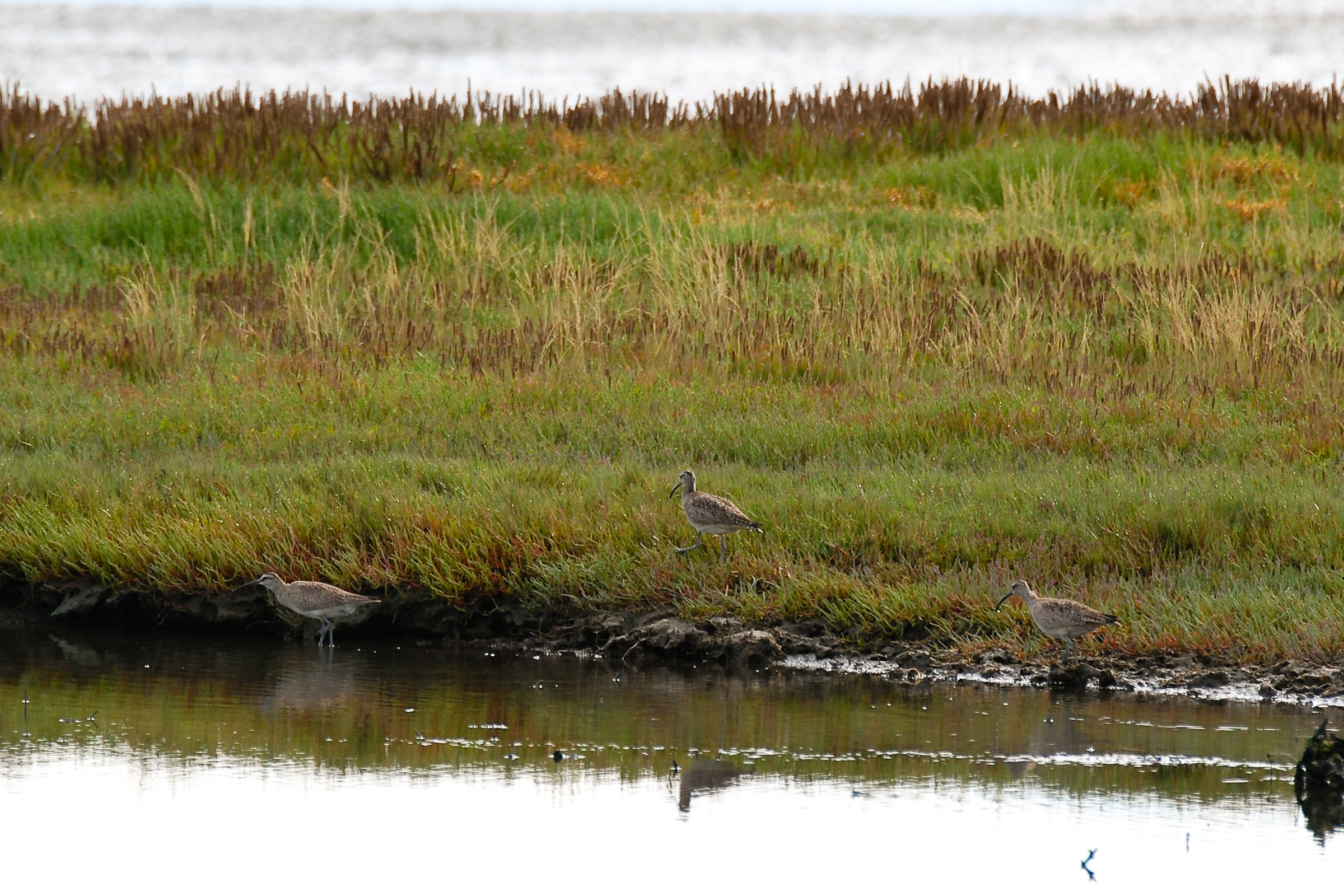
The western sandpiper is the most abundant shorebird in Washington. Hundreds of thousands stop at Grays Harbor, south of the park, each April. Peregrine falcons hunt shorebirds on the beaches too, as our guide to raptors of Olympic National Park explains.
How to give shorebirds room
BirdWeb links sanderling declines to disturbance at feeding areas during migration, and NOAA notes that migrating shorebirds need sheltered places with plenty of food to fuel their journeys. The park’s Superintendent’s Compendium asks you to stay at least 50 yards from all wildlife, and NOAA’s rule of thumb is simple: if birds flap, step back.
- Walk around flocks on the sand rather than through them.
- Use binoculars or a zoom lens instead of moving closer.
- Leave the offshore islands alone; they are closed refuges.
- Plan beach walks around the tide with our Olympic Coast tides and hiking safety guide.
Dogs are a special case. As of October 2026, the NPS pets page allows pets only on the Kalaloch area beaches and on Rialto Beach from the parking lot to Ellen Creek, on a leash no longer than 6 feet. The park warns that pets can harass or harm wildlife; check the NPS page before you go.
How Friends of Olympic National Park helps
We are Friends of Olympic National Park (FONP), a volunteer led friends group based in Port Angeles. Our volunteers join beach cleanups in Olympic National Park, such as our spring coastal cleanup in the Kalaloch area, to keep litter off the sand these birds feed on. Please become a member and help that work continue.
Frequently asked questions
What is the black bird with a red bill on Olympic Coast beaches?
It is almost certainly a black oystercatcher. BirdWeb describes a crow sized, all black shorebird with pale pink legs and a long, bright reddish orange bill. Olympic National Park lists it as common and as a breeding bird.
Why do sanderlings run in and out with the waves?
Sanderlings feed at the edge of the surf, running down as a wave pulls back and racing up ahead of the next one while they probe the wet sand for food. BirdWeb calls the sanderling the quintessential surf dodger.
When is the best time to see shorebirds on the Washington coast?
Black oystercatchers are there all year. BirdWeb says many others return from July and stay common into spring, while whimbrels and wandering tattlers are most common on migration, from mid April to mid May and again from July.
How close can I get to shorebirds in Olympic National Park?
No closer than 50 yards. The park’s Superintendent’s Compendium sets that distance for all wildlife. If birds start to flap or move away, you are too close, so step back.
Leave a Reply