
Learn · Park Nature · History
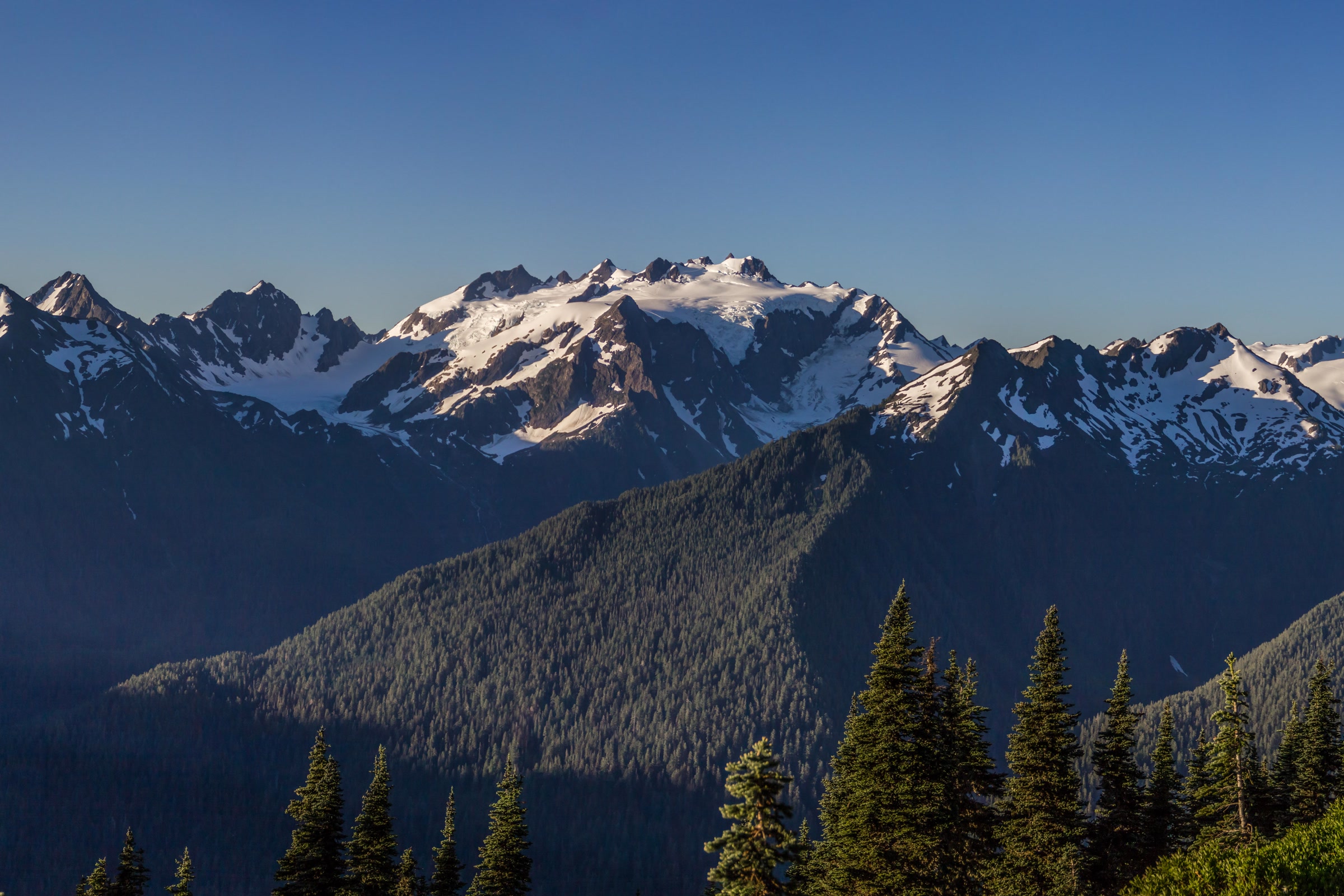
Olympic National Park is a World Heritage Site because few places on Earth pack glaciated mountains, old-growth temperate rain forest and a wild Pacific coast into one protected landscape. UNESCO added the park to its World Heritage List in 1981, five years after it became an International Biosphere Reserve. Here is what earned those titles, and what they do and don’t change for the park we love.
Quick answer
Why is Olympic National Park a World Heritage Site?
Olympic National Park is a World Heritage Site because UNESCO found its glacier-capped mountains, old-growth temperate rain forest and wild Pacific coast to be of outstanding universal value. It was inscribed in 1981 under criteria (vii) and (ix), for natural beauty and living ecosystems, five years after becoming an International Biosphere Reserve in 1976.
- Inscribed on the World Heritage List in 1981
- Named an International Biosphere Reserve in 1976
- Three ecosystems: glaciated peaks, rain forest and wild coast
- Home to animals found nowhere else, like the Olympic marmot
The UNESCO World Heritage listing at a glance
The World Heritage List recognizes places whose value reaches beyond any one country. To be listed, a site must meet at least one of UNESCO’s criteria. Olympic meets two natural ones: criterion (vii), for superb natural beauty, and criterion (ix), for outstanding examples of ecosystems still evolving on their own.
Congress made Olympic a national park in 1938, and the park protects 922,651 acres. UNESCO notes that 95 percent of the listed property is federally protected wilderness. For the longer story of how the park came to be, see our Olympic National Park history timeline.
Olympic’s two international designations
| Designation | Year | What it recognizes |
|---|---|---|
| International Biosphere Reserve | 1976 | A place to study how nature and people can thrive together |
| World Heritage Site | 1981 | Outstanding universal value under criteria (vii) and (ix) |
Three ecosystems in one park
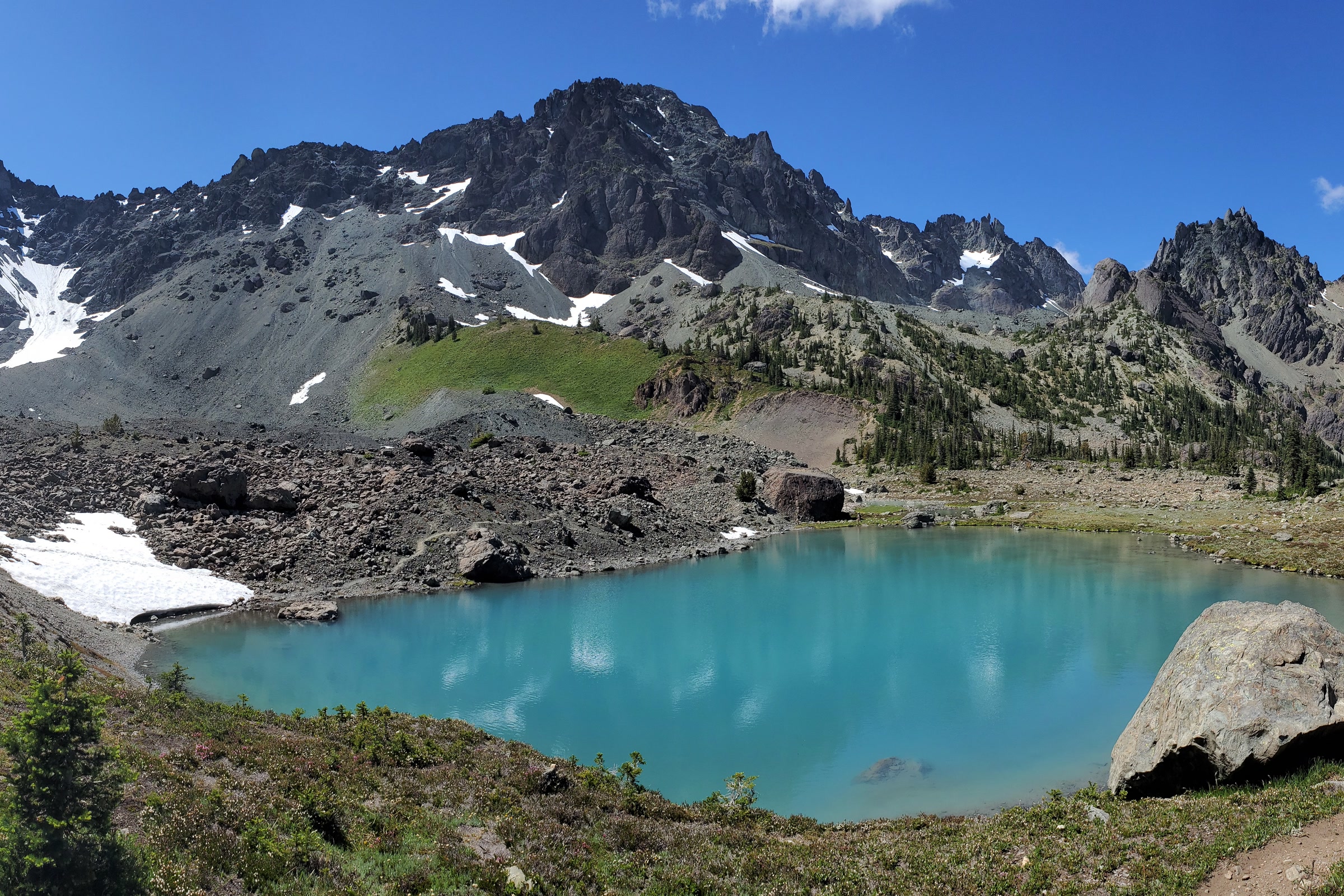
UNESCO calls Olympic the largest protected area in the world’s temperate region that holds, in one unbroken whole, every step from the ocean’s edge through temperate rain forest and alpine meadows to glaciated peaks. High rainfall, steep terrain and ten major watersheds stack those life zones close together. The National Park Service sums it up as three ecosystems: mountains, rain forest and coast.
Olympic’s three ecosystems compared
| Ecosystem | Why UNESCO values it | Where to see it |
|---|---|---|
| Glaciated mountains | Glaciers at the lowest latitude where they form below 2,000 meters | Mount Olympus and the high country |
| Temperate rain forest | One of the world’s largest stands of virgin temperate rain forest | Hoh, Quinault, Queets and Bogachiel valleys |
| Wild coast | The longest undeveloped coast in the contiguous United States | Ruby Beach, Rialto Beach and Kalaloch |
Glaciated mountains
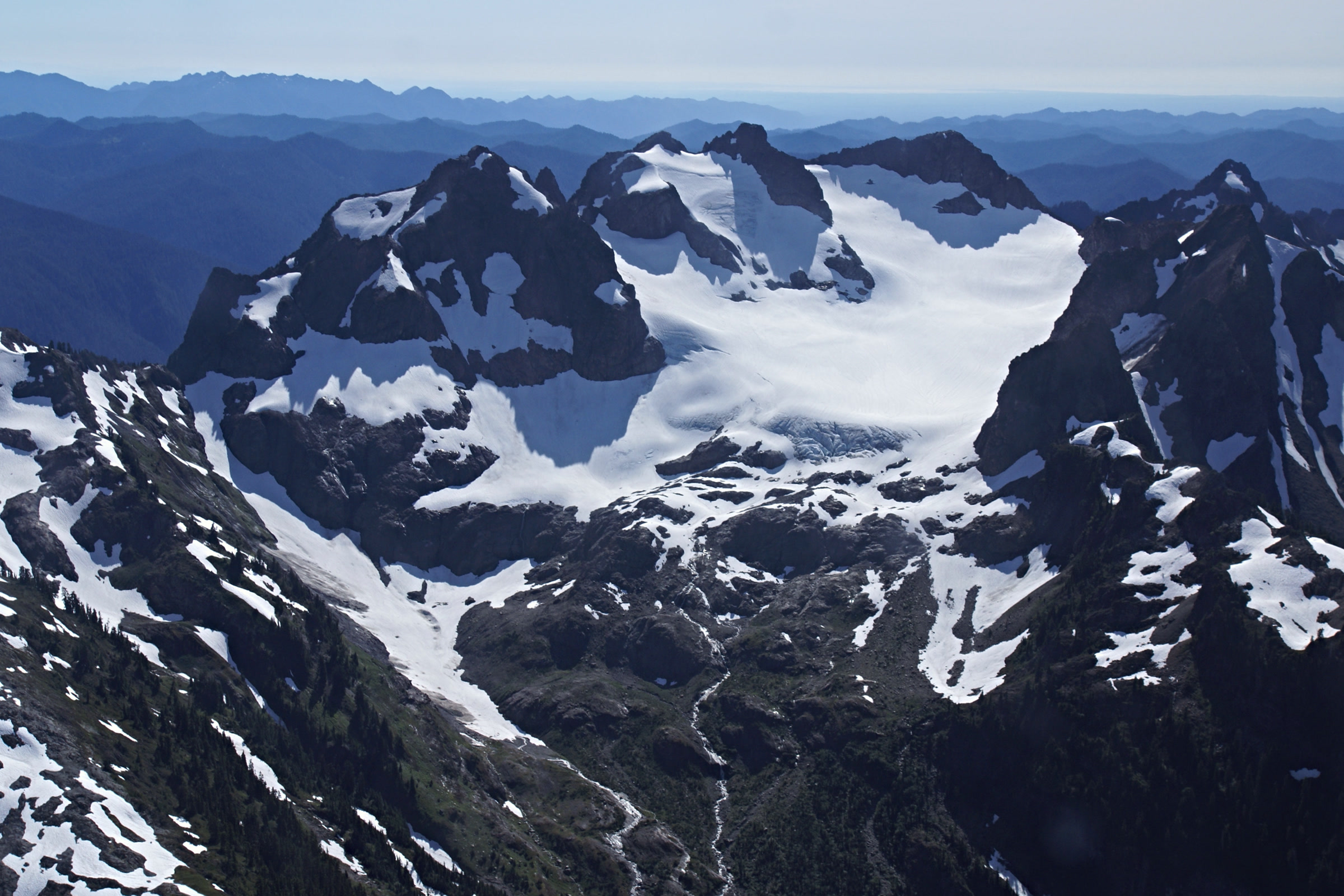
Mount Olympus rises to 7,980 feet and gets an estimated 50 feet of snow a year. UNESCO points out that Olympic is the lowest latitude in the world where glaciers form below 2,000 meters (about 6,500 feet) and reach below 1,000 meters (about 3,300 feet). Ice has carved the range into craggy peaks, deep valleys and bowl-shaped cirques.
Old-growth temperate rain forest
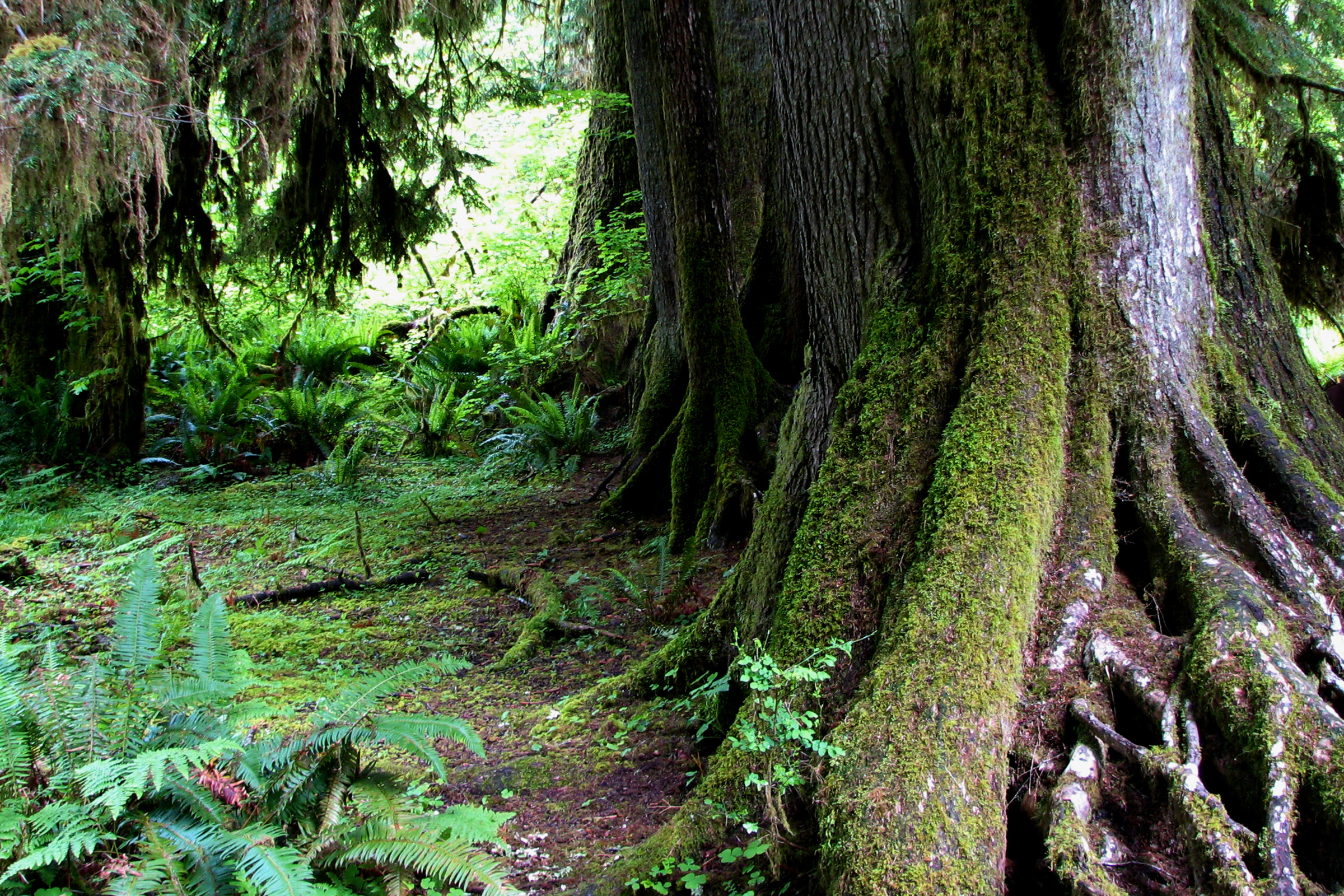
In the west-side valleys, storms off the Pacific bring 140 to 167 inches of precipitation a year. UNESCO notes that the coastal rain forest reaches its fullest development here, with a mass of living plants that may be the highest anywhere in the world. Many of the largest conifer species on Earth grow in these valleys.
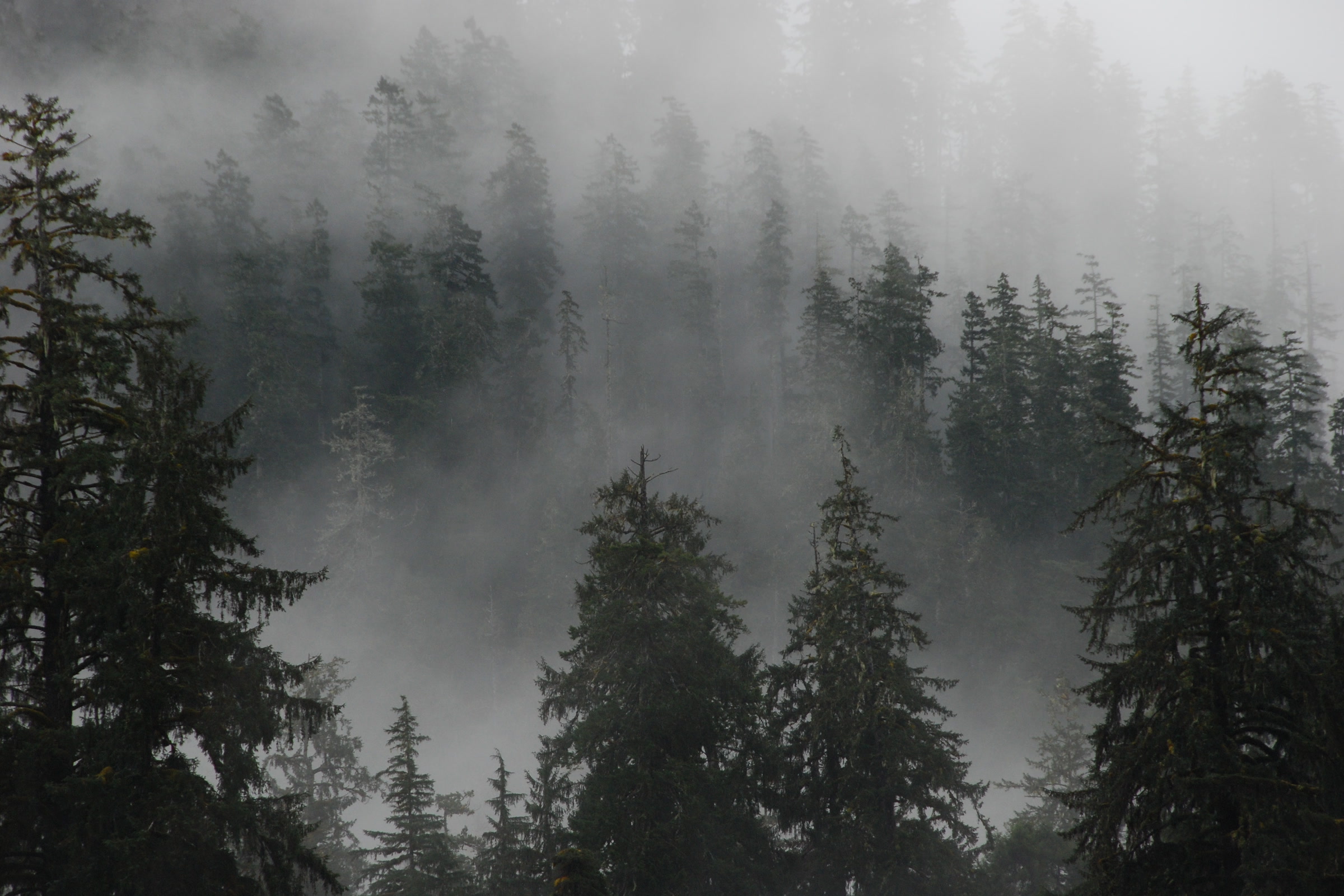
Our guide to the temperate rainforests of Olympic National Park compares the four rain forest valleys and the best short trails in each.
A wild Pacific coast
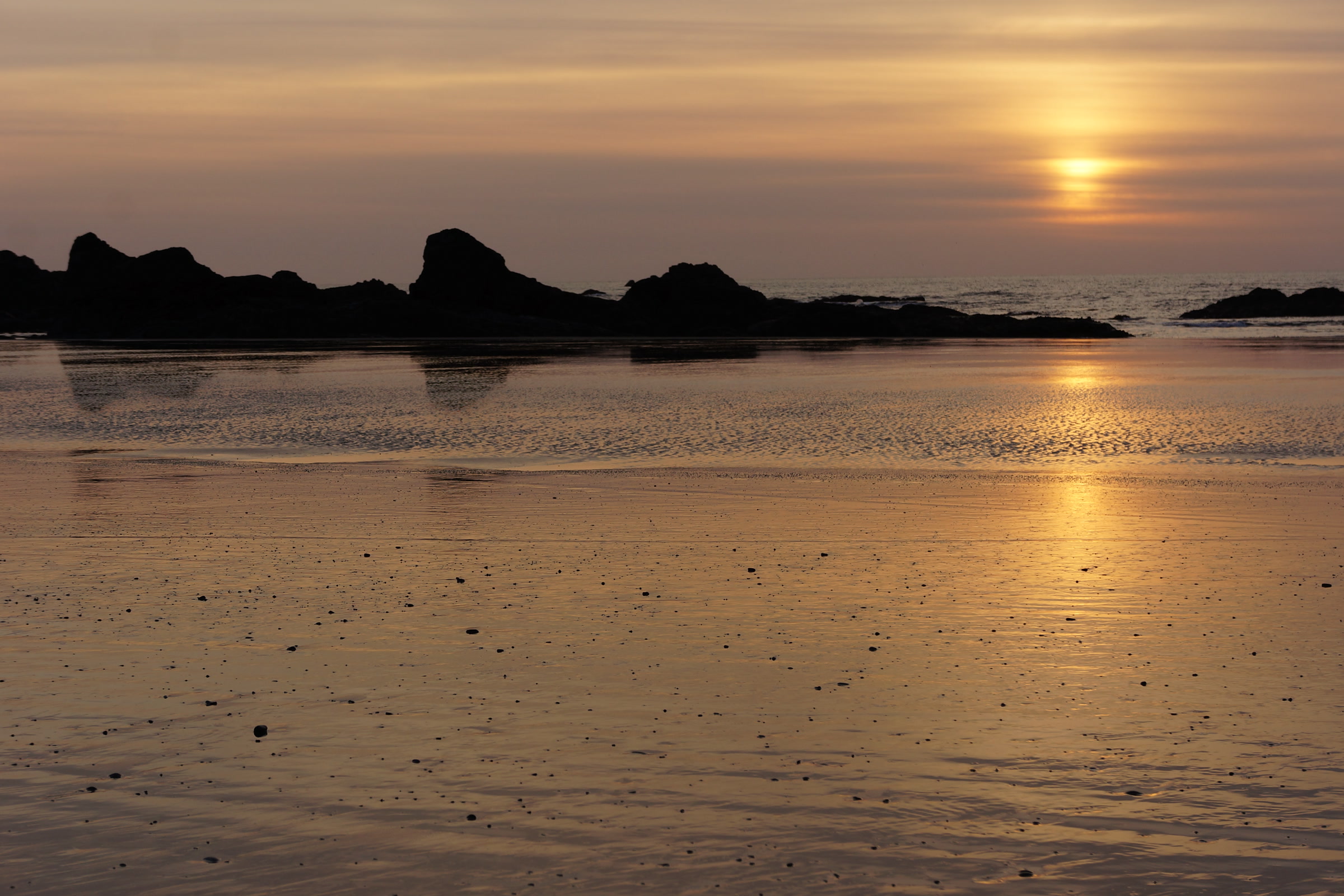
UNESCO counts 100 kilometers of wilderness coastline in the park, the longest undeveloped coast in the contiguous United States. Rocky islets and sea stacks stand offshore, left behind as the waves keep wearing the shoreline back. Eleven major river systems drain the mountains to the sea, giving salmon and other fish that live in both fresh and salt water some of the best habitat in the country.
Endemic species found nowhere else
The Olympic Peninsula is isolated, with salt water on three sides. UNESCO says that isolation produced endemic wildlife, subspecies of trout, plant varieties and unique fur colors in mammals, signs of a separate course of evolution. The park lists the Olympic marmot, Olympic snow mole and Olympic torrent salamander among animals found here and nowhere else.
Just as telling is what never lived here. The park notes that grizzly bears, wolverines, lynx, red foxes and pikas did not occur on the peninsula. Meet the park’s best-known local in our story on the Olympic marmot of Hurricane Ridge.
Olympic as a biosphere reserve
Before the World Heritage listing came a different honor. In 1976 the park was named an International Biosphere Reserve under UNESCO’s Man and the Biosphere Programme. Biosphere reserves are meant as living laboratories, places for research and learning about how people and nature can do well side by side.
What World Heritage status does and doesn’t mean
The title is recognition, not a transfer of control. The National Park Service notes that each country that signs the World Heritage Convention keeps sovereignty over its sites, and the United States was the first nation to ratify it. Olympic is still owned by the American people and managed by the park under the laws that created it.
- It does: mark the park as one of the world’s great natural places and draw attention to anything that threatens it.
- It doesn’t: change who owns the park, who manages it, or the rules visitors follow.
- It asks: that the values on the list be kept whole for future generations.
You can read the full statement of value on the UNESCO World Heritage listing for Olympic National Park.
How Friends of Olympic National Park helps
World-class places still need local hands. Our volunteers pick up debris on the coast through our beach cleanups in Olympic National Park, and our adopt-a-trail crew cares for the Heart O’ the Forest Trail. We also lead guided walks and help with National Junior Ranger Day, so the next generation learns why this park matters.
Membership keeps that work going. Become a member of Friends of Olympic National Park for our newsletter and invitations to events, or see our volunteer opportunities.
Frequently asked questions
When did Olympic National Park become a World Heritage Site?
UNESCO inscribed Olympic National Park on the World Heritage List in 1981, under natural criteria (vii) and (ix).
Is Olympic National Park a biosphere reserve?
Yes. The park was named an International Biosphere Reserve in 1976 under UNESCO’s Man and the Biosphere Programme, five years before its World Heritage listing.
Does UNESCO own or control Olympic National Park?
No. Each country that signs the World Heritage Convention keeps sovereignty over its sites. Olympic is still managed by the National Park Service under United States law.
What are the three ecosystems of Olympic National Park?
Glaciated mountains, old-growth temperate rain forest and a wild Pacific coast. UNESCO highlights how all three sit together in one protected area.
What animals live only in Olympic National Park?
The park lists the Olympic marmot, Olympic snow mole and Olympic torrent salamander among endemic animals found here and nowhere else.
Leave a Reply