
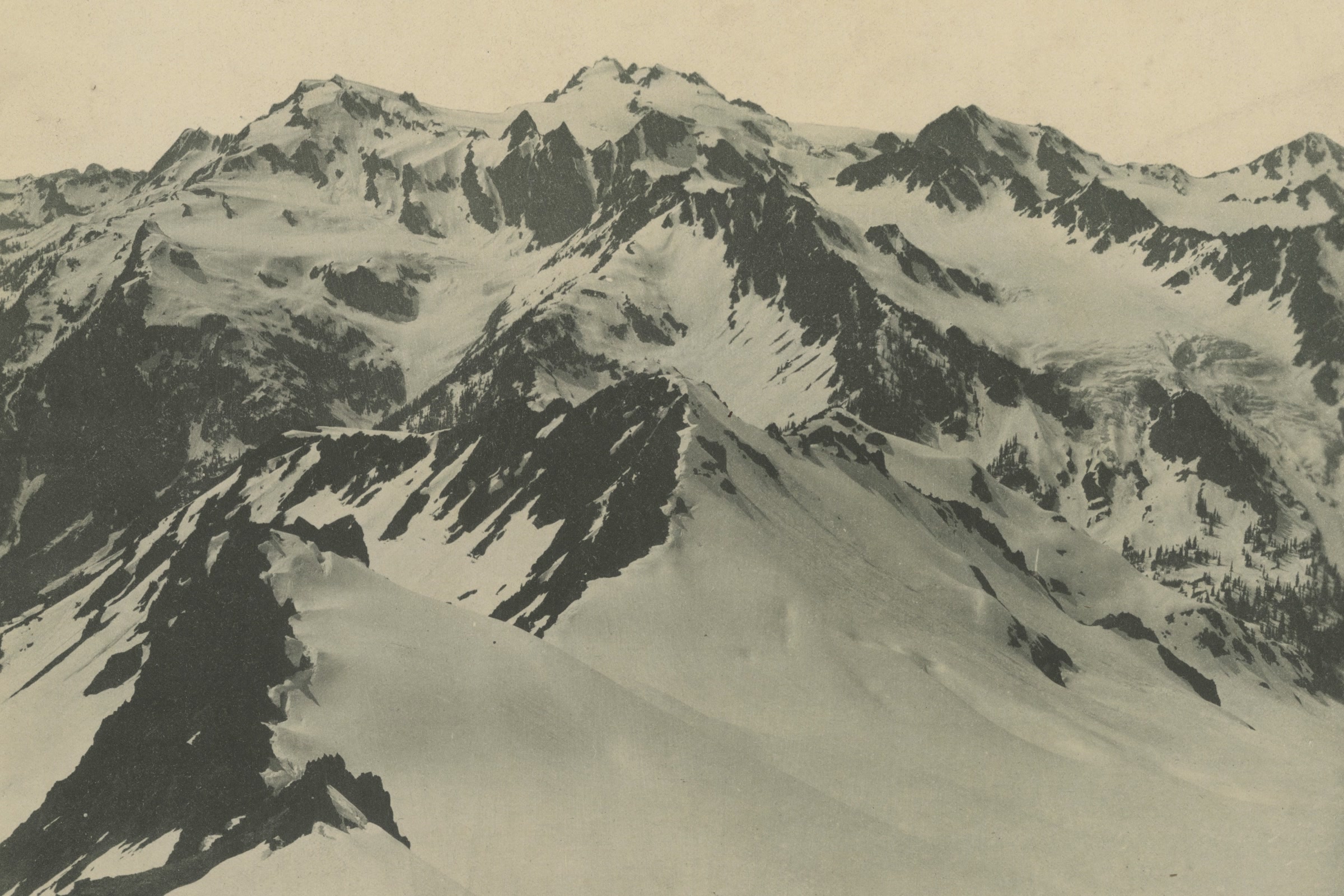
Olympic National Park history begins long before any boundary line. People have lived on the Olympic Peninsula for thousands of years, and federal protection came in three steps: a forest reserve in 1897, a national monument in 1909 and a national park in 1938. This timeline walks through each chapter, right up to recent events.
Quick answer
What is the history of Olympic National Park?
Olympic National Park’s history spans at least 13,800 years of human presence and more than a century of protection: the Olympic Forest Reserve in 1897, Theodore Roosevelt’s Mount Olympus National Monument in 1909, and the national park Congress established on June 29, 1938. UNESCO named it a Biosphere Reserve in 1976 and World Heritage Site in 1981.
- Olympic Forest Reserve created February 22, 1897
- Mount Olympus National Monument proclaimed March 2, 1909
- National park established June 29, 1938
- About 95 percent of the park is designated wilderness
Olympic National Park timeline at a glance
| Year | Milestone |
|---|---|
| About 13,800 years ago | Earliest evidence of people in the region |
| 1855-1856 | Treaties cede tribal lands to the United States |
| 1897 | Olympic Forest Reserve created |
| 1909 | Mount Olympus National Monument proclaimed |
| 1933 | Monument transferred to the National Park Service |
| 1938 | Olympic National Park established |
| 1953 | Coastal Strip and Queets Corridor added |
| 1976 | International Biosphere Reserve |
| 1981 | World Heritage Site |
| 1988 | Olympic Wilderness designated |
| 2002 | Friends of Olympic National Park founded |
| 2011-2014 | Elwha River dams removed |
| 2017 | Wilderness rededicated for Daniel J. Evans |
| 2023 | Hurricane Ridge Day Lodge lost to fire |
First peoples of the Olympic Peninsula
The park’s story starts with the people who have always called this place home. In 1977 a farmer digging a pond just outside today’s park found mastodon remains with a bone point lodged in a rib. In 2011 scientists dated that point to 13,800 years ago, the earliest evidence of people in this region.
According to the park’s page on ancient peoples and area tribes of the Olympic Peninsula, eight tribes have traditional ties to lands now in the park: the Hoh, Jamestown S’Klallam, Lower Elwha Klallam, Makah, Port Gamble S’Klallam, Quileute, Quinault and Skokomish. Their ancestors ceded lands and waters to the federal government in treaties signed in 1855 and 1856. These are living nations, and their cultures remain tied to these rivers, forests and coast.
From forest reserve to Mount Olympus National Monument
On February 22, 1897, President Grover Cleveland created the Olympic Forest Reserve, about 2.2 million acres. Later cuts shrank it, and in 1907 it was renamed Olympic National Forest.
Concern for the peninsula’s elk drove the next step. On March 2, 1909, President Theodore Roosevelt proclaimed Mount Olympus National Monument, 610,560 acres set aside mainly as a refuge for elk. The animals now carry his name as Roosevelt elk.
The monument didn’t stay whole. In 1915 President Woodrow Wilson cut it roughly in half, partly because of wartime demand for timber. On June 10, 1933, President Franklin D. Roosevelt moved what remained from the Forest Service to the National Park Service.
FDR’s 1937 visit and the 1938 national park
Bills to create a park failed through the 1920s and 1930s. In late September 1937 Franklin Roosevelt toured the peninsula himself, met with local leaders and agency staff at Lake Crescent about the park’s size, and spoke to a crowd in Port Angeles.
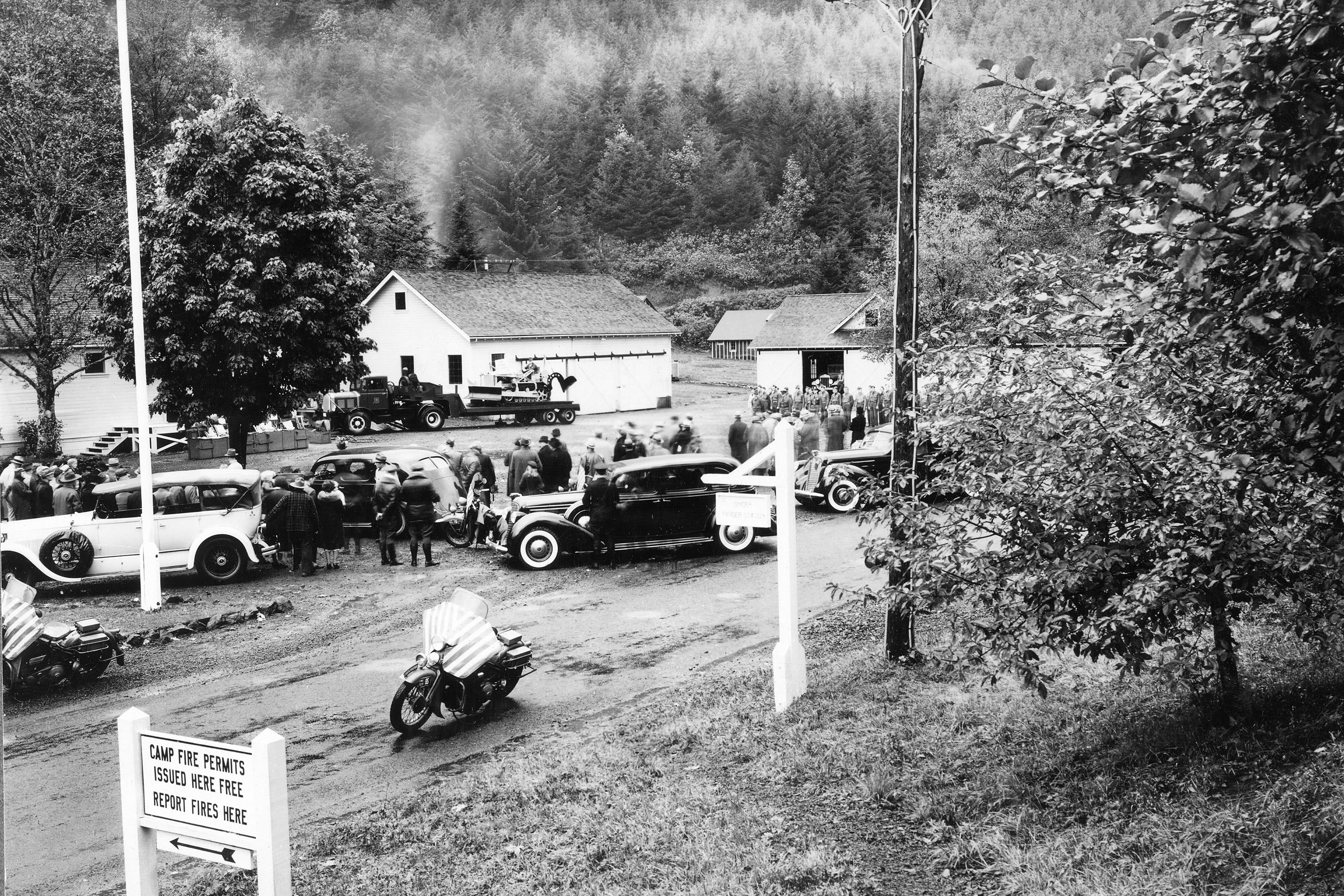
Congress acted the next summer. The act of June 29, 1938, established Olympic National Park at about 682,000 acres and abolished the monument. It also let the president enlarge the park, and on January 2, 1940, Roosevelt added 187,411 acres.
Adding the coast and the high country
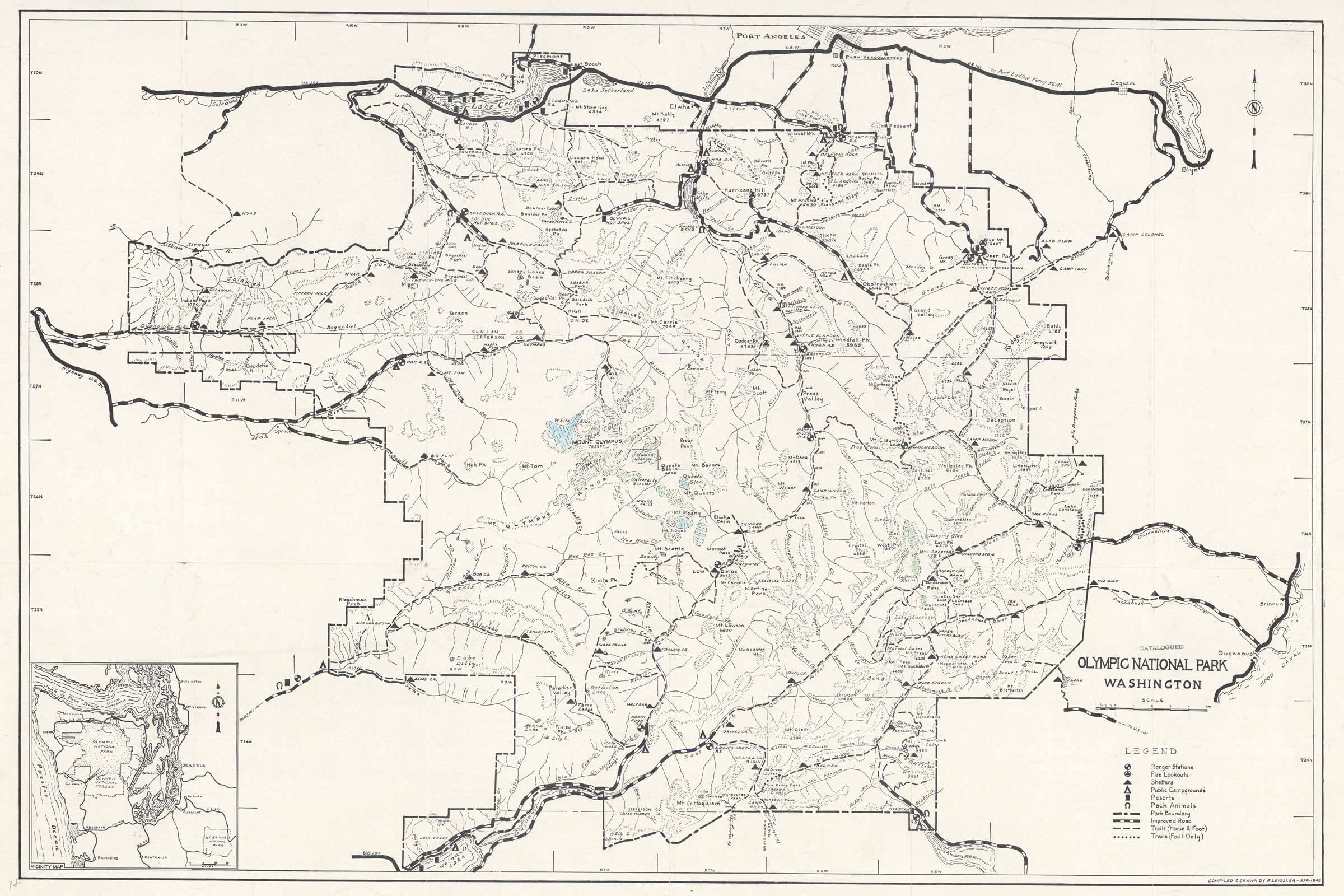
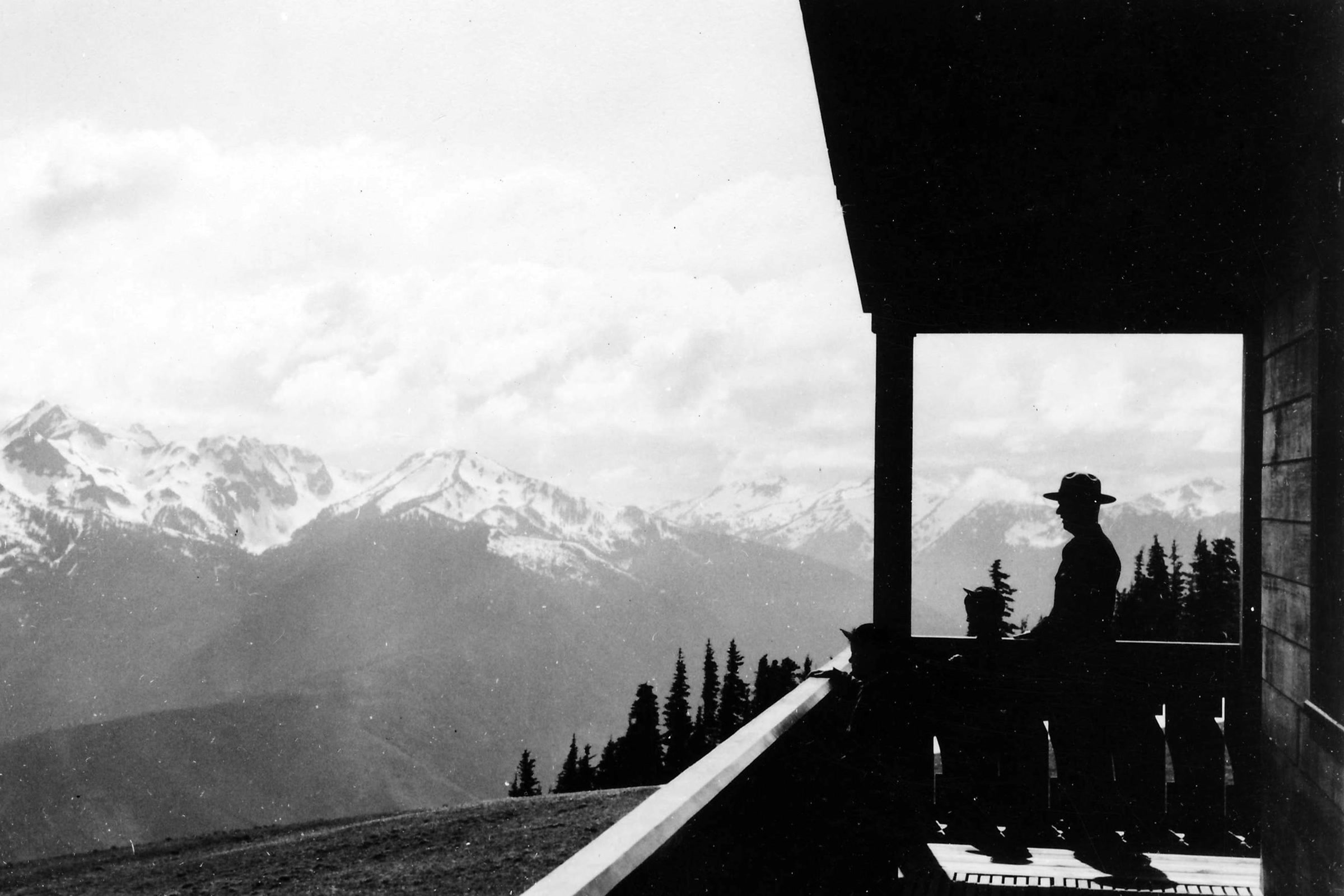
The 1950s brought two big changes. The two-story Hurricane Ridge Day Lodge was built in 1952, giving visitors a base high in the mountains. On January 6, 1953, President Harry Truman added 47,753 acres, including the Coastal Strip, the Queets Corridor and part of the Bogachiel Valley.
The Coastal Strip brought a long run of wild Pacific beaches into the park. That coast is where our volunteers now haul out marine debris during beach cleanups in Olympic National Park.
World recognition and wilderness
In 1976 UNESCO named the park an International Biosphere Reserve. In 1981 it was inscribed on the UNESCO World Heritage List for its natural values. Read more in our post on why Olympic National Park is a World Heritage Site.
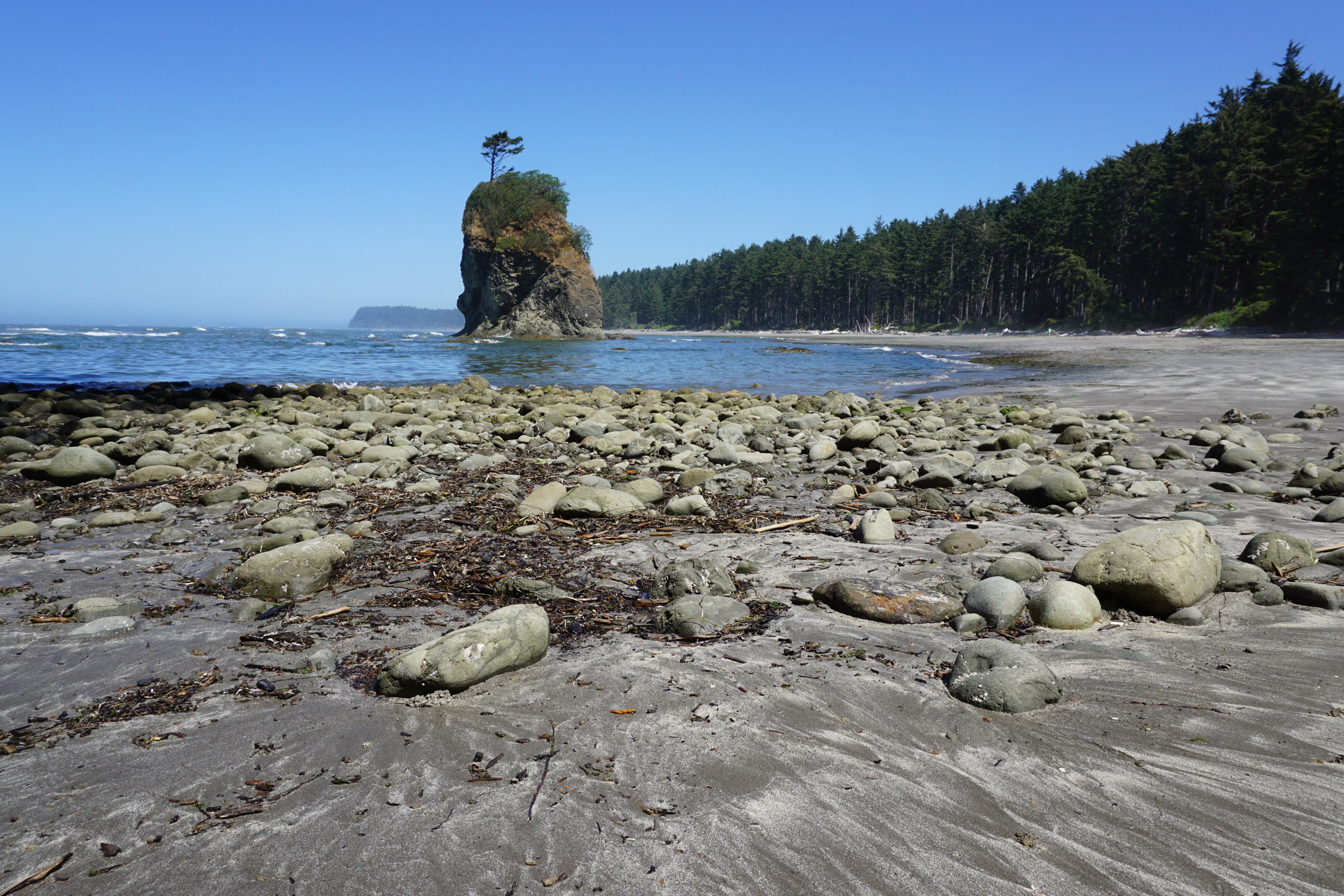
On November 16, 1988, President Ronald Reagan signed the Washington Park Wilderness Act. It set aside 877,000 acres, about 95 percent of the park, as the Olympic Wilderness.
A 2016 law renamed the area for Daniel J. Evans, the former Washington governor and senator who introduced the 1988 bill. The park rededicated it under his name in 2017.
Recent chapters: the Elwha and Hurricane Ridge
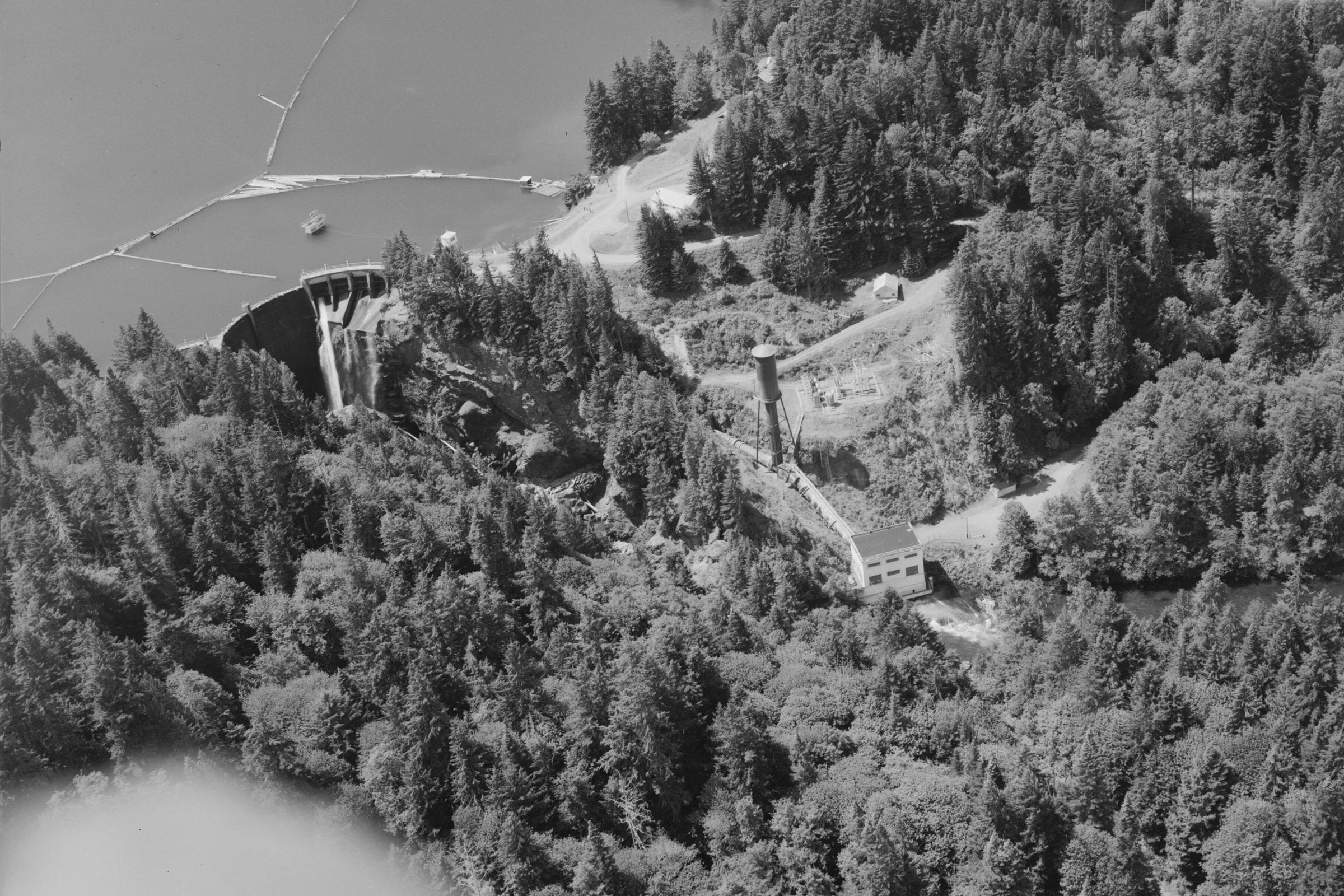
Congress passed the Elwha River Ecosystem and Fisheries Restoration Act in 1992. Removal of the Elwha and Glines Canyon dams began on September 17, 2011, and finished in 2014. Our post on Elwha River dam removal and restoration tells that story.
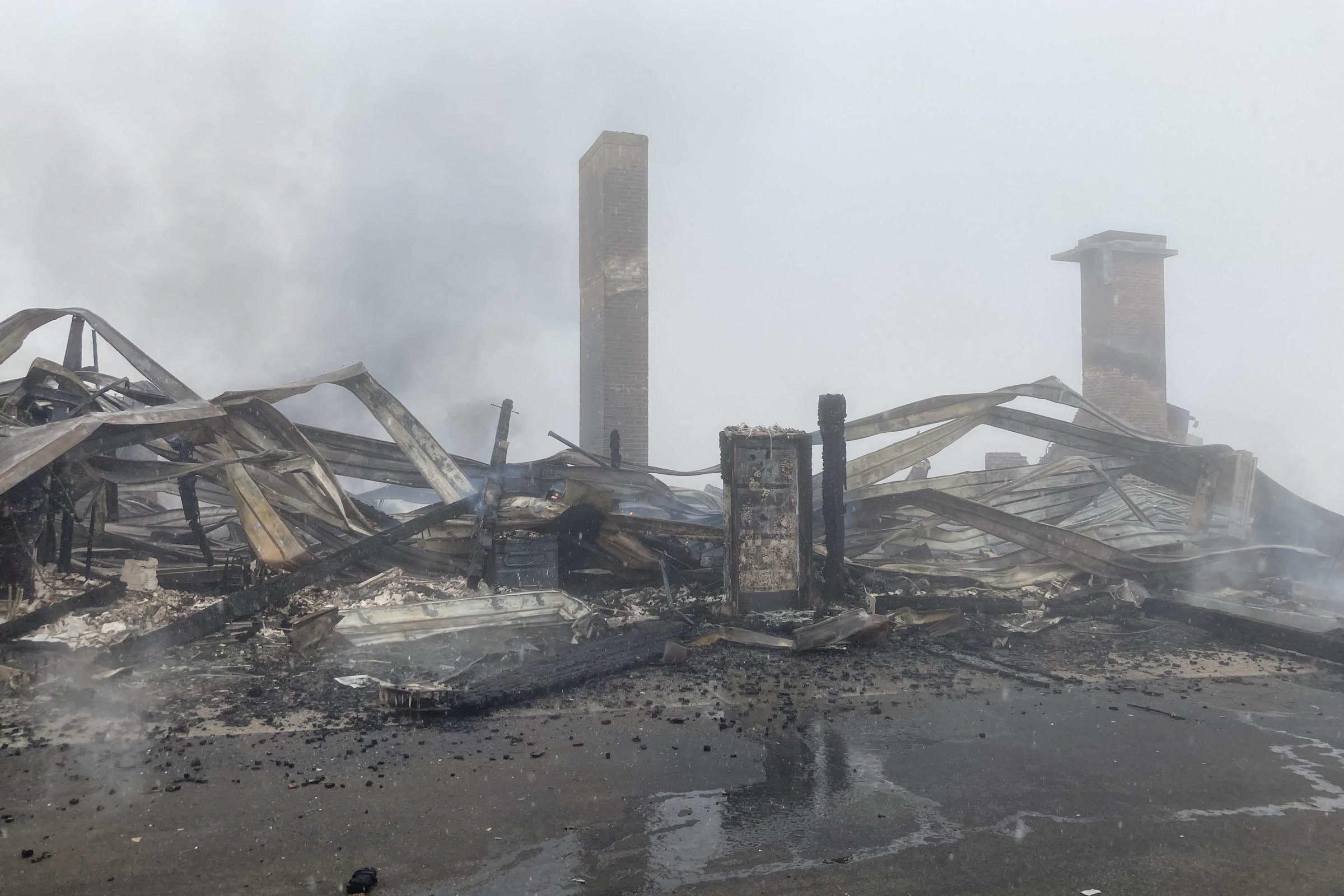
On May 7, 2023, the Hurricane Ridge Day Lodge burned to the ground. It was closed for rehabilitation at the time, and no one was hurt. The building also held the area’s power, water and communications hub, so the loss shaped access to the ridge for months afterward.
Where Friends of Olympic National Park fits
Friends of Olympic National Park (FONP) was founded in 2002. We’re a volunteer-led friends group based in Port Angeles, one of many that support parks across the country, as our guide to national park friends groups explains.
History lovers can dig deeper with our guide to historical structures in Olympic National Park or the story of the Enchanted Valley Chalet move. The next chapter is being written by people like you, so become a member of Friends of Olympic National Park and help care for the park.
Frequently asked questions
When was Olympic National Park established?
Congress established Olympic National Park with an act of June 29, 1938, signed by President Franklin D. Roosevelt. He had toured the Olympic Peninsula the previous fall.
Why was Mount Olympus National Monument created?
Theodore Roosevelt proclaimed it on March 2, 1909, mainly as a refuge for the peninsula’s elk, which are now known as Roosevelt elk.
Was Olympic National Park ever a national forest?
Yes. Much of the land was part of the Olympic Forest Reserve, created in 1897 and renamed Olympic National Forest in 1907, before the monument and park were carved from it.
How much of Olympic National Park is wilderness?
About 95 percent. The 1988 Washington Park Wilderness Act designated 877,000 acres, now called the Daniel J. Evans Wilderness.
Which tribes have ties to Olympic National Park?
Eight tribes: the Hoh, Jamestown S’Klallam, Lower Elwha Klallam, Makah, Port Gamble S’Klallam, Quileute, Quinault and Skokomish.
Leave a Reply