
Visit · Coast · Stewardship
Leave No Trace on the Olympic coast means planning around the tides, camping and building fires only where the park allows, locking food in a bear canister, and carrying out everything you bring. Long stretches of the wilderness coast from Shi Shi to the Hoh are reached only on foot, so each visitor’s habits add up. Here is how the seven Leave No Trace principles line up with Olympic National Park’s beach rules.
We are Friends of Olympic National Park, a volunteer-led friends group. Everything below comes from the park’s own guidance, so check it again before each trip.
Plan ahead: tides, headlands and tide charts
On this coast, planning ahead is a safety rule before it is an ethic. The park warns plainly that the tide can trap you. Never try to round a headland without knowing the tide height and time, and carry both a tide chart and a topographic map that shows where tides are a problem.
- Pick up a tide chart at the Wilderness Information Center in Port Angeles or at some ranger stations.
- The park says the safest time to round a headland is within one to two hours before low tide.
- Some days have only one low tide, and storms or strong winds can push water higher than the chart predicts.
Overland trails around the headlands
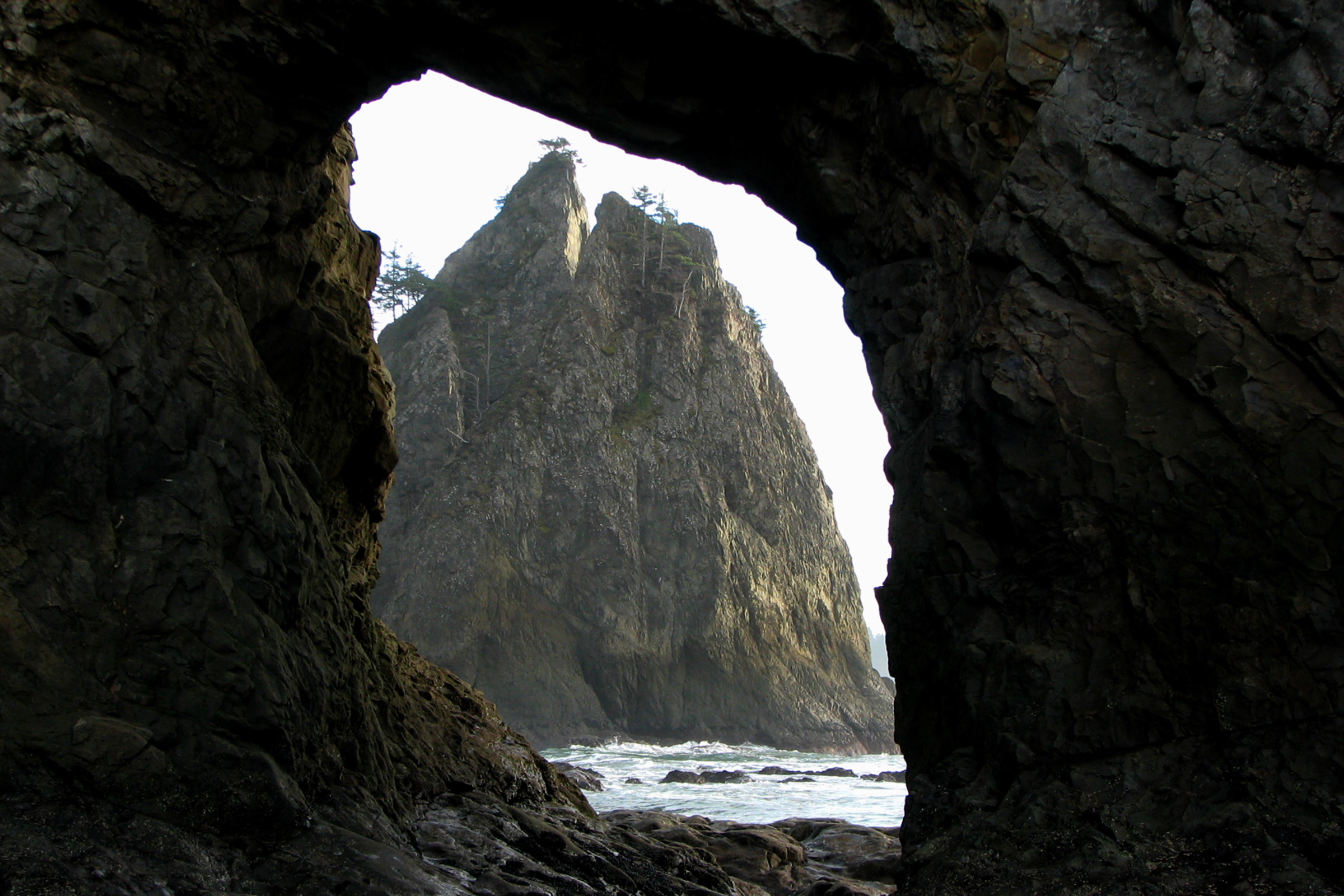
Some headlands can never be rounded on the beach, even at the lowest tides. Taylor Point and Teawhit Head, south of Third Beach, are two of them. Overland trails climb around these points and are marked with red and black targets.
Expect steep, muddy paths with cable ladders or fixed ropes. Climb one hiker at a time so no one knocks rocks onto people below, and bring leather gloves for the ropes.
Camp on durable surfaces, with a permit
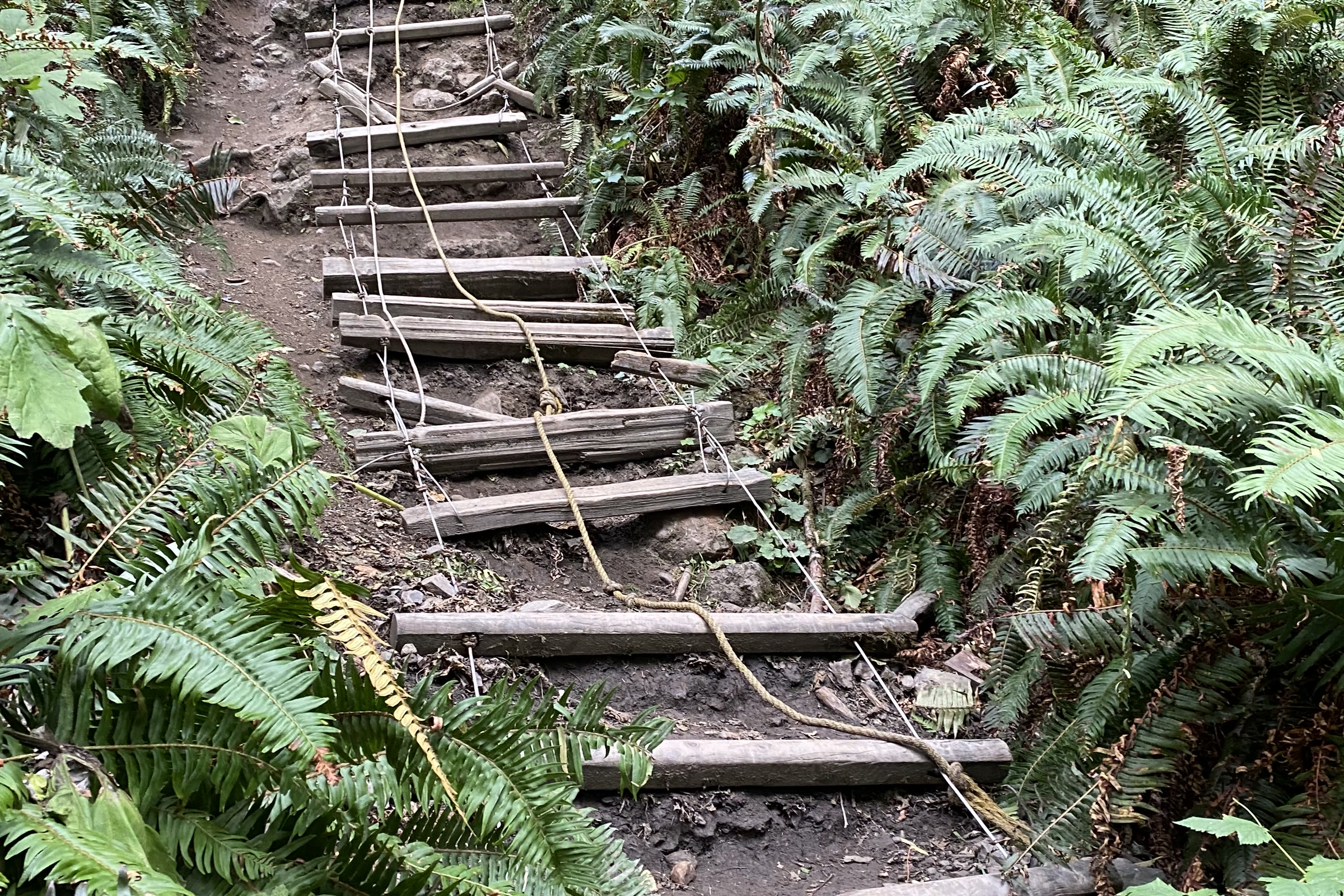
Wilderness camping permits are required for every overnight trip on the Olympic wilderness coast, all year. Permits are limited, and reservations are required between Point of the Arches and Yellow Banks. Reserve through Recreation.gov.
Camping is allowed along most of the coast, but not between the Quillayute River and Ellen Creek. South of the Hoh River, on the Kalaloch strip, you camp only in developed campgrounds. Where beach camping is allowed, pitch your tent on sand above the high tide line and reuse existing sites instead of clearing new ones.
Minimize campfire impacts: driftwood fire rules
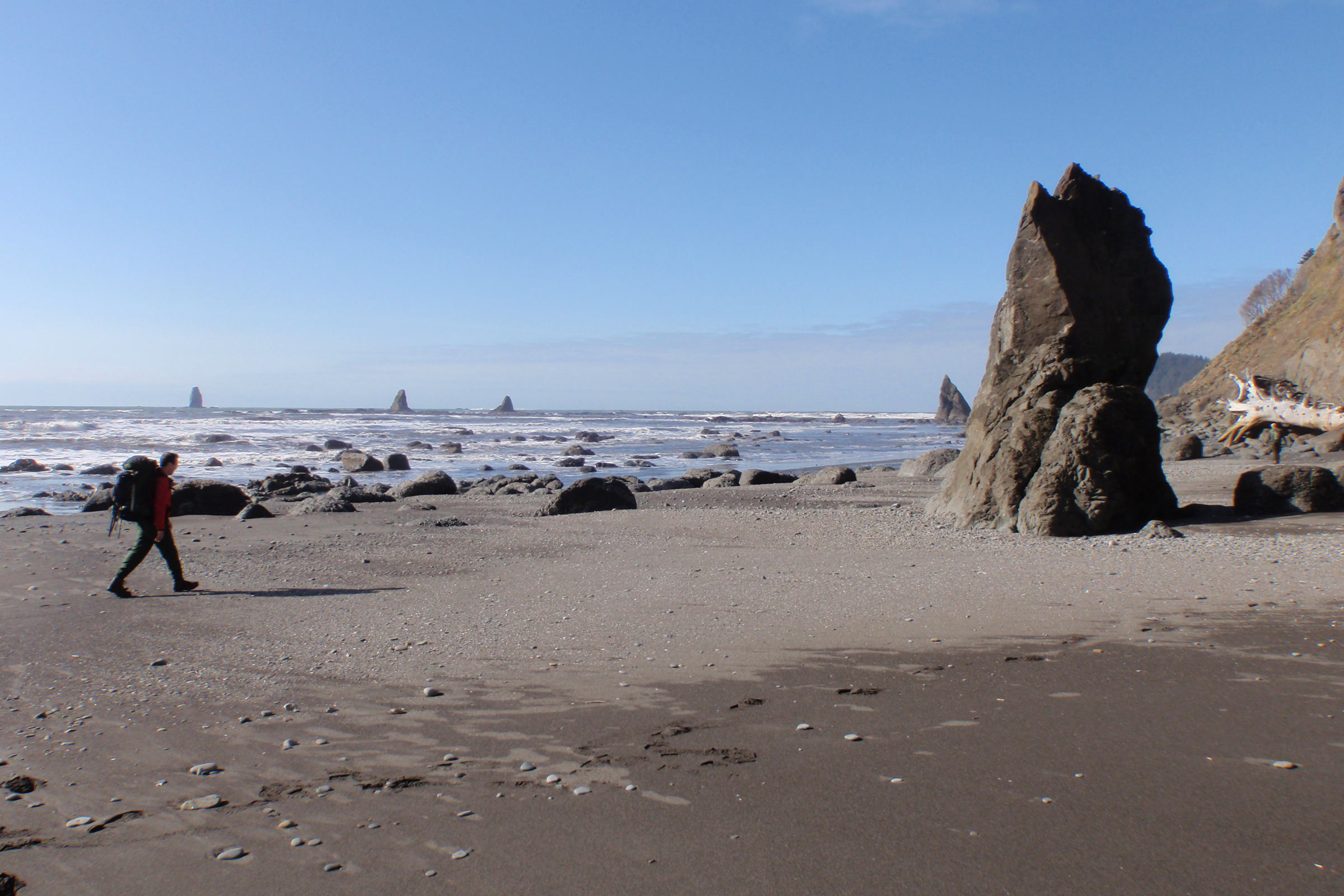
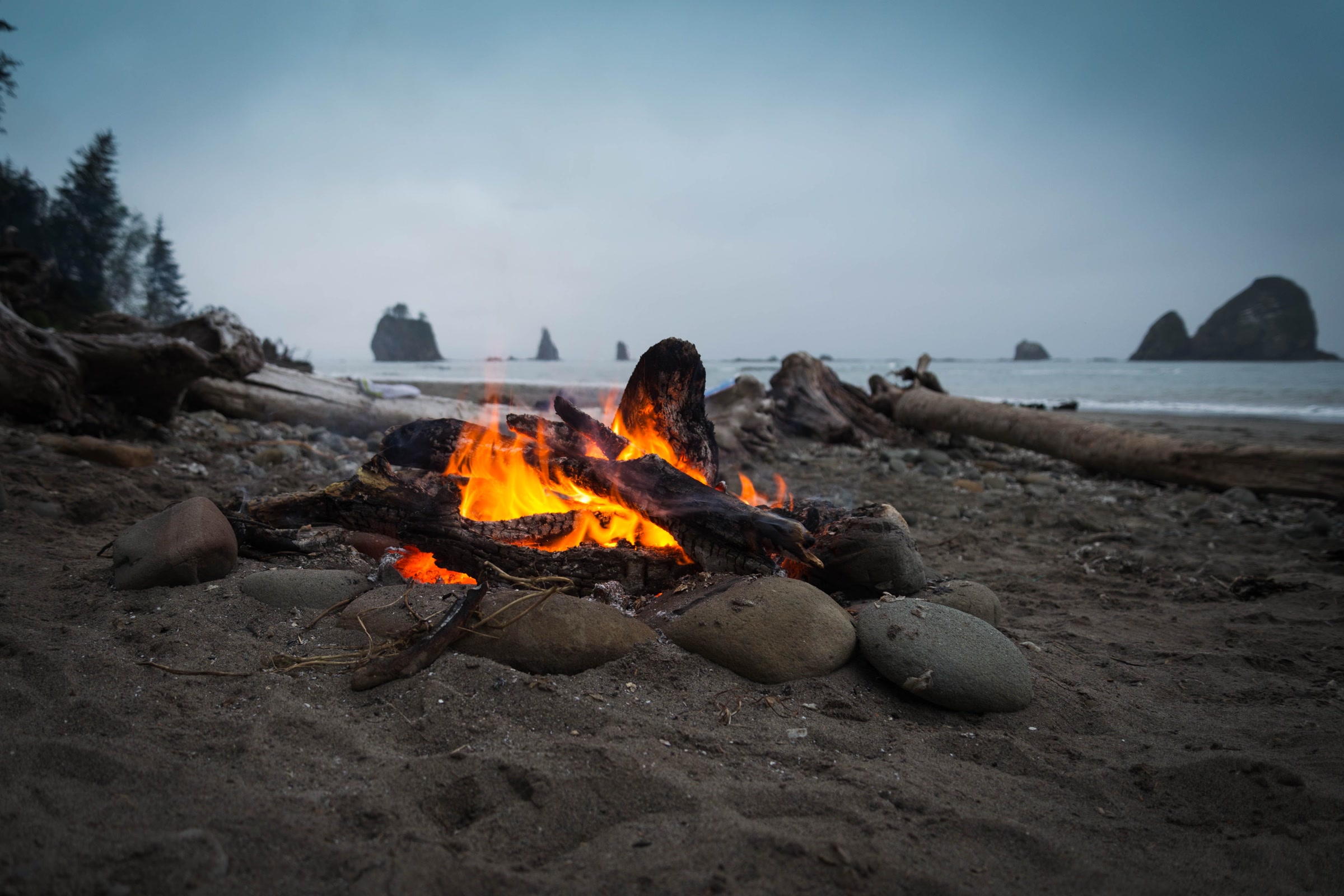
Olympic’s driftwood fire rules protect the coastal forest and the big beach logs that hold the shore together. Build fires only on the open beach, at least ten feet from beach logs and below the high tide line. Gather wood only from the beach, keep the fire small because coastal winds can spread it, and remove every trace of it before you leave. Skip building driftwood shelters or furniture, which the park discourages.
Olympic beach fire rules at a glance
| Situation | The park’s rule |
|---|---|
| Where to build | On the beach, below the high tide line, or in an existing fire ring |
| Distance from logs | At least ten feet from beach logs |
| What to burn | Driftwood gathered from the beach only |
| Yellow Banks to Wedding Rocks | No fires at all, including the Sand Point area |
| When you leave | Remove all evidence of the fire |
Respect wildlife: bear canisters and raccoons
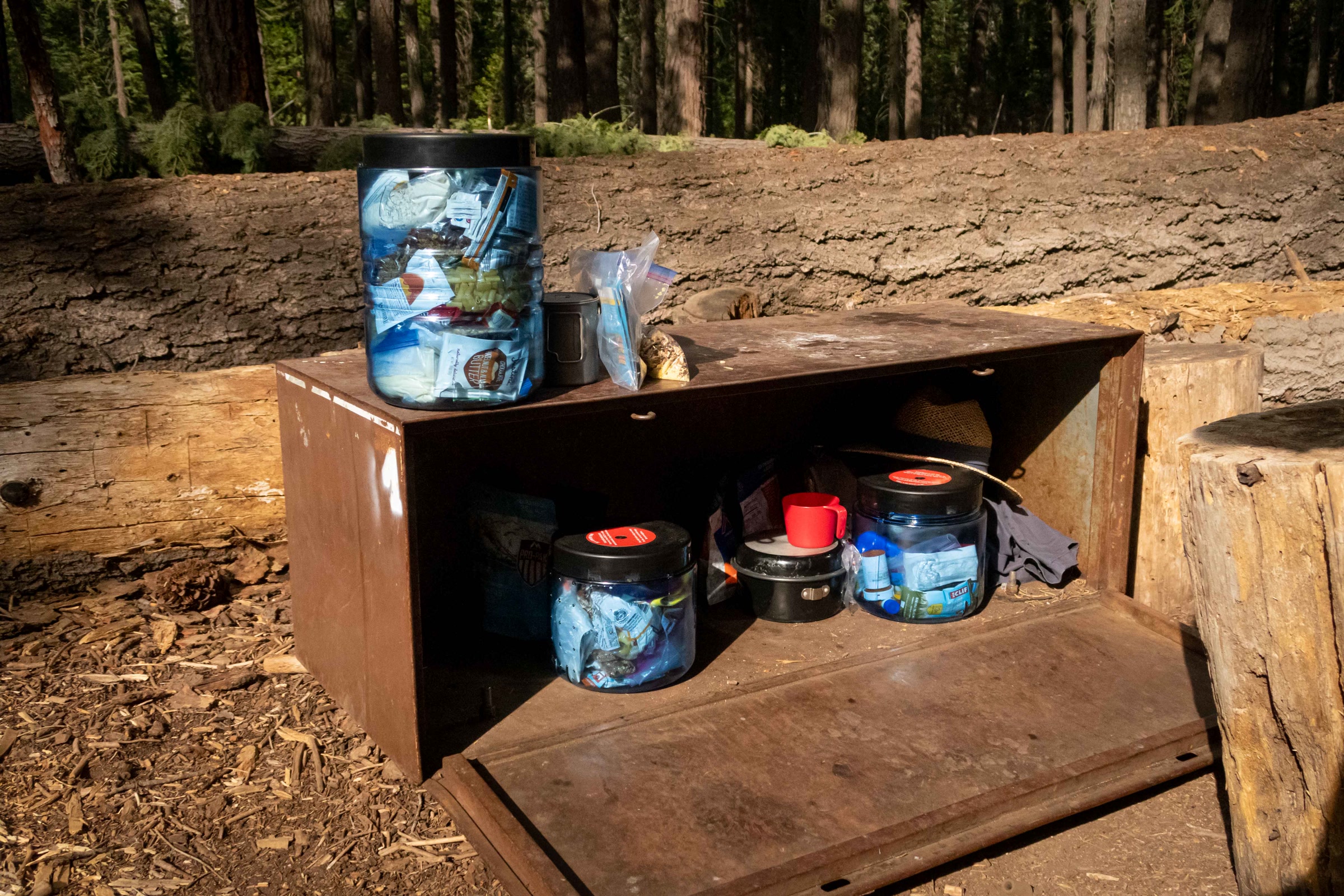
All food, garbage and scented items must be stored in park-approved bear canisters along the entire wilderness coast, overnight and whenever you leave them. The usual culprits here are raccoons, not just bears. The park notes that raccoons can easily get into food hung in bags, so never hang food on the coast. Illegal food storage can bring a $50 fine.
Leave what you find: tidepool etiquette
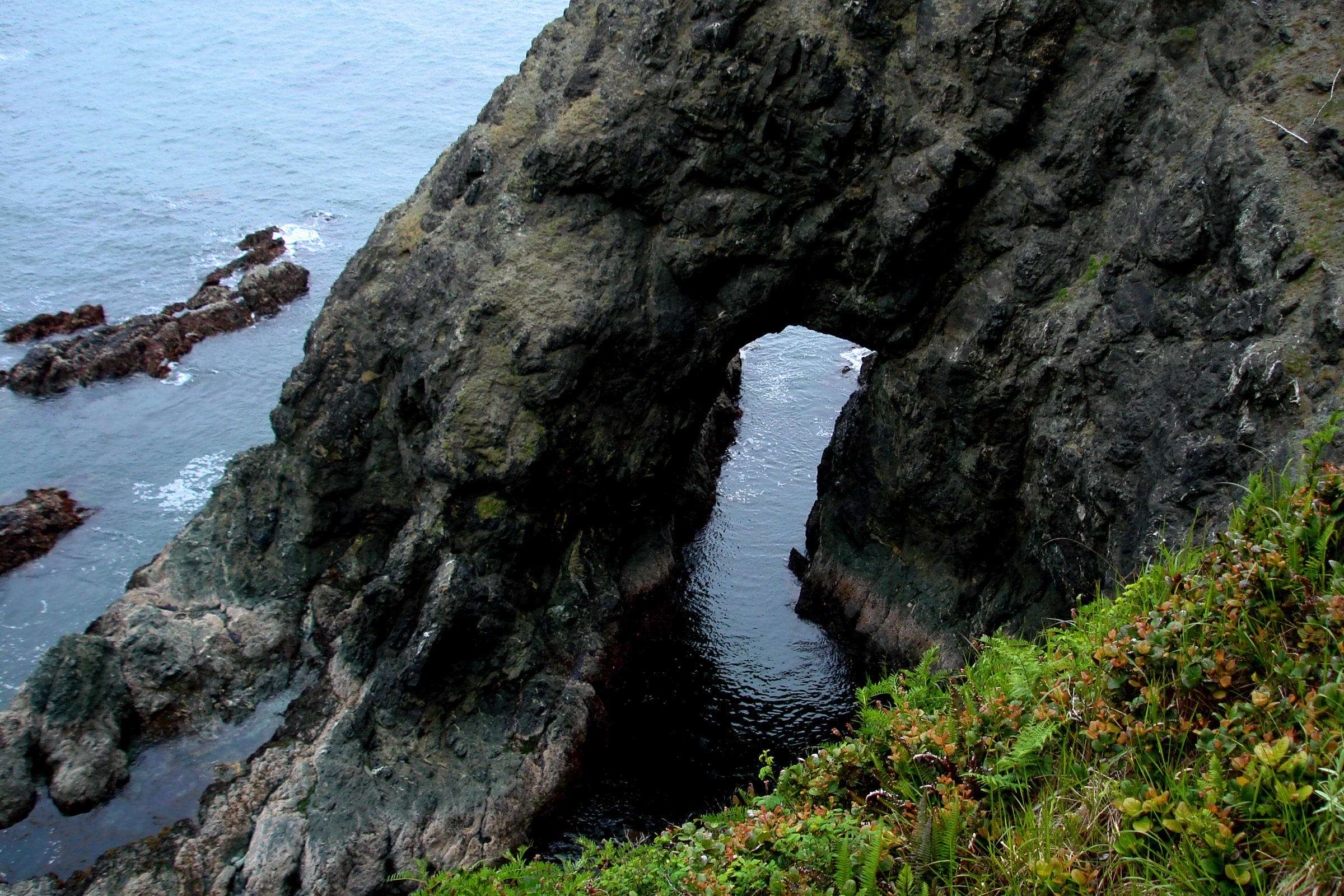
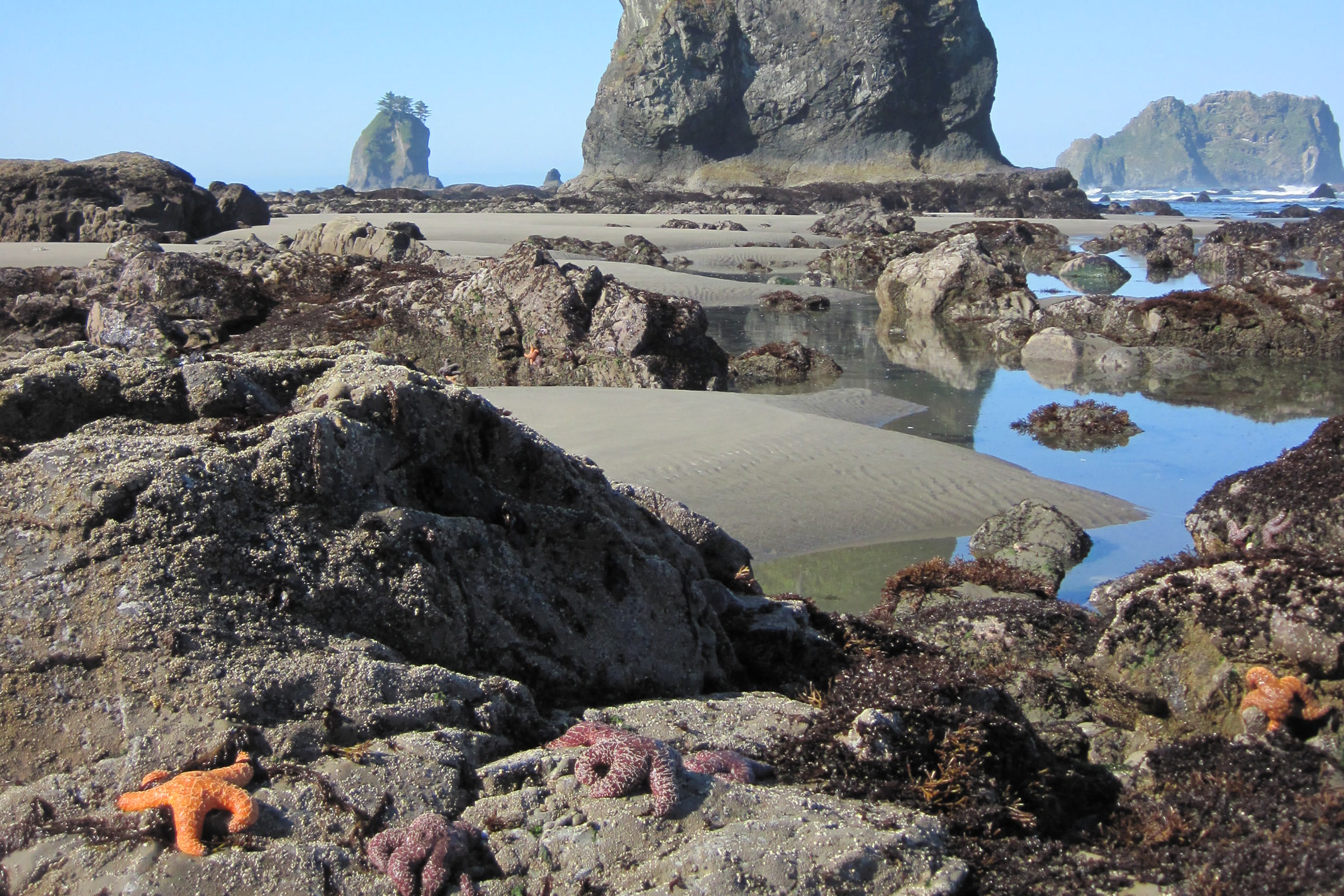
Good tidepool etiquette on the Olympic coast starts with timing. The park suggests tides lower than one foot for the best viewing, and Hole-in-the-Wall, Second Beach and Third Beach are all good spots. Once you are on the rocks, a few habits protect the animals and you.
- Step on bare rock or sand, never on anemones, mussels or sea stars.
- If you lift a rock, put it back exactly as you found it.
- Do not disturb or collect any living thing. You may take only a handful of empty, unoccupied shells.
- Keep one foot on the ground, test slippery rock, and watch for the returning tide and sneaker waves.
Dispose of waste properly and pack out marine debris
Use the pit toilets where they exist, such as at Cape Alava, Sand Point, Shi Shi and Third Beach. Where there is none, dig a cat hole 6 to 8 inches deep in the forest, at least 200 feet from any campsite or water source.
Pack out every wrapper, and add a few pieces of ocean trash if you have room. Do not touch metal cylinders or containers that wash ashore; report them to a ranger. For bigger loads, join our beach cleanups in Olympic National Park.
Be considerate: Olympic National Park beach rules for pets
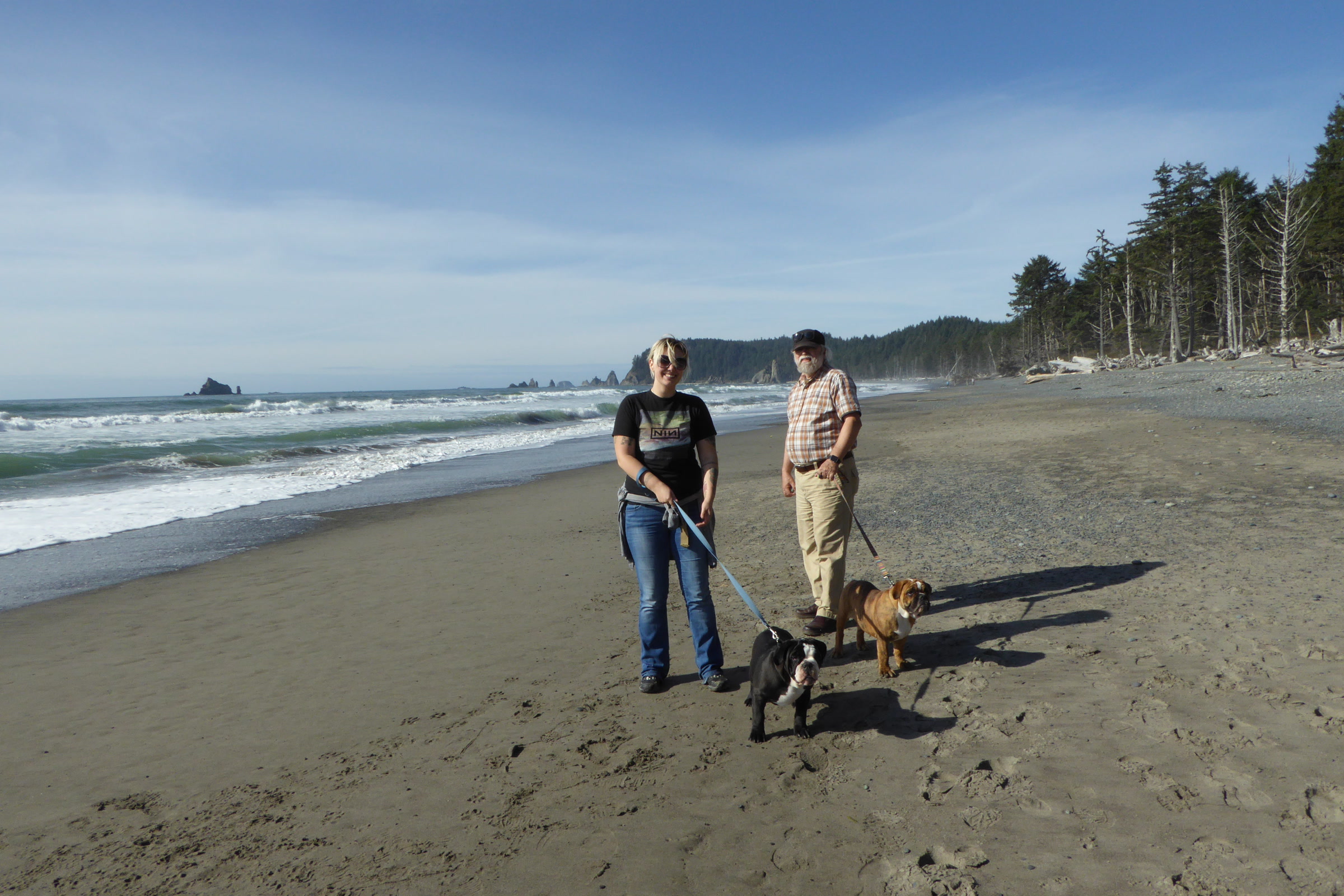
Pets, bicycles, wheeled devices and stock animals are not allowed on the wilderness coast beaches or coastal trails. Dogs are welcome in only two coastal areas: the Kalaloch-area beaches and Rialto Beach from the parking lot to Ellen Creek, about half a mile. They must stay on a leash no longer than six feet, and off the tidal rocks, where barnacles and mussels can cut their paws.
The seven principles on Olympic’s coast
| Principle | What it means on the coast |
|---|---|
| Plan ahead and prepare | Tide chart, map, permit and a realistic daily distance |
| Durable surfaces | Camp on sand above the high tide line, use existing sites |
| Dispose of waste | Pit toilets or cat holes, pack out all trash |
| Leave what you find | No collecting living things, only a few empty shells |
| Campfire impacts | Small driftwood fires on the beach, none in the no-fire zone |
| Respect wildlife | Food in a bear canister, never hung |
| Be considerate | Leashed dogs only where allowed, quiet camps |
For the full rules, read the park’s Olympic wilderness coast guide and the seven Leave No Trace principles from the Leave No Trace Center for Outdoor Ethics. Rules can change with the seasons, so check before every trip.
How Friends of Olympic National Park helps
Beach and Visitor Center Cleanups are one of our seven projects. Each spring we join the park’s coastal cleanup, like our Kalaloch beach cleanup, and we bring new volunteers along.
If you would like to help, see our volunteer opportunities at Olympic National Park or read how to volunteer at Olympic National Park. Or become a member to hear about the next coastal day.
Frequently asked questions
Can you have a fire on the beach in Olympic National Park?
Yes, in most places. Build it on the beach below the high tide line, at least ten feet from beach logs, and burn only driftwood. Fires are not allowed from Yellow Banks north to Wedding Rocks, including Sand Point.
Do I need a bear canister on the Olympic coast?
Yes. All food, garbage and scented items must be stored in a park-approved bear canister along the entire wilderness coast. Raccoons can easily reach food hung in bags, so never hang food there.
Are dogs allowed on Olympic National Park beaches?
Only in two coastal areas: the Kalaloch-area beaches and Rialto Beach from the parking lot to Ellen Creek. Dogs must be on a leash no longer than six feet and kept off tidal rocks.
Can I take shells or rocks from Olympic beaches?
Leave living things and natural features where they are. The park allows only a handful of empty, unoccupied sea shells.
Do I need a permit to camp on the Olympic coast?
Yes. A wilderness camping permit is required for every overnight trip on the wilderness coast, and reservations are required between Point of the Arches and Yellow Banks.
Leave a Reply