
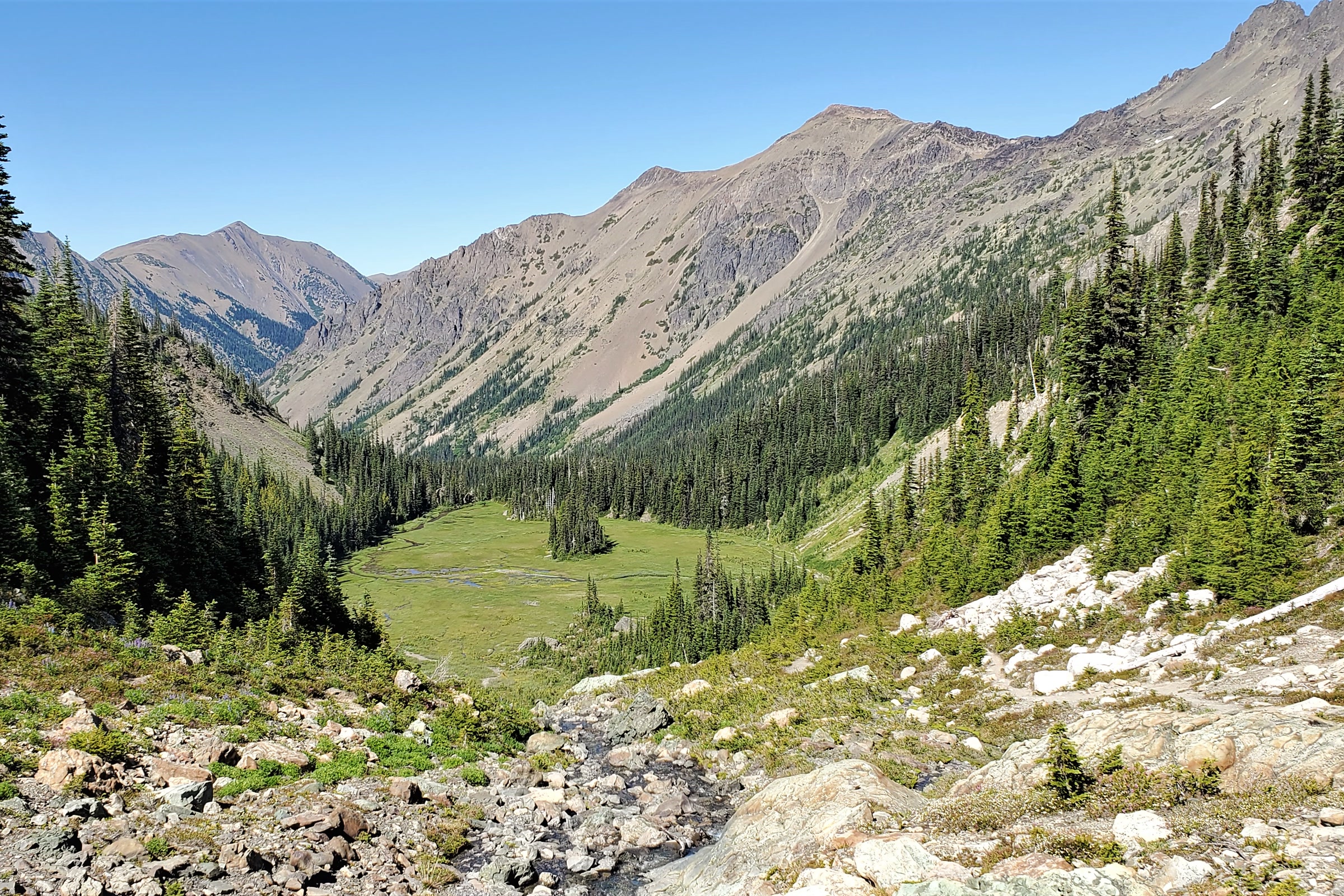
The Royal Basin Trail follows Royal Creek from the Dungeness valley up to Royal Lake, a subalpine lake in the northeast corner of Olympic National Park. The park says this basin holds the highest concentration of peaks over 7,000 feet anywhere in the Olympics. Here is what the park and the Washington Trails Association say about getting there, the hike itself and camping.
Quick answer
How long is the Royal Basin Trail?
The Royal Basin Trail is 7.2 miles one way from the Upper Dungeness Trailhead to Royal Lake, climbing from 2,550 feet to 5,100 feet. The park rates it moderate and gives early July through mid October as the best season. Camping needs a wilderness permit, and Royal Basin is a quota area.
- Trailhead is in Olympic National Forest
- Northwest Forest Pass or America the Beautiful Pass to park
- Designated campsites only, bear canister required
- No campfires anywhere in Royal Basin
The Royal Basin Trail at a glance
The park’s Royal Basin trip page gives the official figures. The WTA Royal Basin hike guide measures the full trip, including the upper basin above the lake.
| Detail | NPS | WTA |
|---|---|---|
| Distance | 7.2 miles to Royal Lake | 16 miles round trip |
| Elevation | 2,550 to 5,100 feet | 2,650 feet of gain, high point 5,700 feet |
| Difficulty | Moderate | Hard |
| Best season | Early July through mid October | Not stated |
| Parking pass | Northwest Forest or America the Beautiful | Same |
The two sources measure different things. The park counts the walk to the lake, while WTA’s 16 miles includes the upper basin, about three quarters of a mile beyond the lake.
Getting to the Upper Dungeness Trailhead
The park places Royal Basin about 18 miles southwest of Sequim. The drive and the first stretch of trail are on national forest land, not in the park. The trailhead is a U.S. Forest Service site in Olympic National Forest, and the park says you need a Northwest Forest Pass or an America the Beautiful Pass to park there.
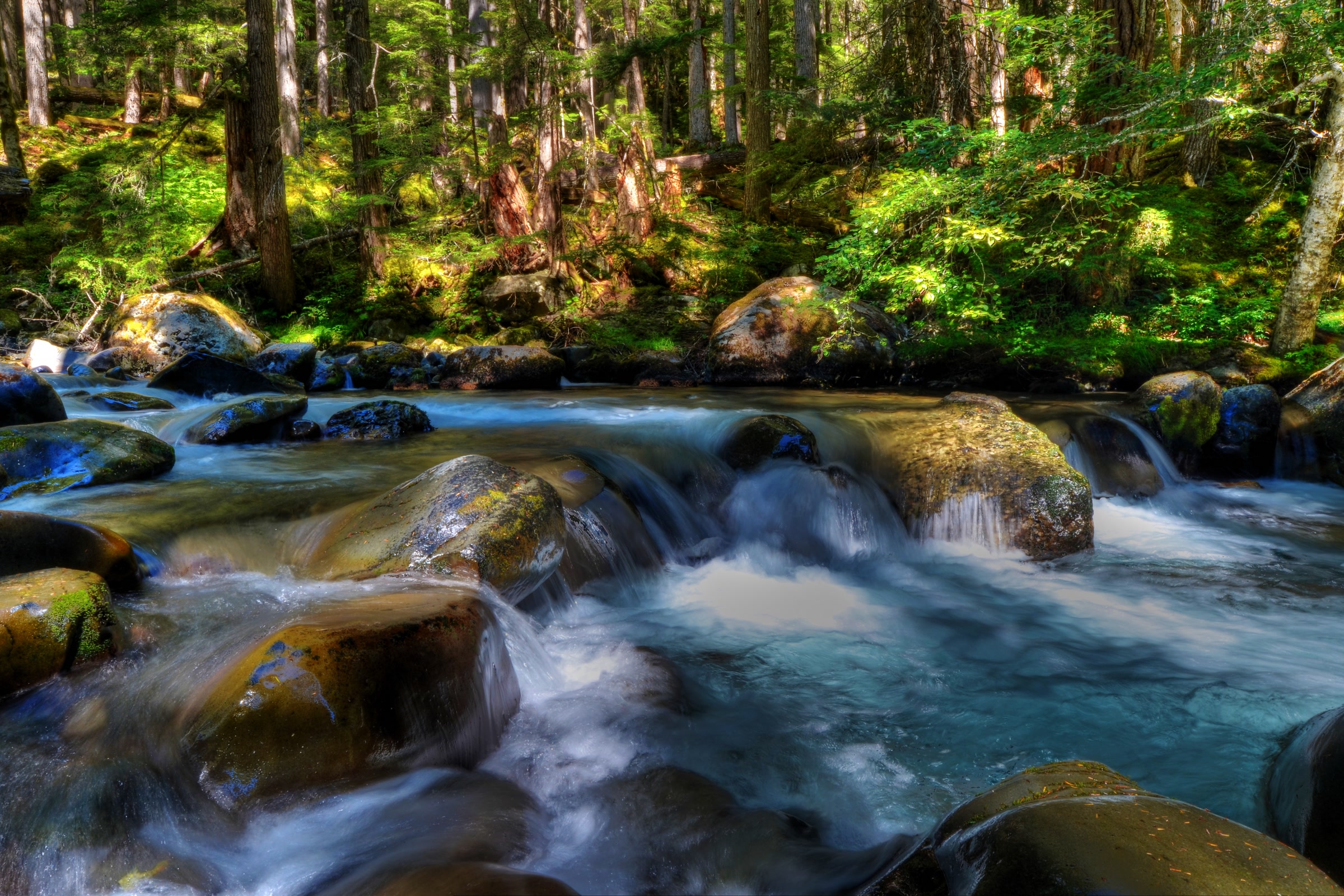
WTA’s directions leave US 101 near Blyn, follow Louella Road and Palo Alto Road, then turn onto Forest Road 2880 and Forest Road 2870. These are gravel Forest Service roads, steep in places, and they cross the Dungeness River twice. WTA lists a sizable parking lot with a picnic table and a vault toilet.
Because the park does not manage these roads, its road conditions page does not cover them. Check with Olympic National Forest before you drive, and see our guide to Olympic National Park vs national forest for how the two differ.
The hike from the Upper Dungeness Trail to Royal Lake
WTA describes the start on the Upper Dungeness Trail, a gentle mile through forest. Just before a footlog over Royal Creek, the Royal Basin Trail turns right and begins to climb along the creek. Keep left at the Maynard Burn junction, and soon after you enter Olympic National Park.
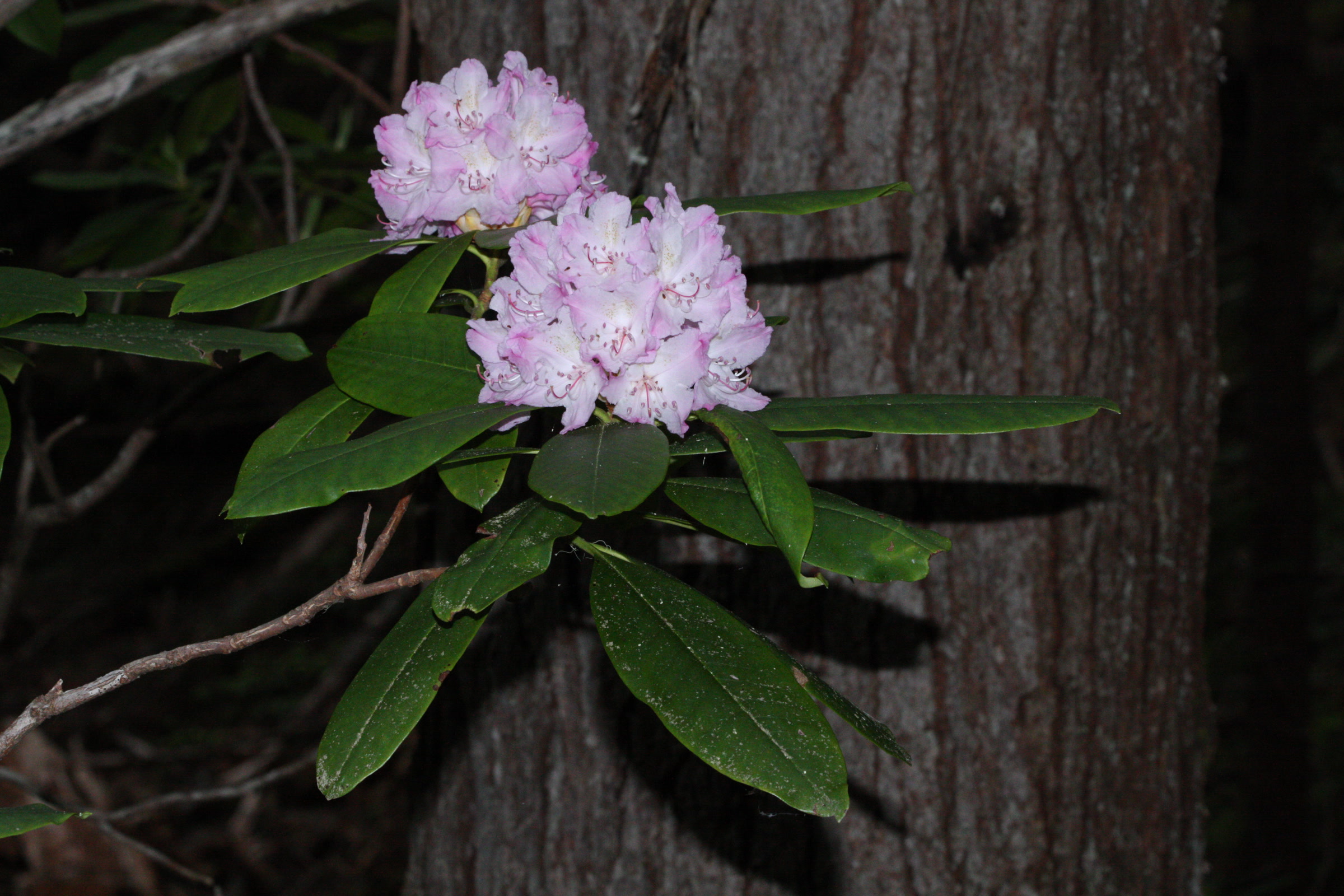
The park describes a maintained tread through montane forest, then subalpine meadow, then the lake basin. The grade is moderate to steep. There are a few small creek crossings, and the park’s advice is simple: expect wet feet.
Royal Lake and the upper basin
WTA puts Royal Lake at 7.2 miles and 5,100 feet, matching the park. Past the lake, WTA describes an unbridged stream crossing and then the upper basin, where small tarns sit at about 5,700 feet below the peaks. For other high lakes worth the walk, see our guide to the lakes of Olympic National Park.
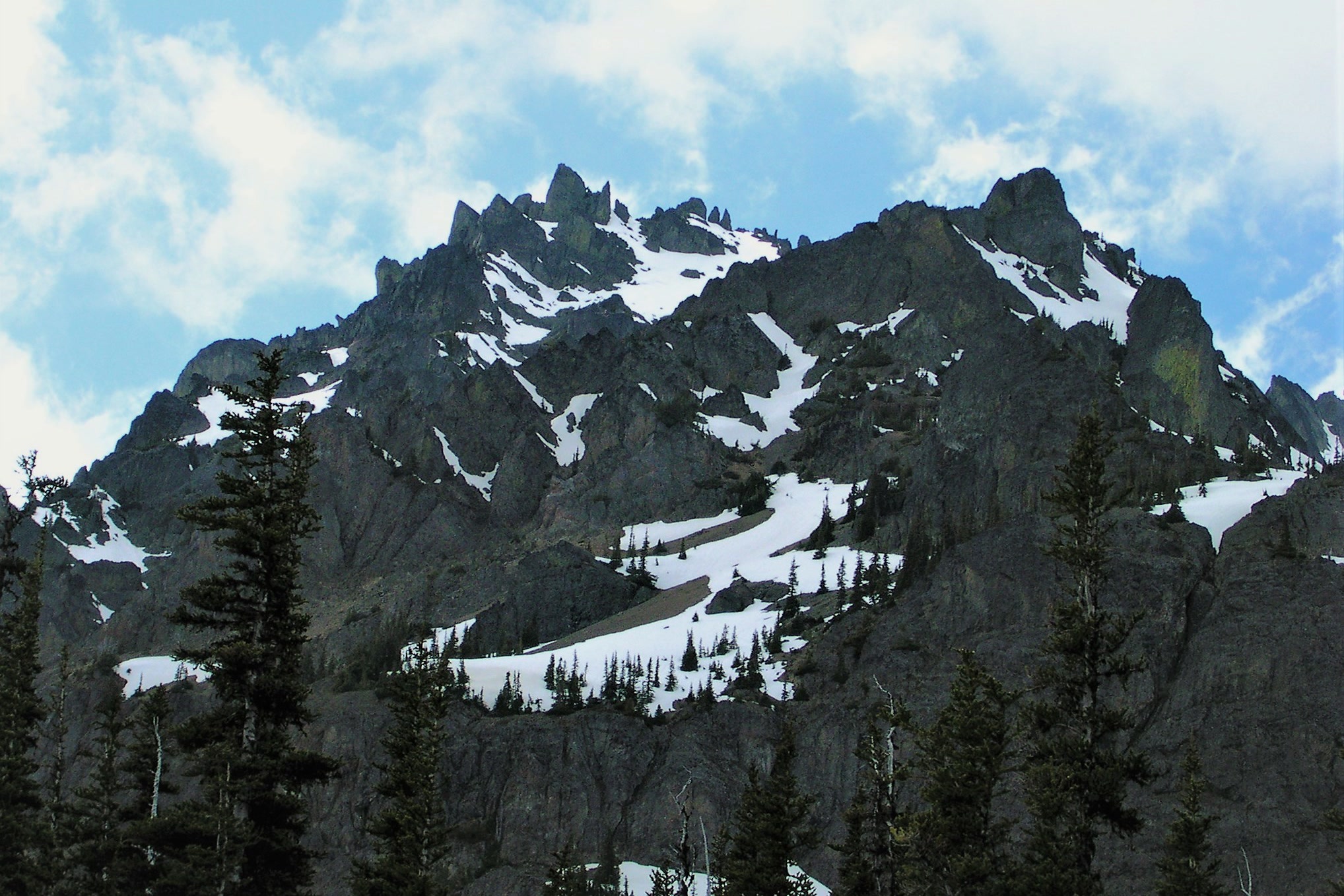
Those peaks draw climbers, but the park is clear that they are not walk ups. The rock is often very rotten, so be ready for rockfall and snow hazards if you leave the trail.
Camping and permits in Royal Basin
Royal Basin and Royal Lake form one of the park’s wilderness quota areas, so the number of campers each night is limited. The park recommends reserving early for trips between May 1 and September 30. Our guide to Olympic National Park wilderness permits explains how to book and what it costs.
- Camps: Royal Creek, Lower Royal Meadow and Royal Lake. Camp in designated sites only.
- Food: a bear canister is required. Secure food, garbage and scented items overnight and whenever they are not in your immediate control.
- Fires: none in Royal Basin. Campfires are banned above 3,500 feet.
- Toilets: composting toilets at Royal Lake. Elsewhere, bury waste 6 to 8 inches deep and 200 feet from water and camps, and pack out toilet paper.
- Water: Royal Creek and Royal Lake. Boil, filter or treat it.
- Stock and pets: the trail is closed to stock at the park boundary, and WTA lists the hike as no dogs.
Wildlife on the Royal Basin Trail
The park lists wildlife among the basin’s highlights. The bear canister rule is a reminder that black bears live here, and the park asks everyone to stay at least 50 yards from all wildlife. Our guide to black bears in Olympic National Park covers what to do if you meet one.
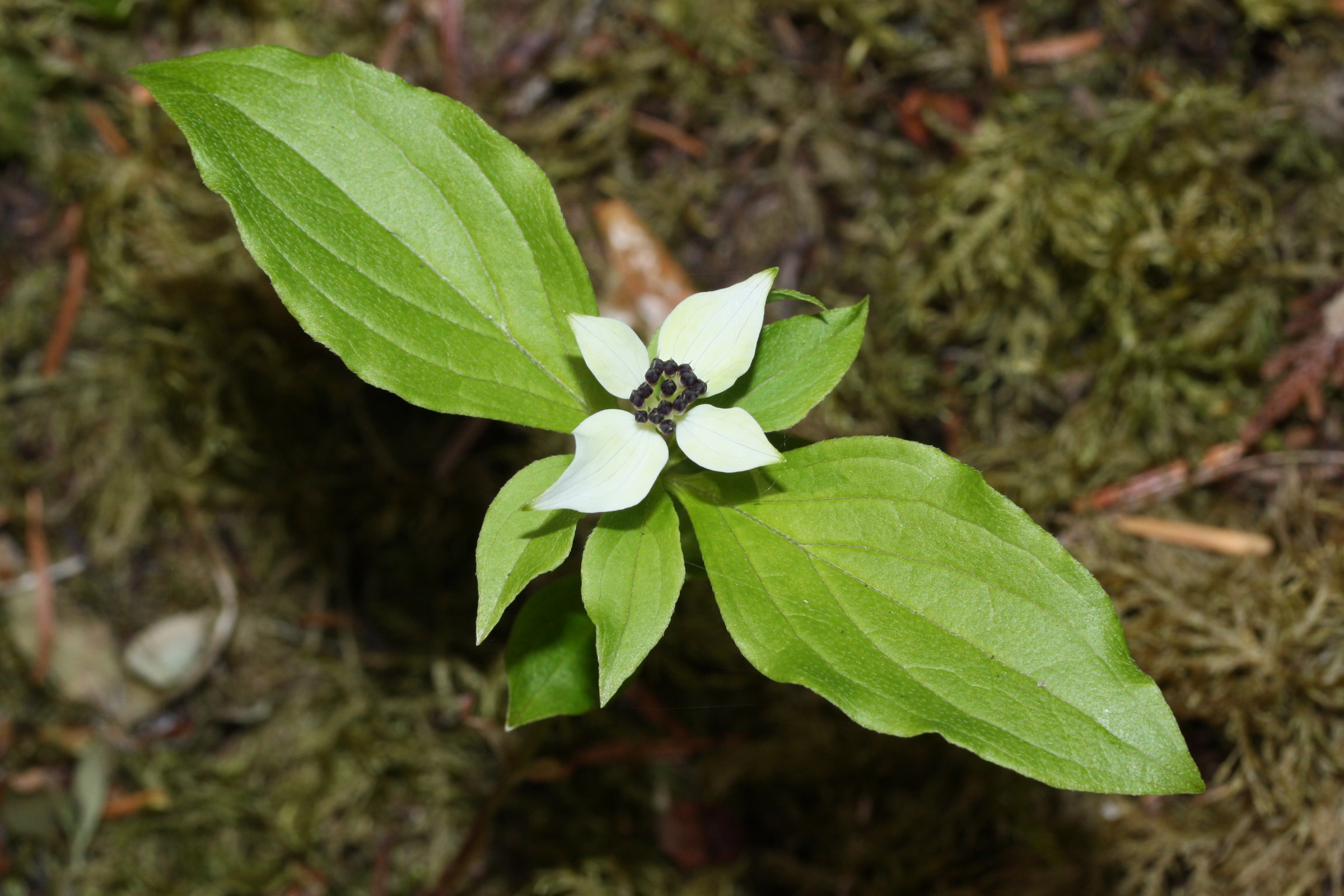
Smaller lives matter here too. An NPS pollinator survey found western bumble bees in Royal Basin, a species that has declined sharply elsewhere on the West Coast. Our post on insects of Olympic National Park tells that story.
When to hike to Royal Lake
The park gives early July through mid October as the best season. In winter or early spring, it says to check avalanche danger and carry avalanche rescue gear and skills.
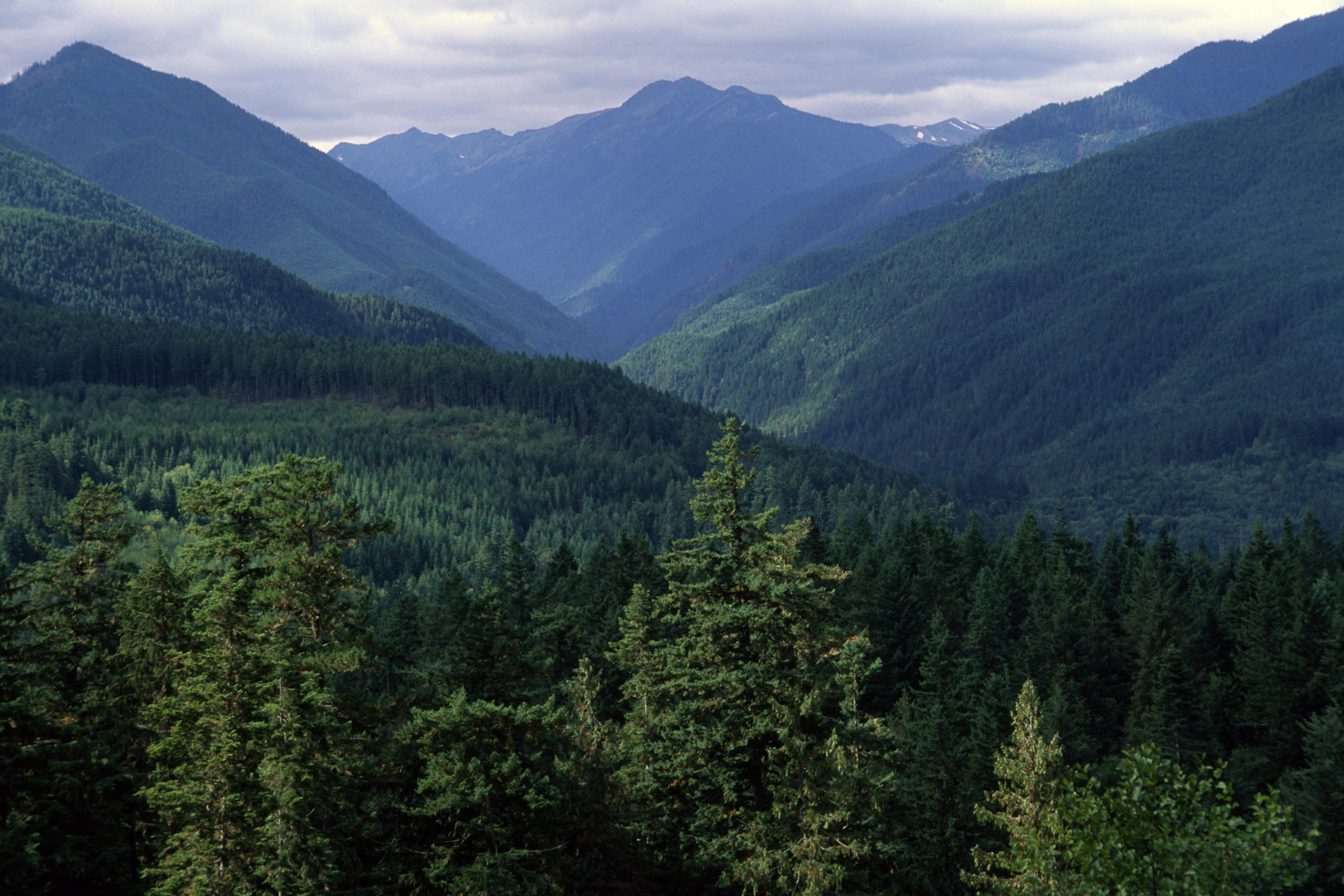
The Dungeness drains the northeast side of the Olympics, toward Sequim, which the park describes as lying in a dry rain shadow. Our Olympic rain shadow explainer covers why.
Staying safe on a long day
A round trip to the lake is more than 14 miles, so start early and carry rain gear, a warm layer, a map and water treatment. Our guide to hiking safety in Olympic National Park covers the ten essentials, river crossings and what to do if the weather turns.
How Friends of Olympic National Park helps
We are Friends of Olympic National Park (FONP), a volunteer led friends group based in Port Angeles. Our projects include an adopt-a-trail crew on the Heart O’ the Forest Trail and cleanups at beaches and the visitor center. If trails like this one matter to you, see our volunteer opportunities and lend a hand.
Frequently asked questions
How hard is the Royal Basin Trail?
The park rates it moderate, with a moderate to steep grade from 2,550 feet to 5,100 feet over 7.2 miles. WTA, which counts a 16 mile round trip including the upper basin, calls it hard.
Do I need a permit for Royal Basin?
Not for a day hike, though you need a Northwest Forest Pass or America the Beautiful Pass to park. To camp you need a wilderness permit, and Royal Basin is a quota area, so the park recommends reserving early for May 1 to September 30.
Where can you camp in Royal Basin?
Only in designated sites, at Royal Creek, Lower Royal Meadow and Royal Lake. A bear canister is required and campfires are not allowed anywhere in Royal Basin.
Can I bring my dog on the Royal Basin Trail?
No. WTA lists the hike as no dogs, and pets are not allowed in the wilderness of Olympic National Park, which the trail enters after the Maynard Burn junction.
When is the best time to hike to Royal Lake?
The park gives early July through mid October. In winter and early spring the basin has avalanche danger, and the park says to check conditions and carry rescue gear.
Leave a Reply